Accounting Terms & Definitions
Master accounting concepts with simple explanations, practical examples, and expert insights.
Complete Accounting Glossary
Browse all accounting terms alphabetically
Real Accounting Questions From the Community
Explore Reddit-backed Otto accounting guides based on real conversations about CPAs, accountants, invoices, reconciliation, ledgers, P&L, and cash flow systems.
One Platform: From Entity Setup to Closing Reports
Comprehensive financial solutions for your business needs.
Entity Management
Easily manage legal entities, compliance, and ownership in one platform.
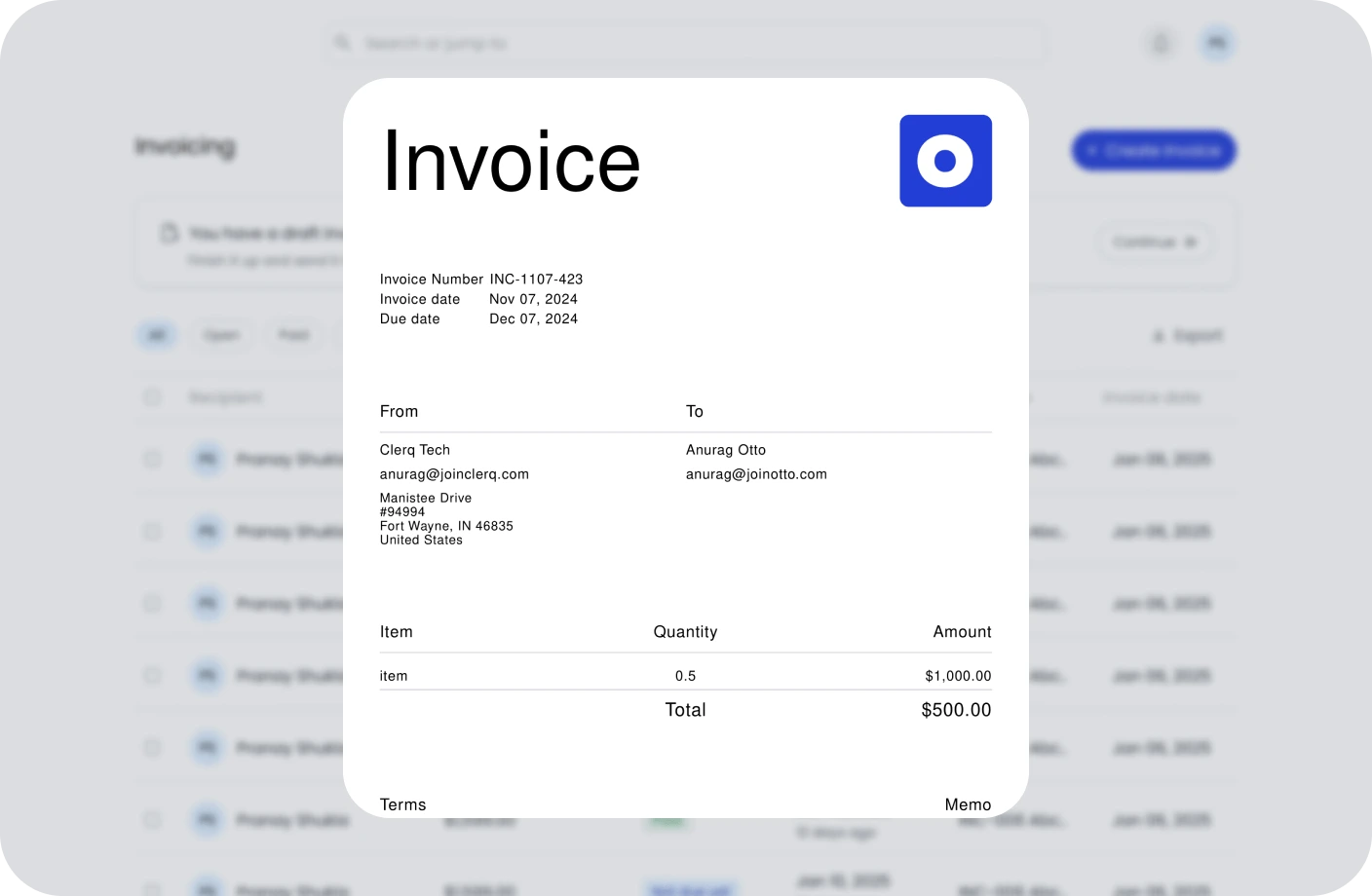
Invoicing
Create, send, and manage invoices. Track payments and assure timely cash flow.
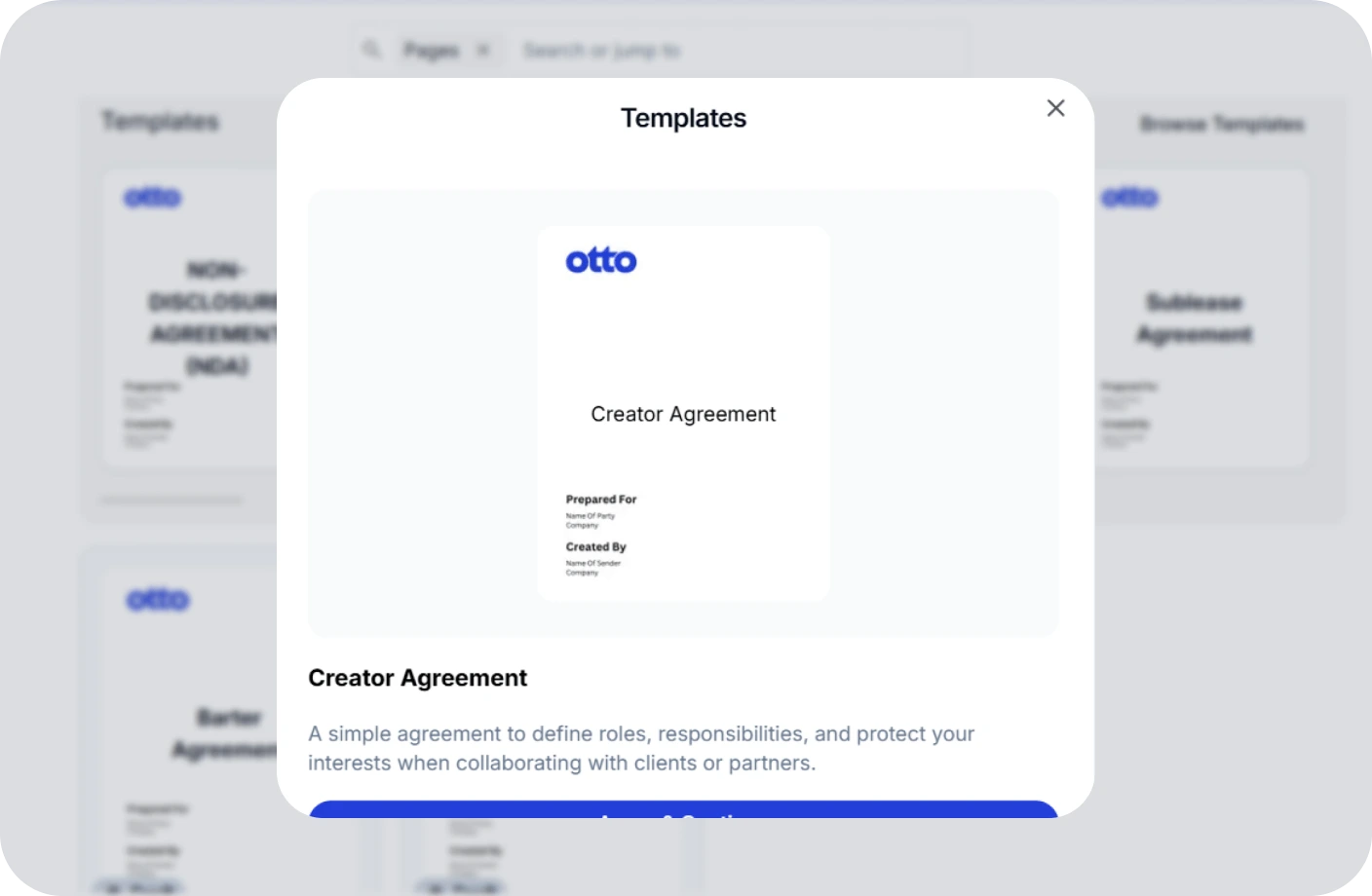
Contracts
Create, track, and e-sign contracts to ensure compliance and deadlines.
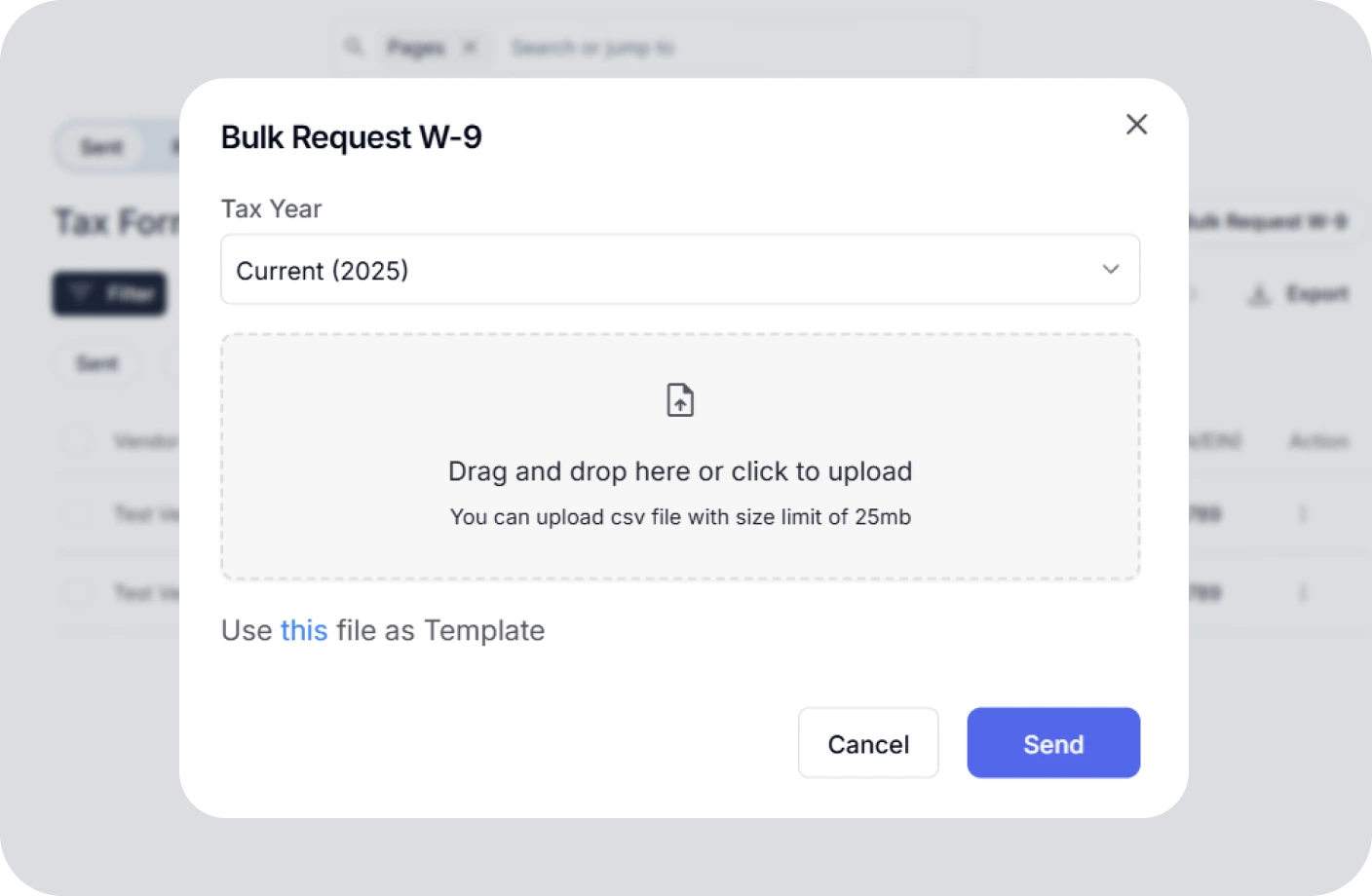
Taxes
Confidently plan taxes with expert CPAs and smart tools to track deductions.
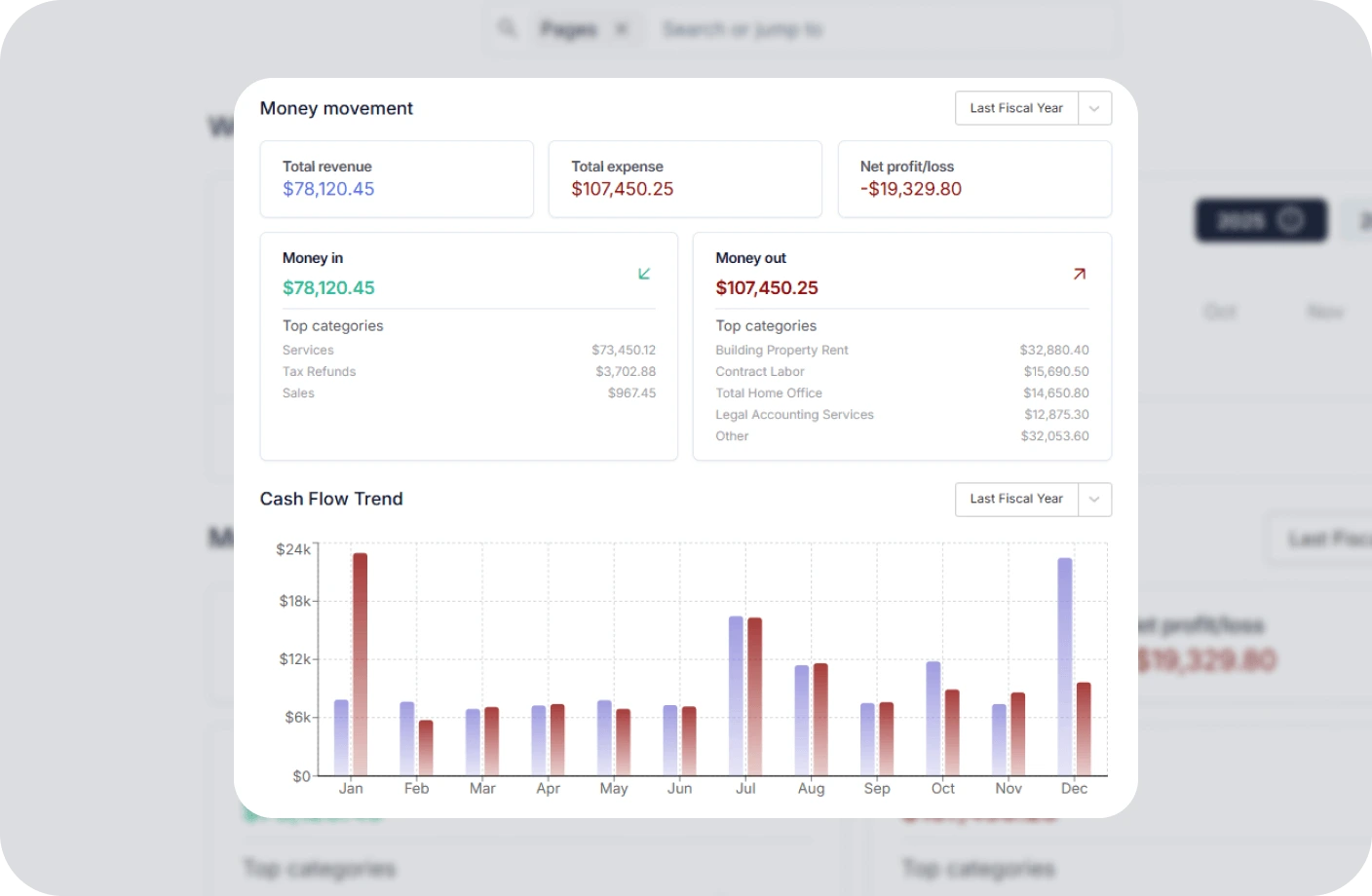
Reports
Real time business reports show where you stand today and what to do next.
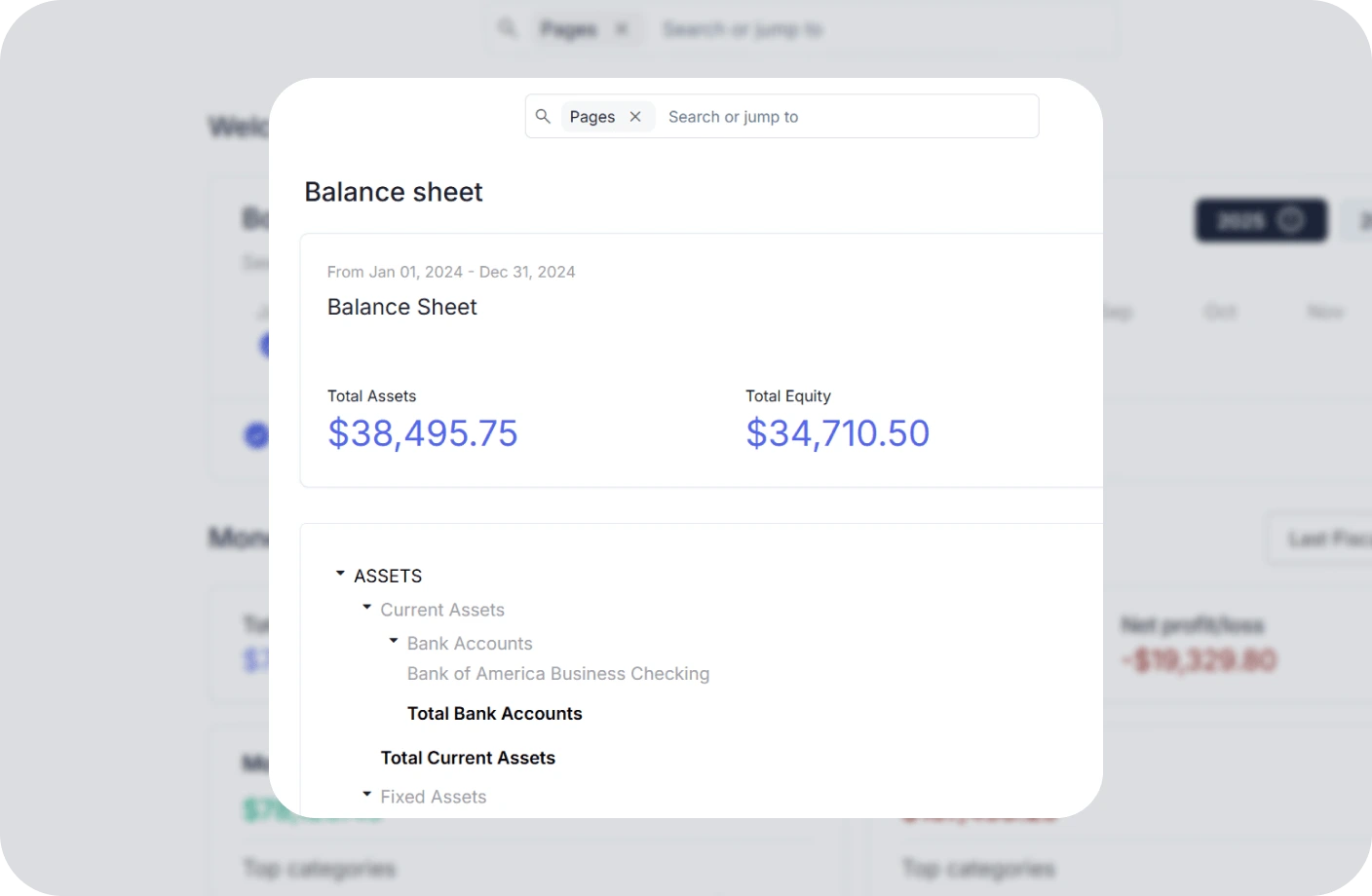
Accounting
All in one accounting software for creators to handle your books, taxes, invoices, contracts.
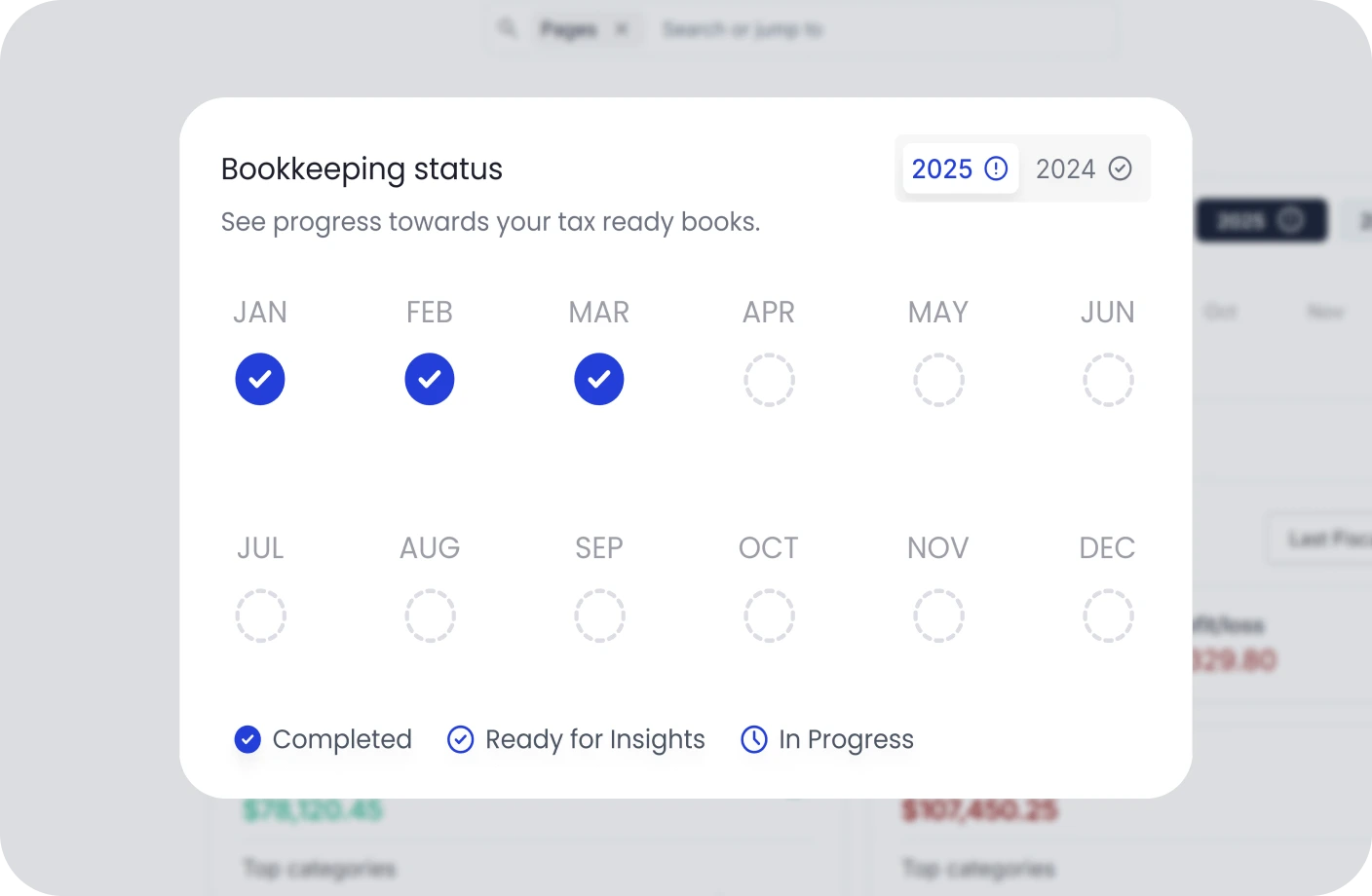
Creator Tools
Specialized tools and resources for every type of creator
YouTubers Tools
Optimize your YouTube channel with analytics, thumbnail generators, and growth tools.
TikTokers Tools
Create viral TikTok content with trend analysis, caption generators, and editing tools.
Content Creators Tools
Comprehensive toolkit for content creation, scheduling, and audience engagement.
Video Creators Tools
Professional video editing, compression, and optimization tools for creators.
Influencers Tools
Manage brand partnerships, track engagement, and maximize your influencer income.
Photographers Tools
Photo editing, watermarking, and portfolio management tools for photographers.
Related Accounting Resources
Essential tax forms and compliance guides for your accounting practice
What Is Cash Pooling? How It Works, Key Types, and Examples
Learn how cash pooling optimizes liquidity across multiple accounts and business entities.
What Is an Amortization Expense? Definition, Formula & Examples
Understand how to calculate and record amortization expenses for intangible assets accurately and efficiently.
Debits vs Credits in Accounting: A Beginner's Guide
Master the fundamental accounting principle of double-entry bookkeeping with clear examples.
Accounting Terms FAQs
Quick answers to common questions about accounting terminology
What are accounting terms?
Accounting terms are specialized vocabulary used to describe financial concepts, transactions, and reporting standards. They include words like assets, liabilities, revenue, expenses, and equity that help communicate financial information consistently across businesses and industries.
Why are accounting terms important?
Accounting terms create a universal language for financial communication, ensuring consistency in financial reporting, legal compliance, and business decision-making. They help investors, managers, and regulators understand and compare financial information accurately.
What are some common accounting terms?
Common terms include: Assets (what a company owns), Liabilities (what a company owes), Equity (owner's stake), Revenue (income), Expenses (costs), Debit/Credit (transaction entries), Cash Flow (money movement), and Balance Sheet (financial statement showing assets, liabilities, and equity).
How can beginners learn accounting terms easily?
Start with basic concepts like the accounting equation (Assets = Liabilities + Equity), use visual aids and real-world examples, practice with simple business scenarios, and gradually build vocabulary. Online glossaries, accounting apps, and beginner-friendly courses can help reinforce learning.
Where are accounting terms used?
Accounting terms are used in financial statements, tax returns, business reports, loan applications, investor communications, internal management reports, and everyday business discussions. They're essential for bookkeeping, financial analysis, auditing, and regulatory compliance.
Master Accounting Terms With Confidence
Go beyond the glossary with Otto's AI-powered accounting software. Get real-time explanations, automated bookkeeping, and smart financial insights that make accounting terminology practical for your business.