
As an influencer or content creator, you pour your heart and soul into your craft. Whether you’re sharing beauty tips, fitness routines, or lifestyle hacks, you’re building a brand that’s authentically you. But let’s be honest, when tax season rolls around, it can feel like you’re trying to decode a foreign language.
The good news is that it doesn't have to be hard to understand tax deductions for people who make content. If you know what costs you can legally write off, you can keep more of your hard-earned money and make your business more profitable.
In this guide, we’ll break down 17 essential tax write-offs that every influencer, YouTuber, podcaster, and content creator should know about. These deductions can help you save a lot of money on everything from your camera equipment and home studio to your editing software and expert services.
17 essential tax write-offs For Influencers & Content Creators
1. Production Equipment

One of your largest business investments is your content creation equipment, which also presents a significant tax deduction. Your equipment is essential to your business, whether you're creating podcasts, YouTube videos, or lifestyle photographs.
What you can write off:
- Cameras, tripods, microphones, and lighting setups
- Computers, tablets, and external hard drives
- Phones used for filming or editing
- Memory cards, lenses, and other accessories
Key things to remember:
- You can deduct the entire cost in the year you buy it or depreciate it over several years.
- If equipment is used for both business and personal purposes, only the business-use portion is deductible.
- Keep receipts and note how each item is used for your content.
Pro Tip: Even smaller accessories like batteries, cables, and stands qualify as deductible business expenses for creators.
2. Home Office Space

Your dedicated workspace for filming, editing, managing your social media, and performing social media monitoring can lower your tax bill.. When you use part of your home regularly and exclusively for your content creation business, you can deduct a portion of your rent, utilities, and internet costs. These are some of the practical features of social media marketing that creators often overlook.
What you can write off:
- A percentage of your rent or mortgage
- Utilities (electricity, heating, water)
- Internet and phone bills
- Furniture, chairs, or décor used for your filming space
Key things to remember:
- The space must be used exclusively and regularly for your business.
- Calculate the percentage of your home used for business to determine your deduction.
- Keep detailed records of your home expenses and workspace dimensions.
Example: If your workspace makes up 10% of your home, you can deduct 10% of your rent and utilities.
3. Software Subscriptions
Every app and tool you use to create, edit, and manage your content can be a tax write-off. From editing software to social media scheduling tools, these business expenses directly reduce your taxable income. Investing in reliable tools like Movavi software not only streamlines your workflow but also qualifies as a deductible business expense when used for content creation.
Key things to remember:
- Video and photo editing software subscriptions
- Social media management platforms
- Cloud storage for your content
- Analytics and metrics tools
- Website hosting and domain fees
- Music licensing services
- Self-hosted password managers for business accounts
Pro tip: Make sure to keep your subscription receipts and document how each tool helps your content business. Annual subscriptions can often save you money compared to monthly plans.
Also Read: Tax Tips Every Creative Should Know
4. Professional Services

Running a personal brand is like running a small business and even the most creative minds need expert help sometimes. The fees you pay for professional support are fully tax-deductible business expenses.
What you can write off:
- Accountants and tax advisors who handle your finances
- Lawyers for contracts, trademarks, or brand partnerships
- Virtual assistants or content managers
- Photographers and videographers for branded shoots
- Video editors and graphic designers
- Business coaches or consultants
- Web developers and tech support specialists
Key things to remember:
- Keep detailed invoices from service providers.
- Ensure each invoice clearly describes the business service.
- Consulting or coaching fees related to business growth also qualify.
Example: If you hire a video editor to produce your YouTube content, their fee counts as a deductible production expense.
5. Gifts and Giveaways

Giving back to your audience isn’t just good for engagement — it can also work in your favor at tax time. Whether you’re sending a PR gift to a loyal follower, running a giveaway to grow your audience, or sending thank-you packages to collaborators, these gifting expenses can be deductible business write-offs.
What you can write off:
- Products or items purchased for giveaways and contests
- Shipping and packaging costs for gifts
- Custom merchandise made for fan giveaways
- Prizes, vouchers, or gift cards given to winners
- Brand products received and distributed to followers
- Gifts for sponsors, clients, or collaborators
Key things to remember:
- Keep clear records of each gift — include the recipient, value, and business purpose.
- You can typically deduct up to $25 per recipient for business gifts.
- If you receive products from a brand to give away, note their fair market value in your income and expenses.
Pro Tip: Document your giveaways through screenshots, receipts, and email confirmations. This proof helps validate your deductions if audited.
6. Grooming Expenses

For influencers and content creators, personal appearance often plays a big part in your brand’s image. While everyday grooming isn’t deductible, expenses directly related to filming or promotional work can count as valid write-offs.
What you can write off:
- Beauty products (makeup, skincare, or haircare) purchased specifically for content creation.
- Haircuts, styling, and makeup sessions done for a shoot or event.
- Wardrobe pieces or costumes bought exclusively for content, collaborations, or photo shoots.
Key things to remember:
- Keep receipts for all beauty and grooming expenses.
- Make a note of how each purchase ties to a specific project, shoot, or campaign.
- Regular clothing and general grooming still don’t qualify unless used solely for business purposes.
Pro Tip: Maintain a log showing each item’s business use — for example, noting “used in March skincare reel” or “purchased for brand collab shoot.”
7. Networking Costs

Influencer success often comes from strong connections. Attending events, meeting collaborators, or joining communities can all lead to deductible networking expenses. Many creators also collaborate with an influencer marketing agency, which can introduce them to industry events, brand contacts, and partnerships that expand these valuable connections.
What you can write off:
- Event and conference fees (including registration and tickets).
- Travel, meals, and accommodation for networking trips.
- Meals with collaborators or sponsors (50% deductible).
- Business gifts up to $25 per recipient.
- Memberships in professional organizations or online creator communities.
Key things to remember:
- Always keep receipts and note the business purpose (e.g., “Meeting with sponsor for brand deal”).
- You can deduct travel expenses only if the primary purpose of the trip was business.
- Networking also includes digital tools like LinkedIn Premium or community platform memberships.
Pro Tip: Keep digital records and notes from each meeting or event to justify the deduction.
Also Read: LLC a Guide for Creators
8. Website Expenses

Your website is your online headquarters — it’s where brands find you and followers learn more about your work. The good news? Almost every cost related to your website qualifies as a business deduction, especially when you invest in professional WordPress Website Development to build a strong online presence.
What you can write off:
- Domain registration and renewal fees
- Website hosting and SSL certificates
- Paid website themes, templates, or builders
- Custom web design or development costs
- Plugins, analytics, and maintenance tools
- Email hosting and newsletter platforms
- Payment gateway or shopping cart fees
Key things to remember:
- One-time setup costs (like design) and ongoing fees (like hosting) should be tracked separately.
- Deduct expenses used for business promotion, not personal blogging.
Pro Tip: Add your site management tools (like Squarespace, Webflow, or WordPress) to your deductible software list to make filing easier.
9. Phone and Communications
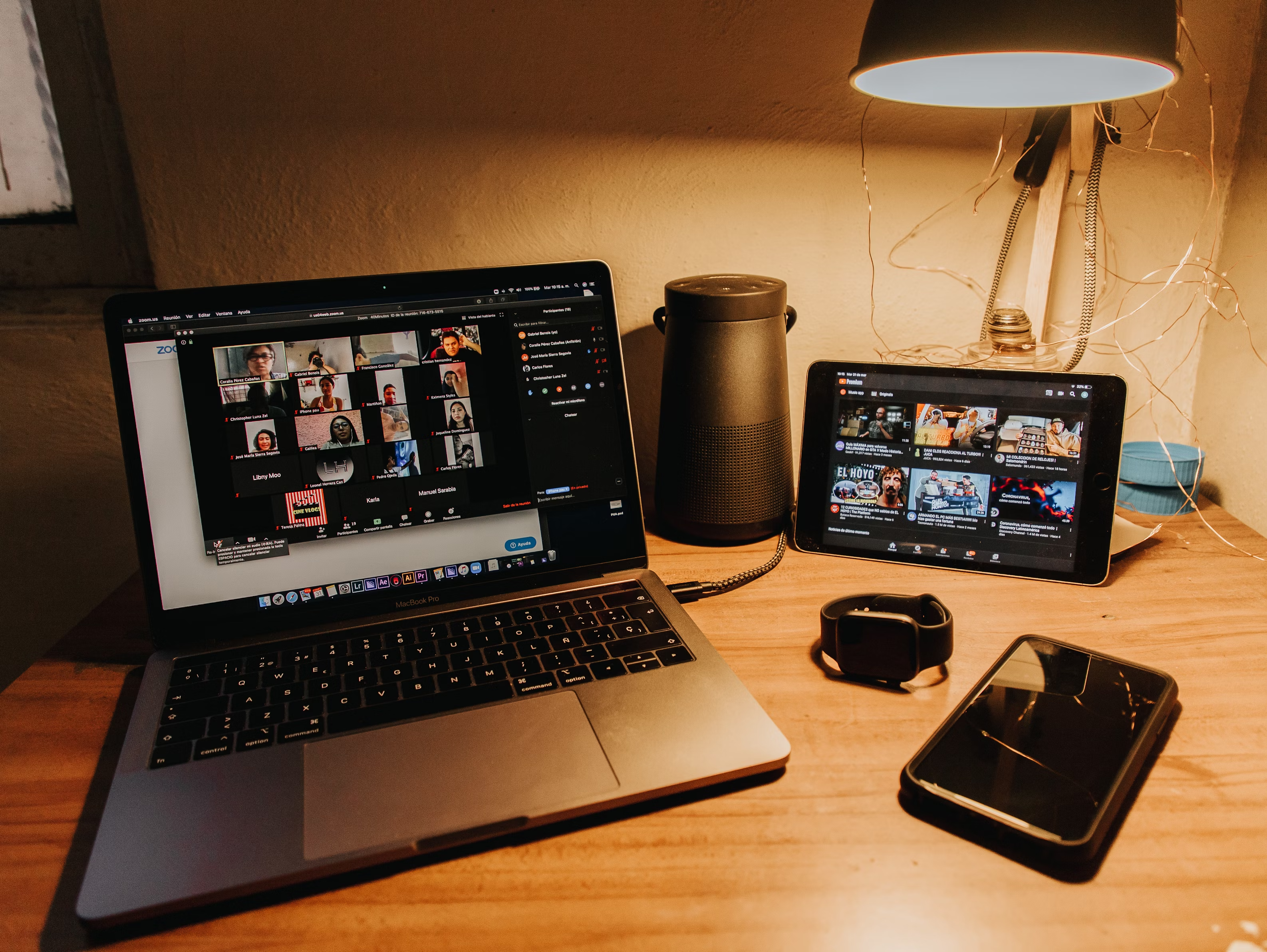
For content creators, your phone and internet are critical business tools — whether for filming, editing, or engaging with followers. While you likely use them for both work and personal purposes, you can deduct the percentage used for business activities.
What you can write off:
- Monthly phone bills and mobile data costs
- Business-related calls, messages, and video meetings
- Internet service fees
- Video conferencing subscriptions (Zoom, Google Meet, etc.)
- Phone accessories like tripods, lenses, or mics used for filming
Key things to remember:
- Keep detailed records or estimate the portion of your phone/internet used for business.
- Only deduct that percentage from your total cost.
Example: If 70% of your phone use is business-related, you can deduct 70% of your monthly bill.
10. Marketing and Advertising
Growing your audience and brand visibility often requires paid marketing efforts. The best part? Every penny spent on promoting your business is 100% tax-deductible.
What you can write off:
- Paid social media ads (Instagram, TikTok, YouTube)
- Sponsored post boosts
- Influencer collaborations or cross-promotions
- Email marketing software and automation tools
- Business cards and press kits
- Email marketing services
- Promotional merchandise (stickers, T-shirts, etc.)
- PR agency and marketing consultant fees
Key things to remember:
- Track every marketing expense under a single category for easier reporting.
- Even influencer collabs you pay for (like shoutouts or ad swaps) can count as business advertising.
Pro Tip: Use analytics tools to track ROI — this data can help justify marketing deductions if audited.
Also Read: Self-Employment Taxes
11. Travel for Content Creation

When your content takes you places, those travel expenses might be deductible. Whether you’re filming a destination vlog, attending a brand event, or shooting sponsored content abroad, business-related travel qualifies as a write-off.
What you can write off:
- Flights, train, or car travel
- Lodging and Airbnb stays
- Meals during business trips (50% deductible)
- Car rentals, gas, and rideshare fares
- Location permits and site fees
- Travel insurance and baggage fees
- Local transport (taxis, subways, etc.)
Key things to remember:
- The trip must have a primary business purpose — personal vacations don’t qualify.
- Keep an itinerary, invoices, and proof of content created during travel.
Pro Tip: Document your trips with vlogs, behind-the-scenes posts, or photos — this doubles as content and proof of your deduction.
12. Content-Specific Materials

The little things you buy to enhance your content like props, materials, and creative tools are fully deductible business supplies.
What you can write off:
- Props, décor, and backdrops for photos or videos
- Filming supplies like gaffer tape or clamps
- Costumes and stage accessories
- Ingredients for cooking, DIY, or tutorial content
- Crafting materials or project supplies
- Replacement memory cards, tripods, or drives
Key things to remember:
- Track materials by project or video shoot.
- Save all receipts and note which piece of content they were used for.
Pro Tip: Organize material costs by campaign, it makes reporting and budgeting easier.
13. Business Insurance

Protecting your creative business is crucial. Insurance not only shields you from unexpected risks but also counts as a deductible business expense.
What you can write off:
- General liability insurance
- Professional liability coverage
- Property insurance for your studio or workspace
- Equipment insurance (for cameras, laptops, etc.)
Key things to remember:
- Coverage helps safeguard you from lawsuits, accidents, and damaged gear.
- Compare policies designed for freelancers, influencers, or small creators.
Pro Tip: Bundle insurance policies to get discounts and comprehensive protection.
14. Educational Expenses
Investing in your skills and knowledge is key to staying competitive as a content creator, and many of these educational expenses are tax-deductible. From online courses to workshops, you can write off the costs of learning new techniques and strategies.
What you can write off:
- Online courses and webinars related to your niche
- Workshops or seminars for content creation or marketing
- Conference passes and industry event tickets
- Books, magazines, or newsletters for professional learning
- Memberships in creative associations
- Educational software or productivity tools
Key things to remember:
- The education must relate to your current business — not a completely new career path.
- Keep digital receipts and enrollment confirmations.
Pro Tip: Learning expenses show that you’re investing in your professional growth, a strong indicator of your business legitimacy for tax purposes.
Also Read: Year-End Tax & Bookkeeping Guide for Creators
15. Clothing and Beauty Products

When your personal image is part of your brand, your wardrobe and grooming essentials become more than just style statements — they’re business tools. While you can’t deduct your entire wardrobe, you can write off clothing and beauty products purchased specifically for your content creation work.
These deductions apply when the items are used solely for business purposes, like filming, photoshoots, or brand partnerships.
Eligible clothing and beauty deductions include:
- Outfits purchased for sponsored posts or brand collaborations
- Makeup, hair, and skincare products used exclusively in tutorials or content shoots
- Jewelry like diamond rings, accessories, or props featured in styling or fashion videos
- Clothing rentals for professional shoots, events, or video productions
Pro Tip: To stay compliant with IRS rules, keep clear records of each purchase — including receipts, campaign details, and the specific business purpose. If a product or outfit is ever worn or used outside of your content creation work, it likely won’t qualify as a business deduction. When in doubt, consult with a tax professional to ensure you’re applying these deductions correctly.
16. Bank and Financial Fees

Running your influencer business often means managing multiple income streams — sponsorships, affiliate payments, or brand deals. If you maintain a separate business bank account or credit card, the fees associated with those accounts are tax-deductible.
Many creators overlook small charges for credit card processing, but they can add up significantly over the year.
Common deductible banking and financial fees include:
- Monthly maintenance fees for business bank accounts
- Annual credit card fees tied to your business account
- Transaction and payment processing fees (e.g., Stripe, PayPal, Venmo Business)
- Interest payments on business-related loans or balances
- Wire transfer or foreign transaction fees when working with international brands
- Overdraft or NSF fees associated with your business banking
Pro Tip: If you use tools like Otto, you can automatically track and categorize bank fees to make sure none of these small but valuable deductions slip through the cracks. Automation tools like this are particularly helpful for influencers juggling multiple payment sources and collaborations.
17. Office Supplies

You may not work in a traditional office, but as a content creator, you definitely use plenty of office supplies to keep your creative business running smoothly. These everyday expenses are fully deductible and can make a noticeable difference at tax time.
Tax-deductible office supplies include:
- Basic materials like pens, notebooks, planners, and sticky notes
- Printer ink and paper for contracts, invoices, or script printing
- Shipping materials for brand collaborations or giveaway prizes
- File folders, binders, and storage organizers for managing paperwork
- Cleaning supplies for your home studio or recording setup
- Batteries and cables for filming gear or microphones
- Desk accessories such as lamps, ergonomic chairs, and mouse pads
Even though these might seem like minor purchases, consistent documentation and tracking can lead to meaningful savings over time.
Pro Tip: Keep receipts organized digitally using expense-tracking software or a bookkeeping app. You’ll thank yourself during tax season — especially if your accountant requests itemized proof of purchases.
Final Thoughts: Mastering Tax Write-Offs as a Content Creator
Being a creator isn’t just about crafting engaging content — it’s about running a sustainable business. Understanding your tax write-offs can help you hold onto more of your hard-earned income while staying compliant with tax regulations.
Here’s what to remember:
- Always separate personal and business expenses.
- Maintain a dedicated business bank account.
- Keep digital copies of receipts and note the purpose of each purchase.
- Revisit your deductions annually as tax rules evolve.
Using a tool like Otto AI can simplify much of this process — helping creators automatically categorize expenses, detect eligible write-offs, and prepare for tax filing with confidence.
By taking advantage of these often-overlooked deductions — from clothing and beauty products to financial fees and office supplies — you can maximize your savings and reinvest more money into growing your creative business.