Accrual Accounting: Key Principles and Benefits
Learn what accrual accounting is, how it works, and why it matters for accurate financial reporting.
KEY TAKEAWAYS
-
✓
Accrual accounting records revenue and expenses when they are earned or incurred, not when cash changes hands.
-
✓
It provides a more accurate picture of financial health and is required for GAAP-compliant financial statements.
-
✓
Accrual accounting supports better financial planning, cash flow forecasting, and informed business decision-making.
What is Accrual Accounting?
Accrual accounting is a way of keeping track of money that happens when you earn it or spend it, not just when you actually receive or pay cash. This means that if you do a job in January but get paid in February, you still count it as income for January. This method helps businesses understand how much money they really have coming in and going out over a period of time.
How Does Accrual Accounting Work?
In accrual accounting, there are two main concepts:
- Revenue Recognition: This means you record income when you earn it, even if the money isn't in the bank yet.
- Expense Recognition: This means you record expenses when you incur them, not when you pay for them.
For example, if a company sells a product in March but only receives the payment in April, they still record that sale in March's income. This gives a clearer picture of the business's financial performance.
What Are the Benefits of Accrual Accounting?
Accrual accounting has several advantages:
- Better Financial Insights: It provides a more accurate view of a company's financial health, showing all income and expenses during a particular period.
- Improved Planning: Businesses can plan better because they can see future cash flows based on their sales and expenses.
- Required for Larger Businesses: Many larger companies must use accrual accounting to comply with accounting rules and regulations.
How to Implement Accrual Accounting?
To start using accrual accounting, follow these steps:
- Set Up Accounts: Create accounts for tracking income and expenses.
- Record Transactions: Whenever you earn money or incur an expense, record it immediately, regardless of when cash changes hands.
- Review Regularly: Check your books often to ensure everything is accurate and up-to-date.
By using accrual accounting, businesses can maintain a clearer picture of their financial activities and make smarter decisions based on their true economic situation.
How It Applies to Your Business
When will you actually use this?
Accrual accounting isn't just for accountants. It impacts everyday business operations and can mean the difference between accurate and misleading financial records. Here's when you'll use these principles:
Revenue Recognition
Record income when it's earned, not when payment arrives, for a true picture of sales performance.
Expense Matching
Match expenses to the periods they help generate revenue, revealing true profitability by month.
Financial Reporting
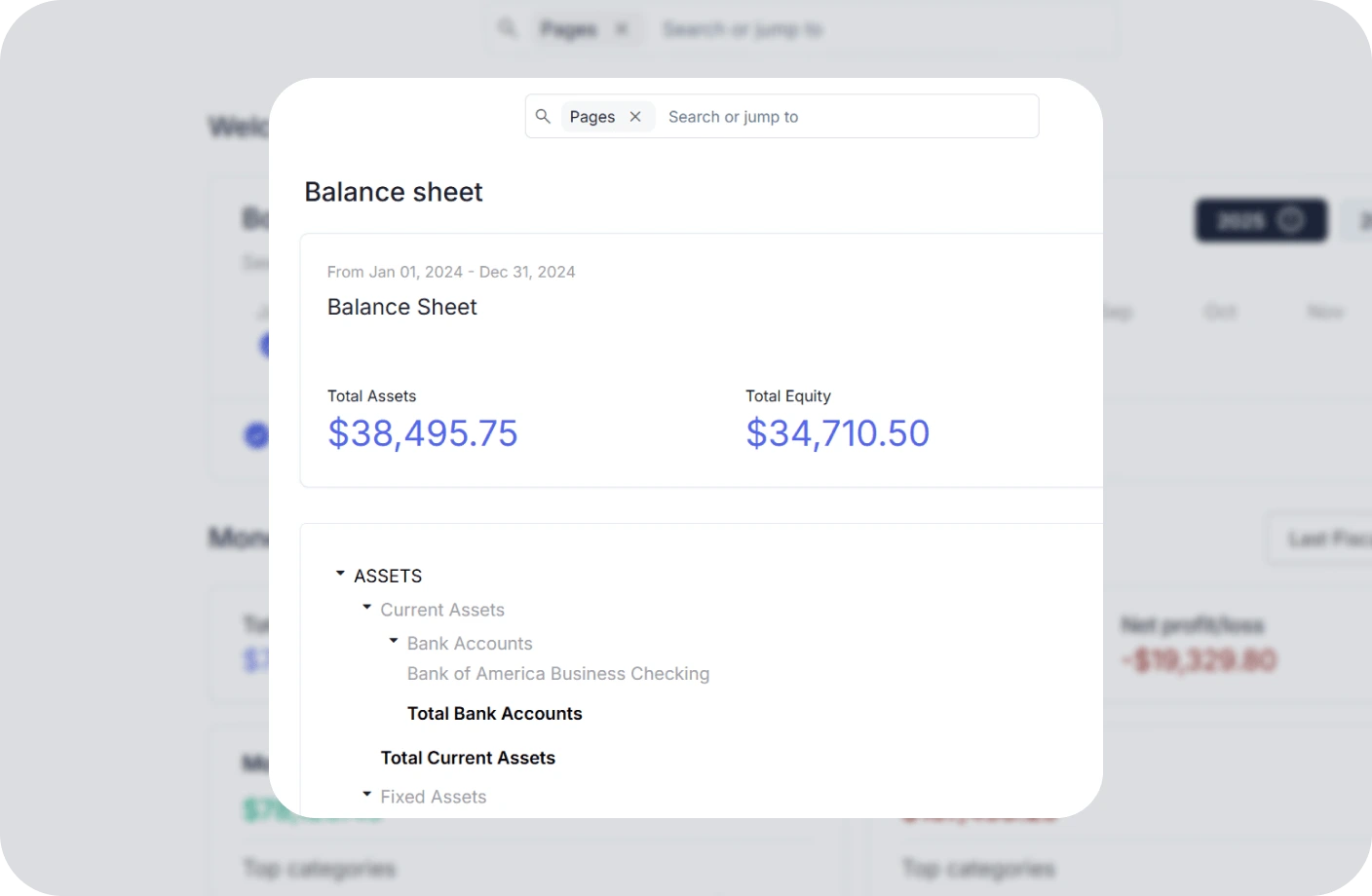
Generate accurate income statements and balance sheets that reflect your business's real financial position.
GAAP Compliance
Meet Generally Accepted Accounting Principles required for audits, investors, and regulatory filings.
Cash Flow Forecasting
Use accrued revenue and expense data to predict future cash needs and plan for growth.
Tax Preparation
Accrual-based records simplify tax filing by providing a complete view of earned income and incurred expenses.
Recommended Reading
Expand your knowledge with these related topics
Expense Control
Learn effective strategies to monitor and manage business expenses for better financial health.
Fixed Asset Ledger
Track and manage your fixed assets with a dedicated ledger for accurate depreciation and valuation.
Mobile Bookkeeping
Manage your books on the go with mobile bookkeeping solutions designed for modern businesses.
Tangible Assets
Understand how to properly account for and manage physical business assets and their depreciation.
Closing Entries
Master the process of closing temporary accounts and preparing your books for the next period.
Bad Debt
Learn how to account for uncollectible receivables and manage bad debt in your financial records.
Real Bookkeeping Questions From the Community
Explore Reddit-backed Otto bookkeeping guides based on real conversations about reconciliation, ledgers, P&L, cash flow, and accounting systems.
One Platform: From Entity Setup to Closing Reports
Comprehensive financial solutions for your business needs.
Entity Management
Easily manage legal entities, compliance, and ownership in one platform.
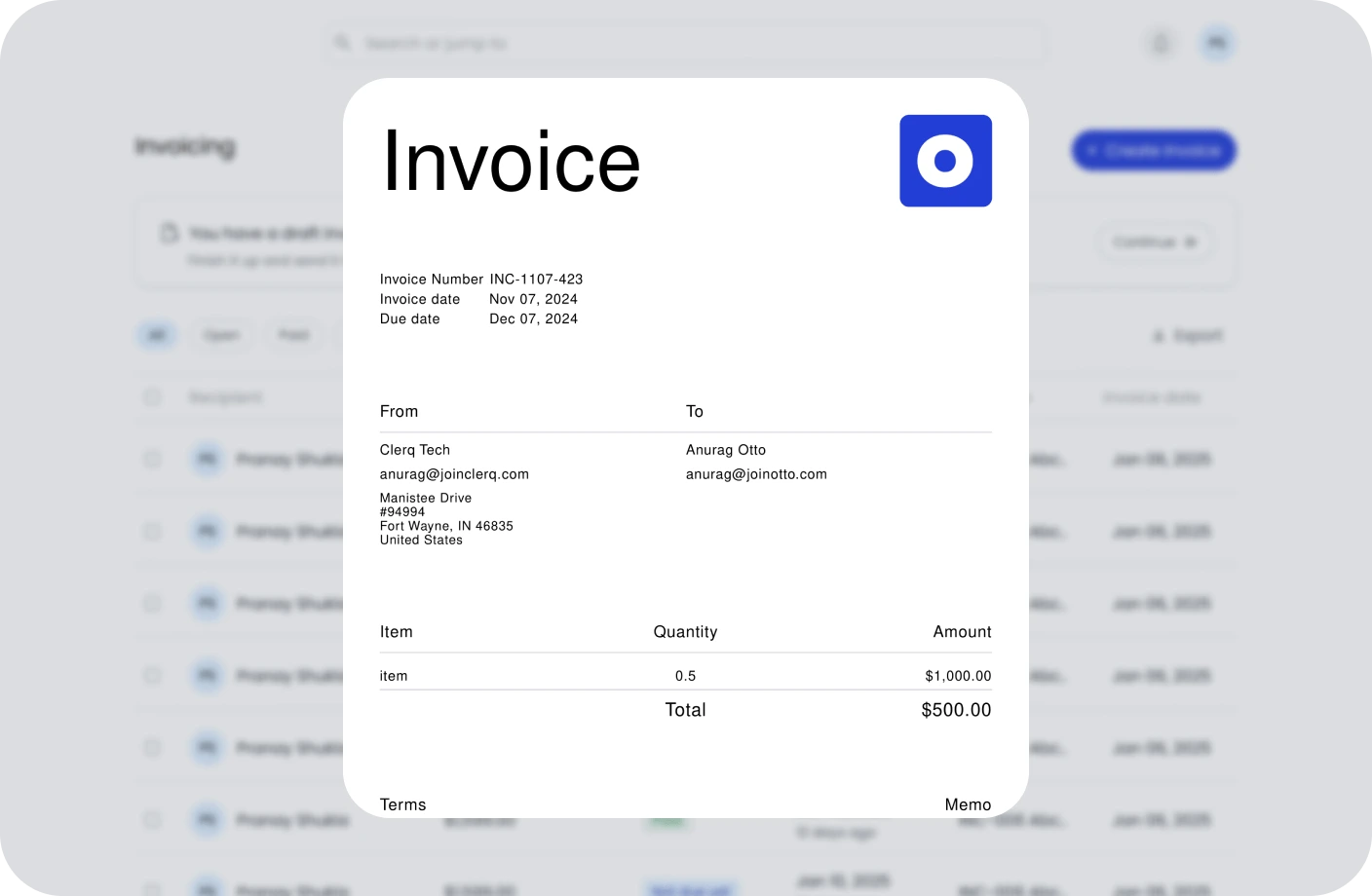
Invoicing
Create, send, and manage invoices. Track payments and assure timely cash flow.
Contracts
Create, track, and e-sign contracts to ensure compliance and deadlines.
Taxes
Confidently plan taxes with expert CPAs and smart tools to track deductions.
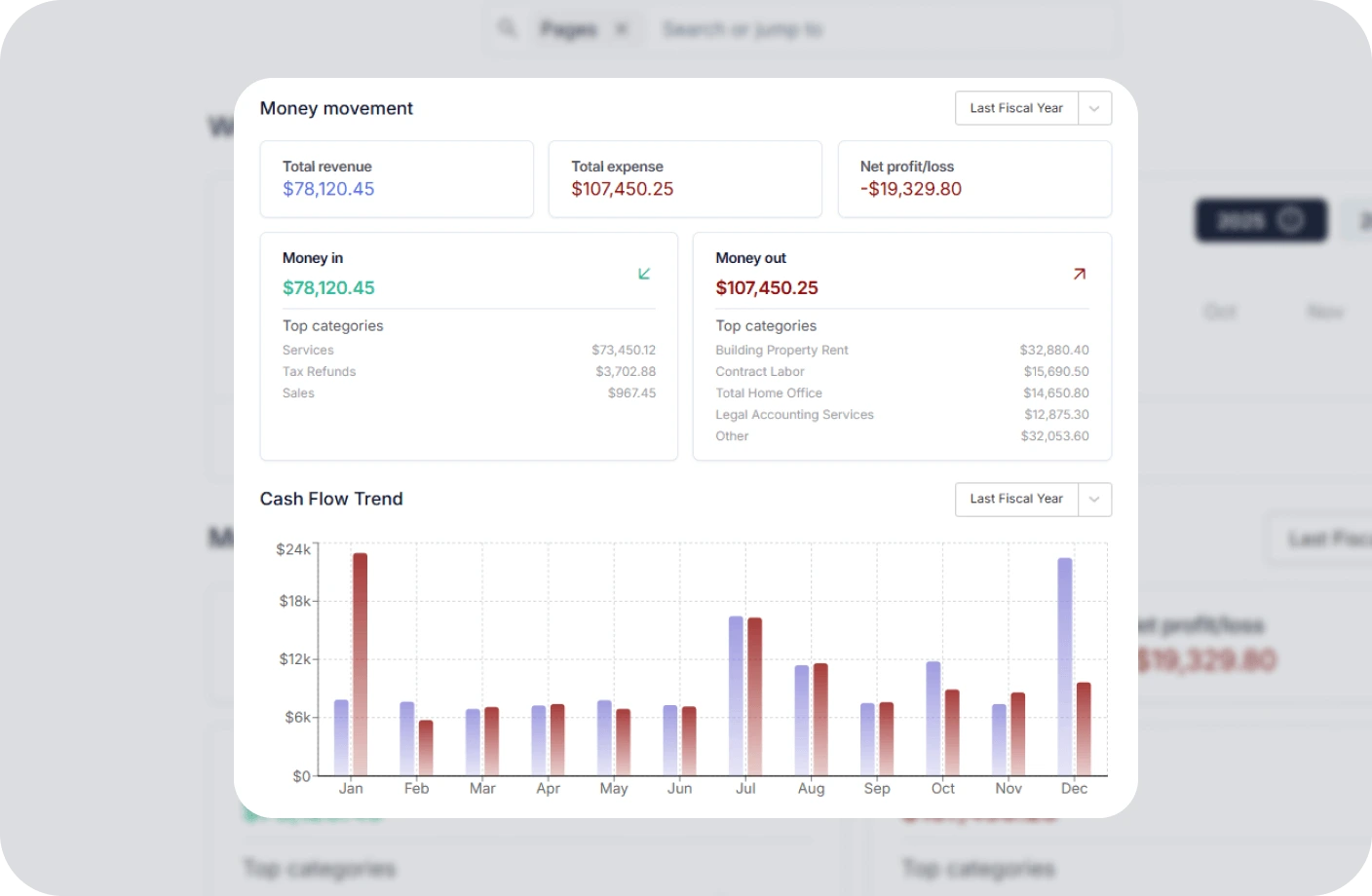
Reports
Real time business reports show where you stand today and what to do next.
Accounting
All in one accounting software for creators to handle your books, taxes, invoices, contracts.
Creator Tools
Specialized tools and resources for every type of creator
YouTubers Tools
Optimize your YouTube channel with analytics, thumbnail generators, and growth tools.
TikTokers Tools
Create viral TikTok content with trend analysis, caption generators, and editing tools.
Content Creators Tools
Comprehensive toolkit for content creation, scheduling, and audience engagement.
Video Creators Tools
Professional video editing, compression, and optimization tools for creators.
Influencers Tools
Manage brand partnerships, track engagement, and maximize your influencer income.
Photographers Tools
Photo editing, watermarking, and portfolio management tools for photographers.
Related Bookkeeping Resources
Essential guides and resources for your bookkeeping practice
The Joys of Bookkeeping: Finding Passion in Numbers
Discover the unexpected satisfaction in bookkeeping and how numbers tell the story of a business's success.
Navigating Early Challenges in a Remote Bookkeeping Practice
Practical advice for overcoming common hurdles when starting and growing a remote bookkeeping business.
Balancing Bookkeeping Client Relations and Expectations
Learn how to set clear expectations, communicate effectively, and build lasting client relationships in bookkeeping.
Accrual Accounting FAQs
Quick answers to common questions about accrual accounting
What distinguishes accrual accounting from cash accounting?
Accrual accounting records revenue and expenses when they are earned or incurred, providing a more comprehensive view of a business's finances. Unlike cash accounting, which recognizes transactions only during cash exchange, accrual accounting allows businesses to acknowledge income when services or goods are delivered, facilitating proactive financial decision-making.
How does accrual accounting influence financial statements and business decisions?
By documenting revenues and expenses at the time they arise, accrual accounting paints a clearer picture of a company's financial status. This clarity supports robust performance evaluations and accurate cash flow forecasts.
What are the key benefits of accrual accounting over cash accounting?
Accrual accounting enhances financial performance accuracy by recognizing revenues and expenses as they occur. This method is crucial for effective financial planning and is often a requirement for larger enterprises seeking investors.
In what ways does accrual accounting impact financial statements compared to cash accounting?
Accrual accounting ensures timely recording of financial transactions, providing a true reflection of a business's financial health over time, as opposed to cash accounting, which may distort a company’s fiscal reality.
Why should businesses consider using accrual accounting?
Accrual accounting captures all revenues and expenses as they occur, independent of cash transactions, setting it apart from cash accounting, which only tracks inflows and outflows. This distinction is pivotal for reliable financial reporting and effective cash flow management.
Record Your Accruals Without the Confusion
Let Otto's AI-powered bookkeeping handle accrual accounting. Track revenue, expenses, and keep accurate records effortlessly.