Cash Disbursement: Essential Guide for Content Creators
Master cash disbursement to elevate your creative business. Ideal for artists, musicians, and creators managing expenses effectively.
KEY TAKEAWAYS
-
✓
Cash disbursement refers to the outflow of cash from a business to pay for goods, services, or expenses.
-
✓
Keeping a cash disbursement journal helps track every payment and simplifies tax preparation.
-
✓
Proper disbursement management prevents overspending and supports better financial decision-making.
What is Cash Disbursement?
Cash disbursement is an essential financial term for content creators, and independent professionals. Understanding how cash disbursement works can help you manage your finances better, track your expenses, and ensure that your creative work is supported by sound financial practices.
What is a Cash Disbursement?
Cash disbursement refers to the process of paying out cash for goods or services, usually recorded in a cash disbursement journal. For Creators and creators, it means the payments made to vendors, contractors, or other entities as part of their business operations.
In simpler terms, whenever you make a payment in cash—whether for software subscriptions, materials for your artwork, or payments to your team members—this is a cash disbursement.
Key Components of Cash Disbursements
-
•
Payment Method: This could be physical cash, a bank transfer, or any form of electronic payment.
-
•
Cash Disbursement Journal: A record-keeping tool that tracks every payment made by the business.
-
•
Internal Controls: Processes to ensure that disbursements are authorized and recorded correctly.
Why is Cash Disbursement Important for Creators?
For content creators and independent professionals, managing cash disbursements effectively is crucial for several reasons:
-
•
Expense Tracking: Keep a clear record of every payment for tax deductions and financial planning.
-
•
Budget Management: Monitor outgoing cash to avoid overspending and maintain healthy cash flow.
-
•
Tax Preparation: Organized disbursement records make tax filing easier and help maximize deductions.
Types of Cash Disbursements
Cash disbursements can be categorized into several types based on their purpose:
-
•
Operating Expenses: Payments for day-to-day business operations like software subscriptions, rent, and utilities.
-
•
Vendor Payments: Payments to suppliers and contractors for goods and services rendered.
-
•
Asset Purchases: Payments for equipment, tools, or property used in the business.
-
•
Payroll: Payments to employees or team members for their work.
Overall, understanding and managing cash disbursements is a vital practice for maintaining accurate financial records and ensuring the financial health of your creative business.
How Cash Disbursement Applies to Your Business
When will you actually use this?
Cash disbursement isn't just a financial term — it's a daily reality for content creators. Every payment you make for your creative business is a cash disbursement. Here's when you'll use these principles:
Paying Vendors
Pay your equipment suppliers, software vendors, and service providers accurately and on time.
Tracking Expenses
Log every business expense from camera gear to studio rent for accurate tax deductions.
Contractor Payments
Manage payments to freelancers, editors, and collaborators who help create your content.
Budget Planning
Use historical disbursement data to plan future budgets and forecast cash flow needs.
Tax Deductions
Organized disbursement records make it easy to claim every eligible business deduction.
Fraud Prevention
Monitor outgoing payments to catch unauthorized transactions and prevent financial loss.
Recommended Reading
Expand your knowledge with these related topics
Expense Control
Learn effective strategies to monitor and manage business expenses for better financial health.
Fixed Asset Ledger
Track and manage your fixed assets with a dedicated ledger for accurate depreciation and valuation.
Mobile Bookkeeping
Manage your books on the go with mobile bookkeeping solutions designed for modern businesses.
Tangible Assets
Understand how to properly account for and manage physical business assets and their depreciation.
Closing Entries
Master the process of closing temporary accounts and preparing your books for the next period.
Bad Debt
Learn how to account for uncollectible receivables and manage bad debt in your financial records.
Real Bookkeeping Questions From the Community
Explore Reddit-backed Otto bookkeeping guides based on real conversations about reconciliation, ledgers, P&L, cash flow, and accounting systems.
One Platform: From Entity Setup to Closing Reports
Comprehensive financial solutions for your business needs.
Entity Management
Easily manage legal entities, compliance, and ownership in one platform.
Invoicing
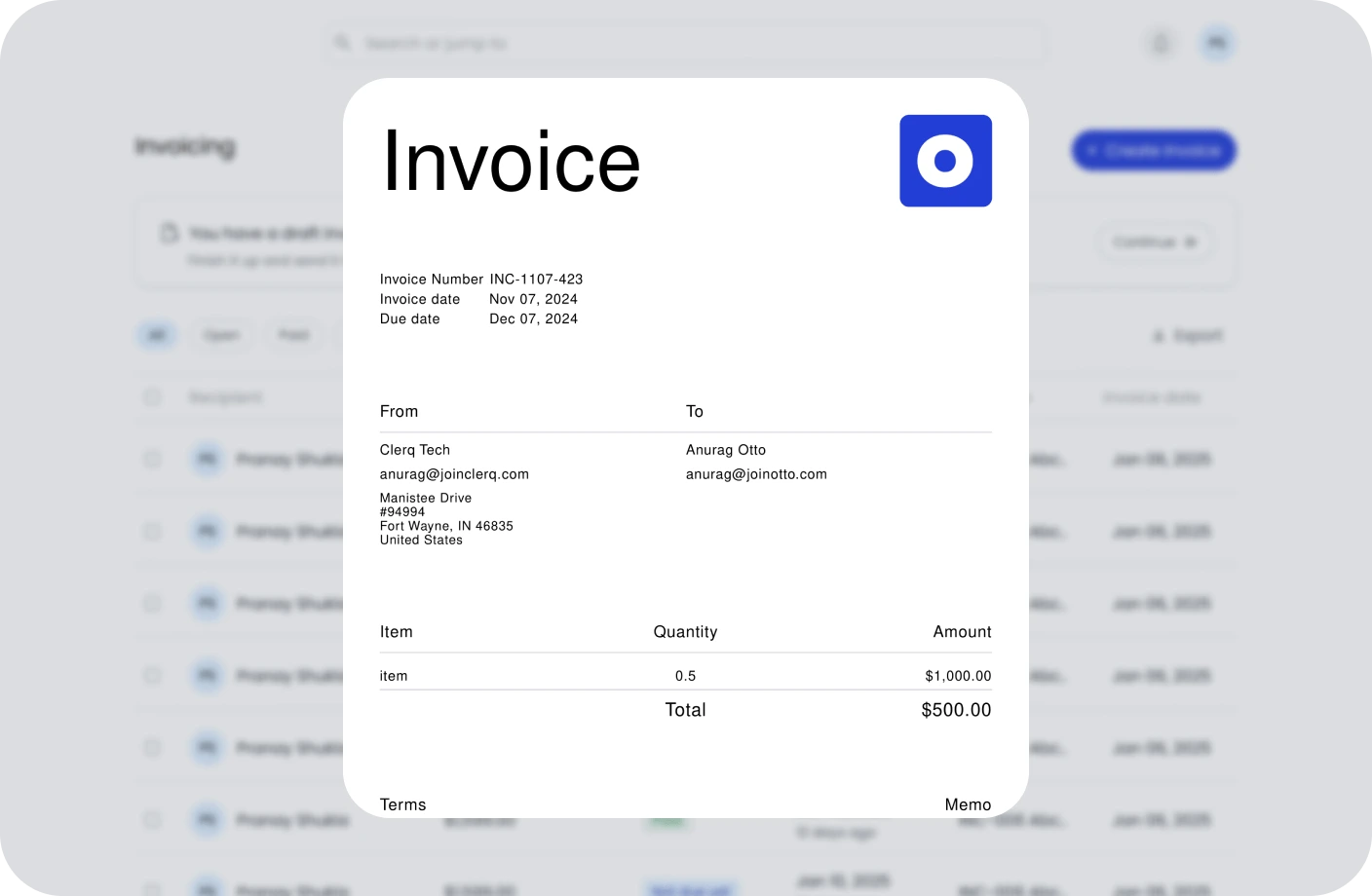
Create, send, and manage invoices. Track payments and assure timely cash flow.
Contracts
Create, track, and e-sign contracts to ensure compliance and deadlines.
Taxes
Confidently plan taxes with expert CPAs and smart tools to track deductions.
Reports
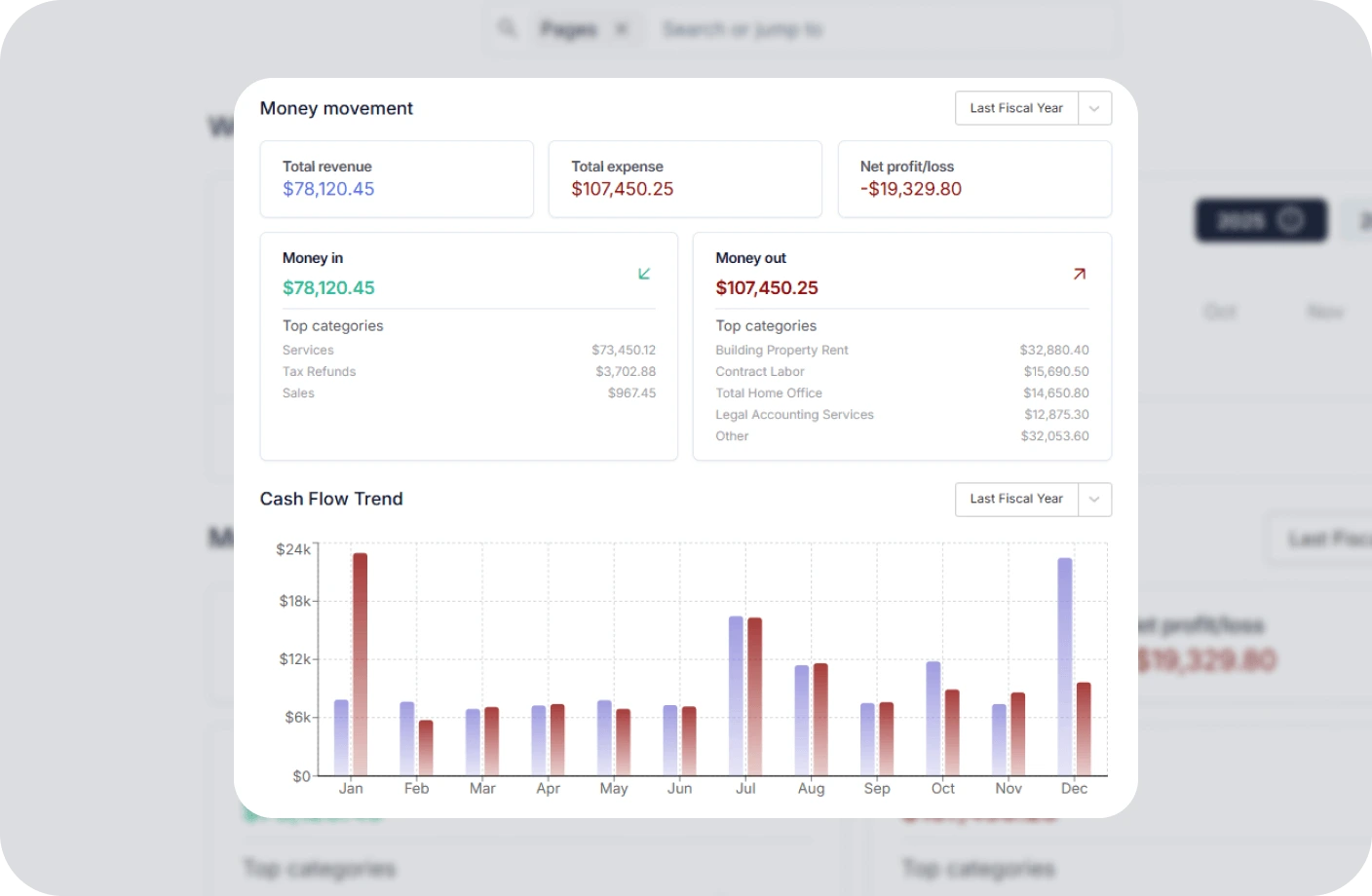
Real time business reports show where you stand today and what to do next.
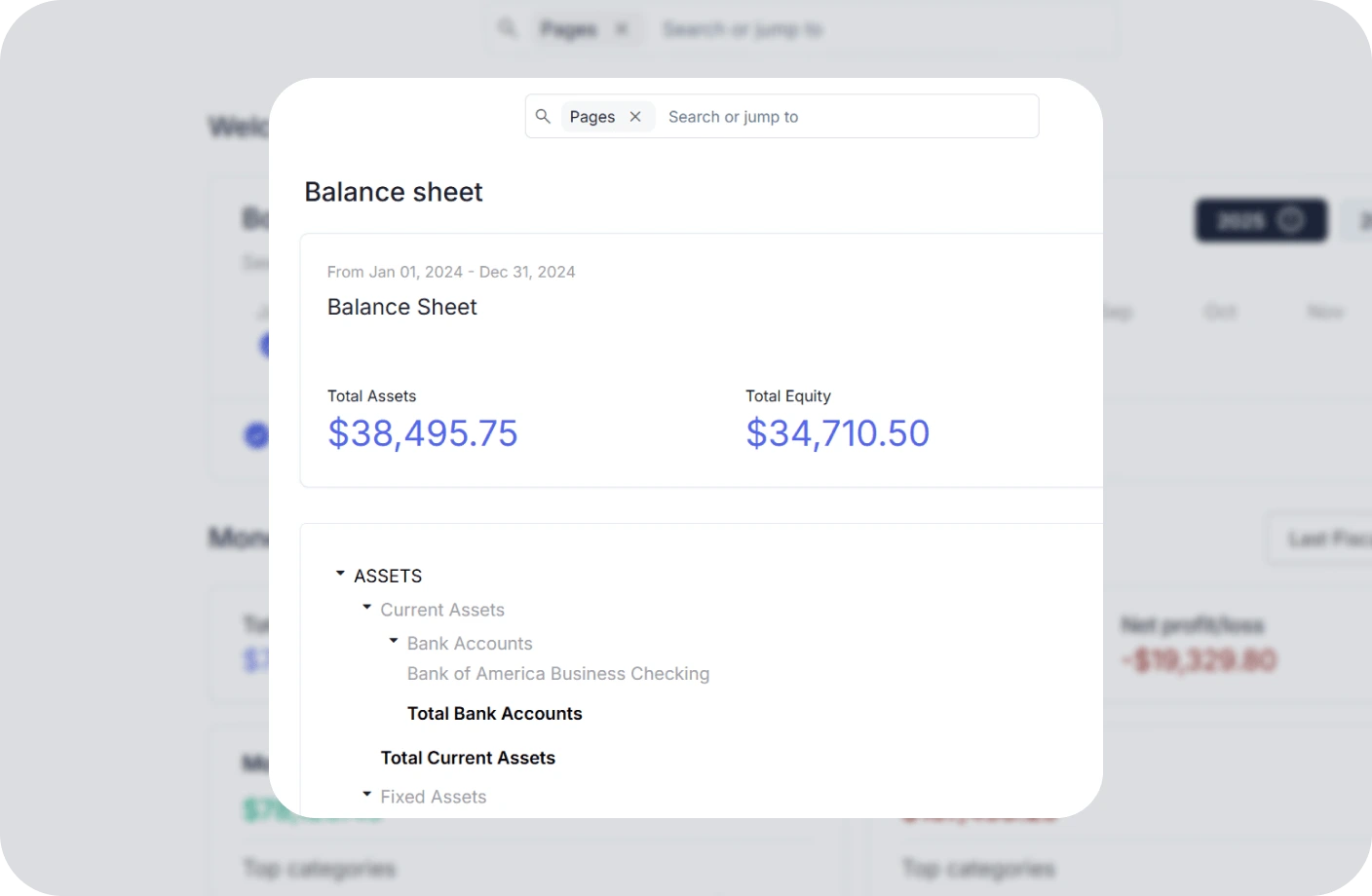
Accounting
All in one accounting software for creators to handle your books, taxes, invoices, contracts.
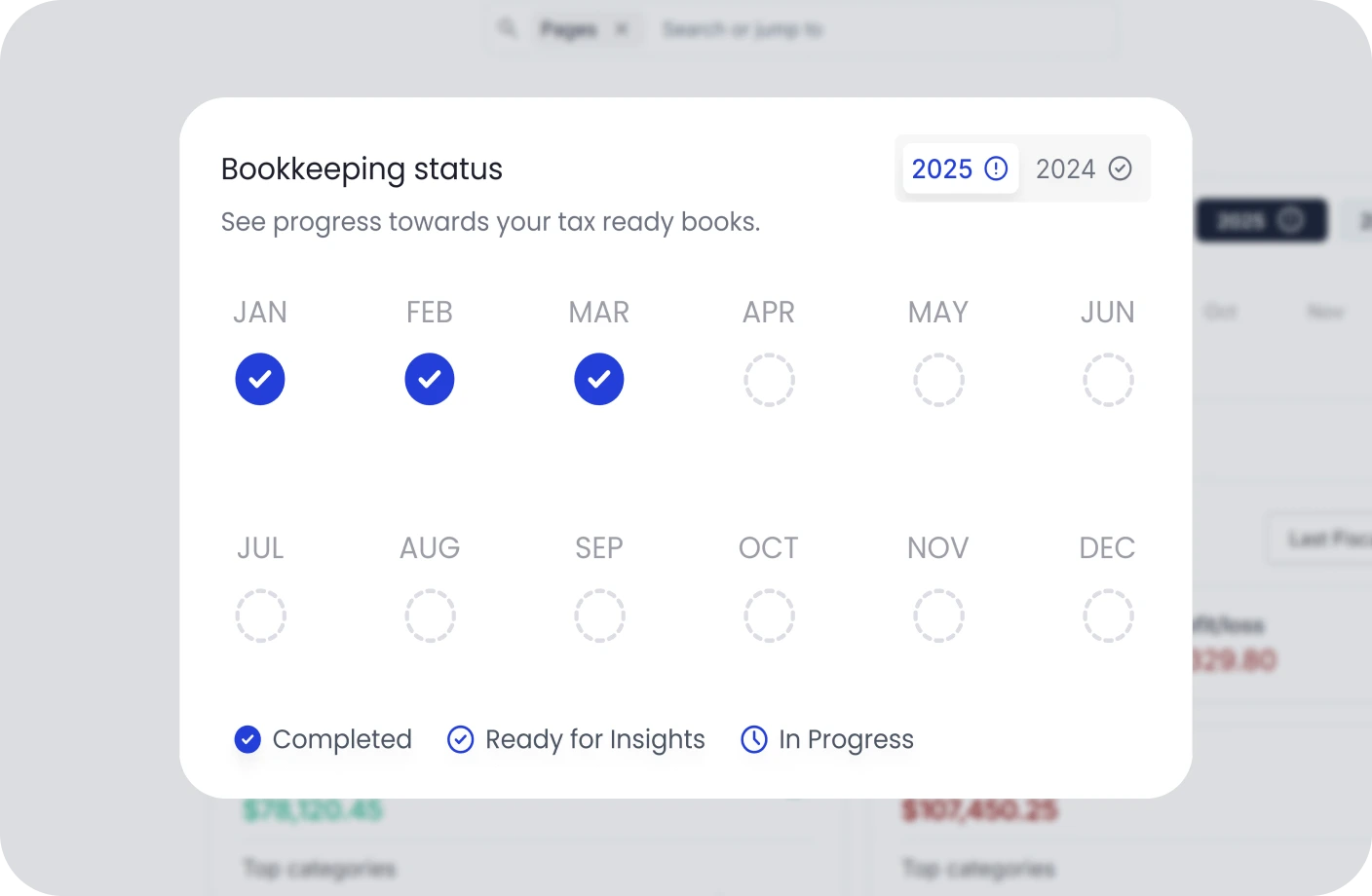
Creator Tools
Specialized tools and resources for every type of creator
YouTubers Tools
Optimize your YouTube channel with analytics, thumbnail generators, and growth tools.
TikTokers Tools
Create viral TikTok content with trend analysis, caption generators, and editing tools.
Content Creators Tools
Comprehensive toolkit for content creation, scheduling, and audience engagement.
Video Creators Tools
Professional video editing, compression, and optimization tools for creators.
Influencers Tools
Manage brand partnerships, track engagement, and maximize your influencer income.
Photographers Tools
Photo editing, watermarking, and portfolio management tools for photographers.
Related Bookkeeping Resources
Essential guides and resources for your bookkeeping practice
The Joys of Bookkeeping: Finding Passion in Numbers
Discover the unexpected satisfaction in bookkeeping and how numbers tell the story of a business's success.
Navigating Early Challenges in a Remote Bookkeeping Practice
Practical advice for overcoming common hurdles when starting and growing a remote bookkeeping business.
Balancing Bookkeeping Client Relations and Expectations
Learn how to set clear expectations, communicate effectively, and build lasting client relationships in bookkeeping.
Cash Disbursement FAQs
Quick answers to common questions about cash disbursement
What is cash disbursement in bookkeeping?
Cash disbursement refers to the outflow of cash from a business to pay for goods or services. In bookkeeping, it is recorded in a cash disbursement journal, which tracks all payments made by the business — including payments to vendors, contractors, and other expenses.
What is a cash disbursement journal?
A cash disbursement journal is a record-keeping tool that tracks every payment made by a business. It typically includes the date, payee, amount, account debited, and payment method. This journal is essential for maintaining accurate financial records and simplifying tax preparation.
How do content creators benefit from tracking cash disbursements?
Tracking cash disbursements helps content creators monitor expenses, manage budgets, and maximize tax deductions. By keeping detailed records of every payment — from software subscriptions to equipment purchases — creators can make informed financial decisions and avoid overspending.
What is the difference between cash disbursement and cash receipt?
Cash disbursement refers to money going out of a business (payments), while cash receipt refers to money coming into the business (income). Both are tracked separately to maintain accurate financial records and understand cash flow.
How often should I reconcile my cash disbursements?
It is recommended to reconcile cash disbursements at least monthly. Regular reconciliation helps ensure that all payments are accurately recorded, prevents fraud, and keeps your financial records up to date for tax purposes and business planning.
What internal controls should I have for cash disbursements?
Key internal controls include requiring approval for large payments, segregating duties so different people authorize and record payments, maintaining a detailed cash disbursement journal, and regularly reconciling bank statements with your records to detect errors or unauthorized transactions.
Manage Your Cash Disbursements Without the Confusion
Let Otto's AI-powered bookkeeping handle your payments. Track expenses, manage disbursements, and keep accurate records effortlessly.