How to Create the Best Privacy Policy
Understand what a Privacy Policy is with our comprehensive guide. Get clarity on its meaning and importance in contracts and agreements.
KEY TAKEAWAYS
-
✓
A privacy policy is a legal document that explains how a business collects, uses, and protects personal information from its users or customers.
-
✓
Privacy policies are legally required in many jurisdictions under laws like GDPR and CCPA.
-
✓
A well-crafted privacy policy builds trust with clients and ensures compliance with data protection regulations.
What is a Privacy Policy?
A privacy policy is a legal document that explains how a business collects, uses, and protects personal information from its users or customers. For creative professionals like photographers, designers, and influencers, having a clear privacy policy is essential to build trust with clients and followers. It informs them about their data rights and how the information they share is handled.
The Role of a Privacy Policy
Privacy policies serve as a safeguard for customers, shielding them from exploitative data collection practices. A well-crafted policy also benefits your company by clearly outlining the types of customer data you collect, the reasons behind this collection, and how you intend to utilize this data moving forward.
For instance, if your company gathers customers birthdates to analyze sales trends within specific demographics and to enhance customer loyalty by sending birthday offers, your privacy policy should detail that this personal information is used for internal sales analysis and marketing purposes. Additionally, if your company sells these birthdates to a third party, the privacy policy must disclose this practice as well. This transparency not only builds trust with your customers but also ensures compliance with data protection regulations.
Why Do You Need a Privacy Policy?
A privacy policy is not just a good idea; it is often a legal requirement. Many countries require businesses to have a privacy policy if they collect personal data. Here are a few reasons why it is crucial:
- •
Legal Compliance: Many laws, such as GDPR in Europe and CCPA in California, mandate that businesses disclose their data practices.
- •
Building Trust: By being transparent, you show your clients and audience that you respect their privacy and are trustworthy.
- •
Avoiding Fines: Not having a privacy policy can lead to hefty fines and legal issues.
Essential Components of a Privacy Policy
A privacy policy is a legally binding document that must include specific details to comply with regulations like GDPR and CCPA. These policies require clear and understandable language. A robust privacy policy should cover the following key elements:
Data Collection Details: It should list the types of information your company collects and how it is gathered. This might include data provided through online forms, location data from cell phones, or browser information if permission is granted. Additionally, if your company collaborates with social media platforms to gather more customer data, this must be clearly outlined.
Purpose of Data Collection: You need to explain why you are collecting the data. Is it for marketing purposes, improving customer experience, or identifying your target audience? You must justify why collecting this data is necessary for your business operations, as required by GDPR.
Data Use and Handling: The policy should detail all actions your company will take (and refrain from taking) with customer data. If you plan to share data with third parties or allow law enforcement access, this must be explicitly stated. It should also cover data storage, security measures to protect against threats, data retention periods, and procedures for securely deleting data upon request or after a specified time.
Opt-Out Options: In compliance with CCPA, your policy must provide customers with the option to delete their collected data and opt-out of the sale of their personal information. Instructions on how to exercise these rights should be included in the policy.
What Should Be Included in a Privacy Policy?
A comprehensive privacy policy typically includes several key elements:
- •
Information Collection: Detail what personal information you collect, such as names, email addresses, and phone numbers.
- •
Use of Information: Explain how you plan to use the collected information. For example, you might use emails for newsletters or promotional content.
- •
Data Protection: Describe how you secure personal data and what measures are in place to protect it from breaches.
- •
User Rights: Inform users about their rights regarding their data, such as the ability to access, modify, or delete their information.
How to Create Your Privacy Policy
Creating a privacy policy can be straightforward if you follow these steps:
- •
Identify the types of personal data you collect.
- •
Write clear and simple explanations of how you use this data.
- •
Explain how you protect users personal information.
- •
Review your policy regularly to ensure it remains up-to-date with any changes in laws or practices.
For example, a musician might collect emails through a newsletter signup on their website. Their privacy policy should state how they will use those emails (e.g., for sending concert updates) and how they will keep that information secure.
In summary, a well-crafted privacy policy is vital for any creative business. It helps you comply with laws, build trust with your clients, and clearly outline how you handle personal data. By keeping it simple and transparent, you can ensure that your audience feels safe engaging with your work.
How Privacy Policies Apply to Your Business
When will you actually need one?
Privacy policies affect virtually every business that handles personal data. Here are the most common scenarios where you will need one:
E-Commerce Websites
Online stores must disclose how customer data is collected, processed, and stored during transactions.
Creative Portfolios
Photographers and designers collect client data through contact forms, requiring clear privacy disclosures.
SaaS Platforms
Software-as-a-service businesses need comprehensive privacy policies covering user data and analytics.
Newsletter Services
Email marketing requires disclosure of data collection practices and opt-out mechanisms.
Mobile Applications
Apps collecting location, contacts, or usage data must comply with privacy regulations.
Social Media Management
Agencies handling client social accounts must disclose data processing practices.
Real Contract Questions From the Community
Explore Reddit-backed Otto contract guides based on real conversations about agreements, negotiations, terms, and legal best practices.
One Platform: From Entity Setup to Closing Reports
Comprehensive financial solutions for your business needs.
Entity Management
Easily manage legal entities, compliance, and ownership in one platform.
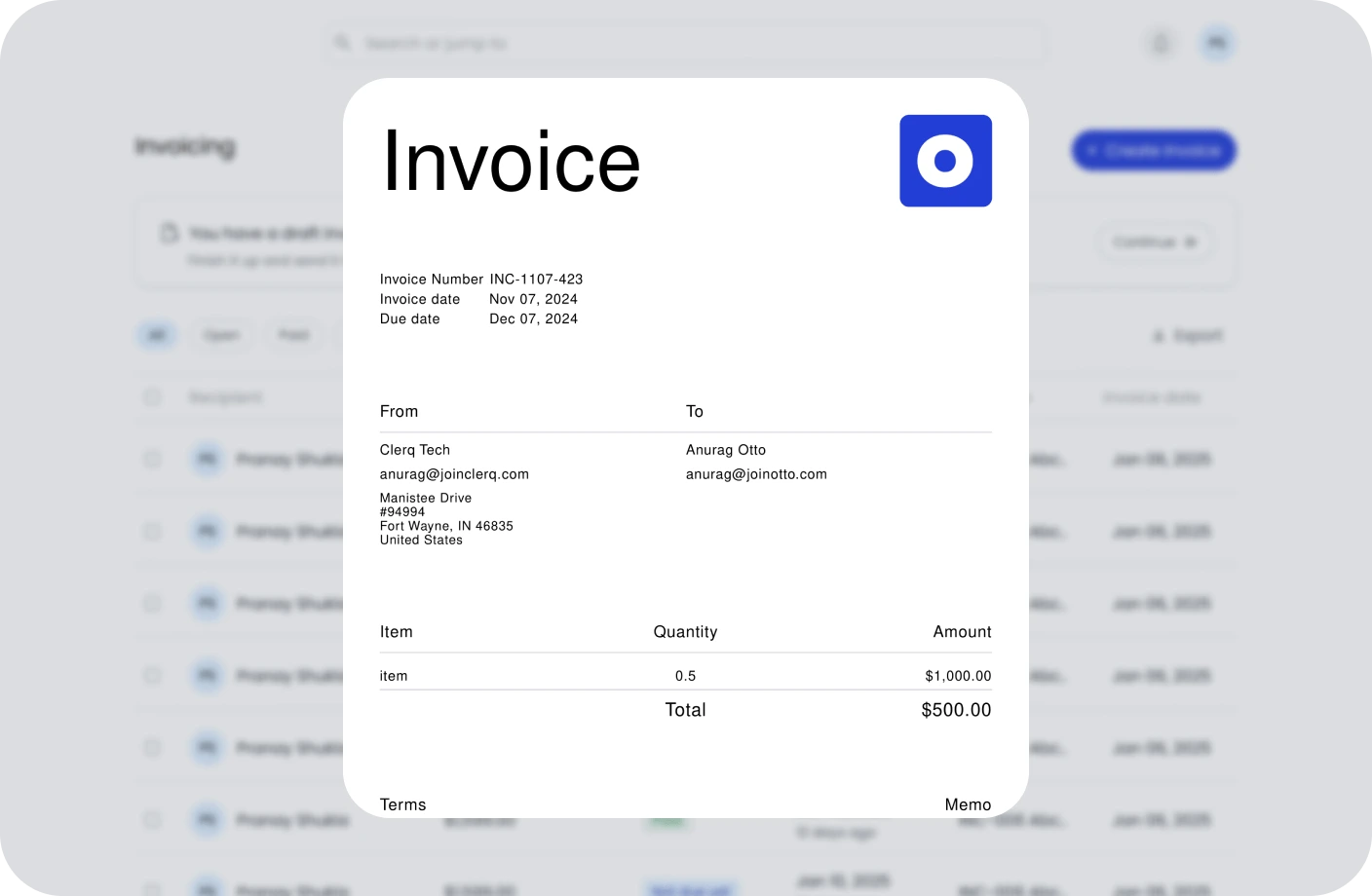
Invoicing
Create, send, and manage invoices. Track payments and assure timely cash flow.
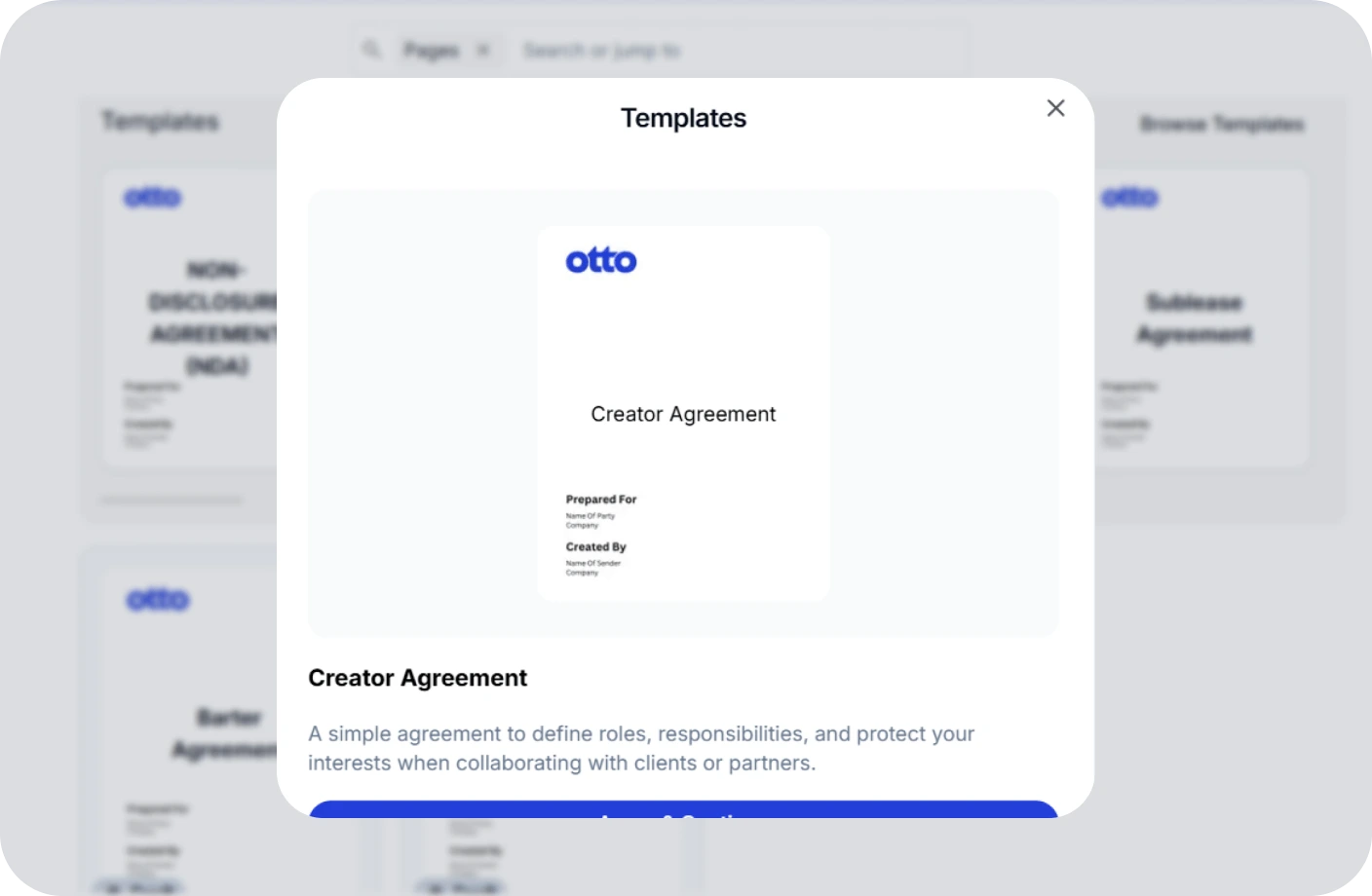
Contracts
Create, track, and e-sign contracts to ensure compliance and deadlines.
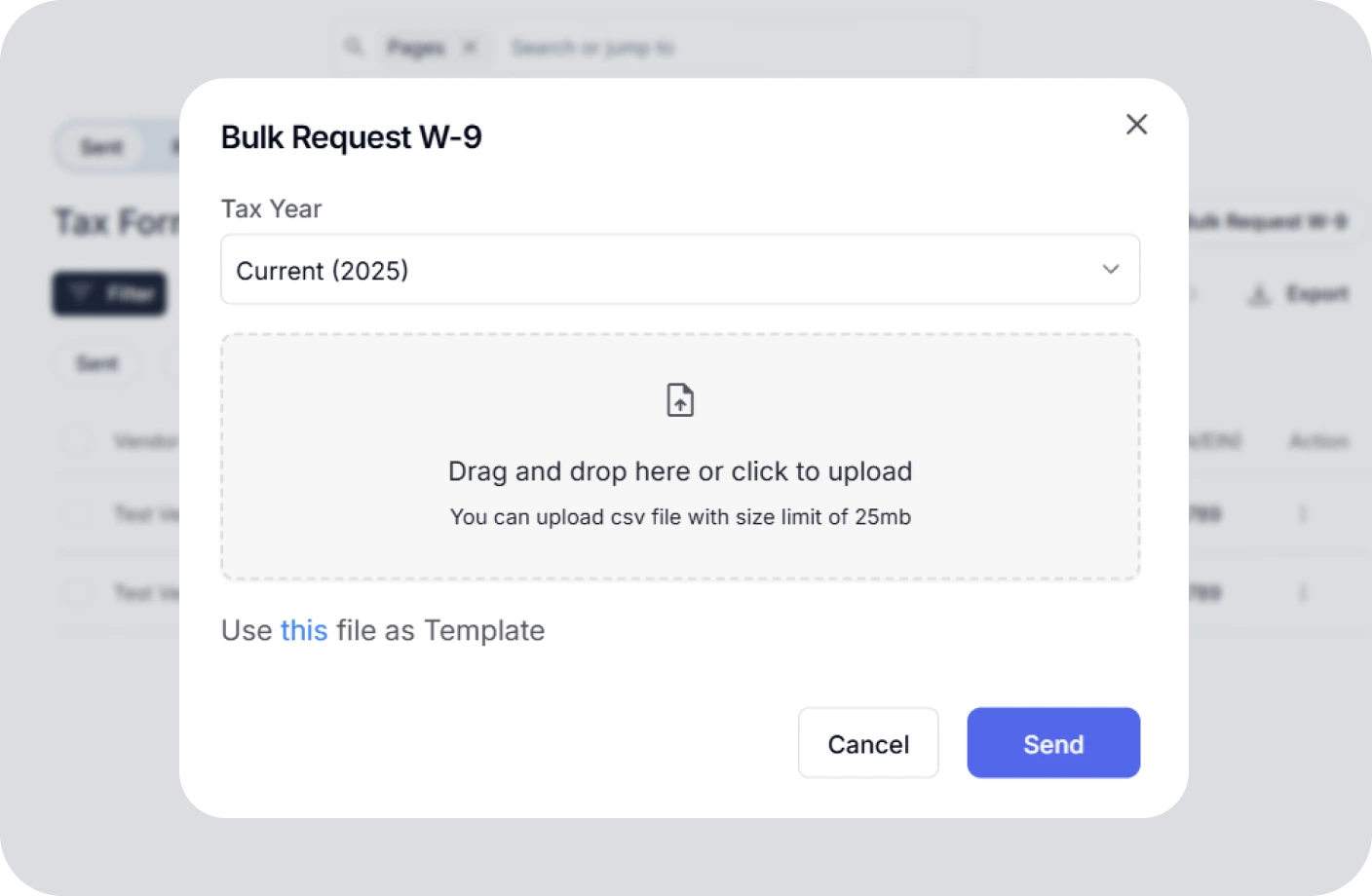
Taxes
Confidently plan taxes with expert CPAs and smart tools to track deductions.
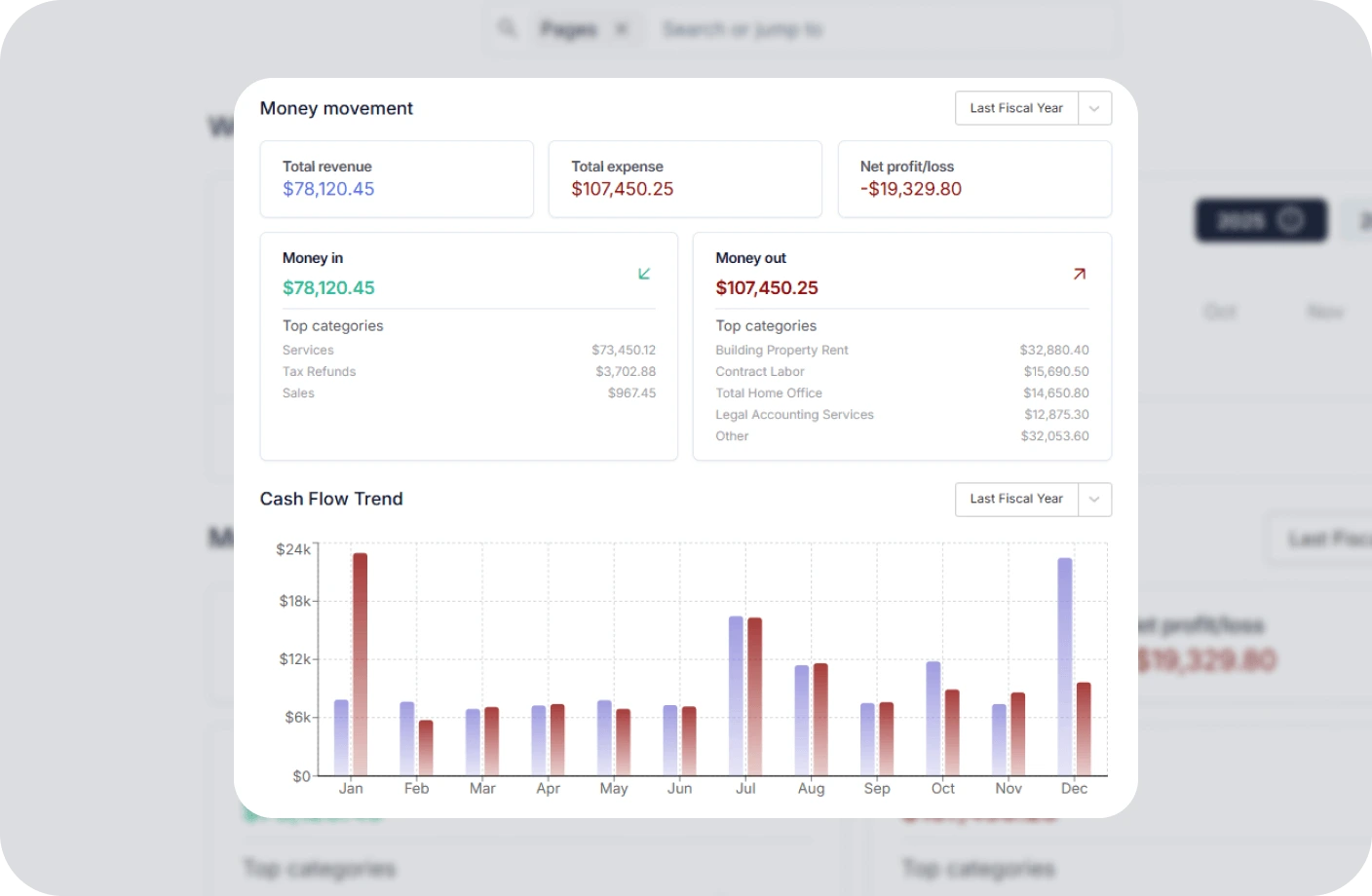
Reports
Real time business reports show where you stand today and what to do next.
Accounting
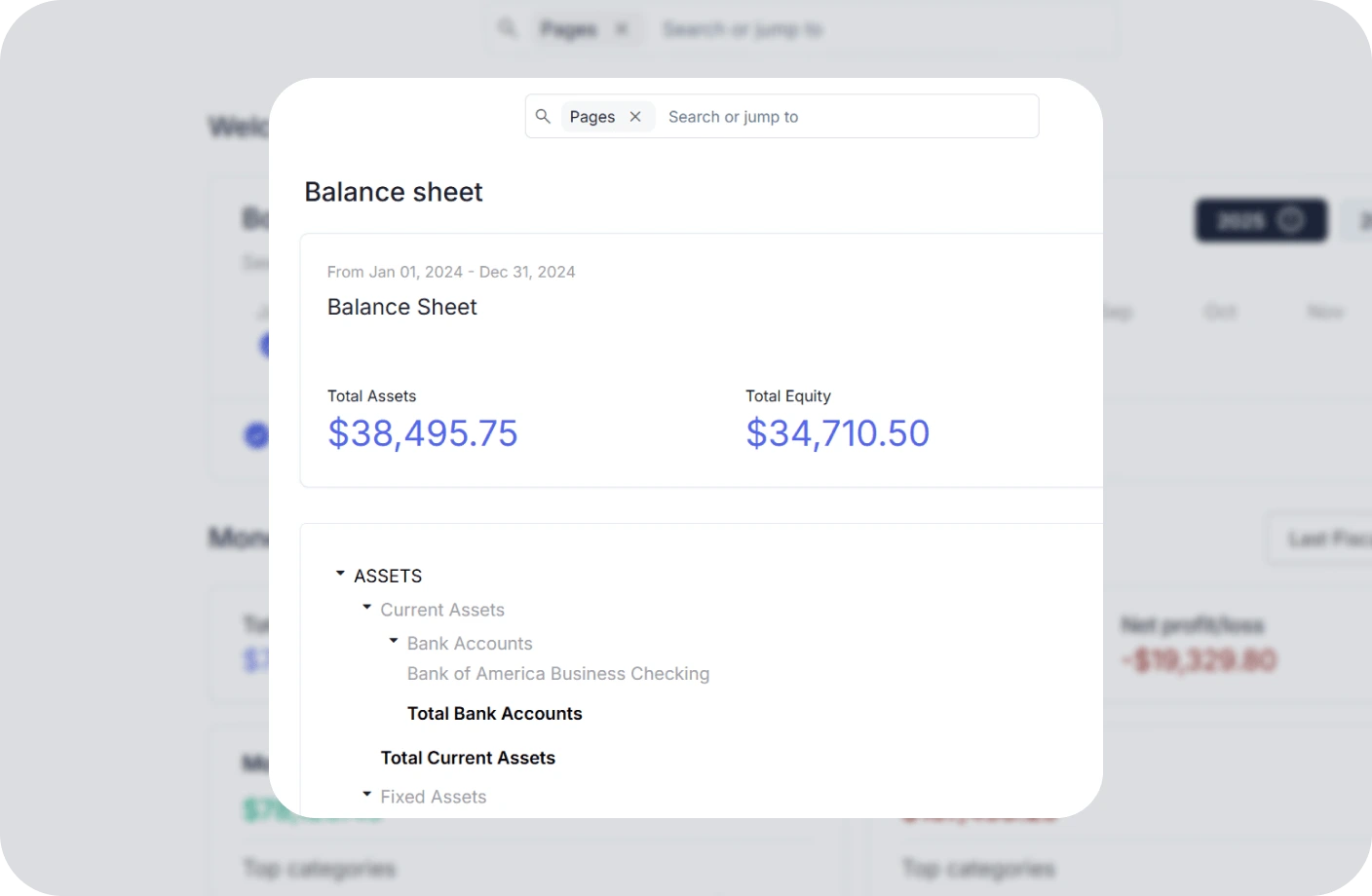
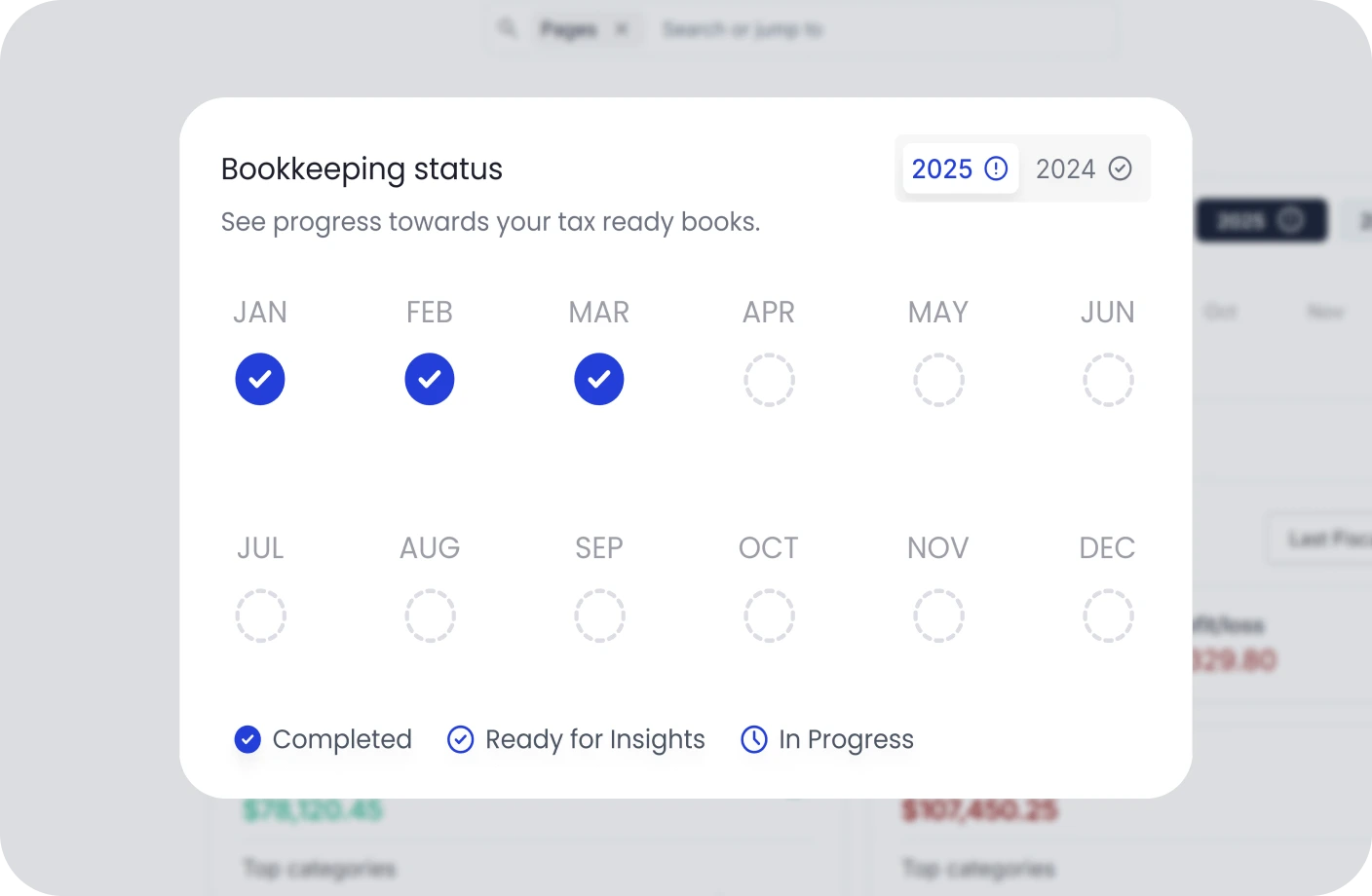
All in one accounting software for creators to handle your books, taxes, invoices, contracts.
Creator Tools
Specialized tools and resources for every type of creator
YouTubers Tools
Optimize your YouTube channel with analytics, thumbnail generators, and growth tools.
TikTokers Tools
Create viral TikTok content with trend analysis, caption generators, and editing tools.
Content Creators Tools
Comprehensive toolkit for content creation, scheduling, and audience engagement.
Video Creators Tools
Professional video editing, compression, and optimization tools for creators.
Influencers Tools
Manage brand partnerships, track engagement, and maximize your influencer income.
Photographers Tools
Photo editing, watermarking, and portfolio management tools for photographers.
Related Contract Blogs
Essential guides to help you master contracts and agreements
W-9 Form Guide for Independent Contractors
Learn everything independent contractors need to know about the W-9 form, including when to provide it, how to fill it out correctly, and how it affects tax reporting.
What Is an AI Contract Generator and How Does It Work?
Discover how AI contract generators use machine learning to create, review, and customize legal agreements, saving time and reducing errors for businesses and freelancers.
W-9 vs W-4: What's the Difference and When To Use Them
Understand the key differences between W-9 and W-4 forms, who needs to fill out each one, and how they impact tax withholding and reporting for workers and businesses.
Privacy Policy FAQs
Quick answers to common questions about privacy policies
What is a privacy policy?
A privacy policy is a legal document that explains how a business collects, uses, and protects personal information from its users. It informs users about their data rights and how their information is handled, stored, and shared.
Is a privacy policy legally required?
Yes, in many jurisdictions. Laws like GDPR in Europe and CCPA in California mandate that businesses disclose their data practices. Even where not strictly required, having a privacy policy builds trust and protects you from liability.
What should a privacy policy include?
A comprehensive privacy policy should include: types of data collected, purpose of data collection, data retention periods, user rights (access, modification, deletion), third-party sharing practices, security measures, and contact information.
How often should I update my privacy policy?
You should update your privacy policy whenever your data practices change, such as when you start collecting new types of data, use new third-party services, or when relevant regulations change.
Can I write my own privacy policy?
Yes, you can write your own privacy policy using templates and guides, but it is recommended to consult with a legal professional to ensure compliance with all applicable laws and regulations.
What happens if I do not have a privacy policy?
Without a privacy policy, you risk legal penalties, fines, and loss of customer trust. Many platforms and payment processors also require businesses to have a privacy policy to use their services.
Create Your Privacy Policy Without the Confusion
Generate professional privacy policies and manage all your legal documents effortlessly with Otto.