What is a Content Licensing Agreement? Definition & Overview
Understand what a content licensing agreement is, key elements, common types, and best practices for protecting your intellectual property when licensing creative work.
KEY TAKEAWAYS
-
✓
A content licensing agreement lets you grant usage rights to your content while retaining full ownership of your intellectual property.
-
✓
Clearly defining the scope, duration, territory, and restrictions of the license is essential to protecting your work and avoiding disputes.
-
✓
Choose between exclusive and non-exclusive licenses based on your business goals, and always include termination clauses for breach of contract.
What is a Content Licensing Agreement?
A content licensing agreement is a legal contract where the owner of content (the licensor) grants another party (the licensee) permission to use that content under specific terms, conditions, and restrictions. The licensor retains ownership of the intellectual property while the licensee gets defined usage rights, making it an essential tool for photographers, musicians, writers, designers, and other creatives who want to monetize their work without giving up their rights.
These agreements are fundamental in the creative economy. Whether you are a photographer licensing images to a stock photo platform, a musician granting rights to a film producer, or a designer allowing a client to use your artwork, a content licensing agreement ensures both parties understand exactly how the content can be used and for how long.
Key Elements of a Content Licensing Agreement
A well-drafted content licensing agreement should include these essential elements:
-
•
Scope of license: Clearly define what content is covered, whether it includes all existing work or only specific pieces, and whether it extends to derivative works.
-
•
Usage rights and restrictions: Specify exactly how the content can be used — commercial vs. personal use, digital vs. print, modifications allowed, and whether sublicensing is permitted.
-
•
Duration and territory: Establish the time period for the license and the geographic area where the content can be used, whether local, national, or worldwide.
-
•
Payment and royalties: Detail the compensation structure, including upfront fees, ongoing royalties, revenue sharing arrangements, and payment schedules.
-
•
Intellectual property ownership: Explicitly state that the licensor retains full ownership and copyright of the content, and that the license does not transfer ownership.
Common Types of Content Licensing Agreements
Understanding the different types of licensing arrangements helps you choose the right structure for your work:
-
•
Exclusive license: Only one licensee can use the content, and the licensor agrees not to license it to anyone else during the term.
-
•
Non-exclusive license: The licensor can grant the same rights to multiple licensees, allowing broader distribution and multiple revenue streams.
-
•
Royalty-free license: The licensee pays a one-time fee and can use the content without paying ongoing royalties, common in stock photography and music libraries.
-
•
Rights-managed license: Usage is restricted by specific parameters such as time, geography, industry, or medium, offering more control to the licensor.
How to Protect Your Content When Licensing
Protecting your intellectual property when entering a content licensing agreement requires careful attention to the following:
-
•
Register your copyright: Before licensing your work, ensure your copyright is properly registered to establish legal ownership and enable enforcement.
-
•
Define usage limitations clearly: Be specific about what the licensee can and cannot do with your content to prevent scope creep and unauthorized use.
-
•
Include attribution requirements: Specify how you want to be credited, whether through a byline, watermark, or credit line in the work or its metadata.
-
•
Set termination and audit rights: Include provisions to terminate the agreement for breach and the right to audit the licensee's use of your content.
Why Content Licensing Agreements Matter for Creatives
For photographers, musicians, designers, writers, and other content creators, licensing agreements are the primary way to monetize creative work while maintaining control. Understanding content licensing helps you:
-
•
Generate multiple revenue streams by licensing the same content to different parties through non-exclusive agreements.
-
•
Maintain ownership and control over your intellectual property while allowing others to use your work under defined conditions.
-
•
Protect your creative work from unauthorized use by clearly defining what rights you are granting and what rights you are reserving.
-
•
Use contract management software to create, track, and manage your licensing agreements efficiently.
Summary
Content licensing agreements are powerful tools that allow creators to monetize their work while retaining ownership and control. By understanding the different types of licenses, clearly defining usage terms, and including proper protections, you can build sustainable revenue streams and protect your intellectual property. Whether you are a photographer, musician, designer, or writer, mastering content licensing agreements is essential for success in the creative economy.
How Content Licensing Agreements Apply to Your Business
When will you actually need one?
Content licensing agreements are essential in many creative and business scenarios. Here are the most common situations where you will need one:
Stock Photography & Video
Licensing images, videos, and illustrations to stock platforms or directly to clients for commercial use.
Music & Audio Licensing
Granting rights for music tracks, sound effects, or podcasts to be used in films, ads, or other media.
Written Content & Publishing
Licensing articles, blog posts, books, or other written works to publishers and content platforms.
Design & Artwork Licensing
Allowing clients or brands to use graphic designs, illustrations, or artwork for specific commercial purposes.
Software & Digital Products
Licensing software, apps, templates, or digital assets to end users with defined usage terms and restrictions.
Brand Partnerships
Collaborating with brands to use your content in marketing campaigns, social media, and advertising materials.
Recommended Reading
Explore the full collection of contract-related definitions and guides
What is a Privacy Disclosure Agreement
Understand how privacy disclosure agreements regulate the collection, use, and sharing of personal data between businesses and their customers or users.
What is a Subscription License Agreement
Learn how subscription license agreements govern recurring access to software, services, and digital content with defined payment terms and usage rights.
What is a Non-Disclosure Agreement
Explore how NDAs protect confidential information, define permitted use, and establish legal remedies for unauthorized disclosure in business relationships.
What are Output Contracts
Learn what output contracts are, how they obligate a buyer to purchase a seller's entire production, and when businesses typically use them.
What is a Service Level Agreement
Discover how SLAs define performance standards, uptime guarantees, response times, and remedies for service failures between providers and clients.
What is a Time and Materials Contract
Understand how time and materials contracts bill for actual labor hours and material costs, making them ideal for projects with undefined scope.
Free Contracts & Agreement
Ready-to-use contract designed for creators, freelancers, and small businesses.
Podcast Contract Template
Covers episode commitments, guest appearances, sponsorship terms, intellectual property rights, revenue sharing, and cancellation policies for podcast productions.
Music Collaboration Agreement
Defines ownership splits, credit allocation, royalty distribution, and usage rights for collaborative music projects between artists, producers, and songwriters.
Film Editor Agreement
Outlines project scope, revision rounds, delivery timeline, licensing rights, payment terms, and kill fees for professional film and video editing services.
Animation Contract
Covers animation style, storyboard approvals, revision limits, asset ownership, delivery schedule, and payment milestones for 2D and 3D animation projects.
Executive Coaching Retainer Agreement
Defines coaching session cadence, retainer billing, scope of services, confidentiality terms, cancellation policy, and performance milestones for executive coaching engagements.
UGC Contract
Establishes content usage rights, exclusivity terms, compensation structure, delivery specifications, and attribution requirements for user-generated content campaigns.
Real Contract Questions From the Community
Explore Reddit-backed Otto contract guides based on real conversations about agreements, negotiations, terms, and legal best practices.
One Platform: From Entity Setup to Closing Reports
Comprehensive financial solutions for your business needs.
Entity Management
Easily manage legal entities, compliance, and ownership in one platform.
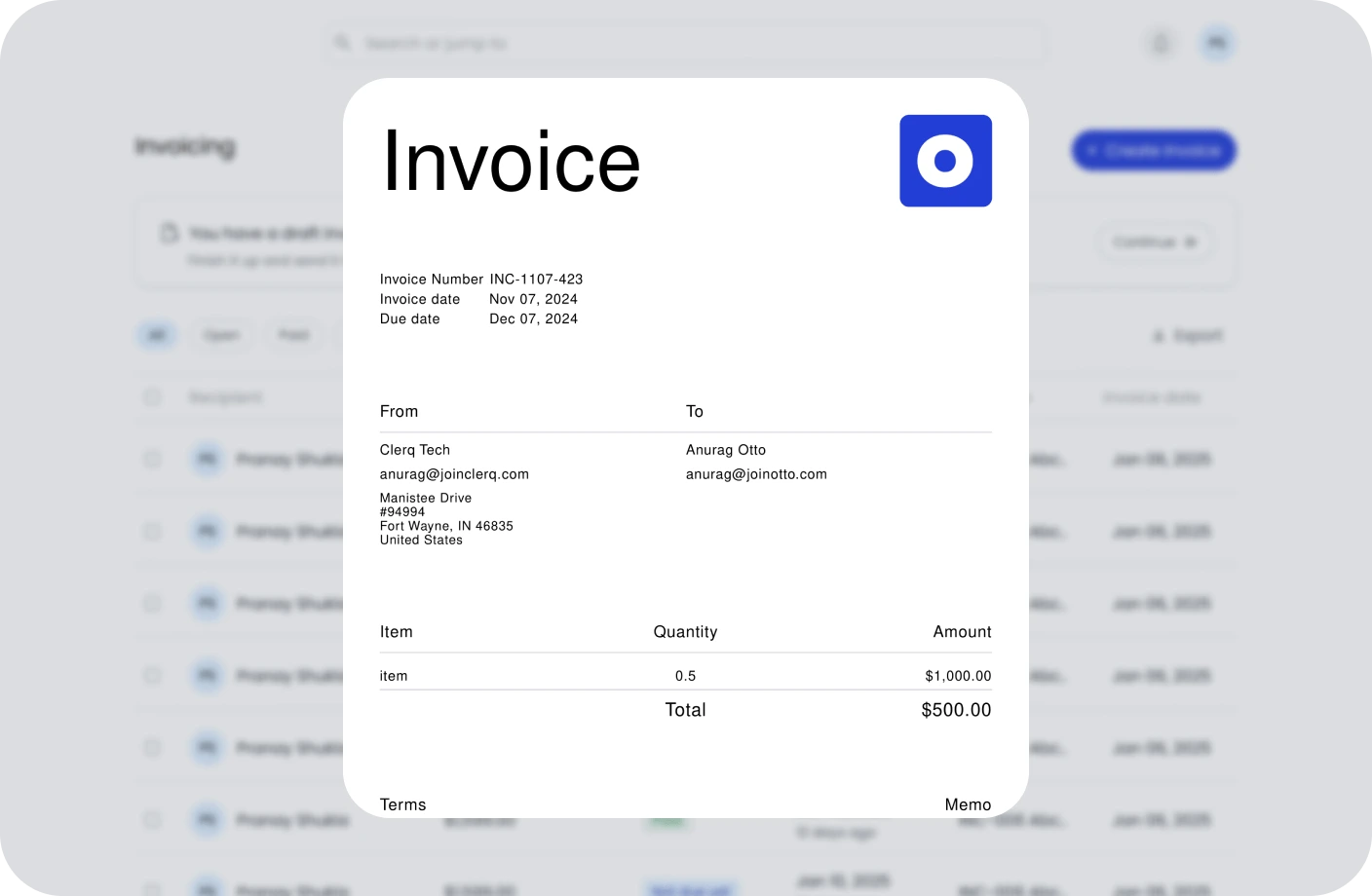
Invoicing
Create, send, and manage invoices. Track payments and assure timely cash flow.
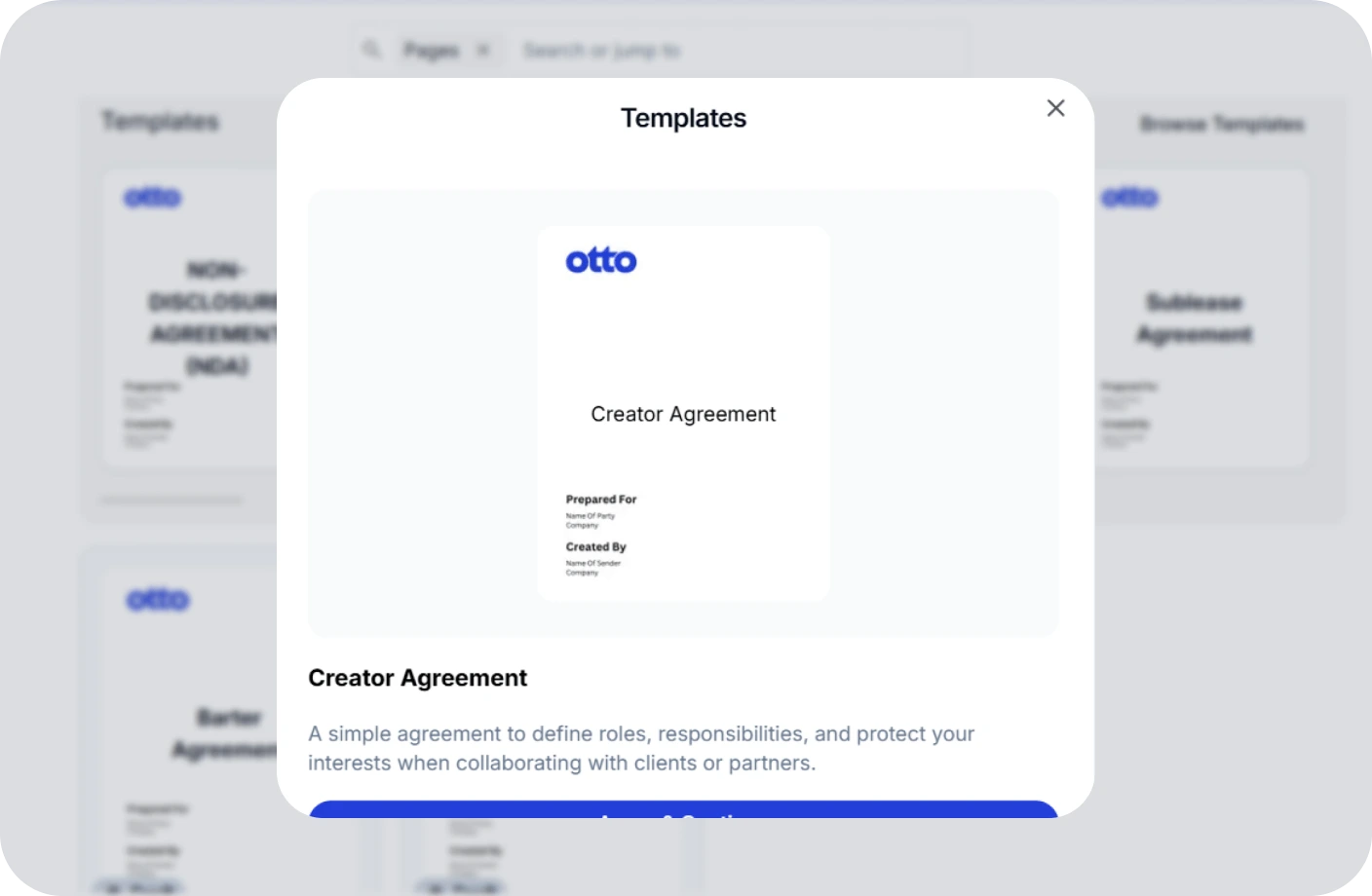
Contracts
Create, track, and e-sign contracts to ensure compliance and deadlines.
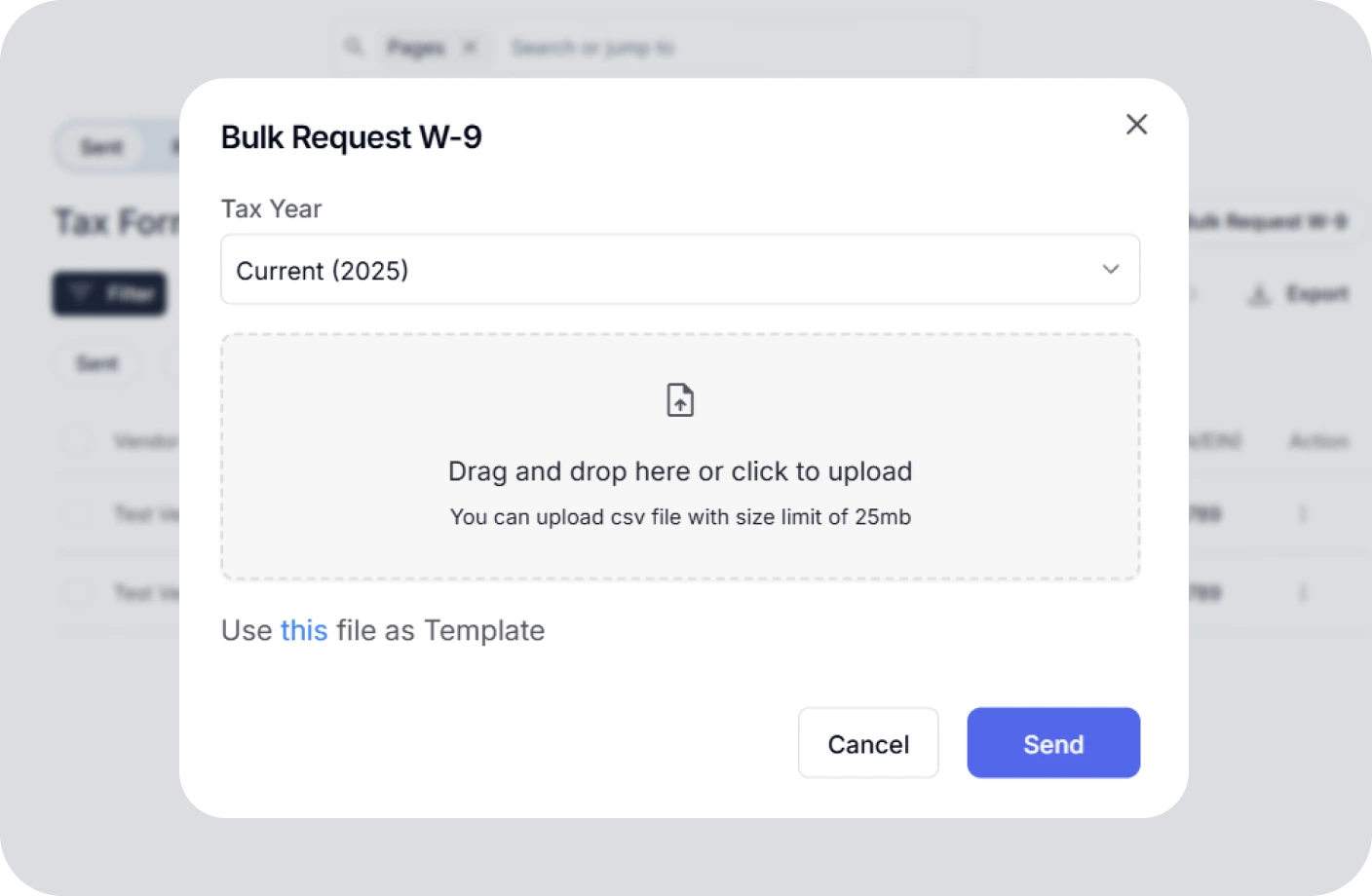
Taxes
Confidently plan taxes with expert CPAs and smart tools to track deductions.
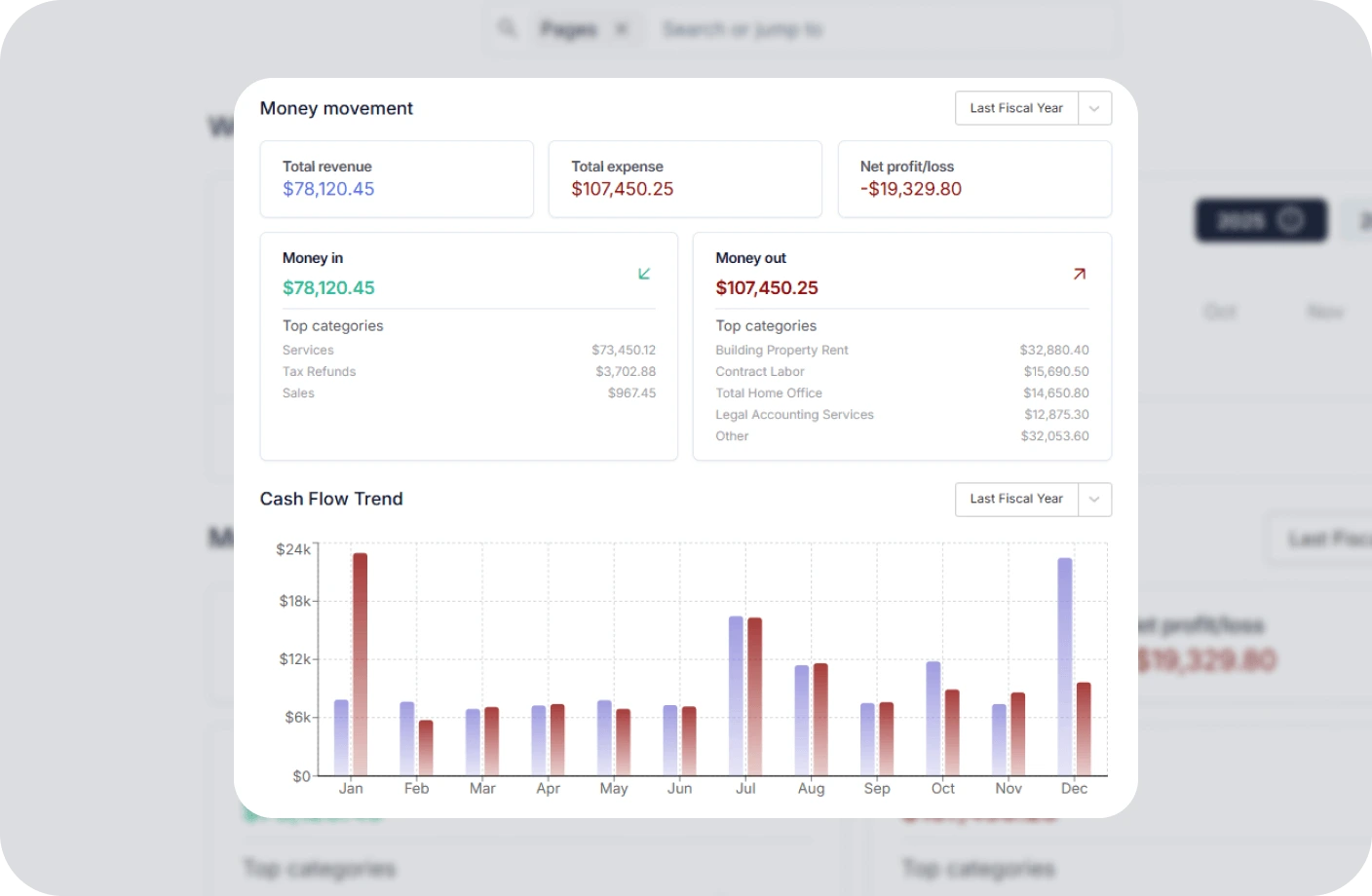
Reports
Real time business reports show where you stand today and what to do next.
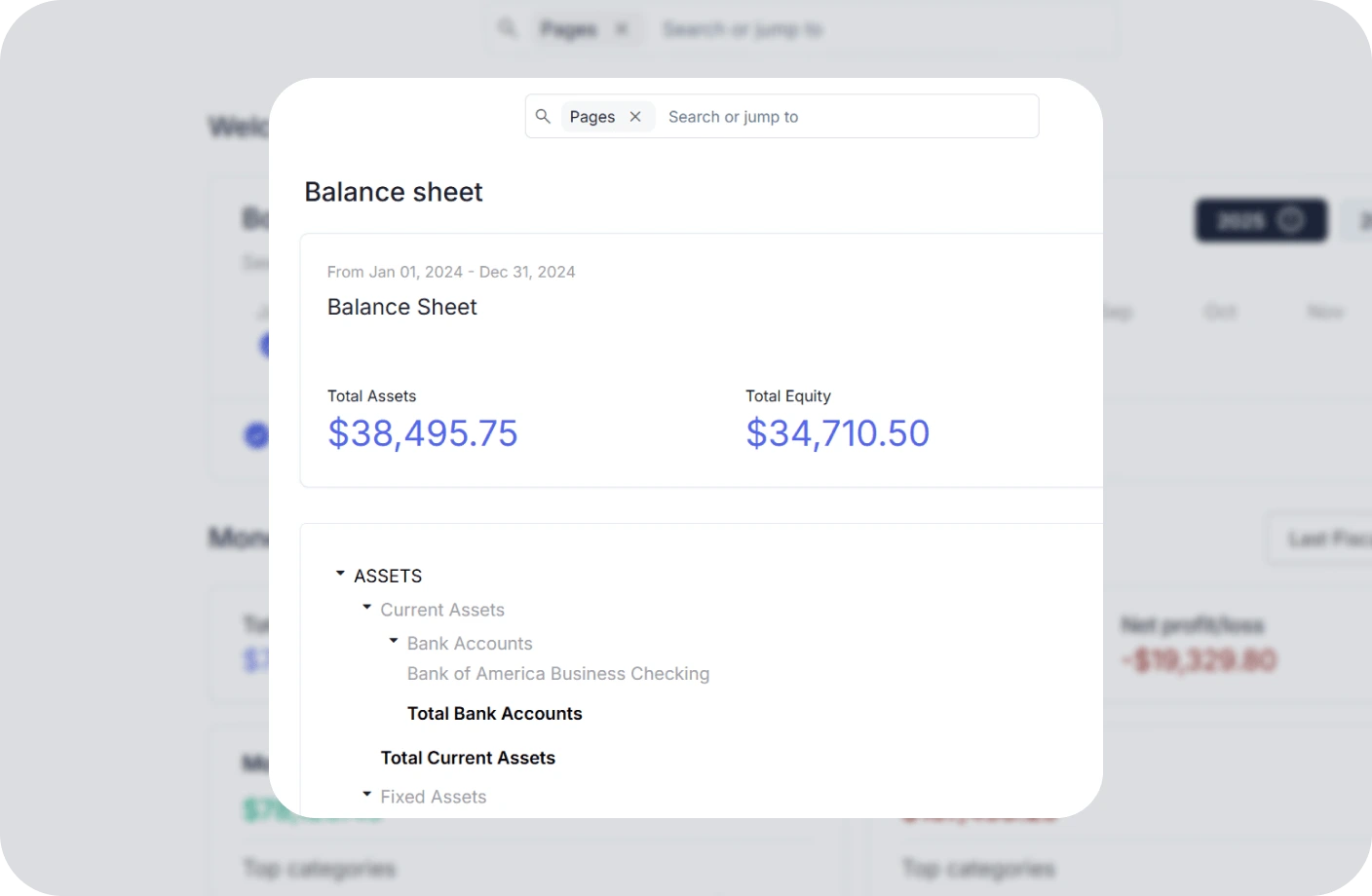
Accounting
All in one accounting software for creators to handle your books, taxes, invoices, contracts.
Creator Tools
Specialized tools and resources for every type of creator
YouTubers Tools
Optimize your YouTube channel with analytics, thumbnail generators, and growth tools.
TikTokers Tools
Create viral TikTok content with trend analysis, caption generators, and editing tools.
Content Creators Tools
Comprehensive toolkit for content creation, scheduling, and audience engagement.
Video Creators Tools
Professional video editing, compression, and optimization tools for creators.
Influencers Tools
Manage brand partnerships, track engagement, and maximize your influencer income.
Photographers Tools
Photo editing, watermarking, and portfolio management tools for photographers.
Related Contract Blogs
Essential guides to help you master contracts and agreements
W-9 Form Guide for Independent Contractors
Learn everything independent contractors need to know about the W-9 form, including when to provide it, how to fill it out correctly, and how it affects tax reporting.
What Is an AI Contract Generator and How Does It Work?
Discover how AI contract generators use machine learning to create, review, and customize legal agreements, saving time and reducing errors for businesses and freelancers.
W-9 vs W-4: What's the Difference and When To Use Them
Understand the key differences between W-9 and W-4 forms, who needs to fill out each one, and how they impact tax withholding and reporting for workers and businesses.
Content Licensing Agreement FAQs
Quick answers to common questions about content licensing agreements
What is a content licensing agreement?
A content licensing agreement is a legal document that allows one party (the licensor) to grant another party (the licensee) permission to use specific content under defined terms, conditions, and restrictions, while the licensor retains ownership of the content.
What are the different types of content licensing agreements?
Common types include exclusive licenses (only one licensee can use the content), non-exclusive licenses (multiple licensees can use the content), royalty-free licenses (content can be used without paying ongoing royalties), and rights-managed licenses (usage is restricted by specific parameters).
What should be included in a content licensing agreement?
Key elements include the scope of the license, usage rights and restrictions, duration and territory, payment terms and royalties, intellectual property ownership, termination conditions, and any attribution or credit requirements.
Do I lose ownership of my content when I license it?
No, a content licensing agreement allows you to retain ownership of your intellectual property while granting specific usage rights to another party. You maintain control over how your content is used.
How can I protect my content when entering a licensing agreement?
Clearly define the scope and limitations of the license, specify the duration and territory, include restrictions on modifications and sublicensing, retain ownership and copyright, set clear payment terms, and include termination clauses for breach of contract.
What is the difference between exclusive and non-exclusive licenses?
An exclusive license grants only one licensee the right to use the content. A non-exclusive license allows the licensor to grant the same rights to multiple licensees simultaneously, enabling broader distribution and multiple revenue streams.
Manage Your Contracts Without the Confusion
Create professional contracts, e-sign agreements, and manage all your legal documents effortlessly with Otto's contract management platform.