What is an Electronic Contract? Definition & Overview
Understand what an electronic contract is, how they work, types, legal validity, and why they're essential for modern business.
KEY TAKEAWAYS
-
✓
An electronic contract is a legally binding agreement created and signed in digital form, without the need for physical paper.
-
✓
Electronic contracts are generally enforceable under the ESIGN Act and state-level electronic signature laws.
-
✓
Always read electronic contracts carefully and verify the identity of the signing parties before agreeing.
What is an Electronic Contract?
An electronic contract — also known as an e-contract or digital contract — is a legally binding agreement created, executed, and stored in digital form. Unlike traditional paper contracts, electronic contracts are formed using computers, tablets, or smartphones, eliminating the need for physical signatures, printing, or scanning.
These contracts have become the backbone of modern commerce. From signing a client service agreement to accepting a website’s terms of service, electronic contracts enable businesses and individuals to formalize agreements instantly across the globe. For freelancers, creatives, and small business owners, electronic contracts make it possible to close deals in minutes rather than days.
How Do Electronic Contracts Work?
Electronic contracts function through digital platforms that facilitate the entire contract lifecycle:
- •
Drafting: Contracts are created using templates or custom text on contract management platforms. Many platforms offer AI-powered drafting tools, clause libraries, and guided workflows.
- •
Reviewing: Parties can review terms, suggest edits, and negotiate changes in real time using collaborative tools before finalizing the agreement.
- •
Signing: Once both parties agree, they sign electronically using e-signature tools. Signatures can be drawn, typed, or uploaded, and the process is often secured with authentication and audit trails.
- •
Storing: Signed contracts are stored securely in the cloud, making them easily searchable, accessible from any device, and protected with encryption and backup systems.
Types of Electronic Contracts
Electronic contracts come in several common forms, each suited for different use cases:
- •
Clickwrap agreements: Users click an “I Agree” or “I Accept” button to indicate their consent. This is the most common type, used for software installations, website sign-ups, and online purchases.
- •
Browsewrap agreements: Terms are posted on a website and users are deemed to accept them simply by using the site. These are less common due to enforceability concerns.
- •
Shrinkwrap agreements: Terms are included inside product packaging and become binding when the user opens or uses the product. Common in software and consumer goods.
- •
E-signature agreements: Traditional contracts that are signed digitally using platforms like DocuSign, Adobe Sign, or Otto. These provide the highest level of legal protection and include detailed audit trails.
Are Electronic Contracts Legally Enforceable?
Yes, electronic contracts are generally legally enforceable in the United States. The ESIGN Act (Electronic Signatures in Global and National Commerce Act) and state laws based on the UETA (Uniform Electronic Transactions Act) establish that electronic signatures and electronic records carry the same legal weight as their paper counterparts.
For an electronic contract to be enforceable, it must satisfy the same basic elements as any contract: offer, acceptance, consideration, and mutual assent. The key difference is that these elements are demonstrated electronically — through clicking a button, typing a name, or drawing a signature — rather than through physical ink on paper.
However, there are exceptions. Certain documents like wills, trusts, adoption papers, and court orders may still require physical signatures depending on state law. Additionally, the contract must provide clear evidence of the parties’ intent to be bound and maintain records of the transaction.
How to Protect Yourself When Using Electronic Contracts
While electronic contracts are convenient, it’s important to take precautions before signing:
- •
Read the entire contract: Do not skip or skim through the terms, even in clickwrap agreements. Pay attention to fees, deadlines, and termination clauses.
- •
Verify the signing party: Confirm that the person signing is authorized to enter the agreement. Look for email verification, two-factor authentication, or other identity checks.
- •
Use a reputable platform: Choose contract management platforms that offer secure storage, audit trails, and legal compliance features like Otto’s contract management software.
- •
Save a copy: Always download or save a signed copy of the contract for your records. Most platforms provide PDF exports with signature verification.
Why Electronic Contracts Matter for Creatives
Freelancers, photographers, designers, musicians, and other creatives work in fast-paced environments where speed matters. Electronic contracts allow you to send proposals, negotiate terms, and close deals without waiting for postal mail or in-person meetings. Understanding electronic contracts helps you:
- •
Close deals faster with clients across different time zones and locations.
- •
Maintain a professional digital paper trail for all your business agreements.
- •
Protect your intellectual property rights with clear, signed agreements before starting creative work.
- •
Use templates and automated workflows to streamline recurring contract processes.
Summary
Electronic contracts have transformed the way businesses and individuals formalize agreements. Legally recognized under the ESIGN Act and UETA, they offer speed, convenience, and security that paper contracts cannot match. By understanding the different types of electronic contracts, their legal enforceability, and best practices for using them, you can confidently navigate digital agreements and protect your interests in an increasingly connected world.
How Electronic Contracts Apply to Your Business
When will you actually use these?
Electronic contracts are essential for nearly every modern business relationship. Here are the most common scenarios where you will use them:
Client Service Agreements
Digital contracts for defining project scope, deliverables, payment terms, and timelines with clients, signed electronically for speed and convenience.
Freelance Project Contracts
Standard agreements for freelance work including rates, revision limits, intellectual property ownership, and kill fees, all managed digitally.
Software License Agreements
Clickwrap and e-signature agreements for licensing software, SaaS tools, and digital products with defined usage rights and restrictions.
Vendor Agreements
Digital purchasing terms, service agreements, and supply contracts with vendors, signed and stored electronically for easy access and compliance.
Employment Contracts
Onboarding documents, offer letters, and employment agreements signed digitally with secure identity verification and audit trails.
Partnership Agreements
Collaboration agreements, joint venture terms, and affiliate contracts drafted and executed entirely online with electronic signatures.
Recommended Reading
Explore the full collection of contract-related definitions and guides
What is a Privacy Disclosure Agreement
Understand how privacy disclosure agreements regulate the collection, use, and sharing of personal data between businesses and their customers or users.
What is a Subscription License Agreement
Learn how subscription license agreements govern recurring access to software, services, and digital content with defined payment terms and usage rights.
What is a Non-Disclosure Agreement
Explore how NDAs protect confidential information, define permitted use, and establish legal remedies for unauthorized disclosure in business relationships.
What are Output Contracts
Learn what output contracts are, how they obligate a buyer to purchase a seller's entire production, and when businesses typically use them.
What is a Service Level Agreement
Discover how SLAs define performance standards, uptime guarantees, response times, and remedies for service failures between providers and clients.
What is a Time and Materials Contract
Understand how time and materials contracts bill for actual labor hours and material costs, making them ideal for projects with undefined scope.
Free Contracts & Agreement
Ready-to-use contract designed for creators, freelancers, and small businesses.
Podcast Contract Template
Covers episode commitments, guest appearances, sponsorship terms, intellectual property rights, revenue sharing, and cancellation policies for podcast productions.
Music Collaboration Agreement
Defines ownership splits, credit allocation, royalty distribution, and usage rights for collaborative music projects between artists, producers, and songwriters.
Film Editor Agreement
Outlines project scope, revision rounds, delivery timeline, licensing rights, payment terms, and kill fees for professional film and video editing services.
Animation Contract
Covers animation style, storyboard approvals, revision limits, asset ownership, delivery schedule, and payment milestones for 2D and 3D animation projects.
Executive Coaching Retainer Agreement
Defines coaching session cadence, retainer billing, scope of services, confidentiality terms, cancellation policy, and performance milestones for executive coaching engagements.
UGC Contract
Establishes content usage rights, exclusivity terms, compensation structure, delivery specifications, and attribution requirements for user-generated content campaigns.
Real Contract Questions From the Community
Explore Reddit-backed Otto contract guides based on real conversations about agreements, negotiations, terms, and legal best practices.
One Platform: From Entity Setup to Closing Reports
Comprehensive financial solutions for your business needs.
Entity Management
Easily manage legal entities, compliance, and ownership in one platform.
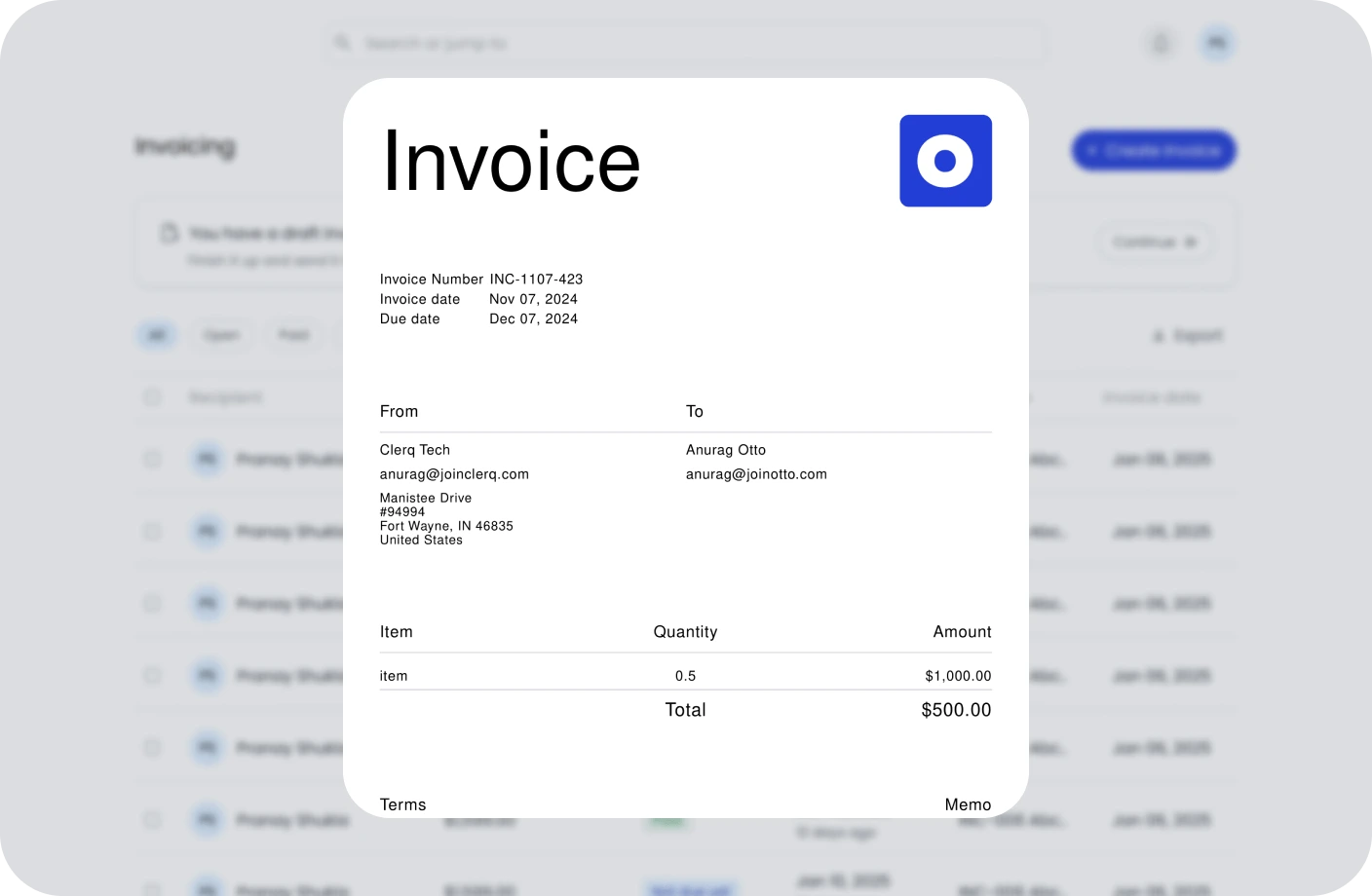
Invoicing
Create, send, and manage invoices. Track payments and assure timely cash flow.
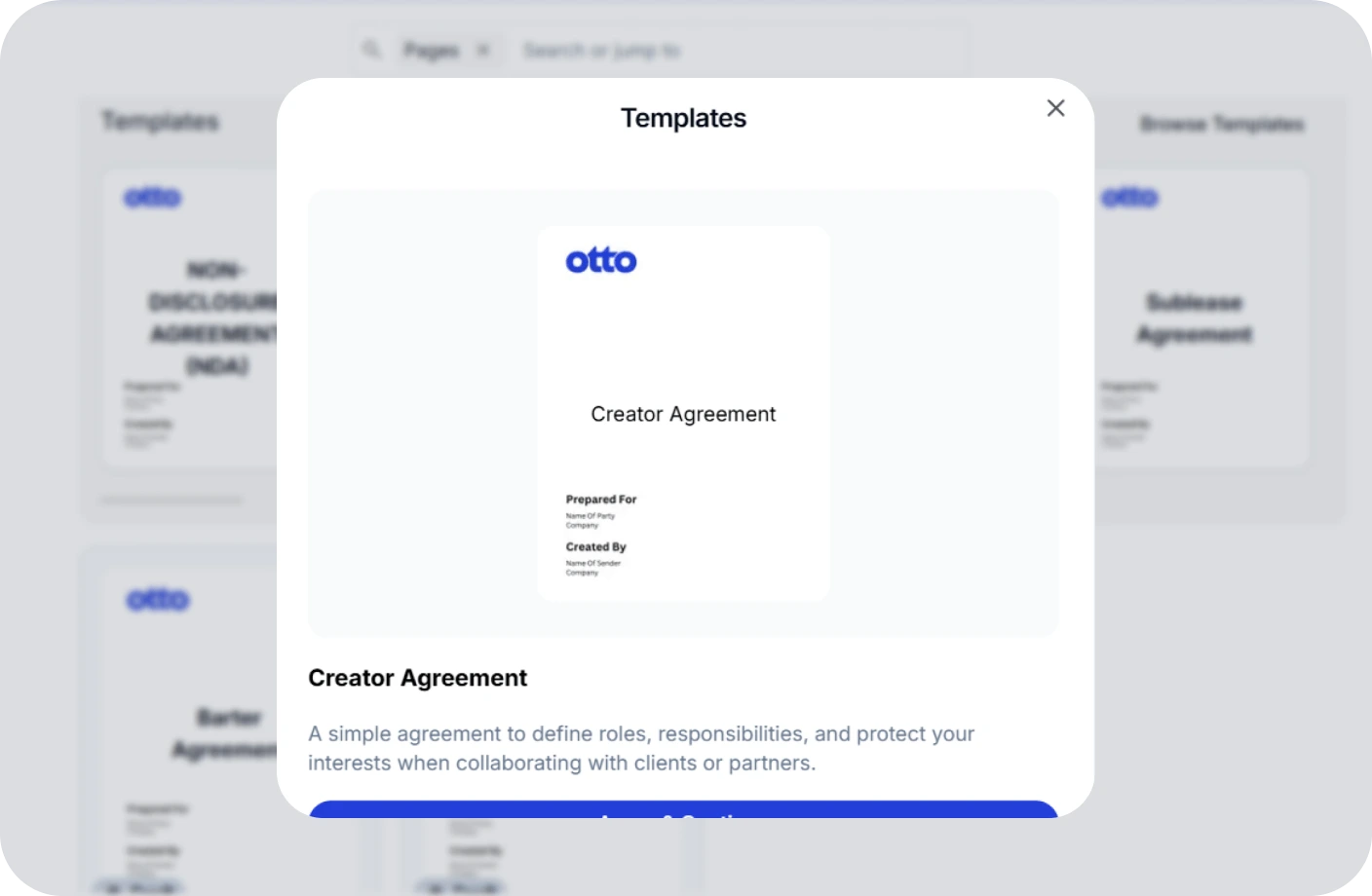
Contracts
Create, track, and e-sign contracts to ensure compliance and deadlines.
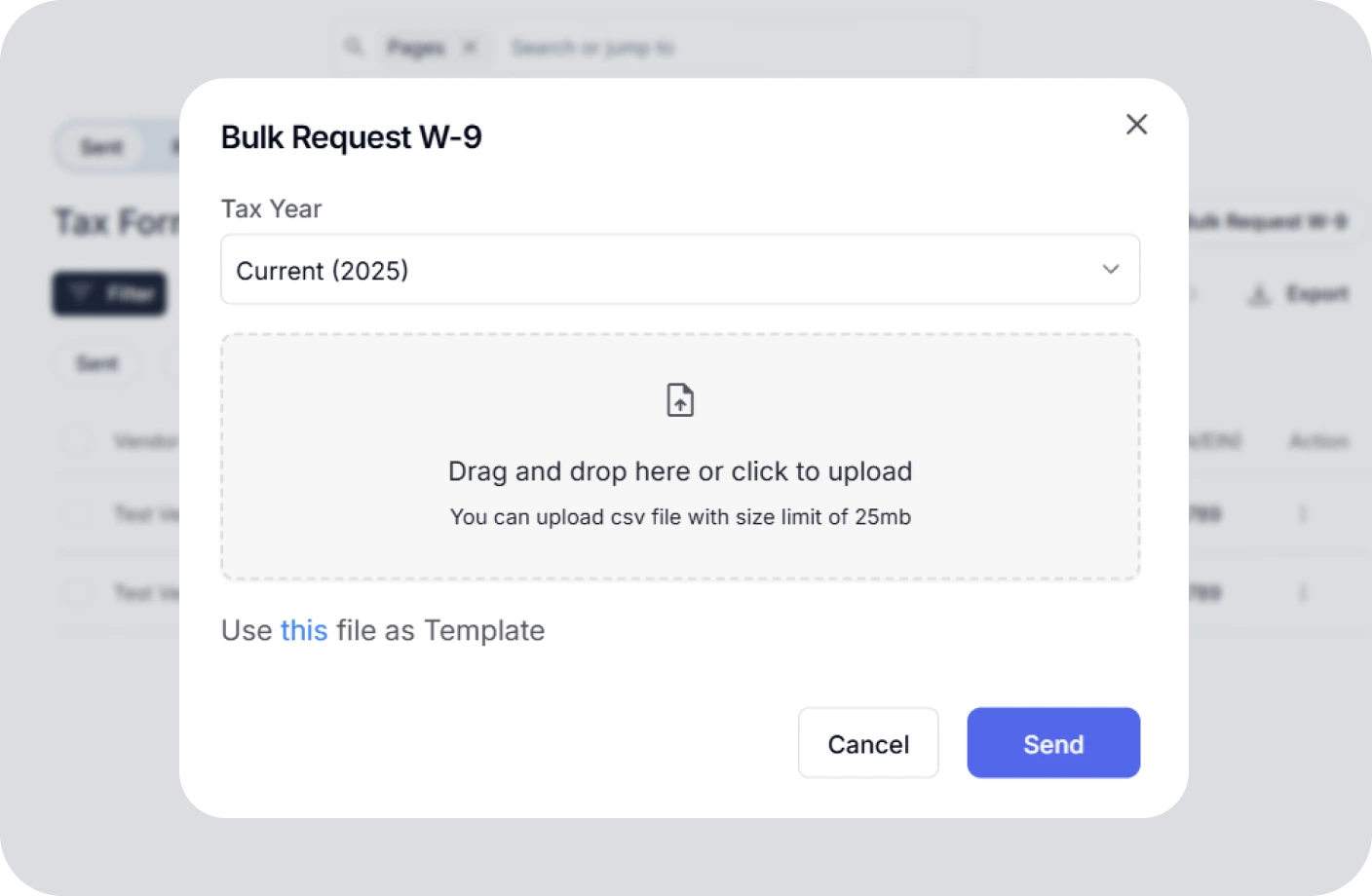
Taxes
Confidently plan taxes with expert CPAs and smart tools to track deductions.
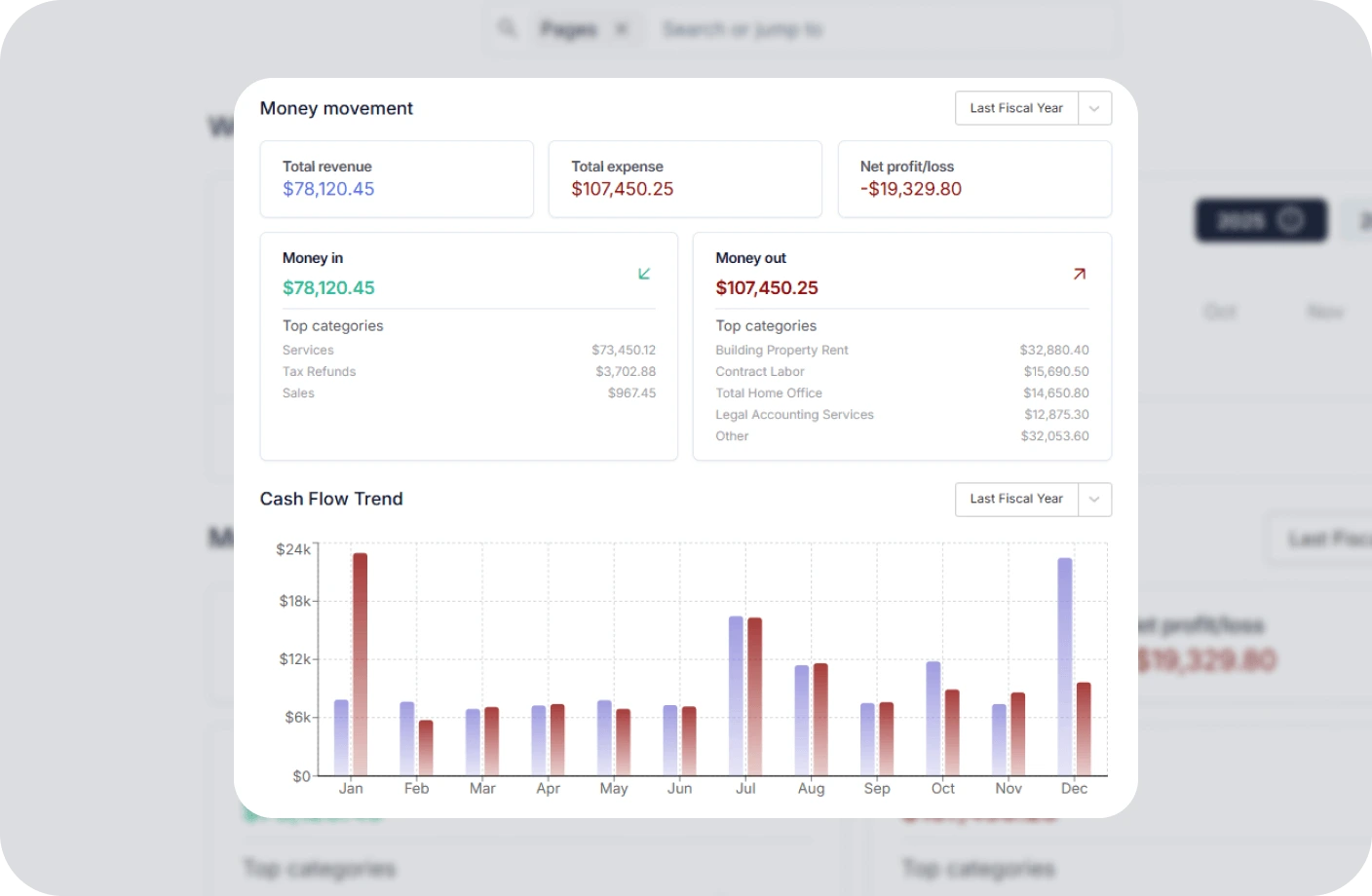
Reports
Real time business reports show where you stand today and what to do next.
Accounting
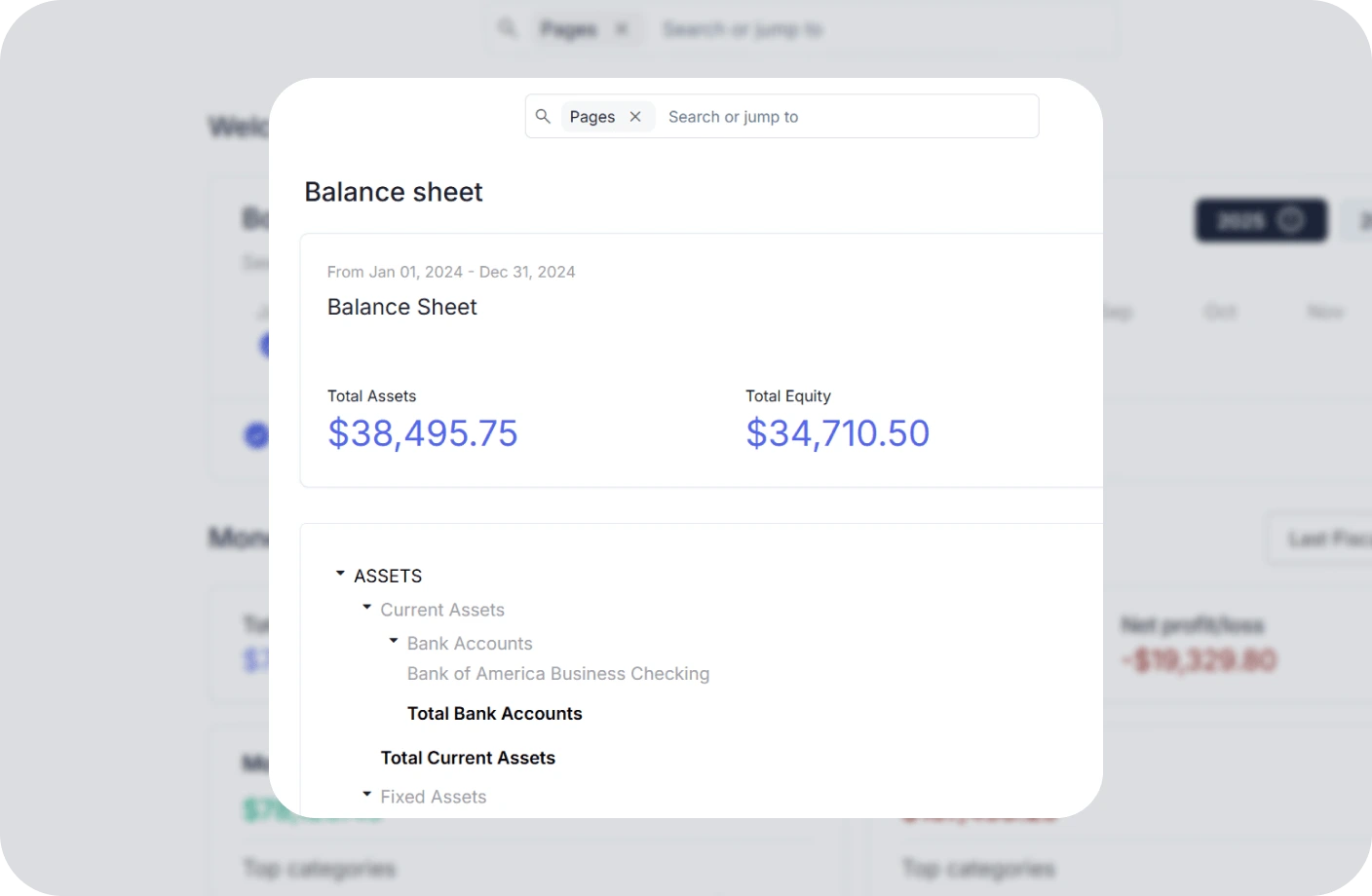
All in one accounting software for creators to handle your books, taxes, invoices, contracts.
Creator Tools
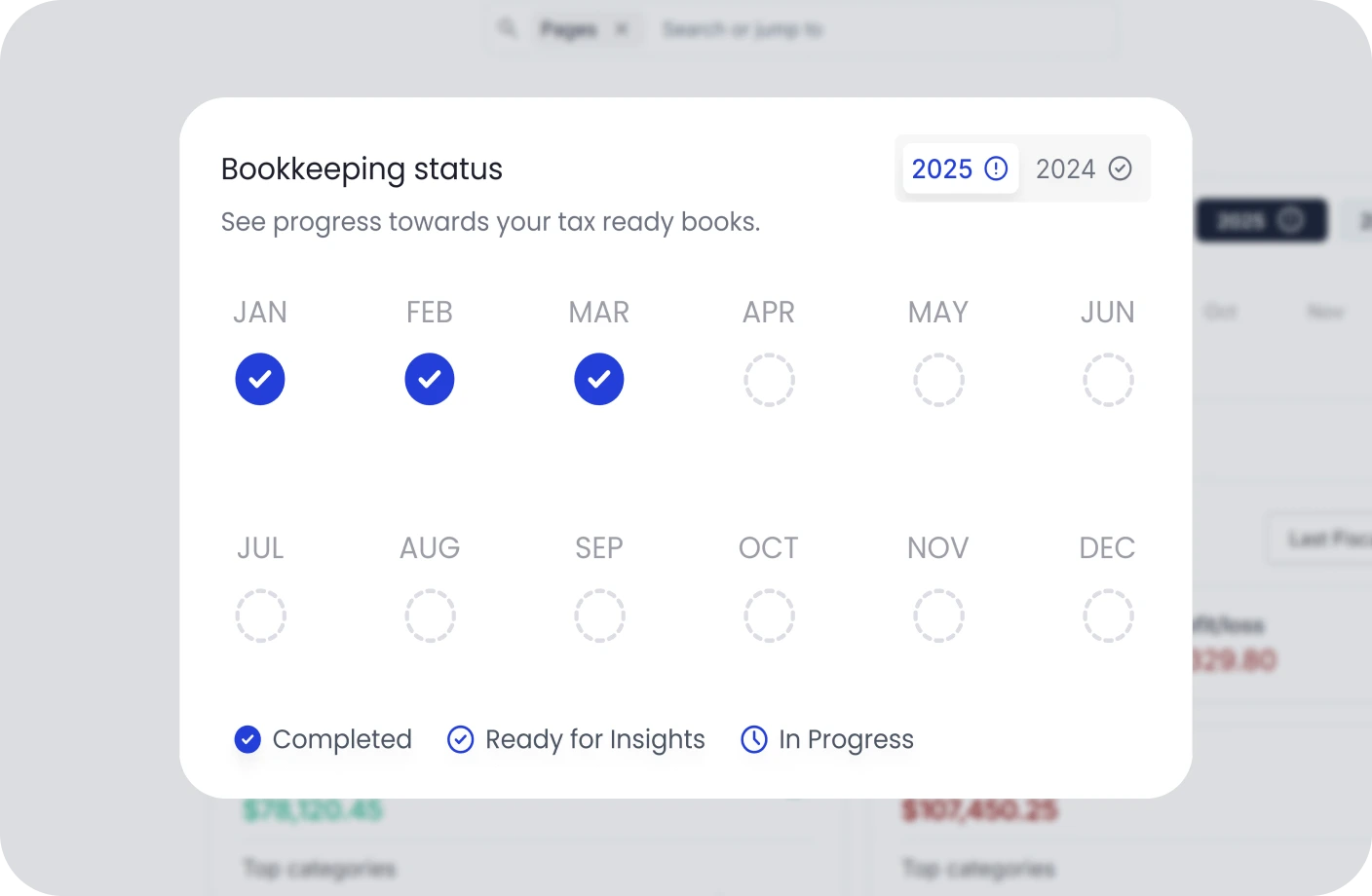
Specialized tools and resources for every type of creator
YouTubers Tools
Optimize your YouTube channel with analytics, thumbnail generators, and growth tools.
TikTokers Tools
Create viral TikTok content with trend analysis, caption generators, and editing tools.
Content Creators Tools
Comprehensive toolkit for content creation, scheduling, and audience engagement.
Video Creators Tools
Professional video editing, compression, and optimization tools for creators.
Influencers Tools
Manage brand partnerships, track engagement, and maximize your influencer income.
Photographers Tools
Photo editing, watermarking, and portfolio management tools for photographers.
Related Contract Blogs
Essential guides to help you master contracts and agreements
W-9 Form Guide for Independent Contractors
Learn everything independent contractors need to know about the W-9 form, including when to provide it, how to fill it out correctly, and how it affects tax reporting.
What Is an AI Contract Generator and How Does It Work?
Discover how AI contract generators use machine learning to create, review, and customize legal agreements, saving time and reducing errors for businesses and freelancers.
W-9 vs W-4: What's the Difference and When To Use Them
Understand the key differences between W-9 and W-4 forms, who needs to fill out each one, and how they impact tax withholding and reporting for workers and businesses.
Electronic Contracts FAQs
Quick answers to common questions about electronic contracts
What is an electronic contract?
An electronic contract (or e-contract) is a legally binding agreement created and signed in digital form, without the need for physical paper. These contracts are formed electronically using computers, tablets, or smartphones and are enforceable under the same legal principles as traditional paper contracts.
Are electronic contracts legally enforceable?
Yes, electronic contracts are generally legally enforceable in the United States under the ESIGN Act (Electronic Signatures in Global and National Commerce Act) and state-level laws based on the Uniform Electronic Transactions Act (UETA). These laws establish that electronic signatures and records have the same legal effect as their paper counterparts.
What are the different types of electronic contracts?
Common types include clickwrap agreements (users click 'I Agree' to accept), browsewrap agreements (terms posted on a website, implied by use), shrinkwrap agreements (terms inside product packaging), and e-signature agreements (digitally signed documents using platforms like DocuSign or Otto).
How do I sign an electronic contract?
You can sign an electronic contract using e-signature tools available on contract management platforms. These tools allow you to draw, type, or upload a signature image. Many platforms also support advanced features like multi-party signing, signing order workflows, and audit trails for legal compliance.
What should I look for before signing an electronic contract?
Read the entire contract carefully, verify the identity of the other signing party, check for automatic renewal clauses, look for mandatory arbitration provisions, understand payment and cancellation terms, and ensure the contract clearly defines the scope of work or services. Save a copy of the signed agreement for your records.
Can electronic contracts be used for any type of agreement?
Electronic contracts can be used for most types of agreements, including client service agreements, freelance contracts, employment agreements, software licenses, and vendor agreements. However, certain documents like wills, trusts, adoption papers, and court orders may require physical signatures depending on state law.
Manage Your Contracts Without the Confusion
Create professional contracts, e-sign agreements, and manage all your legal documents effortlessly with Otto's contract management platform.