What is Contract Law? Definition, Guide & Overview
Understand contract law, its key principles, essential elements of a valid contract, and how it protects businesses and individuals.
KEY TAKEAWAYS
-
✓
Contract law governs legally binding agreements between parties, ensuring promises are kept and providing remedies when they are broken.
-
✓
A valid contract requires offer, acceptance, consideration, capacity, and legal purpose — all essential elements that must be present.
-
✓
Understanding contract law helps creatives and small business owners protect their rights, avoid disputes, and enforce agreements.
What is Contract Law?
Contract law is a branch of legal studies that deals with agreements between two or more parties. These agreements can be about almost anything — like a photographer hiring a model, a designer creating a logo for a business, or a coach offering personal training sessions. The law helps ensure that everyone follows through on their promises and protects the interests of all parties involved.
Essential Elements of a Valid Contract
For a contract to be legally enforceable, it must contain:
-
•
Offer: One party proposes terms to another.
-
•
Acceptance: The other party agrees to the terms without modification.
-
•
Consideration: Something of value is exchanged, such as money, services, or goods.
-
•
Capacity: Both parties must have the legal ability to enter a contract — being of sound mind and legal age.
-
•
Legal Purpose: The contract's purpose must be legal and not against public policy.
-
•
Mutual Assent: Both parties understand and agree to the basic substance of the contract.
Why is Contract Law Important for Creatives?
For creative professionals, understanding contract law is essential because:
-
•
Contracts protect your rights and ensure you get paid for your work.
-
•
They provide clarity on what is expected from both sides.
-
•
They offer a framework for resolving conflicts if disagreements arise.
-
•
They establish ownership of intellectual property.
-
•
They define the scope of work and prevent scope creep.
Common Types of Contracts for Creatives
Creative professionals frequently encounter several types of contracts:
-
•
Service Agreements: Define work scope, deliverables, and payment terms.
-
•
Licensing Agreements: Grant permission to use creative work under specific conditions.
-
•
Non-Disclosure Agreements: Protect confidential information shared during business discussions.
-
•
Independent Contractor Agreements: Define the relationship between freelancers and clients.
-
•
Collaboration Agreements: Outline terms for joint creative projects.
What Happens When a Contract Is Breached?
A breach of contract occurs when one party fails to fulfill their obligations. Remedies include:
-
•
Damages: Financial compensation for losses.
-
•
Specific Performance: Court orders the breaching party to perform their obligations.
-
•
Cancellation and Restitution: The contract is canceled and parties are restored to their original positions.
-
•
Reformation: The contract is rewritten to reflect the parties' true intentions.
Summary
Contract law provides the foundation for all business relationships. By understanding the basic principles of contract law — offer, acceptance, consideration, capacity, and legal purpose — creative professionals can better protect their work, negotiate fair terms, and build successful business relationships.
How Contract Law Applies to Your Business
When will you actually encounter these?
Contract law affects virtually every business relationship. Here are the most common scenarios where you will encounter it:
Service Agreements
Contracts for creative services like photography, design, and video production engagements.
Licensing & IP
Agreements governing intellectual property usage and rights between parties.
Freelance Contracts
Independent contractor and freelance engagement agreements with defined terms.
Partnership Deals
Collaboration and joint venture agreements for shared creative projects.
Vendor Agreements
Contracts with suppliers, tools, and service providers for your business operations.
Client Terms
Terms of service and engagement letters that define your client relationships.
Recommended Reading
Explore the full collection of contract-related definitions and guides
What is a Privacy Disclosure Agreement
Understand how privacy disclosure agreements regulate the collection, use, and sharing of personal data between businesses and their customers or users.
What is a Subscription License Agreement
Learn how subscription license agreements govern recurring access to software, services, and digital content with defined payment terms and usage rights.
What is a Non-Disclosure Agreement
Explore how NDAs protect confidential information, define permitted use, and establish legal remedies for unauthorized disclosure in business relationships.
What are Output Contracts
Learn what output contracts are, how they obligate a buyer to purchase a seller's entire production, and when businesses typically use them.
What is a Service Level Agreement
Discover how SLAs define performance standards, uptime guarantees, response times, and remedies for service failures between providers and clients.
What is a Time and Materials Contract
Understand how time and materials contracts bill for actual labor hours and material costs, making them ideal for projects with undefined scope.
Free Contracts & Agreement
Ready-to-use contract designed for creators, freelancers, and small businesses.
Podcast Contract Template
Covers episode commitments, guest appearances, sponsorship terms, intellectual property rights, revenue sharing, and cancellation policies for podcast productions.
Music Collaboration Agreement
Defines ownership splits, credit allocation, royalty distribution, and usage rights for collaborative music projects between artists, producers, and songwriters.
Film Editor Agreement
Outlines project scope, revision rounds, delivery timeline, licensing rights, payment terms, and kill fees for professional film and video editing services.
Animation Contract
Covers animation style, storyboard approvals, revision limits, asset ownership, delivery schedule, and payment milestones for 2D and 3D animation projects.
Executive Coaching Retainer Agreement
Defines coaching session cadence, retainer billing, scope of services, confidentiality terms, cancellation policy, and performance milestones for executive coaching engagements.
UGC Contract
Establishes content usage rights, exclusivity terms, compensation structure, delivery specifications, and attribution requirements for user-generated content campaigns.
Real Contract Questions From the Community
Explore Reddit-backed Otto contract guides based on real conversations about agreements, negotiations, terms, and legal best practices.
One Platform: From Entity Setup to Closing Reports
Comprehensive financial solutions for your business needs.
Entity Management
Easily manage legal entities, compliance, and ownership in one platform.
Invoicing
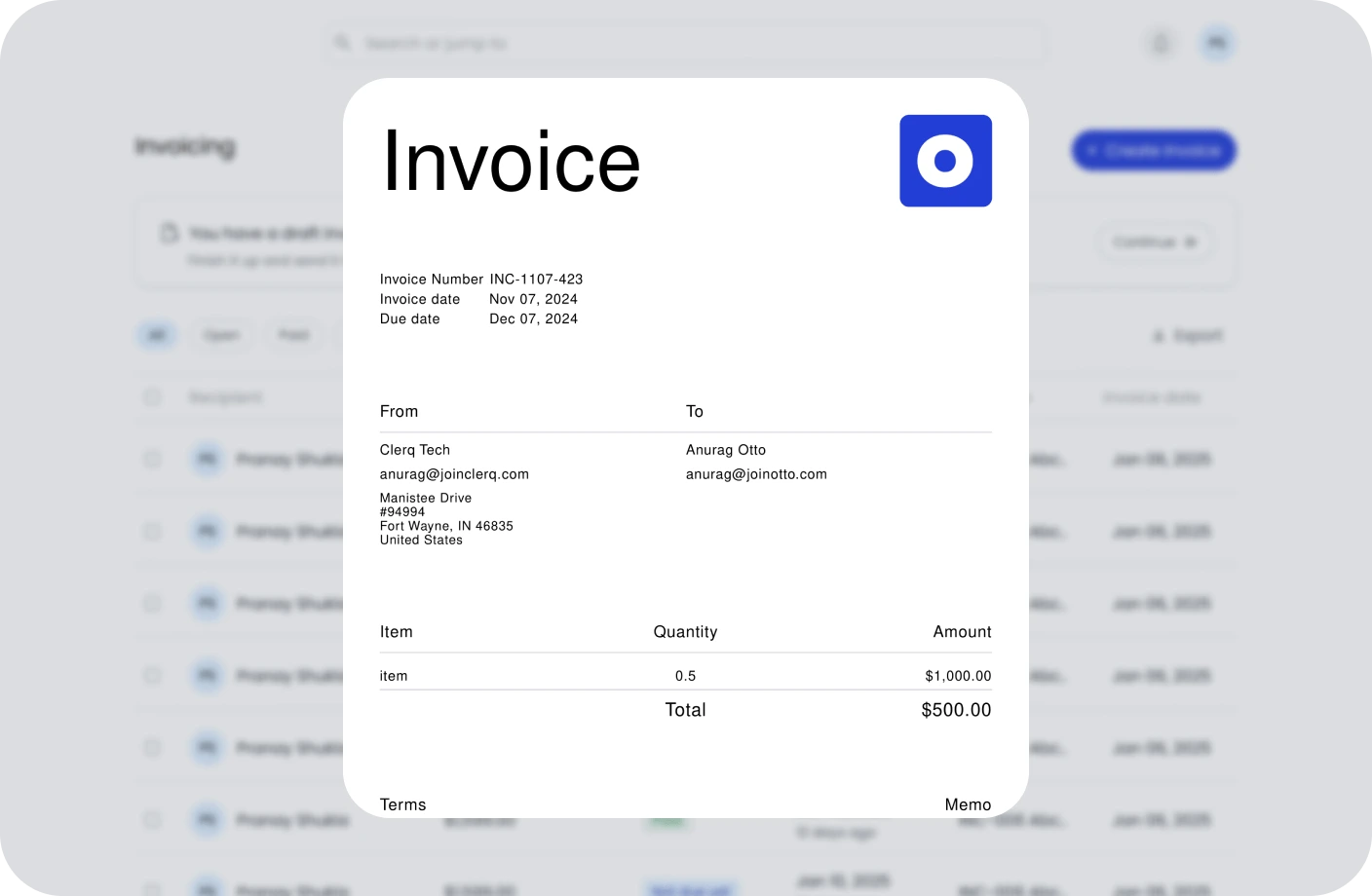
Create, send, and manage invoices. Track payments and assure timely cash flow.
Contracts
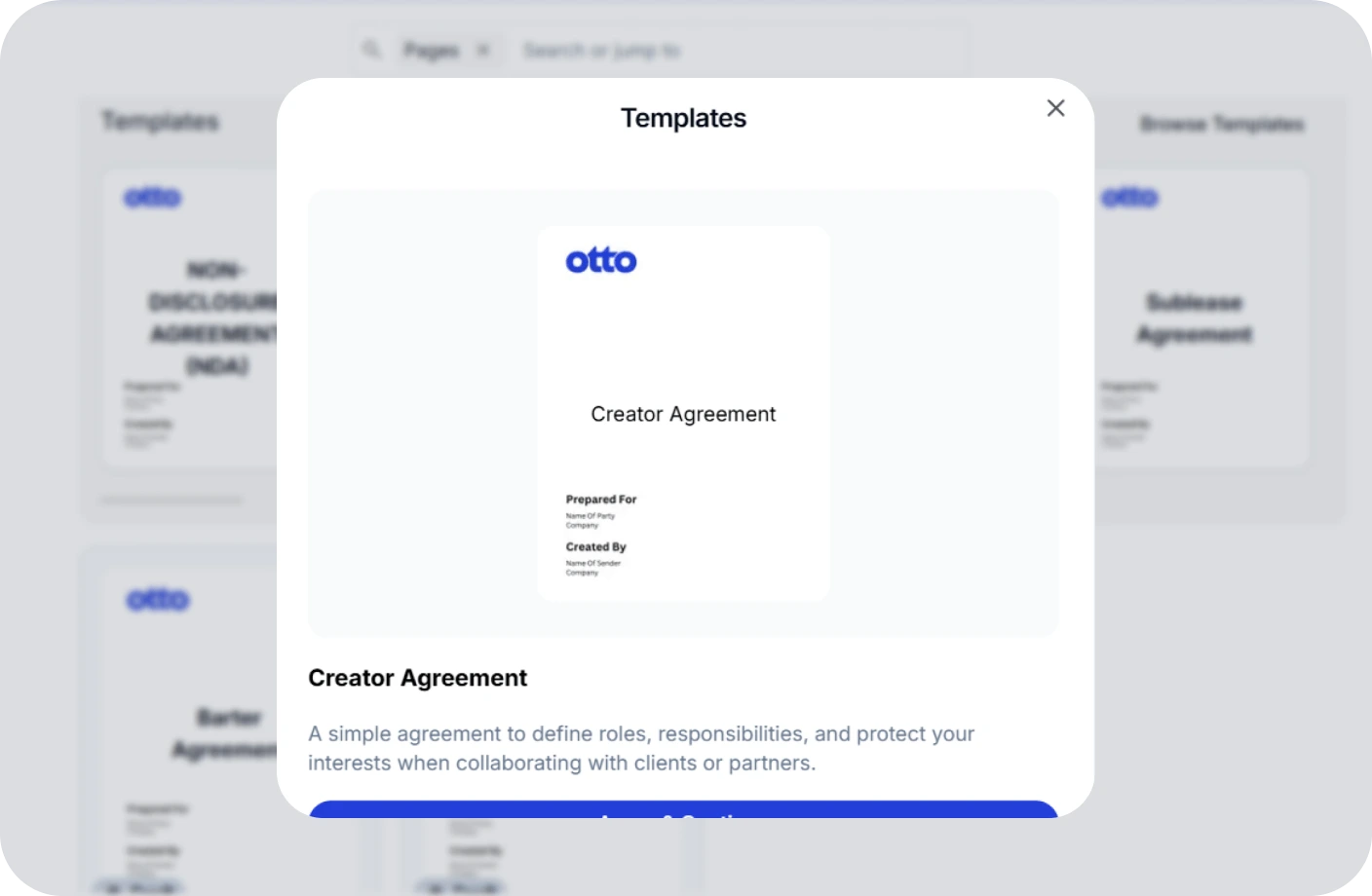
Create, track, and e-sign contracts to ensure compliance and deadlines.
Taxes
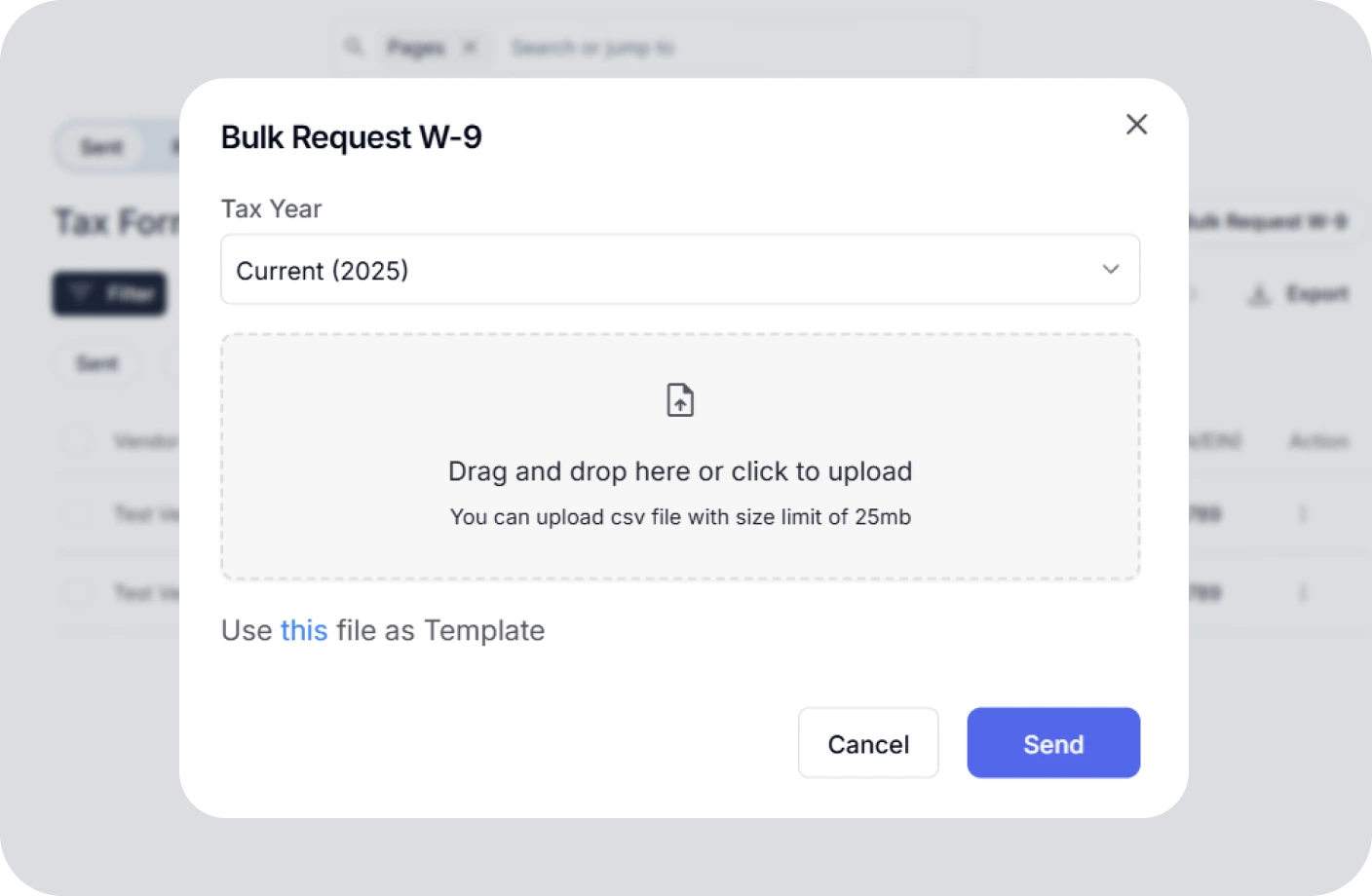
Confidently plan taxes with expert CPAs and smart tools to track deductions.
Reports
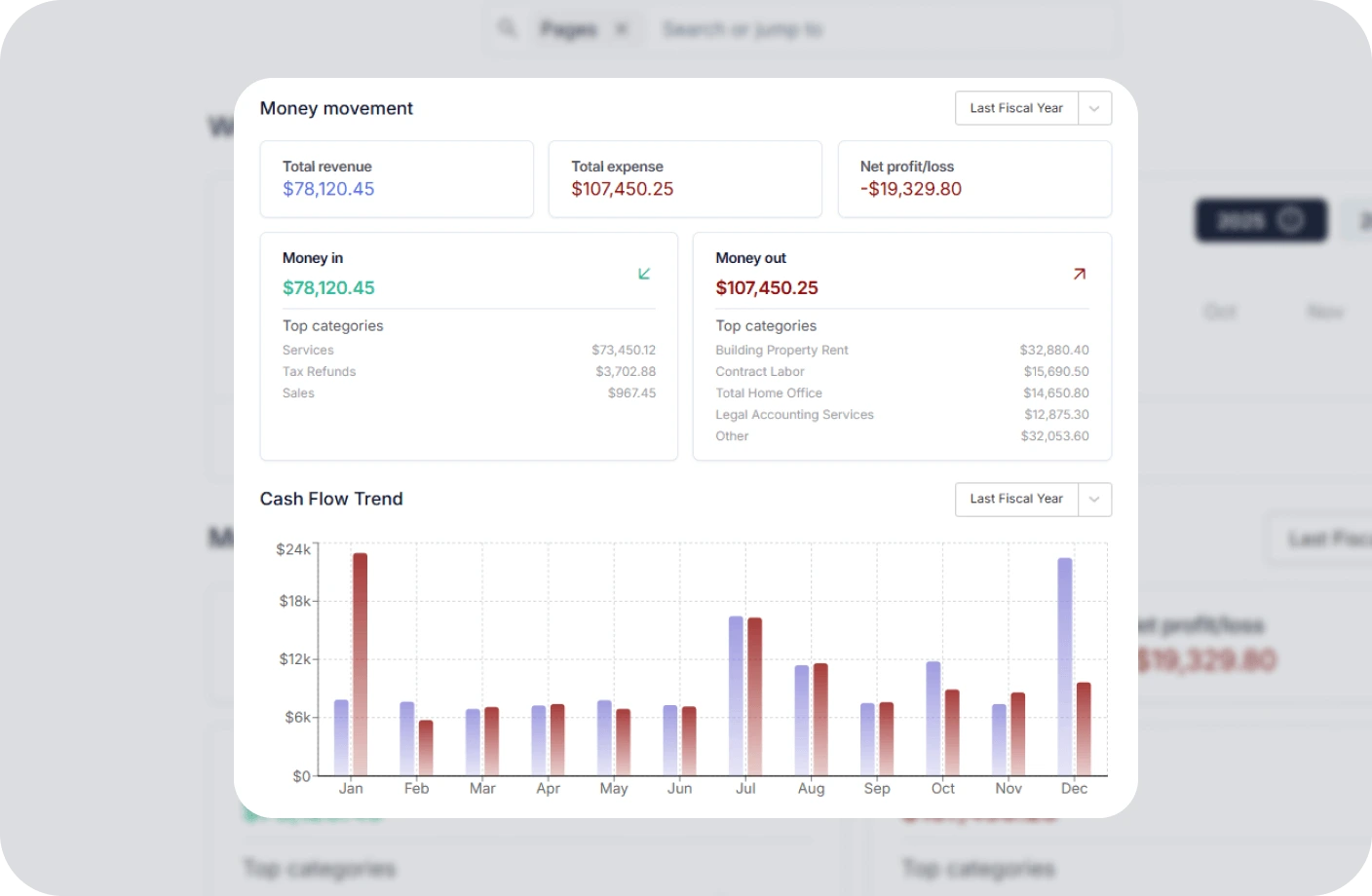
Real time business reports show where you stand today and what to do next.
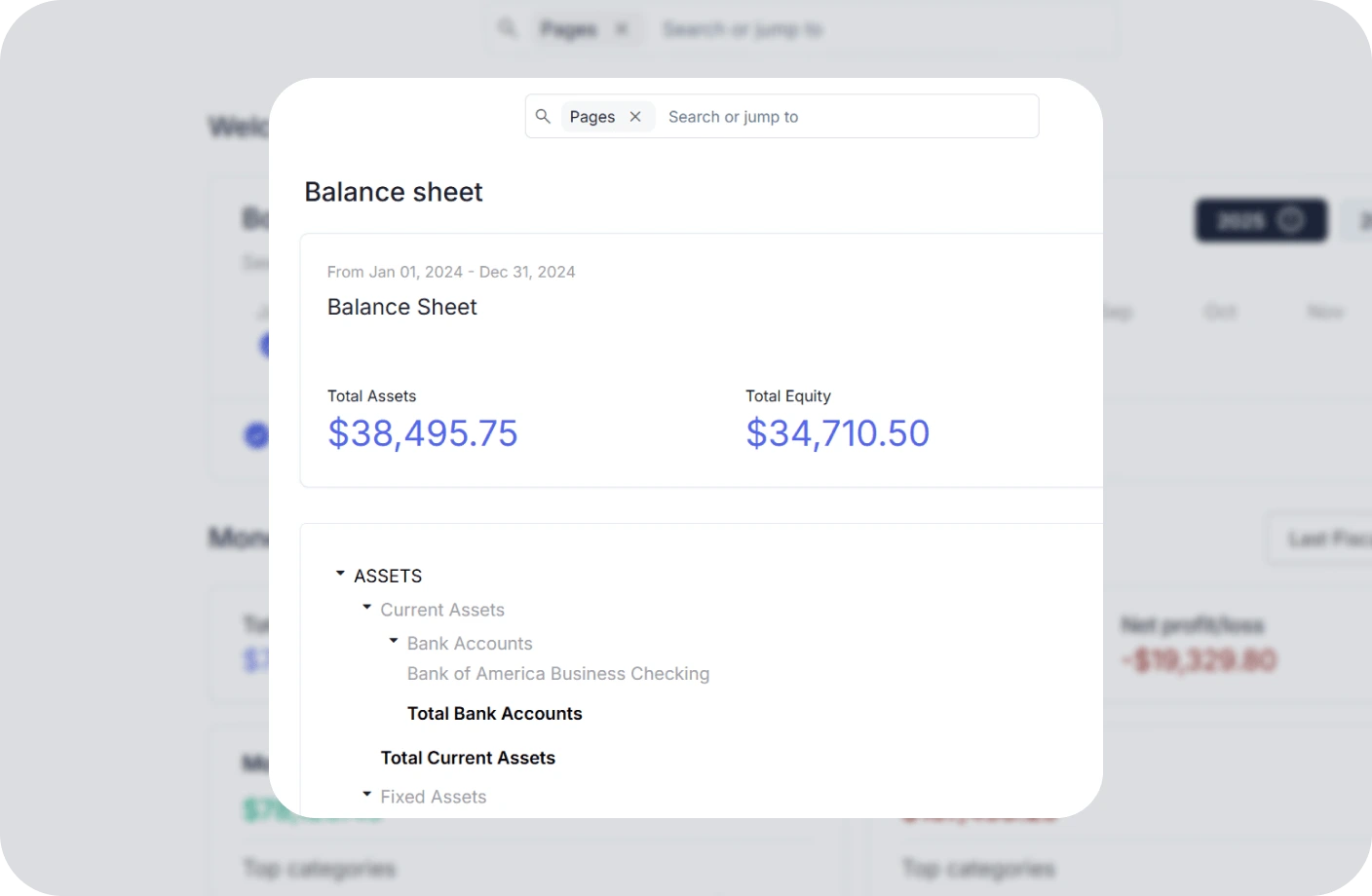
Accounting
All in one accounting software for creators to handle your books, taxes, invoices, contracts.
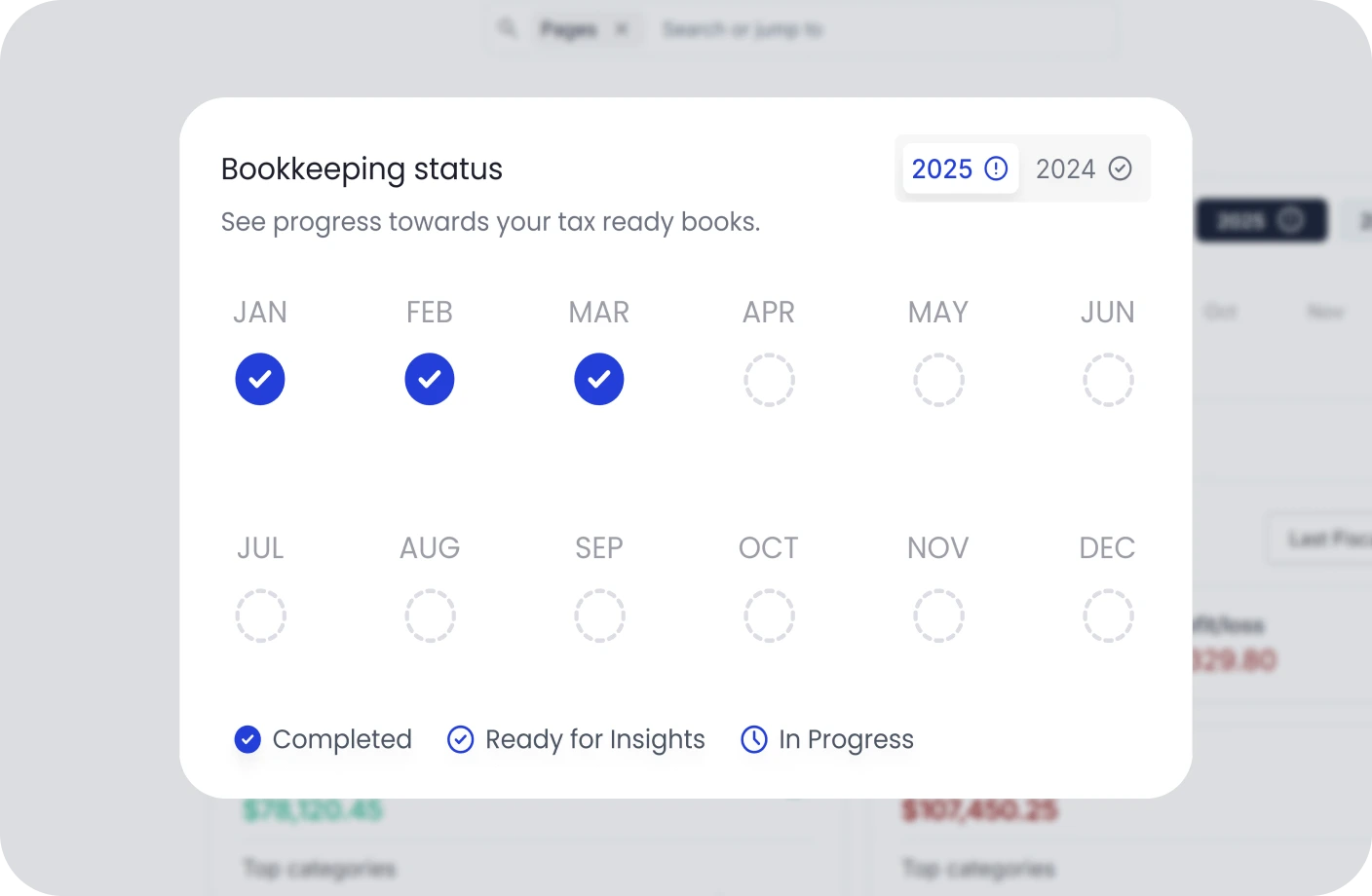
Creator Tools
Specialized tools and resources for every type of creator
YouTubers Tools
Optimize your YouTube channel with analytics, thumbnail generators, and growth tools.
TikTokers Tools
Create viral TikTok content with trend analysis, caption generators, and editing tools.
Content Creators Tools
Comprehensive toolkit for content creation, scheduling, and audience engagement.
Video Creators Tools
Professional video editing, compression, and optimization tools for creators.
Influencers Tools
Manage brand partnerships, track engagement, and maximize your influencer income.
Photographers Tools
Photo editing, watermarking, and portfolio management tools for photographers.
Related Contract Blogs
Essential guides to help you master contracts and agreements
W-9 Form Guide for Independent Contractors
Learn everything independent contractors need to know about the W-9 form, including when to provide it, how to fill it out correctly, and how it affects tax reporting.
What Is an AI Contract Generator and How Does It Work?
Discover how AI contract generators use machine learning to create, review, and customize legal agreements, saving time and reducing errors for businesses and freelancers.
W-9 vs W-4: What's the Difference and When To Use Them
Understand the key differences between W-9 and W-4 forms, who needs to fill out each one, and how they impact tax withholding and reporting for workers and businesses.
Contract Law FAQs
Quick answers to common questions about contract law
What is contract law?
Contract law is a body of law that governs written and oral agreements between parties. It establishes the rules for creating enforceable contracts, performing obligations, and resolving disputes when agreements are broken.
What are the essential elements of a valid contract?
The essential elements are offer, acceptance, consideration (something of value exchanged), capacity (legal ability to contract), legal purpose, and mutual assent (both parties understand and agree).
What happens if someone breaks a contract?
When a contract is breached, the non-breaching party can seek remedies including monetary damages, specific performance (court order to fulfill obligations), cancellation and restitution, or contract reformation.
Do contracts have to be in writing to be enforceable?
While many oral contracts can be enforceable, certain types of contracts must be in writing under the Statute of Frauds, including contracts for real estate, agreements lasting more than one year, and contracts for goods over a certain value.
How can I protect myself with contract law?
Always get agreements in writing, clearly define scope of work and payment terms, include dispute resolution clauses, read contracts carefully before signing, and consult a lawyer for important agreements.
How can Otto help with contracts?
Otto provides contract management software that helps you create professional contracts, track agreements, e-sign documents, and manage all your legal paperwork in one platform.
Manage Your Contracts Without the Confusion
Create professional contracts, e-sign agreements, and manage all your legal documents effortlessly with Otto's contract management platform.