What is a Software License Agreement? Definition & Overview
Understand what a software license agreement is, why it matters for your business, key elements, types of licenses, and how to create one.
KEY TAKEAWAYS
-
✓
A software license agreement defines how software can be used, distributed, and modified by users while protecting the creator's intellectual property rights.
-
✓
There are different types of software licenses including proprietary, open source, subscription-based, and enterprise licenses, each with distinct terms and conditions.
-
✓
Having a clear software license agreement protects your intellectual property, sets expectations for users, and provides legal recourse if terms are violated.
What is a Software License Agreement?
A Software License Agreement is a legal contract between the software creator or publisher and the user that defines how the software can be used, distributed, and modified. This agreement establishes the rights and restrictions for using the software, including permitted uses, limitations, and obligations of both parties.
Whether you are a software developer releasing a mobile app, a SaaS company offering cloud-based tools, or a freelance designer using third-party software, license agreements govern your rights and responsibilities. They protect intellectual property while giving users clarity on what they can and cannot do with the software.
Why Do You Need a Software License Agreement?
For creative entrepreneurs like photographers, designers, or musicians, having a Software License Agreement is essential to ensure that your work is protected. Here are a few reasons why:
-
•
Protection of Intellectual Property: A license agreement helps safeguard your software from unauthorized use or distribution, ensuring that your code and creative work remain under your control.
-
•
Clarity of Use: It defines how users can install, access, and use the software, including limitations on copying, modifying, or redistributing the code.
-
•
Liability Limitation: Software licenses typically include disclaimers of warranties and limitations of liability that protect you from legal claims related to software performance or failures.
-
•
Revenue Model Support: License agreements enable different business models such as one-time purchases, subscriptions, freemium tiers, and enterprise licensing.
Key Elements of a Software License Agreement
A well-drafted software license agreement typically includes the following key elements:
-
•
Grant of License: Specifies what rights the user receives, including the scope of use, whether the license is exclusive or non-exclusive, and any territorial restrictions.
-
•
Usage Restrictions: Defines what users cannot do, such as reverse engineering, modifying, sublicensing, or using the software for illegal purposes.
-
•
Intellectual Property Rights: Clarifies that the licensor retains all ownership and intellectual property rights to the software, with the user receiving only a license to use it.
-
•
Term and Termination: Specifies how long the license lasts, conditions for renewal, and grounds for termination such as breach of terms or non-payment.
-
•
Warranties and Disclaimers: Outlines any guarantees about the software's performance and includes disclaimers limiting liability for damages or software defects.
Types of Software Licenses
Understanding the different types of software licenses helps you choose the right model for your product:
-
•
Proprietary License: The traditional commercial license where the software owner retains all rights and users pay for a limited license to use the software under specified conditions.
-
•
Open Source License: Grants users the freedom to use, modify, and distribute the source code. Common variants include MIT, GPL, Apache, and BSD licenses with different copyleft requirements.
-
•
Subscription License: Users pay a recurring fee for access to the software, often including updates, support, and cloud services. Common for SaaS products.
-
•
Enterprise License: A customized agreement for large organizations that covers multiple users, deployments, or locations, often with volume pricing and dedicated support.
How to Create a Software License Agreement
Follow these steps to create a comprehensive software license agreement for your product:
-
•
Choose your license type: Decide whether your software will be proprietary, open source, subscription-based, or enterprise — each has different legal and business implications.
-
•
Define scope of use: Specify exactly how users can use the software — number of users, devices, installations, and whether commercial use is permitted.
-
•
Include payment and renewal terms: If your software requires payment, clearly outline pricing, billing frequency, automatic renewal policies, and refund terms.
-
•
Add limitation of liability: Protect yourself from lawsuits by disclaiming warranties and limiting your liability for damages arising from software use or malfunction.
-
•
Consult a legal professional: Have your agreement reviewed by a lawyer who specializes in software licensing to ensure compliance with applicable laws and regulations.
Summary
A Software License Agreement is a critical legal document for any software creator or publisher. It protects your intellectual property, sets clear expectations for users, and enables various business models. By understanding the key elements, types of licenses, and best practices for drafting your agreement, you can create a license that serves both your business needs and your users' interests.
How Software License Agreements Apply to Your Business
Common scenarios where you will encounter these agreements
Software license agreements affect virtually every business that uses or creates software. Here are the most common scenarios:
SaaS Product Development
When building a SaaS product, your terms of service and subscription agreement define how customers access and pay for your software as a service.
Mobile App Distribution
App store distribution requires end-user license agreements that comply with platform policies while protecting your intellectual property rights.
Open Source Contributions
Contributing to or using open source software requires understanding license compatibility and compliance with attribution and copyleft requirements.
Enterprise Software Procurement
Purchasing enterprise software involves negotiating license terms for multiple users, deployment options, and service level agreements.
White Label Licensing
Reselling or rebranding software under your own brand requires a white label license agreement that defines usage rights and revenue sharing.
API Access & Integration
Providing or consuming APIs requires license terms that govern rate limits, data usage, authentication, and integration responsibilities.
Recommended Reading
Explore the full collection of contract-related definitions and guides
What is a Privacy Disclosure Agreement
Understand how privacy disclosure agreements regulate the collection, use, and sharing of personal data between businesses and their customers or users.
What is a Subscription License Agreement
Learn how subscription license agreements govern recurring access to software, services, and digital content with defined payment terms and usage rights.
What is a Non-Disclosure Agreement
Explore how NDAs protect confidential information, define permitted use, and establish legal remedies for unauthorized disclosure in business relationships.
What are Output Contracts
Learn what output contracts are, how they obligate a buyer to purchase a seller's entire production, and when businesses typically use them.
What is a Service Level Agreement
Discover how SLAs define performance standards, uptime guarantees, response times, and remedies for service failures between providers and clients.
What is a Time and Materials Contract
Understand how time and materials contracts bill for actual labor hours and material costs, making them ideal for projects with undefined scope.
Free Contracts & Agreement
Ready-to-use contract designed for creators, freelancers, and small businesses.
Podcast Contract Template
Covers episode commitments, guest appearances, sponsorship terms, intellectual property rights, revenue sharing, and cancellation policies for podcast productions.
Music Collaboration Agreement
Defines ownership splits, credit allocation, royalty distribution, and usage rights for collaborative music projects between artists, producers, and songwriters.
Film Editor Agreement
Outlines project scope, revision rounds, delivery timeline, licensing rights, payment terms, and kill fees for professional film and video editing services.
Animation Contract
Covers animation style, storyboard approvals, revision limits, asset ownership, delivery schedule, and payment milestones for 2D and 3D animation projects.
Executive Coaching Retainer Agreement
Defines coaching session cadence, retainer billing, scope of services, confidentiality terms, cancellation policy, and performance milestones for executive coaching engagements.
UGC Contract
Establishes content usage rights, exclusivity terms, compensation structure, delivery specifications, and attribution requirements for user-generated content campaigns.
Real Contract Questions From the Community
Explore Reddit-backed Otto contract guides based on real conversations about agreements, negotiations, terms, and legal best practices.
One Platform: From Entity Setup to Closing Reports
Comprehensive financial solutions for your business needs.
Entity Management
Easily manage legal entities, compliance, and ownership in one platform.
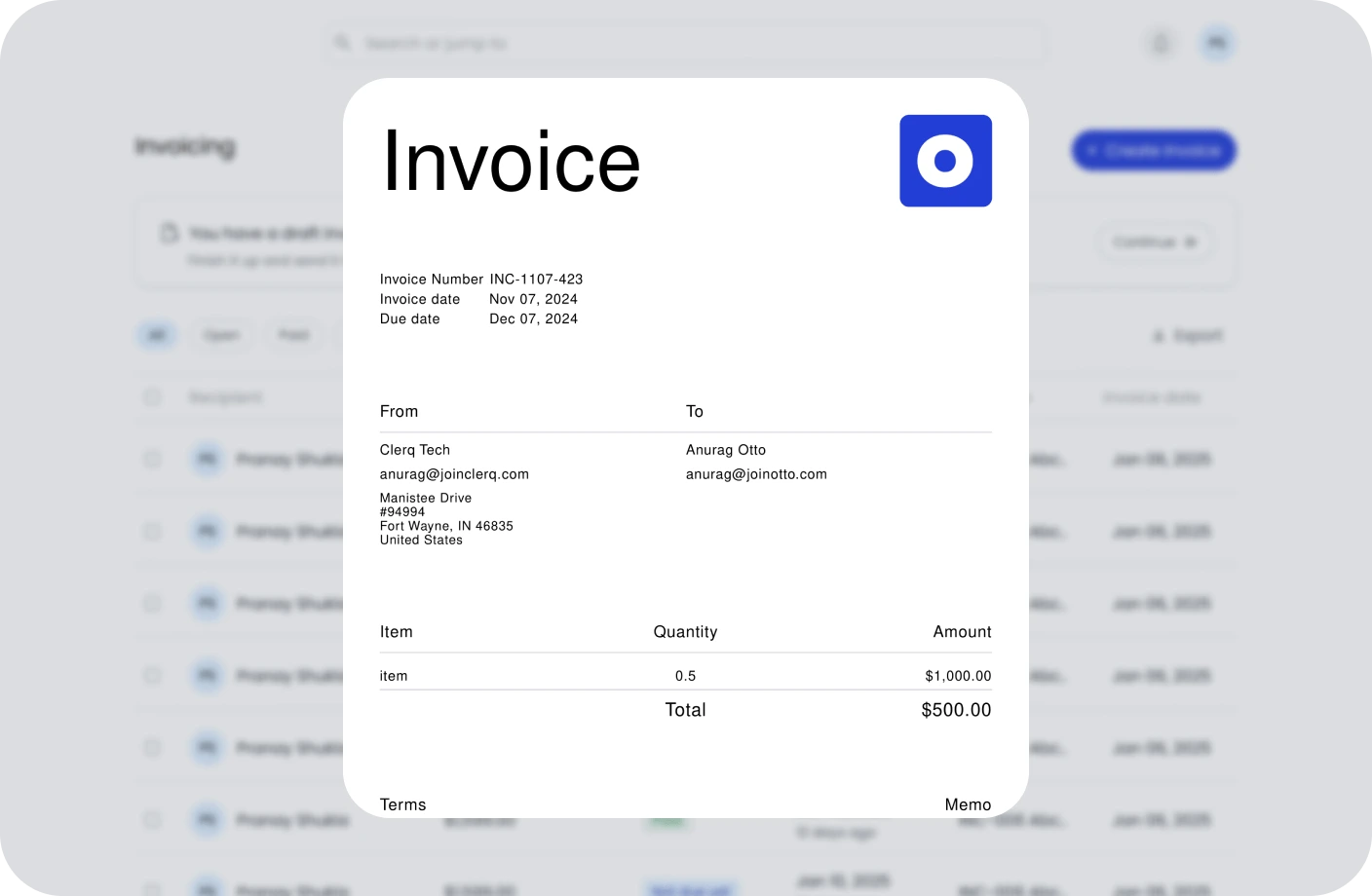
Invoicing
Create, send, and manage invoices. Track payments and assure timely cash flow.
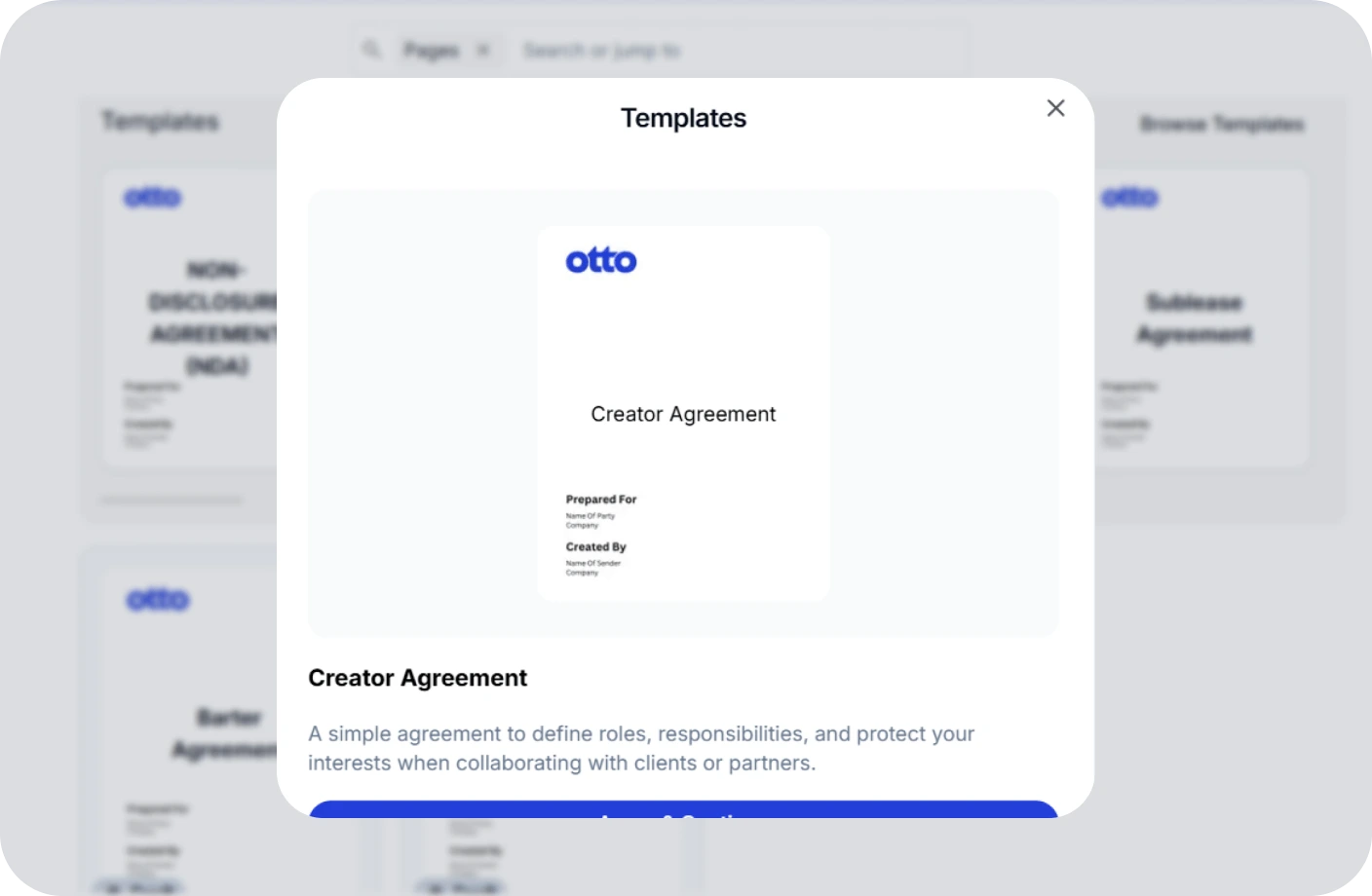
Contracts
Create, track, and e-sign contracts to ensure compliance and deadlines.
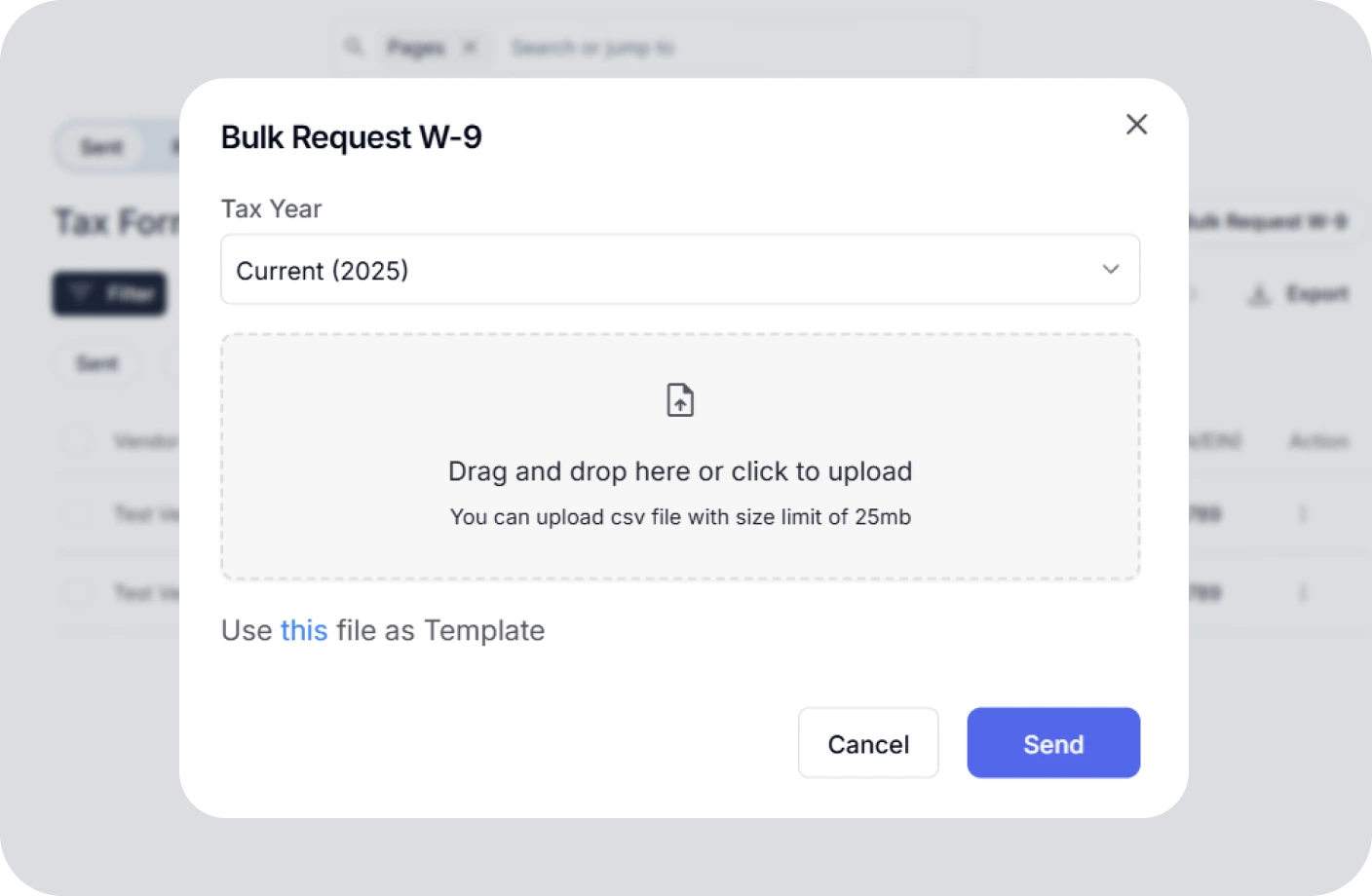
Taxes
Confidently plan taxes with expert CPAs and smart tools to track deductions.
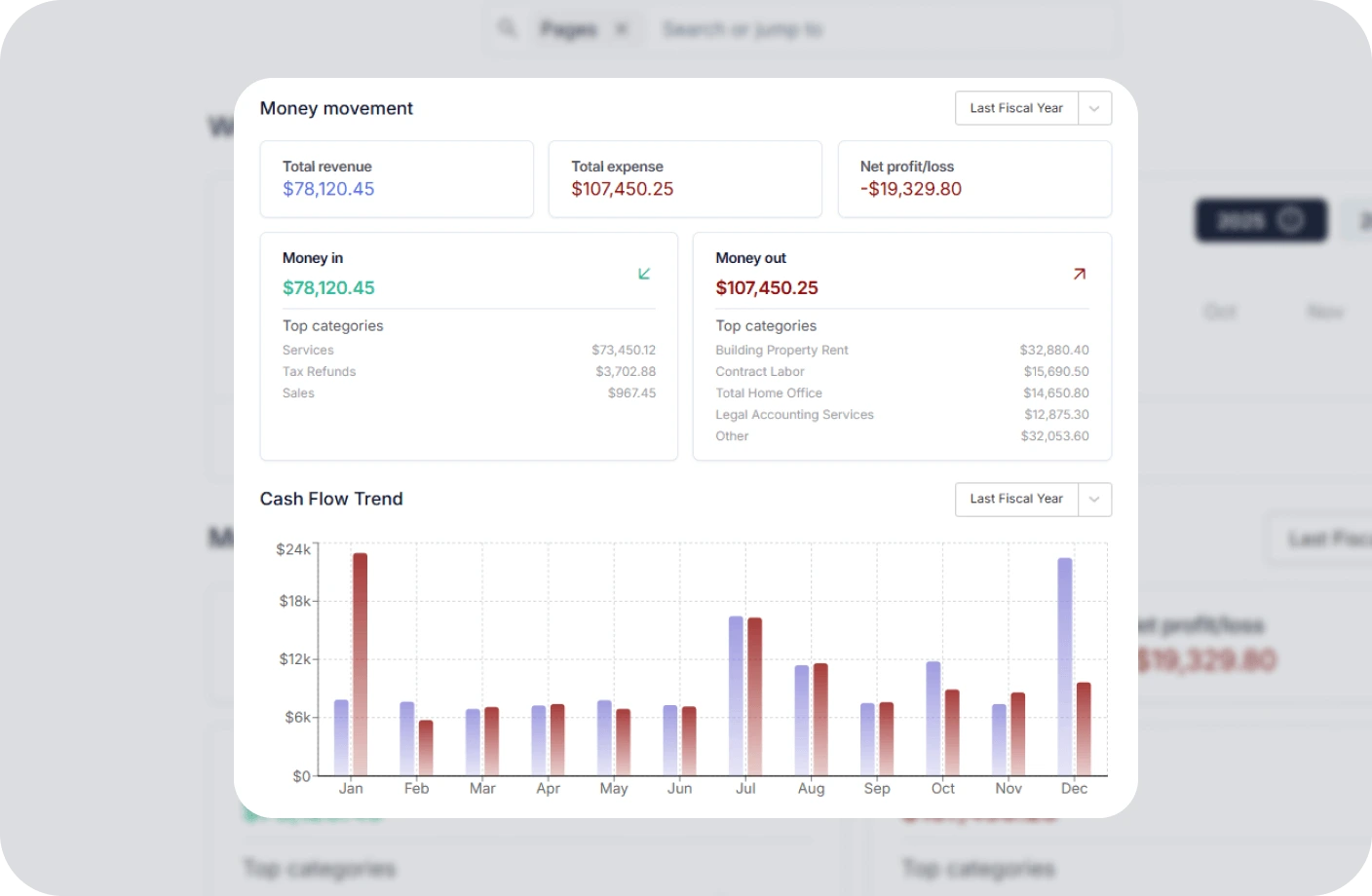
Reports
Real time business reports show where you stand today and what to do next.
Accounting
All in one accounting software for creators to handle your books, taxes, invoices, contracts.
Creator Tools
Specialized tools and resources for every type of creator
YouTubers Tools
Optimize your YouTube channel with analytics, thumbnail generators, and growth tools.
TikTokers Tools
Create viral TikTok content with trend analysis, caption generators, and editing tools.
Content Creators Tools
Comprehensive toolkit for content creation, scheduling, and audience engagement.
Video Creators Tools
Professional video editing, compression, and optimization tools for creators.
Influencers Tools
Manage brand partnerships, track engagement, and maximize your influencer income.
Photographers Tools
Photo editing, watermarking, and portfolio management tools for photographers.
Related Contract Blogs
Essential guides to help you master contracts and agreements
W-9 Form Guide for Independent Contractors
Learn everything independent contractors need to know about the W-9 form, including when to provide it, how to fill it out correctly, and how it affects tax reporting.
What Is an AI Contract Generator and How Does It Work?
Discover how AI contract generators use machine learning to create, review, and customize legal agreements, saving time and reducing errors for businesses and freelancers.
W-9 vs W-4: What's the Difference and When To Use Them
Understand the key differences between W-9 and W-4 forms, who needs to fill out each one, and how they impact tax withholding and reporting for workers and businesses.
Software License Agreement FAQs
Quick answers to common questions about software license agreements
What is a software license agreement?
A software license agreement is a legal contract between the software creator or publisher and the user that defines how the software can be used, distributed, and modified. It establishes the rights and restrictions for using the software, including permitted uses, limitations, and obligations of both parties.
What is the difference between proprietary and open source licenses?
Common examples include software license agreements (EULAs), terms of service for websites, insurance policies, cell phone contracts, credit card agreements, apartment leases, and standard employment agreements that are offered on a non-negotiable basis.
Do I need a software license agreement for my SaaS product?
Yes. A SaaS agreement is essential for any software-as-a-service product. It defines the terms of service, subscription terms, data handling, uptime guarantees, payment terms, and liability limitations. Having a clear agreement protects both you and your customers.
What are common restrictions in a software license agreement?
Common restrictions include limits on copying or distributing the software, prohibitions on reverse engineering or modifying the code, restrictions on commercial use, limitations on the number of users or devices, and rules about transferring the license to another party.
How long does a software license agreement last?
The duration varies by agreement type. Perpetual licenses last indefinitely. Subscription licenses last for the subscription period (monthly, annually). Term licenses are for a fixed period. Some agreements also include automatic renewal clauses that extend the term unless canceled.
Can I transfer my software license to someone else?
It depends on the license terms. Some licenses are transferable with the publisher's consent, while others are non-transferable and tied to the original user. Most personal licenses are non-transferable. Enterprise licenses may have specific transfer provisions. Always check your agreement for transfer restrictions.
Manage Your Contracts Without the Confusion
Create professional contracts, e-sign agreements, and manage all your legal documents effortlessly with Otto's contract management platform.