S-Corps for Creators and Influencers. A Clear, Practical Guide
As a creator or influencer, you are running a real business whether you label it that way or not. Income from brand deals, sponsorships, ad revenue, affiliates, merchandise, courses, and subscriptions all counts as business income. As that income grows, taxes become one of your biggest expenses. This is where S-Corporations often enter the conversation.
An S-Corporation, commonly called an S-Corp, is not a separate type of business like an LLC. It is a tax election under Subchapter S of the Internal Revenue Code. When used correctly, it can help creators reduce self-employment taxes and add structure to their finances.
What is an s corp
An S-Corp is a tax classification you elect with the IRS. Your business must already exist as an LLC or a corporation before you can choose S-Corp status. Once that entity exists, you file IRS Form 2553 to request the election.
The defining feature of an S-Corp is pass-through taxation. The business itself does not pay federal income tax. Instead, profits and losses pass through to the owner’s personal tax return and are taxed there. This avoids the double taxation that traditional C-Corporations face.
How Pass-Through Taxation Works for Creators
Most creators begin as sole proprietors or single-member LLCs. In that structure, all net profit is subject to self-employment tax, which covers Social Security and Medicare. That tax is 15.3 percent, in addition to regular income tax.
With an S-Corp, the IRS treats you as both an employee and an owner. As an employee, you pay yourself a reasonable salary through payroll. That salary is subject to payroll taxes. As an owner, you can take distributions from remaining profits. Those distributions are not subject to self-employment tax.
The savings come from reducing the portion of income exposed to self-employment tax, not from avoiding income tax altogether.
Who Qualifies for S-Corp Status
The IRS sets specific eligibility rules for S-Corps. These rules are important for creators to understand.
- The business must be based in the United States.
- There can be no more than 100 shareholders.
- Shareholders must be individuals, certain trusts, or estates. Corporations and partnerships cannot be shareholders.
- The company can only have one class of stock.
Because of these limits, S-Corps are best suited for solo creators and small teams, not venture-backed companies or businesses planning to raise institutional capital.
Why Creators and Influencers Choose S-Corps
Creators typically consider S-Corp status once their income becomes consistent and meaningful. The appeal goes beyond just taxes.
Reduced Self-Employment Taxes
The primary benefit is the ability to split income between salary and distributions. Only the salary portion is subject to self-employment tax. For creators earning six figures or more, this can result in thousands of dollars in annual savings when done correctly.
Avoiding Double Taxation
Unlike C-Corporations, S-Corps do not pay corporate income tax. All income flows through to the owner’s personal return, avoiding an extra layer of taxation.
Limited Liability Protection
An S-Corp retains the liability protection of an LLC or corporation. This helps separate your personal assets from business risks, which matters as brand deals and contracts increase in size.
Professional Credibility
Having a formal corporate structure can improve how brands, agencies, and partners view your business. It signals that you treat your creator income as a serious operation, not a side hobby.
What a Reasonable Salary Means
One of the most important S-Corp rules involves reasonable salary. The IRS requires that you pay yourself a salary that reflects the work you actually perform.
For creators, that work includes content production, editing, planning, negotiating deals, managing platforms, and running the business. Paying yourself an artificially low salary to reduce taxes increases audit risk.
A reasonable salary is based on industry norms, time spent, and income level. It is not an optional choice. It is a compliance requirement.
When an S-Corp Makes Sense for Creators
An S-Corp is not ideal at every stage of a creator’s journey. It generally makes sense when several conditions are met.
- Income is consistent, not just a one-time spike.
- Net profit is typically above $50,000 to $75,000 per year.
- You expect income to continue or grow.
- You are willing to follow payroll and filing rules.
Below those thresholds, the costs and complexity may outweigh the benefits.
Ongoing Responsibilities of an S-Corp
An S-Corp requires ongoing maintenance. It is not a one-time setup.
You must run payroll on a regular schedule, make payroll tax deposits, and file quarterly payroll forms. Annual tax returns must be filed using Form 1120-S, and shareholders receive Schedule K-1s.
Corporate records, such as meeting minutes and annual reports, must also be maintained. Missing filings or cutting corners can eliminate the benefits of the structure.
Common Mistakes Creators Make
Many creators hear about S-Corps online and attempt to set them up without understanding the rules. This often leads to problems.
Common mistakes include skipping payroll, paying an unreasonably low salary, missing filing deadlines, or switching too early before income supports the structure.
An S-Corp only works when it is executed properly and maintained consistently.
How Creators Typically Transition to an S-Corp
Most creators already have an LLC before electing S-Corp status. The transition usually involves confirming eligibility, filing Form 2553 on time, setting up payroll, and determining a reasonable salary.
Timing matters. Missing the IRS election deadline can delay S-Corp treatment for an entire year.
Is an S-Corp Right for You
An S-Corp is a tool, not a milestone. For the right creator, it can reduce taxes, improve financial clarity, and support long-term growth. For the wrong creator, it can add unnecessary stress.
The decision should be based on your numbers, your income stability, and your willingness to stay compliant.
From formation to tax filing,
Otto AI takes care of everything
Everything you need to manage, organize, and grow your business with
ease.
Entity Management
Easily handle formation, incorporation, S Corp setup, and compliance.
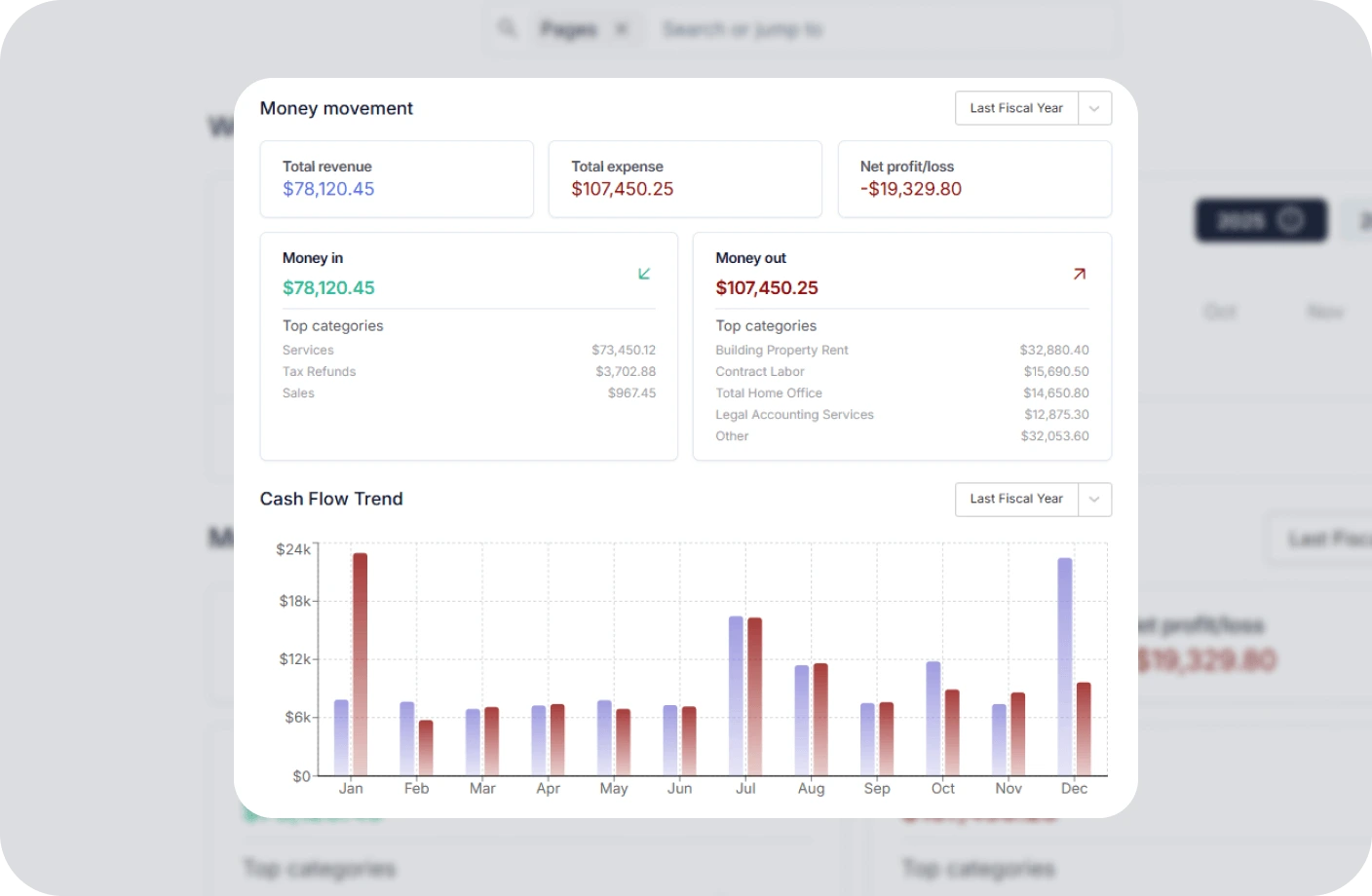
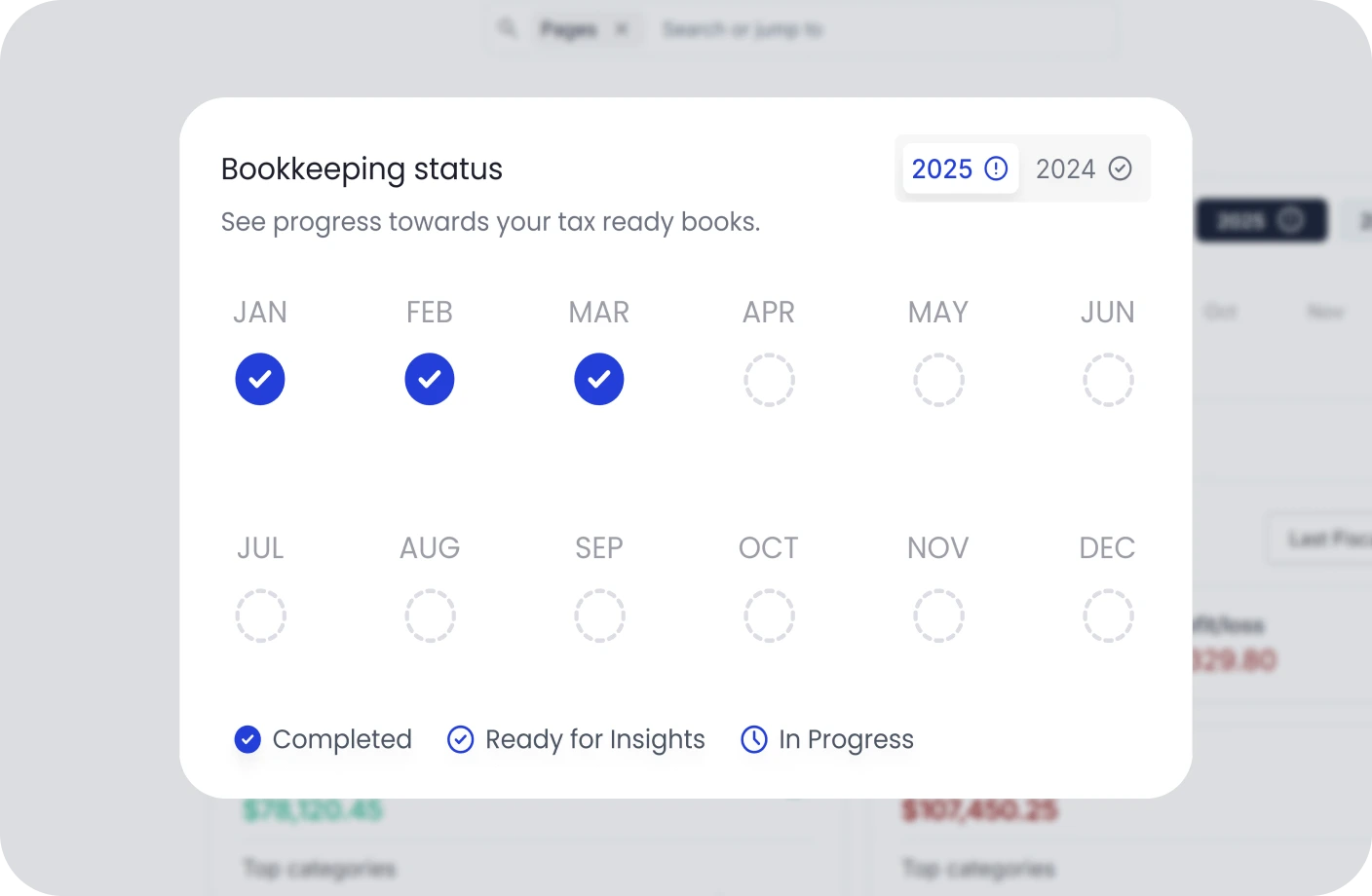
AI Bookkeeping Software
Smart financial assistant with a dedicated bookkeeping team and bookkeeper.
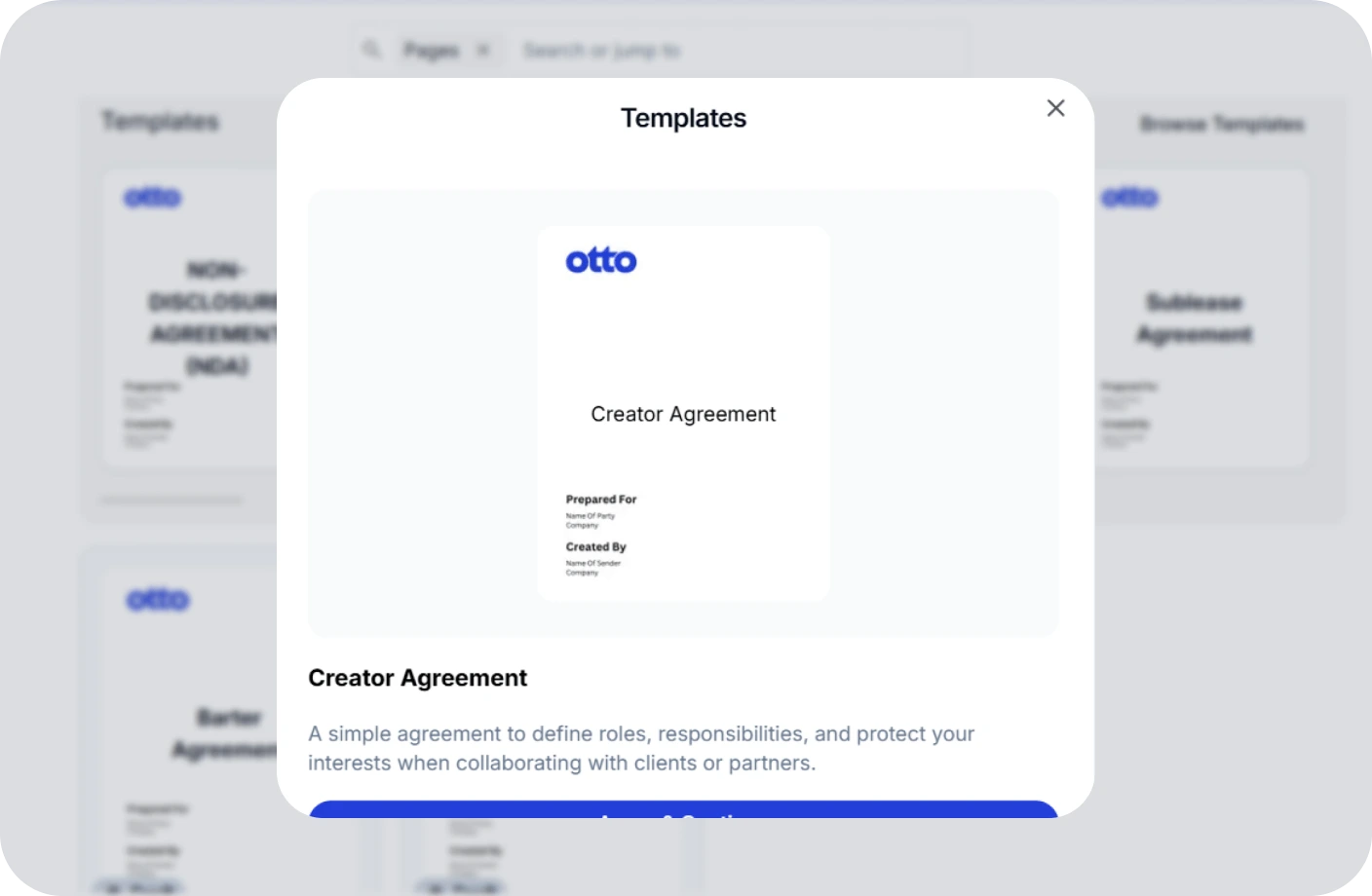
Contracts
Create, track, and securely e-sign contracts to ensure
compliance and deadlines.
Taxes
Confidently plan taxes with expert CPAs and smart tools to track deductions.

Reports
Real-time business reports show where you stand today and
what to do next.
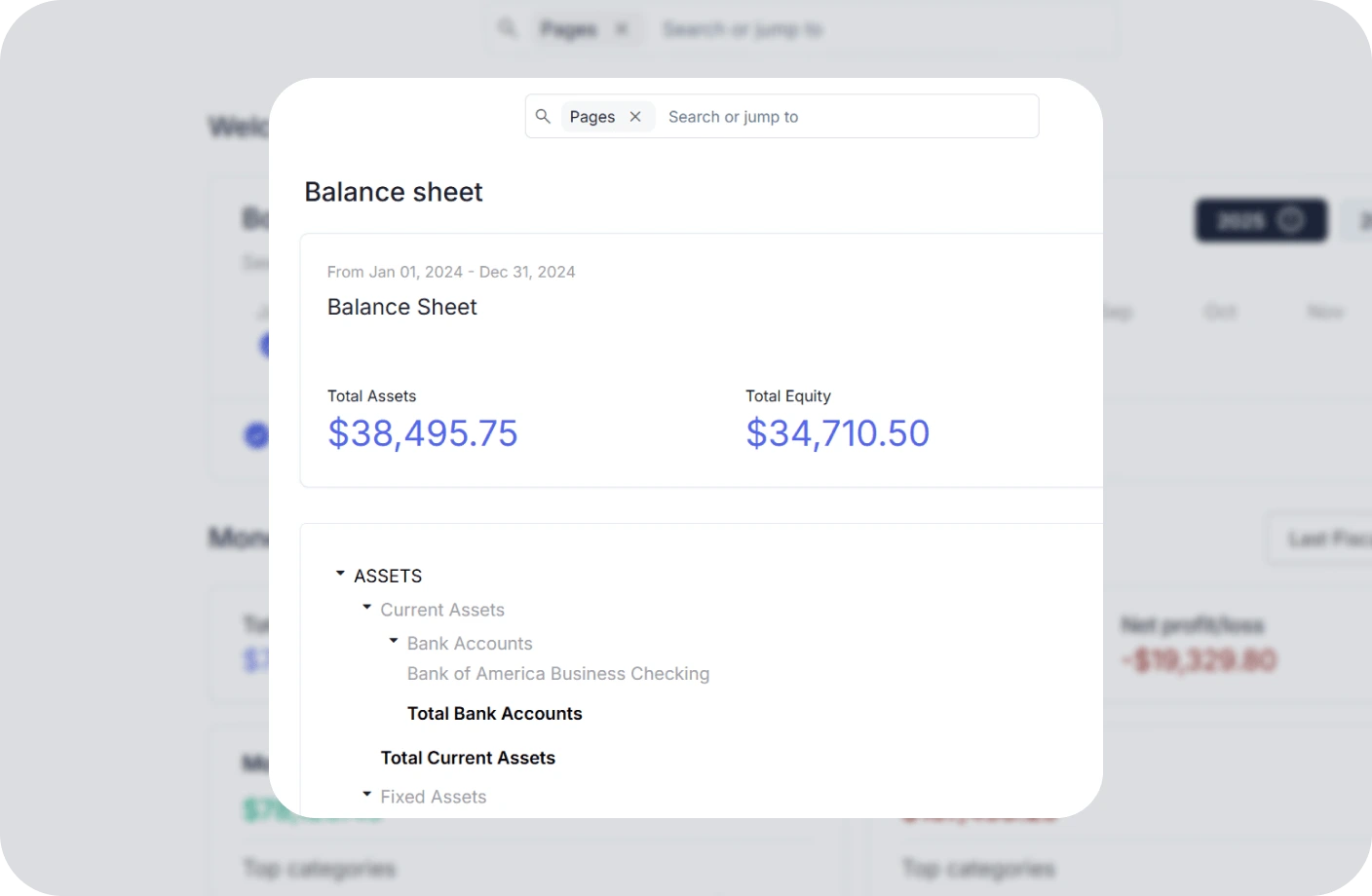
AI Accounting Software
All in one accounting software for small businesses to handle your books, taxes, invoices, and contracts.
S-Corp Formation FAQs
What exactly is an S Corporation?
An S Corporation is a tax election recognized by the IRS that allows creators and influencers to reduce self-employment taxes by splitting income into two parts. You pay yourself a reasonable salary that is subject to payroll taxes, while the remaining profits are taken as distributions that are not subject to self-employment tax. This structure is commonly used by full-time creators, YouTubers, streamers, podcasters, and digital product sellers who earn consistent income.
How much do I need to earn for an S Corp to make sense?
For most creators, an S Corp starts to make financial sense once you are consistently earning around $60,000 to $80,000 per year from your content business. Below that range, the cost of payroll and compliance often offsets the tax savings. Once you reach $100,000 or more in annual creator income, the savings typically become significant and easier to justify.
What is a reasonable salary and how is it determined?
A reasonable salary is the portion of your income that the IRS requires you to pay yourself as wages before taking distributions. For creators and influencers, this is based on the type of content you produce, the time you spend creating, and what someone with similar skills would earn doing comparable work. In practice, this often falls between 40 and 60 percent of total income, but the exact number depends on your individual situation.
I already have an LLC. What happens to it?
If you already have an LLC, you usually do not need to form a new business to become an S Corp. Your existing LLC can simply elect S Corporation tax status by filing IRS Form 2553. Your LLC remains the same legal entity, but it is now taxed differently, which allows you to access the S Corp tax benefits while keeping your current structure intact.
Does forming an S Corp increase my audit risk?
An S Corp does not automatically increase your audit risk, but mistakes in how it is managed can attract unwanted attention. Common issues include paying yourself an unreasonably low salary, missing payroll filings, or keeping poor records. When payroll and compliance are handled correctly and consistently, an S Corp is a well-established and defensible structure used by millions of small business owners.
How complicated is S Corp payroll really?
S Corp payroll is more involved than paying yourself casually from a personal account, because it requires running payroll, withholding taxes, making quarterly deposits, and filing forms like 940 and 941. Missing deadlines or filing incorrectly can result in penalties or IRS notices. For creators, this complexity is manageable when payroll is automated, but it can be stressful and time-consuming if handled manually.
Are there state-specific requirements I should know about?
Yes, S Corp rules and costs vary by state, and this is especially important for creators who work remotely. Some states have additional taxes, such as California’s annual franchise tax, while others require separate state-level elections or specific payroll filings. Understanding and tracking these differences is critical, which is why state-specific compliance is an important part of running an S Corp correctly.
Is all this complexity really worth it?
For creators earning $100,000 or more, the answer is usually yes. The potential tax savings often range from $5,000 to $15,000 or more per year, which typically outweighs the cost of payroll and compliance. The key factor is having the right systems and support in place so you can benefit from the savings without being buried in administrative work.
Ready to Save on Taxes?
Join thousands of creators who've simplified their S Corp with Otto. Expert guidance, automated compliance, real savings.
.png)