Annual Premium Equivalent (APE): Definition & Overview
Learn what Annual Premium Equivalent means, how it works, and why it's useful for comparing insurance and investment options.
KEY TAKEAWAYS
-
✓
Annual Premium Equivalent converts single premiums to annual amounts for comparison.
-
✓
It helps compare different insurance and investment products on equal footing.
-
✓
APE is essential for making informed financial decisions about insurance policies.
Have you ever wondered how to compare insurance policies with different payment frequencies? Annual Premium Equivalent makes this easy by converting all premiums to a standard annual format.
Annual Premium Equivalent exists to help you compare insurance and investment products fairly. It converts single premiums, monthly payments, and other frequencies into one standard format. But how is it calculated? What makes it useful? And when should you use it?
This guide explains Annual Premium Equivalent in simple terms, so you can understand how it works and use it to make better financial decisions.
What Is Annual Premium Equivalent?
Annual Premium Equivalent (APE) is a financial metric that converts various premium payment frequencies into a standard annual amount. It helps you compare insurance policies and investment products that have different payment structures.
APE is commonly used in insurance to compare single premium policies with monthly, quarterly, or annual payment options. It makes financial decision-making easier by putting all options on equal footing.
In simple terms, Annual Premium Equivalent tells you what you'd pay yearly for any insurance policy, regardless of how often you actually make payments. This helps you see the true cost of different options.
How Annual Premium Equivalent Works
Annual Premium Equivalent works by converting different payment frequencies into a standard annual amount. This conversion uses simple mathematical formulas based on payment timing and frequency.
The calculation considers factors like payment amount, frequency, and time value of money. For example, monthly payments are multiplied by 12, while quarterly payments are multiplied by 4.
This method ensures you can compare insurance policies fairly, whether they require single lump sum payments or regular monthly installments. The result shows the true annual cost of each option.
Types of Premium Conversions
Annual Premium Equivalent can be calculated for different payment frequencies. Each type uses a specific conversion method to determine the annual amount.
The most common types of premium conversions include:
-
•
Single Premium – One lump sum payment converted to annual equivalent
-
•
Monthly Premium – Regular monthly payments multiplied by 12
-
•
Quarterly Premium – Payments every three months multiplied by 4
-
•
Semi-Annual Premium – Payments twice per year multiplied by 2
Example
Let's say you're comparing two car insurance policies. Policy A costs $1,200 annually, while Policy B costs $100 monthly.
To compare them fairly, you calculate the Annual Premium Equivalent for Policy B: $100 × 12 = $1,200 per year.
Now you can see both policies cost the same annually ($1,200), making your decision easier based on other factors like coverage and benefits rather than payment frequency.
Annual Premium Equivalent Assumptions
Annual Premium Equivalent calculations are based on a few key assumptions about payments and timing.
These assumptions ensure accurate comparisons between different payment frequencies and help standardize how we evaluate insurance costs.
-
•
Assumption 1: Payment frequency is consistent
-
•
Assumption 2: Payment amounts are fixed
-
•
Assumption 3: Interest rates are constant
Benefits of Annual Premium Equivalent
Using Annual Premium Equivalent offers several advantages for insurance and financial decision-making.
Key benefits include:
-
•
Fair comparison of different payment options
-
•
Better budgeting with standardized annual costs and improved asset management
-
•
Improved financial decision-making clarity
-
•
Easier comparison across different insurance providers
Are There Any Special Considerations?
Annual Premium Equivalent calculations continue to evolve.
New technologies, changing regulations, and global business practices all impact how APE is calculated and used today. Sometimes, gaps in reporting systems are found, which leads to improved methods and updated standards for APE calculations.
Professionals like financial advisors play a key role in this process. They bring real-world experience and help refine APE calculations, ensuring proper management of insurance costs and premium comparisons.
As a result, Annual Premium Equivalent keeps improving, helping consumers stay aligned with modern insurance comparison standards.
Summary
Annual Premium Equivalent converts different payment frequencies into standard annual amounts for fair comparison. It helps you understand the true cost of insurance policies regardless of payment structure.
By using APE, you can make better financial decisions and choose insurance policies based on actual value rather than payment convenience. This tool is essential for smart insurance shopping.
Annual Premium Equivalent puts all insurance options on equal footing, helping you budget effectively and select the best coverage for your needs while optimizing your working capital management.
How It Applies to Your Business
When will you actually use this?
Annual Premium Equivalent isn't just for insurance companies. It impacts everyday financial decisions and can mean the difference between getting good value or overpaying. Here's when you'll use APE:
Monthly Reporting
Create accurate financial statements to track business performance and make data-driven decisions.
Investor Relations
Build credibility with transparent financial reporting that meets industry standards.
Cost Analysis
Compare APE values across different providers to find best insurance value.
Recommended Reading
Expand your knowledge with these related topics
Debit
Understanding debits in accounting and how they affect your financial records.
PPE
Learn about Property, Plant, and Equipment assets and their accounting treatment.
Assurance
Understanding assurance services and their role in financial reporting credibility.
Point of Sale (POS)
How POS systems integrate with accounting for accurate sales tracking.
Revenue
Understanding revenue recognition and its impact on financial statements.
FF&E
Furniture, Fixtures, and Equipment accounting for business assets management and tracking
Real Accounting Questions From the Community
Explore Reddit-backed Otto accounting guides based on real conversations about CPAs, accountants, invoices, reconciliation, ledgers, P&L, and cash flow systems.
One Platform: From Entity Setup to Closing Reports
Comprehensive financial solutions for your business needs.
Entity Management
Easily manage legal entities, compliance, and ownership in one platform.
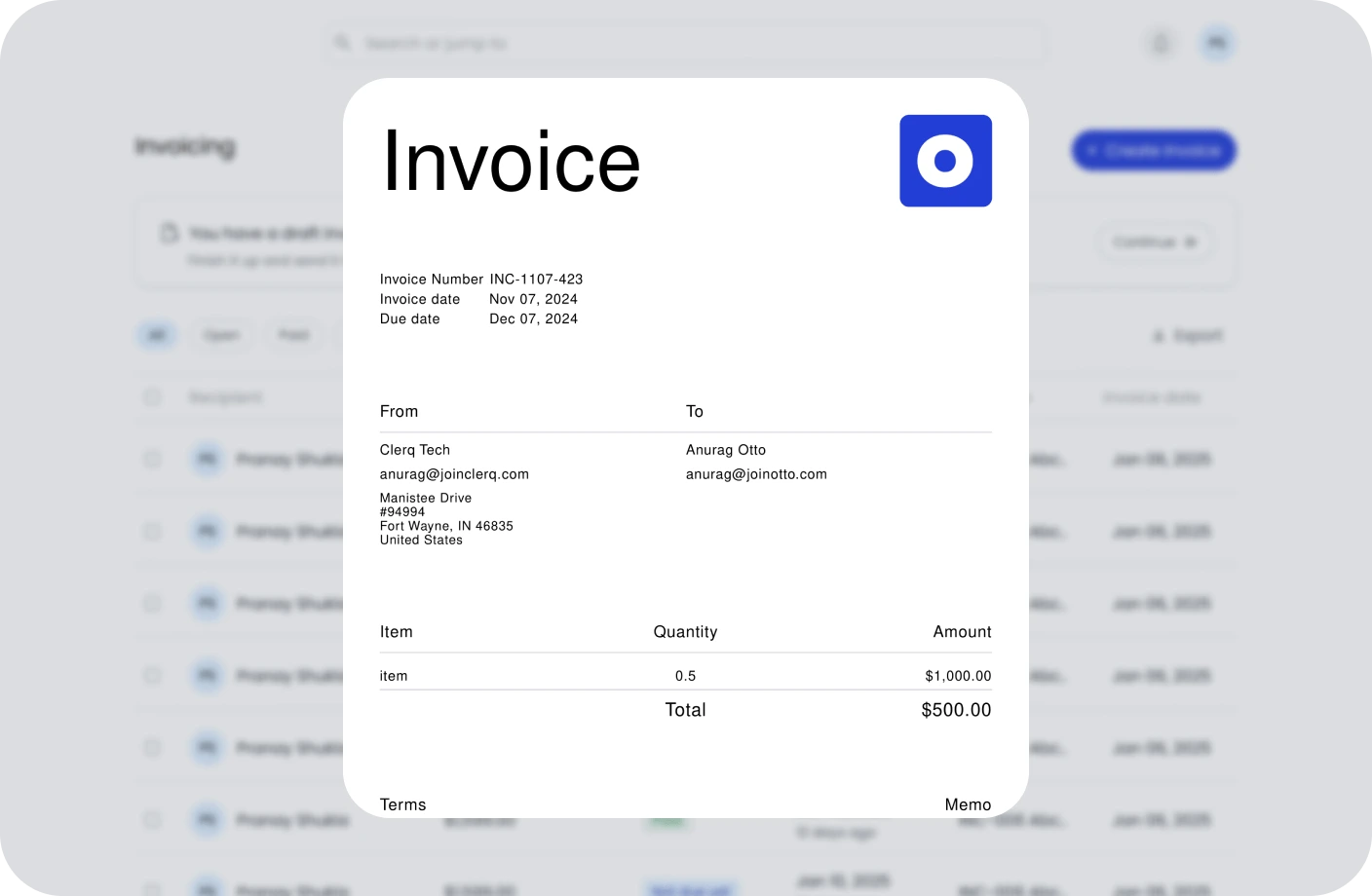
Invoicing
Create, send, and manage invoices. Track payments and assure timely cash flow.
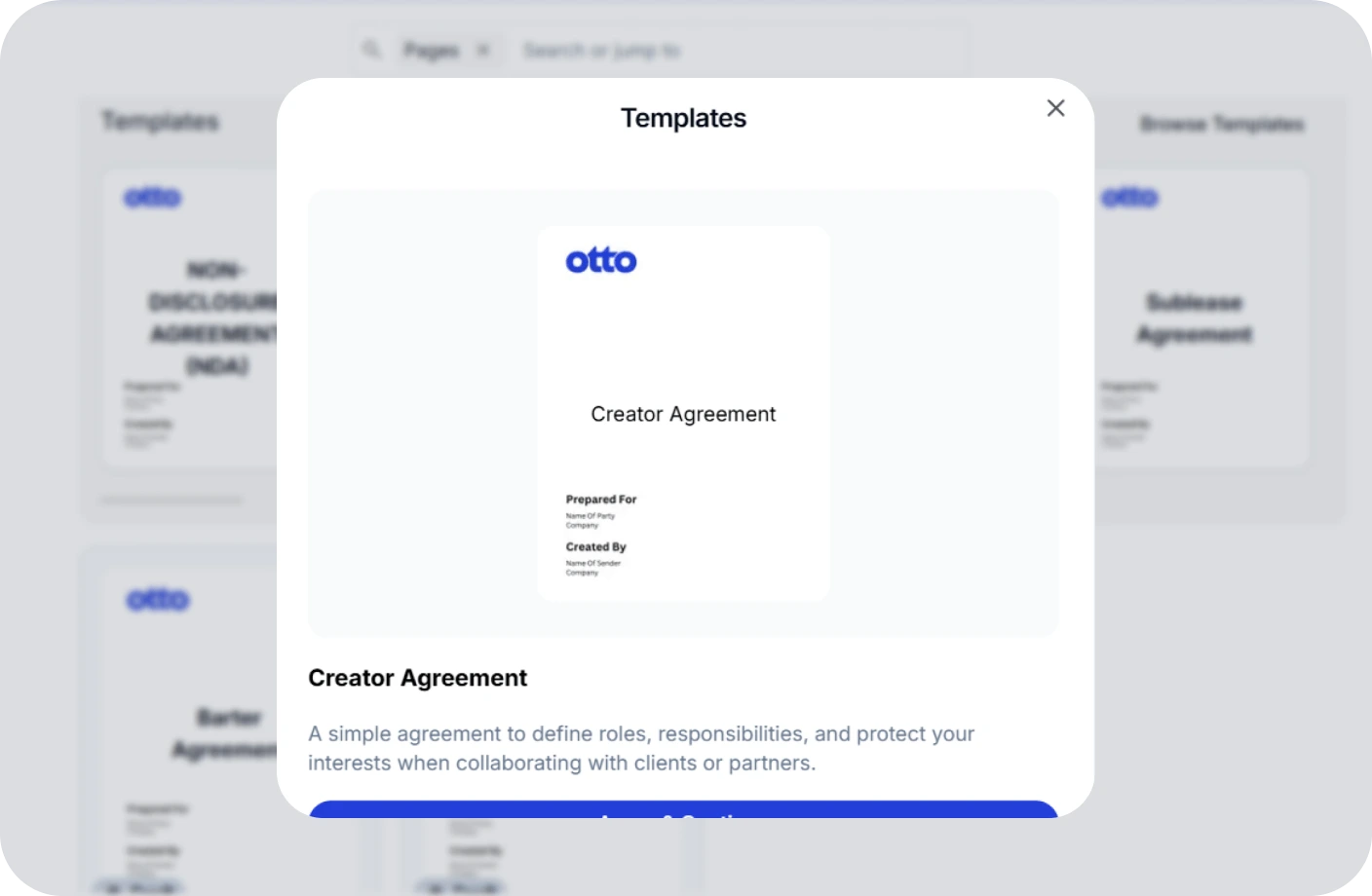
Contracts
Create, track, and e-sign contracts to ensure compliance and deadlines.
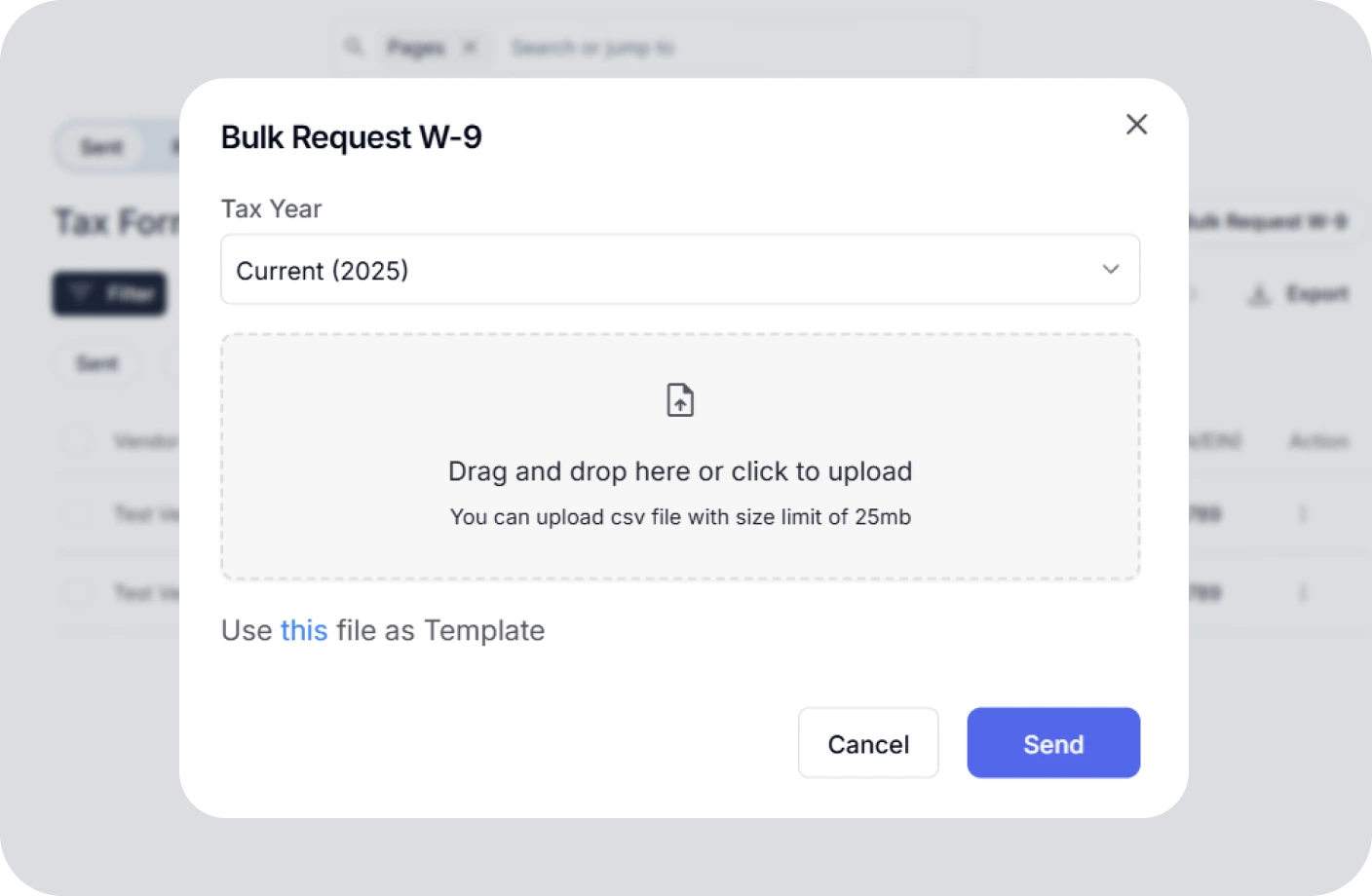
Taxes
Confidently plan taxes with expert CPAs and smart tools to track deductions.
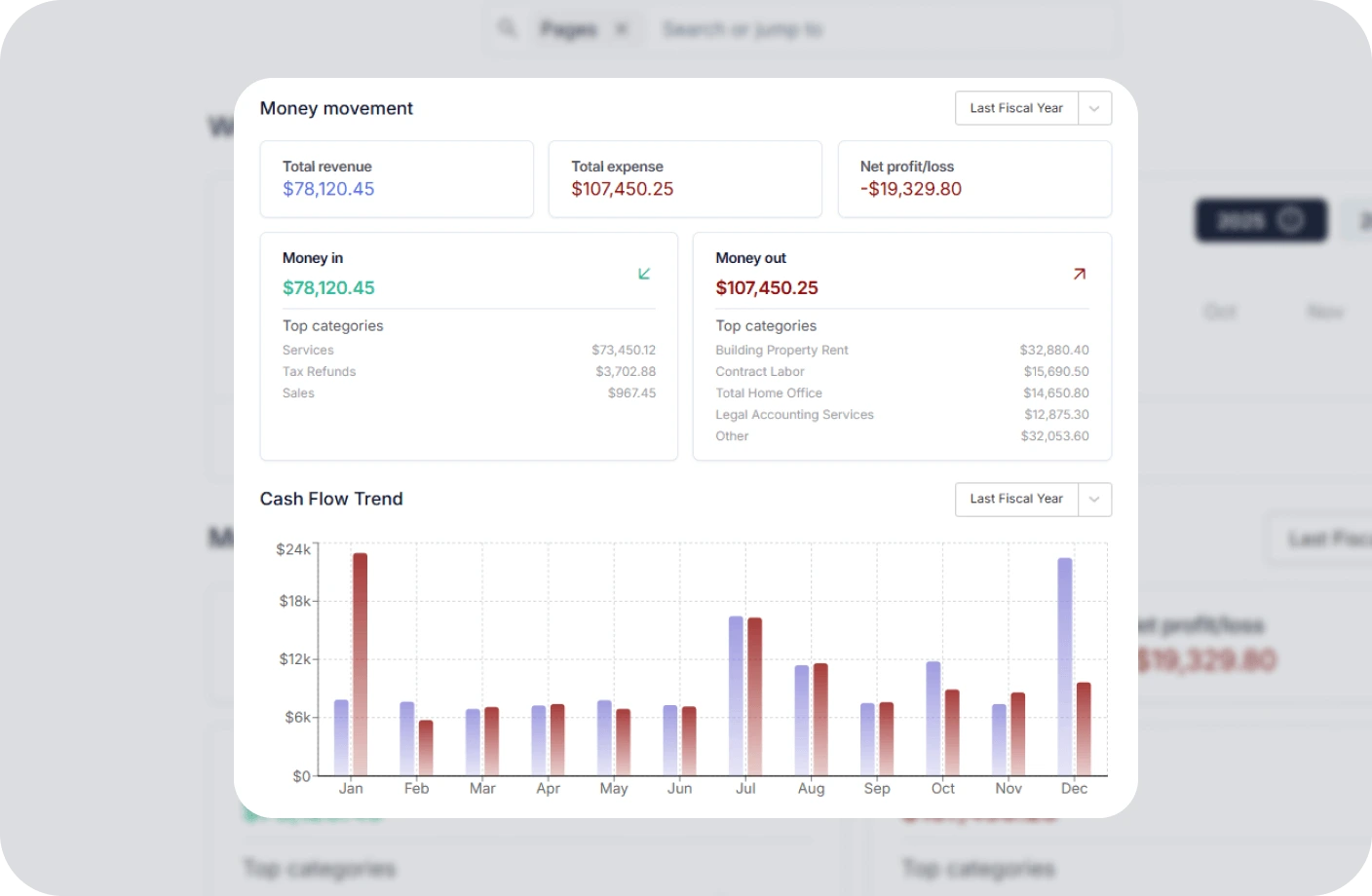
Reports
Real time business reports show where you stand today and what to do next.
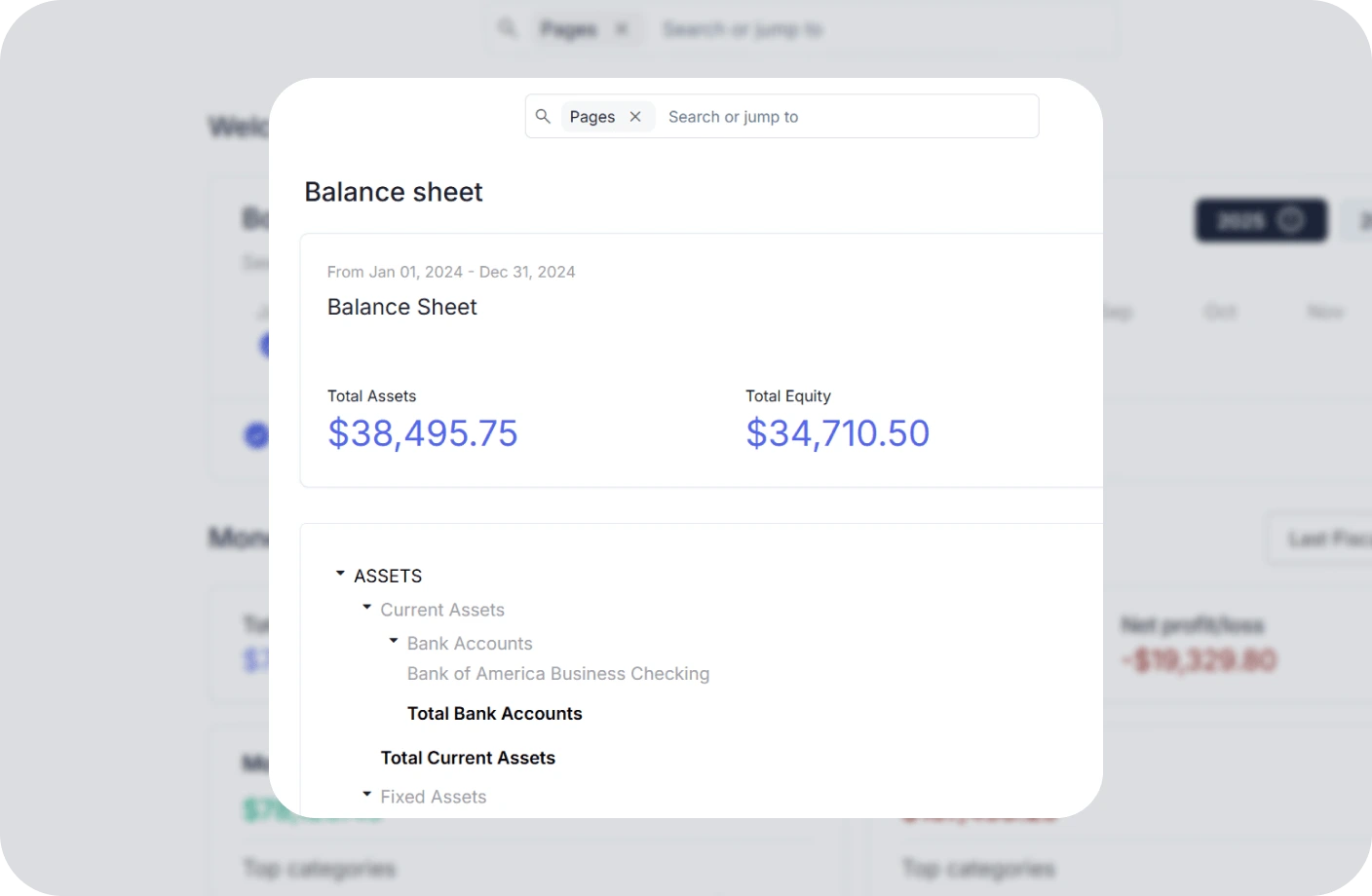
Accounting
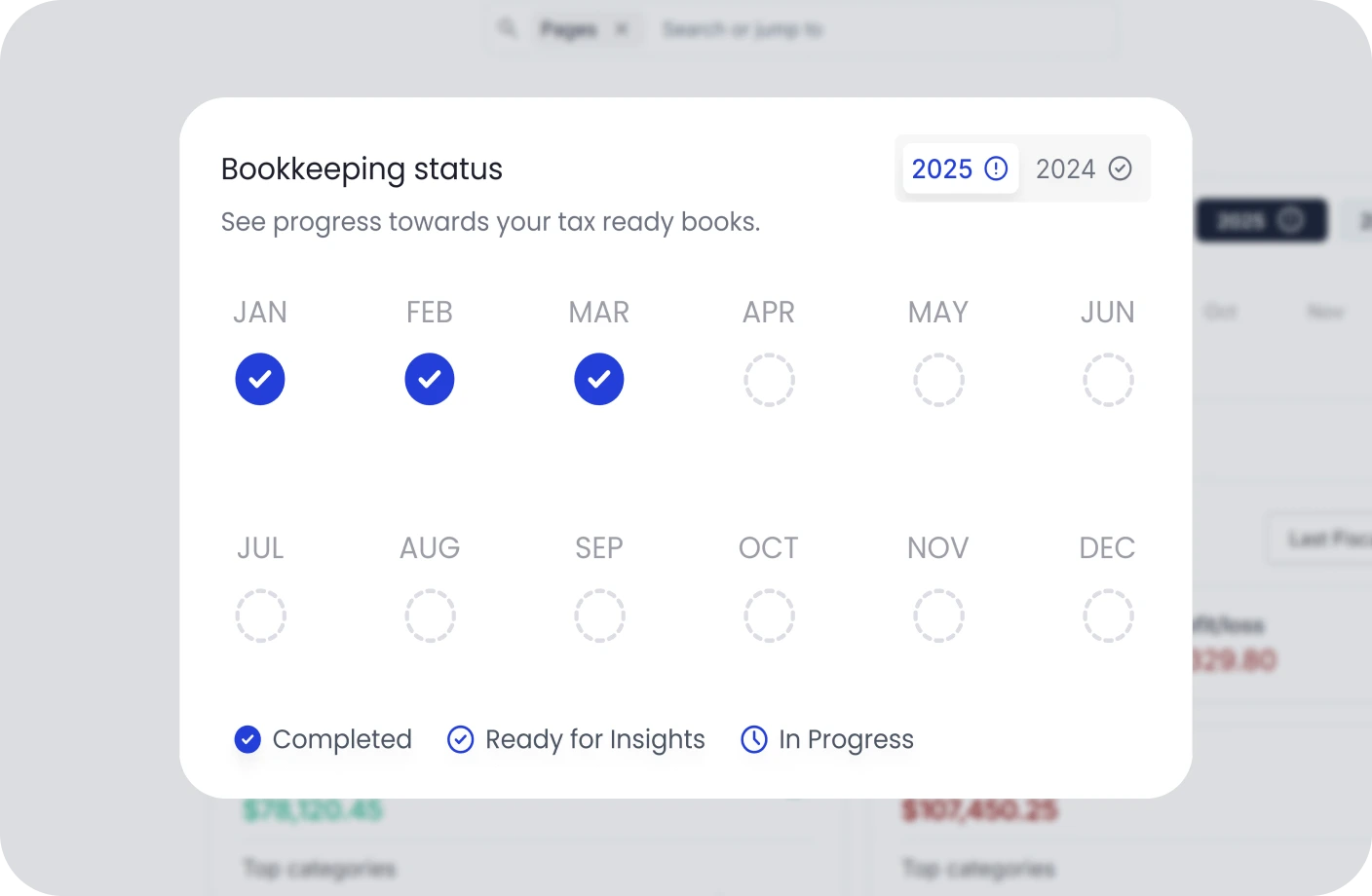
All in one accounting software for creators to handle your books, taxes, invoices, contracts.
Creator Tools
Specialized tools and resources for every type of creator
YouTubers Tools
Optimize your YouTube channel with analytics, thumbnail generators, and growth tools.
TikTokers Tools
Create viral TikTok content with trend analysis, caption generators, and editing tools.
Content Creators Tools
Comprehensive toolkit for content creation, scheduling, and audience engagement.
Video Creators Tools
Professional video editing, compression, and optimization tools for creators.
Influencers Tools
Manage brand partnerships, track engagement, and maximize your influencer income.
Photographers Tools
Photo editing, watermarking, and portfolio management tools for photographers.
Related Accounting Resources
Essential tax forms and compliance guides for your accounting practice
What Is Cash Pooling? How It Works, Key Types, and Examples
Learn how cash pooling optimizes liquidity across multiple accounts and business entities.
What Is an Amortization Expense? Definition, Formula & Examples
Understand how to calculate and record amortization expenses for intangible assets accurately and efficiently.
Debits vs Credits in Accounting: A Beginner's Guide
Master the fundamental accounting principle of double-entry bookkeeping with clear examples.
Annual Premium Equivalent FAQs
Quick answers to common questions about Annual Premium Equivalent
What is Annual Premium Equivalent in simple words?
Annual Premium Equivalent converts different payment frequencies into one standard yearly amount, making it easy to compare insurance policies fairly.
Where is Annual Premium Equivalent used?
It's used in insurance, investment analysis, and financial planning to compare products with different payment structures and frequencies.
Why is Annual Premium Equivalent important?
It helps you make better financial decisions by showing the true annual cost of different payment options, preventing confusion from payment frequency differences.
What is an example of Annual Premium Equivalent?
If a policy costs $100 monthly, the Annual Premium Equivalent is $1,200 per year ($100 × 12), allowing fair comparison with annual policies.
Is Annual Premium Equivalent easy to understand or use?
Yes! It uses simple multiplication based on payment frequency, making it accessible for anyone needing to compare insurance costs effectively.
Compare Insurance Premiums Like a Pro
Use Annual Premium Equivalent calculations with Otto's AI-powered financial tools. Compare policies, track costs, and make smarter insurance decisions.