Understanding Net Realizable Value
Learn what net realizable value (NRV) is, how to calculate it, and why it matters for accurate asset valuation and pricing decisions.
KEY TAKEAWAYS
-
✓
Net realizable value (NRV) is the estimated selling price of an asset minus any costs associated with its sale.
-
✓
The formula is NRV = Estimated Selling Price - Selling Costs, providing a conservative view of asset value.
-
✓
NRV helps creative professionals avoid overvaluing their assets and make informed pricing decisions.
Have you ever wondered how much your creative work is actually worth after all the costs are accounted for? Whether you are a photographer selling prints, a musician releasing an album, or a filmmaker distributing a project, understanding the true value of your assets is essential.
Net realizable value (NRV) is a crucial accounting concept that helps you determine the estimated selling price of an asset minus any costs associated with its sale. For creative professionals, understanding NRV is essential for accurate financial reporting and effective pricing strategies.
This guide walks you through everything you need to know about NRV, from the basic formula to real-world examples across different creative fields.
What Is Net Realizable Value?
Net realizable value (NRV) is a cornerstone of the conservatism principle in accounting. It represents the estimated selling price of an asset minus any costs associated with its sale, including expenses like shipping, packaging, commissions, and marketing fees.
For creative professionals, NRV is particularly important because it provides a realistic picture of what your work is actually worth in the market. Instead of relying on optimistic estimates, NRV forces you to account for the real costs of bringing your creative products to market.
In simple terms, NRV answers the question: "After all the costs of selling are taken care of, how much money will I actually take home?"
Why Is Net Realizable Value Important?
Knowing the net realizable value helps you assess the true value of your assets, avoid overvaluing your creative work, and make informed choices about investments, production, and pricing. It provides a conservative and realistic view of what your creative work is actually worth in the market.
Without NRV, you might overestimate the value of your inventory or projects, leading to poor financial decisions. For example, if you are a painter with a gallery show coming up, understanding NRV helps you price your pieces realistically after accounting for framing, shipping, and gallery commissions.
NRV also plays a crucial role in financial reporting. It ensures that assets are not carried at values higher than what can realistically be recovered, which is a key requirement under Generally Accepted Accounting Principles (GAAP) and International Financial Reporting Standards (IFRS).
How to Calculate Net Realizable Value
The formula for net realizable value is straightforward:
NRV = Estimated Selling Price - Selling Costs
Let's look at a simple example. A photographer has prints to sell for $1,000 but expects $200 in printing and shipping costs. The NRV would be:
NRV = $1,000 - $200 = $800
This tells the photographer that while the prints are listed at $1,000, the actual net value after selling costs is $800. This more conservative figure should be used for financial reporting and decision-making.
Applying NRV in Different Creative Fields
NRV applies differently depending on your creative field. Here are practical examples for various creative professionals:
-
•
Visual Artists: Painting at $2,000 with $200 framing cost → NRV = $1,800
-
•
Filmmakers: Film with $10,000 revenue and $1,000 distribution costs → NRV = $9,000
-
•
Musicians: Album at $1,000 with $100 production costs → NRV = $900
-
•
Photographers: Digital downloads at $300 with $30 platform fees → NRV = $270
By applying NRV calculations to your creative work, you gain a clearer understanding of your actual earning potential and can make smarter decisions about which projects to pursue and how to price your offerings.
Are There Any Special Considerations?
NRV is not a static figure. Market conditions, production costs, and customer demand can all change over time, which means you may need to recalculate NRV periodically. For creative professionals working on long-term projects or holding inventory for extended periods, regular NRV assessments are essential.
Additionally, NRV calculations should consider all costs directly tied to the sale. This includes not just obvious costs like shipping and materials but also platform fees, commissions, marketing expenses, and any other costs that must be incurred to complete the sale.
Understanding these nuances helps you apply NRV more effectively and ensures your financial decisions are based on accurate, realistic valuations.
Summary
Net realizable value is a powerful accounting tool that helps creative professionals and small business owners understand the true worth of their assets. By subtracting selling costs from estimated selling prices, NRV provides a conservative, realistic view of asset value.
Whether you are pricing your artwork, valuing your inventory, or making investment decisions about your next creative project, NRV gives you the clarity you need to make informed choices. It prevents overvaluation and ensures your financial statements reflect the economic reality of your creative work.
By mastering NRV, you are not just following accounting best practices — you are building a stronger financial foundation for your creative career.
How It Applies to Your Creative Business
When will you actually use NRV?
NRV isn't just an accounting concept — it is a practical tool that creative professionals use every day to make smarter financial decisions. Here is how different creators apply NRV:
For Content Creators
Use NRV to value your digital products, online courses, and licensing rights accurately before listing them for sale.
For Small Business Owners
Apply NRV to your inventory to ensure you are not overstating asset values on financial statements.
For Freelancers
Calculate NRV on projects with associated delivery costs to price your services more effectively.
Recommended Reading
Expand your knowledge with these related topics
Current Assets
Learn about current assets and how they impact your business liquidity and short-term financial health.
PPE
Learn about Property, Plant, and Equipment assets and their accounting treatment for your business.
Debit
Understanding debits in accounting and how they affect your financial records.
Assurance
Understanding assurance services and their role in financial reporting credibility.
FF&E
Furniture, Fixtures, and Equipment accounting for business asset management and tracking.
Point of Sale (POS)
How POS systems integrate with accounting for accurate sales tracking.
Real Accounting Questions From the Community
Explore Reddit-backed Otto accounting guides based on real conversations about CPAs, accountants, invoices, reconciliation, ledgers, P&L, and cash flow systems.
One Platform: From Entity Setup to Closing Reports
Comprehensive financial solutions for your business needs.
Entity Management
Easily manage legal entities, compliance, and ownership in one platform.
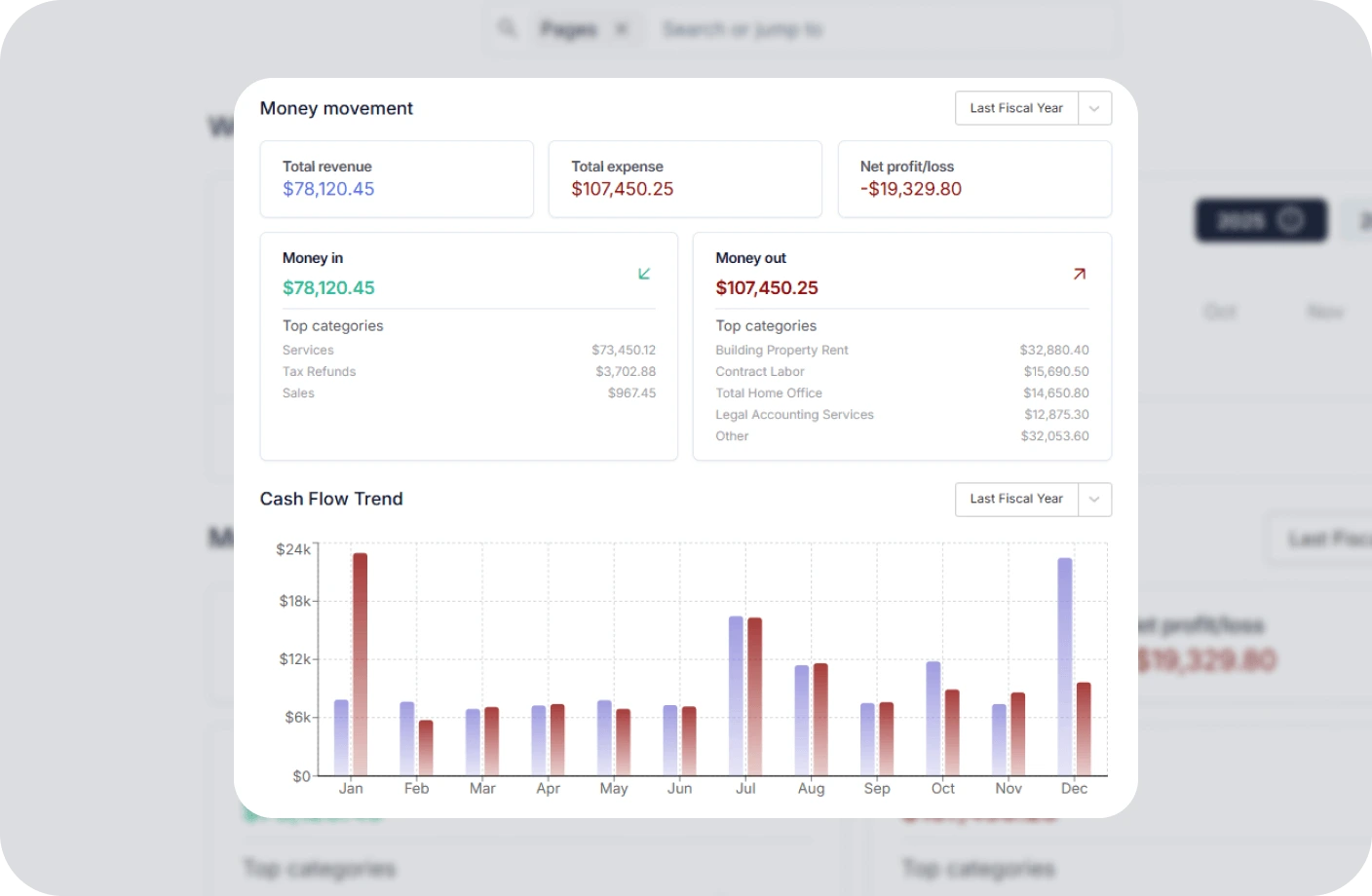
Invoicing
Create, send, and manage invoices. Track payments and assure timely cash flow.
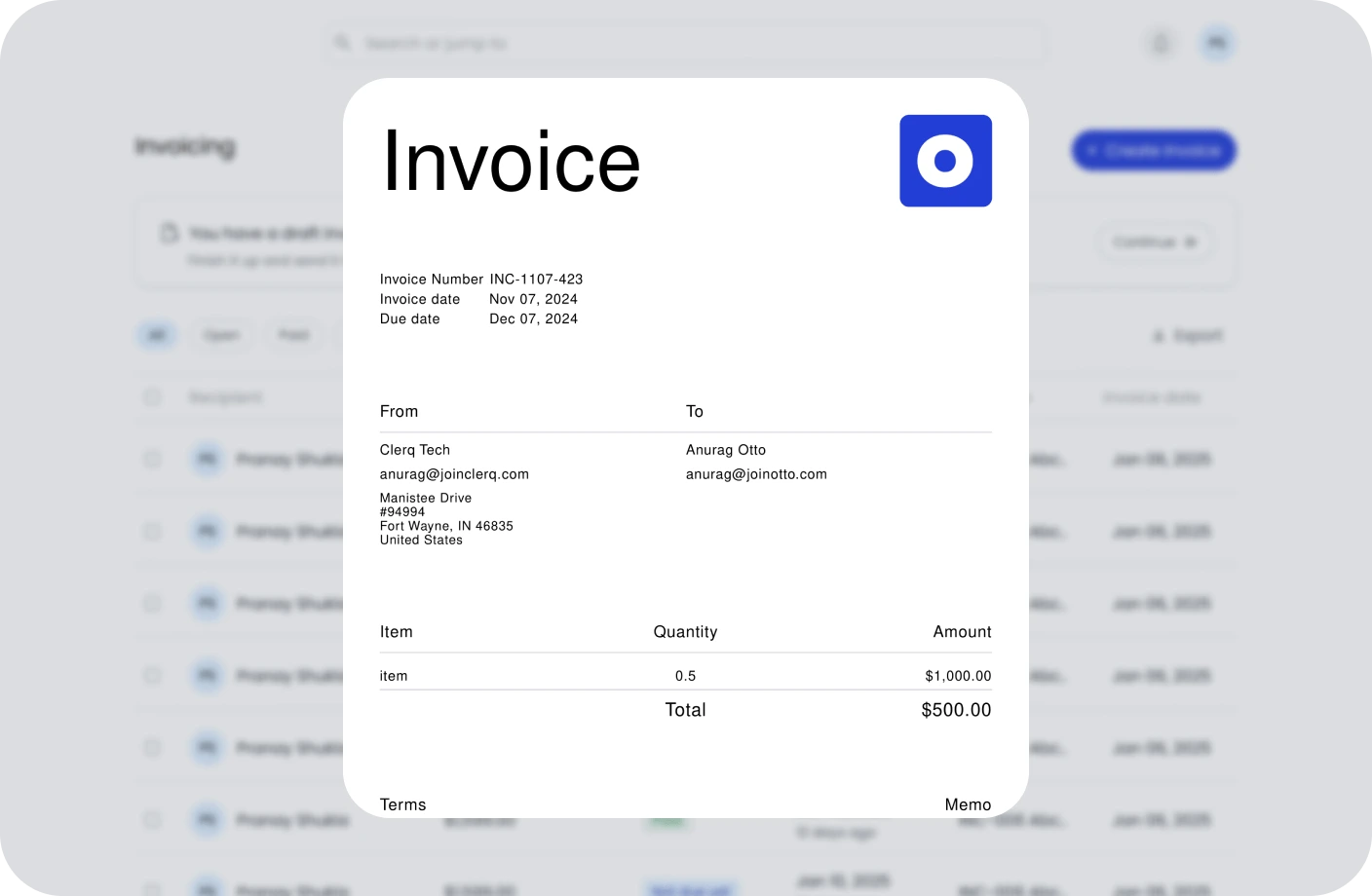
Contracts
Create, track, and e-sign contracts to ensure compliance and deadlines.

Taxes
Confidently plan taxes with expert CPAs and smart tools to track deductions.
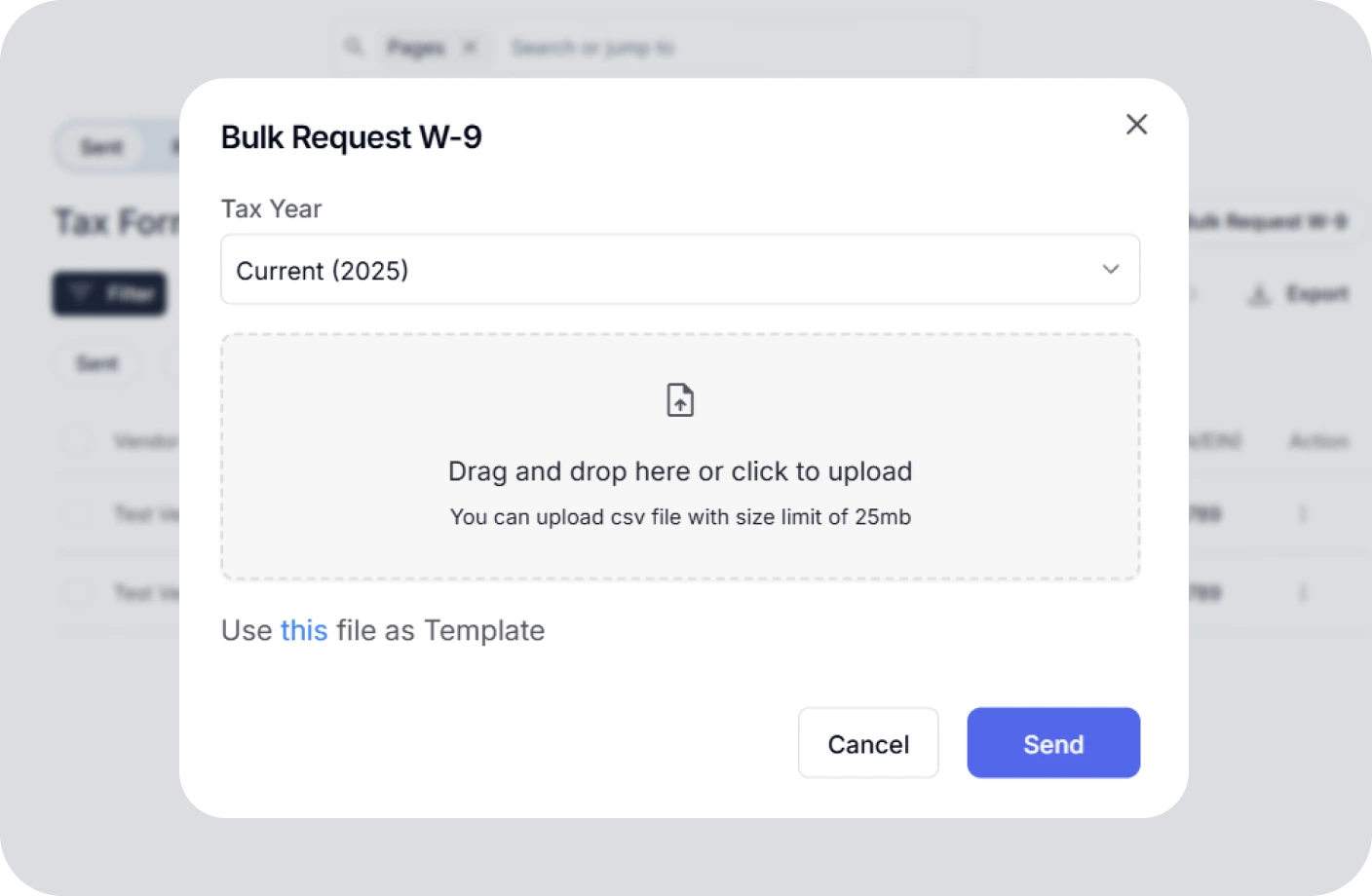
Reports
Real time business reports show where you stand today and what to do next.
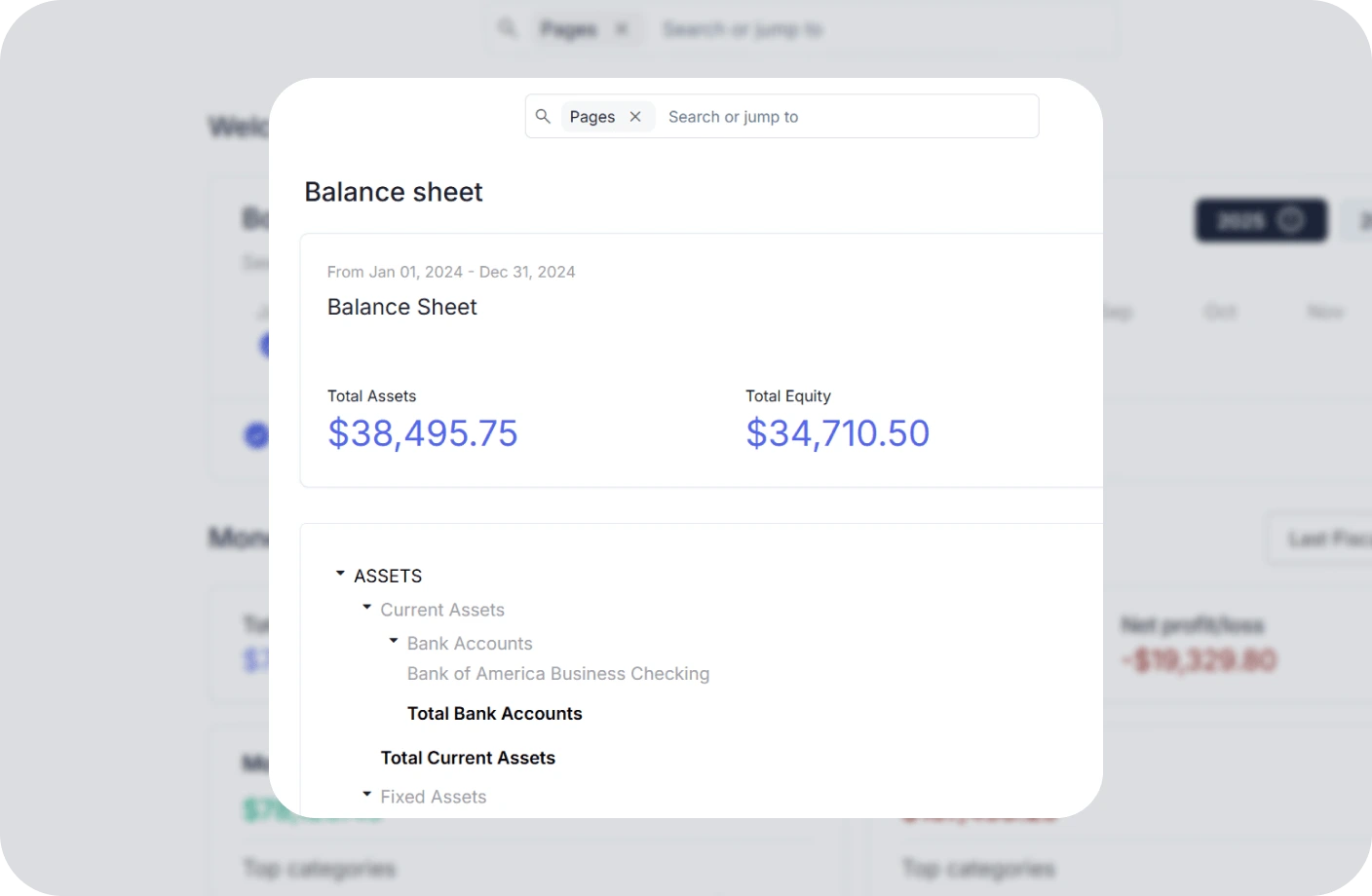
Accounting
All in one accounting software for creators to handle your books, taxes, invoices, contracts.

Creator Tools
Specialized tools and resources for every type of creator
YouTubers Tools
Optimize your YouTube channel with analytics, thumbnail generators, and growth tools.
TikTokers Tools
Create viral TikTok content with trend analysis, caption generators, and editing tools.
Content Creators Tools
Comprehensive toolkit for content creation, scheduling, and audience engagement.
Video Creators Tools
Professional video editing, compression, and optimization tools for creators.
Influencers Tools
Manage brand partnerships, track engagement, and maximize your influencer income.
Photographers Tools
Photo editing, watermarking, and portfolio management tools for photographers.
Related Accounting Resources
Essential tax forms and compliance guides for your accounting practice
What Is Cash Pooling? How It Works, Key Types, and Examples
Learn how cash pooling optimizes liquidity across multiple accounts and business entities.
What Is an Amortization Expense? Definition, Formula & Examples
Understand how to calculate and record amortization expenses for intangible assets accurately and efficiently.
Debits vs Credits in Accounting: A Beginner's Guide
Master the fundamental accounting principle of double-entry bookkeeping with clear examples.
Net Realizable Value FAQs
Quick answers to common questions about net realizable value
What is net realizable value in simple terms?
NRV is the amount you expect to receive from selling an asset after subtracting any costs needed to complete and sell it.
How do you calculate net realizable value?
Subtract all estimated selling costs from the expected selling price using the formula NRV = Selling Price - Selling Costs.
Why is net realizable value important in accounting?
It ensures assets are not overvalued on financial statements, providing a conservative and realistic view of their worth.
What costs are deducted when calculating NRV?
Costs like shipping, packaging, commissions, marketing fees, and any expenses directly tied to completing the sale.
How do creative professionals use NRV?
Creators use NRV to price their work realistically, value their inventory, and make informed decisions about production and investment.
Manage Your Finances Without the Confusion
Apply net realizable value concepts effortlessly with Otto's AI-powered bookkeeping. Track expenses, generate reports, and make smarter business decisions with accurate asset valuation.