What is Net Operating Income?
Learn what Net Operating Income (NOI) is, how to calculate it, and which expenses to exclude for accurate business assessments.
KEY TAKEAWAYS
-
✓
Net Operating Income (NOI) measures the profitability of core business operations before interest, taxes, depreciation, and amortization.
-
✓
The formula is NOI = Total Revenue - Operating Expenses, excluding non-operating costs like taxes and debt.
-
✓
Understanding NOI helps creative professionals track their true operational profitability without distractions.
What Is Net Operating Income (NOI)?
Net Operating Income (NOI) is a financial metric that measures the profitability of a business or investment property before accounting for interest, taxes, depreciation, and amortization. For creative professionals, NOI represents the income generated by the core activities of the business, helping you understand the true operational profitability.
Unlike net income, which includes non-operating items, NOI strips away financial noise so you can see how your core business is performing. Whether you're a podcaster selling subscriptions, a photographer booking client projects, or a writer earning royalties, NOI gives you a clear picture of how much your actual work is generating.
Net Operating Income (NOI) Formula & Calculation
The formula is straightforward: NOI = Total Revenue - Operating Expenses.
Total Revenue refers to income from creative work — podcast subscriptions, book sales, project fees, gallery earnings, or any other income directly tied to what you create or produce. Operating Expenses include the costs required to run your business, such as software subscriptions, office supplies, marketing, or travel for gigs.
The result is your NOI — a number that tells you whether your core operations are profitable before factoring in taxes, debt payments, or one-time expenses.
What's Not Included in Net Operating Income
Certain items are deliberately excluded from NOI because they are not considered part of core operational activity:
-
•
Income Taxes — These are based on net income, not operational performance, so they are excluded to keep NOI focused on operations.
-
•
Depreciation — A non-cash expense that represents the wear and tear of assets over time, not actual cash outflows from operations.
-
•
Debt/Interest Expenses — Financing costs are separate from operational performance and depend on how you choose to fund your business.
-
•
Tenant Improvements & Capital Expenditures — These are long-term investments in assets, not day-to-day operational costs.
By excluding these items, NOI gives you a cleaner, more accurate view of how your core business activities are performing financially.
Example of Net Operating Income (NOI)
Let's look at a practical example. A photographer earns $6,000 in total revenue: $5,000 from client projects and $1,000 from print sales. Their operating expenses total $750: gear rental ($300), editing software ($100), marketing ($200), and travel for gigs ($150).
NOI = $6,000 - $750 = $5,250. This $5,250 represents the photographer's true operational profit before any taxes, loan payments, or equipment depreciation are considered. It shows that the core photography business is healthy and generating strong returns from the actual work being done.
How It Applies to Your Business
When will you actually use this?
Net Operating Income isn't just for real estate investors. It's a powerful tool for anyone who wants to understand the true profitability of their core work. Here's how different creative professionals can apply it:
For Content Creators
Track your NOI to understand whether your core content production is profitable after accounting for production costs like editing software and equipment.
For Small Business Owners
Use NOI to evaluate the operational health of your business separate from financing decisions and tax strategies.
For Freelancers
Calculate your NOI to see how much your client work actually earns after subtracting project-specific expenses.
Recommended Reading
Expand your knowledge with these related topics
Current Assets
Learn about current assets and how they impact your business liquidity and short-term financial health.
PPE
Learn about Property, Plant, and Equipment assets and their accounting treatment for your business.
Debit
Understanding debits in accounting and how they affect your financial records.
Assurance
Understanding assurance services and their role in financial reporting credibility.
FF&E
Furniture, Fixtures, and Equipment accounting for business asset management and tracking.
Point of Sale (POS)
How POS systems integrate with accounting for accurate sales tracking.
Real Accounting Questions From the Community
Explore Reddit-backed Otto accounting guides based on real conversations about CPAs, accountants, invoices, reconciliation, ledgers, P&L, and cash flow systems.
One Platform: From Entity Setup to Closing Reports
Comprehensive financial solutions for your business needs.
Entity Management
Easily manage legal entities, compliance, and ownership in one platform.
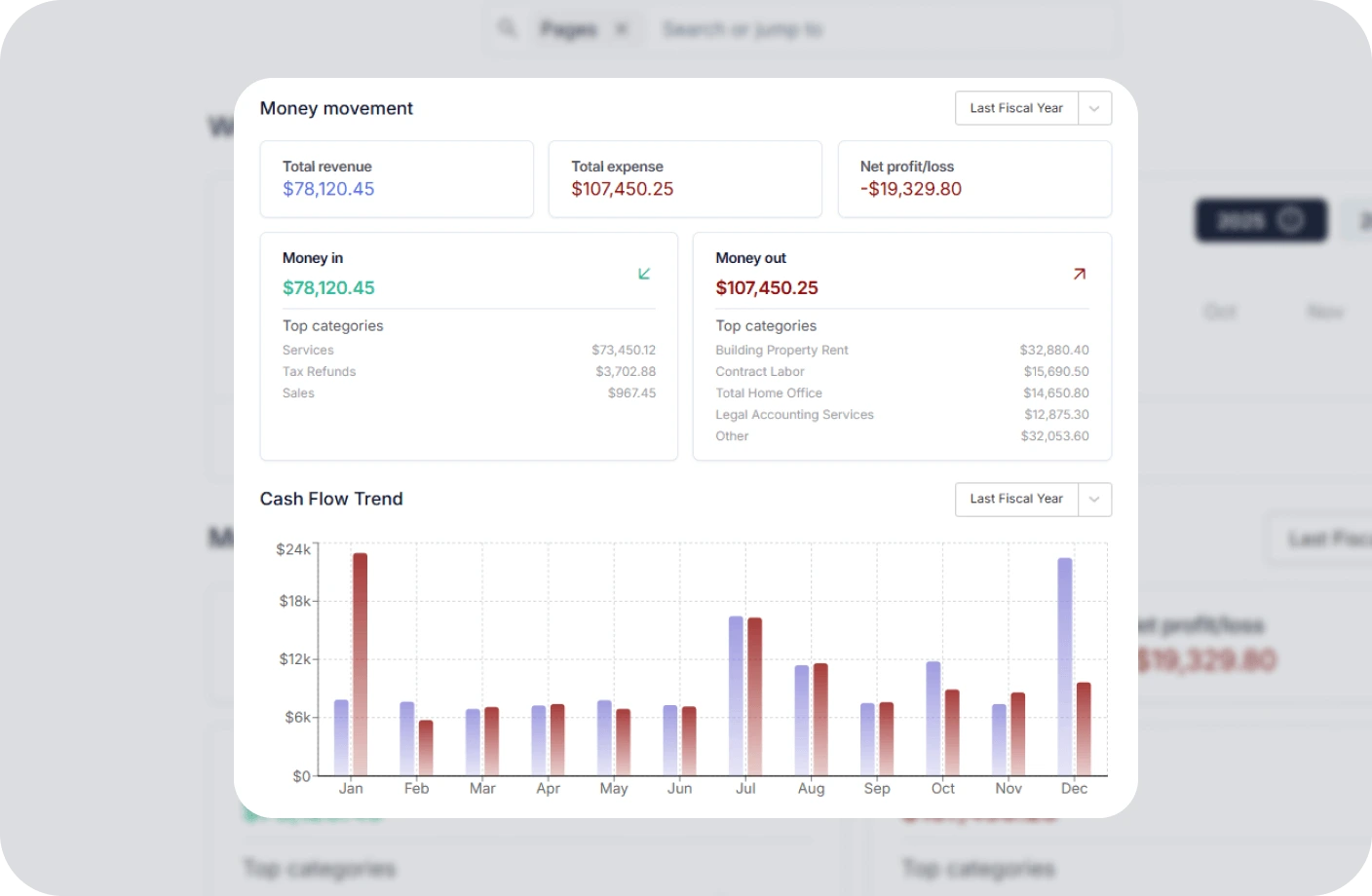
Invoicing
Create, send, and manage invoices. Track payments and assure timely cash flow.
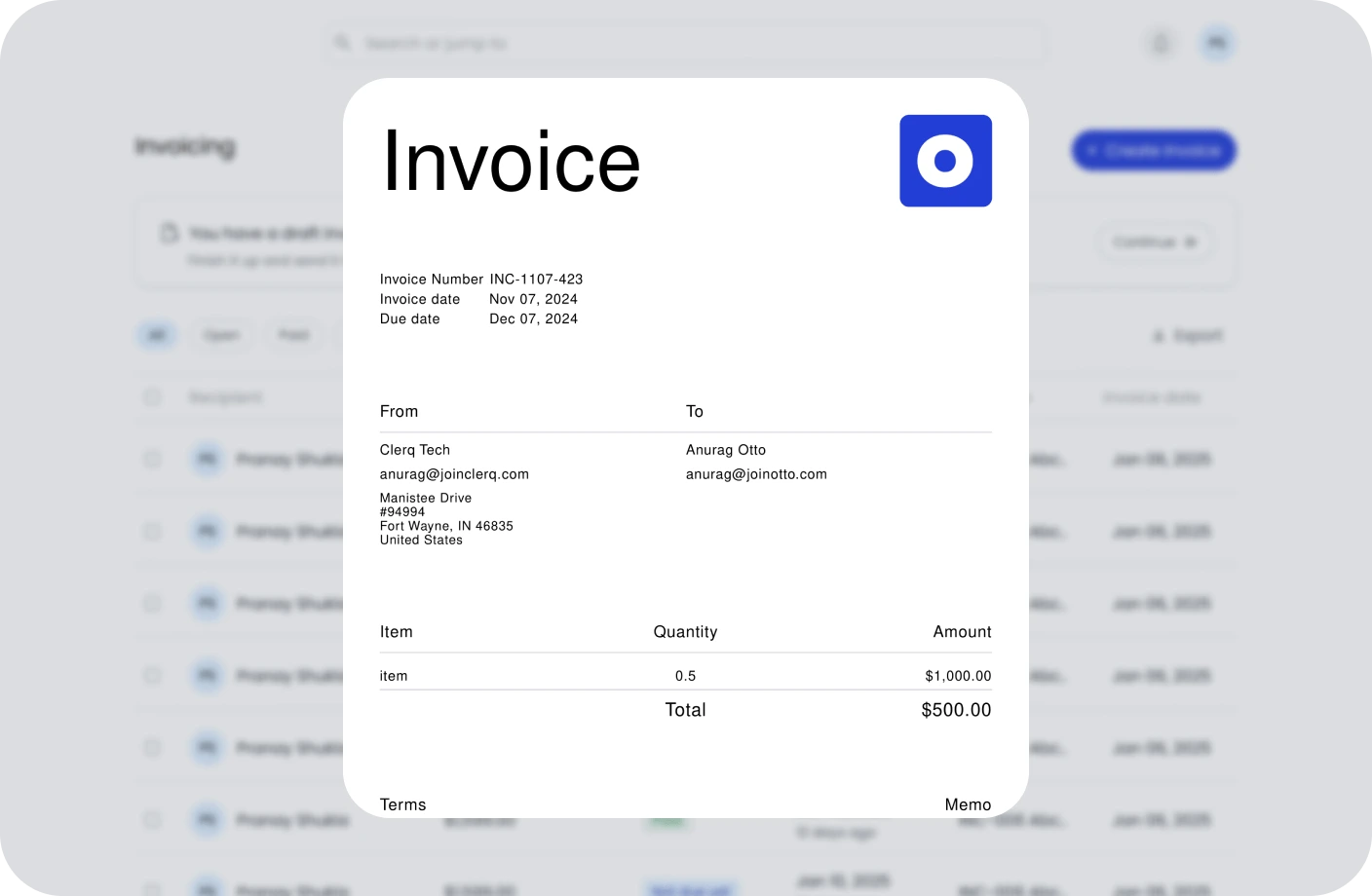
Contracts
Create, track, and e-sign contracts to ensure compliance and deadlines.
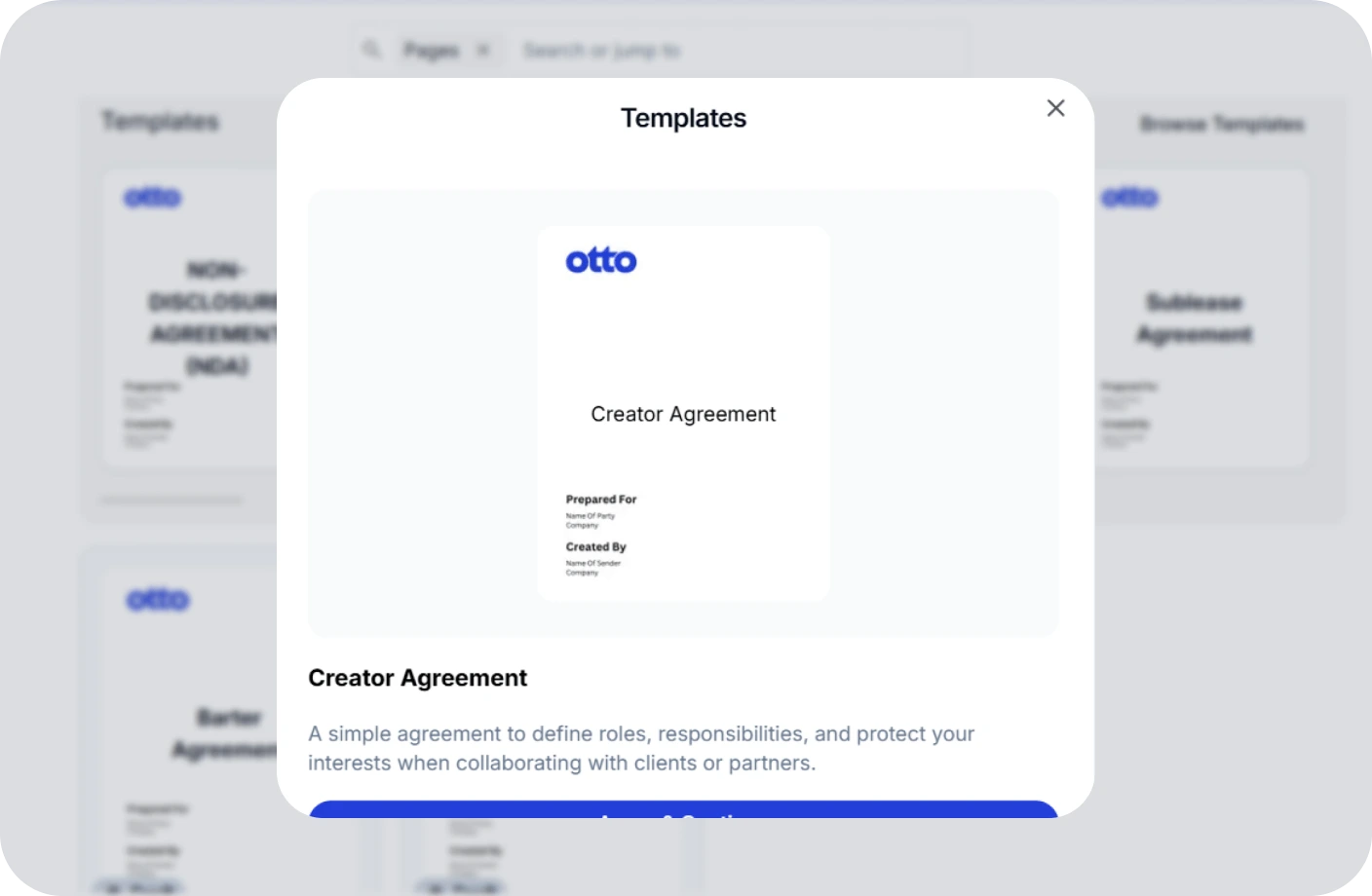
Taxes
Confidently plan taxes with expert CPAs and smart tools to track deductions.
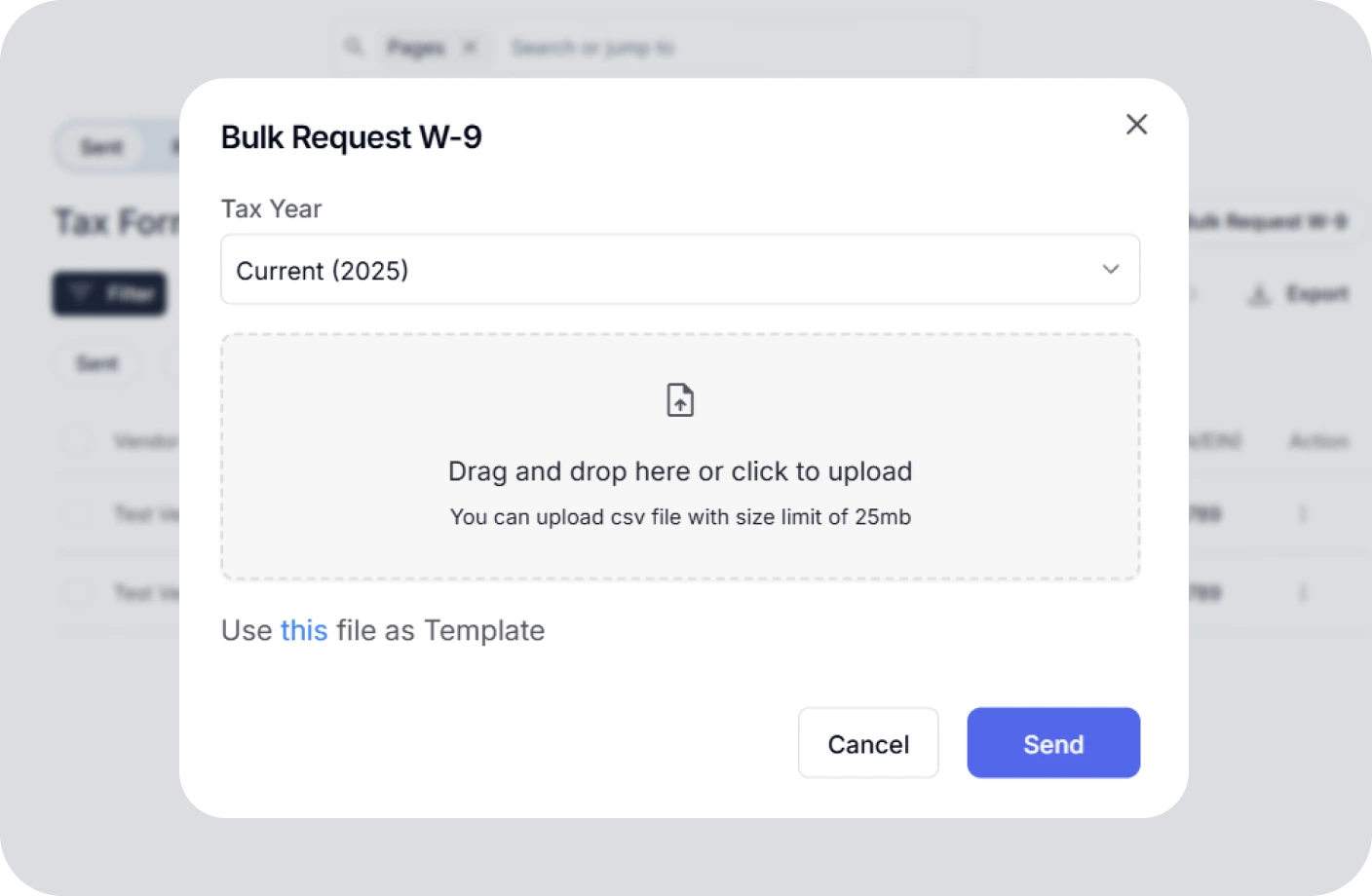
Reports
Real time business reports show where you stand today and what to do next.
Accounting
All in one accounting software for creators to handle your books, taxes, invoices, contracts.

Creator Tools
Specialized tools and resources for every type of creator
YouTubers Tools
Optimize your YouTube channel with analytics, thumbnail generators, and growth tools.
TikTokers Tools
Create viral TikTok content with trend analysis, caption generators, and editing tools.
Content Creators Tools
Comprehensive toolkit for content creation, scheduling, and audience engagement.
Video Creators Tools
Professional video editing, compression, and optimization tools for creators.
Influencers Tools
Manage brand partnerships, track engagement, and maximize your influencer income.
Photographers Tools
Photo editing, watermarking, and portfolio management tools for photographers.
Related Accounting Resources
Essential tax forms and compliance guides for your accounting practice
What Is Cash Pooling? How It Works, Key Types, and Examples
Learn how cash pooling optimizes liquidity across multiple accounts and business entities.
What Is an Amortization Expense? Definition, Formula & Examples
Understand how to calculate and record amortization expenses for intangible assets accurately and efficiently.
Debits vs Credits in Accounting: A Beginner's Guide
Master the fundamental accounting principle of double-entry bookkeeping with clear examples.
Net Operating Income FAQs
Quick answers to common questions about Net Operating Income
What is Net Operating Income in simple terms?
NOI is the profit your business makes from its core operations after paying operating expenses but before taxes and interest.
How do you calculate Net Operating Income?
Use the formula NOI = Total Revenue - Operating Expenses, excluding non-operating costs like taxes, interest, and depreciation.
What expenses are excluded from Net Operating Income?
Income taxes, depreciation, debt interest, tenant improvements, and capital expenditures are all excluded from NOI.
Why is Net Operating Income important for creative businesses?
It reveals whether your core creative work is profitable, helping you make informed decisions about pricing and expenses.
Can Net Operating Income be negative?
Yes, a negative NOI indicates that operating expenses exceed revenue, signaling the business needs to reduce costs or increase income.
Manage Your Finances Without the Confusion
Understand your Net Operating Income effortlessly with Otto's AI-powered bookkeeping. Track expenses, generate reports, and make smarter business decisions.