Understanding Assets: Types & Importance for Creators
Learn what assets are, explore different types including tangible and intangible assets, and understand why they matter for your creative business.
KEY TAKEAWAYS
-
✓
An asset is anything of value owned by your business that can generate income or provide financial benefits.
-
✓
Assets are classified as tangible (physical) or intangible (intellectual property, copyrights).
-
✓
Proper asset tracking helps creators maximize deductions and build long-term financial stability.
As a creative professional, you own more than you think. From your camera equipment and studio space to your copyrighted content and brand name — these are all assets that hold real financial value.
But what exactly counts as an asset? And how do different types of assets affect your creative business? Understanding assets is essential for managing your finances, securing loans, and making smart business decisions.
This guide breaks down everything you need to know about assets in simple terms, so you can start tracking and managing them with confidence.
What Is an Asset?
An asset is anything of value that is owned by an individual or business and has the potential to generate income, appreciate in value, or provide other financial benefits. In accounting, an asset is a resource controlled by a creative professional that is expected to bring future economic value.
For creative professionals such as podcasters, visual artists, video editors, musicians, photographers, and designers, assets are critical because they represent the tools, resources, and rights that enable them to produce, market, and sell their creative works.
In simple terms, if you own something that helps your business make money or has value on its own, it is an asset. This includes everything from your laptop and software subscriptions to your music catalog and client contracts.
What Are the Different Types of Assets?
Assets can be broken down into different types based on how they are classified. These classifications help you better understand how assets function in your creative business and how they should be treated in accounting.
Tangible vs Intangible Assets
Tangible assets are physical items you can touch and see. For creators, these include cameras, lighting equipment, computers, studio furniture, musical instruments, and office space. These assets typically lose value over time through wear and tear, a process called depreciation.
Intangible assets are non-physical items that hold significant value. For creators, these include copyrights, trademarks, patents, brand names, client lists, licensing agreements, and digital products. These assets often appreciate over time and can generate ongoing income through royalties or licensing fees.
Current vs Fixed Assets
Current assets are expected to be converted into cash within one year. For creators, this includes cash in your business bank account, accounts receivable (money clients owe you), inventory of physical products, and short-term investments.
Fixed assets (also called non-current or long-term assets) provide value for more than one year. These include equipment, vehicles, property, and major software systems. Fixed assets are typically depreciated over their useful life.
Why Assets Matter for Your Creative Business
Understanding your assets is essential for several reasons. First, it gives you a clear picture of your business's financial health. When you know what you own and what it's worth, you can make better decisions about investments, pricing, and growth.
Second, assets play a crucial role when applying for loans or seeking investment. Lenders and investors want to see what your business owns before they commit funds. A strong asset base makes your business more attractive and can help you secure better terms.
Finally, proper asset tracking maximizes your tax deductions. Tangible assets can be depreciated, and intangible assets can be amortized, both of which reduce your taxable income. Keeping detailed records of your assets ensures you claim every deduction you are entitled to.
How to Track Your Assets
Tracking your assets doesn't have to be complicated. Start by creating a simple list of everything your business owns that has value. For each item, note the purchase date, cost, current estimated value, and category (tangible or intangible, current or fixed).
Consider using accounting software to automate this process. Tools like Otto can help you track assets, calculate depreciation, and generate reports that give you a complete view of your business's financial position.
Review your asset register regularly and update it as you acquire new assets or dispose of old ones. This practice ensures your financial records stay accurate and your business remains financially healthy.
How Assets Apply to Your Business
When will you actually use this?
Understanding your assets isn't just for accountants. It directly impacts your creative business operations and financial success. Here's when you'll use this knowledge:
Equipment Purchases
Decide whether to buy or lease equipment by understanding how assets impact your business financials.
Tax Deductions
Depreciate tangible assets and amortize intangible assets to reduce your taxable income each year.
Business Valuation
Know what your business is worth by calculating the total value of all your assets, including intellectual property.
Insurance Coverage
Ensure your equipment and intellectual property are properly insured by knowing their accurate value.
Funding Applications
Present a strong asset portfolio when applying for business loans, grants, or seeking investors.
Income Planning
Leverage your intangible assets like copyrights and licenses to create passive income streams.
Recommended Reading
Expand your knowledge with these related topics
Current Assets
Learn about current assets and how they impact your business liquidity and short-term financial health.
PPE
Learn about Property, Plant, and Equipment assets and their accounting treatment for your business.
Debit
Understanding debits in accounting and how they affect your financial records.
Assurance
Understanding assurance services and their role in financial reporting credibility.
FF&E
Furniture, Fixtures, and Equipment accounting for business asset management and tracking.
Point of Sale (POS)
How POS systems integrate with accounting for accurate sales tracking.
Real Accounting Questions From the Community
Explore Reddit-backed Otto accounting guides based on real conversations about CPAs, accountants, invoices, reconciliation, ledgers, P&L, and cash flow systems.
One Platform: From Entity Setup to Closing Reports
Comprehensive financial solutions for your business needs.
Entity Management
Easily manage legal entities, compliance, and ownership in one platform.
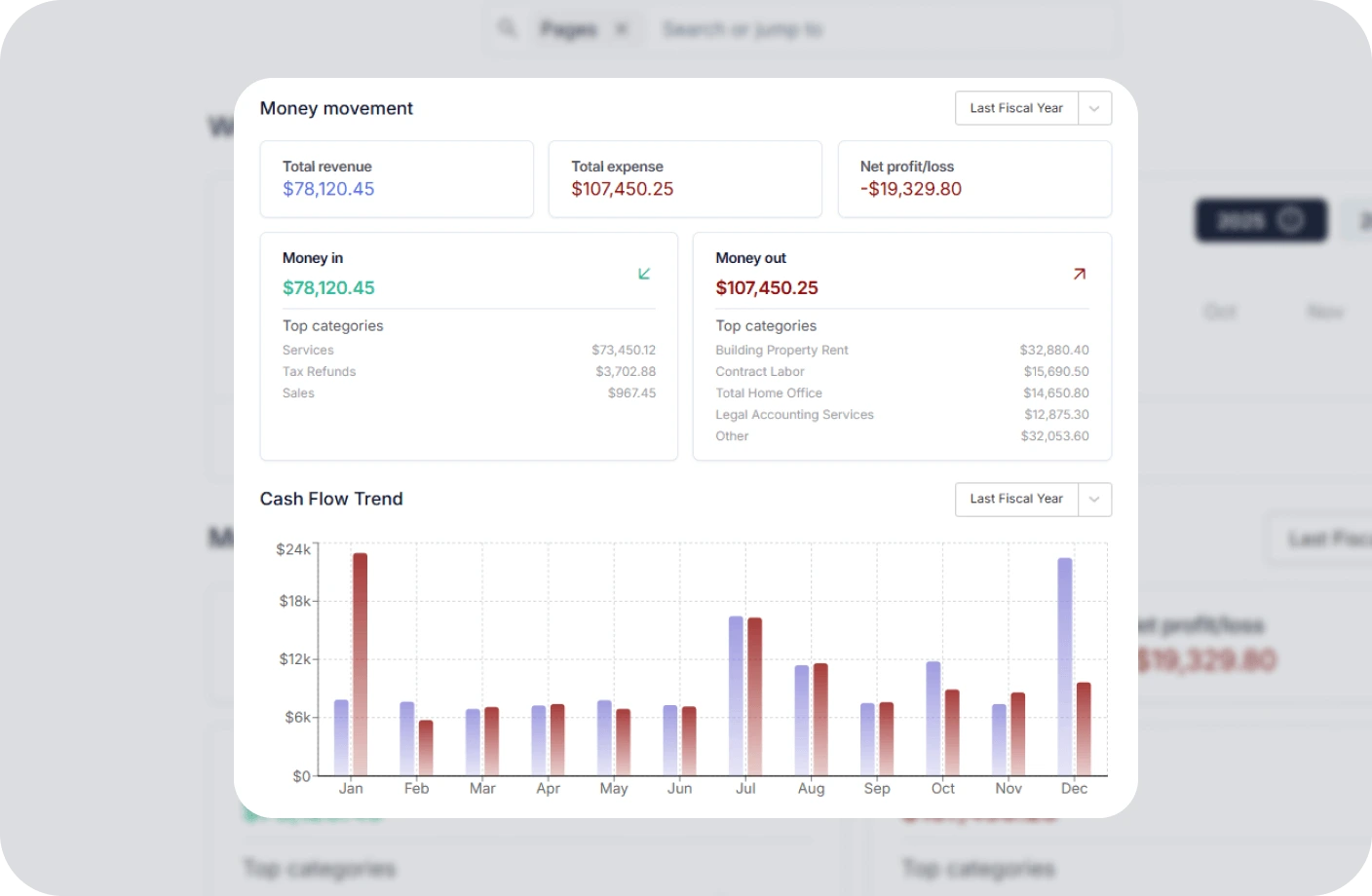
Invoicing
Create, send, and manage invoices. Track payments and assure timely cash flow.
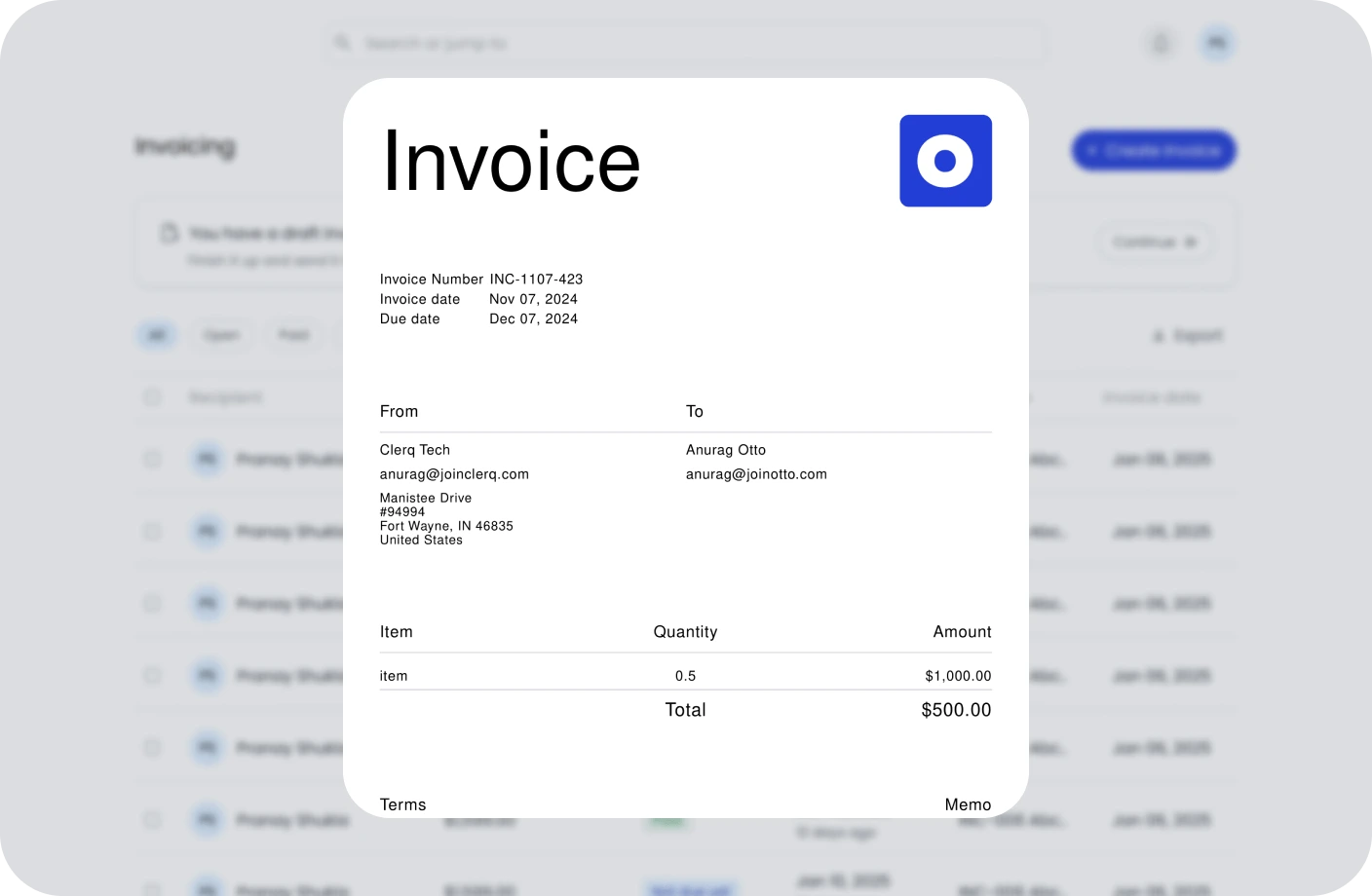
Contracts
Create, track, and e-sign contracts to ensure compliance and deadlines.
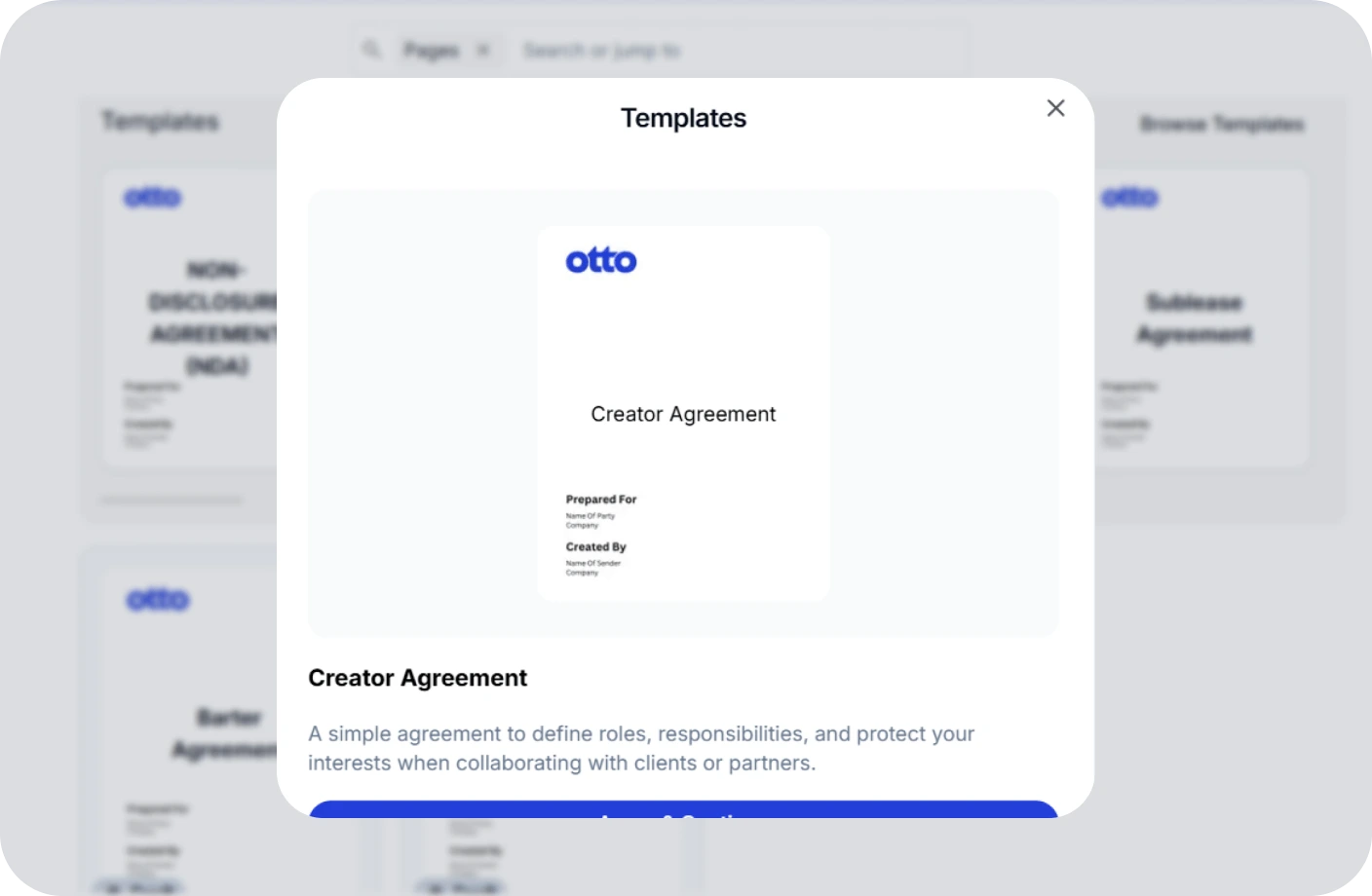
Taxes
Confidently plan taxes with expert CPAs and smart tools to track deductions.
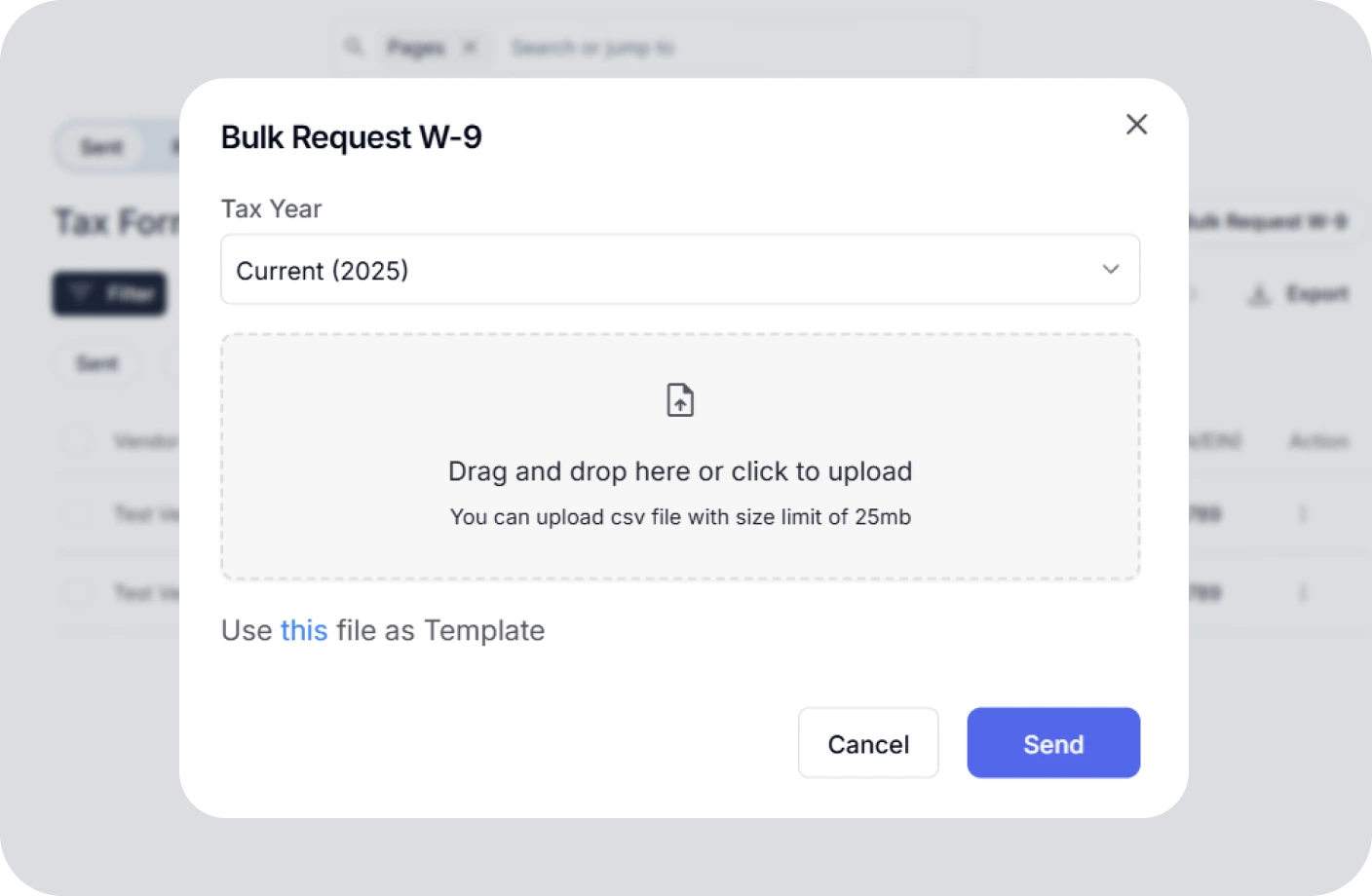
Reports
Real time business reports show where you stand today and what to do next.
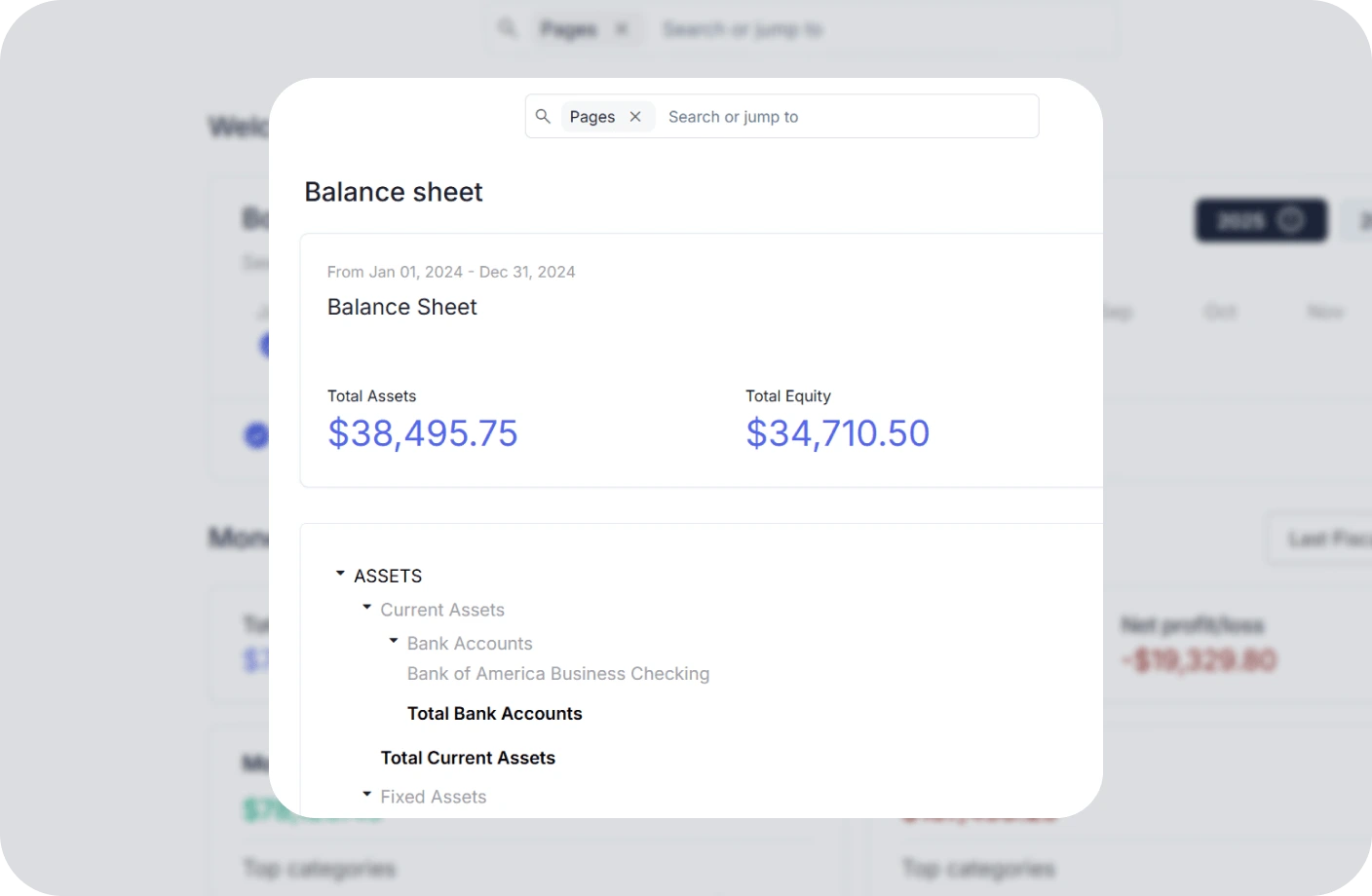
Accounting
All in one accounting software for creators to handle your books, taxes, invoices, contracts.
Creator Tools
Specialized tools and resources for every type of creator
YouTubers Tools
Optimize your YouTube channel with analytics, thumbnail generators, and growth tools.
TikTokers Tools
Create viral TikTok content with trend analysis, caption generators, and editing tools.
Content Creators Tools
Comprehensive toolkit for content creation, scheduling, and audience engagement.
Video Creators Tools
Professional video editing, compression, and optimization tools for creators.
Influencers Tools
Manage brand partnerships, track engagement, and maximize your influencer income.
Photographers Tools
Photo editing, watermarking, and portfolio management tools for photographers.
Related Accounting Resources
Essential guides for managing your business assets
What Is an Amortization Expense? Definition, Formula & Examples
Understand how to calculate and record amortization expenses for intangible assets accurately and efficiently.
Debits vs Credits in Accounting: A Beginner's Guide
Master the fundamental accounting principle of double-entry bookkeeping with clear examples.
What Is Cash Pooling? How It Works, Key Types, and Examples
Learn how cash pooling optimizes liquidity across multiple accounts and business entities.
Assets FAQs
Quick answers to common questions about assets
What is an asset in simple terms?
An asset is anything of value that you own and can use to generate income or other financial benefits. For creators, this includes equipment, intellectual property, and cash.
What are the main types of assets?
Assets are typically classified as tangible (physical items like equipment) or intangible (non-physical items like copyrights), and as current (easily converted to cash) or fixed (long-term use).
Why are assets important for creators?
Assets represent the tools, resources, and rights that enable creators to produce, market, and sell their work. Managing them well leads to better financial stability and growth.
What's the difference between current and fixed assets?
Current assets can be converted to cash within a year (like bank accounts and accounts receivable). Fixed assets provide long-term value (like equipment and property).
Is intellectual property considered an asset?
Yes, intellectual property such as copyrights, trademarks, and patents are intangible assets. They hold significant value for creators and can generate ongoing income.
How should creators track their assets?
Creators should maintain an asset register listing all items of value, their purchase dates, costs, and current values. Using accounting software makes this process much easier.
Can software tools be considered assets?
Yes, software tools and digital subscriptions used for your creative business are intangible assets. They provide ongoing value and should be tracked as part of your business resources.
How do assets affect taxes for creators?
Assets affect taxes through depreciation deductions for tangible assets and amortization for intangible assets. Proper asset tracking ensures you claim all eligible deductions.
Manage Your Assets With Confidence
Track your business assets effortlessly with Otto's AI-powered bookkeeping. Monitor equipment, intellectual property, and make smarter financial decisions.