Assurance : Definition & Overview
Learn what assurance means, why it matters, and how it provides confidence in financial reporting without getting confused.
KEY TAKEAWAYS
-
✓
Assurance provides confidence and credibility to financial information through independent verification.
-
✓
It includes different types of services like audits, reviews, and compliance checks.
-
✓
Assurance services help businesses build trust with stakeholders and make better decisions.
Have you ever wondered what assurance actually means? Assurance plays a big role in business and finance. It helps build confidence in financial information and supports important business decisions.
Assurance services exist to provide confidence in financial information, making sure everything is accurate and reliable. But how do they work? What types of assurance are available? And when do businesses need them?
This guide walks you through everything in a simple way, so you can understand how assurance works and when it might be useful for your business.
What Is Assurance?
Assurance is a professional service that provides confidence and credibility to financial information and business processes. It involves independent verification and validation to ensure information is accurate and reliable.
One major assurance service is the financial statement audit. Independent certified public accountants (CPAs) examine financial records and provide an opinion on whether they are presented fairly, helping stakeholders make informed decisions.
In simple terms, assurance is about building trust. As businesses grow and face more complex regulations, assurance services become essential for maintaining credibility with investors, lenders, and other stakeholders.
How Assurance Works
Assurance works through a systematic process of examination and verification. Independent professionals assess financial information and business processes to determine if they are accurate and reliable, helping manage risk management effectively.
The assurance process typically starts with planning, where the assurance provider identifies risks and determines the scope of work. Then they perform detailed testing and analysis before forming an opinion on the information's reliability.
There are a few core principles that guide how assurance works:
-
•
Independence – Assurance providers must be objective and free from conflicts of interest
-
•
Evidence – Conclusions must be based on sufficient appropriate evidence
-
•
Professional Skepticism – Assurance providers maintain questioning minds and critical assessment
-
•
Reporting – Results are communicated clearly to stakeholders with appropriate opinions
To support these principles, assurance providers follow professional standards and ethical guidelines. These rules make sure assurance work is performed with integrity and competence, following established best practices.
When assurance services follow these standards, stakeholders can trust the results and make better decisions based on reliable information.
Types of Assurance Services
Assurance services come in different types, each providing different levels of confidence and serving different purposes. The main types include:
-
•
Financial Statement Audit – Highest level of assurance providing reasonable confidence about financial statements
-
•
Review Engagement – Limited assurance providing moderate confidence through inquiry and analysis
-
•
Compliance Audit – Ensures adherence to laws, regulations, and internal policies
-
•
Agreed-Upon Procedures – Specific procedures performed on specific areas for particular stakeholders
Each type of assurance serves different needs and provides different levels of confidence to stakeholders.
Example of Assurance in Action
Imagine a small manufacturing company wants to secure a $500,000 loan from a bank to expand operations. The bank requires assurance that the company's financial statements are reliable before approving the loan.
The company hires an independent CPA firm to perform a financial statement audit. The auditors examine records, test transactions, verify assets, and assess internal controls. After completing their work, they issue an audit opinion stating financial statements present fairly company's financial position.
With this assurance, the bank feels confident lending the money, and the company can proceed with its expansion plans. This is how assurance builds trust between businesses and stakeholders.
Benefits of Assurance
Assurance services provide many benefits to businesses and stakeholders. Here are the key advantages:
-
✓
Increased credibility with investors, lenders, and other stakeholders
-
✓
Better access to financing and lower borrowing costs
-
✓
Improved internal controls and business processes
-
✓
Enhanced decision-making based on reliable information
-
✓
Regulatory compliance and reduced risk of penalties related to debt issues
Risks and Limitations
While assurance provides many benefits, it's important to understand the limitations and potential risks:
-
!
Cost can be significant, especially for small businesses with limited budgets
-
!
Time-consuming process that can distract from day-to-day business operations
-
!
Cannot guarantee absolute accuracy or detect all types of fraud
-
!
May create tension between management and assurance providers
Why Assurance Matters
Assurance matters because it builds trust in financial information and business processes. In today's complex business environment, stakeholders need confidence that the information they rely on is accurate and reliable.
Businesses rely on assurance to make better decisions, secure financing, and maintain compliance with regulations. The focus is always on providing confidence while helping organizations improve their operations.
When assurance is performed properly, it creates value for businesses and stakeholders alike. This is especially important when making critical decisions, seeking investments, or ensuring regulatory compliance.
How It Applies to Your Business
When will you actually use this?
Assurance principles are vital for businesses of all sizes. They impact critical decisions and build stakeholder confidence. Here's when you'll apply these principles:
Financial Audits
Get independent verification of financial statements to build credibility with investors and lenders.
Compliance Checks
Ensure adherence to regulations and avoid penalties through regular compliance assurance reviews.
Loan Applications
Secure financing with audited financial statements that meet bank requirements and build lender confidence.
Internal Controls
Strengthen business processes through assurance reviews that identify risks and improve operational efficiency.
Investor Relations
Build stakeholder trust with assurance reports that provide confidence in financial reporting accuracy.
Risk Management
Identify and mitigate business risks through systematic assurance testing and internal control evaluation.
Recommended Reading
Expand your knowledge with these related topics
Debit
Understanding debits in accounting and how they affect your financial records.
PPE
Learn about Property, Plant, and Equipment assets and their accounting treatment.
Audit
Understanding audit processes and their role in financial verification and compliance.
Point of Sale (POS)
How POS systems integrate with accounting for accurate sales tracking.
Revenue
Understanding revenue recognition and its impact on financial statements.
FF&E
Furniture, Fixtures, and Equipment accounting for business assets management and tracking
Real Accounting Questions From the Community
Explore Reddit-backed Otto accounting guides based on real conversations about CPAs, accountants, invoices, reconciliation, ledgers, P&L, and cash flow systems.
One Platform: From Entity Setup to Closing Reports
Comprehensive financial solutions for your business needs.
Entity Management
Easily manage legal entities, compliance, and ownership in one platform.
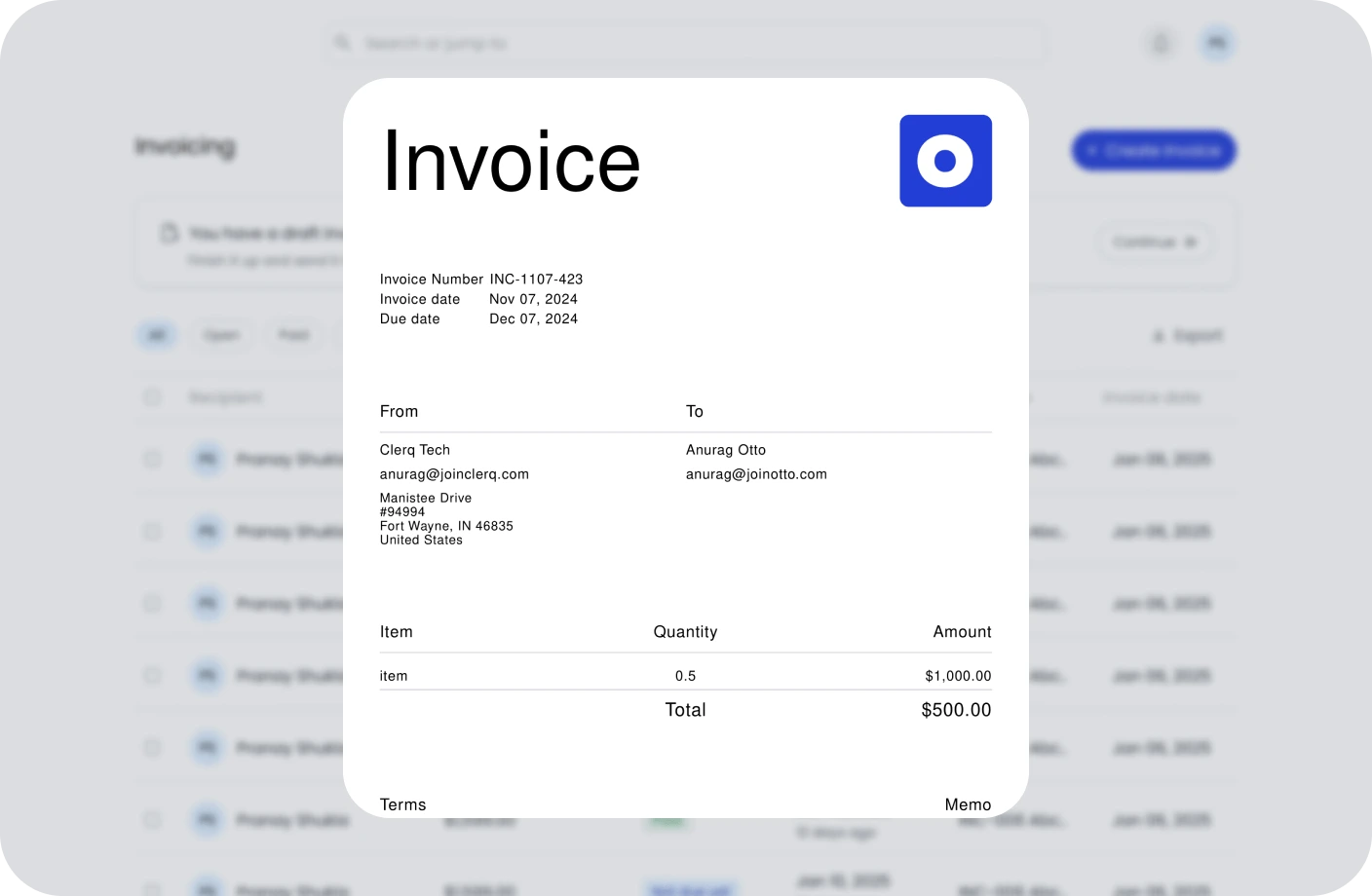
Invoicing
Create, send, and manage invoices. Track payments and assure timely cash flow.
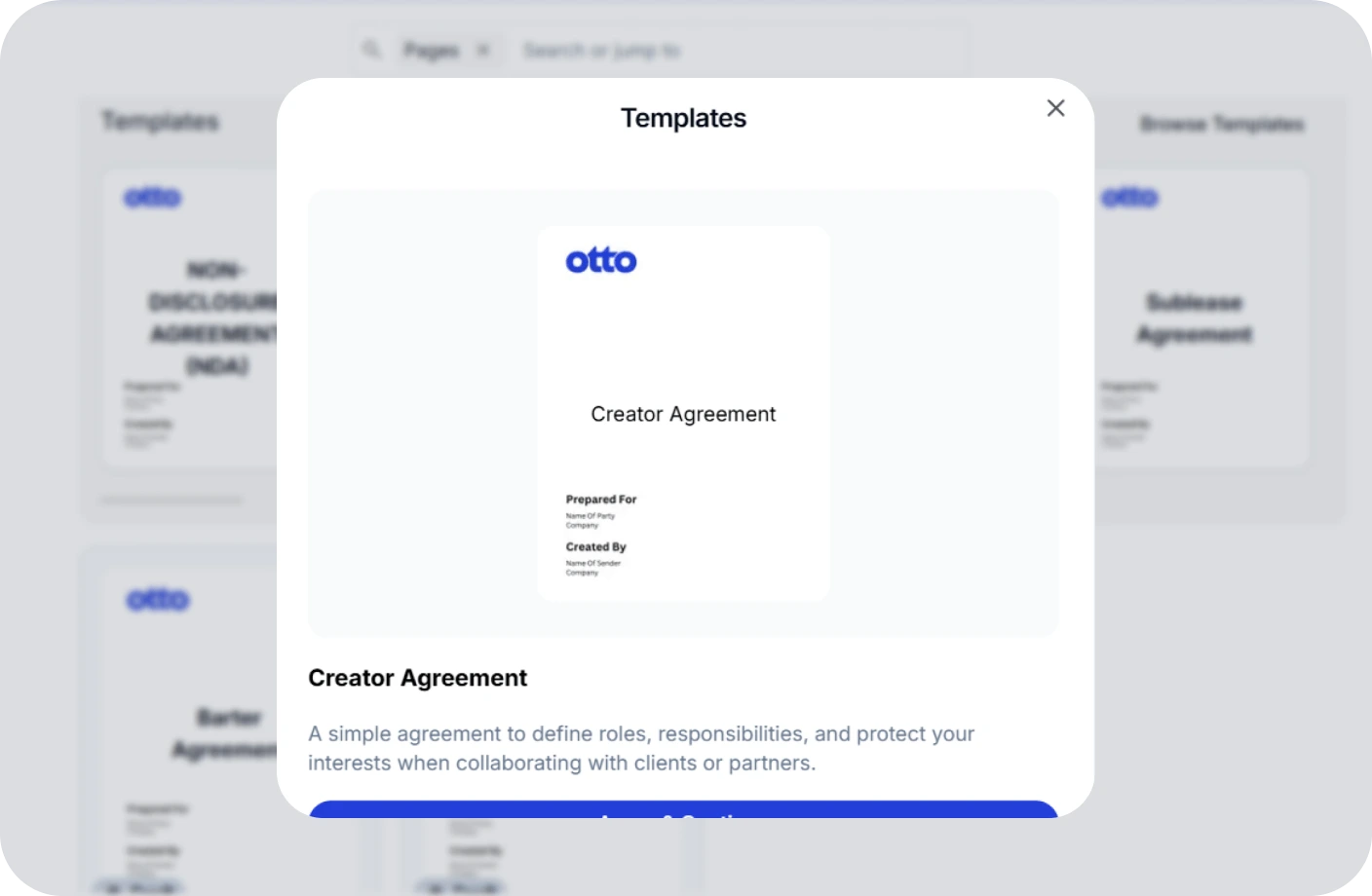
Contracts
Create, track, and e-sign contracts to ensure compliance and deadlines.
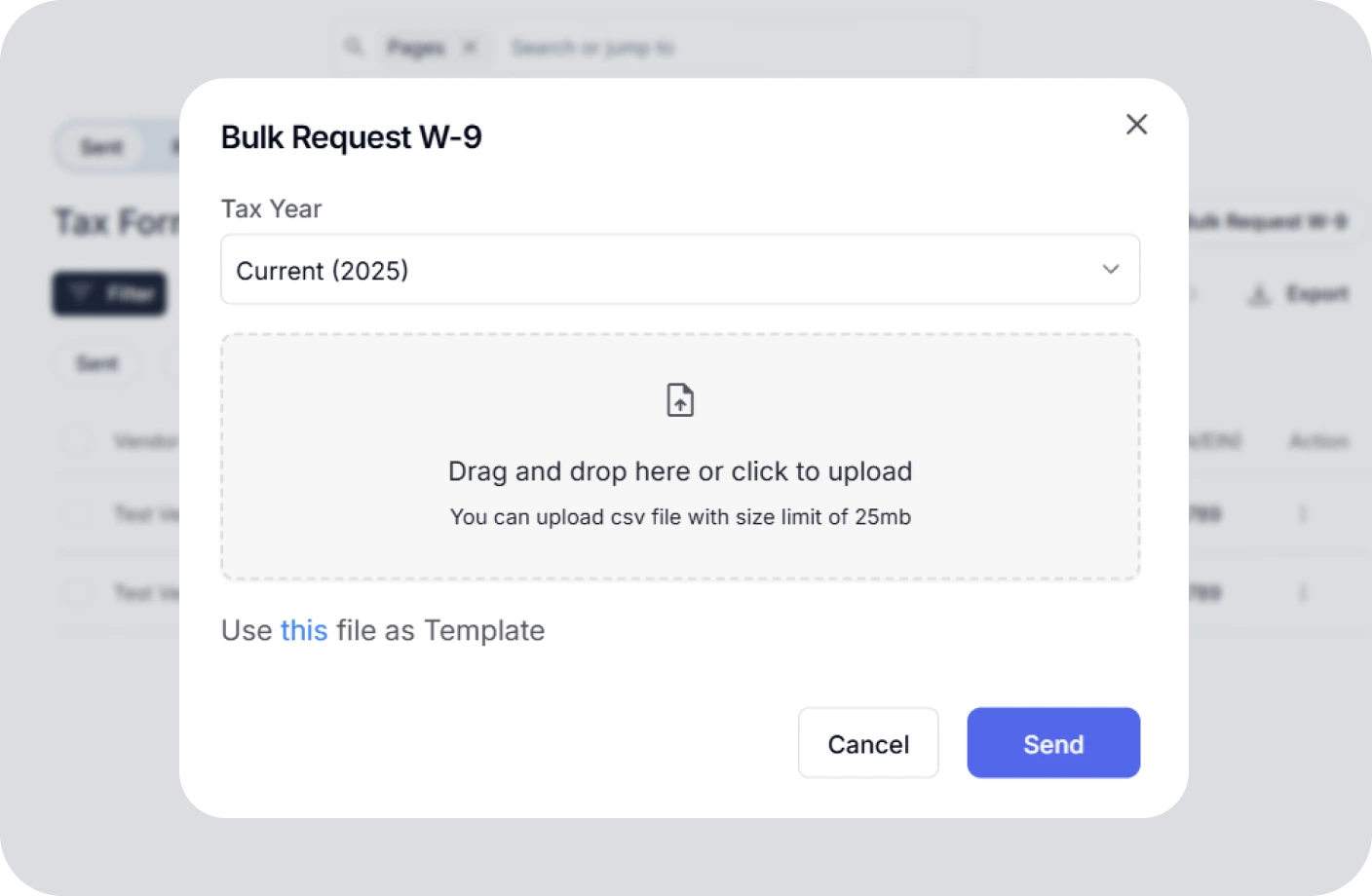
Taxes
Confidently plan taxes with expert CPAs and smart tools to track deductions.
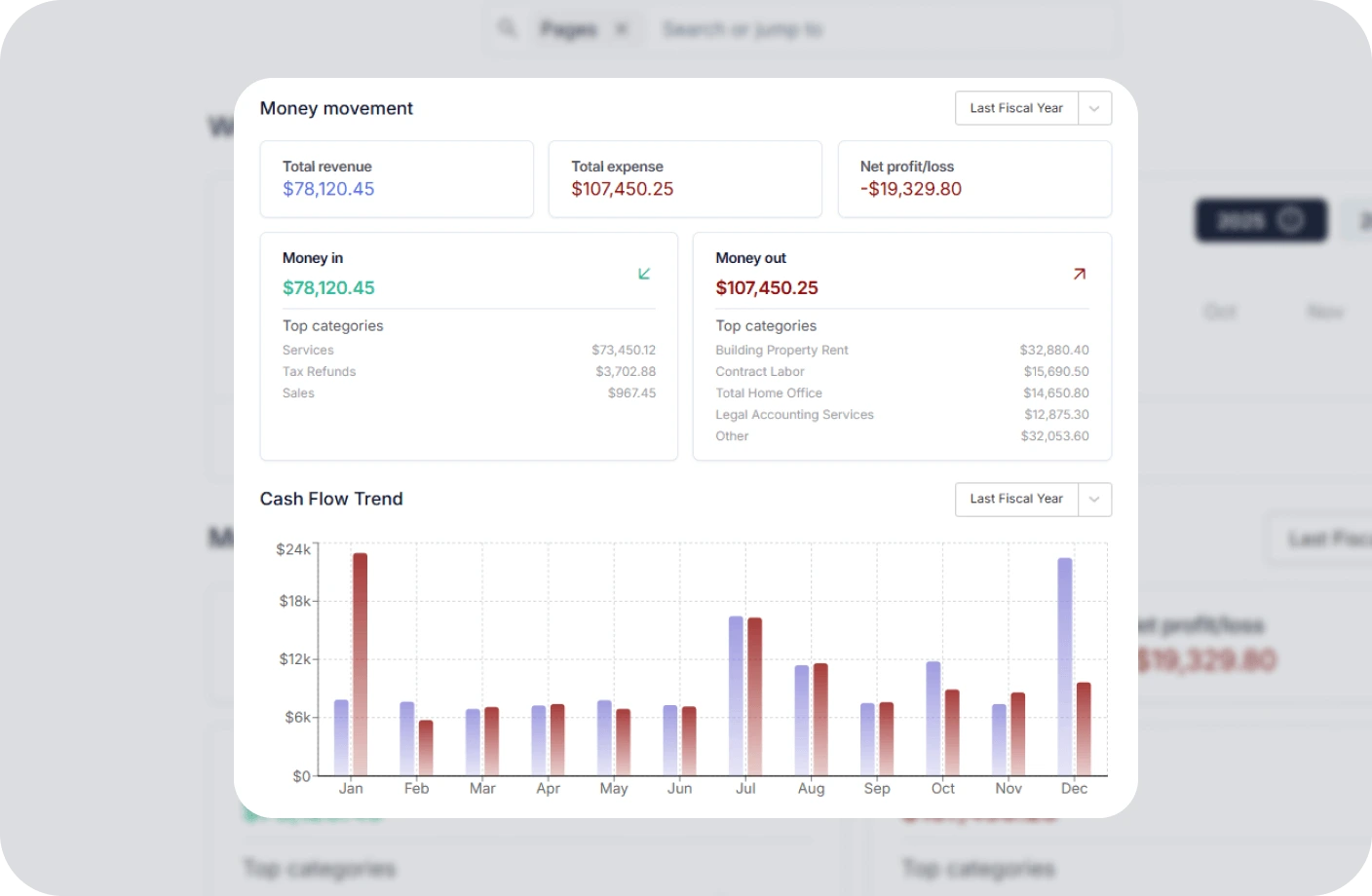
Reports
Real time business reports show where you stand today and what to do next.
Accounting
All in one accounting software for creators to handle your books, taxes, invoices, contracts.
Creator Tools
Specialized tools and resources for every type of creator
YouTubers Tools
Optimize your YouTube channel with analytics, thumbnail generators, and growth tools.
TikTokers Tools
Create viral TikTok content with trend analysis, caption generators, and editing tools.
Content Creators Tools
Comprehensive toolkit for content creation, scheduling, and audience engagement.
Video Creators Tools
Professional video editing, compression, and optimization tools for creators.
Influencers Tools
Manage brand partnerships, track engagement, and maximize your influencer income.
Photographers Tools
Photo editing, watermarking, and portfolio management tools for photographers.
Related Accounting Resources
Essential tax forms and compliance guides for your accounting practice
What Is Cash Pooling? How It Works, Key Types, and Examples
Learn how cash pooling optimizes liquidity across multiple accounts and business entities.
What Is an Amortization Expense? Definition, Formula & Examples
Understand how to calculate and record amortization expenses for intangible assets accurately and efficiently.
Debits vs Credits in Accounting: A Beginner's Guide
Master the fundamental accounting principle of double-entry bookkeeping with clear examples.
Assurance FAQs
Quick answers to common questions about assurance services
What is assurance in simple words?
Assurance is a professional service that provides confidence and credibility to financial information through independent verification and validation.
Where is assurance used?
Assurance is used in financial audits, compliance checks, internal controls assessment, and whenever stakeholders need confidence in reported information.
Why is assurance important?
It builds trust in financial information, helps businesses secure financing, ensures compliance, and provides stakeholders with confidence in decision-making.
What is an example of assurance?
A financial statement audit where independent CPAs examine a company's records and provide an opinion on whether the financial statements are accurate and complete.
Is assurance easy to understand or use?
The concept is simple - it's about building trust - but assurance services require professional expertise and follow complex standards and procedures.
Build Trust in Your Financial Information
Apply assurance principles effortlessly with Otto's AI-powered bookkeeping. Track expenses, generate reliable reports, and make smarter business decisions with confidence.