Common Size Financial Statement
Learn what a common size financial statement is, how it works, and why it matters for comparing business performance.
KEY TAKEAWAYS
-
✓
A common size financial statement presents all items as a percentage of a base number.
-
✓
It enables easy comparison between companies of different sizes and across time periods.
-
✓
Common size analysis helps identify trends, spot issues, and make informed business decisions.
What is a Common Size Financial Statement?
A common size financial statement is a tool that helps you compare financial performance across different companies or over time. It presents all items in the financial statement as a percentage of a base number, making it easier to analyze the proportions of various elements. For example, in an income statement, each line item might be represented as a percentage of total revenue.
How does a Common Size Financial Statement work?
To create a common size financial statement, you follow a simple formula:
-
•
For an income statement: (Individual Item / Total Revenue) x 100 = Percentage
-
•
For a balance sheet: (Individual Asset or Liability / Total Assets) x 100 = Percentage
By converting numbers into percentages, you can easily see how much each part contributes to the whole. For instance, if a company's cost of goods sold is $50,000 and total revenue is $200,000, the common size percentage would be 25%.
Why is a Common Size Financial Statement important?
Common size financial statements are important for several reasons:
-
•
They make it easy to compare companies of different sizes in the same industry.
-
•
They help identify trends in financial performance over multiple periods.
-
•
They highlight areas where costs or expenses may be out of proportion.
Common Size Financial Statement Examples
Common size analysis can be applied to both income statements and balance sheets. For income statements, each expense and profit line is shown as a percentage of revenue. For balance sheets, each asset, liability, and equity item is shown as a percentage of total assets.
This approach is particularly useful for investors, analysts, and business owners who want to quickly assess a company's financial health and compare it against industry benchmarks.
Summary
Common size financial statements are powerful tools that transform raw financial data into meaningful percentages. They allow for effective comparison between companies and across time periods, making them essential for informed financial analysis.
Whether you're an investor evaluating potential opportunities or a business owner tracking performance, common size analysis provides valuable insights that support better decision-making.
Using Common Size Analysis in Your Business
Practical applications for financial analysis
Common size financial statements provide valuable insights for various business scenarios. Here's how you can use them:
Benchmarking
Compare your company's expense ratios against industry averages to identify areas for improvement.
Trend Analysis
Track how your cost structure changes over multiple periods to spot emerging trends.
Investor Reporting
Present clear, comparable financial data that investors can easily evaluate and understand.
Cost Control
Identify which expenses are growing disproportionately and take corrective action.
Competitor Analysis
Compare financial structures across competitors regardless of their size differences.
Strategic Planning
Use percentage-based analysis to set realistic financial targets and budgets.
Recommended Reading
Expand your knowledge with these related topics
Chartered Accountant
Learn about the role and responsibilities of a Chartered Accountant in financial management.
Cash Book
Understand how a cash book helps track cash receipts and payments in your business.
Revenue
Understanding revenue recognition and its impact on financial statements.
Debit
Understanding debits in accounting and how they affect your financial records.
Accounting Theory
Learn the fundamental principles and concepts that guide financial reporting and accounting.
Assurance
Understanding assurance services and their role in financial reporting credibility.
Real Accounting Questions From the Community
Explore Reddit-backed Otto accounting guides based on real conversations about CPAs, accountants, invoices, reconciliation, ledgers, P&L, and cash flow systems.
One Platform: From Entity Setup to Closing Reports
Comprehensive financial solutions for your business needs.
Entity Management
Easily manage legal entities, compliance, and ownership in one platform.
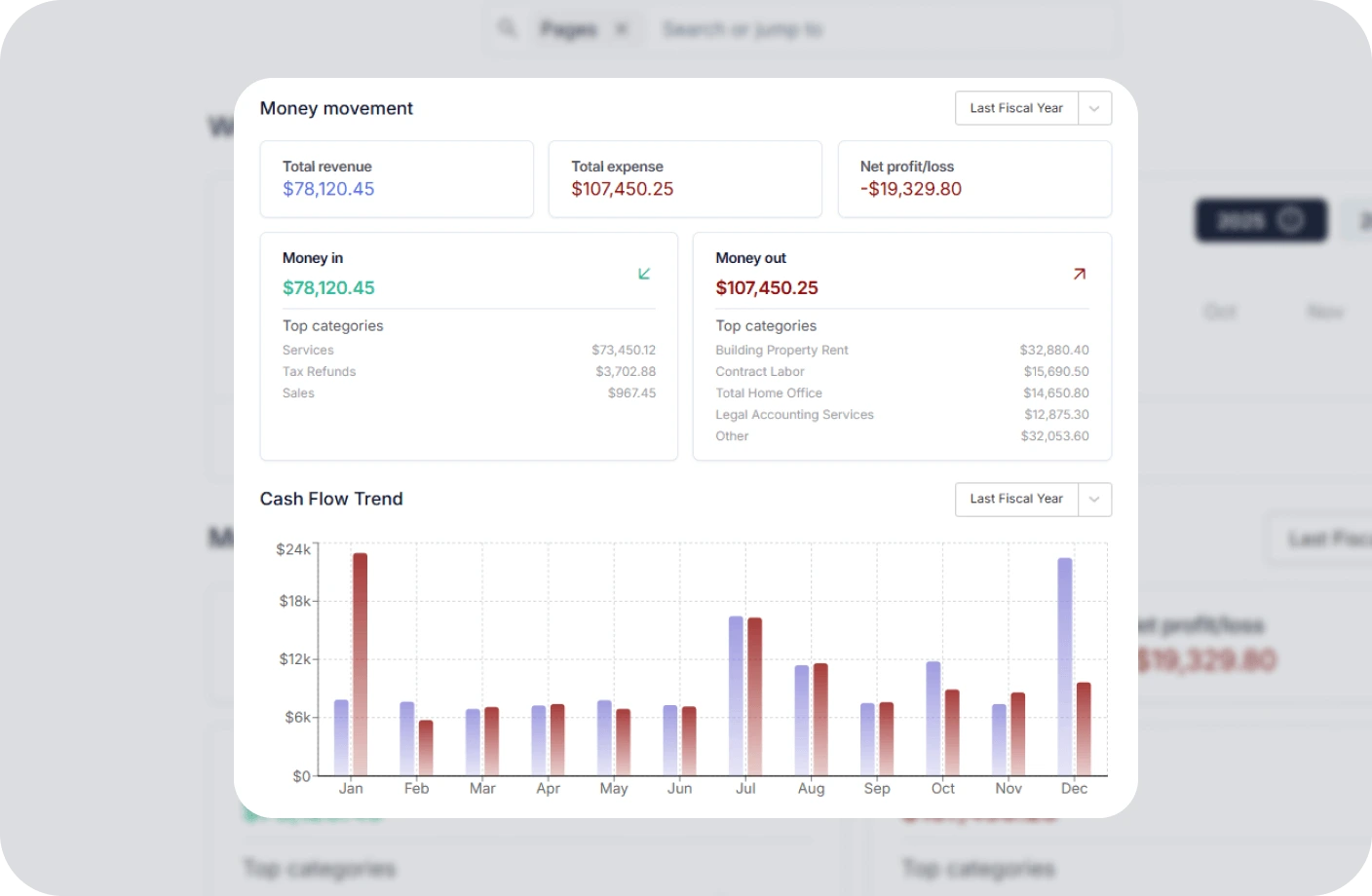
Invoicing
Create, send, and manage invoices. Track payments and assure timely cash flow.
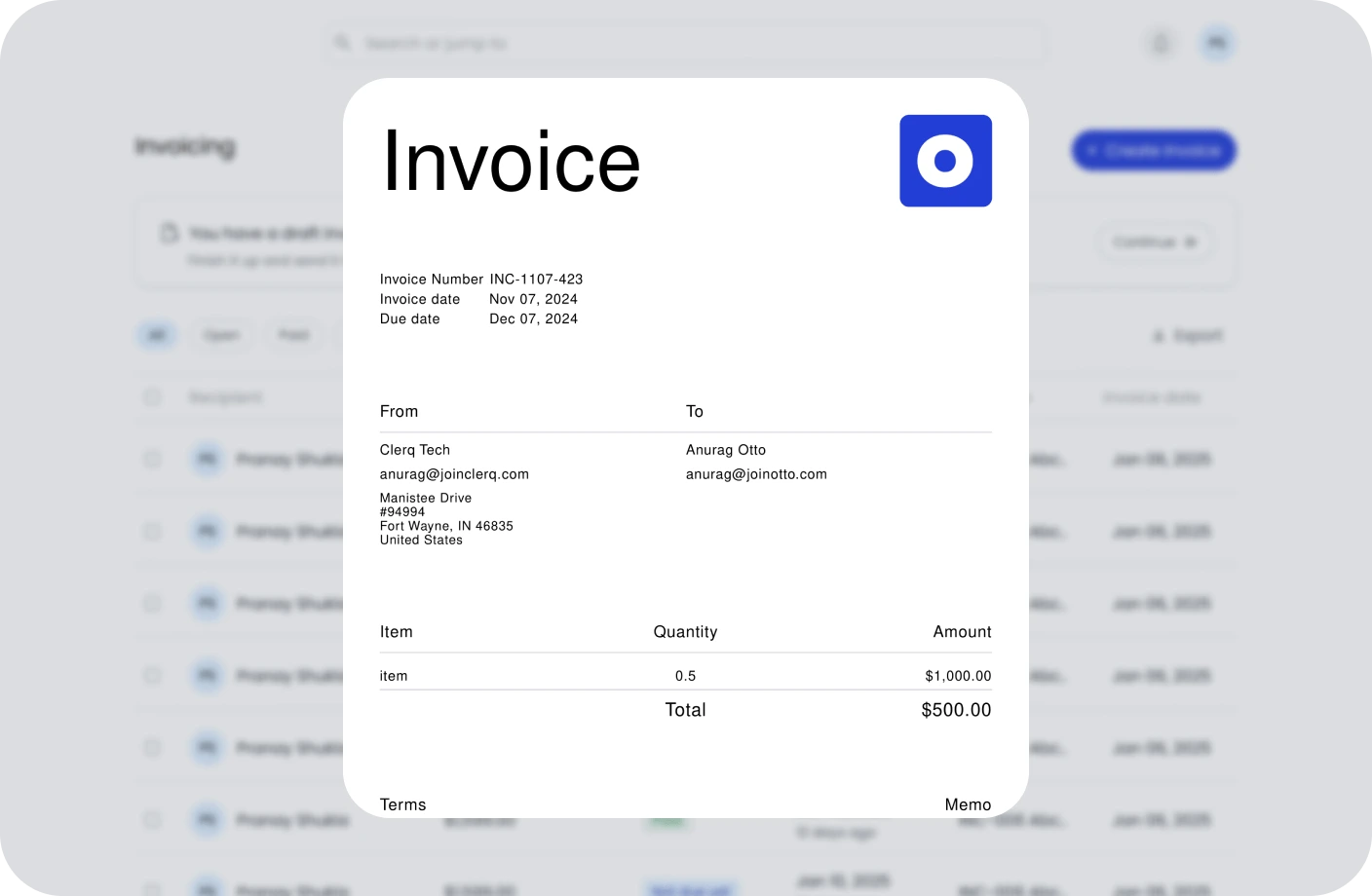
Contracts
Create, track, and e-sign contracts to ensure compliance and deadlines.

Taxes
Confidently plan taxes with expert CPAs and smart tools to track deductions.
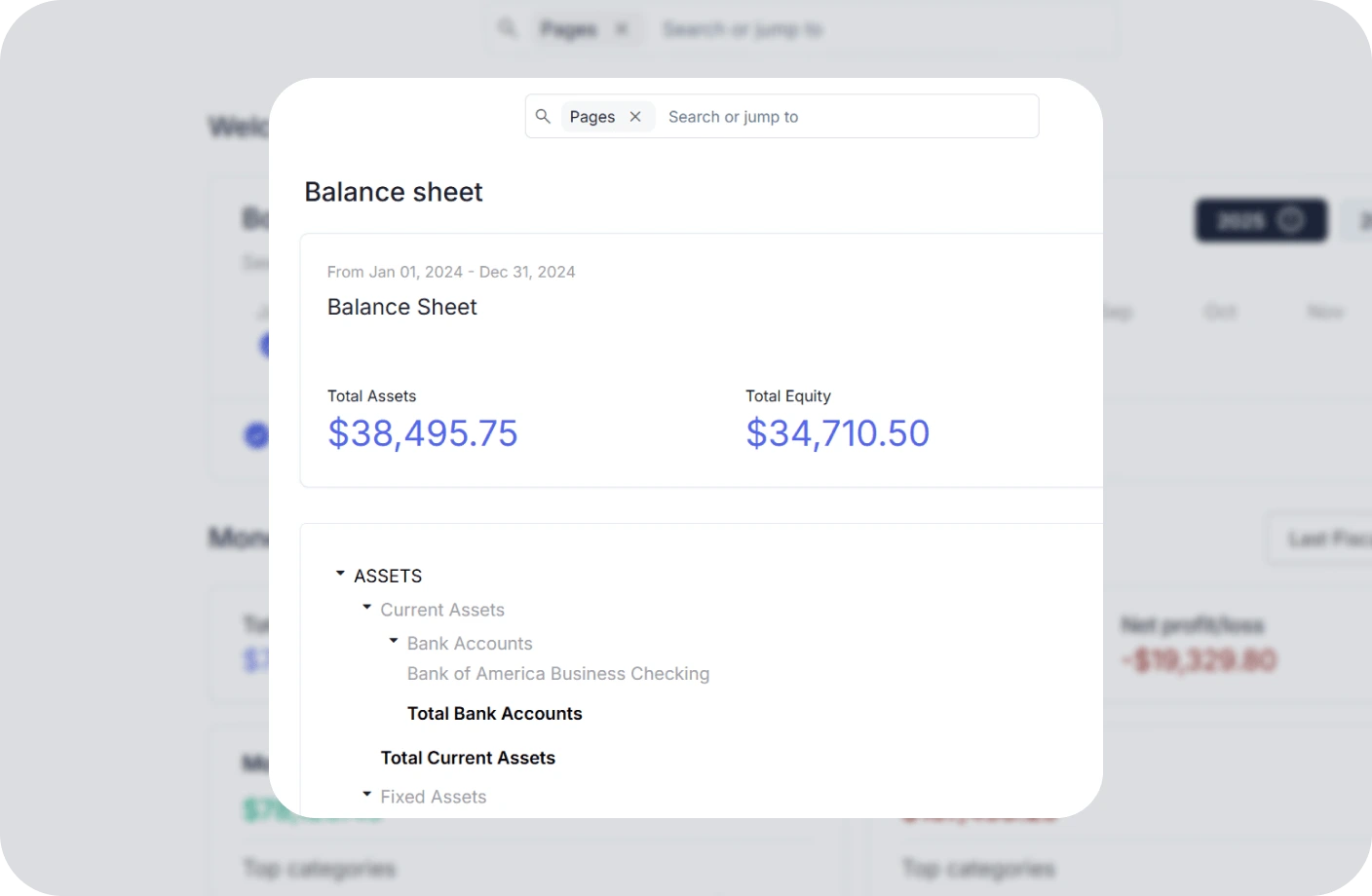
Reports
Real time business reports show where you stand today and what to do next.
Accounting
All in one accounting software for creators to handle your books, taxes, invoices, contracts.

Creator Tools
Specialized tools and resources for every type of creator
YouTubers Tools
Optimize your YouTube channel with analytics, thumbnail generators, and growth tools.
TikTokers Tools
Create viral TikTok content with trend analysis, caption generators, and editing tools.
Content Creators Tools
Comprehensive toolkit for content creation, scheduling, and audience engagement.
Video Creators Tools
Professional video editing, compression, and optimization tools for creators.
Influencers Tools
Manage brand partnerships, track engagement, and maximize your influencer income.
Photographers Tools
Photo editing, watermarking, and portfolio management tools for photographers.
Related Accounting Resources
Essential tax forms and compliance guides for your accounting practice
What Is Cash Pooling? How It Works, Key Types, and Examples
Learn how cash pooling optimizes liquidity across multiple accounts and business entities.
What Is an Amortization Expense? Definition, Formula & Examples
Understand how to calculate and record amortization expenses for intangible assets accurately and efficiently.
Debits vs Credits in Accounting: A Beginner's Guide
Master the fundamental accounting principle of double-entry bookkeeping with clear examples.
Common Size Financial Statement FAQs
Quick answers to common questions about common size financial statements
What is a Common Size Financial Statement?
A common size financial statement presents all items as a percentage of a base number, making it easier to compare financial performance across different companies or over time.
How does a Common Size Financial Statement work?
For income statements, each item is shown as a percentage of total revenue. For balance sheets, each item is shown as a percentage of total assets.
Why is a Common Size Financial Statement important?
It helps identify trends, compare companies of different sizes, and understand the proportional relationship between different financial items.
What is the difference between vertical and horizontal analysis?
Vertical analysis shows each item as a percentage of a base figure within the same period. Horizontal analysis shows changes in items across different periods as percentages.
How can small businesses use Common Size Financial Statements?
Small businesses can use them to track expense ratios, compare performance against industry benchmarks, and identify areas where costs are out of proportion.
What is analyzed in a common size income statement?
Key line items like cost of goods sold, gross profit, operating expenses, and net income are analyzed as percentages of total revenue to assess efficiency.
Make Smarter Financial Decisions With Common Size Analysis
Use Otto's financial reporting tools to create common size statements and gain deeper insights into your business performance.