Understanding the Cost of Sales Formula
Understand the cost of sales formula, how to calculate it, and why it's crucial for determining your business profitability.
KEY TAKEAWAYS
-
✓
The cost of sales formula is: Beginning Inventory + Purchases - Ending Inventory = Cost of Sales
-
✓
It includes direct costs like materials, labor, and manufacturing overhead tied to production.
-
✓
Accurate cost of sales calculation is essential for determining gross profit and pricing strategy.
What is the Cost of Sales Formula?
The cost of sales is an important term in accounting that tells us how much it costs a business to produce the goods it sells. This formula helps businesses understand their profit and manage their expenses. The formula for cost of sales is:
Cost of Sales = Beginning Inventory + Purchases - Ending Inventory
This means you start with what you had at the beginning of the period, add what you bought during that time, and then subtract what you have left at the end. This calculation gives you the direct costs related to the production of goods sold during a specific period.
How Does Cost of Sales Work?
The cost of sales includes all the direct costs involved in producing a product. This can include:
- Materials: The raw materials used to create the product.
- Labor: Wages for workers who make the product.
- Overhead Costs: Other expenses like utilities or rent for the factory.
By knowing the cost of sales, businesses can set prices that cover their costs and allow them to make a profit.
Why is Cost of Sales Important?
Understanding the cost of sales is essential for several reasons:
- Pricing Strategy: It helps businesses set prices that are competitive but still profitable.
- Profit Margins: Knowing your costs allows you to calculate profit margins accurately.
- Financial Reporting: It is a key component in financial statements, showing how much was spent to generate sales.
Overall, the cost of sales is a critical metric that helps businesses make informed decisions about production, pricing, and financial health.
How It Applies to Your Business
When will you actually use this?
Understanding cost of sales is essential for every business owner. Here's how it applies to your daily operations:
Pricing Strategy
Use cost of sales data to set optimal product prices that ensure healthy profit margins.
Inventory Management
Track beginning and ending inventory accurately to calculate precise cost of sales.
Profit Analysis
Determine gross profit by subtracting cost of sales from total revenue.
Tax Preparation
Report cost of sales correctly to maximize tax deductions and comply with IRS requirements.
Budget Planning
Forecast future costs of sales to create more accurate business budgets.
Financial Reporting
Present accurate cost of sales figures in your income statements for stakeholders.
Recommended Reading
Expand your knowledge with these related topics
Current Assets
Learn about current assets and how they impact your business liquidity and short-term financial health.
PPE
Learn about Property, Plant, and Equipment assets and their accounting treatment for your business.
Debit
Understanding debits in accounting and how they affect your financial records.
Assurance
Understanding assurance services and their role in financial reporting credibility.
FF&E
Furniture, Fixtures, and Equipment accounting for business asset management and tracking.
Point of Sale (POS)
How POS systems integrate with accounting for accurate sales tracking.
Real Accounting Questions From the Community
Explore Reddit-backed Otto accounting guides based on real conversations about CPAs, accountants, invoices, reconciliation, ledgers, P&L, and cash flow systems.
One Platform: From Entity Setup to Closing Reports
Comprehensive financial solutions for your business needs.
Entity Management
Easily manage legal entities, compliance, and ownership in one platform.
Invoicing
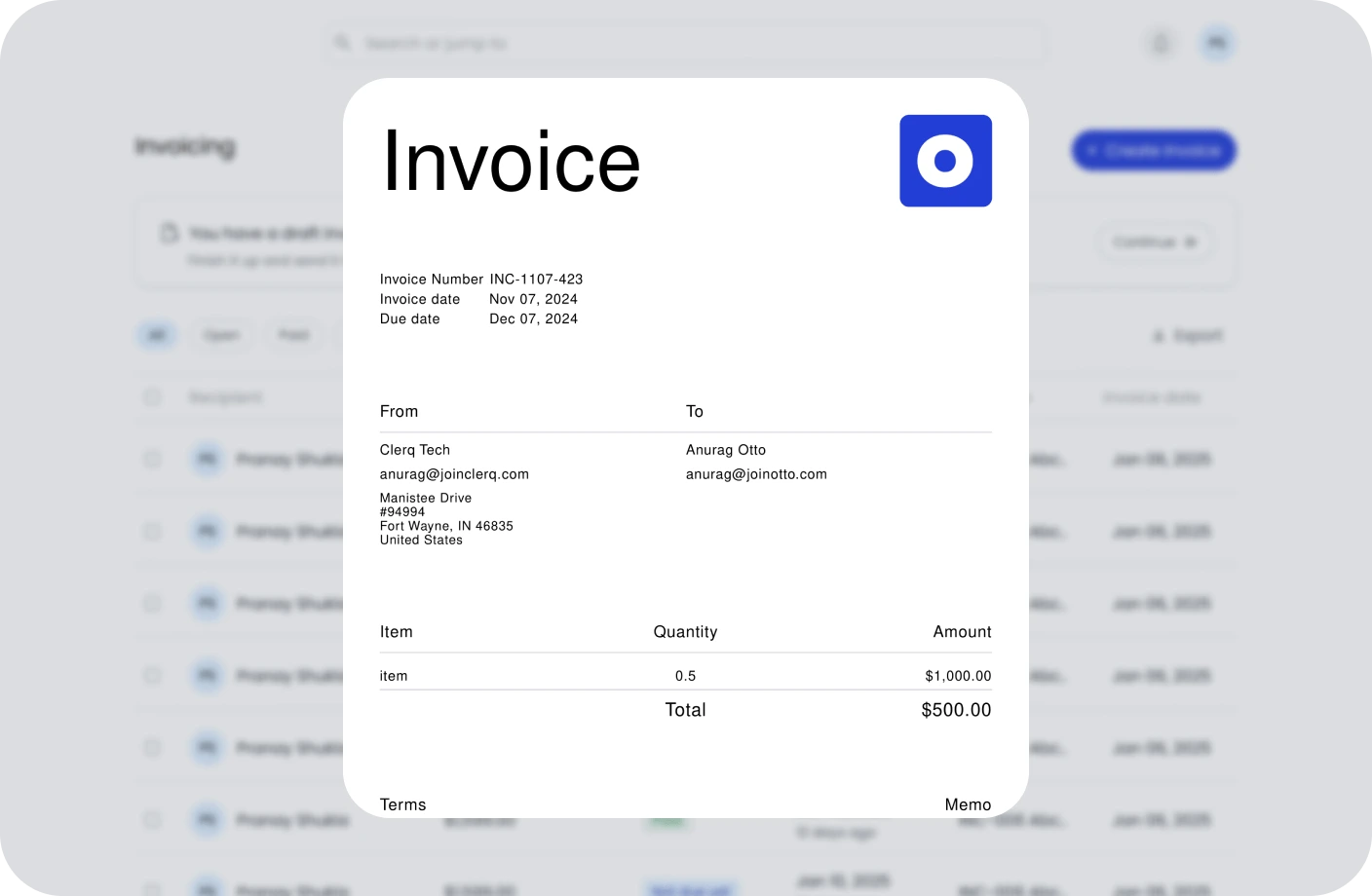
Create, send, and manage invoices. Track payments and assure timely cash flow.
Contracts
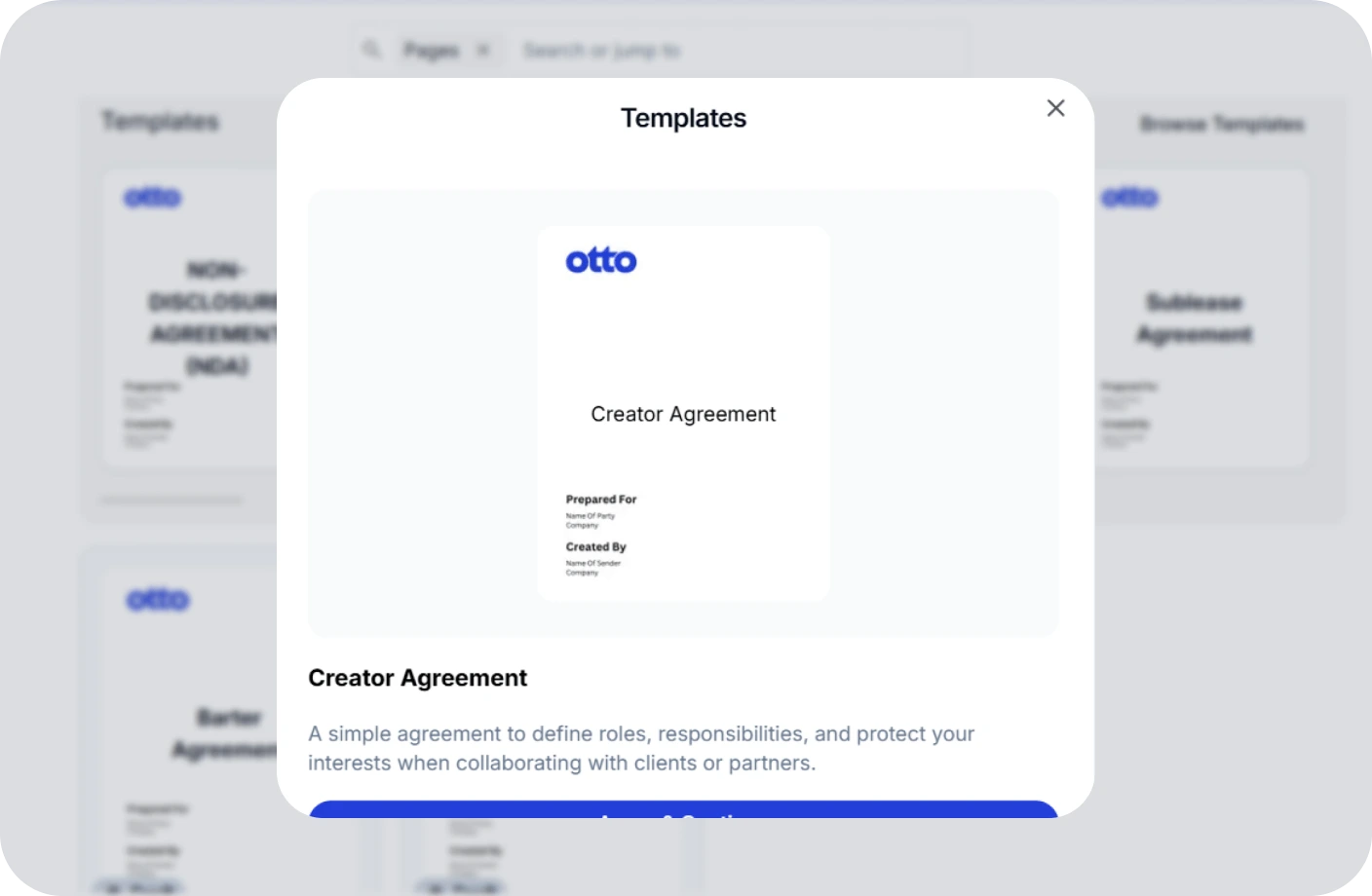
Create, track, and e-sign contracts to ensure compliance and deadlines.
Taxes
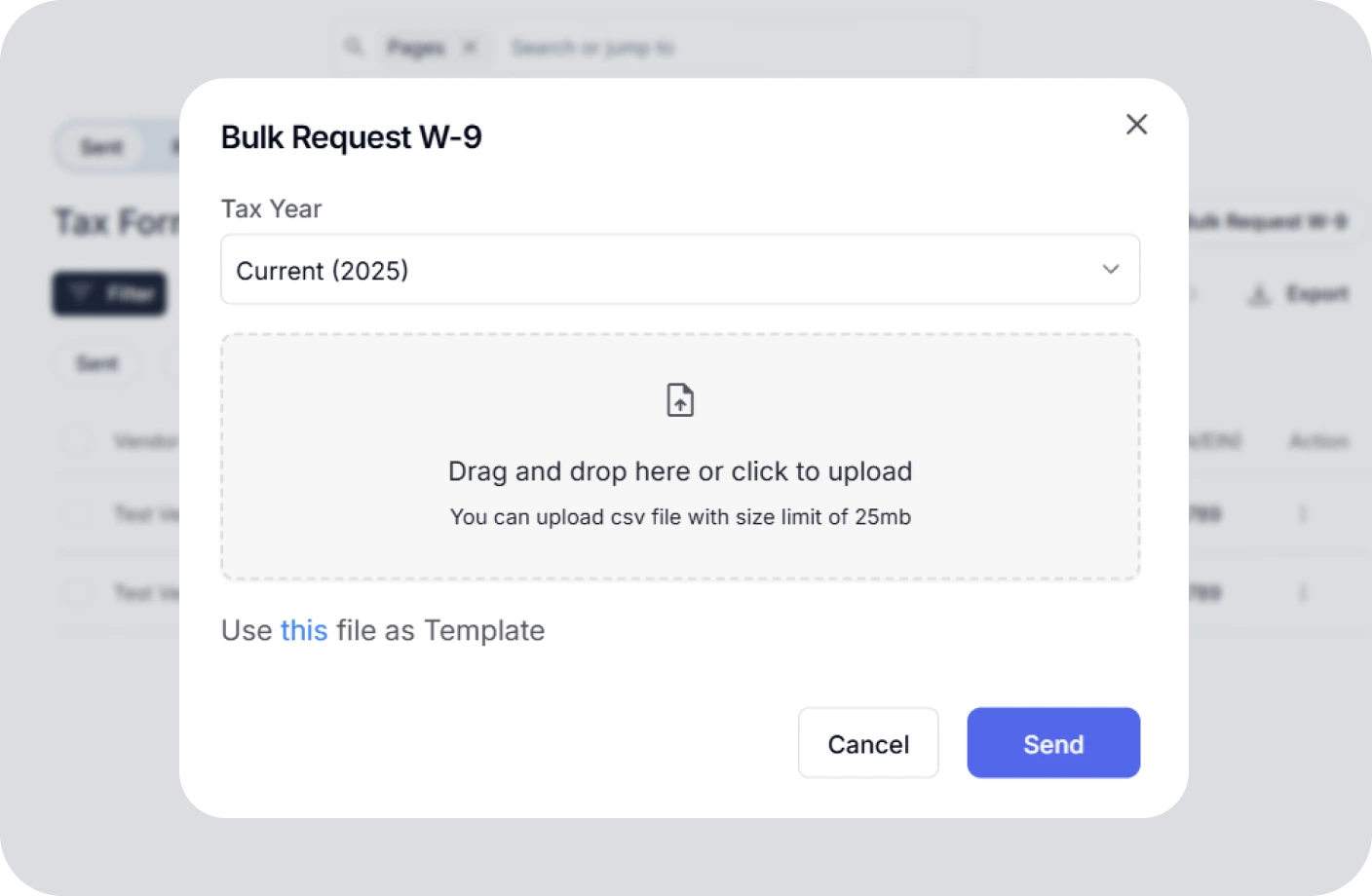
Confidently plan taxes with expert CPAs and smart tools to track deductions.
Reports
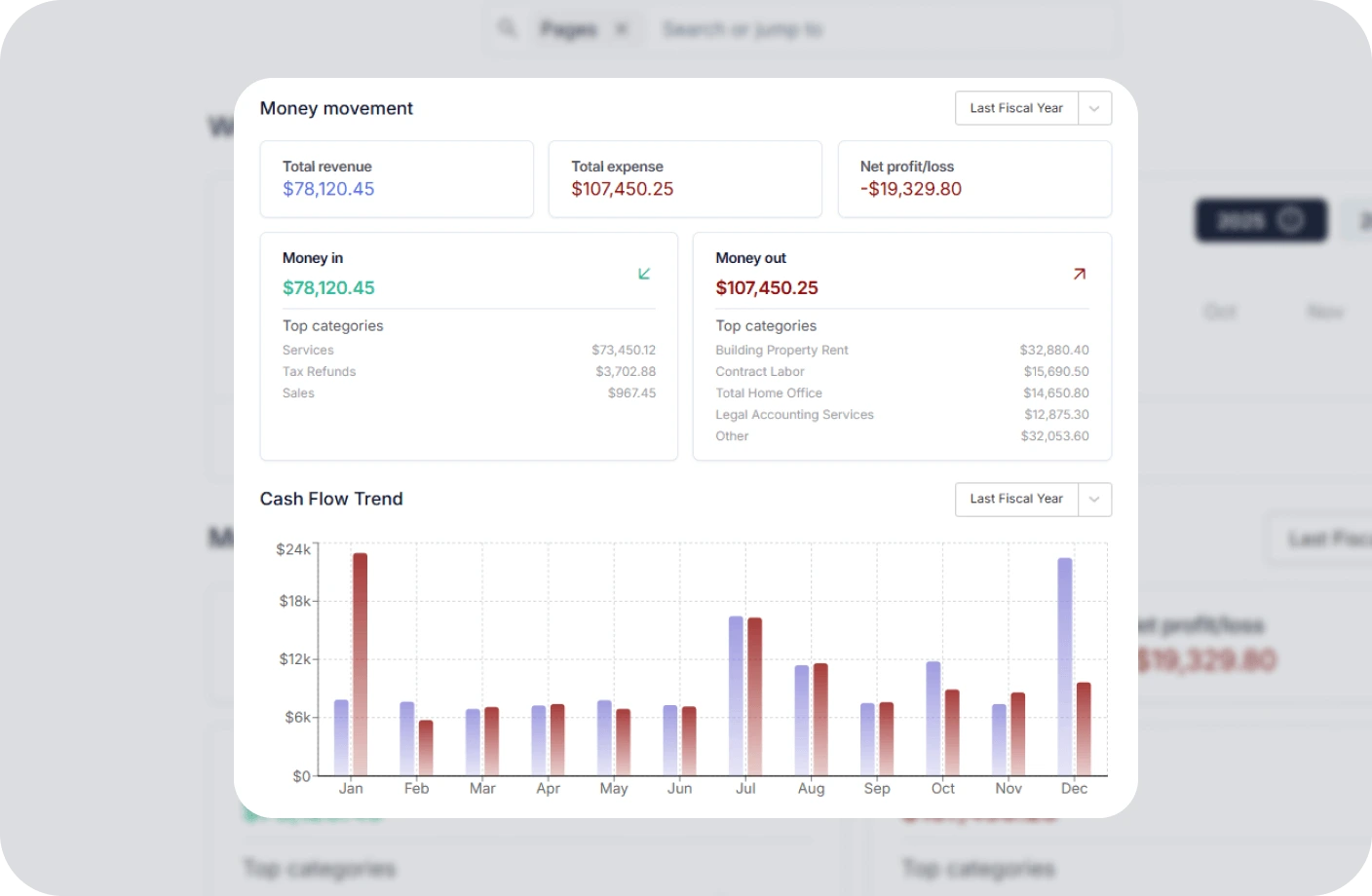
Real time business reports show where you stand today and what to do next.
Accounting
All in one accounting software for creators to handle your books, taxes, invoices, contracts.

Creator Tools
Specialized tools and resources for every type of creator
YouTubers Tools
Optimize your YouTube channel with analytics, thumbnail generators, and growth tools.
TikTokers Tools
Create viral TikTok content with trend analysis, caption generators, and editing tools.
Content Creators Tools
Comprehensive toolkit for content creation, scheduling, and audience engagement.
Video Creators Tools
Professional video editing, compression, and optimization tools for creators.
Influencers Tools
Manage brand partnerships, track engagement, and maximize your influencer income.
Photographers Tools
Photo editing, watermarking, and portfolio management tools for photographers.
Related Accounting Resources
Essential tax forms and compliance guides for your accounting practice
What Is Cash Pooling? How It Works, Key Types, and Examples
Learn how cash pooling optimizes liquidity across multiple accounts and business entities.
What Is an Amortization Expense? Definition, Formula & Examples
Understand how to calculate and record amortization expenses for intangible assets accurately and efficiently.
Debits vs Credits in Accounting: A Beginner's Guide
Master the fundamental accounting principle of double-entry bookkeeping with clear examples.
Cost of Sales FAQs
Quick answers to common questions about cost of sales
What is the cost of sales formula?
Cost of Sales = Beginning Inventory + Purchases - Ending Inventory. This calculates the direct costs of goods sold during a period.
What costs are included in cost of sales?
Direct materials, direct labor, and manufacturing overhead costs directly tied to producing goods.
How is cost of sales different from operating expenses?
Cost of sales includes costs directly tied to production, while operating expenses are indirect costs like rent, marketing, and administration.
Why is cost of sales important?
It determines gross profit, helps with pricing decisions, and is essential for accurate financial reporting and tax compliance.
How do you calculate gross profit from cost of sales?
Gross Profit = Revenue - Cost of Sales. This shows how efficiently a company produces its goods.
What is the difference between cost of sales and COGS?
They are essentially the same thing. Cost of Sales is also called Cost of Goods Sold (COGS).
Can cost of sales be negative?
No, cost of sales represents actual costs incurred and should always be a positive amount.
How does cost of sales affect taxes?
Cost of sales is a deductible expense that reduces taxable income, so accurate calculation can lower your tax bill.
Take Control of Your Cost of Sales
Calculate and track your cost of sales accurately with Otto's AI-powered accounting platform built for creators and small businesses.