FF&E : Definition & Overview
Learn what FF&E (Furniture, Fixtures, and Equipment) means, why it matters for your business, and how to account for it properly.
KEY TAKEAWAYS
-
✓
FF&E stands for Furniture, Fixtures, and Equipment — tangible assets businesses use to operate but are not part of the building itself.
-
✓
Proper FF&E accounting helps with asset management, depreciation tracking, and maximizing tax deductions.
-
✓
FF&E items are depreciated over their useful lives and removed from your books when sold or discarded.
Have you ever wondered what FF&E actually means in accounting? Furniture, Fixtures, and Equipment (FF&E) are tangible assets that businesses use in their daily operations. They represent significant investments that need proper tracking and management.
Understanding FF&E is crucial for accurate financial reporting, tax planning, and asset management. Whether you are a small business owner, a freelancer, or a creative professional, knowing how to handle FF&E can save you money and keep your books in order.
This guide walks you through everything you need to know about FF&E in simple terms, so you can manage your business assets with confidence.
What Is FF&E?
FF&E stands for Furniture, Fixtures, and Equipment. It refers to the tangible assets that a business uses to operate but are not part of the building itself. This can include items like desks, chairs, computers, and specialized equipment.
These assets are not permanently attached to the building, which distinguishes them from real property. FF&E items are movable and can be taken from one location to another. Common examples include office furniture, lighting fixtures, shelving, computer hardware, machinery, and vehicles used for business purposes.
In accounting terms, FF&E is classified as a fixed asset on the balance sheet and is subject to depreciation over its useful life.
Why Is FF&E Important for Businesses?
Understanding FF&E is crucial for businesses, especially for creators and small business owners. Here is why:
-
•
Asset Management — FF&E represents significant investments. Knowing what you have helps manage your assets better.
-
•
Depreciation — FF&E items can lose value over time. Knowing how to account for this helps in financial planning.
-
•
Tax Benefits — Some expenses related to FF&E can be tax-deductible, providing savings for your business.
How Do You Account for FF&E?
When accounting for FF&E, consider the following steps:
-
•
Initial Cost — Record the purchase price of the item, including any shipping, installation, or setup costs.
-
•
Depreciation — Allocate the cost over the useful life of the item. For example, if a desk costs $1,000 and has a useful life of 10 years, you would record $100 depreciation each year.
-
•
Disposal — Remove the item from your books when you sell, trade in, or discard it, recognizing any gain or loss on disposal.
By following these steps, you ensure your financial statements accurately reflect the value of your business assets.
How FF&E Applies to Your Business
When will you actually use this?
FF&E isn't just a concept for large corporations. It impacts everyday business decisions and can mean the difference between success and failure. Here is when you will use these principles:
Office Setup Planning
Budget and track all furniture, fixtures, and equipment needed to set up a workspace or studio.
Tax Deductions
Leverage Section 179 and depreciation deductions on qualifying FF&E purchases to lower your tax bill.
Asset Tracking
Maintain a fixed asset register to know what you own, where it is, and what it is worth at all times.
Budgeting for Equipment
Plan future equipment purchases based on depreciation schedules and expected replacement cycles.
Insurance Valuation
Accurate FF&E records ensure your business assets are properly insured against loss or damage.
Business Sale Prep
Well-organized FF&E records add credibility and value when preparing your business for sale.
Recommended Reading
Expand your knowledge with these related topics
Current Assets
Learn about current assets and how they impact your business liquidity and short-term financial health.
PPE
Learn about Property, Plant, and Equipment assets and their accounting treatment for your business.
Debit
Understanding debits in accounting and how they affect your financial records.
Assurance
Understanding assurance services and their role in financial reporting credibility.
FF&E
Furniture, Fixtures, and Equipment accounting for business asset management and tracking.
Point of Sale (POS)
How POS systems integrate with accounting for accurate sales tracking.
Real Accounting Questions From the Community
Explore Reddit-backed Otto accounting guides based on real conversations about CPAs, accountants, invoices, reconciliation, ledgers, P&L, and cash flow systems.
One Platform: From Entity Setup to Closing Reports
Comprehensive financial solutions for your business needs.
Entity Management
Easily manage legal entities, compliance, and ownership in one platform.
Invoicing
Create, send, and manage invoices. Track payments and assure timely cash flow.
Contracts
Create, track, and e-sign contracts to ensure compliance and deadlines.
Taxes
Confidently plan taxes with expert CPAs and smart tools to track deductions.
Reports
Real time business reports show where you stand today and what to do next.
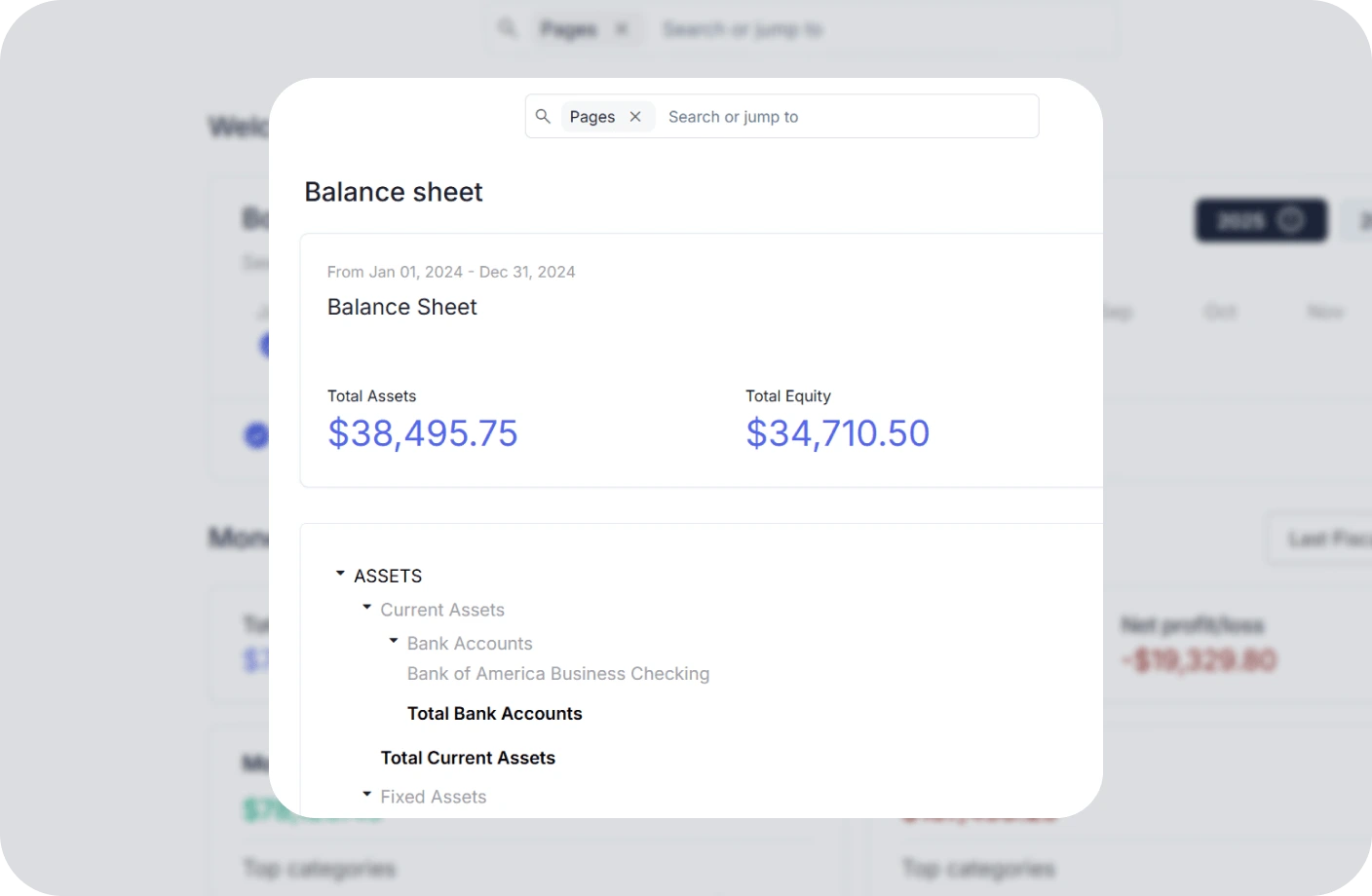
Accounting
All in one accounting software for creators to handle your books, taxes, invoices, contracts.
Creator Tools
Specialized tools and resources for every type of creator
YouTubers Tools
Optimize your YouTube channel with analytics, thumbnail generators, and growth tools.
TikTokers Tools
Create viral TikTok content with trend analysis, caption generators, and editing tools.
Content Creators Tools
Comprehensive toolkit for content creation, scheduling, and audience engagement.
Video Creators Tools
Professional video editing, compression, and optimization tools for creators.
Influencers Tools
Manage brand partnerships, track engagement, and maximize your influencer income.
Photographers Tools
Photo editing, watermarking, and portfolio management tools for photographers.
Related Resources
Dive deeper with additional guides, tools, and insights for accounting resource management.
Bookkeeping Guide
Master the fundamentals of bookkeeping with our comprehensive step-by-step guide.
Assets Accounting
Learn how to properly classify, record, and manage business assets in your books.
Depreciation Guide
Understand depreciation methods and how to calculate asset value reduction over time.
Frequently Asked Questions About FF&E
Everything you need to know about FF&E in accounting.
What does FF&E stand for?
FF&E stands for Furniture, Fixtures, and Equipment. It refers to movable assets that businesses use in their operations but are not permanently attached to the building structure.
Is FF&E a fixed asset?
Yes, FF&E is typically classified as a fixed asset on the balance sheet. It is capitalized and depreciated over its useful life rather than expensed immediately.
How is FF&E different from PPE?
PPE (Property, Plant, and Equipment) is a broader category that includes land, buildings, and heavy machinery. FF&E is a subset of PPE focusing on movable items like desks, chairs, computers, and light fixtures.
Do you depreciate FF&E?
Yes, FF&E assets are depreciated over their estimated useful lives. The most common method is straight-line depreciation, but accelerated methods may also apply depending on the asset type and tax considerations.
What is the useful life of FF&E?
The useful life varies by asset type. Furniture typically lasts 5–10 years, office equipment 3–7 years, and computer equipment 3–5 years. Always consult IRS guidelines and your CPA for specific classifications.
Can FF&E be expensed under Section 179?
Yes, many FF&E purchases qualify for Section 179 deduction, allowing businesses to deduct the full purchase price in the year of acquisition rather than depreciating over time. This can provide significant tax savings for qualifying small businesses.
How do you record FF&E in accounting?
FF&E is recorded as a debit to the FF&E fixed asset account and a credit to cash or accounts payable. Each year, depreciation is recorded as a debit to depreciation expense and a credit to accumulated depreciation.
What are examples of FF&E?
Common examples include desks, chairs, filing cabinets, computers, printers, lighting fixtures, shelving, cubicle systems, conference room tables, break room appliances, and decorative items. Essentially any movable item used in business operations.