Junior Accountant: Definition & Role Overview
Learn what a Junior Accountant does, the key responsibilities, required skills, and how this entry-level role supports business financial operations.
KEY TAKEAWAYS
-
✓
A Junior Accountant is an entry-level role that supports financial record keeping and reporting.
-
✓
Key responsibilities include maintaining financial records, assisting with accounts payable/receivable, and reconciliation.
-
✓
Junior Accountants can advance to Staff Accountant, Senior Accountant, and Accounting Manager roles with experience.
A Junior Accountant is an entry-level position within the accounting field. This role is essential for helping businesses manage their financial records. Junior Accountants assist in various accounting tasks and learn the ropes of the profession.
What are the primary responsibilities of a Junior Accountant?
Junior Accountants typically handle several key responsibilities that may include:
-
•
Maintaining financial records: This includes entering transactions into accounting software and ensuring all records are accurate.
-
•
Assisting with accounts payable and receivable: Junior Accountants help track what the company owes and what is owed to the company.
-
•
Preparing financial statements: They may assist in preparing documents like the balance sheet and income statement.
-
•
Reconciliation: Junior Accountants often reconcile bank statements with financial records to ensure accuracy.
What skills are important for a Junior Accountant?
To be successful in this role, a Junior Accountant should have:
-
•
Attention to detail: Accuracy is crucial in accounting to avoid costly errors.
-
•
Basic math skills: Understanding numbers and calculations is essential.
-
•
Familiarity with accounting software: Knowing how to use tools like QuickBooks or Excel is beneficial.
-
•
Communication skills: They need to explain financial information clearly to colleagues and clients.
How does a Junior Accountant fit into a business?
In a small business setting, a Junior Accountant is vital to keeping financial operations running smoothly. They support senior accountants and help ensure that the company complies with financial regulations. For creative businesses, such as a photography studio or a handmade goods shop, a Junior Accountant can help track income from sales, manage expenses, and plan for future financial needs.
What is the career path for a Junior Accountant?
Starting as a Junior Accountant can lead to various career opportunities. With experience, they can advance to positions like:
-
•
Staff Accountant: More responsibilities and higher-level tasks.
-
•
Senior Accountant: Overseeing junior staff and managing complex financial statements.
-
•
Accounting Manager: Leading the accounting team and strategy for the company.
Overall, the role of a Junior Accountant is a stepping stone to a successful career in accounting, where they can grow their skills and advance within the field.
How It Applies to Your Business
When will you actually use this?
A Junior Accountant isn't just for large corporations. This entry-level role can make a significant impact on everyday business operations and financial management. Here's how Junior Accountants help businesses thrive:
Daily Bookkeeping
Record transactions, manage ledgers, and keep financial data organized and up-to-date for accurate reporting.
Invoice Management
Track incoming and outgoing payments, follow up on overdue invoices, and maintain cash flow stability.
Expense Tracking
Monitor and categorize business expenses to help identify cost-saving opportunities and prepare for tax season.
Bank Reconciliation
Match bank statements with internal records to catch discrepancies early and prevent financial errors.
Financial Reporting Support
Assist in preparing income statements, balance sheets, and other reports that inform business decisions.
Audit Preparation
Organize financial documents and records to ensure smooth internal and external audit processes.
Recommended Reading
Expand your knowledge with these related topics
Current Assets
Learn about current assets and how they impact your business liquidity and short-term financial health.
PPE
Learn about Property, Plant, and Equipment assets and their accounting treatment for your business.
Debit
Understanding debits in accounting and how they affect your financial records.
Assurance
Understanding assurance services and their role in financial reporting credibility.
FF&E
Furniture, Fixtures, and Equipment accounting for business asset management and tracking.
Point of Sale (POS)
How POS systems integrate with accounting for accurate sales tracking.
Real Accounting Questions From the Community
Explore Reddit-backed Otto accounting guides based on real conversations about CPAs, accountants, invoices, reconciliation, ledgers, P&L, and cash flow systems.
One Platform: From Entity Setup to Closing Reports
Comprehensive financial solutions for your business needs.
Entity Management
Easily manage legal entities, compliance, and ownership in one platform.
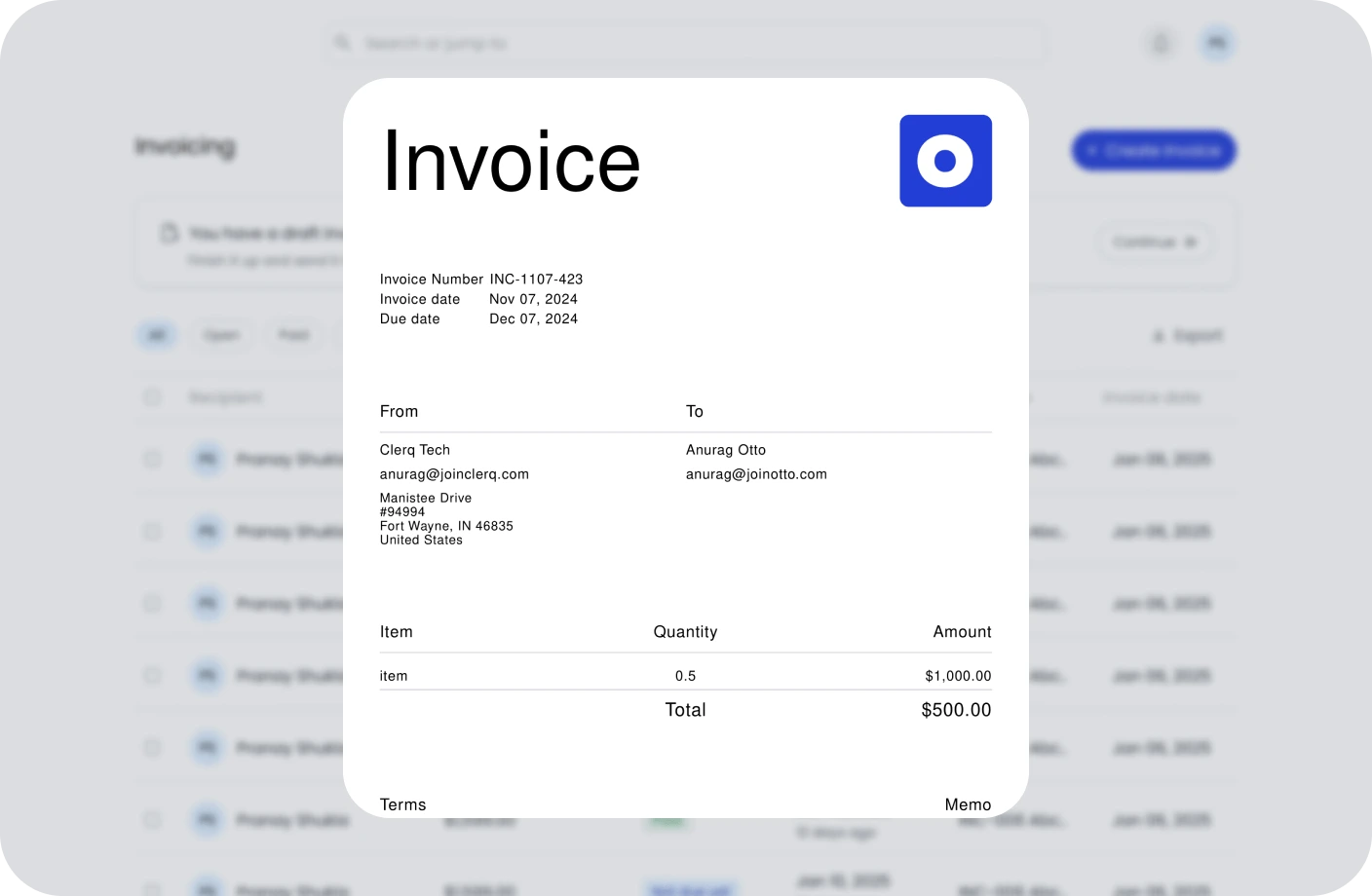
Invoicing
Create, send, and manage invoices. Track payments and assure timely cash flow.
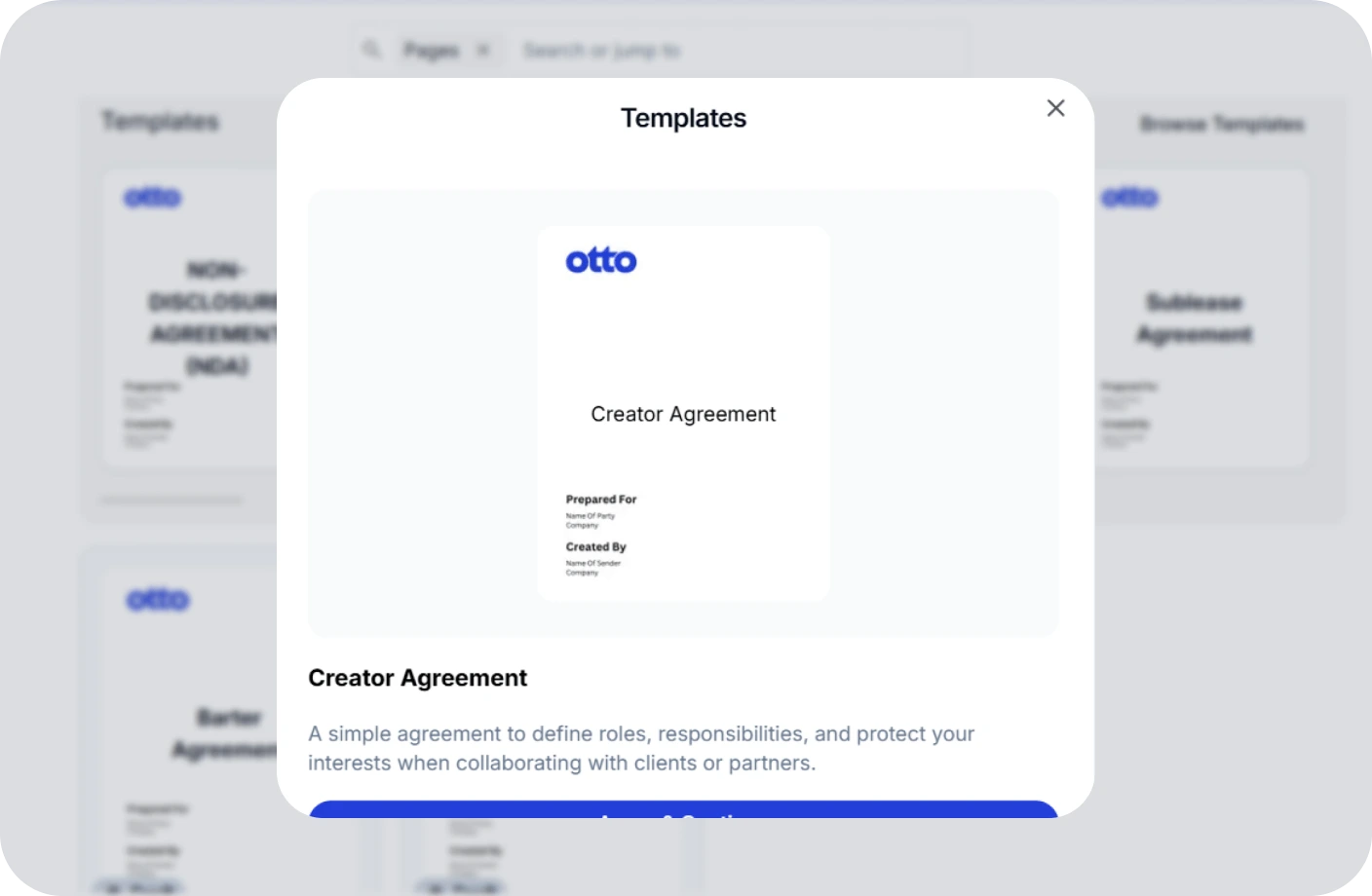
Contracts
Create, track, and e-sign contracts to ensure compliance and deadlines.
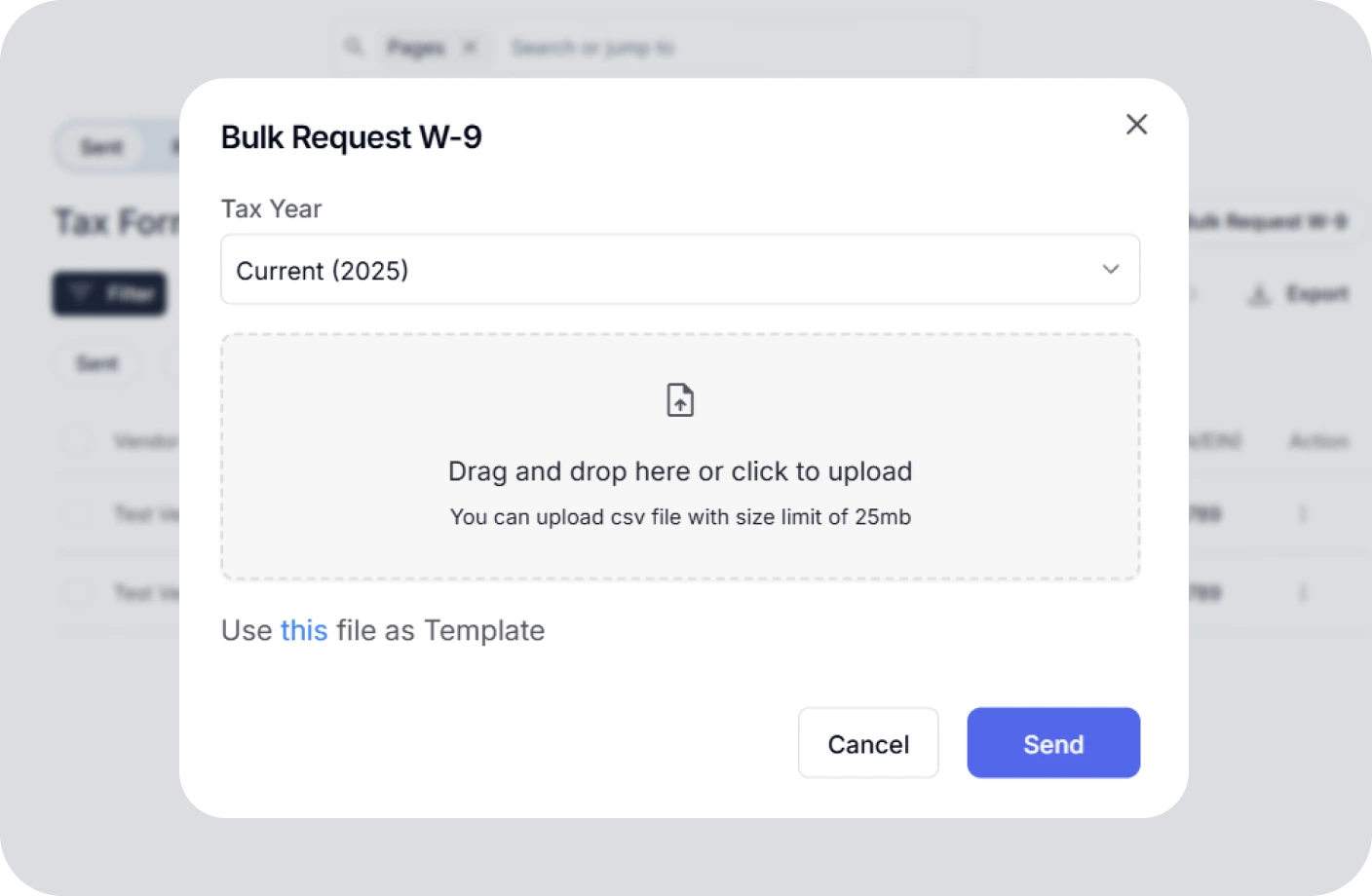
Taxes
Confidently plan taxes with expert CPAs and smart tools to track deductions.
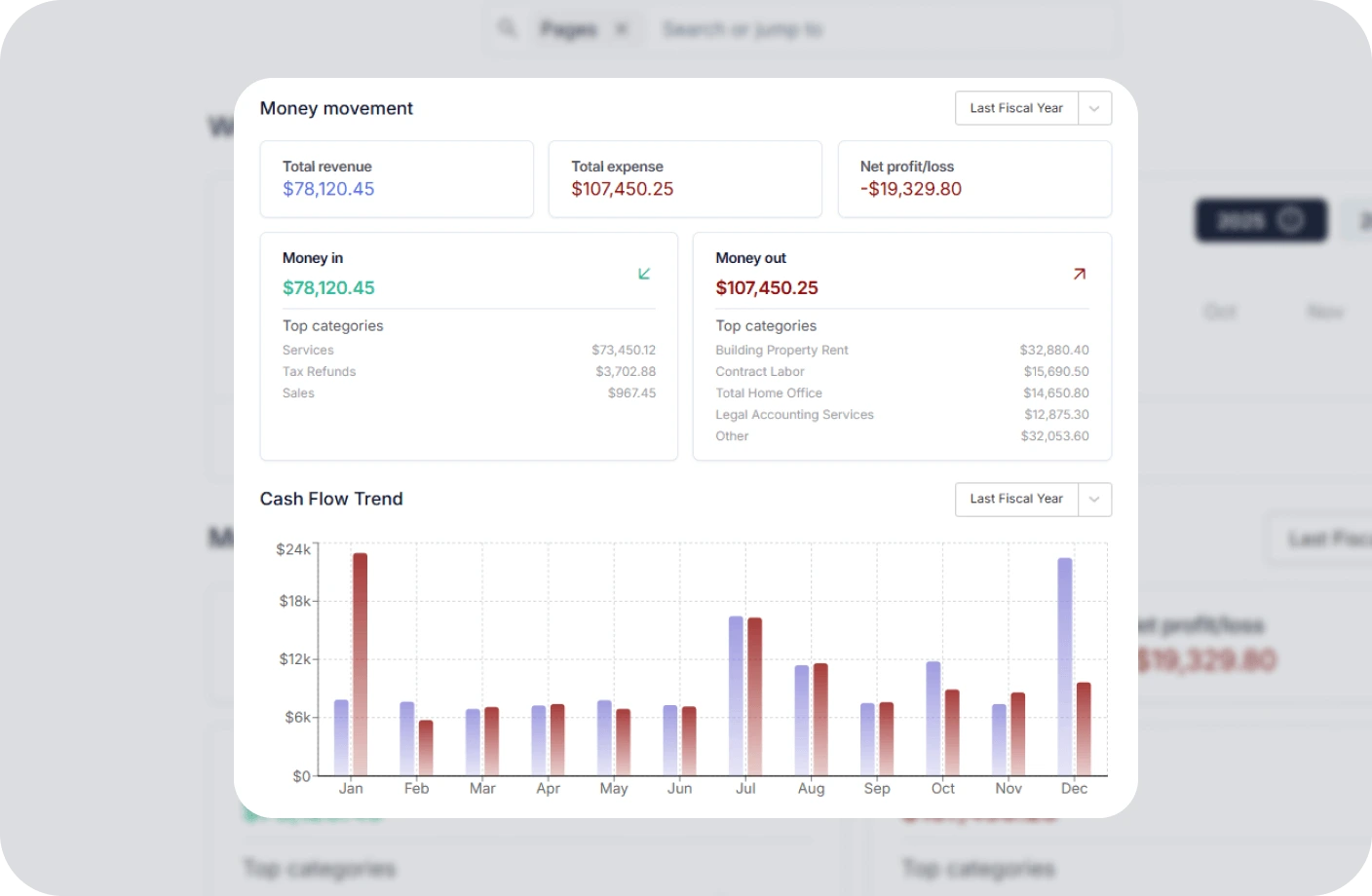
Reports
Real time business reports show where you stand today and what to do next.
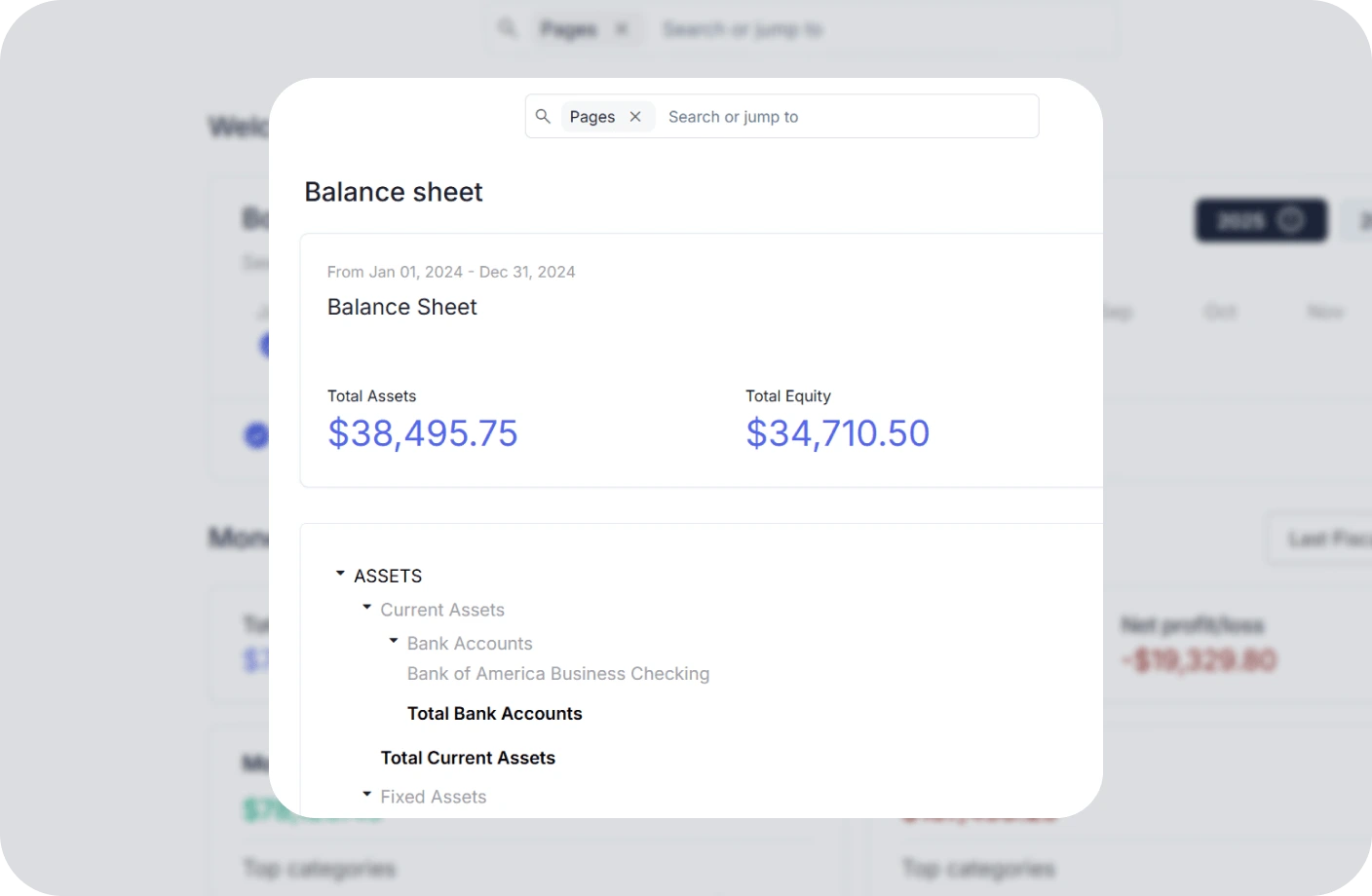
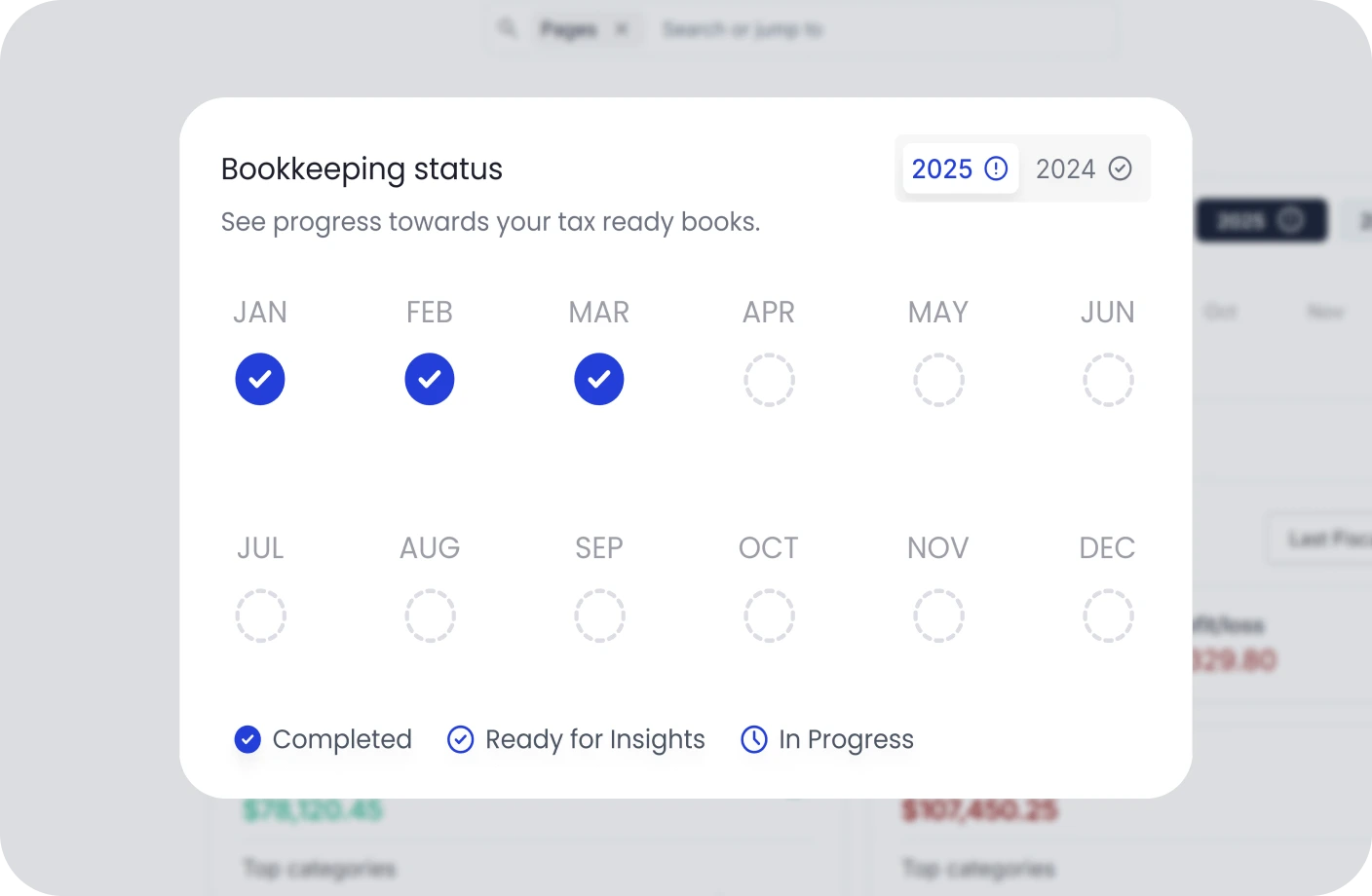
Accounting
All in one accounting software for creators to handle your books, taxes, invoices, contracts.
Creator Tools
Specialized tools and resources for every type of creator
YouTubers Tools
Optimize your YouTube channel with analytics, thumbnail generators, and growth tools.
TikTokers Tools
Create viral TikTok content with trend analysis, caption generators, and editing tools.
Content Creators Tools
Comprehensive toolkit for content creation, scheduling, and audience engagement.
Video Creators Tools
Professional video editing, compression, and optimization tools for creators.
Influencers Tools
Manage brand partnerships, track engagement, and maximize your influencer income.
Photographers Tools
Photo editing, watermarking, and portfolio management tools for photographers.
Related Accounting Resources
Essential tax forms and compliance guides for your accounting practice
What Is Cash Pooling? How It Works, Key Types, and Examples
Learn how cash pooling optimizes liquidity across multiple accounts and business entities.
What Is an Amortization Expense? Definition, Formula & Examples
Understand how to calculate and record amortization expenses for intangible assets accurately and efficiently.
Debits vs Credits in Accounting: A Beginner's Guide
Master the fundamental accounting principle of double-entry bookkeeping with clear examples.
Junior Accountant FAQs
Quick answers to common questions about the Junior Accountant role
What is a Junior Accountant?
A Junior Accountant is an entry-level position in accounting responsible for maintaining financial records, assisting with accounts payable and receivable, preparing financial statements, and reconciling bank statements under the supervision of senior accountants.
What skills do you need to be a Junior Accountant?
Key skills include attention to detail, basic math proficiency, familiarity with accounting software like QuickBooks and Excel, strong communication skills, and the ability to learn accounting principles and procedures quickly.
What is the career path for a Junior Accountant?
Junior Accountants can advance to Staff Accountant, then Senior Accountant, and eventually Accounting Manager or Controller roles with experience and additional certifications.
How does a Junior Accountant support a small business?
Junior Accountants help small businesses maintain accurate financial records, track income and expenses, prepare tax documentation, and ensure compliance with financial regulations at an affordable cost.
What is the average salary of a Junior Accountant?
Junior Accountant salaries vary by location and company size, but entry-level accounting positions typically offer competitive compensation with opportunities for growth as skills and experience develop.
Do Junior Accountants need a degree?
Most Junior Accountant positions require a bachelor's degree in accounting, finance, or a related field, though some employers may accept candidates with an associate degree or relevant coursework combined with strong analytical skills.
Manage Your Finances Without the Confusion
Apply accounting principles effortlessly with Otto's AI-powered bookkeeping. Track expenses, generate reports, and make smarter business decisions.