Marketable Securities Explained
Learn what marketable securities are, how they work, and why they matter for liquidity, investment growth, and financial strategy.
KEY TAKEAWAYS
-
✓
Marketable securities are liquid financial instruments like stocks, bonds, and ETFs that can be easily bought or sold on public exchanges.
-
✓
They provide businesses with both investment growth opportunities and quick access to cash when needed.
-
✓
Understanding marketable securities helps you build a diversified portfolio and manage short-term cash needs.
Have you ever wondered what marketable securities are and how they can benefit your financial strategy? Marketable securities play a vital role in both personal investing and corporate finance. They offer a way to earn returns while keeping your money accessible.
Marketable securities exist to provide liquidity and investment growth. But what types are available? How do they actually work? And what risks should you be aware of before investing?
This guide walks you through everything you need to know about marketable securities in a simple, straightforward way.
What are Marketable Securities?
Marketable securities are financial instruments that can be easily bought or sold on public exchanges. They include stocks, bonds, and ETFs. Their key feature is liquidity — the ability to convert them into cash quickly without significant loss of value.
Businesses and investors use marketable securities to manage short-term cash needs while earning returns. Unlike long-term investments, these securities are typically held for shorter periods and can be sold whenever cash is required.
Common examples include Treasury bills, commercial paper, money market instruments, and publicly traded stocks and bonds. They are recorded as current assets on a company's balance sheet because of their short-term nature and high liquidity.
Why are Marketable Securities Important?
Marketable securities offer three key benefits: liquidity, investment growth, and portfolio diversification. Businesses can invest excess cash while maintaining the ability to access funds quickly when needed.
For investors, they provide an opportunity to earn returns through dividends, interest payments, and capital appreciation. Because they trade on public exchanges, their prices are transparent and transaction costs are generally low.
Diversification is another major advantage. By holding different types of marketable securities across various sectors and asset classes, you can spread risk and reduce the impact of any single investment performing poorly.
How do Marketable Securities Work?
Stocks represent ownership in a company. When you buy a stock, you become a shareholder and may receive dividends and benefit from capital appreciation if the company's value increases. Stocks are traded on exchanges like NYSE and NASDAQ.
Bonds represent lending to an entity — either a government or a corporation. When you buy a bond, you are essentially loaning money in exchange for regular interest payments and the return of the bond's face value at maturity. Bonds are generally considered lower risk than stocks.
ETFs (Exchange-Traded Funds) bundle multiple securities — such as stocks, bonds, or commodities — into a single fund that trades like a stock. They offer instant diversification and are popular among investors who want broad market exposure without buying each security individually.
What are the Risks of Investing in Marketable Securities?
Market risk involves price fluctuations due to changing economic conditions, interest rates, or market sentiment. Even highly liquid securities can lose value in a downturn. Understanding market cycles is essential for managing this risk.
Credit risk is the possibility that the issuer of a bond or other debt security may default on their obligations. Government securities typically carry lower credit risk than corporate bonds, but they also offer lower yields.
Liquidity risk, while generally low for marketable securities, can arise during periods of market stress when selling large positions may be difficult. Diversification across different types of securities can help mitigate this concern.
Can Marketable Securities Be Part of a Small Business Strategy?
Yes. Businesses can invest excess cash in marketable securities to earn returns while maintaining a portfolio for short-term liquidity needs. This approach helps companies put idle cash to work without sacrificing access to funds.
Many small businesses use money market funds or short-term Treasury securities to earn modest returns on their cash reserves. These investments can be liquidated quickly if the business needs to cover unexpected expenses or take advantage of growth opportunities.
Working with a financial advisor or using automated investment platforms can help small business owners build a marketable securities portfolio that aligns with their cash flow needs and risk tolerance.
How It Applies to Your Financial Strategy
Who benefits most from marketable securities?
Marketable securities aren't just for Wall Street traders. They offer practical benefits for anyone looking to manage cash flow, earn returns, and build financial flexibility. Here's how different groups can use them:
For Content Creators
Invest your fluctuating income in marketable securities to earn returns between projects while keeping funds accessible.
For Small Business Owners
Use marketable securities as a cash management tool to earn yields on excess cash reserves.
For Freelancers
Build a diversified portfolio of stocks and bonds to grow savings while maintaining the ability to liquidate quickly.
Recommended Reading
Expand your knowledge with these related topics
Current Assets
Learn about current assets and how they impact your business liquidity and short-term financial health.
PPE
Learn about Property, Plant, and Equipment assets and their accounting treatment for your business.
Debit
Understanding debits in accounting and how they affect your financial records.
Assurance
Understanding assurance services and their role in financial reporting credibility.
FF&E
Furniture, Fixtures, and Equipment accounting for business asset management and tracking.
Point of Sale (POS)
How POS systems integrate with accounting for accurate sales tracking.
Real Accounting Questions From the Community
Explore Reddit-backed Otto accounting guides based on real conversations about CPAs, accountants, invoices, reconciliation, ledgers, P&L, and cash flow systems.
One Platform: From Entity Setup to Closing Reports
Comprehensive financial solutions for your business needs.
Entity Management
Easily manage legal entities, compliance, and ownership in one platform.
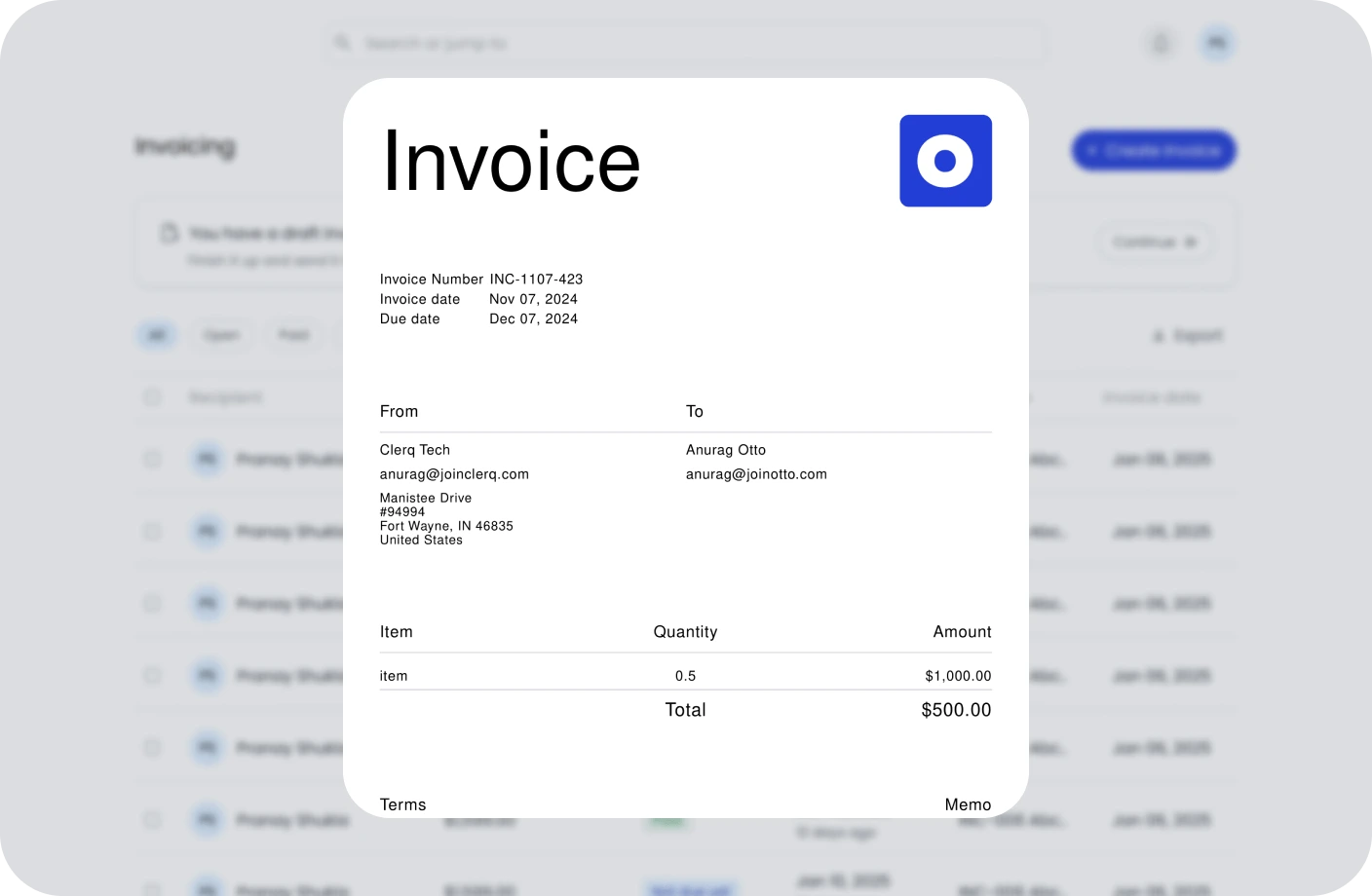
Invoicing
Create, send, and manage invoices. Track payments and assure timely cash flow.
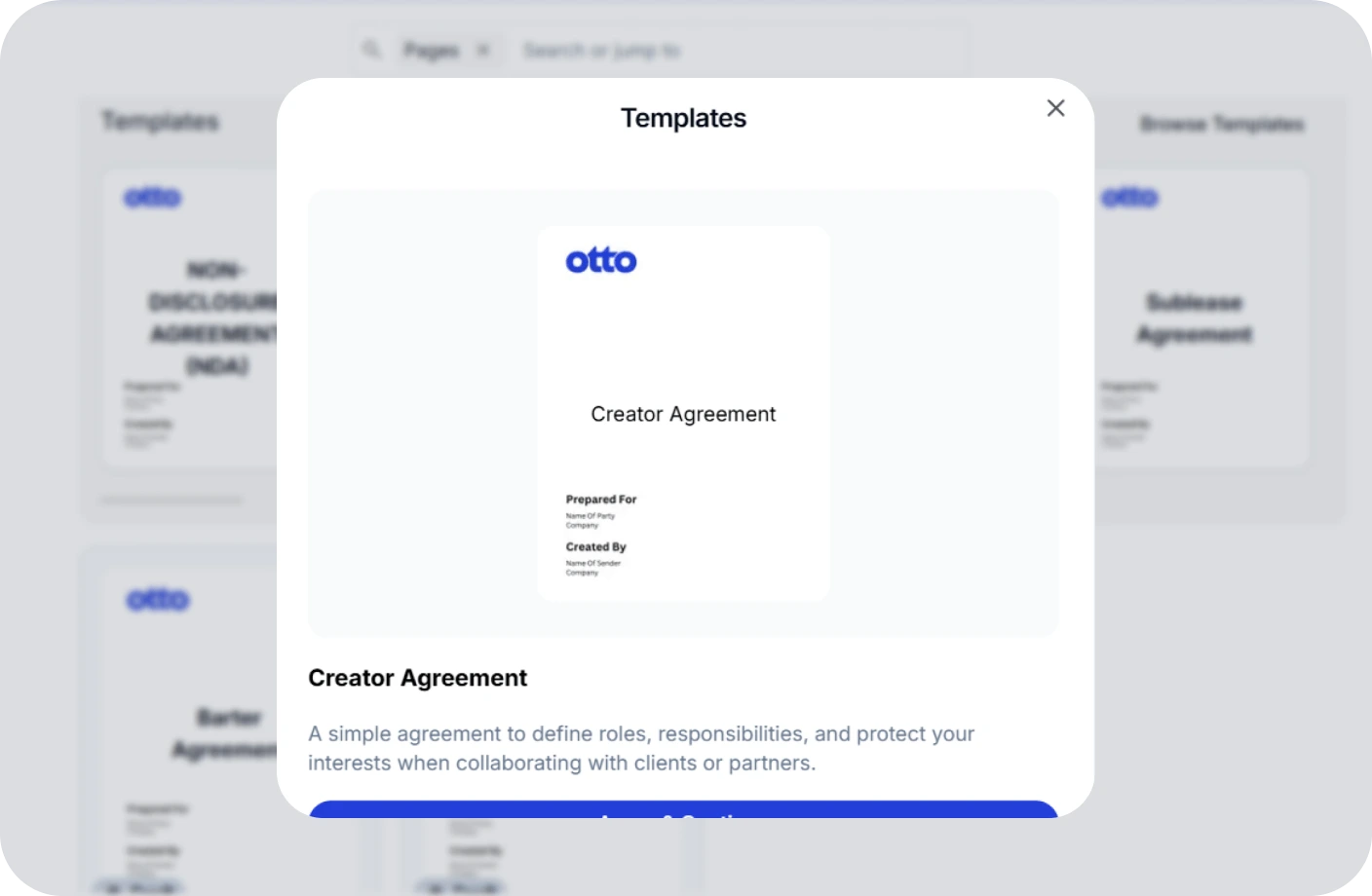
Contracts
Create, track, and e-sign contracts to ensure compliance and deadlines.
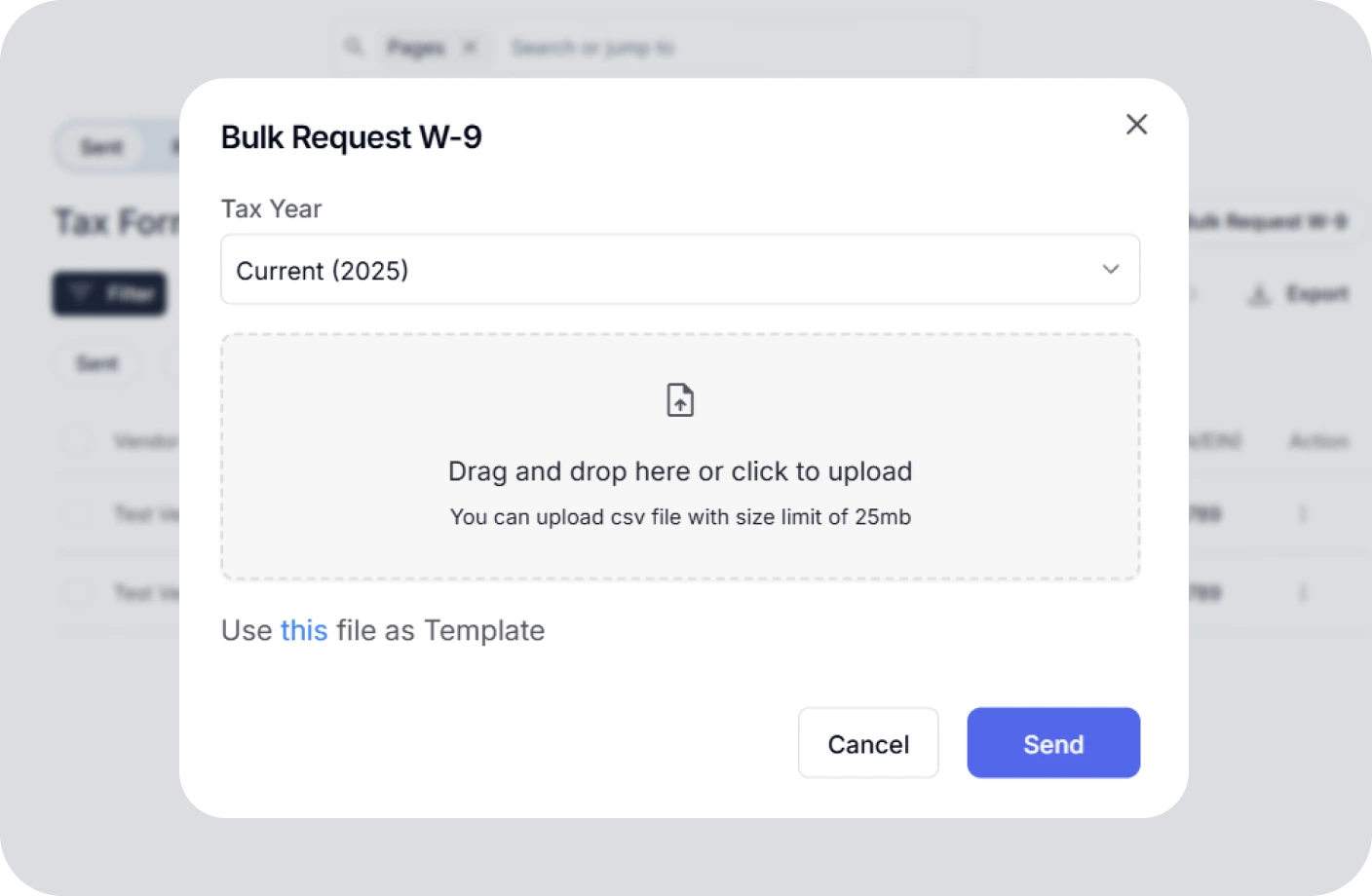
Taxes
Confidently plan taxes with expert CPAs and smart tools to track deductions.
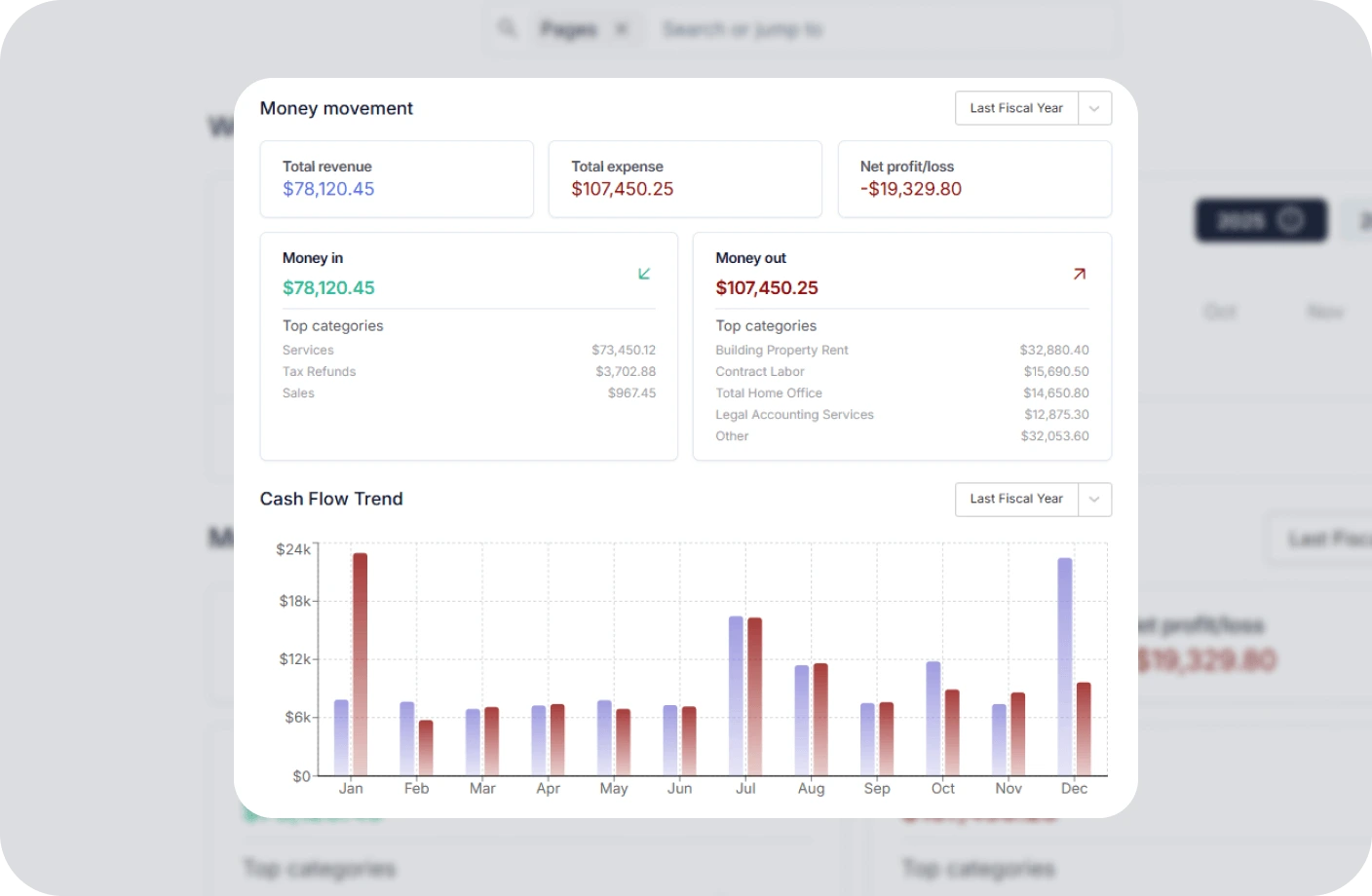
Reports
Real time business reports show where you stand today and what to do next.
Accounting
All in one accounting software for creators to handle your books, taxes, invoices, contracts.
Creator Tools
Specialized tools and resources for every type of creator
YouTubers Tools
Optimize your YouTube channel with analytics, thumbnail generators, and growth tools.
TikTokers Tools
Create viral TikTok content with trend analysis, caption generators, and editing tools.
Content Creators Tools
Comprehensive toolkit for content creation, scheduling, and audience engagement.
Video Creators Tools
Professional video editing, compression, and optimization tools for creators.
Influencers Tools
Manage brand partnerships, track engagement, and maximize your influencer income.
Photographers Tools
Photo editing, watermarking, and portfolio management tools for photographers.
Related Accounting Resources
Essential tax forms and compliance guides for your accounting practice
What Is Cash Pooling? How It Works, Key Types, and Examples
Learn how cash pooling optimizes liquidity across multiple accounts and business entities.
What Is an Amortization Expense? Definition, Formula & Examples
Understand how to calculate and record amortization expenses for intangible assets accurately and efficiently.
Debits vs Credits in Accounting: A Beginner's Guide
Master the fundamental accounting principle of double-entry bookkeeping with clear examples.
Marketable Securities FAQs
Quick answers to common questions about marketable securities
How can Marketable Securities boost income for content creators?
Provides reliable income through dividends and interest payments plus capital appreciation.
What benefits do Marketable Securities provide to investors?
Liquidity for short-term needs, capital growth potential, and portfolio diversification.
How do Marketable Securities help investors grow their portfolios?
Provides liquidity and diversification, helping manage risks while offering growth opportunities.
What advantages do Marketable Securities offer small business owners?
Ensures liquidity for short-term financial needs while generating income through stocks and bonds.
How can Marketable Securities enhance your financial strategy?
Enhances liquidity management, investment growth, diversification, and better cash flow management.
Manage Your Finances Without the Confusion
Understand marketable securities and build a smarter investment strategy with Otto's AI-powered financial tools. Track your portfolio, manage cash flow, and make data-driven decisions.