Tax Accounting
Learn what tax accounting means, why it matters for creators, and how to manage your taxes without the stress.
KEY TAKEAWAYS
-
✓
Accounting theory guides financial reporting and accounting processes.
-
✓
It involves methodologies, frameworks, and assumptions that get used in financial reporting.
-
✓
Accounting theory evolves and adapts to environmental changes and new trends.
What is Tax Accounting?
Tax accounting focuses on preparing, analyzing, and presenting taxes in a way that aligns with legal requirements. While financial accounting typically provides a broad picture of income, expenses, and assets, tax accounting is specifically concerned with meeting taxation obligations. For creative professionals, tax accounting helps organize earnings, separate business from personal expenses, and navigate the complexities of tax codes.
Tax Accounting Basics
Tax accounting basics for creative professionals include tracking income from various sources, noting allowable deductions, and understanding tax rates. A few core practices involve:
- Income Tracking: For podcasters and video editors, this might mean recording income from platforms like Patreon, YouTube, or other sponsorships. Musicians may need to track payments from multiple clients.
- Deductions and Credits: Understanding which expenses qualify as deductible is crucial. For instance, photographers can deduct equipment purchases, while other creative professionals may deduct home office expenses.
- Taxable Income Calculations: Taxable income differs from total income. creative professionals need to account for allowable deductions to determine the actual taxable amount. If a filmmaker earns $50,000 but spends $10,000 on production equipment, their taxable income may be reduced accordingly.
Types of Tax Accounting
Different types of tax accounting apply based on individual and business needs. For creative professionals, the primary types include:
- Individual Tax Accounting: This covers personal income tax. creative professionals working independently may file as sole proprietors, which impacts how their taxes are calculated.
- Business Tax Accounting: Some creative professionals, such as designers or musicians with significant revenue streams, may benefit from incorporating as a business. Business tax accounting offers a structure for handling business expenses, salaries, and potential tax advantages.
Knowing the types of tax accounting that apply to your work can make it easier to maintain accurate records and comply with tax obligations.
Tax Accounting Examples
Consider these tax accounting examples for different creative professional types:
- Podcaster: A podcaster earns $40,000 annually from various platforms and sponsorships. They spent $5,000 on recording equipment and marketing, which they can deduct, reducing taxable income to $35,000.
- Musician: A musician makes $60,000 from several clients. After deducting $3,000 in home office expenses, the taxable income becomes $57,000.
These tax accounting examples illustrate how deductions help reduce taxable income, allowing creative professionals to report accurately while maximizing legal benefits.
Financial Accounting vs. Tax Accounting
Financial accounting vs. tax accounting reflects different purposes. While financial accounting tracks overall financial health and prepares statements, tax accounting focuses on meeting tax regulations. For instance, a video editor might use financial accounting to monitor total income and expenses but rely on taxation accounting to calculate taxable income and deductions accurately.
For creative professionals managing diverse revenue streams, understanding financial accounting vs. tax accounting is essential. Financial accounting gives a broad view of finances, while tax accounting zeroes in on compliance, taxes, and financial reporting specifically for taxation purposes.
Taxation Accounting Tips for creative professionals
Creative professionals often have fluctuating income, making it essential to maintain a clear record of earnings and expenses for tax purposes. Here are some tips to make taxation accounting smoother:
- Regular Record-Keeping: Track income and expenses as they happen, reducing the burden of organizing at tax time.
- Understand Tax Deadlines: Many creative professionals have quarterly tax obligations, so staying mindful of deadlines helps avoid penalties.
- Seek Professional Guidance: A tax professional specializing in accounting taxation for creatives can offer insights on deductions, ensuring compliance while optimizing tax outcomes.
Final Thoughts on Tax Accounting for creative professionals
Navigating the specifics of taxation accounting can be challenging for creative professionals who handle varied income sources and fluctuating expenses. By following tax accounting basics and staying aware of deductions, you can organize finances in a way that supports your creative work while meeting tax requirements.
How It Applies to Your Business
When will you actually use this?
Tax accounting isn't just for filing season. It impacts your everyday financial decisions as a creator. Here's when you'll use these principles:
Income Tracking
Track multiple income streams from platforms like YouTube, Patreon, sponsorships, and freelance work in one place.
Deduction Management
Identify and document every eligible business expense from equipment to home office costs.
Quarterly Estimates
Calculate and file quarterly estimated tax payments to avoid penalties and stay compliant.
Tax Filing Prep
Organize your financial records year-round so tax season is smooth and stress-free.
Business Structure
Choose the right business structure (LLC, S-Corp, sole prop) to optimize your tax situation.
Audit Protection
Maintain clean, accurate records that stand up to scrutiny if you're ever audited.
Recommended Reading
Expand your knowledge with these related topics
Debit
Understanding debits in accounting and how they affect your financial records.
PPE
Learn about Property, Plant, and Equipment assets and their accounting treatment.
Assurance
Understanding assurance services and their role in financial reporting credibility.
Point of Sale (POS)
How POS systems integrate with accounting for accurate sales tracking.
Revenue
Understanding revenue recognition and its impact on financial statements.
FF&E
Furniture, Fixtures, and Equipment accounting for business assets management and tracking
Real Accounting Questions From the Community
Explore Reddit-backed Otto accounting guides based on real conversations about CPAs, accountants, invoices, reconciliation, ledgers, P&L, and cash flow systems.
One Platform: From Entity Setup to Closing Reports
Comprehensive financial solutions for your business needs.
Entity Management
Easily manage legal entities, compliance, and ownership in one platform.
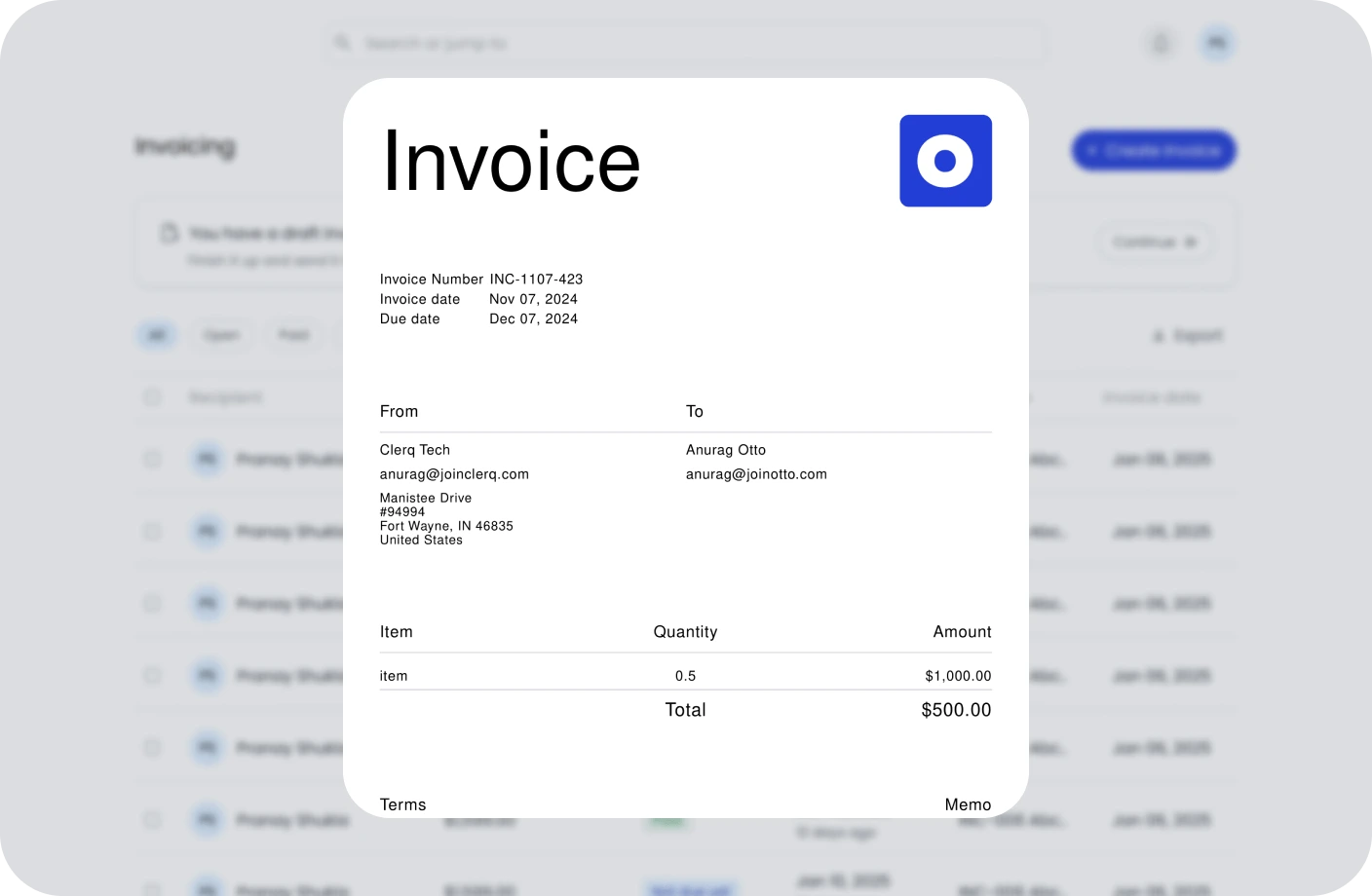
Invoicing
Create, send, and manage invoices. Track payments and assure timely cash flow.
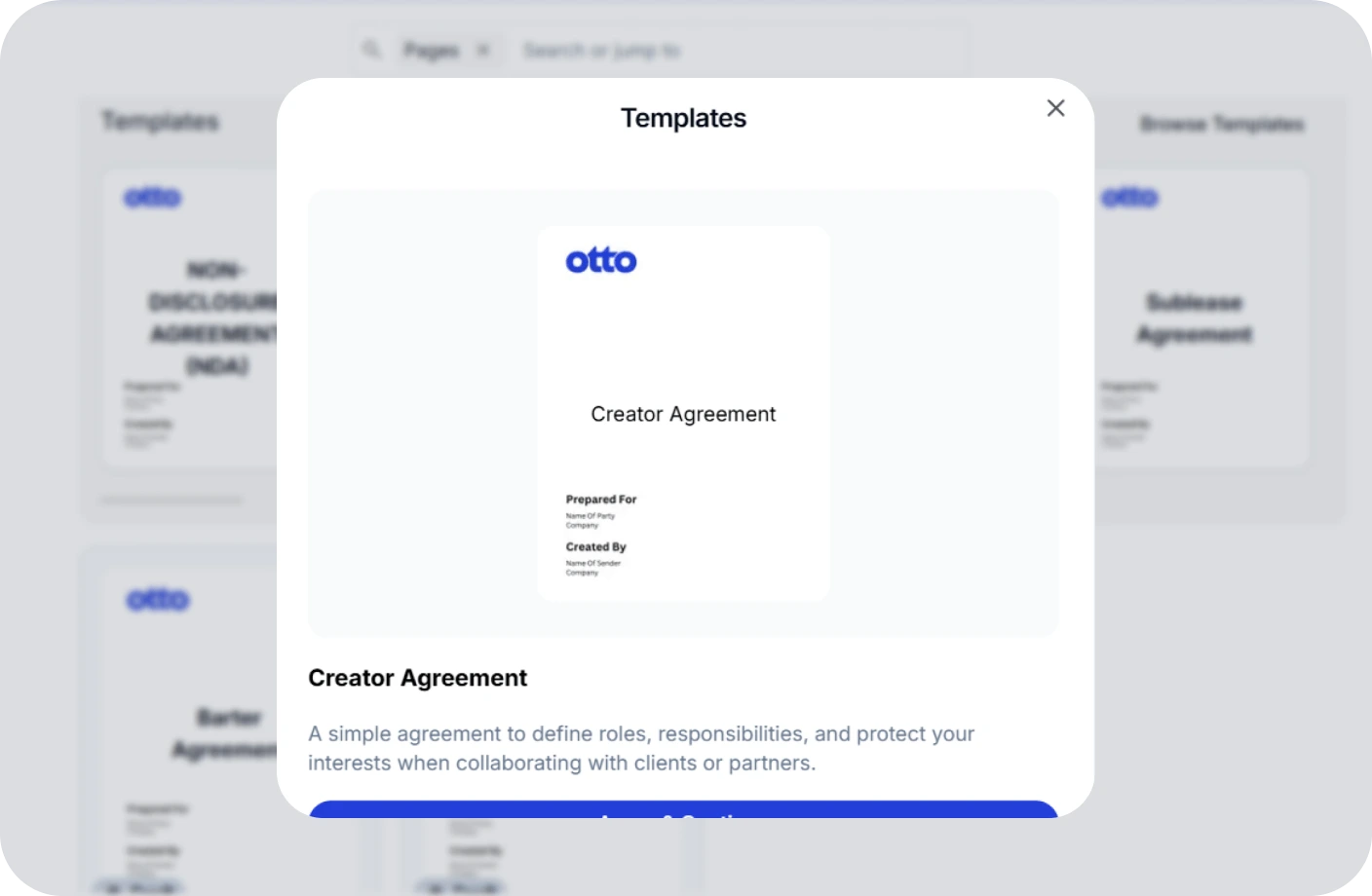
Contracts
Create, track, and e-sign contracts to ensure compliance and deadlines.
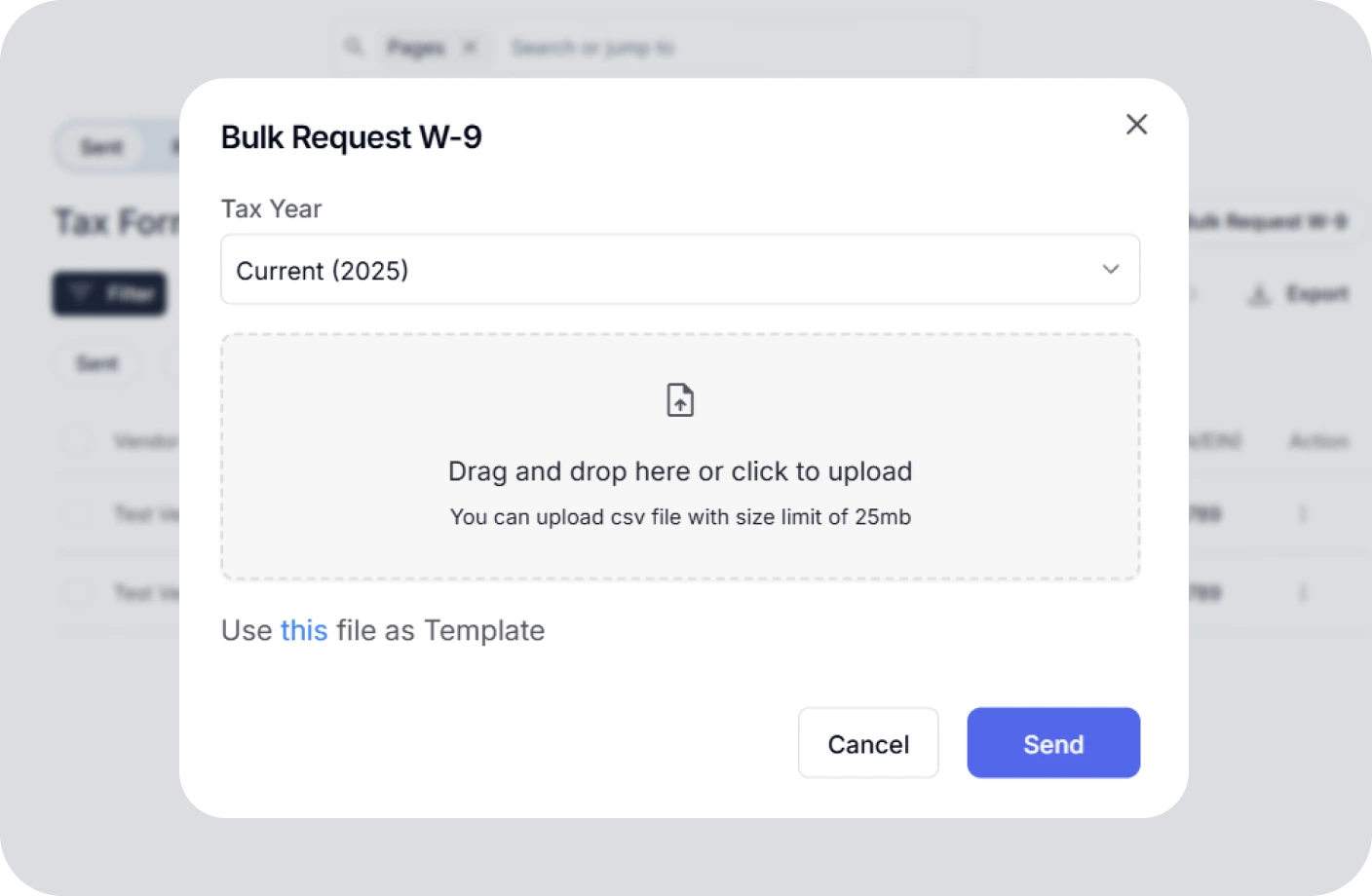
Taxes
Confidently plan taxes with expert CPAs and smart tools to track deductions.
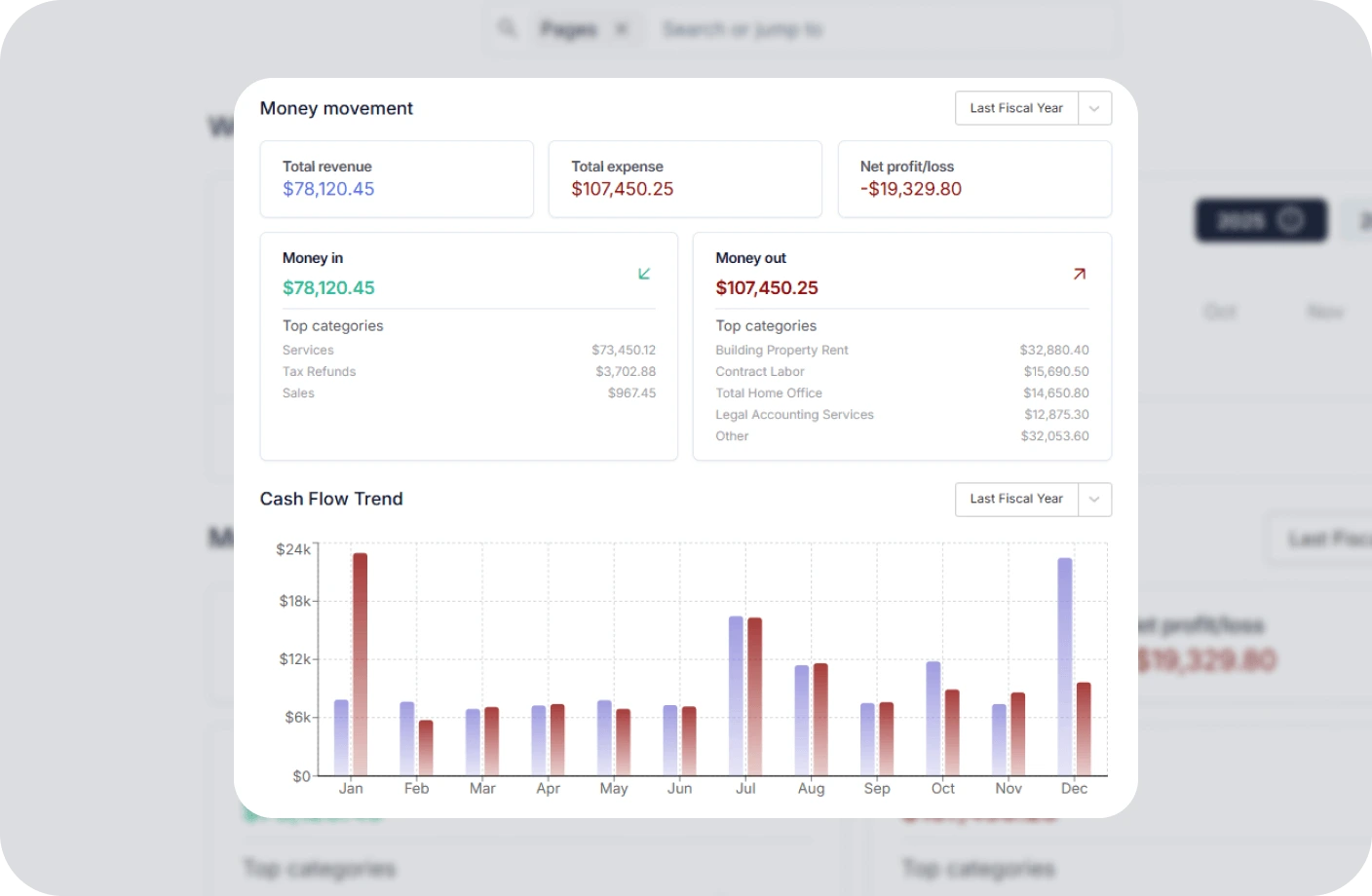
Reports
Real time business reports show where you stand today and what to do next.
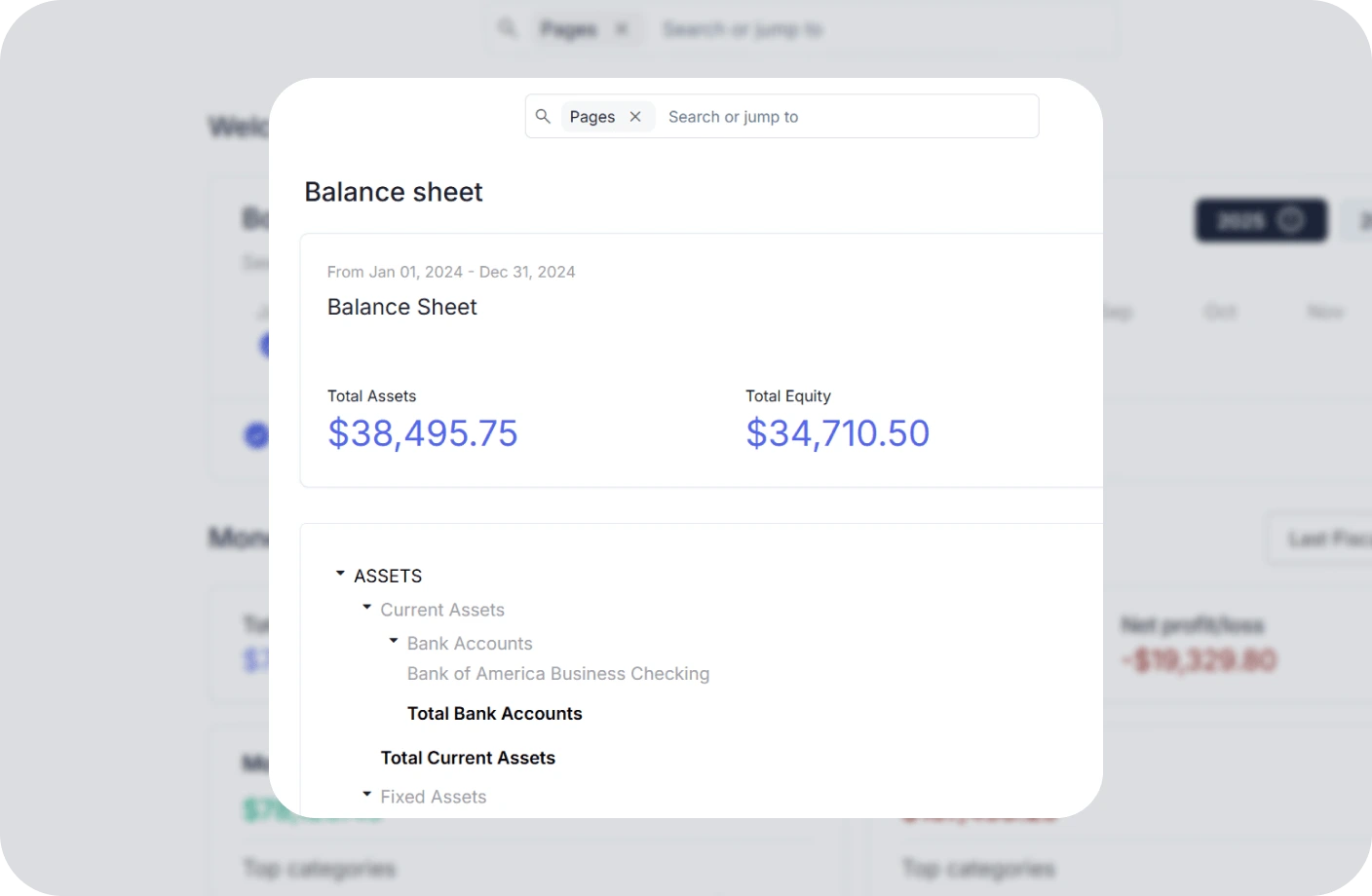
Accounting
All in one accounting software for creators to handle your books, taxes, invoices, contracts.
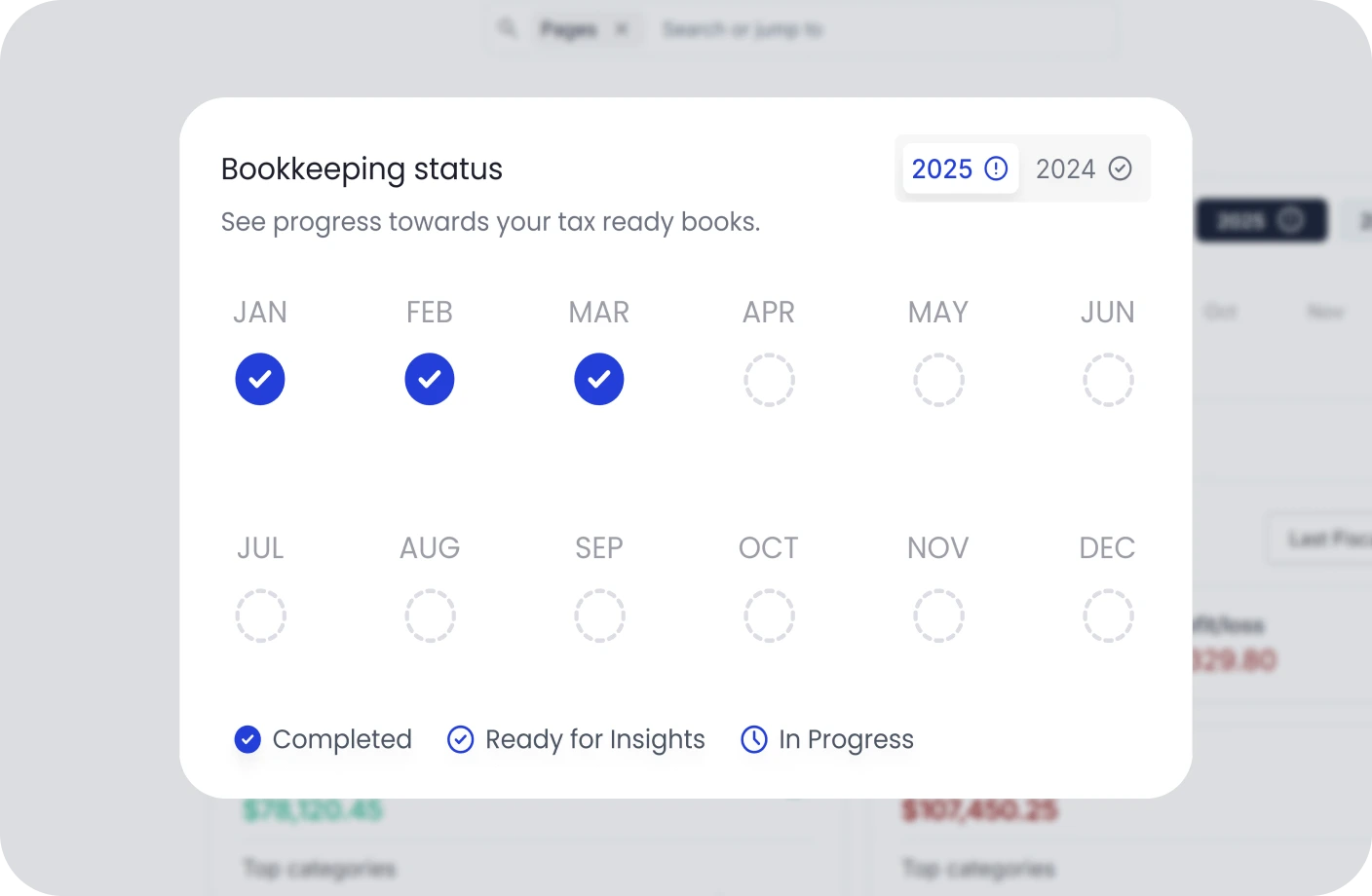
Creator Tools
Specialized tools and resources for every type of creator
YouTubers Tools
Optimize your YouTube channel with analytics, thumbnail generators, and growth tools.
TikTokers Tools
Create viral TikTok content with trend analysis, caption generators, and editing tools.
Content Creators Tools
Comprehensive toolkit for content creation, scheduling, and audience engagement.
Video Creators Tools
Professional video editing, compression, and optimization tools for creators.
Influencers Tools
Manage brand partnerships, track engagement, and maximize your influencer income.
Photographers Tools
Photo editing, watermarking, and portfolio management tools for photographers.
Related Accounting Resources
Essential tax forms and compliance guides for your accounting practice
What Is Cash Pooling? How It Works, Key Types, and Examples
Learn how cash pooling optimizes liquidity across multiple accounts and business entities.
What Is an Amortization Expense? Definition, Formula & Examples
Understand how to calculate and record amortization expenses for intangible assets accurately and efficiently.
Debits vs Credits in Accounting: A Beginner's Guide
Master the fundamental accounting principle of double-entry bookkeeping with clear examples.
Tax Accounting FAQs
Quick answers to common questions about tax accounting
What is tax accounting in simple terms?
Tax accounting focuses on preparing, analyzing, and presenting taxes in a way that aligns with legal requirements. It helps creative professionals organize earnings, separate business from personal expenses, and navigate tax codes.
Why is tax accounting important for creators?
Tax accounting helps creators track income from multiple sources, identify deductible expenses, and ensure compliance with tax laws while maximizing refunds.
What is the difference between tax accounting and financial accounting?
Financial accounting provides a broad picture of income and expenses, while tax accounting is specifically concerned with meeting taxation obligations and minimizing tax liability.
What are common tax deductions for creators?
Common deductions include equipment costs, software subscriptions, home office expenses, internet and phone bills, professional development, and marketing expenses.
How does tax accounting help with filing?
Proper tax accounting ensures you have organized records of all income and expenses, making tax filing smoother and helping you claim all eligible deductions.
Do I need a tax accountant?
While not required, a tax accountant can help you navigate complex tax laws, maximize deductions, and avoid costly mistakes during filing season.
Take the Stress Out of Tax Season
Track expenses, organize deductions, and file with confidence using Otto's AI-powered tax tools made for creators.