Expense Ledger: Organize and Monitor Your Spending as a Creator
Learn how an expense ledger helps you track and categorize business expenses for better financial organization and tax preparation.
KEY TAKEAWAYS
-
✓
An expense ledger helps creators track and organize all business expenses like equipment, subscriptions, marketing, and travel for better financial clarity.
-
✓
Maintaining a detailed expense ledger simplifies tax preparation by providing clear records of deductible business expenses.
-
✓
Regular ledger updates and proper categorization of expenses support better budgeting and informed financial decision-making.
Expense Ledger for Creators
An expense ledger is an essential tool for creators, Influencers, and independent professionals to stay on top of business-related costs. It provides a detailed record of all expenses over a specific period, helping you manage cash flow, maintain organization, and ensure tax accuracy.
Key Points:
- Purpose: An expense ledger helps you track and organize all business expenses like equipment, subscriptions, marketing, and travel. It’s a crucial tool for budgeting, financial planning, and tax reporting.
- Structure: Typically includes details like the date, description, amount, and expense category (e.g., equipment, software, travel).
- Importance: A solid expense ledger allows for better budgeting, tax reporting, and overall financial clarity. It’s an essential tool for managing the diverse costs of running a creative business.
Types of Expenses for Creators
As a creator, your expenses can vary widely depending on your industry. Here are some common expenses creators might track in their expense ledger:
- Equipment & Tools: Cameras, microphones, editing software, lighting, and other necessary gear.
Example: A podcaster buying a new microphone for improved sound quality. - Subscriptions: Ongoing costs for software, cloud storage, or streaming services.
Example: A Influencer subscribing to Adobe Creative Cloud. - Marketing & Promotion: Costs associated with promoting your work, such as ads or social media campaigns.
Example: A filmmaker running Facebook ads to promote a short film. - Travel & Lodging: Expenses for traveling to projects, events, or collaborations.
Example: A photographer flying to a shoot location for a client. - Office Supplies & Miscellaneous: Everyday costs to keep your work environment running smoothly.
Example: A YouTuber buying new pens or organizing supplies for planning video content.
How an Expense Ledger Helps Creators
- Financial Clarity: By tracking all your expenses, you get a clearer picture of where your money goes. This allows you to stay within budget and make informed decisions when scaling your business.
- Tax Reporting: A well-maintained ledger simplifies tax season by providing a clear list of deductible business expenses, ensuring you don’t miss any potential savings.
- Expense Tracking: Regularly updating your ledger helps you keep track of your spending patterns, making it easier to adjust your business practices and grow efficiently.
Examples of Creatives Using an Expense Ledger
- Podcaster: Tracks costs for podcasting equipment, hosting fees, and promotion of episodes on platforms like Instagram or Facebook.
- Photographer: Includes camera gear, editing software, travel costs for shoots, and marketing campaigns for photography services.
- Filmmaker/Video Editor: Monitors film production costs, rental equipment, post-production software, and professional services like sound design.
Best Practices for Maintaining Your Expense Ledger
- Regular Updates: Make it a habit to update your ledger frequently—weekly or monthly. This keeps your finances organized and up-to-date.
- Categorize Expenses: Break down your expenses into categories (e.g., travel, equipment, office supplies). This will help you identify areas to cut back on and make financial decisions easier.
- Use Digital Tools: Leverage tools like Otto to automate and streamline your expense tracking. This reduces the time and effort spent on maintaining your ledger.
How It Applies to Your Business
When will you actually use this?
An expense ledger isn't just for accountants. It helps creators and business owners track spending, control costs, and plan for the future. Here's when you'll use these principles:
Monthly Budgeting
Track expenses against your budget each month to identify overspending areas and adjust spending habits.
Tax Preparation
Use your expense ledger to easily identify and claim all deductible business expenses come tax season.
Cash Flow Analysis
Monitor outgoing cash to understand spending patterns and maintain positive cash flow for your business.
Expense Categorization
Organize expenses by category to identify tax deductions, track spending trends, and cut unnecessary costs.
Freelance Pricing
Understand your true business costs to set rates that cover expenses and ensure profitable projects.
Business Growth
Use historical expense data to forecast future costs, plan for expansion, and make informed investment decisions.
Recommended Reading
Expand your knowledge with these related topics
Expense Control
Learn effective strategies to monitor and manage business expenses for better financial health.
Fixed Asset Ledger
Track and manage your fixed assets with a dedicated ledger for accurate depreciation and valuation.
Mobile Bookkeeping
Manage your books on the go with mobile bookkeeping solutions designed for modern businesses.
Tangible Assets
Understand how to properly account for and manage physical business assets and their depreciation.
Closing Entries
Master the process of closing temporary accounts and preparing your books for the next period.
Bad Debt
Learn how to account for uncollectible receivables and manage bad debt in your financial records.
Real Bookkeeping Questions From the Community
Explore Reddit-backed Otto bookkeeping guides based on real conversations about reconciliation, ledgers, P&L, cash flow, and accounting systems.
One Platform: From Entity Setup to Closing Reports
Comprehensive financial solutions for your business needs.
Entity Management
Easily manage legal entities, compliance, and ownership in one platform.
Invoicing
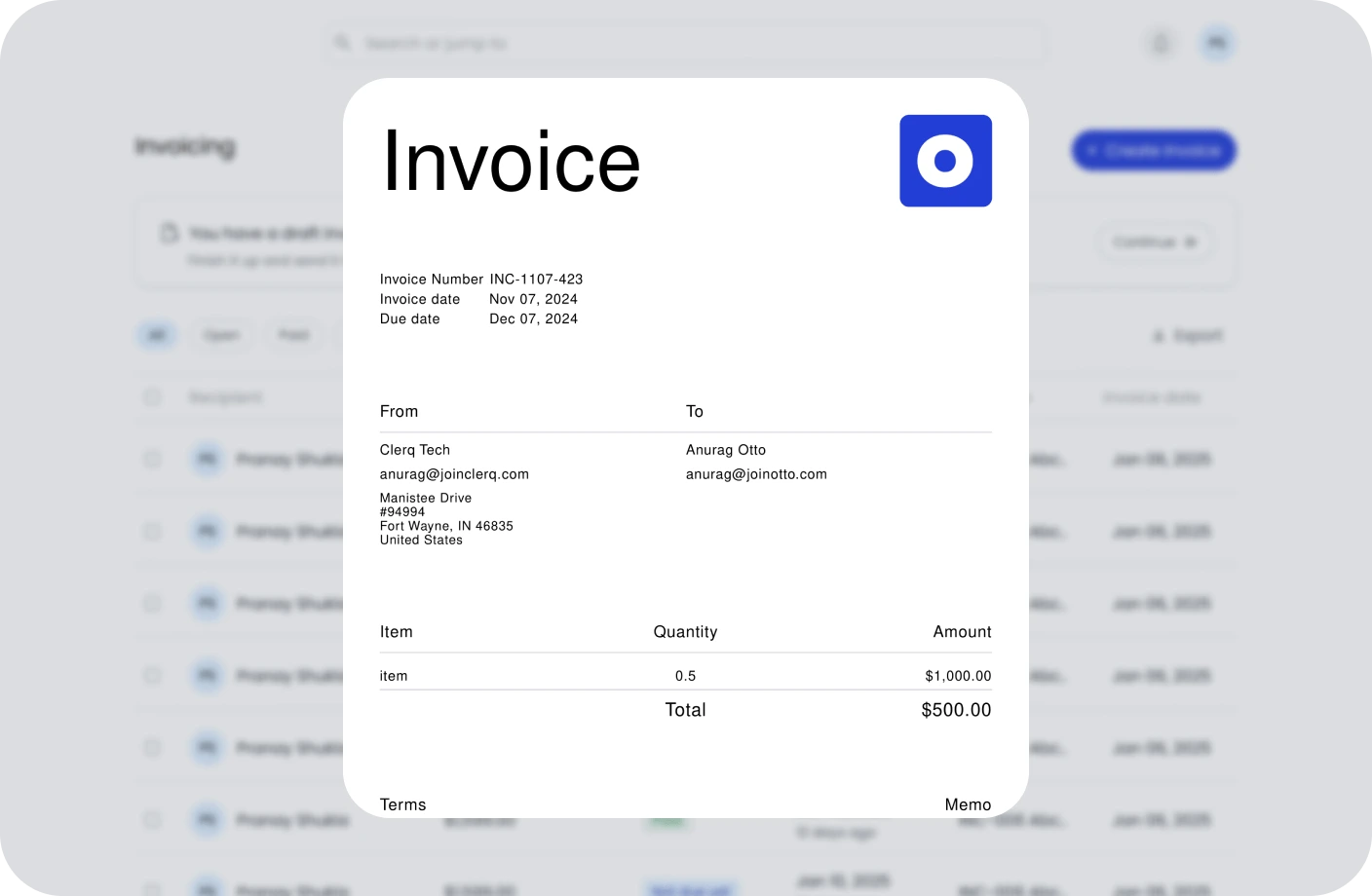
Create, send, and manage invoices. Track payments and assure timely cash flow.
Contracts
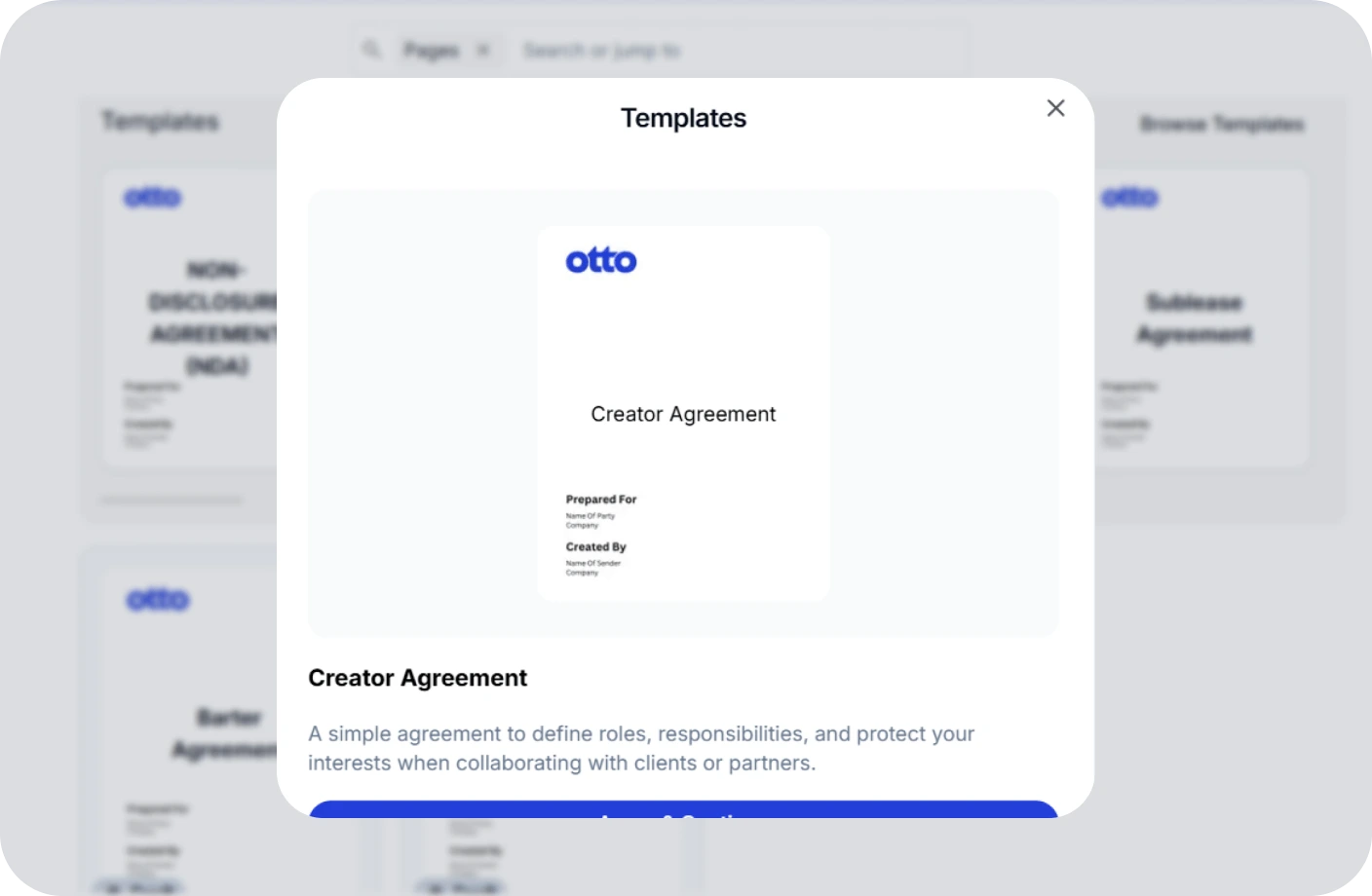
Create, track, and e-sign contracts to ensure compliance and deadlines.
Taxes
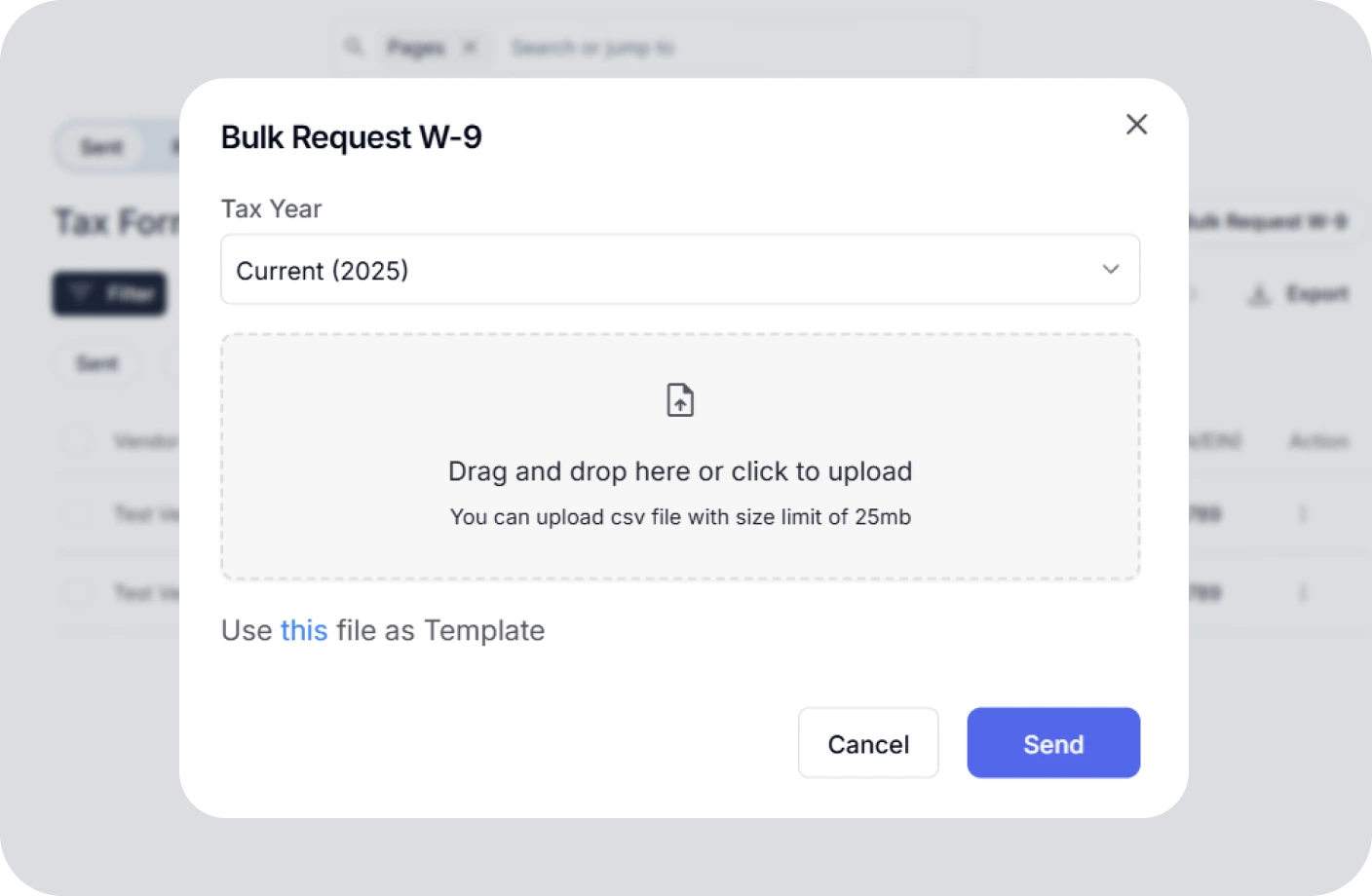
Confidently plan taxes with expert CPAs and smart tools to track deductions.
Reports
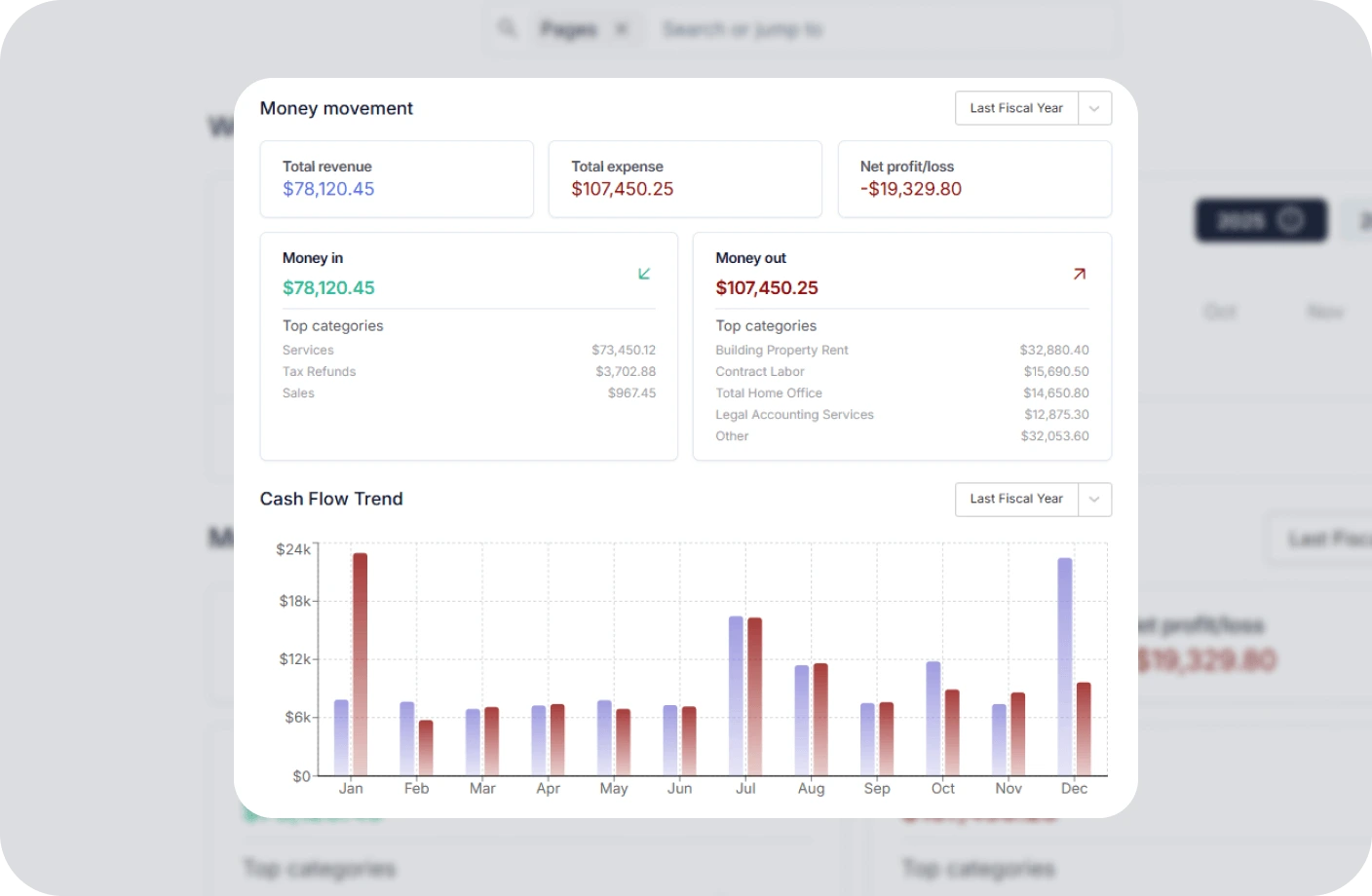
Real time business reports show where you stand today and what to do next.
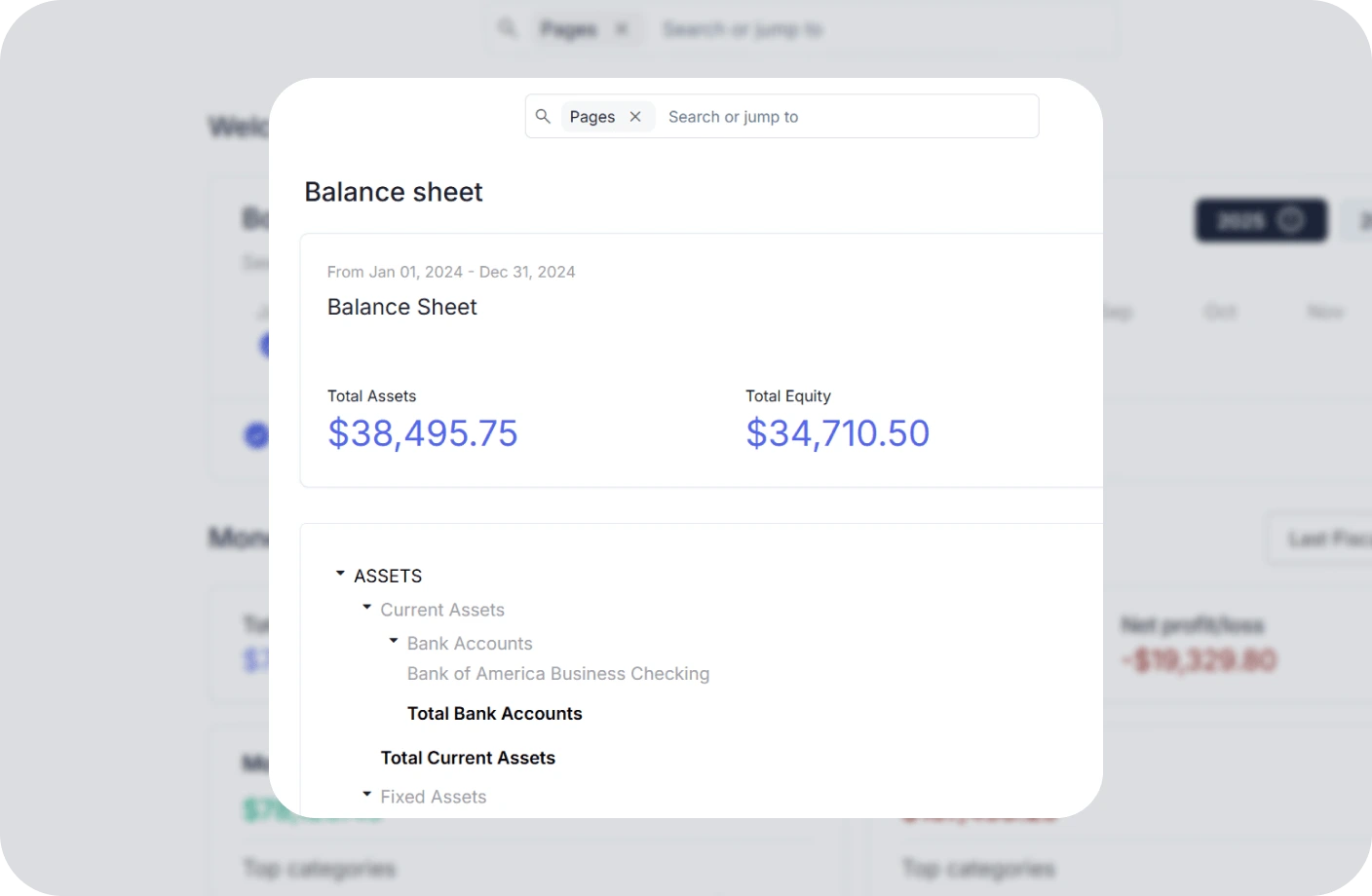
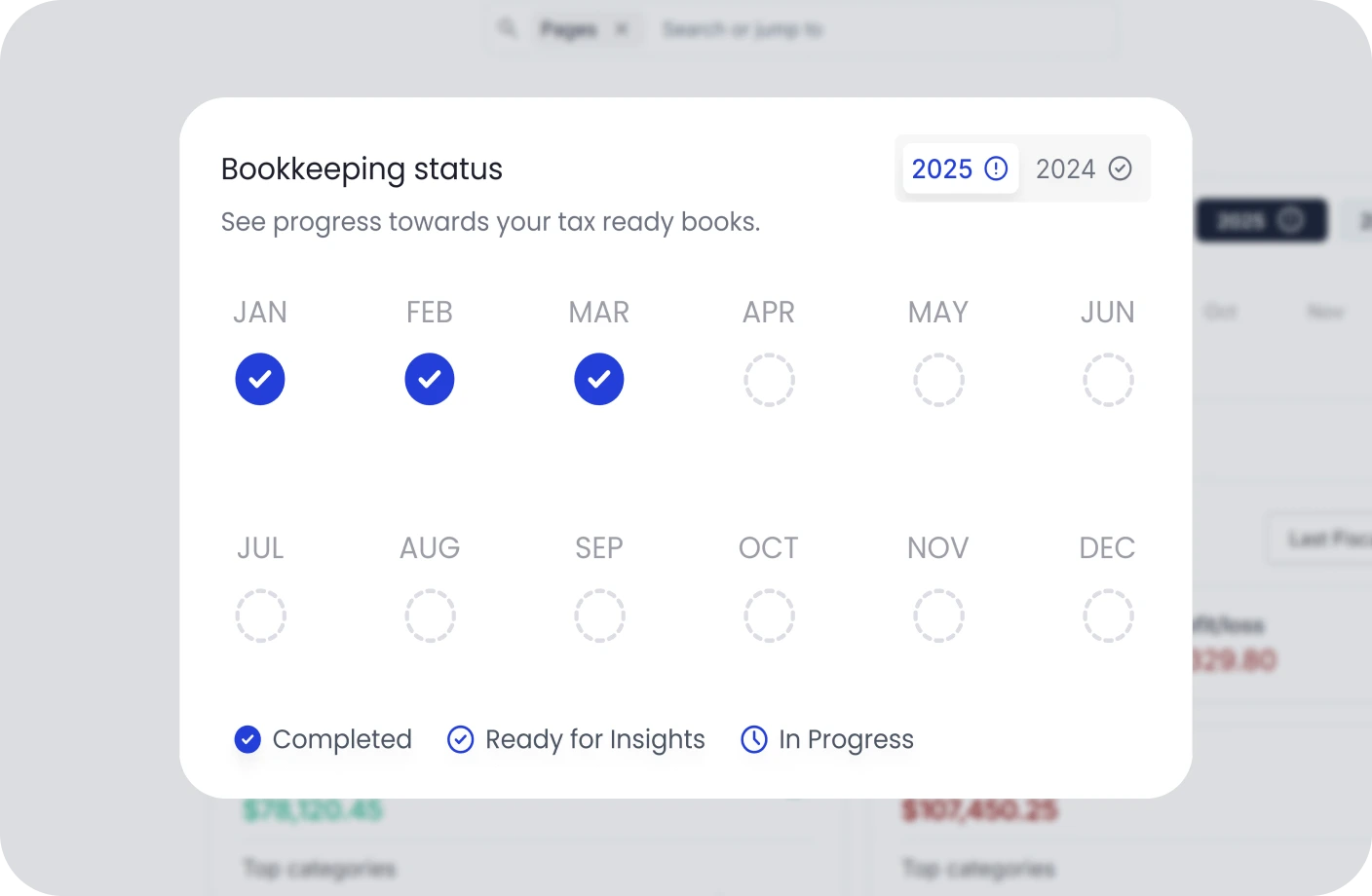
Accounting
All in one accounting software for creators to handle your books, taxes, invoices, contracts.
Creator Tools
Specialized tools and resources for every type of creator
YouTubers Tools
Optimize your YouTube channel with analytics, thumbnail generators, and growth tools.
TikTokers Tools
Create viral TikTok content with trend analysis, caption generators, and editing tools.
Content Creators Tools
Comprehensive toolkit for content creation, scheduling, and audience engagement.
Video Creators Tools
Professional video editing, compression, and optimization tools for creators.
Influencers Tools
Manage brand partnerships, track engagement, and maximize your influencer income.
Photographers Tools
Photo editing, watermarking, and portfolio management tools for photographers.
Related Bookkeeping Resources
Essential guides and resources for your bookkeeping practice
The Joys of Bookkeeping: Finding Passion in Numbers
Discover the unexpected satisfaction in bookkeeping and how numbers tell the story of a business's success.
Navigating Early Challenges in a Remote Bookkeeping Practice
Practical advice for overcoming common hurdles when starting and growing a remote bookkeeping business.
Balancing Bookkeeping Client Relations and Expectations
Learn how to set clear expectations, communicate effectively, and build lasting client relationships in bookkeeping.
Expense Ledger FAQs
Quick answers to common questions about expense ledgers
What is an expense ledger and why is it important for creators?
An expense ledger is a detailed record of all business expenses organized by date, description, amount, and category. For creators, it is essential because it provides financial clarity, simplifies tax preparation by tracking deductible expenses, and helps with budgeting and cash flow management. Without an expense ledger, it's easy to lose track of spending and miss out on tax deductions.
What types of expenses should creators track in an expense ledger?
Creators should track all business-related expenses including equipment and tools (cameras, microphones, software), subscriptions (Adobe Creative Cloud, cloud storage), marketing and promotion costs (ads, social media campaigns), travel and lodging for projects or events, and office supplies. Any expense directly related to running your creative business should be recorded.
How often should I update my expense ledger?
It's best to update your expense ledger weekly or at minimum monthly. Regular updates ensure your records stay accurate and up to date, making tax season much easier. Using digital tools like Otto can automate much of this process, reducing the time and effort needed to maintain your ledger.
What's the difference between an expense ledger and a general ledger?
An expense ledger focuses specifically on recording and categorizing business expenses, while a general ledger is a complete record of all financial transactions including assets, liabilities, equity, revenue, and expenses. The expense ledger is a subset of the general ledger that provides detailed tracking of where money is being spent.
How does an expense ledger help with tax preparation?
A well-maintained expense ledger simplifies tax preparation by providing a clear, organized list of all deductible business expenses throughout the year. This ensures you don't miss any potential tax deductions, reduces the risk of errors on your tax return, and makes it easier to provide documentation if the IRS ever requests it.
Track Every Expense Without the Headache
Let Otto's AI-powered bookkeeping handle your expense ledger. Automatically track, categorize, and monitor your business spending so you can focus on creating.