Fixed Asset Ledger: Empowering Creators to Track Investments Effectively
Learn how a fixed asset ledger helps you track long-term investments, manage depreciation, and maintain accurate records for your creative business.
KEY TAKEAWAYS
-
✓
A fixed asset ledger helps you track long-term creative assets like cameras, computers, and studio equipment for better financial management.
-
✓
Tracking depreciation on your fixed assets can lower your taxable income and maximize your tax deductions.
-
✓
Maintaining accurate asset records supports better budgeting, audit readiness, and long-term financial planning for creators.
What is a Fixed Asset Ledger for Creator?
What is a Fixed Asset Ledger for Creator?
A Fixed Asset Ledger (FAL) is a financial tool that helps you keep track of your long-term assets—those essential items that support your creative work. These include everything from cameras and computers to studio setups and software licenses. Whether you're a content creator, filmmaker, musician, or designer, having a clear record of your fixed assets is crucial for managing your finances, tax reporting, and long-term planning.
Why is a Fixed Asset Ledger Important for Creator?
Managing your assets through a Fixed Asset Ledger helps you in many ways:
- Track the Value of Your Gear: Keep a record of the value of your equipment (e.g., cameras, laptops, software).
- Depreciation: Over time, your assets lose value, and a Fixed Asset Ledger helps you track depreciation, which can lower your taxable income.
- Organize Financial Planning: It keeps you organized for budgeting, audits, and future financial decisions.
- Maximize Tax Deductions: Depreciation can reduce your taxable income, meaning you pay less tax.
Key Components of a Fixed Asset Ledger
A solid Fixed Asset Ledger typically includes these details:
- Asset Description: A brief description (e.g., DSLR Camera, MacBook Pro, microphone).
- Purchase Date: When you bought the asset.
- Cost: The price you paid for it.
- Asset Category: How you classify the asset (e.g., Photography, Audio, Computers).
- Depreciation Method: The method used for depreciation (e.g., straight-line or declining balance).
- Useful Life: The asset’s expected lifespan.
- Book Value: The asset’s current value after depreciation.
Examples of Fixed Assets for Creator
Here are some examples of fixed assets you might track, depending on your creative field:
- Filmmakers & Video Editors: Cameras, lighting rigs, editing software (e.g., Final Cut Pro).
- Musicians: Instruments, amplifiers, recording equipment, music software (e.g., Pro Tools).
- Photographers: DSLR cameras, lenses, tripods, lighting.
- Designers & Animators: Computers, design software (e.g., Adobe Illustrator), animation tools.
- Podcasters: Microphones, mixers, soundproofing equipment, and computer systems.
Benefits of Maintaining a Fixed Asset Ledger
- Tax Deductions: Track depreciation to lower your taxable income.
- Financial Clarity: Understand the value and depreciation of your assets for better financial planning.
- Protect Your Investments: Ensure your gear is maintained and protected.
- Better Budgeting: Plan for future upgrades or replacements by knowing the current value of your assets.
How It Applies to Your Business
When will you actually use this?
Accounts reconciliation isn't just for accountants. It impacts everyday business operations and can mean the difference between accurate and misleading financial records. Here's when you'll use these principles:
Equipment Tracking
Log every piece of creative equipment from cameras to computers with purchase dates, costs, and current book values.
Depreciation Management
Track how your assets lose value over time using straight-line or declining balance methods for accurate financial reporting.
Tax Deduction Planning
Maximize tax deductions by properly documenting asset depreciation and qualifying equipment purchases throughout the year.
Budget Forecasting
Use your asset ledger data to plan future equipment upgrades and replacements based on useful life and current value.
Audit Readiness
Maintain detailed, organized asset records that stand up to auditor scrutiny and simplify year-end tax preparation.
Insurance Valuation
Keep accurate asset valuations for insurance purposes, ensuring your creative tools and equipment are properly covered.
Recommended Reading
Expand your knowledge with these related topics
Expense Control
Learn effective strategies to monitor and manage business expenses for better financial health.
Fixed Asset Ledger
Track and manage your fixed assets with a dedicated ledger for accurate depreciation and valuation.
Mobile Bookkeeping
Manage your books on the go with mobile bookkeeping solutions designed for modern businesses.
Tangible Assets
Understand how to properly account for and manage physical business assets and their depreciation.
Closing Entries
Master the process of closing temporary accounts and preparing your books for the next period.
Bad Debt
Learn how to account for uncollectible receivables and manage bad debt in your financial records.
Real Bookkeeping Questions From the Community
Explore Reddit-backed Otto bookkeeping guides based on real conversations about reconciliation, ledgers, P&L, cash flow, and accounting systems.
One Platform: From Entity Setup to Closing Reports
Comprehensive financial solutions for your business needs.
Entity Management
Easily manage legal entities, compliance, and ownership in one platform.
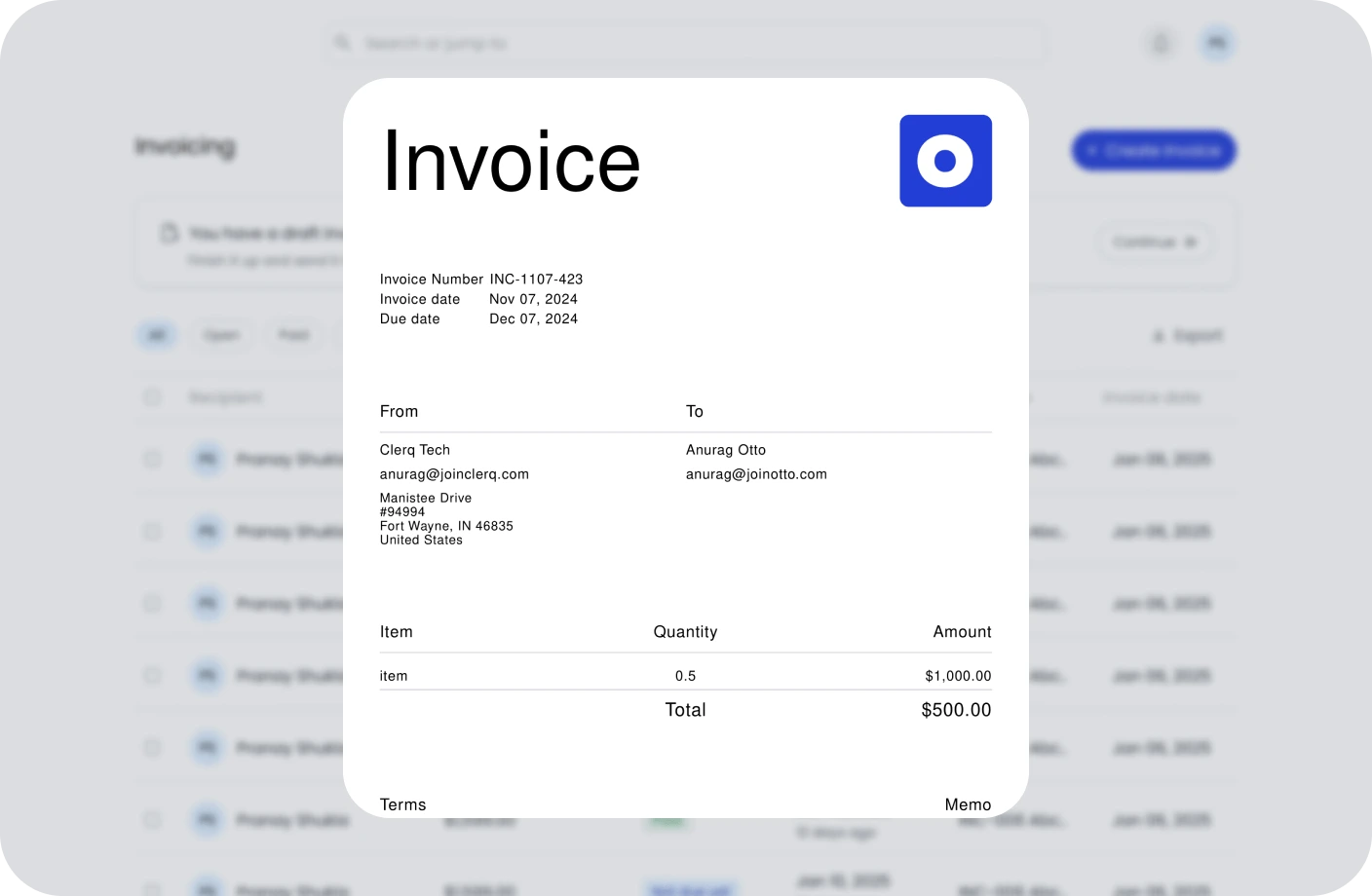
Invoicing
Create, send, and manage invoices. Track payments and assure timely cash flow.
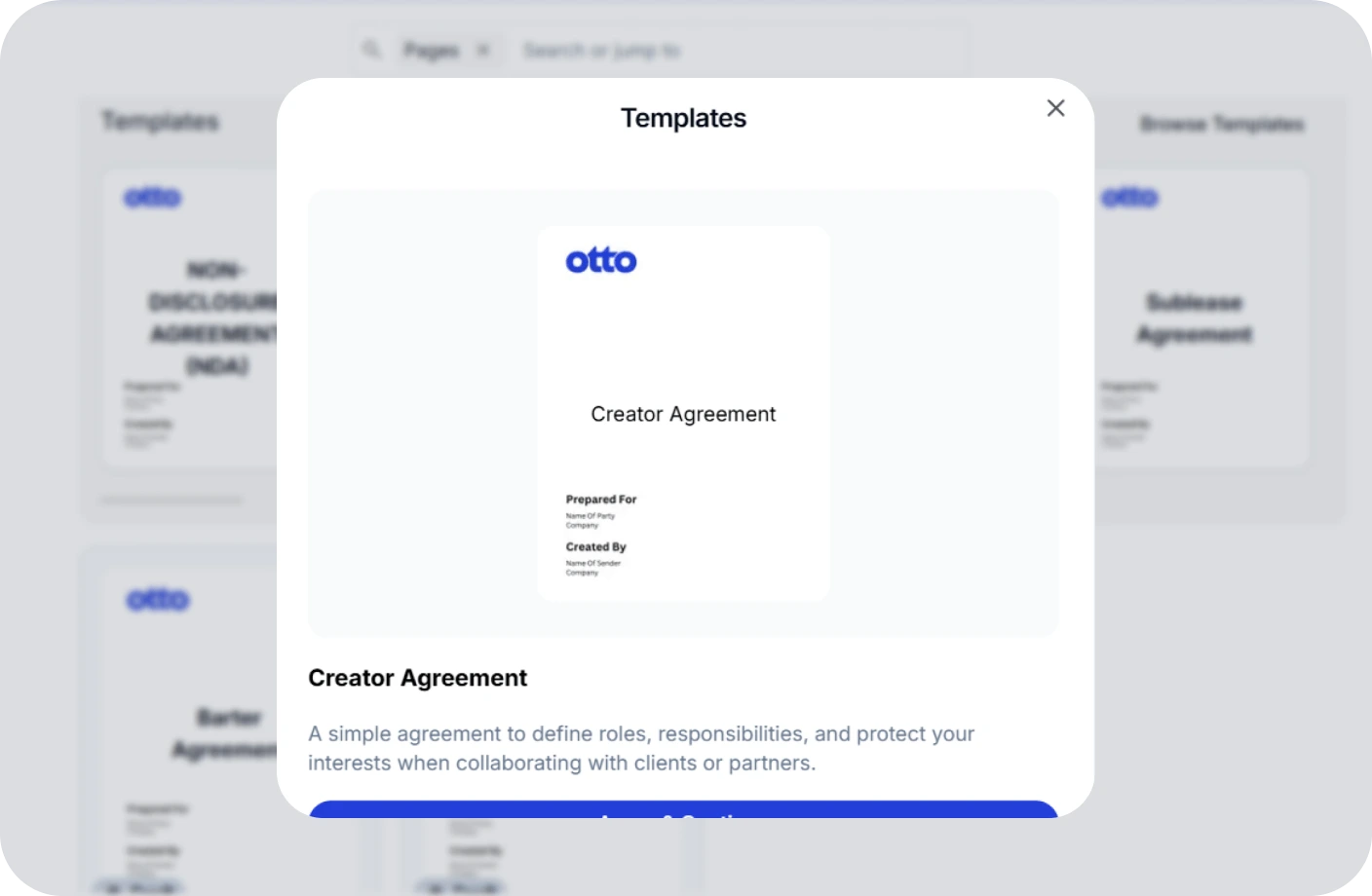
Contracts
Create, track, and e-sign contracts to ensure compliance and deadlines.
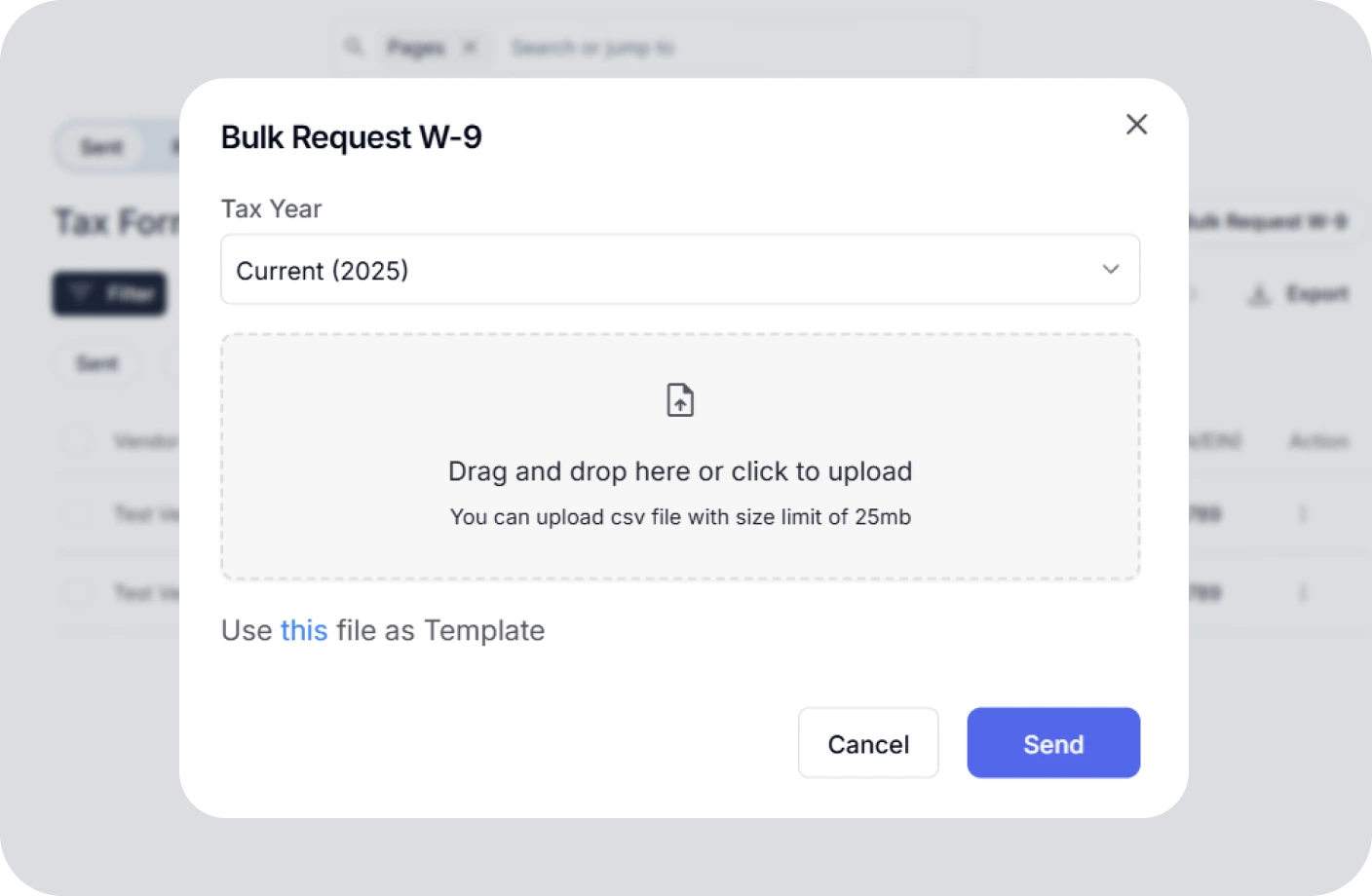
Taxes
Confidently plan taxes with expert CPAs and smart tools to track deductions.
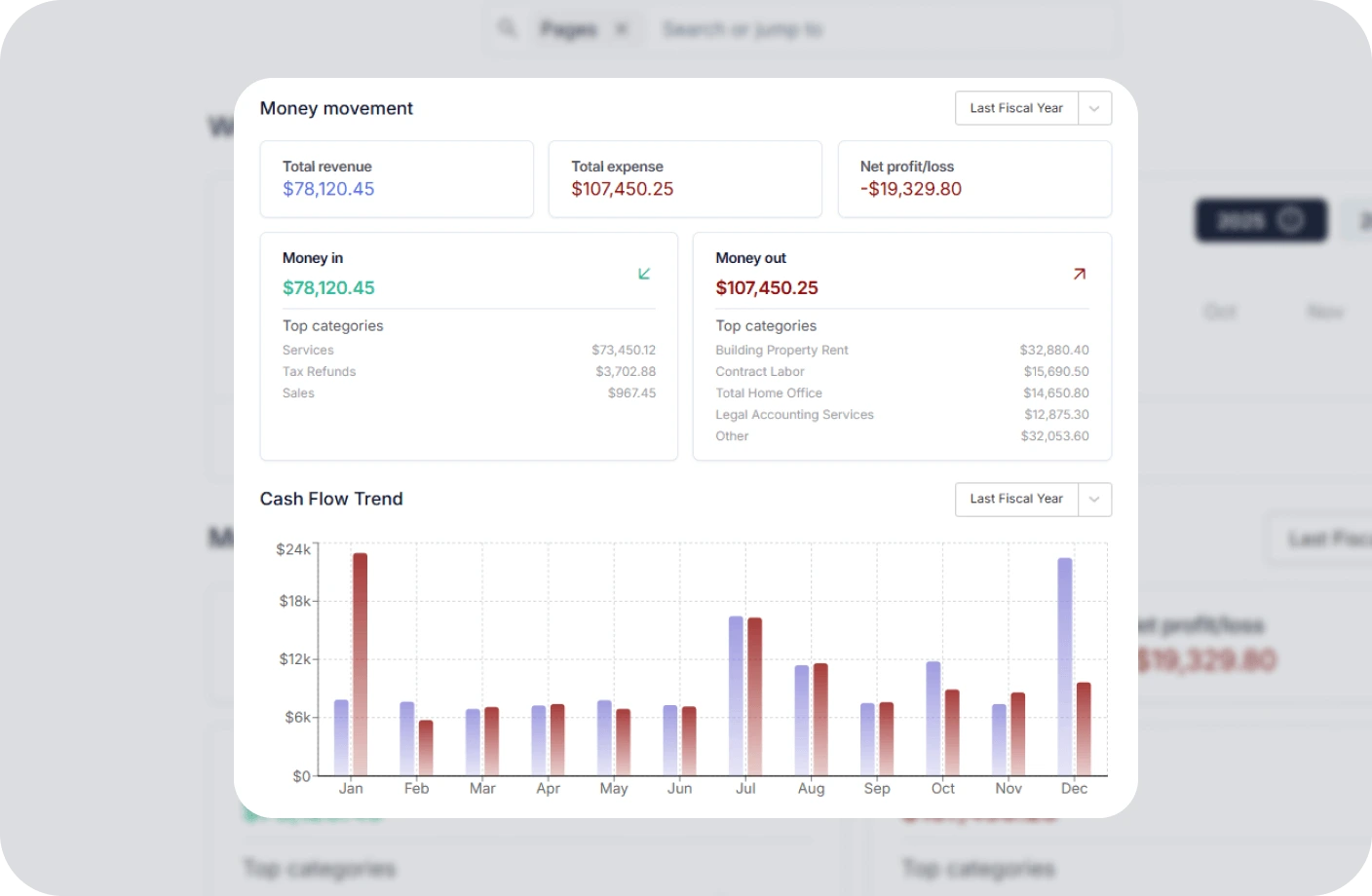
Reports
Real time business reports show where you stand today and what to do next.
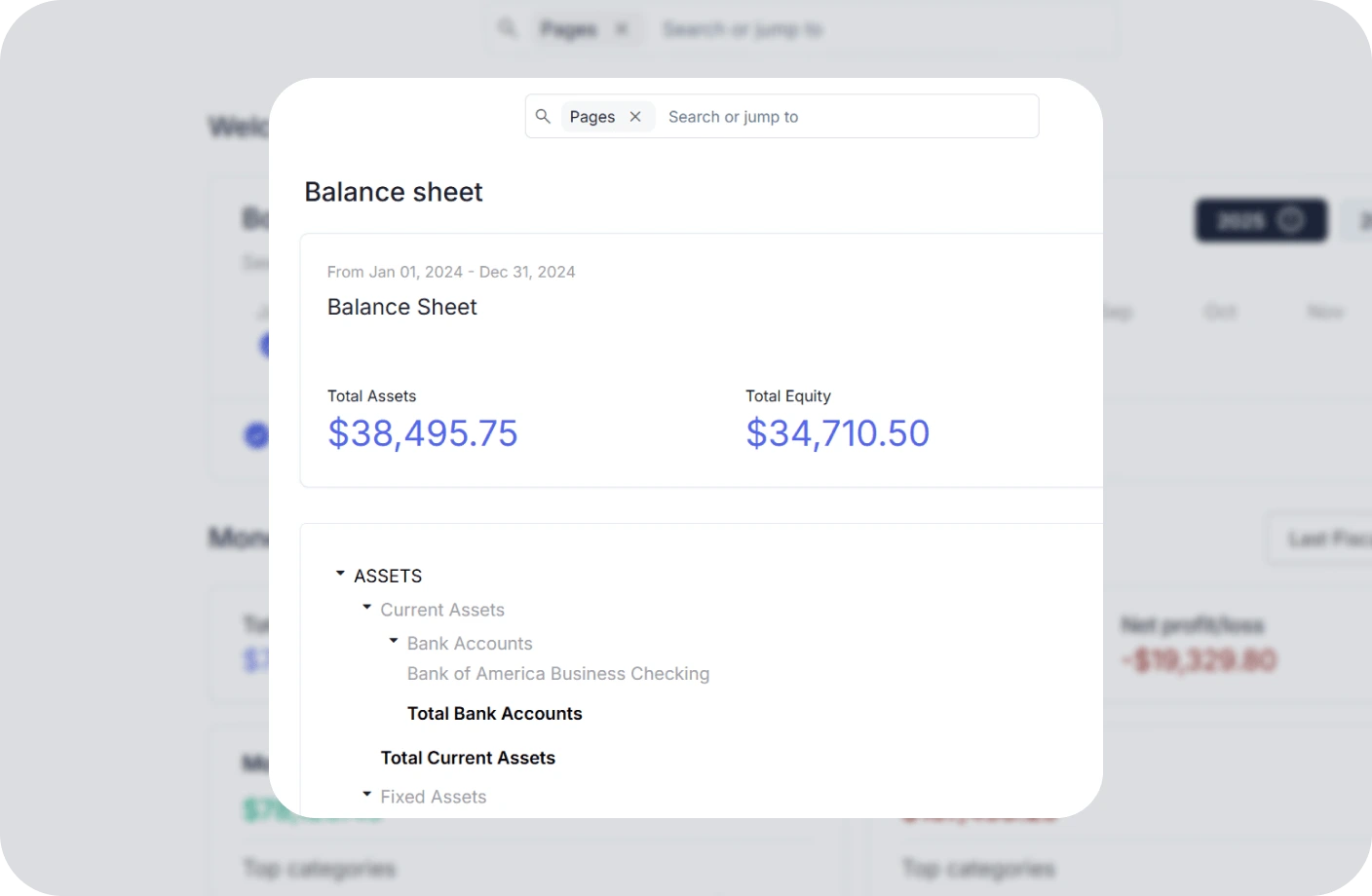
Accounting
All in one accounting software for creators to handle your books, taxes, invoices, contracts.
Creator Tools
Specialized tools and resources for every type of creator
YouTubers Tools
Optimize your YouTube channel with analytics, thumbnail generators, and growth tools.
TikTokers Tools
Create viral TikTok content with trend analysis, caption generators, and editing tools.
Content Creators Tools
Comprehensive toolkit for content creation, scheduling, and audience engagement.
Video Creators Tools
Professional video editing, compression, and optimization tools for creators.
Influencers Tools
Manage brand partnerships, track engagement, and maximize your influencer income.
Photographers Tools
Photo editing, watermarking, and portfolio management tools for photographers.
Related Bookkeeping Resources
Essential guides and resources for your bookkeeping practice
The Joys of Bookkeeping: Finding Passion in Numbers
Discover the unexpected satisfaction in bookkeeping and how numbers tell the story of a business's success.
Navigating Early Challenges in a Remote Bookkeeping Practice
Practical advice for overcoming common hurdles when starting and growing a remote bookkeeping business.
Balancing Bookkeeping Client Relations and Expectations
Learn how to set clear expectations, communicate effectively, and build lasting client relationships in bookkeeping.
Fixed Asset Ledger FAQs
Quick answers to common questions about fixed asset ledgers
What is a fixed asset ledger and why do creators need one?
A fixed asset ledger is a financial record that tracks long-term assets like cameras, computers, studio equipment, and software licenses. Creators need it to monitor asset value, calculate depreciation for tax deductions, plan equipment upgrades, and maintain accurate financial records for their creative business.
How does depreciation work in a fixed asset ledger?
Depreciation spreads the cost of an asset over its useful life. Common methods include straight-line depreciation (equal amounts each year) and declining balance (larger deductions early on). A fixed asset ledger tracks this automatically, helping you reduce taxable income each year as your equipment loses value.
What types of assets should I include in a fixed asset ledger?
Include any long-term asset that supports your creative work and has a useful life beyond one year. This includes cameras, lenses, computers, recording equipment, musical instruments, studio furniture, software licenses, lighting rigs, and other production tools. Generally, items over a certain cost threshold (e.g., $500) should be capitalized and tracked.
How often should I update my fixed asset ledger?
You should update your fixed asset ledger whenever you acquire or dispose of an asset. For ongoing depreciation tracking, most creators update quarterly or annually during tax preparation. Regular updates ensure your records remain accurate for financial reporting, insurance purposes, and tax deductions.
Can I use fixed asset ledger data for tax deductions?
Yes, absolutely. The IRS allows creators to deduct depreciation on business assets through Section 179 or bonus depreciation. A well-maintained fixed asset ledger provides the detailed records needed to claim these deductions, including purchase dates, costs, depreciation methods, and current book values for each asset.
Track Your Creative Assets Without the Confusion
Let Otto's AI-powered bookkeeping track your fixed assets. Log equipment, calculate depreciation, and maximize tax deductions effortlessly.