General Ledger: Your Key to Accurate Bookkeeping
Learn what a general ledger is, how it works, and how to use it to keep your business's financial records accurate and organized.
KEY TAKEAWAYS
-
✓
A general ledger is the central repository where all financial transactions are organized and summarized by account.
-
✓
It provides a complete picture of your business's financial health, tracking assets, liabilities, income, and expenses.
-
✓
An accurate general ledger is essential for preparing financial statements, filing taxes, and making informed business decisions.
What is a General Ledger?
A general ledger is an essential tool in managing the financial side of your business. It's a central record where every transaction — from income from sales to expenses like equipment and software — is tracked and organized by account. Having all your financial data in one place helps you understand your cash flow, monitor performance, and make informed decisions. Think of it as your financial roadmap, ensuring your business stays on track.
How Does a General Ledger Work?
Here are the key elements:
-
1
Assets: Cash, accounts receivable, equipment, and other resources owned by the business.
-
2
Liabilities: Loans, accounts payable, and other obligations the business owes to others.
-
3
Income: Revenue from sales, services, and other business activities.
-
4
Expenses: Costs incurred in running the business, including rent, payroll, and supplies.
-
5
Equity: Owner's capital, retained earnings, and other ownership interests.
Why is the General Ledger Important?
The general ledger is the backbone of your accounting system. It consolidates all financial data into one place, making it possible to prepare accurate financial statements, track business performance, and comply with tax and regulatory requirements.
-
•
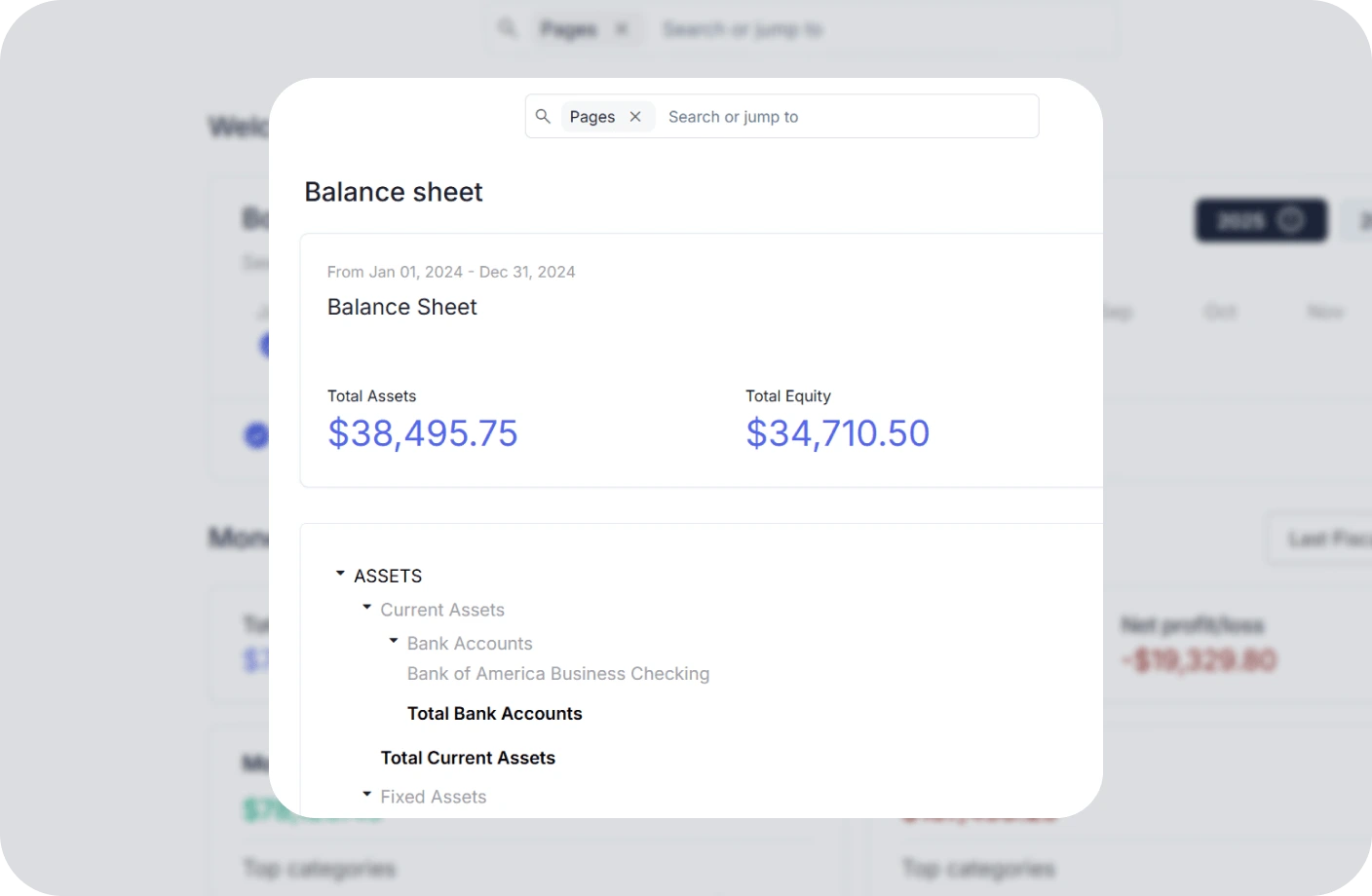
Financial Statements: The general ledger provides the data needed to prepare your income statement, balance sheet, and cash flow statement.
-
•
Performance Tracking: Monitor revenue, expenses, and profitability across different periods to identify trends and make informed decisions.
-
•
Tax Preparation: An organized general ledger makes tax filing smoother by providing accurate income and expense records.
-
•
Audit Support: Maintain a clear audit trail that satisfies auditors and demonstrates the accuracy of your financial records.
How It Applies to Your Business
When will you actually use this?
The general ledger is central to almost every financial task in your business. Here's when you'll rely on it:
Monthly Close
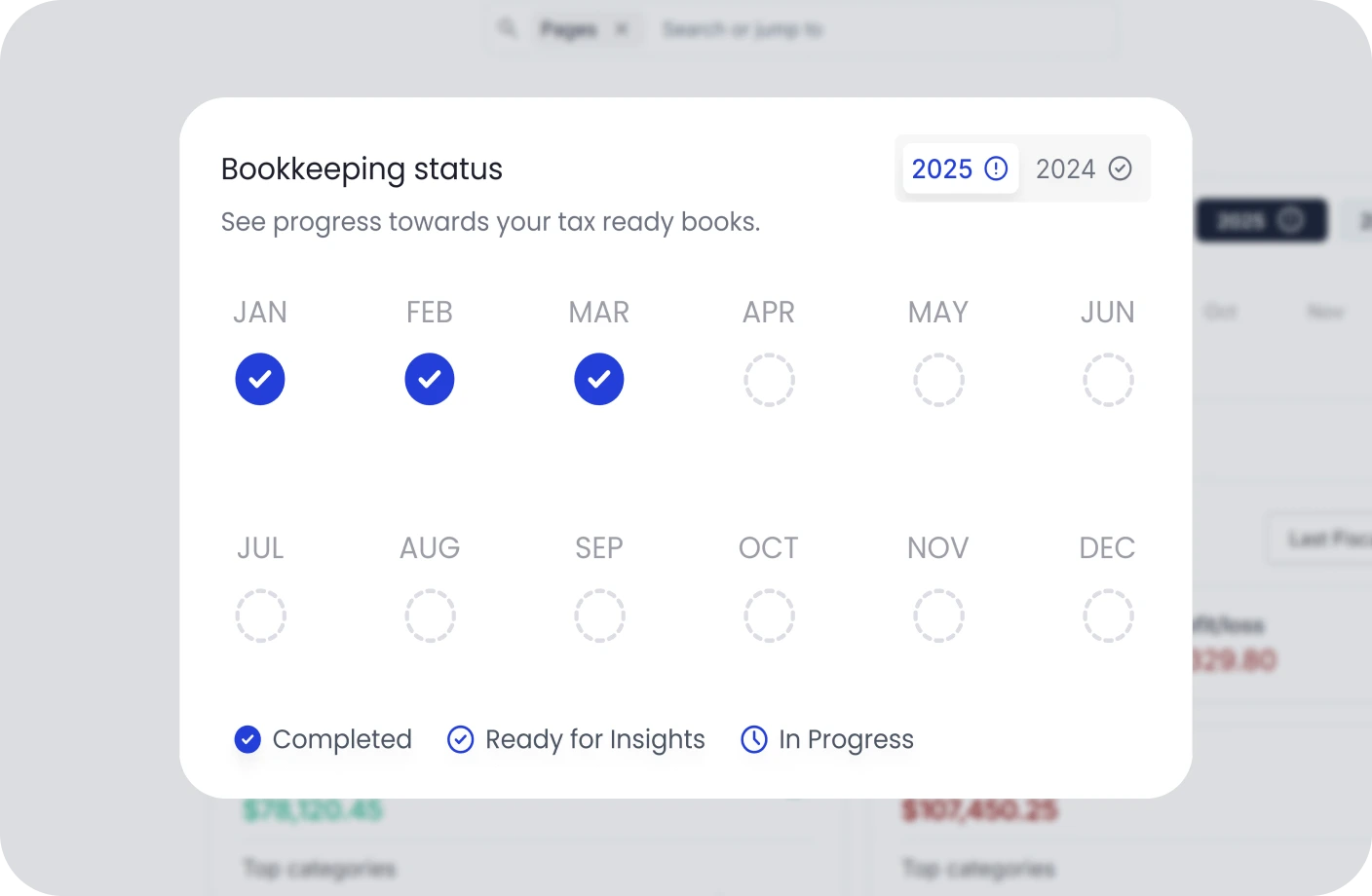
Review and reconcile general ledger accounts to ensure all transactions are recorded and balanced before closing the month.
Financial Analysis
Use ledger reports to analyze spending patterns, revenue trends, and profitability across different periods.
Budgeting
Compare actual results from the ledger against budgeted amounts to track performance and adjust forecasts.
Audit Preparation
Provide auditors with complete ledger records and supporting documentation to verify financial accuracy.
Tax Filing
Extract income and expense data from the ledger to prepare accurate tax returns and identify deductible expenses.
Business Planning
Use historical ledger data to forecast future performance, plan growth, and make strategic investment decisions.
Recommended Reading
Expand your knowledge with these related topics
Expense Control
Learn effective strategies to monitor and manage business expenses for better financial health.
Fixed Asset Ledger
Track and manage your fixed assets with a dedicated ledger for accurate depreciation and valuation.
Mobile Bookkeeping
Manage your books on the go with mobile bookkeeping solutions designed for modern businesses.
Tangible Assets
Understand how to properly account for and manage physical business assets and their depreciation.
Closing Entries
Master the process of closing temporary accounts and preparing your books for the next period.
Bad Debt
Learn how to account for uncollectible receivables and manage bad debt in your financial records.
Real Bookkeeping Questions From the Community
Explore Reddit-backed Otto bookkeeping guides based on real conversations about reconciliation, ledgers, P&L, cash flow, and accounting systems.
One Platform: From Entity Setup to Closing Reports
Comprehensive financial solutions for your business needs.
Entity Management
Easily manage legal entities, compliance, and ownership in one platform.
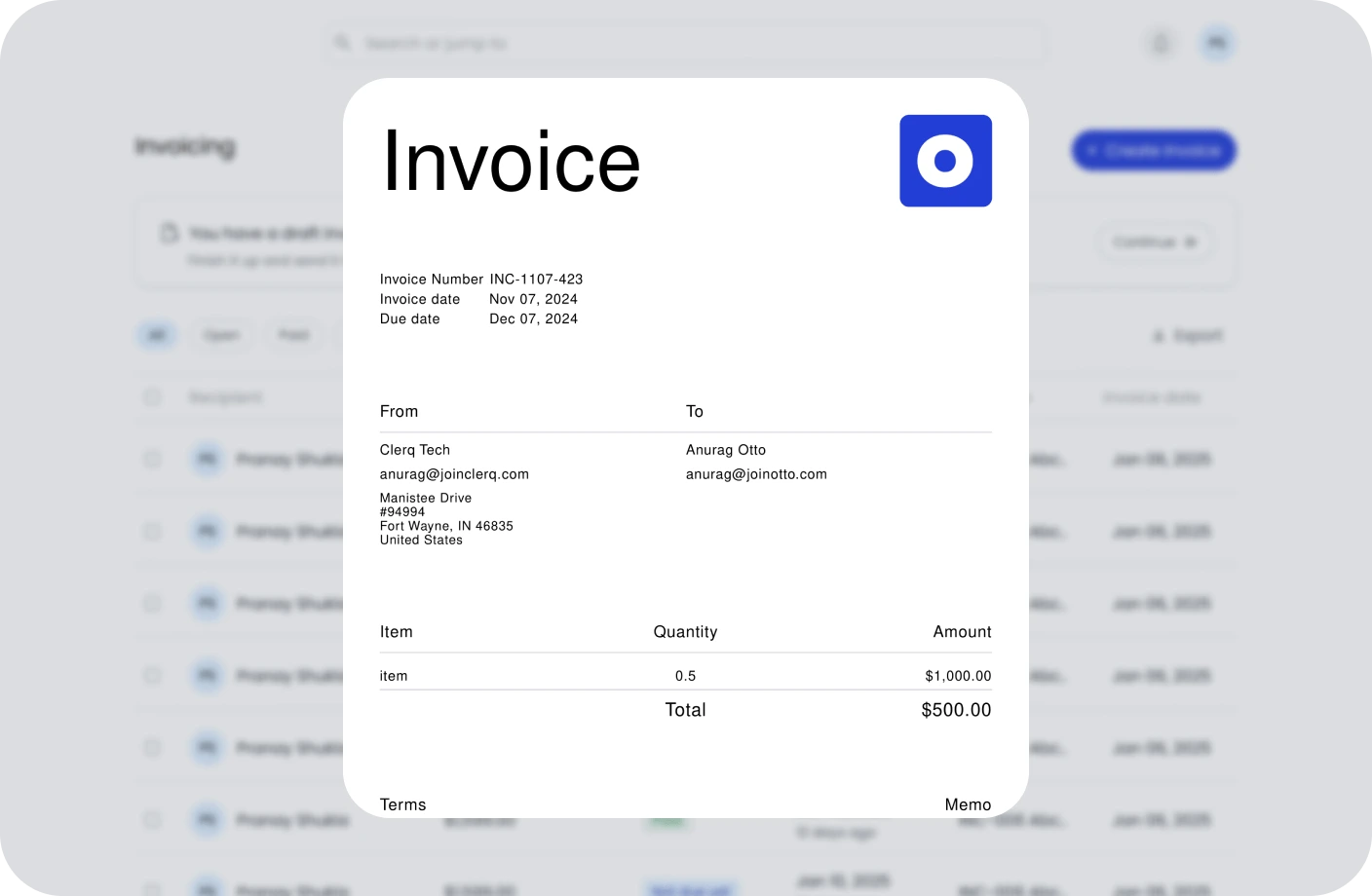
Invoicing
Create, send, and manage invoices. Track payments and assure timely cash flow.
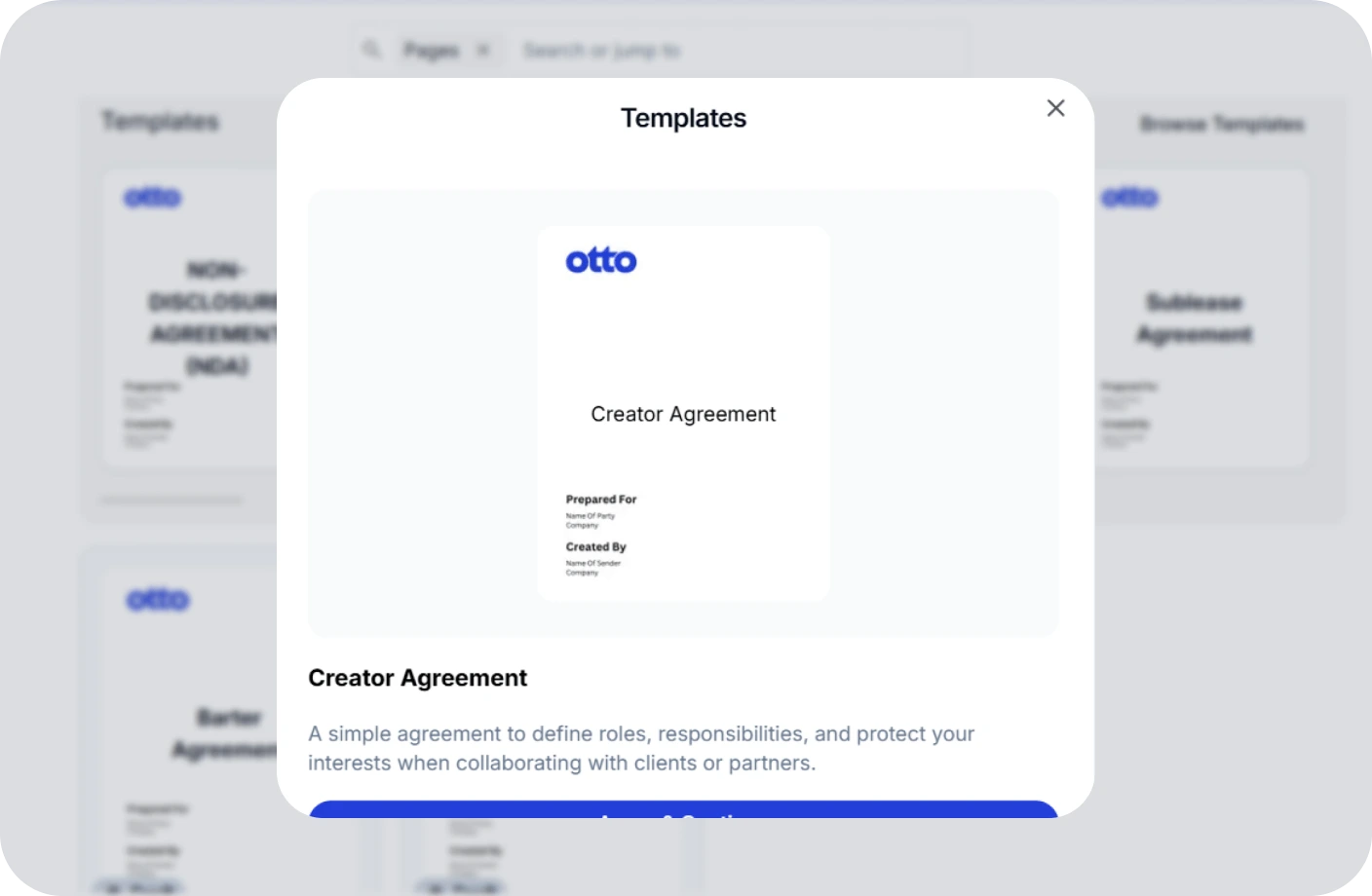
Contracts
Create, track, and e-sign contracts to ensure compliance and deadlines.
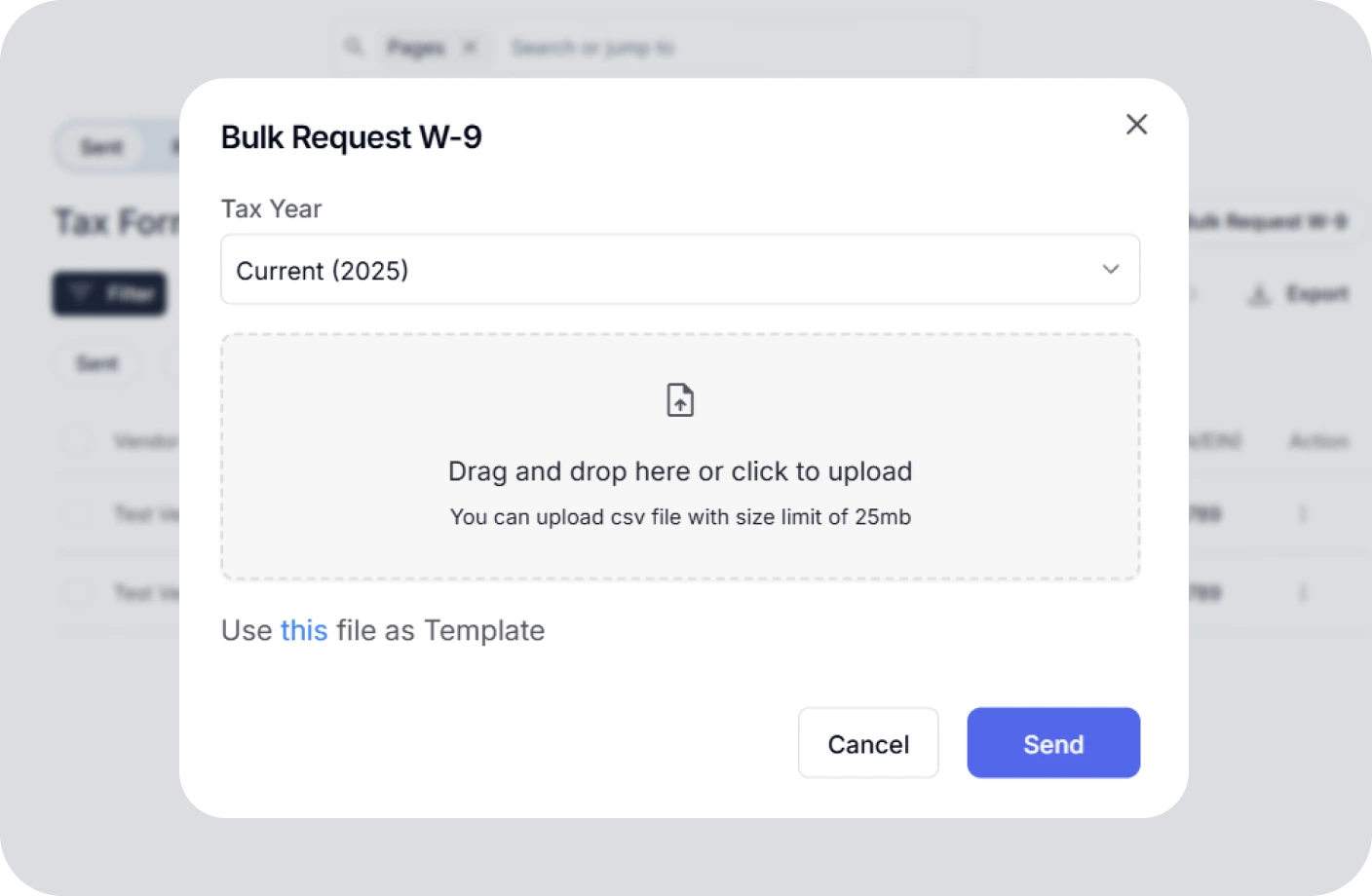
Taxes
Confidently plan taxes with expert CPAs and smart tools to track deductions.
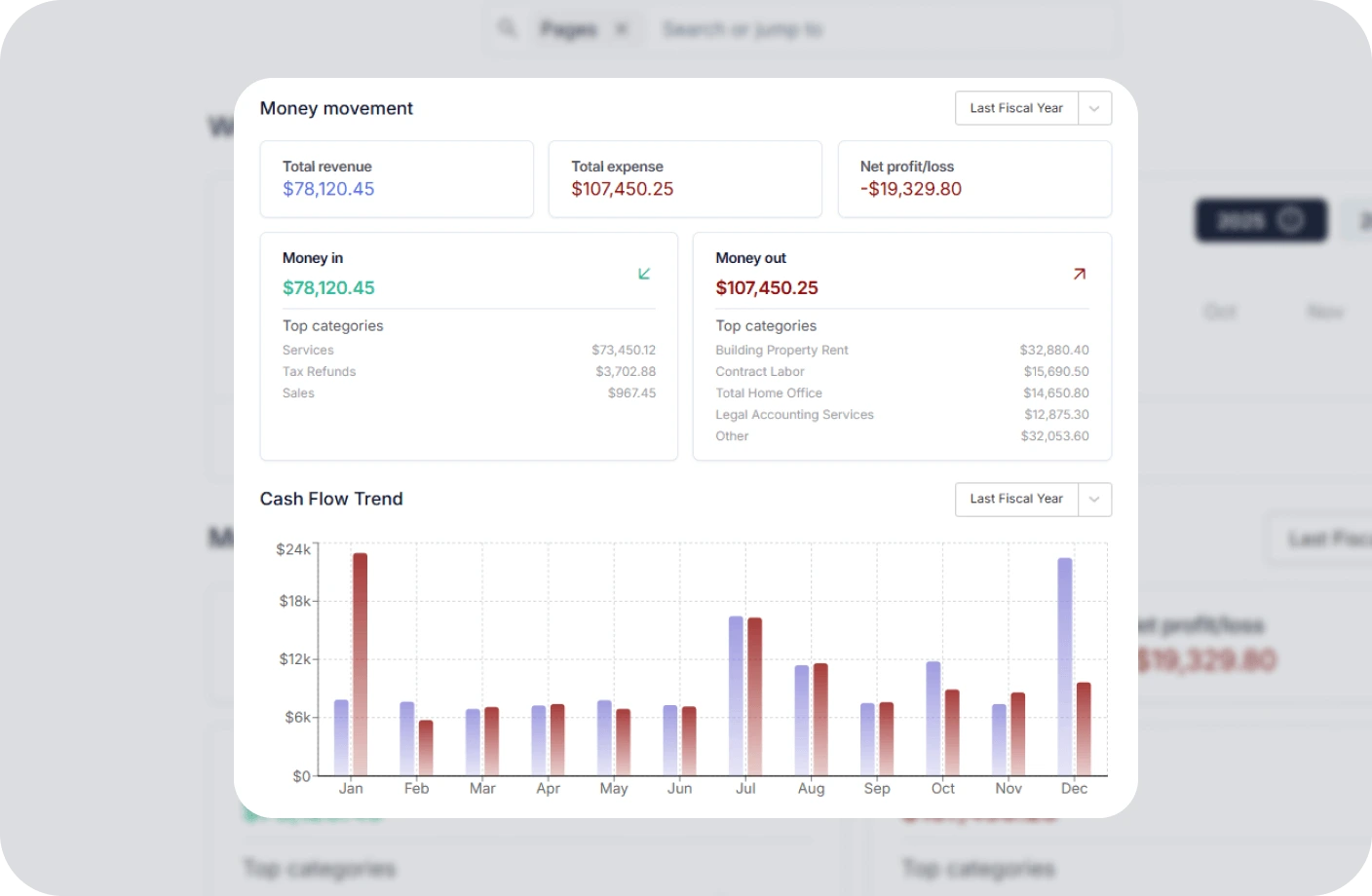
Reports
Real time business reports show where you stand today and what to do next.
Accounting
All in one accounting software for creators to handle your books, taxes, invoices, contracts.
Creator Tools
Specialized tools and resources for every type of creator
YouTubers Tools
Optimize your YouTube channel with analytics, thumbnail generators, and growth tools.
TikTokers Tools
Create viral TikTok content with trend analysis, caption generators, and editing tools.
Content Creators Tools
Comprehensive toolkit for content creation, scheduling, and audience engagement.
Video Creators Tools
Professional video editing, compression, and optimization tools for creators.
Influencers Tools
Manage brand partnerships, track engagement, and maximize your influencer income.
Photographers Tools
Photo editing, watermarking, and portfolio management tools for photographers.
Related Bookkeeping Resources
Essential guides and resources for your bookkeeping practice
The Joys of Bookkeeping: Finding Passion in Numbers
Discover the unexpected satisfaction in bookkeeping and how numbers tell the story of a business's success.
Navigating Early Challenges in a Remote Bookkeeping Practice
Practical advice for overcoming common hurdles when starting and growing a remote bookkeeping business.
Balancing Bookkeeping Client Relations and Expectations
Learn how to set clear expectations, communicate effectively, and build lasting client relationships in bookkeeping.
General Ledger FAQs
Quick answers to common questions about the general ledger
What is a general ledger in accounting?
A general ledger is the master record of all financial transactions in your business, organized by account. It contains every debit and credit entry and serves as the primary source of data for preparing financial statements.
What is the difference between a general journal and a general ledger?
The general journal is where transactions are first recorded in chronological order (the book of original entry). The general ledger is where those transactions are then sorted and summarized by individual account. Transactions flow from the journal to the ledger.
What accounts are included in a general ledger?
A general ledger includes accounts for assets (cash, equipment, receivables), liabilities (loans, payables), equity (capital, retained earnings), income (revenue, sales), and expenses (rent, payroll, supplies). The specific accounts depend on your chart of accounts.
How often should a general ledger be updated?
Transactions should be posted to the general ledger regularly — ideally daily or weekly — to ensure records are current. At minimum, the ledger should be updated and reconciled before preparing financial statements each month.
What is a general ledger used for?
The general ledger is used to prepare financial statements, track business performance, support tax filing, provide audit evidence, and inform business decisions. It's the central source of truth for all financial data.
Master Your General Ledger Without the Confusion
Let Otto's AI-powered bookkeeping handle your general ledger, transaction tracking, and financial reporting. Keep your books accurate and organized effortlessly.