Gross Profit: Definition, Formula & Overview
Learn what gross profit means, how to calculate it, and why it matters for your business.
KEY TAKEAWAYS
-
✓
Gross profit measures revenue minus the direct costs of producing goods or services.
-
✓
It helps you understand how efficiently you're producing and selling your offerings.
-
✓
Tracking gross profit over time reveals trends in profitability and cost management.
What is Gross Profit?
Gross profit refers to the amount of money a business or individual makes from their revenue after subtracting the cost of goods sold (COGS). This metric is essential for understanding how efficiently a creator, influencer, or small business owner is producing and selling their goods or services before other expenses are accounted for.
Gross Profit Formula
To calculate gross profit, use the following formula:
Gross Profit = Revenue – Cost of Goods Sold (COGS)
-
•
Revenue: The total income from sales of your services, content, or products.
-
•
Cost of Goods Sold (COGS): The direct costs of producing content, such as equipment, software, or supplies.
Example
If you're a photographer and you make $3,000 from a project, and your COGS (e.g., camera equipment rental, editing software, etc.) cost you $1,000, your gross profit would be:
$3,000 (Revenue) – $1,000 (COGS) = $2,000 Gross Profit
Why Gross Profit Matters
Gross profit is important for several reasons:
-
•
Profitability Insight: It shows whether your core business activities are profitable before overhead costs.
-
•
Cost Management: Helps identify where production costs can be reduced to improve margins.
-
•
Pricing Decisions: Understanding gross profit helps you set prices that cover costs and generate profit.
Gross Profit vs Net Profit
While gross profit focuses on revenue minus direct production costs, net profit goes a step further by subtracting all other expenses — rent, salaries, marketing, taxes, and more. Gross profit tells you how efficient your production is, while net profit reveals your overall business profitability. Both metrics are essential for a complete financial picture.
How It Applies to Your Business
When will you actually use this?
Gross profit isn't just a number on a spreadsheet. It impacts everyday business decisions and can mean the difference between thriving and just surviving. Here's when you'll use these principles:
Pricing Strategy
Set product and service prices based on gross profit targets to ensure every sale contributes positively to your bottom line.
Cost Control
Monitor COGS to identify rising material or labor costs and take action before they erode your margins.
Profitability Analysis
Evaluate which products, services, or client types generate the highest gross profit margins.
Business Planning
Use gross profit trends to forecast future earnings and guide strategic growth decisions.
Investor Reporting
Present clean gross profit metrics to investors and lenders who evaluate business health and scalability.
Product Line Decisions
Decide which offerings to expand, optimize, or cut based on their individual gross profit contributions.
Recommended Reading
Expand your knowledge with these related topics
Expense Control
Learn effective strategies to monitor and manage business expenses for better financial health.
Fixed Asset Ledger
Track and manage your fixed assets with a dedicated ledger for accurate depreciation and valuation.
Mobile Bookkeeping
Manage your books on the go with mobile bookkeeping solutions designed for modern businesses.
Tangible Assets
Understand how to properly account for and manage physical business assets and their depreciation.
Closing Entries
Master the process of closing temporary accounts and preparing your books for the next period.
Bad Debt
Learn how to account for uncollectible receivables and manage bad debt in your financial records.
Real Bookkeeping Questions From the Community
Explore Reddit-backed Otto bookkeeping guides based on real conversations about gross profit, margins, COGS, pricing, and profitability analysis.
One Platform: From Entity Setup to Closing Reports
Comprehensive financial solutions for your business needs.
Entity Management
Easily manage legal entities, compliance, and ownership in one platform.
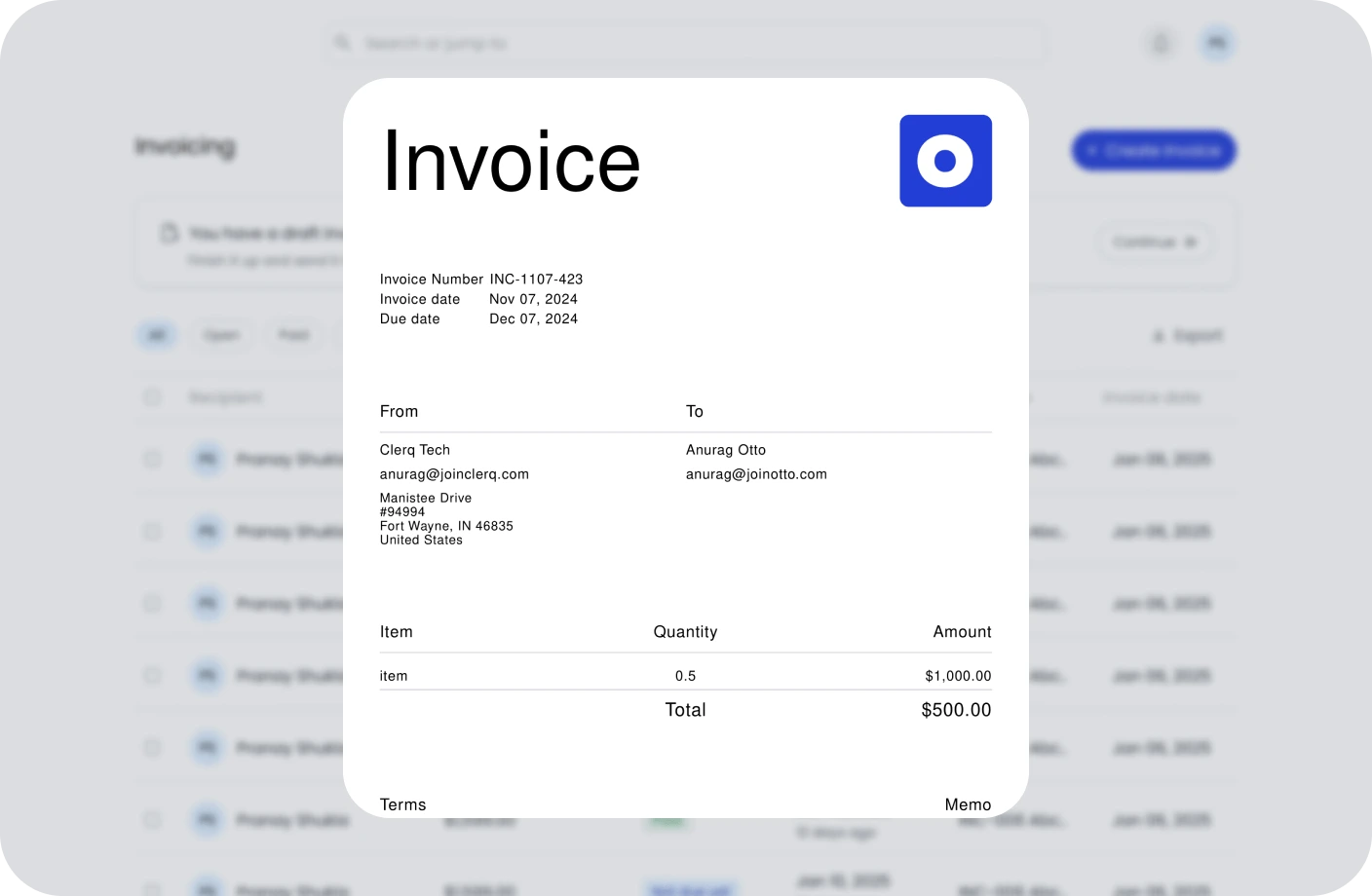
Invoicing
Create, send, and manage invoices. Track payments and assure timely cash flow.
Contracts
Create, track, and e-sign contracts to ensure compliance and deadlines.
Taxes
Confidently plan taxes with expert CPAs and smart tools to track deductions.
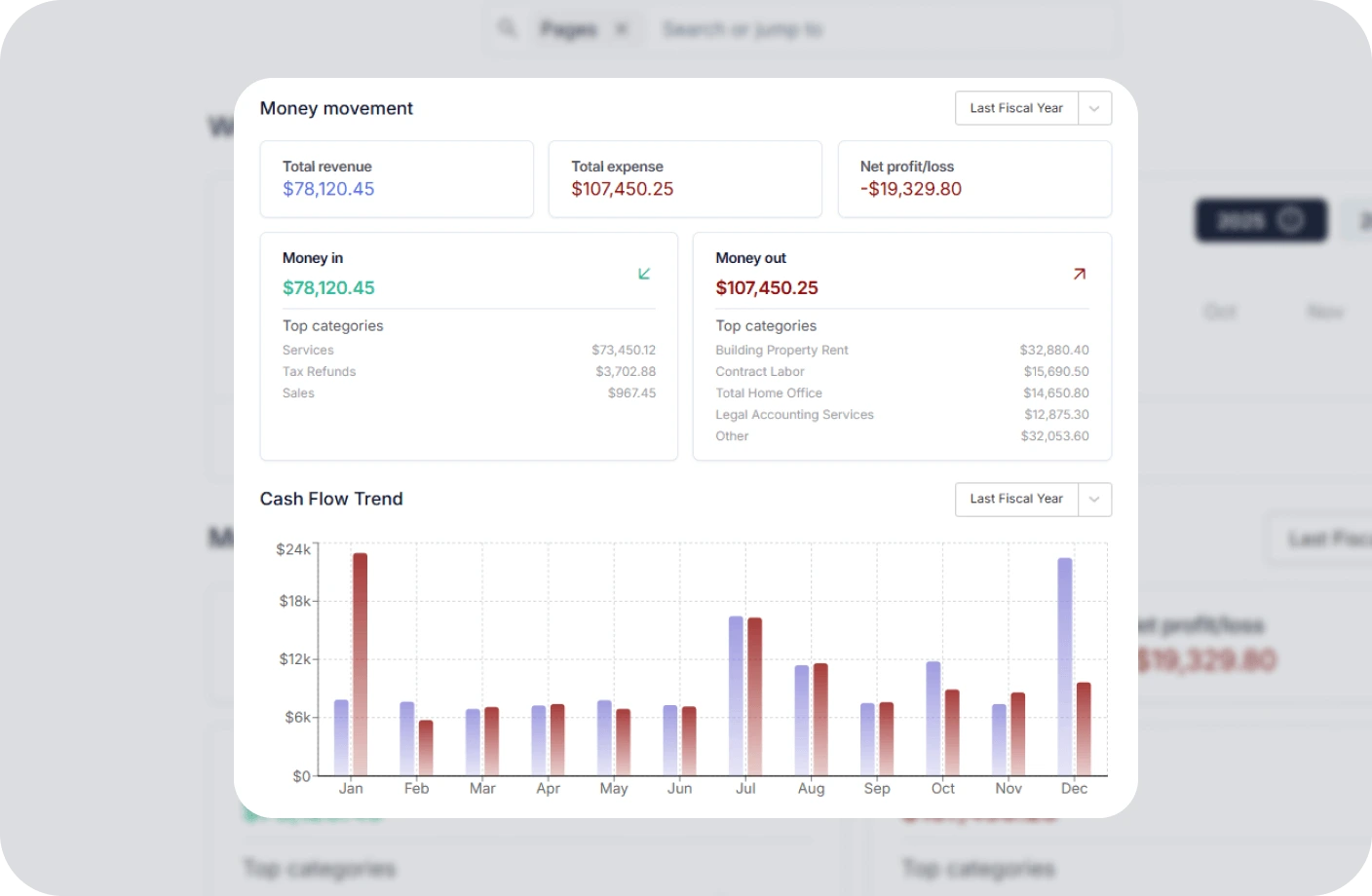
Reports
Real time business reports show where you stand today and what to do next.
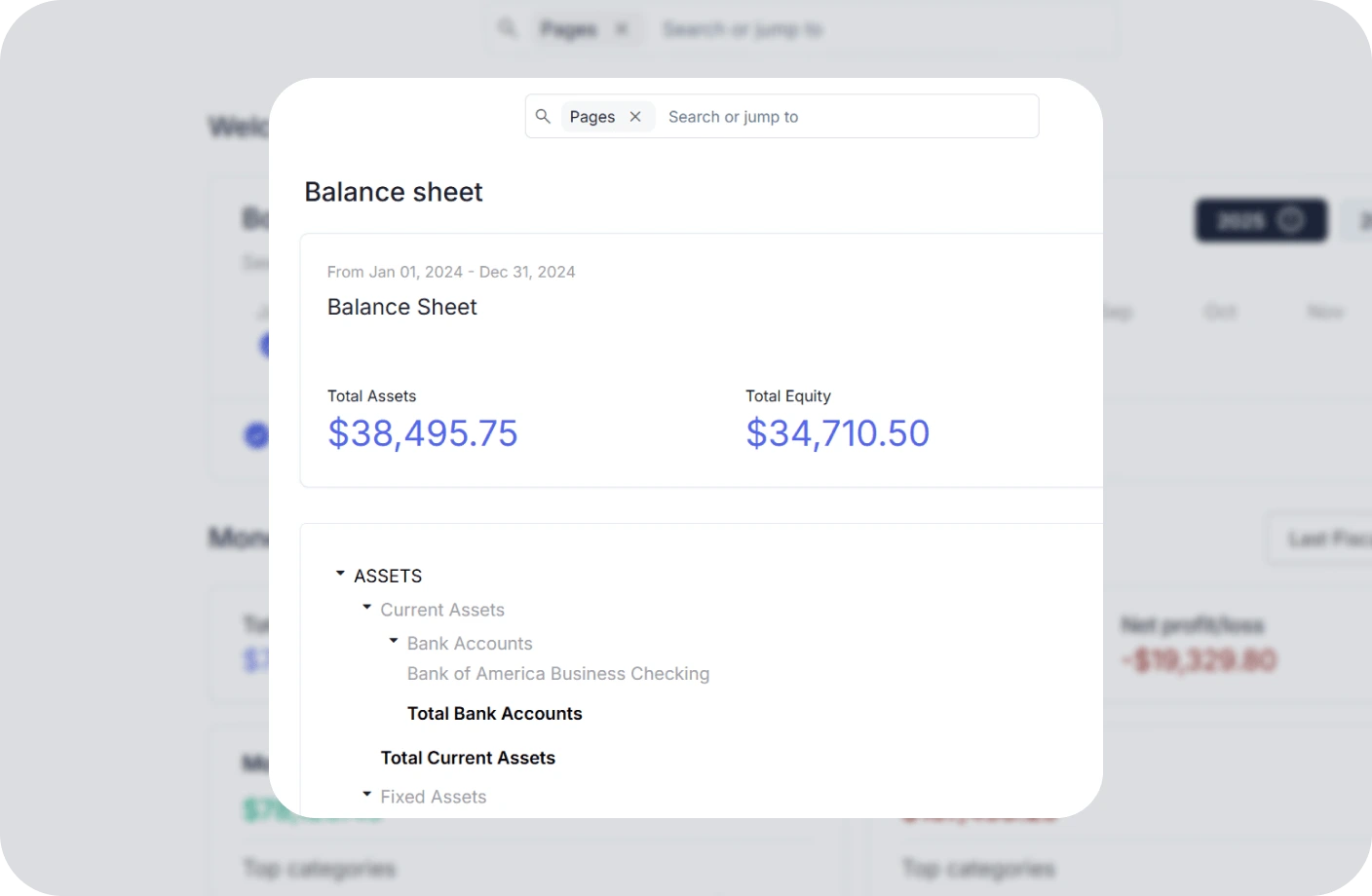
Accounting
All in one accounting software for creators to handle your books, taxes, invoices, contracts.
Creator Tools
Specialized tools and resources for every type of creator
YouTubers Tools
Optimize your YouTube channel with analytics, thumbnail generators, and growth tools.
TikTokers Tools
Create viral TikTok content with trend analysis, caption generators, and editing tools.
Content Creators Tools
Comprehensive toolkit for content creation, scheduling, and audience engagement.
Video Creators Tools
Professional video editing, compression, and optimization tools for creators.
Influencers Tools
Manage brand partnerships, track engagement, and maximize your influencer income.
Photographers Tools
Photo editing, watermarking, and portfolio management tools for photographers.
Related Bookkeeping Resources
Essential guides and resources for your bookkeeping practice
The Joys of Bookkeeping: Finding Passion in Numbers
Discover the unexpected satisfaction in bookkeeping and how numbers tell the story of a business's success.
Navigating Early Challenges in a Remote Bookkeeping Practice
Practical advice for overcoming common hurdles when starting and growing a remote bookkeeping business.
Balancing Bookkeeping Client Relations and Expectations
Learn how to set clear expectations, communicate effectively, and build lasting client relationships in bookkeeping.
Gross Profit FAQs
Quick answers to common questions about gross profit
What is gross profit, and how is it calculated?
Gross profit is the amount of money a business earns from revenue after subtracting the cost of goods sold (COGS). It's calculated using the formula: Gross Profit = Revenue – Cost of Goods Sold. This metric shows how efficiently a business produces and sells its products or services before accounting for overhead expenses.
What's the difference between gross profit and net profit?
Gross profit only subtracts direct production costs (COGS) from revenue, while net profit subtracts all expenses — including rent, salaries, marketing, taxes, and interest. Gross profit measures production efficiency, while net profit reflects overall business profitability.
What is a good gross profit margin?
A good gross profit margin varies by industry. Generally, a margin above 50% is considered strong for product-based businesses, while service-based businesses often see margins of 70-90%. The key is to track your margin over time and compare it to industry benchmarks to identify improvement opportunities.
How can I increase my gross profit?
You can increase gross profit by raising prices, reducing COGS through better supplier negotiations or bulk purchasing, improving production efficiency, eliminating low-margin products, or shifting focus to higher-margin offerings. Even small improvements in pricing or cost reduction can significantly impact your bottom line.
What costs are included in COGS?
COGS includes direct costs tied to producing goods or services, such as raw materials, direct labor, manufacturing supplies, equipment rental, and software subscriptions used in production. It does not include indirect costs like marketing, rent, administrative salaries, or shipping to customers.
Why is gross profit important for my business?
Gross profit is a key indicator of your business's financial health. It helps you understand if your core operations are profitable, guides pricing decisions, reveals cost control issues, and provides essential data for investors and lenders. Tracking gross profit trends also helps you spot problems early and make informed strategic decisions.
Track Your Gross Profit Without the Guesswork
Let Otto's AI-powered bookkeeping automatically calculate your gross profit, track COGS, and provide real-time profitability insights for your business.