Property, Plant, and Equipment (PPE)
Learn what PPE means, how it works, and why these long-term assets matter for your business growth and financial planning.
KEY TAKEAWAYS
-
✓
PPE represents long-term physical assets that businesses use to generate revenue over multiple years.
-
✓
These assets include buildings, machinery, vehicles, and equipment that are essential for operations.
-
✓
PPE is depreciated over its useful life to match the cost with the revenue it helps generate.
Have you ever wondered what PPE actually means? Property, Plant, and Equipment plays a big role in every business. It represents the major physical assets that companies need to operate and grow their business.
PPE exists to help businesses track and manage their long-term assets properly. These assets provide value over many years, not just like supplies that get used up quickly. But how does PPE accounting work? What counts as PPE? And why does it matter for your financial statements?
This guide walks you through everything about PPE in a simple way, so you can understand how these assets work and how to manage them effectively in your business.
What Is PPE?
Property, Plant, and Equipment (PPE) are long-term physical assets that businesses use in their operations. These assets are not meant to be sold quickly but instead provide value over many years through regular use in generating revenue.
PPE includes items like buildings, machinery, vehicles, computers, and furniture. Unlike current assets or supplies, these assets have useful lives extending beyond one year and are gradually expensed through depreciation. These fixed assets form the foundation of business operations.
In simple terms, PPE represents the major investments a company makes to operate and grow its business. These assets appear on the balance sheet and are crucial for understanding a company's operational capacity and long-term value.
How PPE Works
PPE accounting follows a systematic process that ensures assets are properly recorded, valued, and expensed over their useful lives. This process helps businesses match the cost of assets with the revenue they generate.
Here's how PPE works in practice:
-
1
Acquisition – When you buy a PPE asset, record it at its original cost including purchase price, taxes, shipping, and installation fees
-
2
Classification – Determine the asset category (land, buildings, equipment, etc.) and estimate its useful life
-
3
Depreciation – Spread the asset's cost over its useful life using systematic depreciation methods
-
4
Maintenance – Record ongoing repair and maintenance costs as expenses when incurred
-
5
Disposal – Remove the asset from records when sold or disposed of, accounting for any gain or loss
Types of PPE
PPE includes several categories of long-term assets that businesses use in their operations. Each type has specific characteristics and accounting treatments.
-
•
Land – Property that buildings or facilities sit on, not depreciated but may incur land improvement costs
-
•
Buildings – Structures used for offices, manufacturing, warehouses, or retail spaces with long useful lives
-
•
Machinery – Manufacturing equipment, production lines, and industrial machines used to create products
-
•
Equipment – Computers, office furniture, tools, and other items needed for daily operations
-
•
Vehicles – Company cars, trucks, delivery vans, and other transportation used for business purposes
Example of PPE
Let's say a small manufacturing company buys a new machine for $100,000. Here's how this PPE asset works in practice:
The company records the machine as a PPE asset at $100,000 (including purchase price, shipping, and installation). They estimate the machine will last 10 years, so they use straight-line depreciation to expense $10,000 each year.
After 3 years, the machine's book value is $70,000 ($100,000 minus $30,000 of accumulated depreciation). The machine continues helping produce products while the depreciation expense gradually reduces taxable income each year.
Benefits of PPE
PPE provides several important advantages for businesses that invest wisely in long-term business assets:
-
✓
Long-term value – Assets provide benefits over many years, not just one accounting period
-
✓
Tax advantages – Depreciation deductions reduce taxable income over the asset's useful life
-
✓
Increased capacity – Better equipment and facilities help businesses produce more and serve more customers
-
✓
Collateral value – PPE assets can be used as collateral for loans and financing
Risks and Limitations
While PPE offers many benefits, businesses should be aware of potential challenges:
-
!
High upfront costs – Large initial investment required before seeing any return
-
!
Maintenance expenses – Ongoing repair and upkeep costs can add up over time
-
!
Obsolescence risk – Technology changes can make equipment outdated before its useful life ends
-
!
Liquidity issues – PPE assets cannot be quickly converted to cash if needed
Why PPE Matters
PPE matters because it represents the foundation of your business operations. These assets show investors and lenders what your business owns and its capacity to generate future revenue.
Proper PPE management helps businesses make smart investment decisions, plan for future growth, and maintain accurate financial statements that support business planning and tax compliance. Understanding accounting theory helps ensure proper asset classification and reporting.
How PPE Applies to Your Business
When will you actually use this?
PPE isn't just for large manufacturing companies. It impacts everyday business decisions across all industries and can mean the difference between growth and stagnation. Here's when you'll use these assets:
Asset Tracking
Monitor your equipment value and condition for accurate financial reporting and insurance purposes.
Tax Planning
Claim depreciation deductions to reduce taxable income and improve cash flow.
Business Expansion
Use PPE as collateral for loans and demonstrate asset base to secure financing.
Budget Planning
Plan for equipment replacements and upgrades based on depreciation schedules.
Operational Efficiency
Invest in better equipment to increase productivity and reduce operational costs.
Investor Relations
Show strong asset base to build confidence with potential investors and lenders.
Recommended Reading
Expand your knowledge with these related topics
Debit
Understanding debits in accounting and how they affect your financial records.
ABS Security
Understanding Asset-Backed Securities and their role in financial markets.
Assurance
Understanding assurance services and their role in financial reporting credibility.
Point of Sale (POS)
How POS systems integrate with accounting for accurate sales tracking.
Revenue
Understanding revenue recognition and its impact on financial statements.
FF&E
Furniture, Fixtures, and Equipment accounting for business assets management and tracking
Real Accounting Questions From the Community
Explore Reddit-backed Otto accounting guides based on real conversations about CPAs, accountants, invoices, reconciliation, ledgers, P&L, and cash flow systems.
One Platform: From Entity Setup to Closing Reports
Comprehensive financial solutions for your business needs.
Entity Management
Easily manage legal entities, compliance, and ownership in one platform.
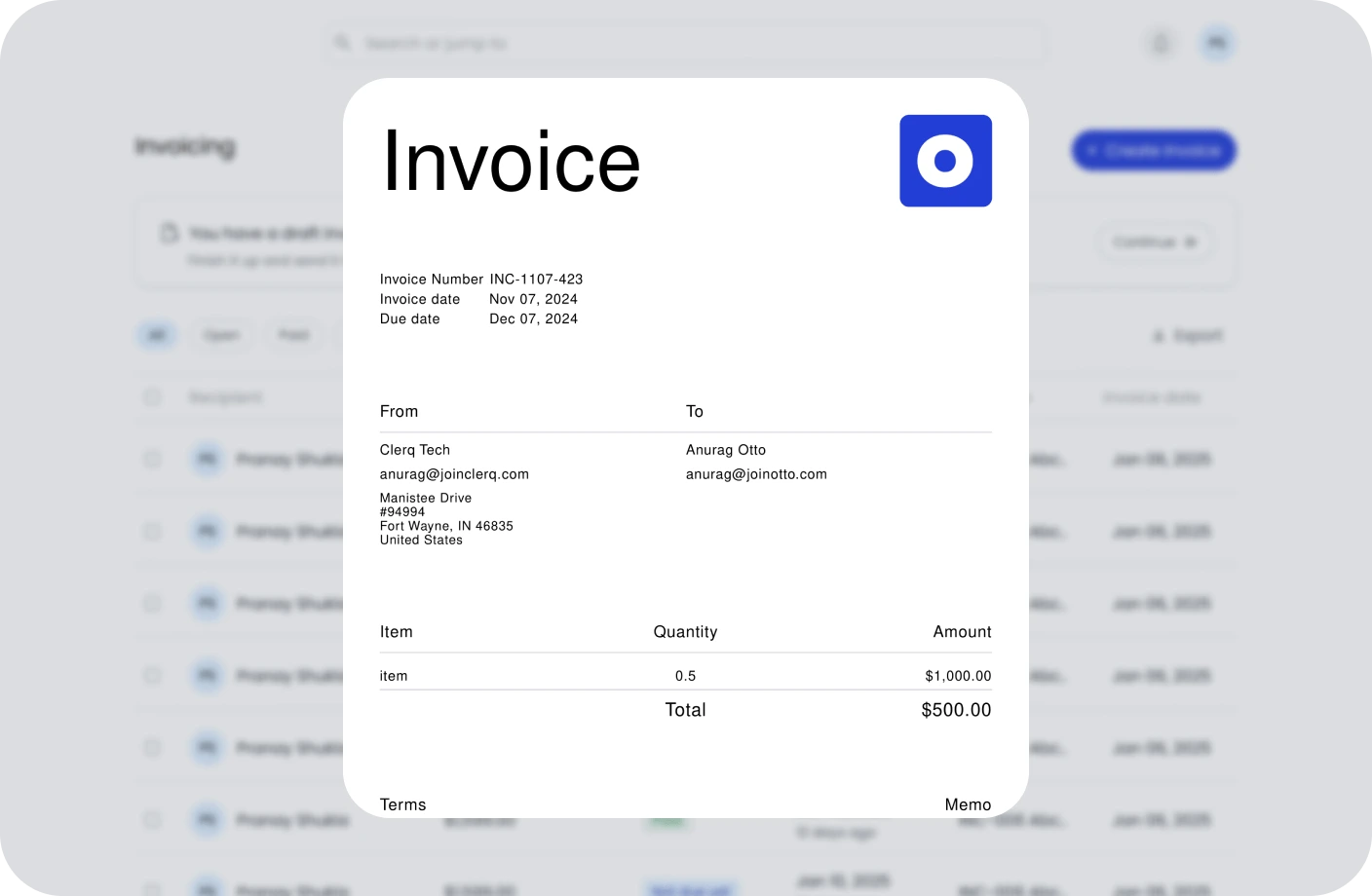
Invoicing
Create, send, and manage invoices. Track payments and assure timely cash flow.
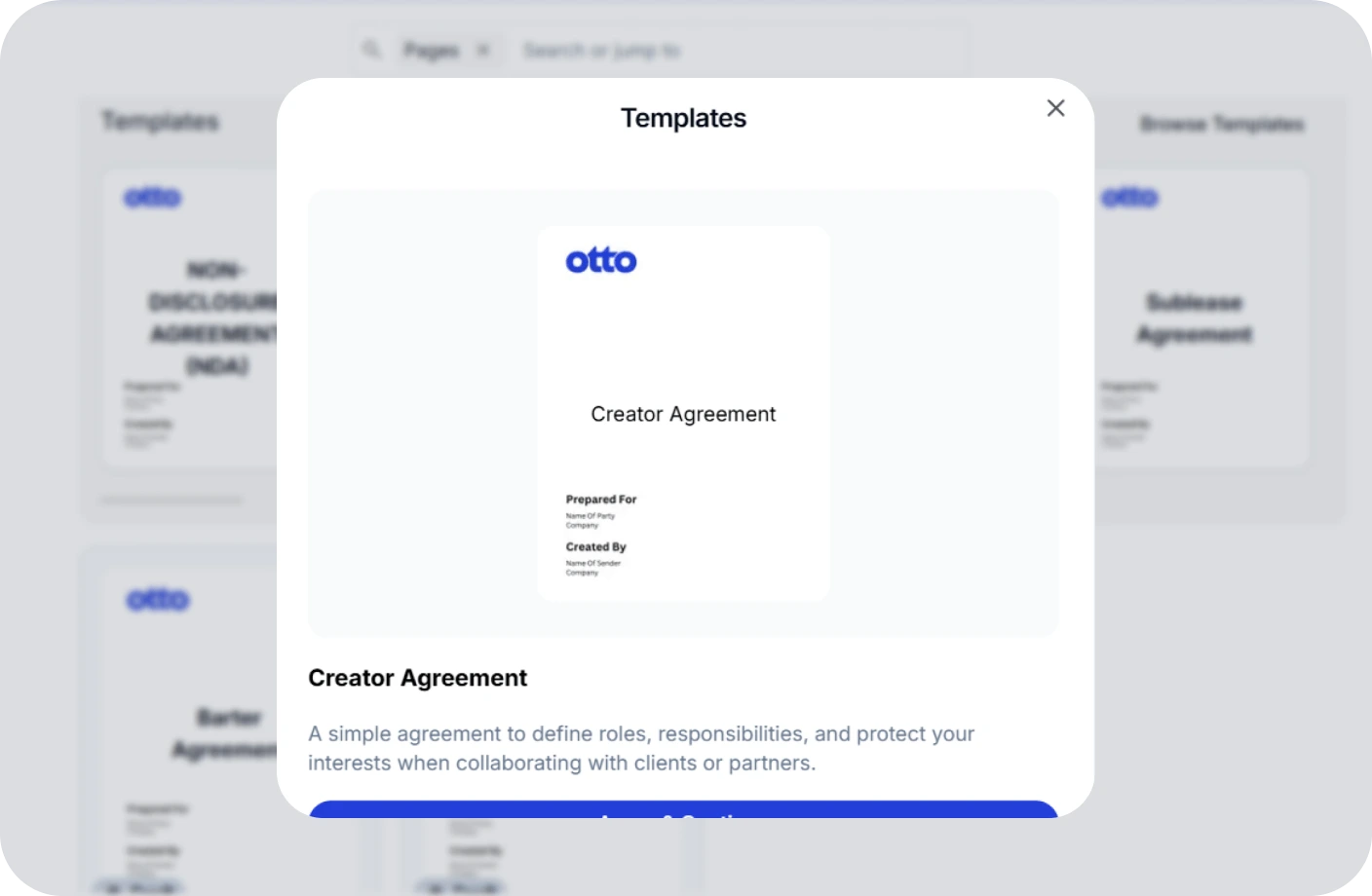
Contracts
Create, track, and e-sign contracts to ensure compliance and deadlines.
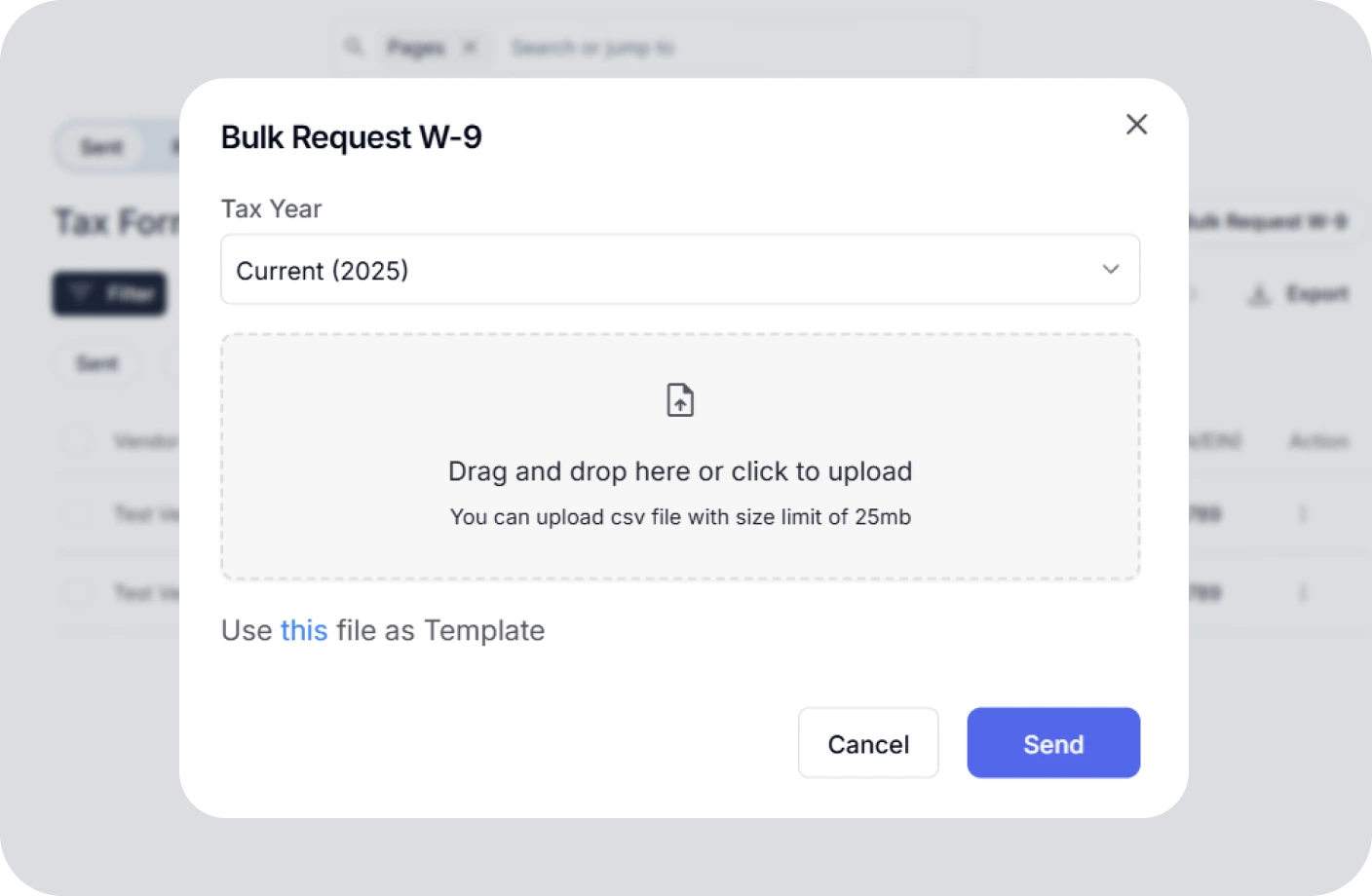
Taxes
Confidently plan taxes with expert CPAs and smart tools to track deductions.
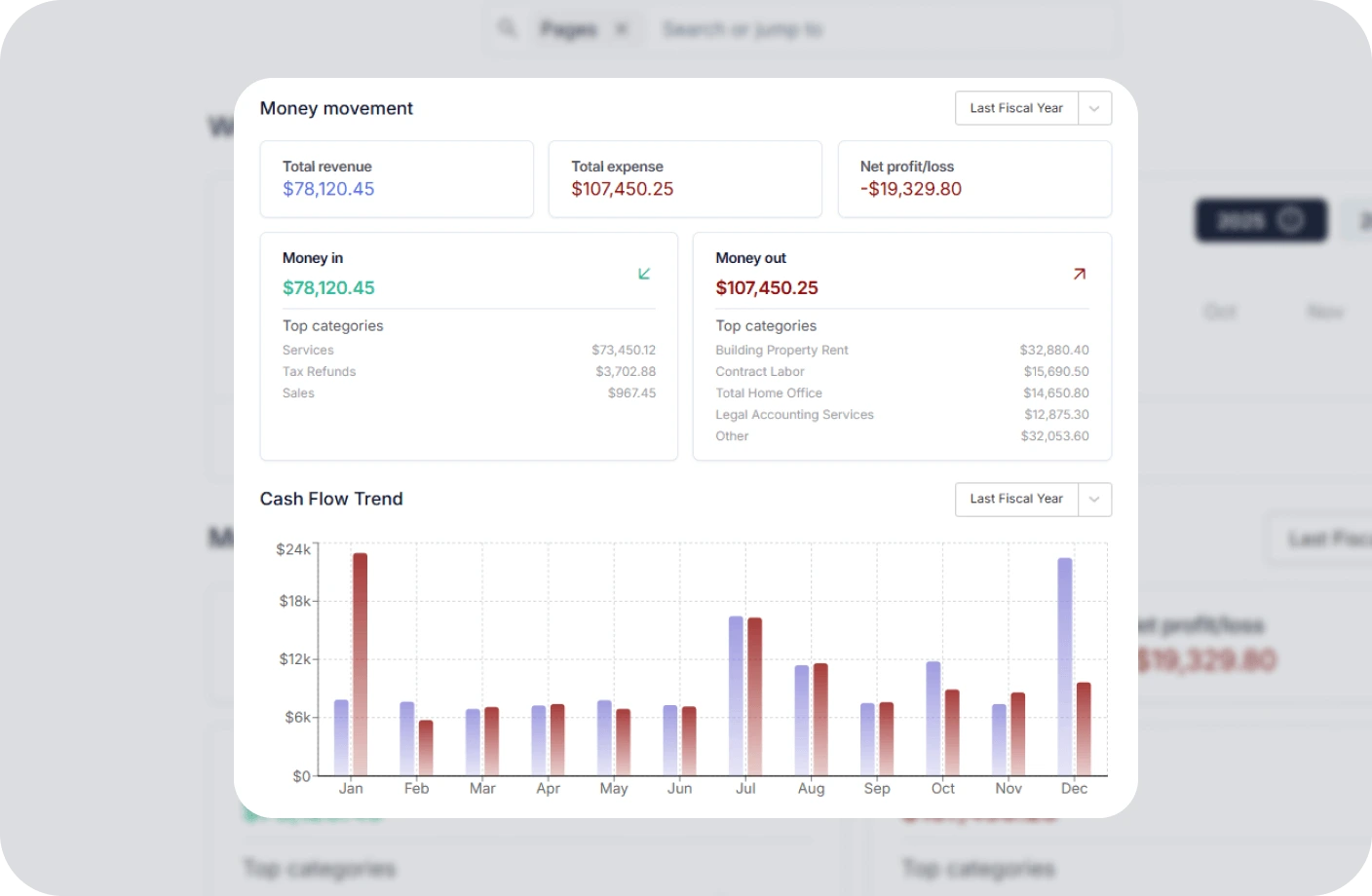
Reports
Real time business reports show where you stand today and what to do next.
Accounting
All in one accounting software for creators to handle your books, taxes, invoices, contracts.

Creator Tools
Specialized tools and resources for every type of creator
YouTubers Tools
Optimize your YouTube channel with analytics, thumbnail generators, and growth tools.
TikTokers Tools
Create viral TikTok content with trend analysis, caption generators, and editing tools.
Content Creators Tools
Comprehensive toolkit for content creation, scheduling, and audience engagement.
Video Creators Tools
Professional video editing, compression, and optimization tools for creators.
Influencers Tools
Manage brand partnerships, track engagement, and maximize your influencer income.
Photographers Tools
Photo editing, watermarking, and portfolio management tools for photographers.
Related Accounting Resources
Essential tax forms and compliance guides for your accounting practice
What Is Cash Pooling? How It Works, Key Types, and Examples
Learn how cash pooling optimizes liquidity across multiple accounts and business entities.
What Is an Amortization Expense? Definition, Formula & Examples
Understand how to calculate and record amortization expenses for intangible assets accurately and efficiently.
Debits vs Credits in Accounting: A Beginner's Guide
Master the fundamental accounting principle of double-entry bookkeeping with clear examples.
PPE FAQs
Quick answers to common questions about Property, Plant, and Equipment
What is PPE in simple words?
PPE stands for Property, Plant, and Equipment. These are the long-term physical assets that businesses use to operate, like buildings, machines, vehicles, and equipment that provide value over many years.
Where is PPE used?
PPE is used across all industries. Manufacturing companies use machinery, retail stores use buildings and fixtures, tech companies use computers and servers, and service businesses use office furniture and vehicles.
Why is PPE important?
PPE represents the foundation of business operations and shows a company's capacity to generate revenue. It's crucial for financial planning, tax deductions through depreciation, and securing financing.
What is an example of PPE?
A manufacturing company's factory building, production machinery, delivery trucks, and office computers are all examples of PPE. These assets are used over many years to produce and deliver products.
Is PPE easy to understand or use?
PPE concepts are straightforward to understand. The main challenge is proper tracking and depreciation calculations, but accounting software makes managing PPE much easier for most businesses.
Manage Your PPE Assets Without the Confusion
Track your Property, Plant, and Equipment effortlessly with Otto's AI-powered bookkeeping. Monitor depreciation, schedule maintenance, and make smarter asset investment decisions.