Debt Issue : Definition & Overview
Learn what a debt issue means in accounting, how debt financing works, and what it means for your business's financial health.
KEY TAKEAWAYS
-
✓
A debt issue is when a company raises capital by selling debt instruments like bonds or notes to investors.
-
✓
Debt issues appear as liabilities on the balance sheet and require regular interest payments.
-
✓
Understanding debt issues helps businesses make informed financing decisions between debt and equity.
Have you ever wondered what a debt issue actually means? Debt plays a big role in how businesses raise money. It helps companies fund growth, acquire assets, and manage cash flow without giving up ownership.
A debt issue is one of the most common ways for businesses to access capital. But how does it work? What types of debt instruments are available? And how does issuing debt affect your financial statements?
This guide walks you through everything in a simple way, so you can understand how debt issues work and how they apply to real business situations.
What Is a Debt Issue?
A debt issue is a financial instrument that companies use to raise capital from investors. When a business issues debt, it sells bonds, notes, or other debt securities in exchange for cash, with a promise to repay the principal amount plus interest over a set period.
Companies issue debt for many reasons: to fund expansion, acquire other businesses, refinance existing obligations, or manage working capital needs. Unlike equity financing, debt allows businesses to raise capital without diluting ownership or giving up control.
Debt issuers range from governments and large corporations to small businesses. Each type of issuer offers different levels of risk and return, which determines the interest rate investors demand.
How Debt Issues Work
When a company decides to issue debt, it works with investment banks to structure the offering. The debt instrument specifies the principal amount, interest rate (coupon), maturity date, and repayment terms.
Investors purchase these debt securities and receive regular interest payments until maturity, when the principal is repaid. The interest rate reflects the credit risk of the issuer and prevailing market conditions.
Debt issues can be structured in several ways:
-
•
Secured debt – Backed by collateral that lenders can claim if the borrower defaults
-
•
Unsecured debt – Not backed by collateral, typically with higher interest rates
-
•
Convertible debt – Can be converted into equity shares at a predetermined price
-
•
Callable debt – Can be repaid early by the issuer before the maturity date
Debt issues are recorded on the balance sheet as liabilities. The principal amount is classified as either current or long-term depending on the repayment timeline, while interest payments are recorded as expenses on the income statement.
For accounting purposes, debt issues must be reported at their fair value, and any discounts or premiums are amortized over the life of the debt using the effective interest method.
Types of Debt Instruments
There are several common types of debt instruments that businesses use:
-
•
Corporate bonds – Debt securities issued by companies with fixed interest rates and maturity dates
-
•
Commercial paper – Short-term unsecured promissory notes used for working capital needs
-
•
Debentures – Unsecured bonds backed only by the creditworthiness of the issuer
-
•
Notes payable – Formal written promises to pay a specific amount with interest by a certain date
Each type of debt instrument has different characteristics, risk profiles, and accounting treatments that businesses must understand before choosing a financing option.
Debt Issue vs. Equity Issue
When a business needs capital, it can choose between issuing debt or equity. Each option has distinct advantages and trade-offs that affect the company's financial structure.
Debt financing allows companies to raise capital without diluting ownership. Interest payments are tax-deductible, which can lower the effective cost of borrowing. However, debt comes with mandatory interest and principal payments that can strain cash flow.
Equity financing involves selling ownership stakes in the company. This does not require repayment but dilutes existing shareholders' ownership. Investors expect a share of profits and may want a say in business decisions. Understanding the differences between assets and liabilities is crucial when evaluating these options.
The right choice depends on the company's financial health, growth stage, industry, and market conditions. Many businesses use a mix of debt and equity to balance risk and flexibility.
Advantages and Disadvantages
Debt financing offers several advantages: tax-deductible interest payments, retained ownership control, fixed repayment schedules, and potentially lower cost of capital compared to equity.
However, debt also has drawbacks: mandatory interest payments regardless of profitability, potential cash flow strain, restrictive covenants, increased financial risk, and possible credit rating downgrades.
Businesses should carefully weigh these factors and consult with financial professionals before deciding on a debt issue. Proper planning ensures that debt financing supports growth without creating unsustainable obligations.
How Debt Issues Apply to Your Business
When will you actually deal with debt issues?
Debt issues aren't just for large corporations. They impact everyday business financing decisions and can mean the difference between growth and stagnation. Here's when you'll encounter debt issues:
Business Financing
Raise capital through debt issuance to fund expansion, acquisitions, or working capital needs.
Balance Sheet Management
Track debt obligations, classify them correctly, and monitor debt-to-equity ratios.
Interest Expense Planning
Budget for regular interest payments and understand their impact on profitability and cash flow.
Credit Rating Impact
Understand how debt levels affect your creditworthiness and future borrowing costs.
Investor Relations
Communicate debt strategy to bondholders, analysts, and rating agencies with transparency.
Debt Covenant Compliance
Monitor and maintain financial ratios required by lenders to avoid default and penalties.
Recommended Reading
Expand your knowledge with these related topics
Current Assets
Learn about current assets and how they impact your business liquidity and short-term financial health.
PPE
Learn about Property, Plant, and Equipment assets and their accounting treatment for your business.
Debit
Understanding debits in accounting and how they affect your financial records.
Assurance
Understanding assurance services and their role in financial reporting credibility.
FF&E
Furniture, Fixtures, and Equipment accounting for business asset management and tracking.
Point of Sale (POS)
How POS systems integrate with accounting for accurate sales tracking.
Real Accounting Questions From the Community
Explore Reddit-backed Otto accounting guides based on real conversations about CPAs, accountants, invoices, reconciliation, ledgers, P&L, and cash flow systems.
One Platform: From Entity Setup to Closing Reports
Comprehensive financial solutions for your business needs.
Entity Management
Easily manage legal entities, compliance, and ownership in one platform.
Invoicing
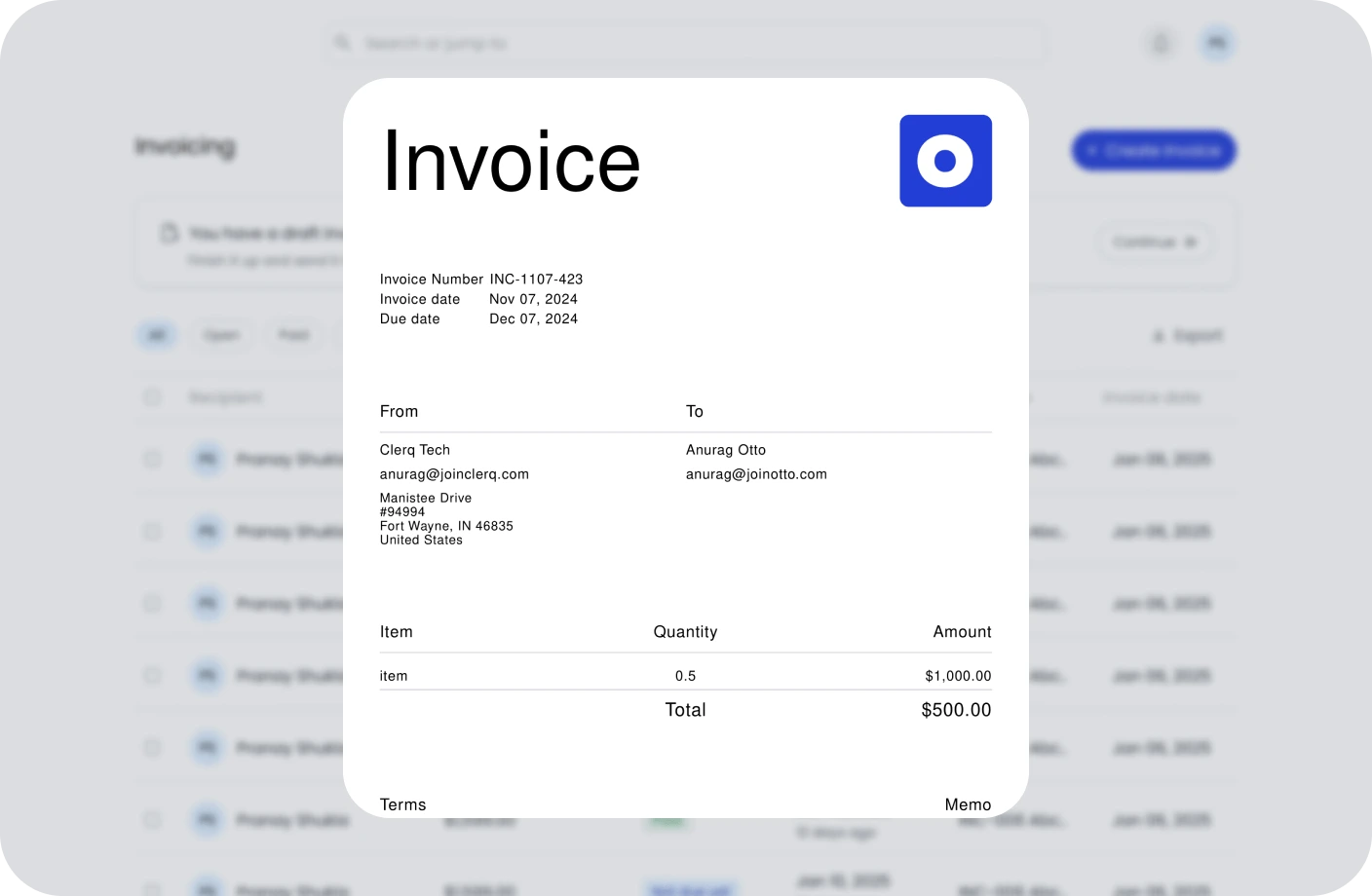
Create, send, and manage invoices. Track payments and assure timely cash flow.
Contracts
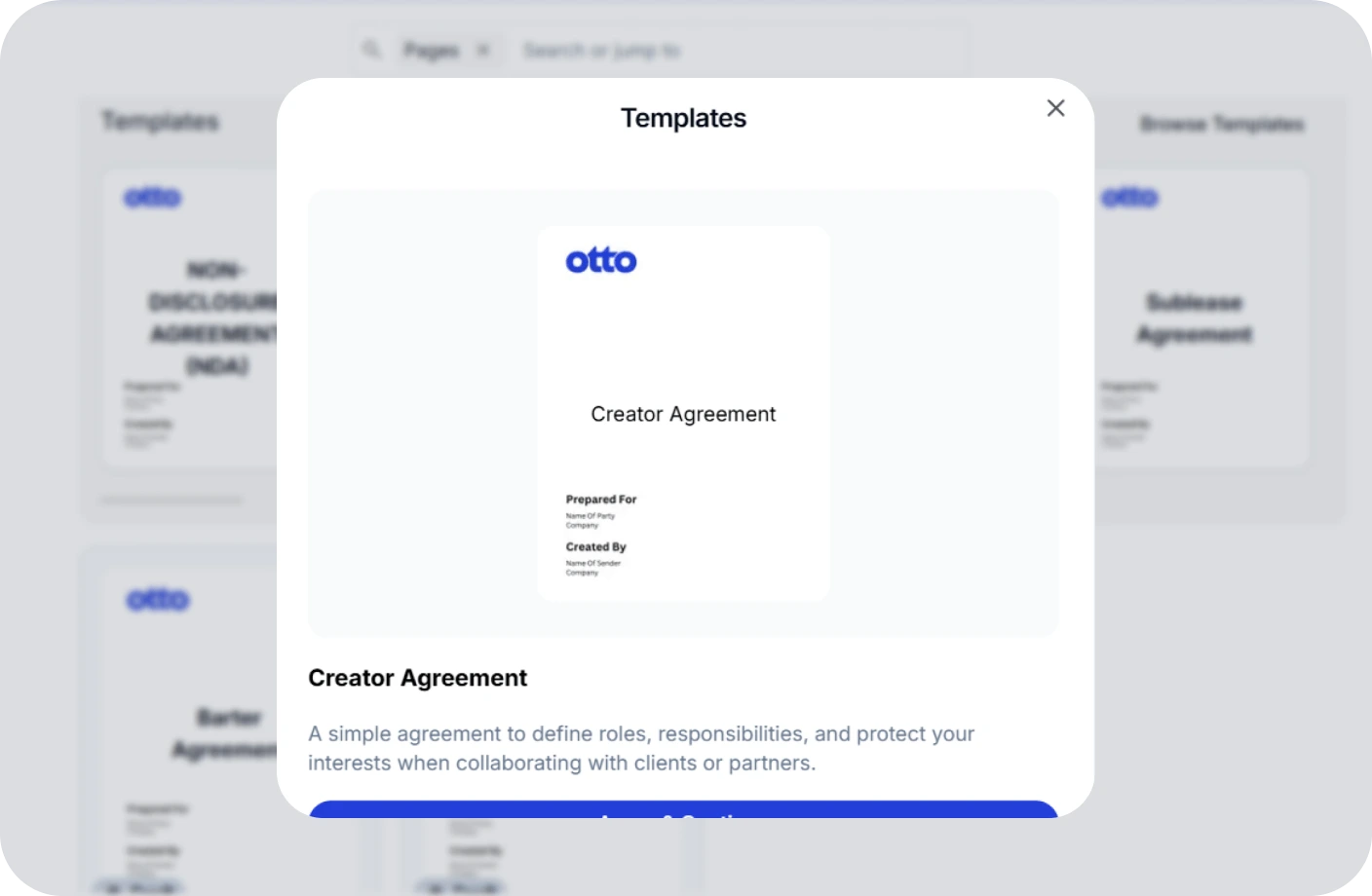
Create, track, and e-sign contracts to ensure compliance and deadlines.
Taxes
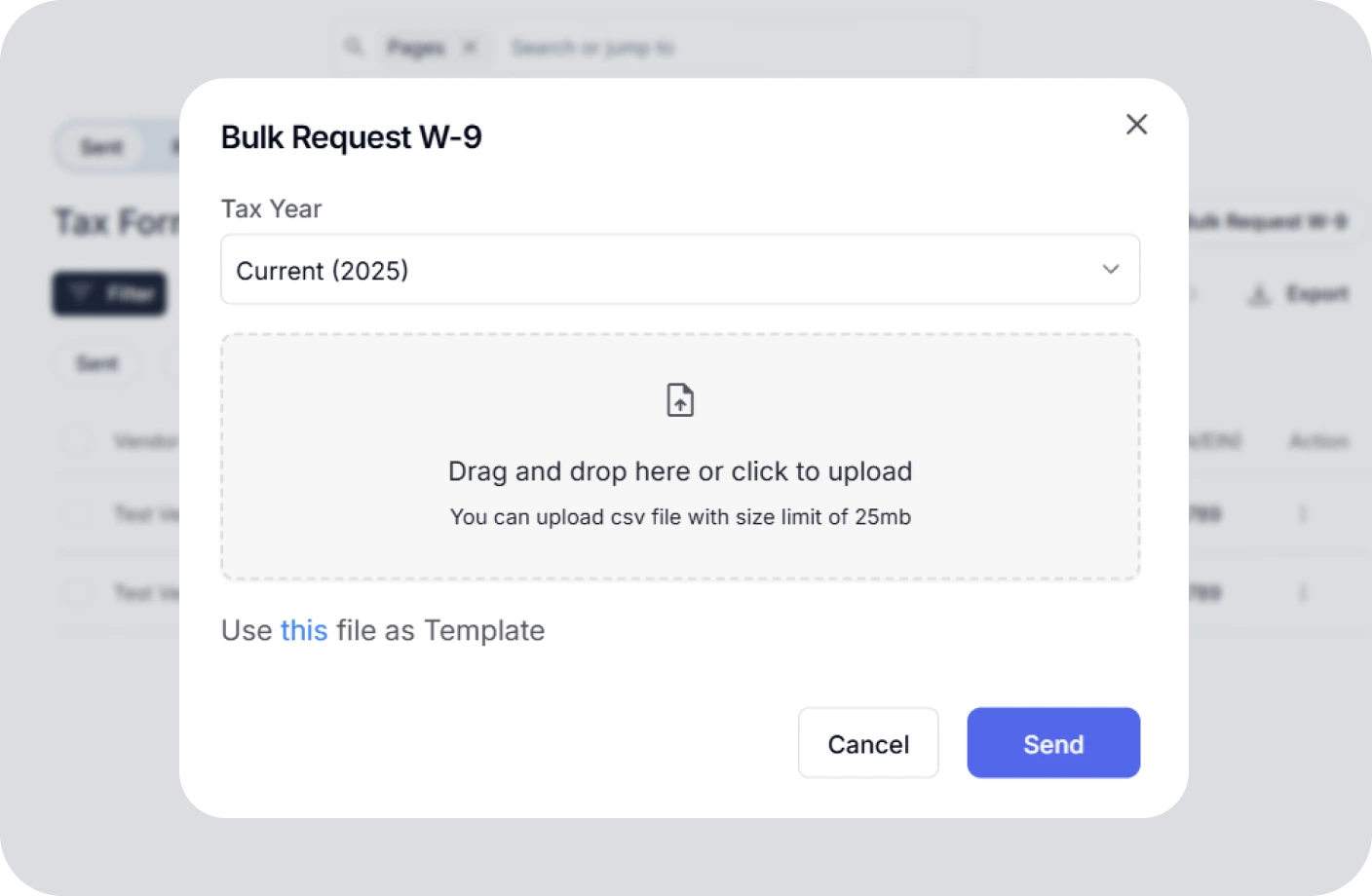
Confidently plan taxes with expert CPAs and smart tools to track deductions.
Reports
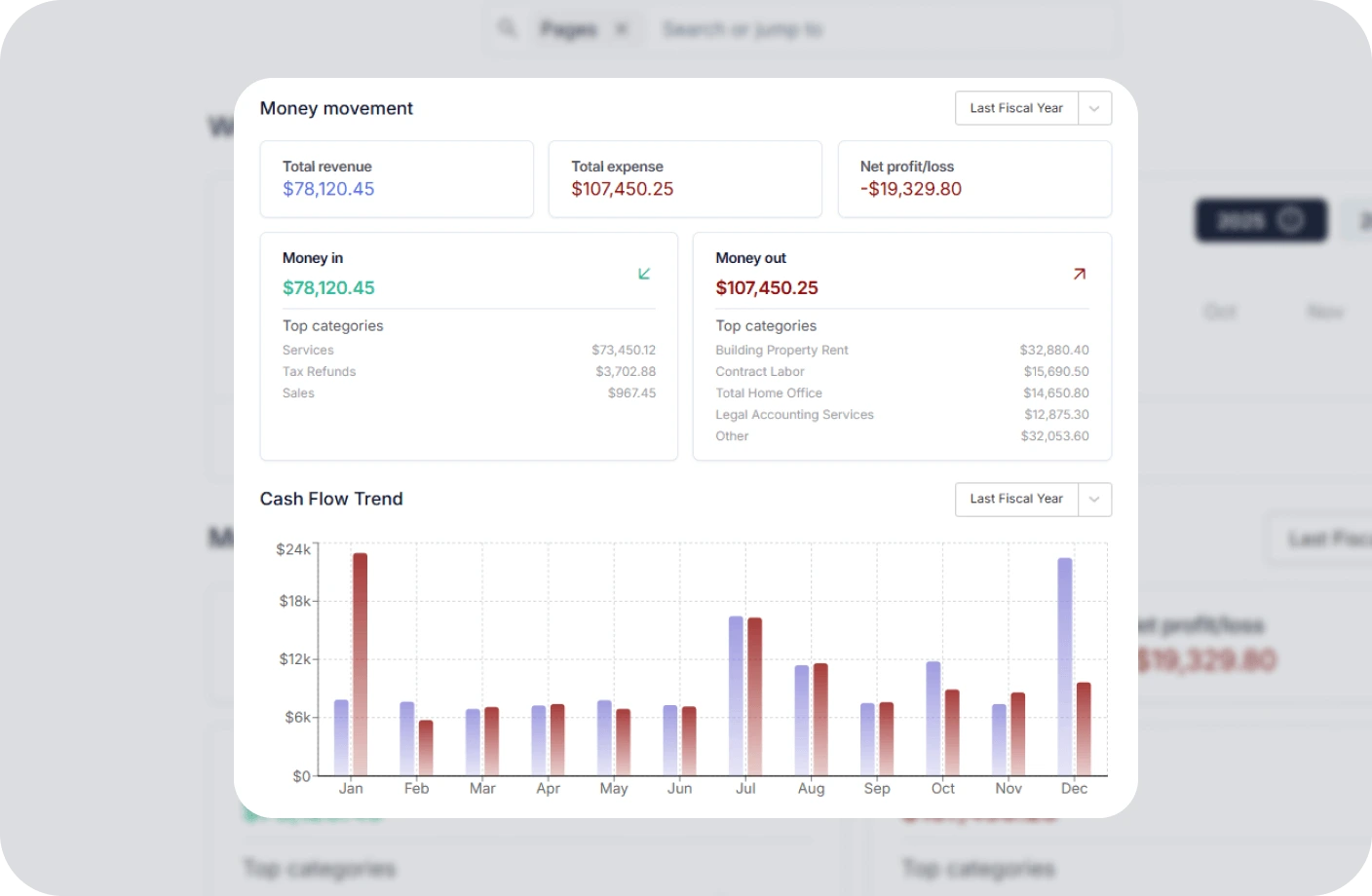
Real time business reports show where you stand today and what to do next.
Accounting
All in one accounting software for creators to handle your books, taxes, invoices, contracts.

Creator Tools
Specialized tools and resources for every type of creator
YouTubers Tools
Optimize your YouTube channel with analytics, thumbnail generators, and growth tools.
TikTokers Tools
Create viral TikTok content with trend analysis, caption generators, and editing tools.
Content Creators Tools
Comprehensive toolkit for content creation, scheduling, and audience engagement.
Video Creators Tools
Professional video editing, compression, and optimization tools for creators.
Influencers Tools
Manage brand partnerships, track engagement, and maximize your influencer income.
Photographers Tools
Photo editing, watermarking, and portfolio management tools for photographers.
Related Accounting Resources
Essential guides to deepen your understanding of debt and financing
What Is Cash Pooling? How It Works, Key Types, and Examples
Learn how cash pooling optimizes liquidity across multiple accounts and business entities.
What Is an Amortization Expense? Definition, Formula & Examples
Understand how to calculate and record amortization expenses for intangible assets accurately and efficiently.
Debits vs Credits in Accounting: A Beginner's Guide
Master the fundamental accounting principle of double-entry bookkeeping with clear examples.
Debt Issue FAQs
Quick answers to common questions about debt issues in accounting
What is a debt issue in simple terms?
A debt issue is when a company raises money by selling bonds, notes, or other debt instruments to investors. The company promises to repay the borrowed amount plus interest over a set period of time.
How does a debt issue differ from an equity issue?
A debt issue involves borrowing money that must be repaid with interest, while an equity issue involves selling ownership stakes in the company. Debt does not dilute ownership but requires regular payments, unlike equity.
What types of debt instruments can a company issue?
Common types include corporate bonds, commercial paper, debentures, notes payable, and convertible debt. Each has different characteristics regarding security, maturity, and interest structure.
How does a debt issue affect financial statements?
A debt issue increases liabilities on the balance sheet. Interest payments appear as expenses on the income statement, and principal repayments are reflected in the cash flow statement under financing activities.
What are the advantages of issuing debt?
Advantages include tax-deductible interest payments, retained ownership control, fixed repayment schedules, and often lower cost of capital compared to equity financing.
What are the risks of issuing debt?
Risks include mandatory interest and principal payments that strain cash flow, restrictive debt covenants, potential credit rating downgrades, and increased financial leverage that amplifies losses.
What is a debt covenant?
A debt covenant is a condition included in a debt agreement that requires the borrower to maintain certain financial ratios or meet specific performance targets. Violating covenants can trigger penalties or loan acceleration.
How do interest rates affect debt issues?
Interest rates directly impact the cost of debt. Higher rates increase borrowing costs and interest expenses, while lower rates make debt financing more attractive. Companies often time debt issues to take advantage of favorable rate environments.
Manage Your Debt and Financing Without the Confusion
Apply debt issue principles effortlessly with Otto's AI-powered bookkeeping. Track debt obligations, manage interest expenses, and make smarter financing decisions.