Understanding Short Term Debt
Learn what short term debt is, why businesses use it, and how to manage it effectively for healthy cash flow.
KEY TAKEAWAYS
-
✓
Short term debt is money a business borrows and must repay within one year, used for immediate expenses like inventory, wages, or unexpected costs.
-
✓
Common examples include bank loans due within a year, lines of credit, and accounts payable.
-
✓
The debt-to-equity ratio measures how much a business relies on borrowed money; a higher ratio indicates more risk.
Businesses often need extra cash to cover day-to-day expenses, purchase inventory, or handle unexpected costs. That is where short term debt comes in. It is a practical financial tool that provides immediate liquidity and helps maintain smooth operations.
But what exactly is short term debt? How do businesses use it, and what should you watch out for? Whether you are a small business owner, freelancer, or content creator, understanding short term debt can help you make smarter financial decisions.
This guide covers everything you need to know about short term debt, including examples, calculations, and management strategies.
What is Short Term Debt?
Short term debt is money a business borrows and must repay within a year. It is used for immediate expenses or cash flow needs such as inventory purchases, wages, and unexpected costs. Companies rely on short term debt to ensure they have enough liquidity to maintain operations without interruption.
Unlike long term debt, which is used for major investments like equipment or real estate, short term debt focuses on covering near-term obligations. This makes it a flexible tool for managing day-to-day financial needs.
Why do businesses use Short Term Debt?
Businesses utilize short term debt for several key reasons:
-
•
To manage cash flow fluctuations — Companies may experience gaps between revenue and expenses. Short term debt provides quick access to cash when needed.
-
•
To purchase inventory — Retailers often buy stock in advance and may need short term loans to cover these costs until sales revenue arrives.
-
•
To cover operational costs — Short term loans can help businesses pay for daily expenses like salaries and utility bills.
What are some examples of Short Term Debt?
Examples of short term debt include:
-
•
Bank loans due within a year — Traditional loans with a repayment period of 12 months or less.
-
•
Lines of credit — A flexible borrowing option where businesses can draw funds up to a set limit and repay as needed.
-
•
Accounts payable — Money owed to suppliers for goods and services received, typically due within 30 to 90 days.
How is Short Term Debt calculated?
The most common way to measure short term debt is through the debt-to-equity ratio:
A higher ratio indicates more risk and greater reliance on borrowed money. Lenders and investors use this ratio to assess a company's financial health. A lower ratio generally suggests that a business is in a stronger financial position and can manage its debt obligations more comfortably.
Monitoring this ratio over time helps businesses spot trends and make informed decisions about borrowing and growth strategies.
What should businesses consider when managing Short Term Debt?
Effective management of short term debt requires attention to several key factors:
-
•
Interest rates — Higher rates increase repayment costs, so it is important to shop around for favorable terms.
-
•
Repayment timing — Plan repayment based on cash flow projections to avoid defaulting on obligations.
-
•
Credit ratings — Good ratings mean better terms and lower rates, making it cheaper to borrow when needed.
By keeping these factors in mind, businesses can use short term debt strategically without putting their financial stability at risk.
How It Applies to Your Business
When will you actually use this?
Short term debt isn't just for large corporations. It can be a practical tool for businesses and individuals of all sizes. Here is when you might use it:
For Content Creators
Use short term debt like a credit card to bridge gaps between project payments, but track repayment timing carefully to avoid high interest.
For Small Business Owners
Leverage lines of credit for inventory purchases and seasonal cash flow needs while monitoring your debt-to-equity ratio.
For Freelancers
Keep short term debt minimal by building an emergency fund; when necessary, use it strategically for equipment purchases that generate income.
Recommended Reading
Expand your knowledge with these related topics
Debit
Understanding debits in accounting and how they affect your financial records.
PPE
Learn about Property, Plant, and Equipment assets and their accounting treatment.
Assurance
Understanding assurance services and their role in financial reporting credibility.
Point of Sale (POS)
How POS systems integrate with accounting for accurate sales tracking.
Revenue
Understanding revenue recognition and its impact on financial statements.
FF&E
Furniture, Fixtures, and Equipment accounting for business assets management and tracking
Real Accounting Questions From the Community
Explore Reddit-backed Otto accounting guides based on real conversations about CPAs, accountants, invoices, reconciliation, ledgers, P&L, and cash flow systems.
One Platform: From Entity Setup to Closing Reports
Comprehensive financial solutions for your business needs.
Entity Management
Easily manage legal entities, compliance, and ownership in one platform.
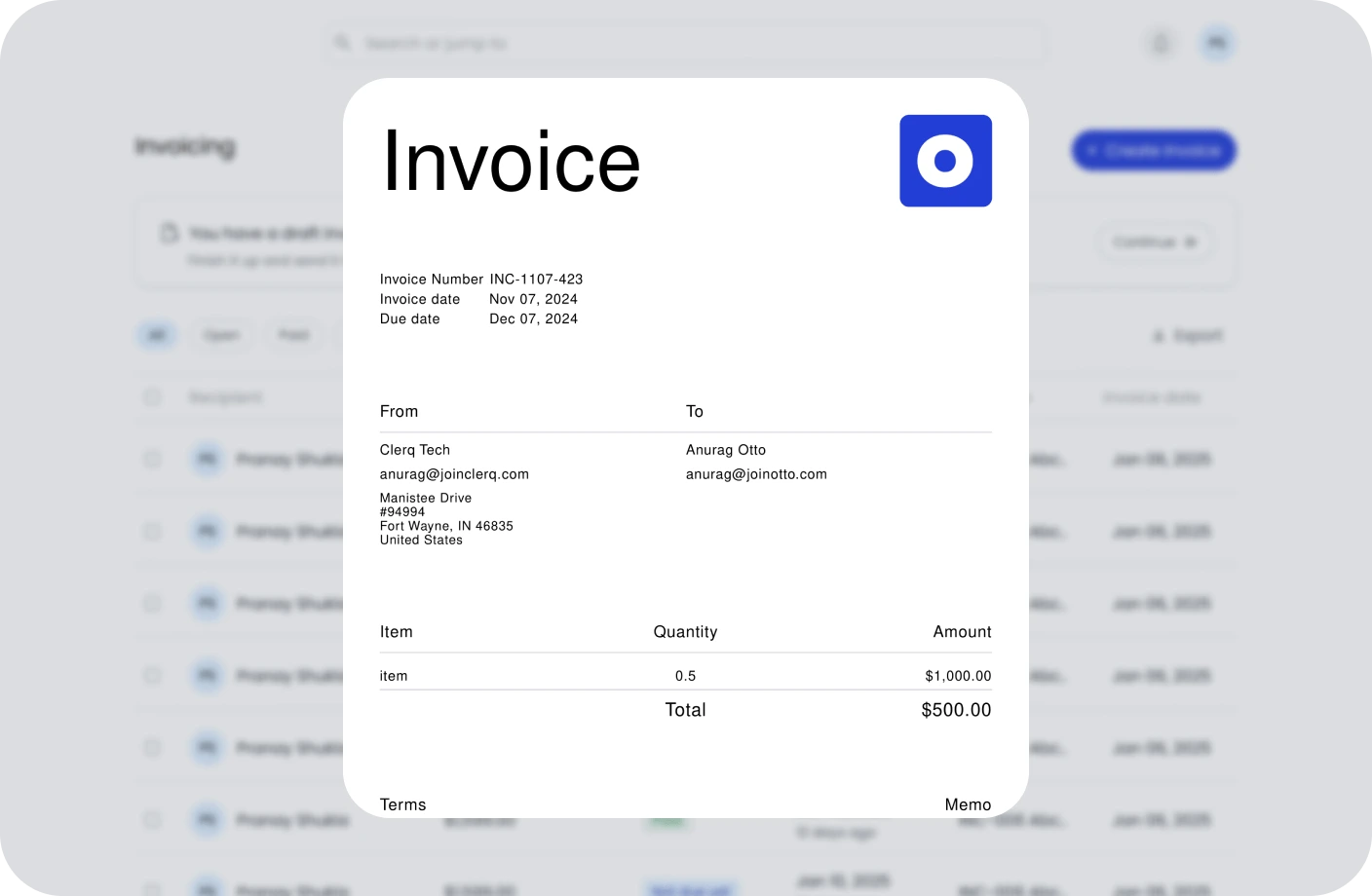
Invoicing
Create, send, and manage invoices. Track payments and assure timely cash flow.
Contracts
Create, track, and e-sign contracts to ensure compliance and deadlines.
Taxes
Confidently plan taxes with expert CPAs and smart tools to track deductions.
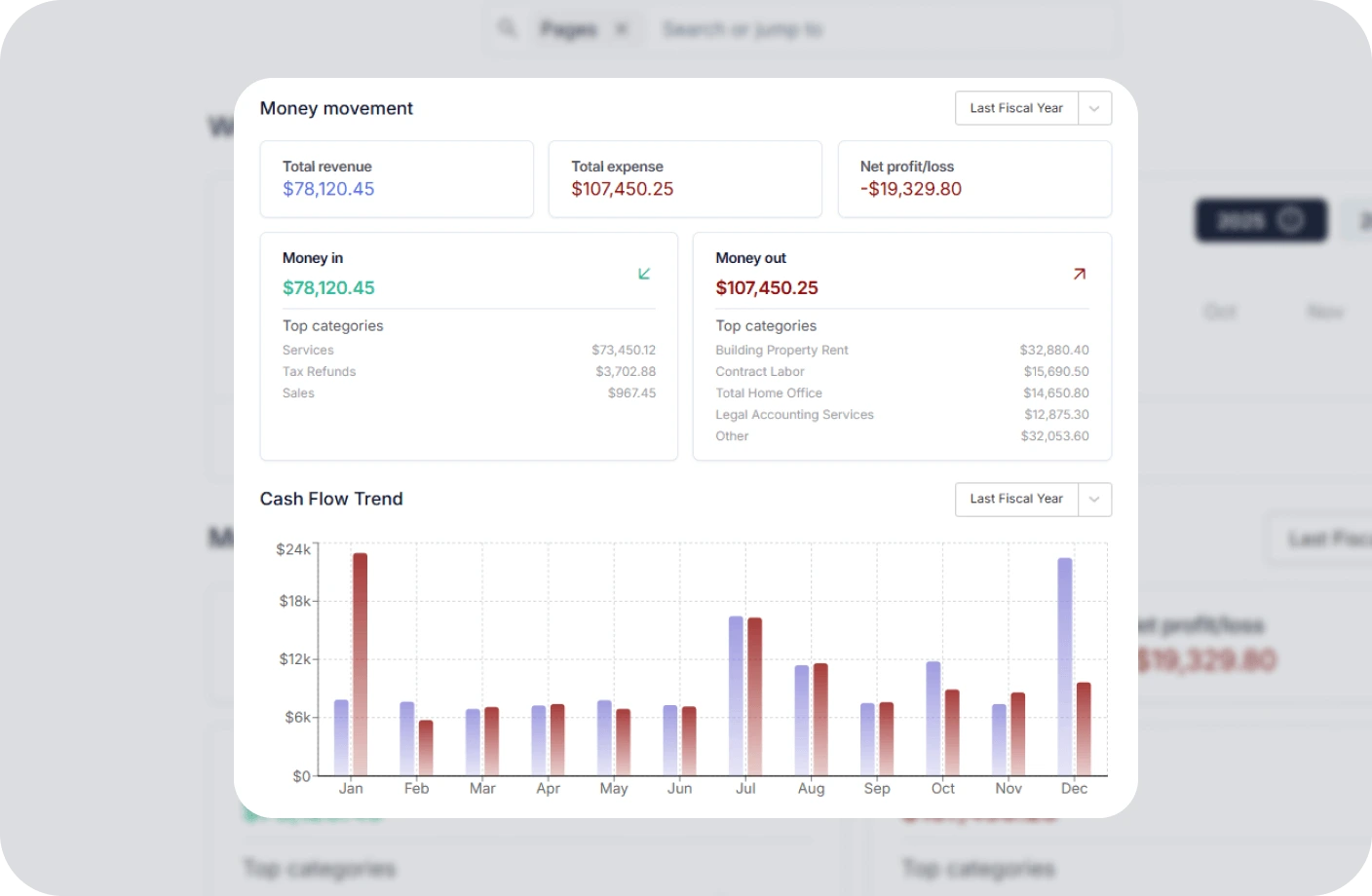
Reports
Real time business reports show where you stand today and what to do next.
Accounting
All in one accounting software for creators to handle your books, taxes, invoices, contracts.
Creator Tools
Specialized tools and resources for every type of creator
YouTubers Tools
Optimize your YouTube channel with analytics, thumbnail generators, and growth tools.
TikTokers Tools
Create viral TikTok content with trend analysis, caption generators, and editing tools.
Content Creators Tools
Comprehensive toolkit for content creation, scheduling, and audience engagement.
Video Creators Tools
Professional video editing, compression, and optimization tools for creators.
Influencers Tools
Manage brand partnerships, track engagement, and maximize your influencer income.
Photographers Tools
Photo editing, watermarking, and portfolio management tools for photographers.
Related Accounting Resources
Essential tax forms and compliance guides for your accounting practice
What Is Cash Pooling? How It Works, Key Types, and Examples
Learn how cash pooling optimizes liquidity across multiple accounts and business entities.
What Is an Amortization Expense? Definition, Formula & Examples
Understand how to calculate and record amortization expenses for intangible assets accurately and efficiently.
Debits vs Credits in Accounting: A Beginner's Guide
Master the fundamental accounting principle of double-entry bookkeeping with clear examples.
Short-Term Debt FAQs
Quick answers to common questions about short-term debt
What is short-term debt in accounting?
Short-term debt, also called current liabilities, refers to any financial obligation that is due within one year or within the company's normal operating cycle, whichever is longer. It includes items like accounts payable, short-term loans, accrued expenses, and the current portion of long-term debt. These obligations are recorded on the balance sheet and are a key indicator of a company's short-term liquidity and financial health.
What are common examples of short-term debt?
Common examples of short-term debt include trade credit or accounts payable (money owed to suppliers), short-term bank loans and lines of credit (typically due within 12 months), accrued expenses (wages, taxes, interest payable), current maturities of long-term debt (the portion of long-term loans due within the year), commercial paper (unsecured promissory notes), and credit card balances used for business expenses.
How is short-term debt recorded on the balance sheet?
Short-term debt is recorded as a current liability on the balance sheet, listed under the liabilities section. It is reported at its face value, which represents the amount the company is obligated to pay. Each type of short-term debt (accounts payable, short-term loans, accrued liabilities, current portion of long-term debt) is typically listed separately. The total short-term debt is a critical component in liquidity ratios like the current ratio and quick ratio.
What is the difference between short-term and long-term debt?
The primary difference is the repayment timeline: short-term debt is due within one year, while long-term debt extends beyond one year. Short-term debt typically carries higher interest rates but lower overall borrowing costs and is used for working capital needs. Long-term debt usually has lower interest rates, requires collateral, and is used for major capital investments like equipment or real estate. On the balance sheet, short-term debt is classified as a current liability, while long-term debt is a non-current liability.
How does short-term debt impact a company's financial health?
Short-term debt has several impacts on financial health. High levels of short-term debt relative to cash and liquid assets can indicate liquidity risk and potential difficulty meeting obligations. It directly affects key metrics like the current ratio (current assets / current liabilities) and quick ratio. Excessive short-term debt may signal poor cash flow management, while moderate, well-managed short-term debt can be a cost-effective way to finance operations and growth. Lenders and investors closely monitor short-term debt levels when assessing a company's risk profile.
What is the current ratio and how does short-term debt affect it?
The current ratio is a liquidity metric calculated by dividing current assets by current liabilities. It measures a company's ability to pay off its short-term obligations with its short-term assets. Since short-term debt is a major component of current liabilities, an increase in short-term debt reduces the current ratio, potentially signaling reduced liquidity. A current ratio below 1.0 may indicate that a company could struggle to meet its short-term obligations, while a ratio above 2.0 is generally considered healthy.
Can short-term debt be good for a business?
Yes, strategic use of short-term debt can be beneficial for businesses. It provides flexible financing for working capital needs, helps manage seasonal cash flow fluctuations, and can be more cost-effective than long-term debt for temporary needs. Short-term debt allows businesses to take advantage of growth opportunities without committing to long-term obligations. However, it must be managed carefully to avoid liquidity problems. The key is maintaining a healthy balance between short-term debt and available liquid assets.
How do businesses manage short-term debt effectively?
Businesses manage short-term debt through several strategies: maintaining accurate cash flow forecasts to anticipate repayment needs, negotiating favorable payment terms with suppliers, establishing lines of credit before they are needed, monitoring key liquidity ratios regularly, prioritizing high-interest debt repayment, and maintaining an emergency fund. Many businesses also use debt refinancing to consolidate multiple short-term obligations into more manageable terms. Effective short-term debt management is crucial for maintaining financial stability and avoiding default.
Manage Your Finances Without the Confusion
Let Otto help you manage your short-term debt and improve cash flow with AI-powered bookkeeping. Track expenses, generate reports, and make smarter business decisions.