
Branch accounting is a method used by businesses that operate in multiple locations or have different departments. It helps them keep track of the financial performance of each branch separately, just like how a school keeps grades for each student in different subjects. By using branch accounting, a company can see how well each branch is doing, whether they are making money or losing it.
Branch accounting is essential for several reasons:
In branch accounting, each location or department maintains its own financial records. This includes tracking revenue, expenses, and profits. For example, if a clothing store has two branches, one in the mall and another on the street, each branch will record its own sales and costs. At the end of a specific period, the company will consolidate these results to see the overall performance.
While branch accounting is useful, it also comes with challenges:
Branch accounting is beneficial for various types of businesses, such as:
By using branch accounting, these businesses can ensure better financial management and performance tracking, ultimately leading to informed decision-making and growth.
Everything you need to manage, organize, and grow your business with ease.
Key factors influencing Branch Accounting success include accurate record-keeping, effective training for staff, and the implementation of suitable accounting systems. These elements ensure that each branch's financial performance is clearly understood and can guide strategic decision-making.
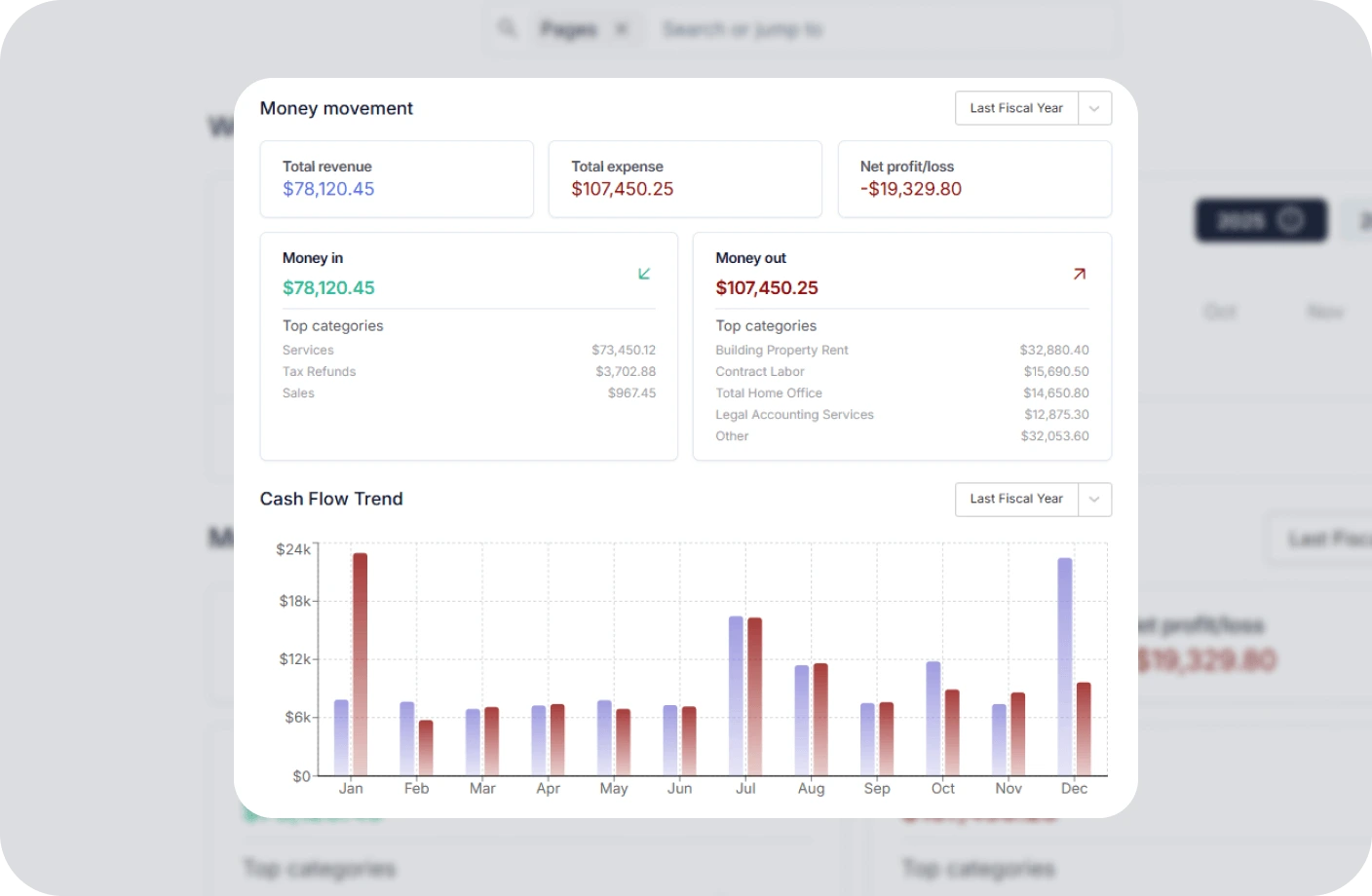
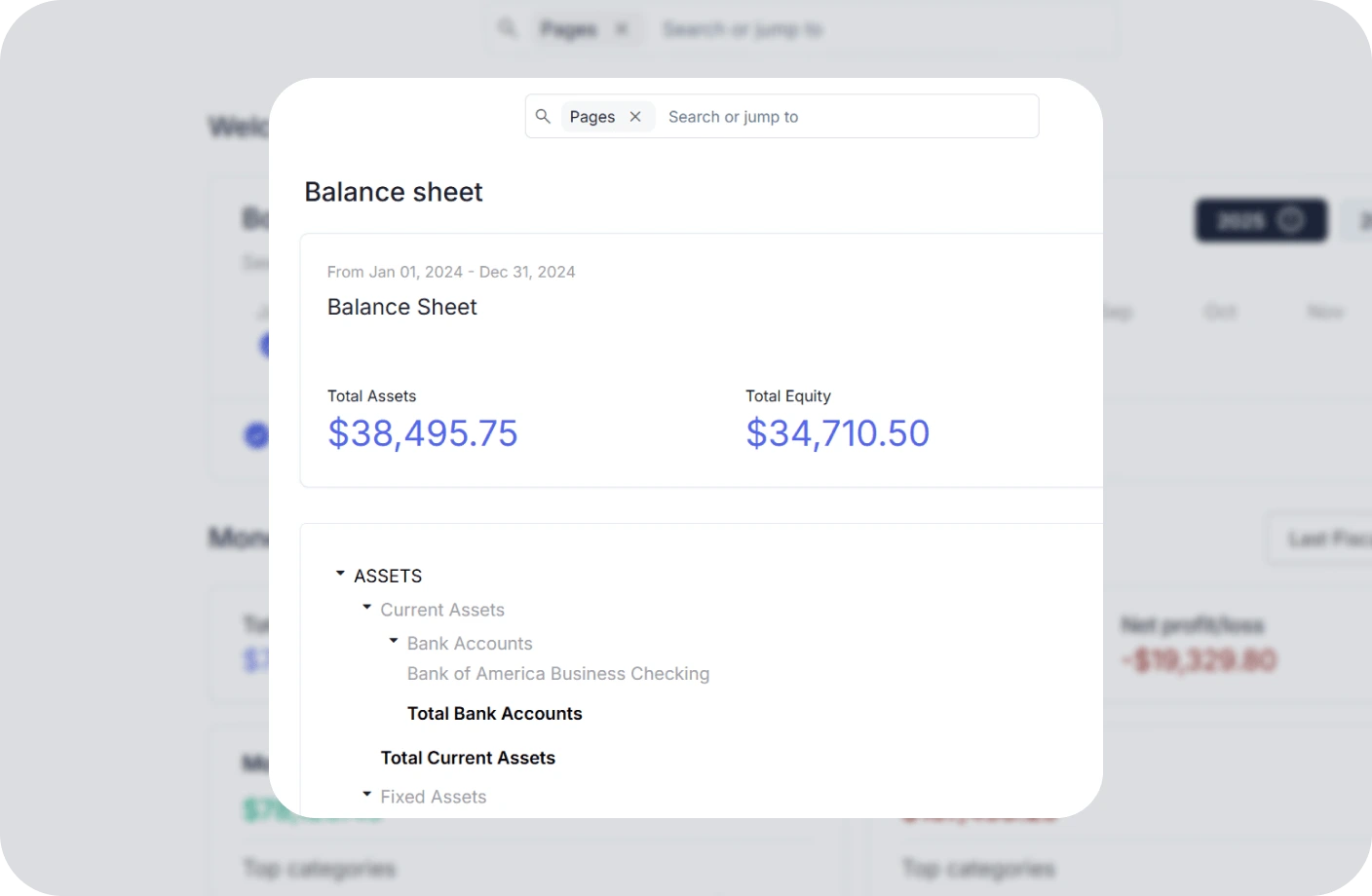
Branch accounting improves financial oversight for businesses by providing detailed insights into the performance of each location. This method allows management to monitor revenues and expenses accurately, facilitating informed decision-making for better resource allocation and overall growth.
Branch Accounting offers valuable insights that empower businesses to make informed financial decisions. By analyzing real-time data, businesses can identify trends, optimize cash flow, and position themselves for sustainable growth, ensuring a robust financial future.
In branch accounting, key metrics to track include revenue per branch, expense ratios, profit margins, and customer acquisition costs. Monitoring these metrics helps businesses evaluate branch performance and make informed financial decisions.
Branch accounting improves financial oversight for businesses by providing detailed insights into each branch's performance. This method allows managers to assess profitability, identify areas for improvement, and allocate resources wisely, leading to better financial decision-making overall.
Trusted by Creatives and Small Businesses Nationwide.


.png)