Factors of Production: A Complete Guide
Learn what factors of production are, why they matter, and how land, labor, capital, and entrepreneurship work together to drive economic growth.
KEY TAKEAWAYS
- ✓
Factors of production are the essential resources used to create goods and services: land, labor, capital, and entrepreneurship.
- ✓
Each factor plays a unique role in the production process and contributes to economic growth and productivity.
- ✓
Understanding these factors helps businesses allocate resources efficiently and make better strategic decisions.
Have you ever wondered what actually goes into producing the goods and services you use every day? From the coffee you drink in the morning to the phone you carry in your pocket, everything starts with the same building blocks: the factors of production.
In economics and accounting, factors of production are the inputs used to create outputs. Whether you run a business, study economics, or simply want to understand how the economy works, knowing these four factors is essential.
This guide walks you through each factor in a simple way, so you can understand how they work together to produce the goods and services that power our economy.
What are Factors of Production?
Factors of production are the resources that are used to create goods and services. There are four main types of factors: land, labor, capital, and entrepreneurship. Each of these plays a crucial role in the production process.
What is Land in Factors of Production?
Land refers to all natural resources that are used to produce goods. This includes not just the physical land itself but also resources like water, minerals, and forests. For example, a farmer uses land to grow crops, which is a vital part of the production process.
What is Labor in Factors of Production?
Labor means the human effort that is used in the production of goods and services. This includes both physical and mental work. For instance, a teacher educating students or a factory worker assembling products represents labor in production. The skills and abilities of workers can greatly impact the quality of the output.
What is Capital in Factors of Production?
Capital refers to the tools, machinery, and buildings that are used in the production of goods. For example, a bakery uses ovens and mixers (capital) to make bread. In this sense, capital helps increase productivity and efficiency in the production process.
What is Entrepreneurship in Factors of Production?
Entrepreneurship involves the skills and risk-taking abilities of individuals who start and manage businesses. Entrepreneurs combine land, labor, and capital to create goods or services and drive economic growth. For example, a person who opens a new restaurant is an entrepreneur who brings together different factors of production to succeed.
Why are Factors of Production Important?
Understanding factors of production is essential because they highlight how resources are allocated in an economy. Each factor contributes to the overall production process, and knowing how they interact helps us understand how businesses operate and how goods are made.
For example, in a creative business, like a graphic design studio, the designer (labor), the computer software (capital), the office space (land), and the owner who runs the business (entrepreneurship) all work together to produce designs that attract clients.
How It Applies to Your Business
When will you actually use this?
Factors of production aren't just economic theory. They impact everyday business decisions and can determine whether your business succeeds or struggles. Here's when you'll apply these concepts:
Resource Allocation
Decide how to distribute your budget across land, equipment, and hiring to maximize productivity and minimize waste.
Hiring Decisions
Determine the right mix of skilled and general labor to meet your production needs without overspending on payroll.
Capital Investment
Evaluate whether to purchase new equipment, lease machinery, or invest in technology to boost production efficiency.
Business Planning
Use knowledge of production factors to forecast resource needs, plan expansions, and set realistic growth targets.
Cost Optimization
Identify which factor of production is driving up costs and find more affordable alternatives or substitutions.
Innovation Strategy
Leverage entrepreneurship and capital together to develop new products, enter new markets, and stay ahead of competitors.
Recommended Reading
Expand your knowledge with these related topics
Current Assets
Learn about current assets and how they impact your business liquidity and short-term financial health.
PPE
Learn about Property, Plant, and Equipment assets and their accounting treatment for your business.
Debit
Understanding debits in accounting and how they affect your financial records.
Assurance
Understanding assurance services and their role in financial reporting credibility.
FF&E
Furniture, Fixtures, and Equipment accounting for business asset management and tracking.
Point of Sale (POS)
How POS systems integrate with accounting for accurate sales tracking.
Real Accounting Questions From the Community
Explore Reddit-backed Otto accounting guides based on real conversations about CPAs, accountants, invoices, reconciliation, ledgers, P&L, and cash flow systems.
One Platform: From Entity Setup to Closing Reports
Comprehensive financial solutions for your business needs.
Entity Management
Easily manage legal entities, compliance, and ownership in one platform.
Invoicing
Create, send, and manage invoices. Track payments and assure timely cash flow.

Contracts
Create, track, and e-sign contracts to ensure compliance and deadlines.

Taxes
Confidently plan taxes with expert CPAs and smart tools to track deductions.

Reports
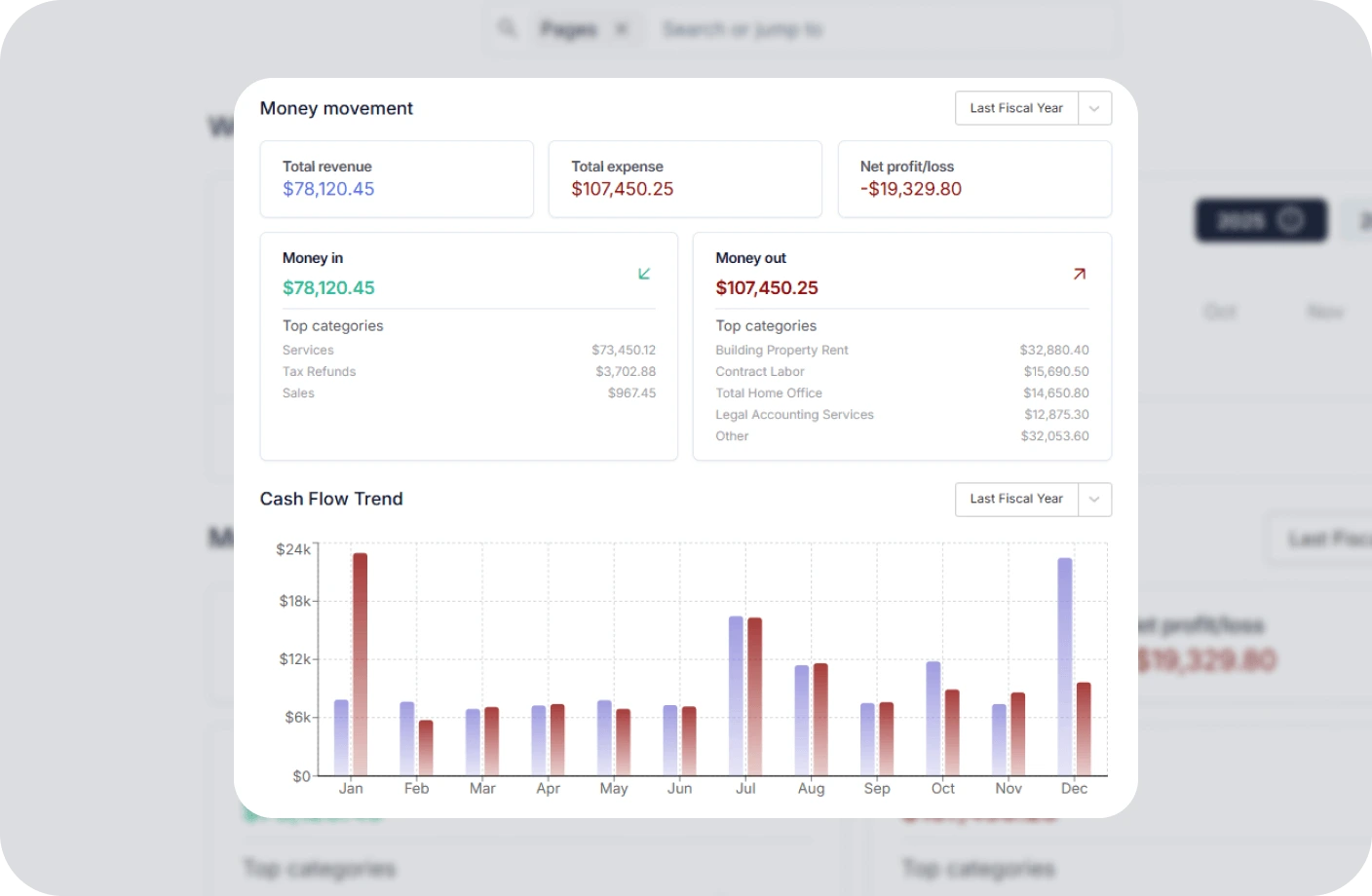
Real time business reports show where you stand today and what to do next.
Accounting
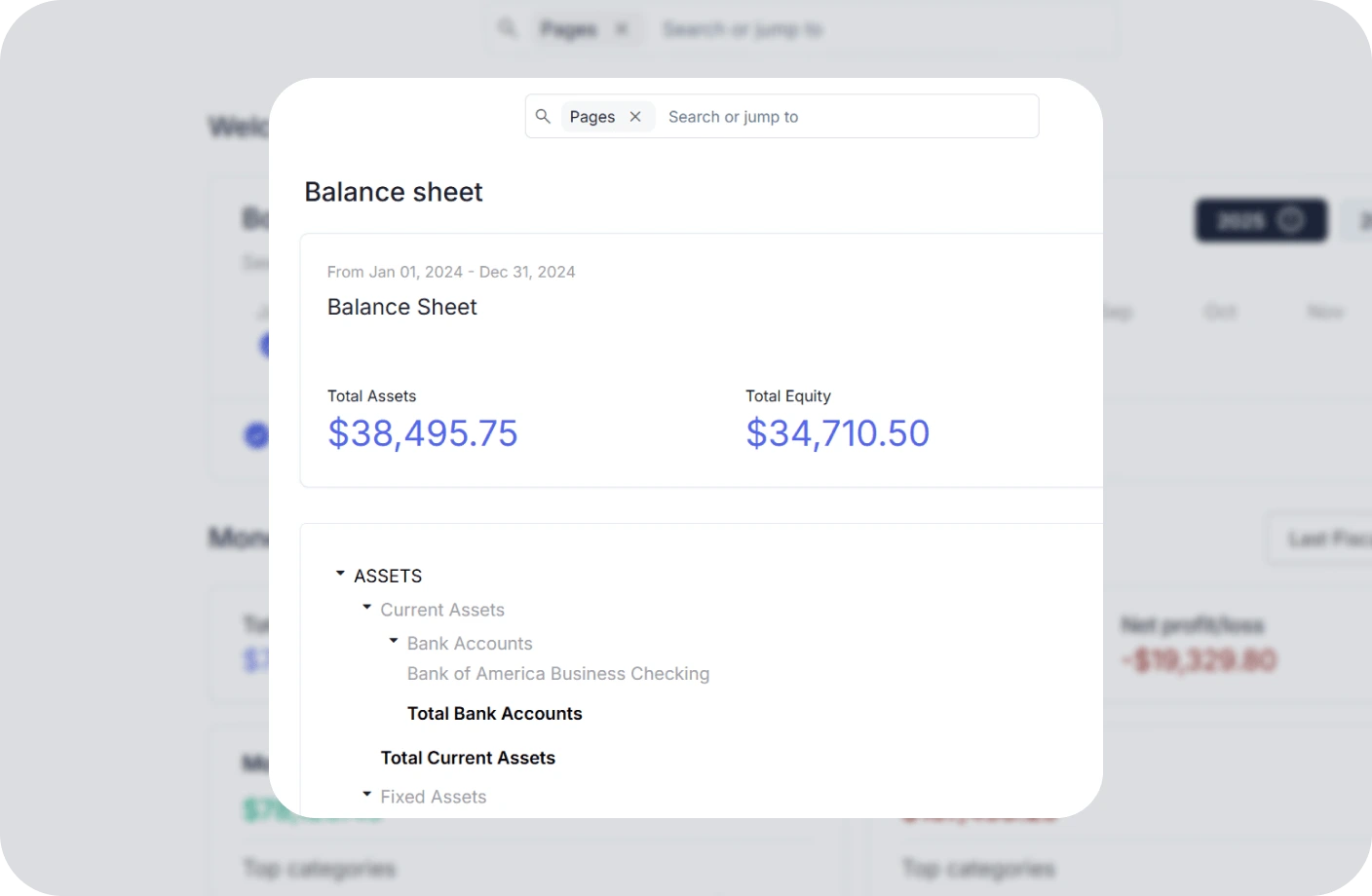
All in one accounting software for creators to handle your books, taxes, invoices, contracts.

Creator Tools
Specialized tools and resources for every type of creator
YouTubers Tools
Optimize your YouTube channel with analytics, thumbnail generators, and growth tools.
TikTokers Tools
Create viral TikTok content with trend analysis, caption generators, and editing tools.
Content Creators Tools
Comprehensive toolkit for content creation, scheduling, and audience engagement.
Video Creators Tools
Professional video editing, compression, and optimization tools for creators.
Influencers Tools
Manage brand partnerships, track engagement, and maximize your influencer income.
Photographers Tools
Photo editing, watermarking, and portfolio management tools for photographers.
Related Accounting Resources
Essential tax forms and compliance guides for your accounting practice
What Is Cash Pooling? How It Works, Key Types, and Examples
Learn how cash pooling optimizes liquidity across multiple accounts and business entities.
What Is an Amortization Expense? Definition, Formula & Examples
Understand how to calculate and record amortization expenses for intangible assets accurately and efficiently.
Debits vs Credits in Accounting: A Beginner's Guide
Master the fundamental accounting principle of double-entry bookkeeping with clear examples.
Factors of Production FAQs
Quick answers to common questions about factors of production
What are the four factors of production?
The four factors of production are land (natural resources), labor (human effort), capital (tools, machinery, buildings), and entrepreneurship (the ability to combine the other factors to create goods and services).
Why is entrepreneurship considered a factor of production?
Entrepreneurship is considered a factor of production because entrepreneurs take risks and organize the other three factors (land, labor, capital) to create goods and services, driving innovation and economic growth.
How do factors of production affect economic growth?
Factors of production drive economic growth by determining how efficiently resources are used. Better quality land, skilled labor, advanced capital, and innovative entrepreneurship all contribute to higher productivity and economic expansion.
What is the difference between capital and land in factors of production?
Land refers to natural resources like water, minerals, and physical land itself. Capital refers to man-made resources like tools, machinery, buildings, and equipment used in production. Land is naturally occurring, while capital is created by humans.
Can factors of production be substituted for one another?
Yes, to some extent factors can be substituted. For example, a business might use more capital (automation) to replace labor, or use more labor instead of expensive machinery. The optimal mix depends on costs, availability, and the type of production.
How do factors of production apply to service industries?
In service industries, labor is often the most important factor. Capital includes computers and office space, land is the physical location, and entrepreneurship involves the business owner who organizes these resources to deliver services to clients.
What happens when one factor of production is limited?
When a factor is limited, production capacity is constrained, often leading to higher costs. Businesses must find ways to use available resources more efficiently or substitute the scarce factor with another to maintain output.
Manage Your Production Resources Without the Confusion
Apply your understanding of factors of production with Otto's AI-powered bookkeeping and business management platform.