Understanding Cash Books
Learn what a cash book is, why it matters, and how to use it to track your business transactions effectively.
KEY TAKEAWAYS
-
✓
A Cash Book records all cash receipts and payments, giving you a clear view of your cash flow.
-
✓
Maintaining a Cash Book supports budgeting, expense tracking, and accurate financial reporting.
-
✓
A well-kept Cash Book helps you make informed business decisions based on real cash data.
What is a Cash Book?
A Cash Book is a financial record that helps individuals and businesses track all cash transactions. It shows the money coming in (receipts) and the money going out (payments) over a specific period. Think of it as a diary for your money! With a Cash Book, you can easily see how much cash you have at any given time.
Why is a Cash Book important?
The Cash Book is essential for several reasons:
-
•
Budgeting: It helps you plan how much you can spend and save.
-
•
Tracking Expenses: You can monitor where your money is going, making it easier to manage your finances.
-
•
Financial Reporting: It provides valuable information when preparing accounts or financial statements.
How to create and maintain a Cash Book?
Creating a Cash Book is simple! Here's how you can do it:
-
1
Draw columns: Set up your Cash Book with columns for date, description of the transaction, cash in (receipts), cash out (payments), and balance.
-
2
Record transactions: Every time you receive or spend cash, write it down immediately.
-
3
Calculate the balance: Keep updating the balance after every transaction to know how much cash you have left.
Examples of using a Cash Book for creative professionals
Imagine you're a small business owner selling handmade crafts online. You can use a Cash Book to record:
-
•
Sales from your online shop.
-
•
Expenses for materials like paint, wood, or fabric.
-
•
Shipping costs for sending out orders.
What are the benefits of using a Cash Book?
Using a Cash Book can help you:
-
•
Stay organized: Keep all cash transactions in one place.
-
•
Understand your finances: See how much money you have and where it goes.
-
•
Make better decisions: Use the information to decide where to cut costs or increase sales.
How It Applies to Your Business
When will you actually use this?
A Cash Book isn't just for large corporations. It impacts everyday business decisions and can mean the difference between success and failure. Here's when you'll use it:
Monthly Reporting
Create accurate financial statements to track business performance and make data-driven decisions.
Tax Season
Apply proper accounting methods to maximize deductions and avoid audit triggers.
Loan Applications
Present professional financial statements that meet lender requirements and approval standards.
Business Planning
Use historical data following accounting principles to forecast growth and set realistic goals.
Investor Relations
Build credibility with transparent financial reporting that meets industry standards.
Performance Analysis
Compare your results against industry benchmarks using consistent accounting methods.
Recommended Reading
Expand your knowledge with these related topics
Debit
Understanding debits in accounting and how they affect your financial records.
PPE
Learn about Property, Plant, and Equipment assets and their accounting treatment.
Assurance
Understanding assurance services and their role in financial reporting credibility.
Point of Sale (POS)
How POS systems integrate with accounting for accurate sales tracking.
Revenue
Understanding revenue recognition and its impact on financial statements.
FF&E
Furniture, Fixtures, and Equipment accounting for business assets management and tracking
Real Accounting Questions From the Community
Explore Reddit-backed Otto accounting guides based on real conversations about CPAs, accountants, invoices, reconciliation, ledgers, P&L, and cash flow systems.
One Platform: From Entity Setup to Closing Reports
Comprehensive financial solutions for your business needs.
Entity Management
Easily manage legal entities, compliance, and ownership in one platform.
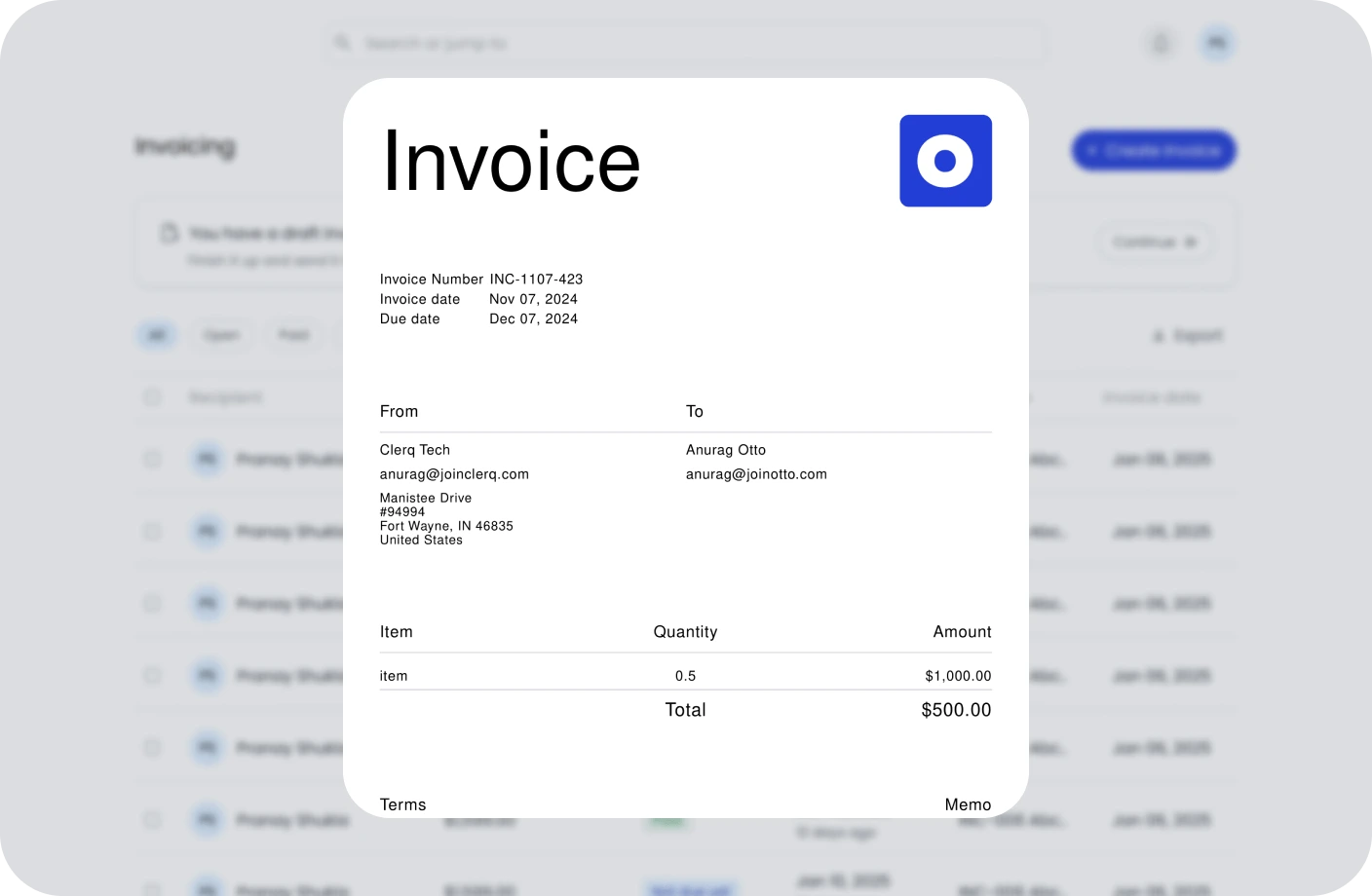
Invoicing
Create, send, and manage invoices. Track payments and assure timely cash flow.
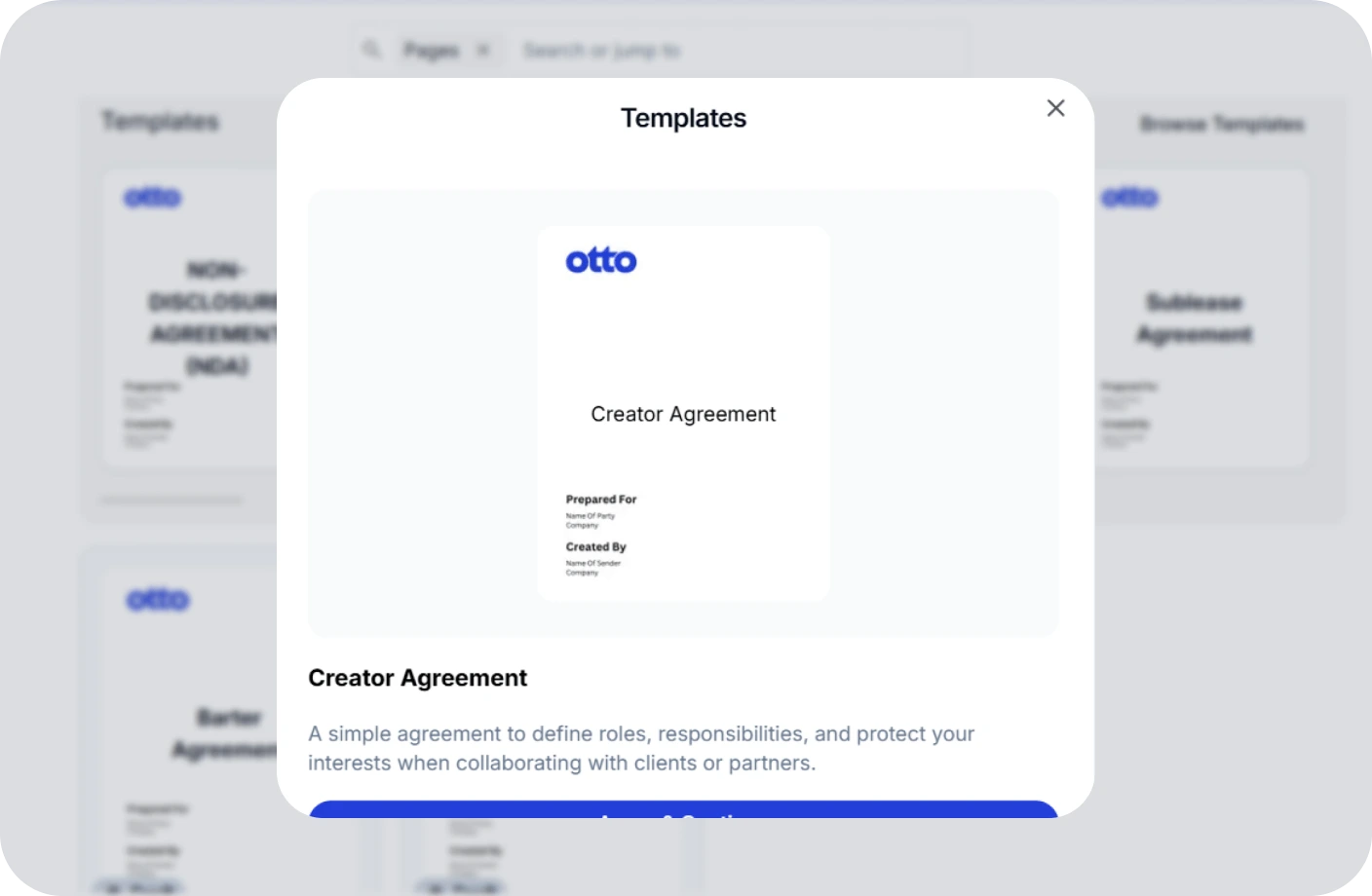
Contracts
Create, track, and e-sign contracts to ensure compliance and deadlines.
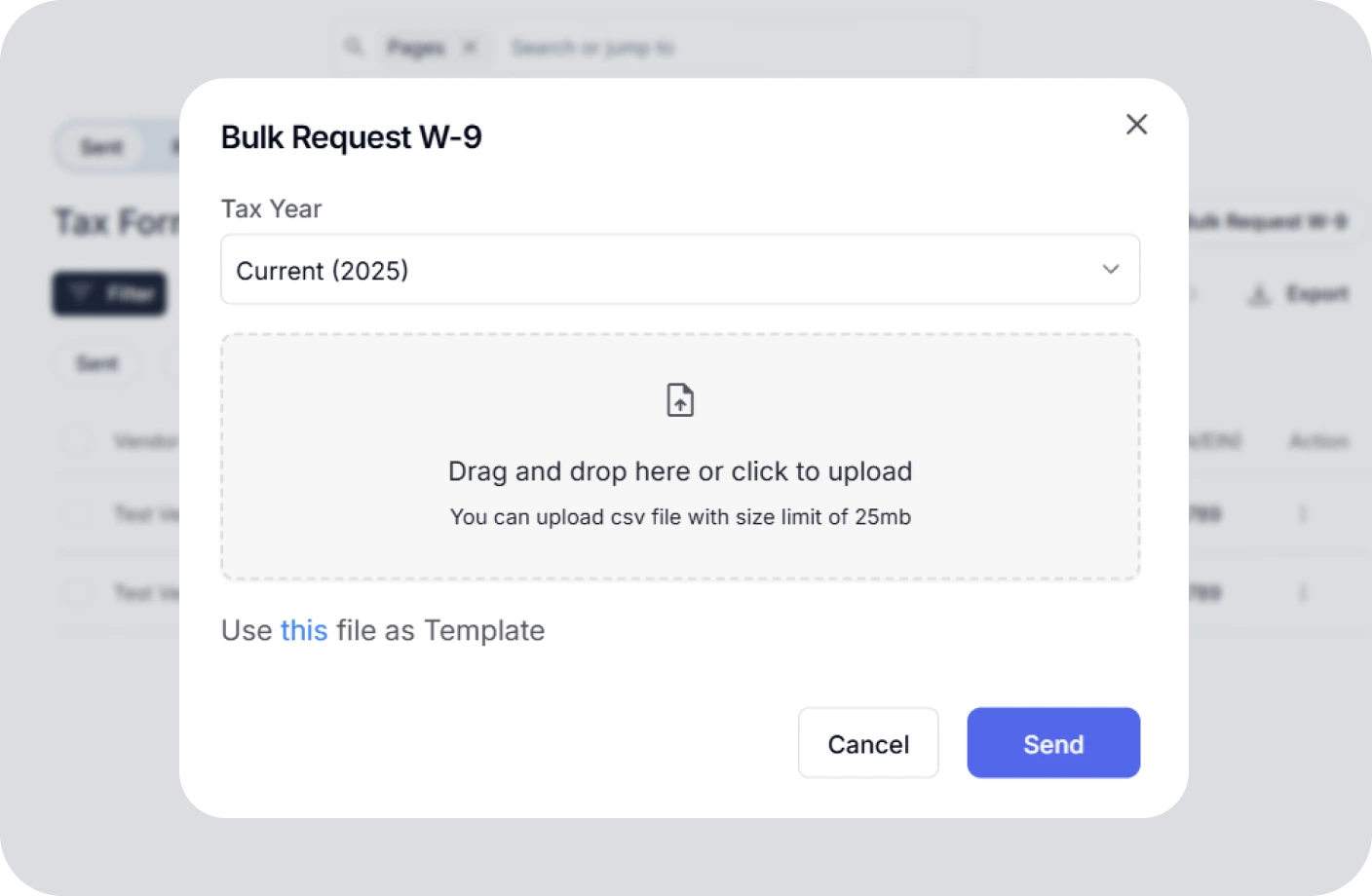
Taxes
Confidently plan taxes with expert CPAs and smart tools to track deductions.
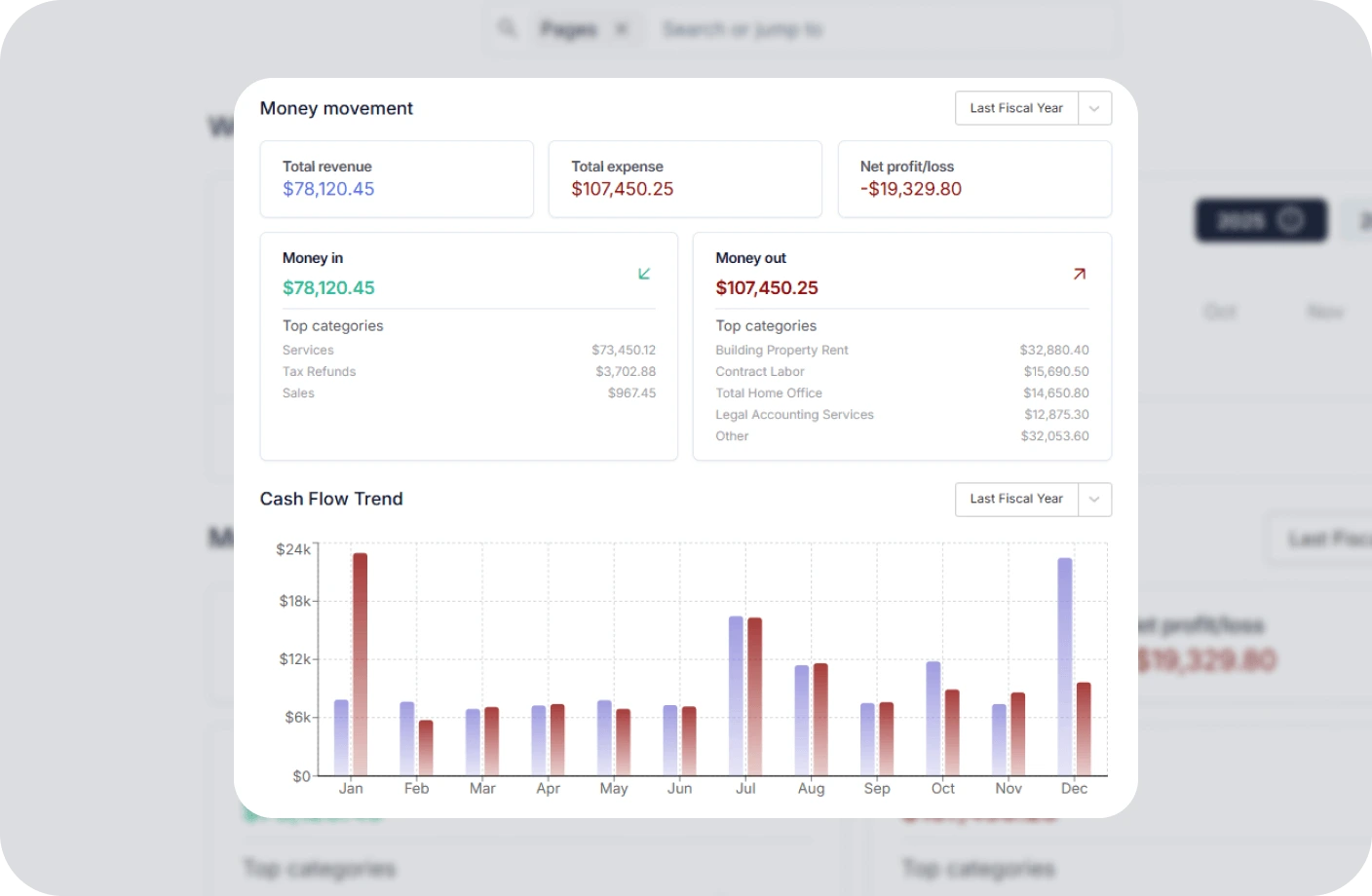
Reports
Real time business reports show where you stand today and what to do next.
Accounting
All in one accounting software for creators to handle your books, taxes, invoices, contracts.
Creator Tools
Specialized tools and resources for every type of creator
YouTubers Tools
Optimize your YouTube channel with analytics, thumbnail generators, and growth tools.
TikTokers Tools
Create viral TikTok content with trend analysis, caption generators, and editing tools.
Content Creators Tools
Comprehensive toolkit for content creation, scheduling, and audience engagement.
Video Creators Tools
Professional video editing, compression, and optimization tools for creators.
Influencers Tools
Manage brand partnerships, track engagement, and maximize your influencer income.
Photographers Tools
Photo editing, watermarking, and portfolio management tools for photographers.
Related Accounting Resources
Essential tax forms and compliance guides for your accounting practice
What Is Cash Pooling? How It Works, Key Types, and Examples
Learn how cash pooling optimizes liquidity across multiple accounts and business entities.
What Is an Amortization Expense? Definition, Formula & Examples
Understand how to calculate and record amortization expenses for intangible assets accurately and efficiently.
Debits vs Credits in Accounting: A Beginner's Guide
Master the fundamental accounting principle of double-entry bookkeeping with clear examples.
Cash Book FAQs
Quick answers to common questions about Cash Books
What is a Cash Book?
A Cash Book is a financial record that helps businesses and individuals track all cash transactions, showing money coming in (receipts) and going out (payments) over a specific period.
Why is a Cash Book important?
A Cash Book is essential for budgeting, tracking expenses, and providing valuable information when preparing financial statements or reports.
How do I create a Cash Book?
Create a Cash Book by setting up columns for date, description, cash in (receipts), cash out (payments), and balance. Record all transactions in chronological order.
What is the difference between a Cash Book and a Cash Account?
A Cash Book serves as both a journal and a ledger, recording all cash transactions in one place, while a Cash Account is just a ledger account that summarizes cash transactions.
What are the types of Cash Books?
Common types include single column cash book, double column cash book, and triple column cash book, each serving different recording needs.
Is a Cash Book useful for small businesses?
Absolutely! Small businesses use Cash Books to track daily transactions, manage cash flow, prepare for tax season, and make informed financial decisions.
Manage Your Finances Without the Confusion
Track cash transactions effortlessly with Otto's AI-powered bookkeeping. Manage your Cash Book, track expenses, generate reports, and make smarter business decisions.