Cash Flow From Financing (CFF) : Definition & Overview
Learn what cash flow from financing means, how it works, and why it matters for your business financial management.
KEY TAKEAWAYS
-
✓
Cash flow from financing shows how companies raise and return capital to investors.
-
✓
It includes debt issuance, equity financing, dividend payments, and share buybacks.
-
✓
Understanding CFF helps evaluate a company's financial health and capital structure.
Have you ever wondered where businesses get their money and how they pay it back? Cash flow from financing activities answers these questions by tracking money moving between a company and its owners, lenders, and investors.
Cash flow from financing shows how companies raise capital through loans or selling stock, and how they return money through dividend payments or debt repayments. But what exactly counts as financing activities? How do they affect your business? And why should you care about them?
This guide explains cash flow from financing in simple terms, so you can understand how to track these transactions and use them to make better business decisions.
What Is Cash Flow From Financing?
Cash flow from financing activities is a section of the cash flow statement that shows how a company raises capital and returns it to investors. It tracks money moving between the business and its owners, lenders, and shareholders through various financing transactions.
This section includes activities like taking out loans, issuing stock, paying dividends, repurchasing shares, and making debt payments. These transactions directly affect the company's capital structure and financial health, often managed with the help of financial professionals.
In simple terms, cash flow from financing tells you where a company gets its money and how it pays back investors. It's a key indicator of how the business funds its operations and growth.
How Cash Flow From Financing Works
Cash flow from financing works by tracking all transactions that involve raising capital or returning it to investors. When a company receives money from financing activities, it shows as a positive cash flow. When it pays out money, it shows as negative cash flow.
The process starts when a company needs funds for operations, expansion, or other business activities. It can raise money through debt (loans, bonds) or equity (selling shares to investors).
The main types of financing activities include:
-
•
Debt Financing – Taking loans from banks or issuing bonds to raise money
-
•
Equity Financing – Selling shares of stock to investors for capital
-
•
Dividend Payments – Distributing profits to shareholders as cash returns
-
•
Share Repurchases – Buying back company stock from the market
Example of Cash Flow From Financing
Let's say a small tech startup needs $500,000 to expand its operations. The company decides to raise money through both debt and equity financing.
First, they take out a $200,000 bank loan (positive cash flow). Then they sell $300,000 worth of new shares to investors (positive cash flow). In total, they raise $500,000 for expansion.
Six months later, the business is profitable and pays $50,000 in dividends to shareholders (negative cash flow) and makes $20,000 in loan payments (negative cash flow). These transactions show how money flows in and out through financing activities.
Benefits of Cash Flow From Financing
Understanding cash flow from financing provides several key benefits for businesses and investors:
-
•
Shows how companies fund growth and operations through external capital
-
•
Helps evaluate a company's financial health and capital structure
-
•
Indicates how management returns value to shareholders
-
•
Reveals trends in debt levels and equity financing over time
Risks and Limitations
While cash flow from financing provides valuable insights, there are some risks and limitations to consider:
-
•
Too much debt can lead to financial distress and bankruptcy risk
-
•
Equity financing dilutes ownership for existing shareholders
-
•
High dividend payments may limit funds available for growth
-
•
Interest payments on debt reduce available cash for operations
Why Cash Flow From Financing Matters
Cash flow from financing matters because it reveals how companies manage their capital structure and fund their growth. It shows whether a business is relying more on debt or equity to finance operations.
Investors use this information to assess financial health and risk. A company with strong positive financing cash flow might be growing rapidly, while negative cash flow could indicate debt repayment or shareholder returns.
Understanding cash flow from financing helps business owners make better decisions about when to seek funding, how to structure capital, and when to return value to shareholders. It's essential for long-term financial planning and sustainable growth.
How It Applies to Your Business
When will you actually use this?
Cash flow from financing isn't just for large corporations. It impacts everyday business decisions and can mean the difference between growth and stagnation. Here's when you'll use these principles:
Seeking Funding
Track financing activities to show investors how you'll use their capital and manage returns.
Debt Management
Monitor loan repayments and interest costs to maintain healthy cash flow from financing.
Investor Relations
Plan dividend payments and share buybacks to return value to shareholders effectively.
Capital Structure Planning
Balance debt and equity financing to optimize your cost of capital and growth potential.
Financial Health Assessment
Evaluate financing trends to assess business stability and make strategic funding decisions.
Growth Strategy
Plan expansion funding by analyzing past financing activities and future capital needs.
Recommended Reading
Expand your knowledge with these related topics
Debit
Understanding debits in accounting and how they affect your financial records.
PPE
Learn about Property, Plant, and Equipment assets and their accounting treatment.
Assurance
Understanding assurance services and their role in financial reporting credibility.
Point of Sale (POS)
How POS systems integrate with accounting for accurate sales tracking.
Revenue
Understanding revenue recognition and its impact on financial statements.
FF&E
Furniture, Fixtures, and Equipment accounting for business assets management and tracking
Real Accounting Questions From the Community
Explore Reddit-backed Otto accounting guides based on real conversations about CPAs, accountants, invoices, reconciliation, ledgers, P&L, and cash flow systems.
One Platform: From Entity Setup to Closing Reports
Comprehensive financial solutions for your business needs.
Entity Management
Easily manage legal entities, compliance, and ownership in one platform.
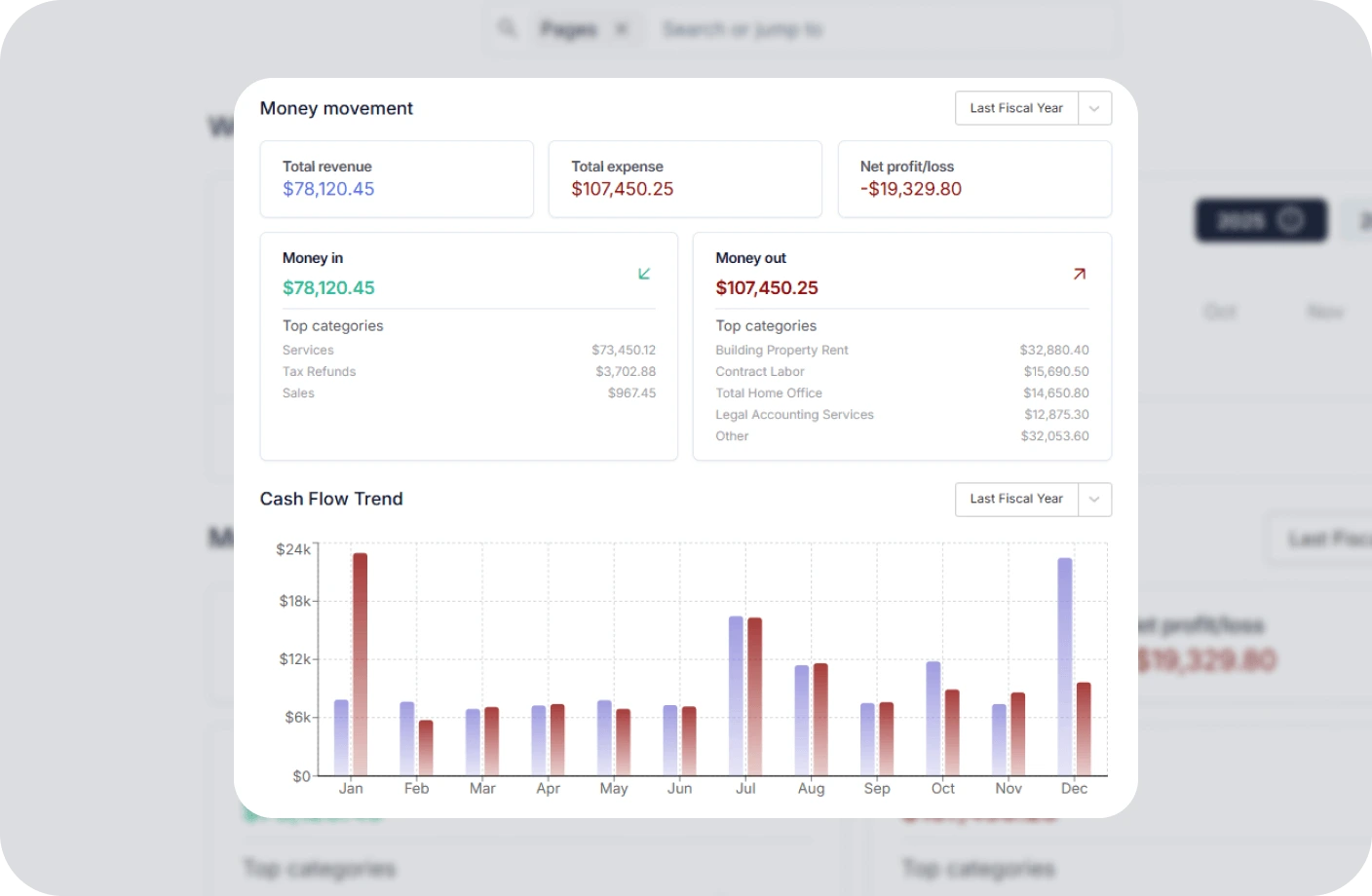
Invoicing
Create, send, and manage invoices. Track payments and assure timely cash flow.

Contracts
Create, track, and e-sign contracts to ensure compliance and deadlines.

Taxes
Confidently plan taxes with expert CPAs and smart tools to track deductions.

Reports
Real time business reports show where you stand today and what to do next.
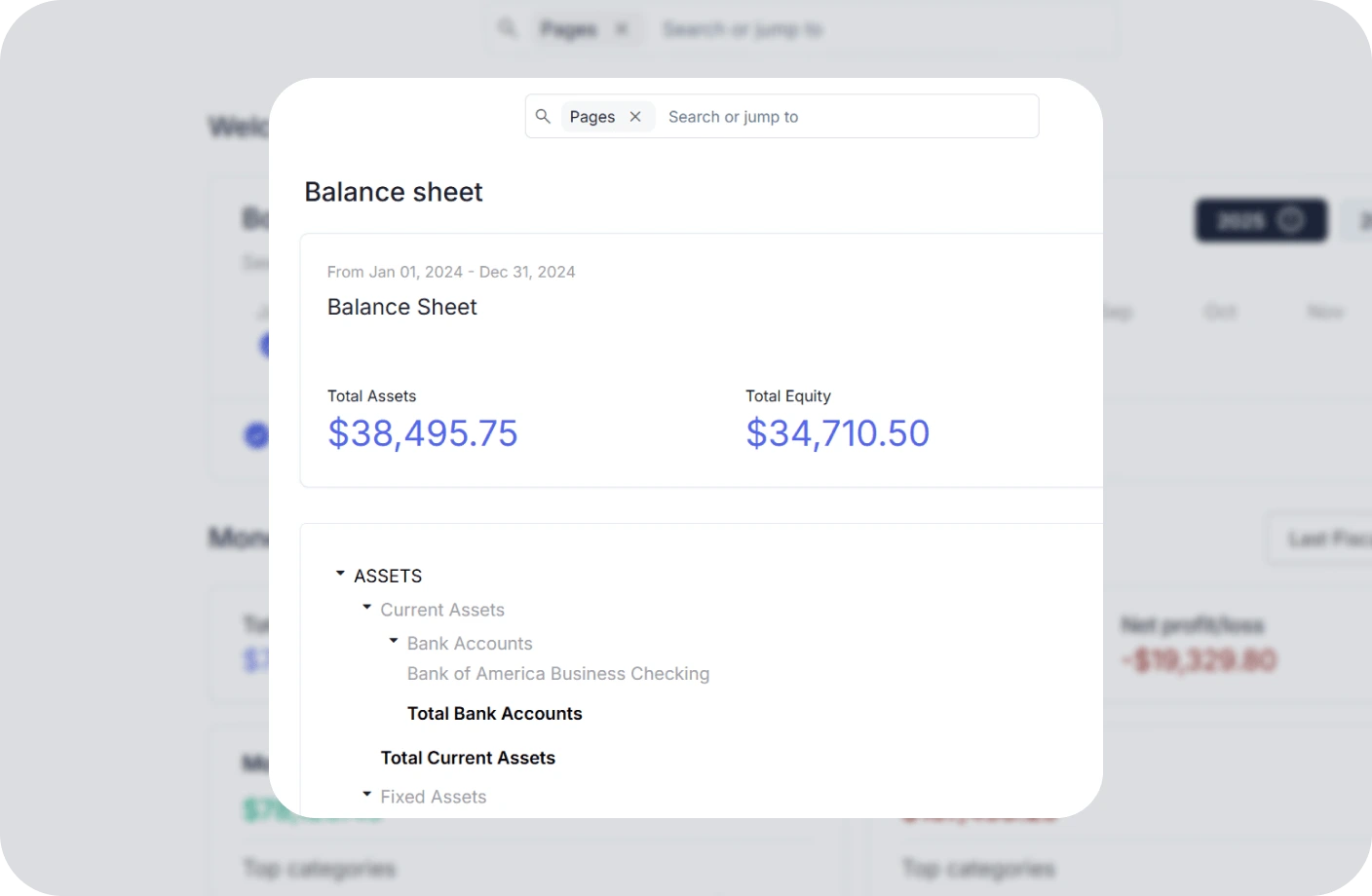
Accounting
All in one accounting software for creators to handle your books, taxes, invoices, contracts.

Creator Tools
Specialized tools and resources for every type of creator
YouTubers Tools
Optimize your YouTube channel with analytics, thumbnail generators, and growth tools.
TikTokers Tools
Create viral TikTok content with trend analysis, caption generators, and editing tools.
Content Creators Tools
Comprehensive toolkit for content creation, scheduling, and audience engagement.
Video Creators Tools
Professional video editing, compression, and optimization tools for creators.
Influencers Tools
Manage brand partnerships, track engagement, and maximize your influencer income.
Photographers Tools
Photo editing, watermarking, and portfolio management tools for photographers.
Related Accounting Resources
Essential tax forms and compliance guides for your accounting practice
What Is Cash Pooling? How It Works, Key Types, and Examples
Learn how cash pooling optimizes liquidity across multiple accounts and business entities.
What Is an Amortization Expense? Definition, Formula & Examples
Understand how to calculate and record amortization expenses for intangible assets accurately and efficiently.
Debits vs Credits in Accounting: A Beginner's Guide
Master the fundamental accounting principle of double-entry bookkeeping with clear examples.
Cash Flow From Financing FAQs
Quick answers to common questions about cash flow from financing
What is cash flow from financing in simple words?
Cash flow from financing shows how companies raise money and pay it back to investors through loans, stock sales, dividends, and other financing activities.
Where is cash flow from financing used?
It's used in cash flow statements, financial analysis, loan applications, investor presentations, and business planning to show how a company manages its capital.
Why is cash flow from financing important?
It reveals how companies fund growth, manage debt, and return value to shareholders, helping assess financial health and investment potential.
What is an example of cash flow from financing?
A company takes out a $100,000 loan (positive cash flow), sells $50,000 in stock (positive cash flow), and pays $20,000 in dividends (negative cash flow).
Is cash flow from financing easy to understand or use?
Yes! It's straightforward - just track money coming in from loans and investors, and money going out for debt payments and shareholder returns.
What activities are included in cash flow from financing?
It includes bank loans, bond issuance, stock sales, dividend payments, share buybacks, and debt repayments - basically any transaction with investors or lenders.
How does cash flow from financing affect business decisions?
It helps determine when to seek funding, how to structure capital, and whether the business can afford to pay dividends or repurchase shares.
What's the difference between positive and negative cash flow from financing?
Positive means the company is raising more capital than it's returning, while negative means it's paying back more than it's raising - both can be healthy depending on the situation.
Track Your Financing Activities Like a Pro
Monitor cash flow from financing activities effortlessly with Otto's AI-powered bookkeeping. Track loans, investments, and shareholder returns to make smarter capital decisions.