Long Term Liabilities Explained for 2026
Learn what long term liabilities are, why they matter, and how to manage them in your business without getting confused.
KEY TAKEAWAYS
-
✓
Accounting theory guides financial reporting and accounting processes.
-
✓
It involves methodologies, frameworks, and assumptions that get used in financial reporting.
-
✓
Accounting theory evolves and adapts to environmental changes and new trends.
Have you ever wondered what long term liabilities actually mean in accounting? Every business eventually takes on debt to grow, and understanding how these obligations work is crucial for financial planning.
Long term liabilities exist to help businesses finance major purchases, expand operations, and invest in the future. But how are they recorded? What types exist? And how do they affect your financial health?
This guide walks you through everything in a simple way, so you can understand how long term liabilities work and how to manage them effectively.
What Are Long Term Liabilities?
Long term liabilities are debts or obligations that a company is required to pay back over a period longer than one year. These can include loans, bonds, or mortgages that are not expected to be settled in the short term. Understanding long term liabilities is essential for both business owners and creators, as they can affect financial planning and cash flow.
On a balance sheet, long term liabilities appear under the non-current liabilities section, separate from short-term obligations like accounts payable or accrued expenses. This distinction helps investors and lenders assess a company's financial structure and its ability to meet long-term debt obligations.
Why Are Long Term Liabilities Important?
Long term liabilities play a crucial role in a company's financial health. Here are a few reasons why they matter:
-
•
They reflect the company's long-term financing strategies and growth plans
-
•
They help businesses invest in growth opportunities without immediate cash outflow
-
•
They can impact credit ratings, which affects borrowing costs and investment potential
Businesses that strategically use long term debt can leverage it to achieve higher returns, while poor management can lead to financial distress.
Types of Long Term Liabilities
There are several common types of long term liabilities that appear on a company's balance sheet:
-
•
Bonds Payable – Debt securities issued to investors that mature in more than one year
-
•
Mortgage Payable – Loans secured by real estate or property assets
-
•
Long-Term Lease Obligations – Lease payments due beyond the current year under capital or operating leases
-
•
Deferred Tax Liabilities – Taxes that are owed but not yet payable due to timing differences
-
•
Pension Liabilities – Retirement benefit obligations owed to employees in future periods
How Do Long Term Liabilities Affect Small Businesses?
For small businesses and creators, managing long term liabilities is key. A business can use these liabilities to finance projects that can generate revenue and growth over time. For example, a small business might take out a long-term loan to purchase equipment, expand its physical space, or invest in marketing campaigns that pay off over several years.
However, carrying too much long-term debt can strain cash flow and make it harder to respond to unexpected challenges. It is important to maintain a healthy balance between debt and equity financing, and to ensure that monthly debt payments are manageable within your operating budget.
Lenders and investors closely monitor a company's long term liabilities to assess financial risk. A high level of long-term debt relative to equity can signal potential trouble, while a moderate and well-managed debt load shows discipline and strategic planning.
Key Financial Ratios Involving Long Term Liabilities
Analysts and creditors use several ratios to evaluate a company's long-term debt position:
-
•
Debt-to-Equity Ratio – Total liabilities divided by shareholders' equity, measuring financial leverage
-
•
Interest Coverage Ratio – Earnings before interest and taxes divided by interest expense, showing ability to pay interest
-
•
Debt Service Coverage Ratio – Net operating income divided by total debt service, measuring cash flow adequacy
Summary
Long term liabilities are an essential part of business finance. They allow companies to fund major investments and growth initiatives without requiring immediate cash outlay. Understanding the different types, how they affect financial statements, and how to manage them is crucial for any business owner.
When managed wisely, long term debt can be a powerful tool for building a stronger, more valuable business. The key is to maintain reasonable debt levels, ensure consistent cash flow for payments, and monitor financial ratios to stay in good standing with lenders.
Whether you are applying for a business loan, issuing bonds, or simply trying to understand your company's balance sheet, knowing how long term liabilities work will help you make better financial decisions.
How It Applies to Your Business
When will you actually use this?
Long term liabilities aren't just for large corporations. They impact everyday business decisions and can mean the difference between success and failure. Here's when you'll encounter them:
Loan Management
Track and manage long-term debt payments, interest accruals, and maturity dates for business loans.
Financial Statements
Properly classify and report long term liabilities on balance sheets for accurate financial reporting.
Credit Assessment
Understand how lenders evaluate your debt levels and how to maintain a healthy credit profile.
Debt Covenants
Monitor compliance with debt covenants and avoid default by maintaining required financial ratios.
Business Valuation
Factor long-term debt obligations into business valuations when seeking investors or planning an exit.
Strategic Planning
Use long-term financing strategically to fund growth initiatives while maintaining financial stability.
How It Applies to Your Business
When will you actually use this?
Accounting theory isn't just for large corporations. It impacts everyday business decisions and can mean the difference between success and failure. Here's when you'll use these principles:
Monthly Reporting
Create accurate financial statements to track business performance and make data-driven decisions.
Tax Season
Apply proper accounting methods to maximize deductions and avoid audit triggers.
Loan Applications
Present professional financial statements that meet lender requirements and approval standards.
Business Planning
Use historical data following accounting principles to forecast growth and set realistic goals.
Investor Relations
Build credibility with transparent financial reporting that meets industry standards.
Performance Analysis
Compare your results against industry benchmarks using consistent accounting methods.
Recommended Reading
Expand your knowledge with these related topics
Current Assets
Learn about current assets and how they impact your business liquidity and short-term financial health.
PPE
Learn about Property, Plant, and Equipment assets and their accounting treatment for your business.
Debit
Understanding debits in accounting and how they affect your financial records.
Assurance
Understanding assurance services and their role in financial reporting credibility.
FF&E
Furniture, Fixtures, and Equipment accounting for business asset management and tracking.
Point of Sale (POS)
How POS systems integrate with accounting for accurate sales tracking.
Real Accounting Questions From the Community
Explore Reddit-backed Otto accounting guides based on real conversations about CPAs, accountants, invoices, reconciliation, ledgers, P&L, and cash flow systems.
One Platform: From Entity Setup to Closing Reports
Comprehensive financial solutions for your business needs.
Entity Management
Easily manage legal entities, compliance, and ownership in one platform.
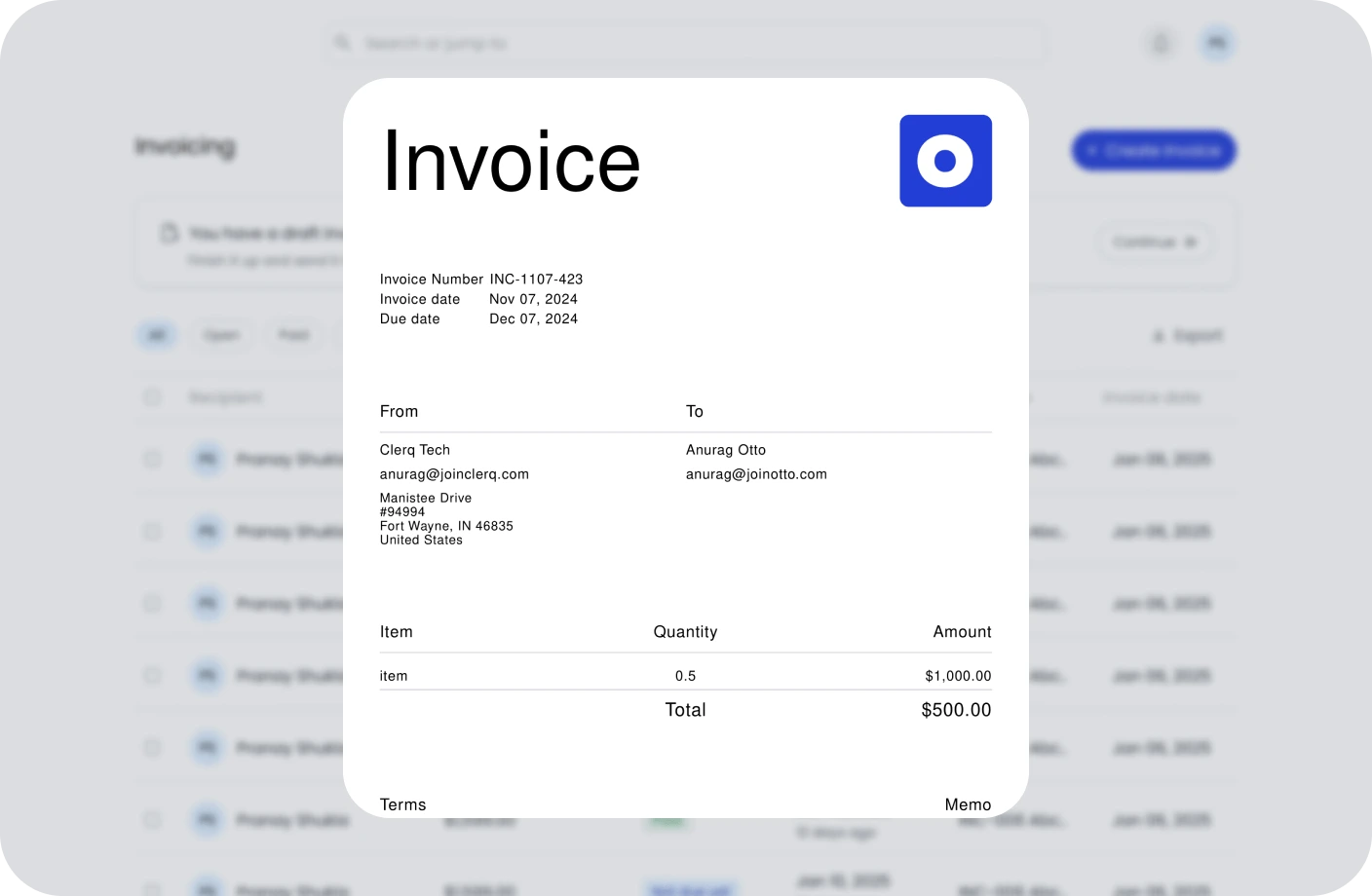
Invoicing
Create, send, and manage invoices. Track payments and assure timely cash flow.
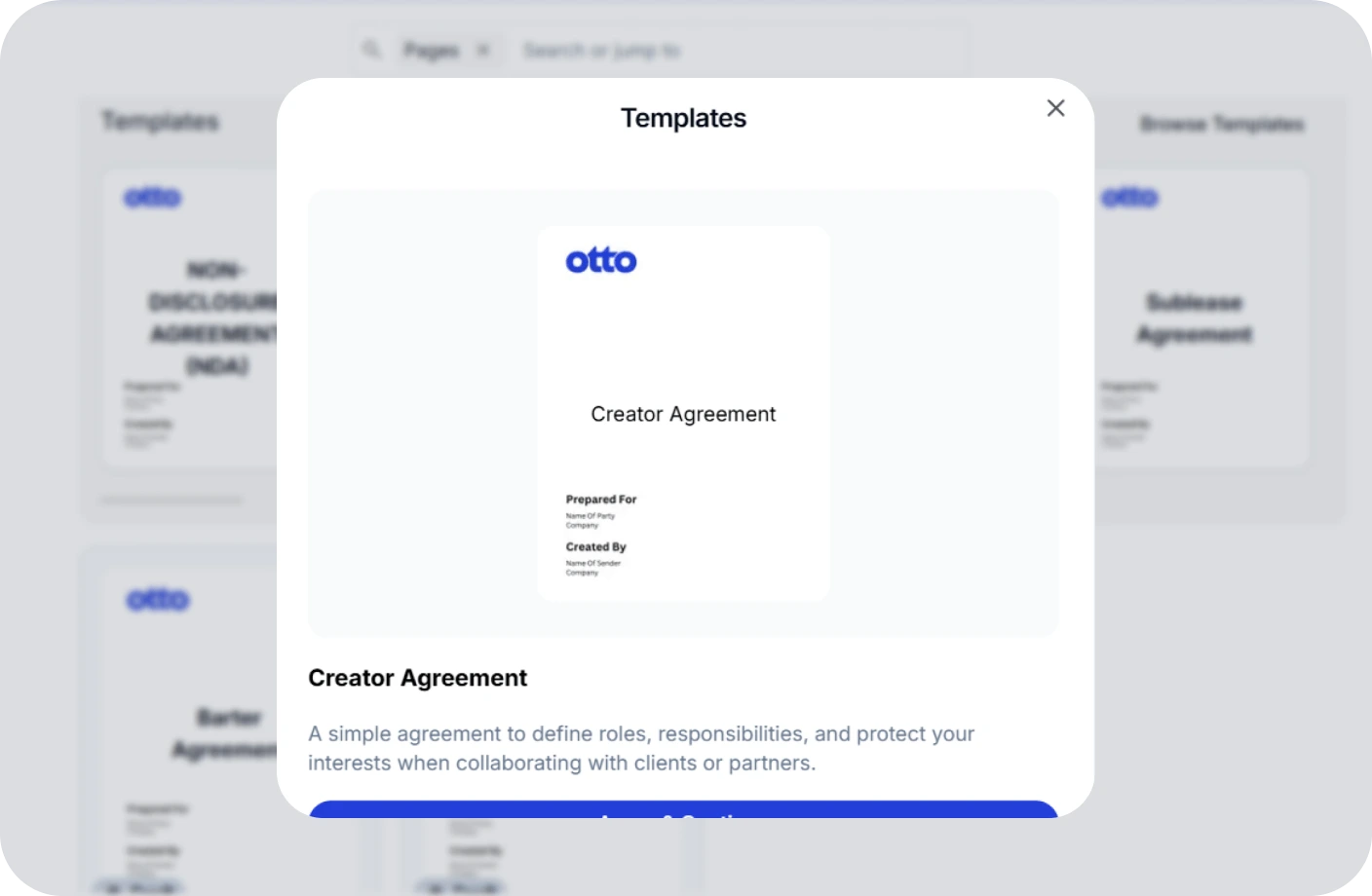
Contracts
Create, track, and e-sign contracts to ensure compliance and deadlines.
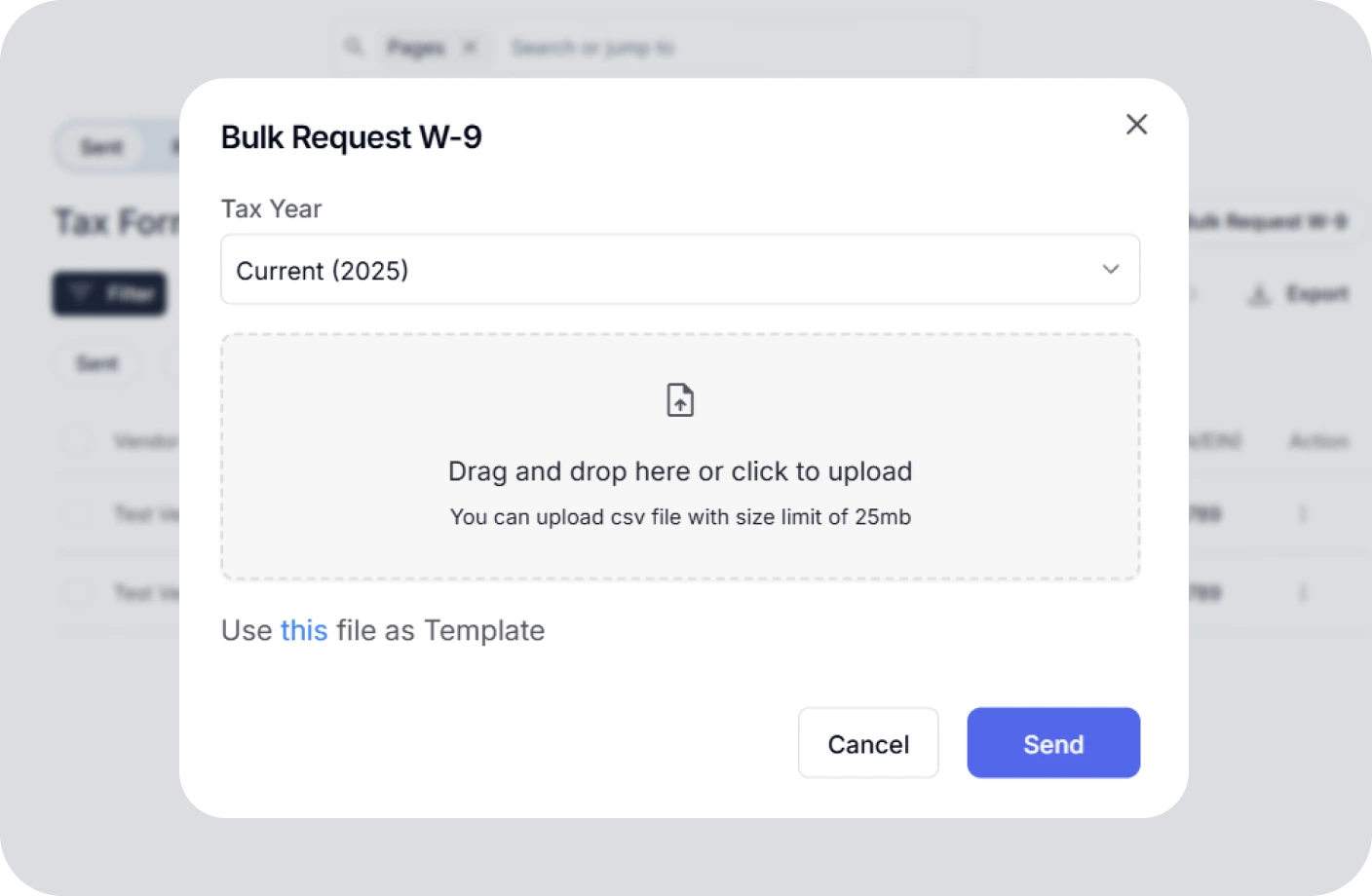
Taxes
Confidently plan taxes with expert CPAs and smart tools to track deductions.
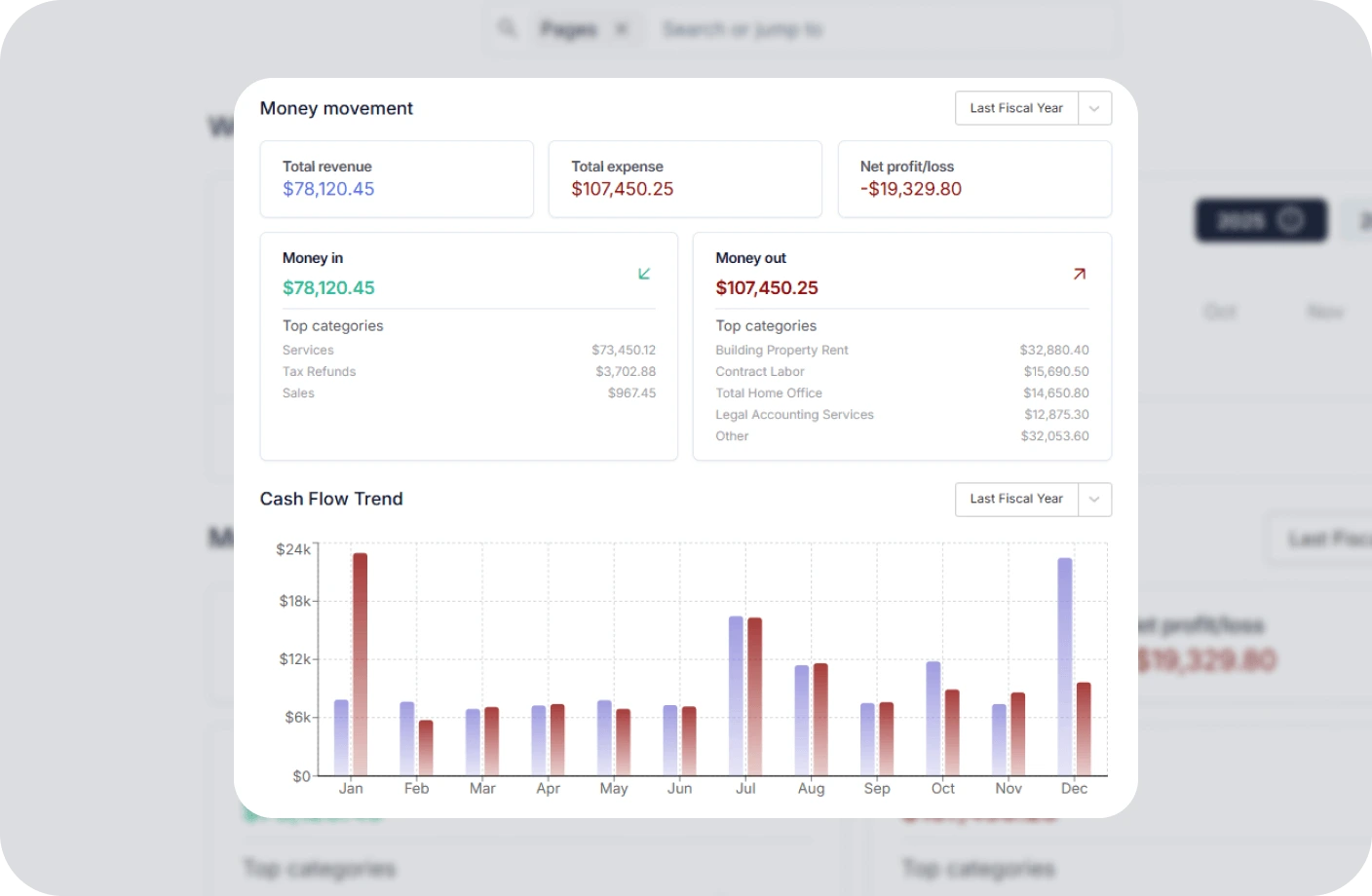
Reports
Real time business reports show where you stand today and what to do next.
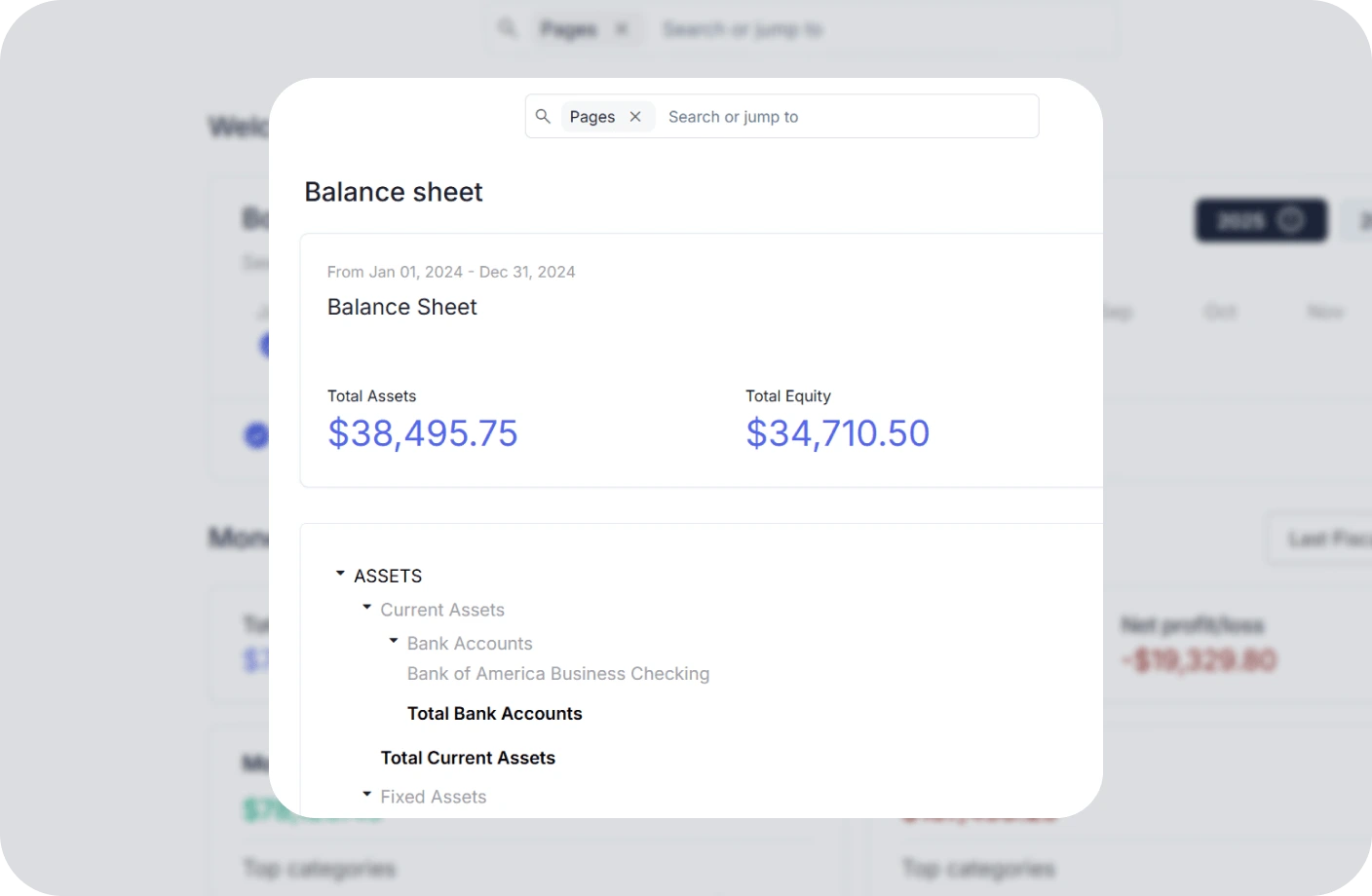
Accounting
All in one accounting software for creators to handle your books, taxes, invoices, contracts.
Creator Tools
Specialized tools and resources for every type of creator
YouTubers Tools
Optimize your YouTube channel with analytics, thumbnail generators, and growth tools.
TikTokers Tools
Create viral TikTok content with trend analysis, caption generators, and editing tools.
Content Creators Tools
Comprehensive toolkit for content creation, scheduling, and audience engagement.
Video Creators Tools
Professional video editing, compression, and optimization tools for creators.
Influencers Tools
Manage brand partnerships, track engagement, and maximize your influencer income.
Photographers Tools
Photo editing, watermarking, and portfolio management tools for photographers.
Related Accounting Resources
Essential tax forms and compliance guides for your accounting practice
What Is Cash Pooling? How It Works, Key Types, and Examples
Learn how cash pooling optimizes liquidity across multiple accounts and business entities.
What Is an Amortization Expense? Definition, Formula & Examples
Understand how to calculate and record amortization expenses for intangible assets accurately and efficiently.
Debits vs Credits in Accounting: A Beginner's Guide
Master the fundamental accounting principle of double-entry bookkeeping with clear examples.
Long Term Liabilities FAQs
Quick answers to common questions about long term liabilities
What are long term liabilities in simple terms?
Long term liabilities are debts or obligations that a company must repay over a period longer than one year. Common examples include bonds payable, mortgages, and long-term leases.
Why are long term liabilities important?
They reflect a company's long-term financing strategy, affect credit ratings and borrowing costs, and are key indicators of financial health for investors and lenders.
What is the difference between long term and short term liabilities?
Short term liabilities are due within one year, while long term liabilities extend beyond one year. Long term liabilities typically involve larger amounts and fund major investments.
How do long term liabilities affect financial ratios?
They impact key ratios like debt-to-equity and interest coverage. Lenders use these ratios to assess a company's risk level and ability to meet debt obligations.
Are long term liabilities good or bad for a business?
When managed wisely, they help businesses grow by funding major investments. However, excessive debt can strain cash flow and increase financial risk.
What is an example of a long term liability for a small business?
A common example is a small business loan for equipment or real estate with a repayment term of several years, recorded as a long term liability on the balance sheet.
What is a debt covenant?
A debt covenant is a promise in a loan agreement requiring the borrower to maintain certain financial ratios or limits. Breaking a covenant can trigger penalties or loan acceleration.
How are long term liabilities recorded in accounting?
They are recorded on the balance sheet under non-current liabilities at their present value, with interest expense recognized separately over the life of the debt.
Manage Your Finances Without the Confusion
Manage long term liabilities effortlessly with Otto's AI-powered bookkeeping. Track expenses, generate reports, and make smarter business decisions.