Transfer of Risk Explained
Learn what transfer of risk means, why it’s important for your business, and how to use insurance and contracts to protect yourself.
KEY TAKEAWAYS
-
✓
Transfer of risk shifts financial burden from one party to another.
-
✓
Insurance, contracts, and business structures are common risk transfer methods.
-
✓
Managing risk effectively helps creators focus on their work with peace of mind.
What is Transfer of Risk?
Transfer of Risk refers to the process of shifting the potential financial burden of a risk from one party to another. In business and finance, this is often accomplished through various means, such as insurance policies, contracts, or outsourcing certain activities. By transferring risk, a business can protect itself from significant losses that may arise from unforeseen events.
Why is Transfer of Risk Important?
Understanding Transfer of Risk is crucial for businesses, especially for creators and small businesses. By managing risks effectively, they can focus on their creative work without constantly worrying about potential financial setbacks.
- Financial Protection: It reduces the financial impact of unexpected events.
- Focus on Core Activities: By transferring risk, businesses can concentrate on their main products and services.
- Improved Decision-Making: Knowing that certain risks are managed allows for more strategic planning.
How Can Small Businesses Transfer Risk?
Small businesses and creators can transfer risk in several practical ways. For instance, they can take out insurance policies tailored to their specific needs, such as liability insurance for photographers or equipment insurance for musicians and videographers. Contracts can also include indemnity clauses that shift responsibility to another party. Additionally, creators might consider forming a limited liability company (LLC) or corporation to separate personal and business assets, limiting personal liability for business debts.
What Are the Different Types of Risk Transfer?
There are several ways to transfer risk, each suited to different situations:
- Insurance: The most common method. A business pays an insurance premium to transfer the risk of financial loss to the insurance company.
- Contractual Risk Transfer: Through contracts, businesses can shift liability to other parties. For example, a client agreement might state that the client is responsible for any legal issues arising from content they provide.
- Outsourcing: By hiring third parties for certain tasks (such as delivery or manufacturing), a business transfers the associated risks to those third parties.
Each method has its own advantages, and the best choice depends on the specific circumstances of the business.
Can You Provide an Example of Transfer of Risk?
Consider a freelance video editor who has invested in expensive editing equipment. They could purchase an insurance policy that covers theft or damage to their equipment. If their equipment is stolen, the insurance company would cover the replacement cost, thereby transferring the financial risk from the editor to the insurer.
Another example is a musician who hires a venue for a concert. The contract with the venue might include a clause that holds the venue responsible for any injuries that occur on the premises, transferring that risk away from the musician.
These examples illustrate how transfer of risk can provide essential protection for creative professionals.
What Is the Role of Transfer of Risk in Financial Planning?
In financial planning, transfer of risk is a key component. It allows businesses to manage potential losses that could otherwise derail their financial goals. For creators, this means having the confidence to invest in new projects and opportunities without the fear of catastrophic financial loss. By incorporating risk transfer strategies into their overall financial plan, creators can build a more resilient and sustainable business.
How It Applies to Your Business
When will you actually use this?
Risk transfer isn't just for large corporations. It impacts everyday business decisions and can protect you from financial setbacks. Here's when you'll use these principles:
Insurance Planning
Protect your business with the right insurance coverage tailored to your specific creative profession.
Contract Protection
Use indemnity clauses and liability waivers in your client contracts to limit your financial exposure.
Business Structure
Form an LLC or corporation to separate personal assets from business liabilities and limit personal risk.
Equipment Coverage
Insure your cameras, computers, and other creative equipment against theft, damage, or loss.
Client Agreements
Draft clear scope-of-work agreements that define responsibility and limit liability for project outcomes.
Disaster Planning
Create a business continuity plan and ensure you’re covered for unexpected events that could disrupt income.
Recommended Reading
Expand your knowledge with these related topics
Debit
Understanding debits in accounting and how they affect your financial records.
PPE
Learn about Property, Plant, and Equipment assets and their accounting treatment.
Assurance
Understanding assurance services and their role in financial reporting credibility.
Point of Sale (POS)
How POS systems integrate with accounting for accurate sales tracking.
Revenue
Understanding revenue recognition and its impact on financial statements.
FF&E
Furniture, Fixtures, and Equipment accounting for business assets management and tracking
Real Accounting Questions From the Community
Explore Reddit-backed Otto accounting guides based on real conversations about CPAs, accountants, invoices, reconciliation, ledgers, P&L, and cash flow systems.
One Platform: From Entity Setup to Closing Reports
Comprehensive financial solutions for your business needs.
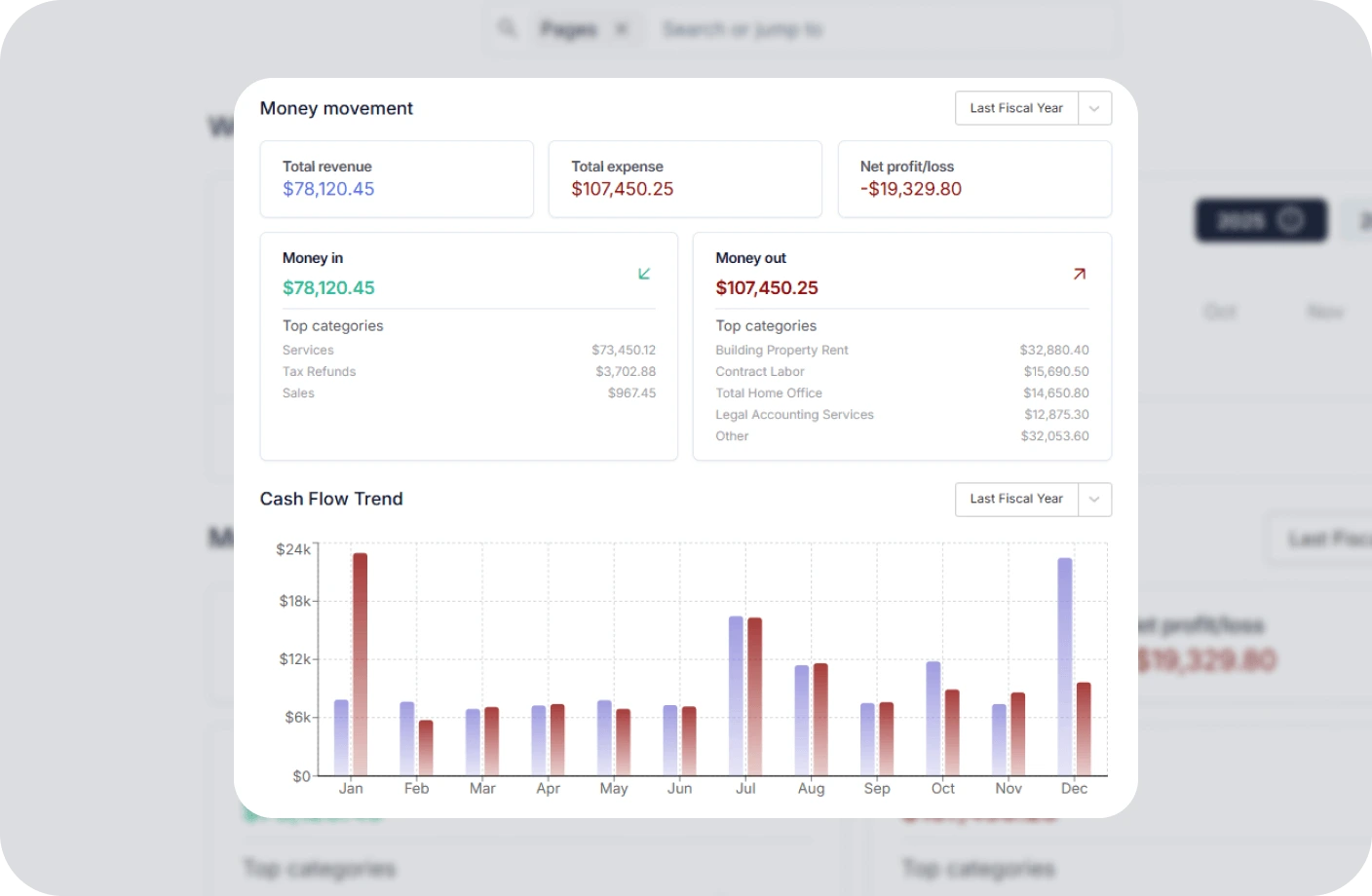
Entity Management
Easily manage legal entities, compliance, and ownership in one platform.
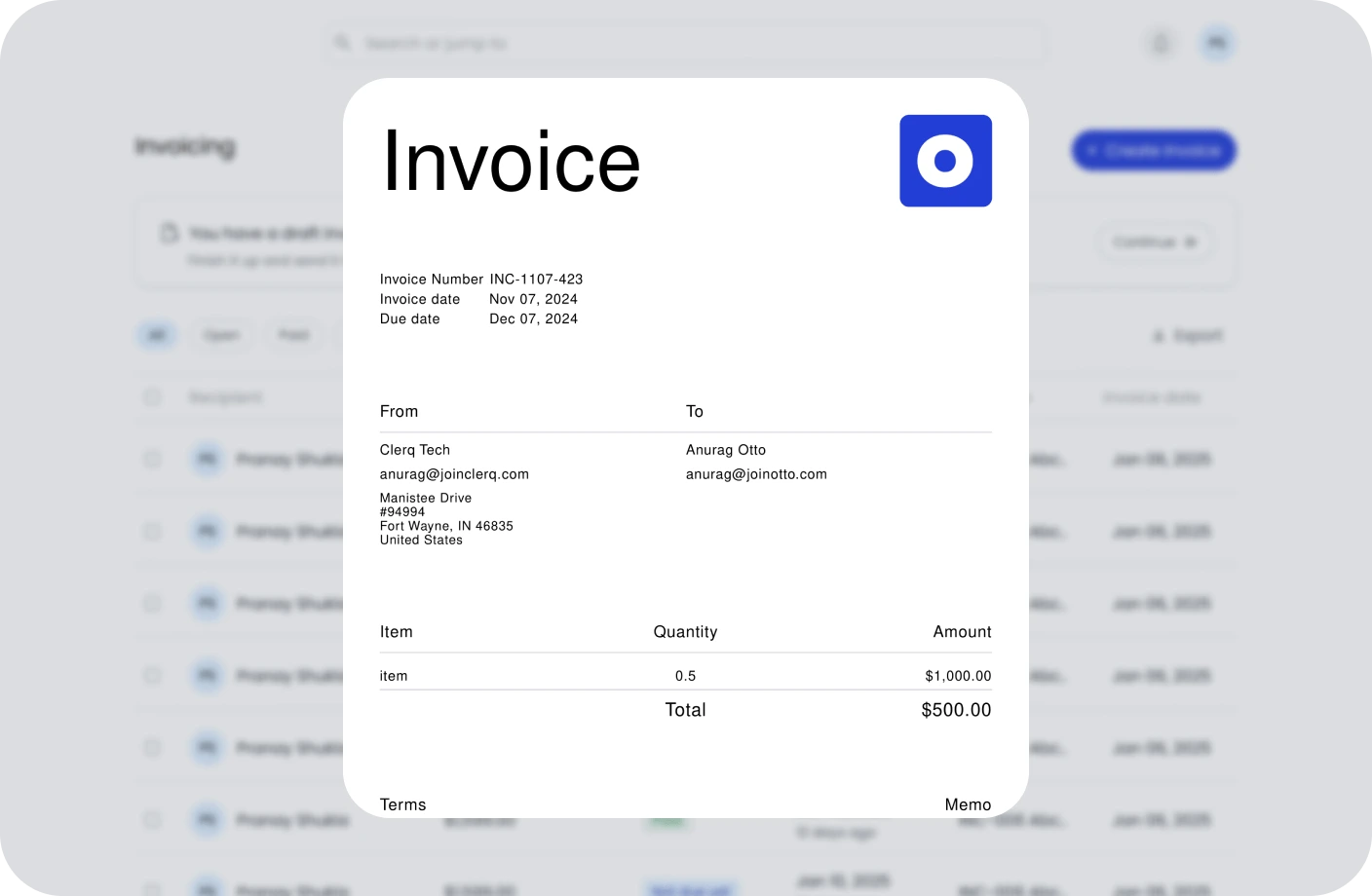
Invoicing
Create, send, and manage invoices. Track payments and assure timely cash flow.
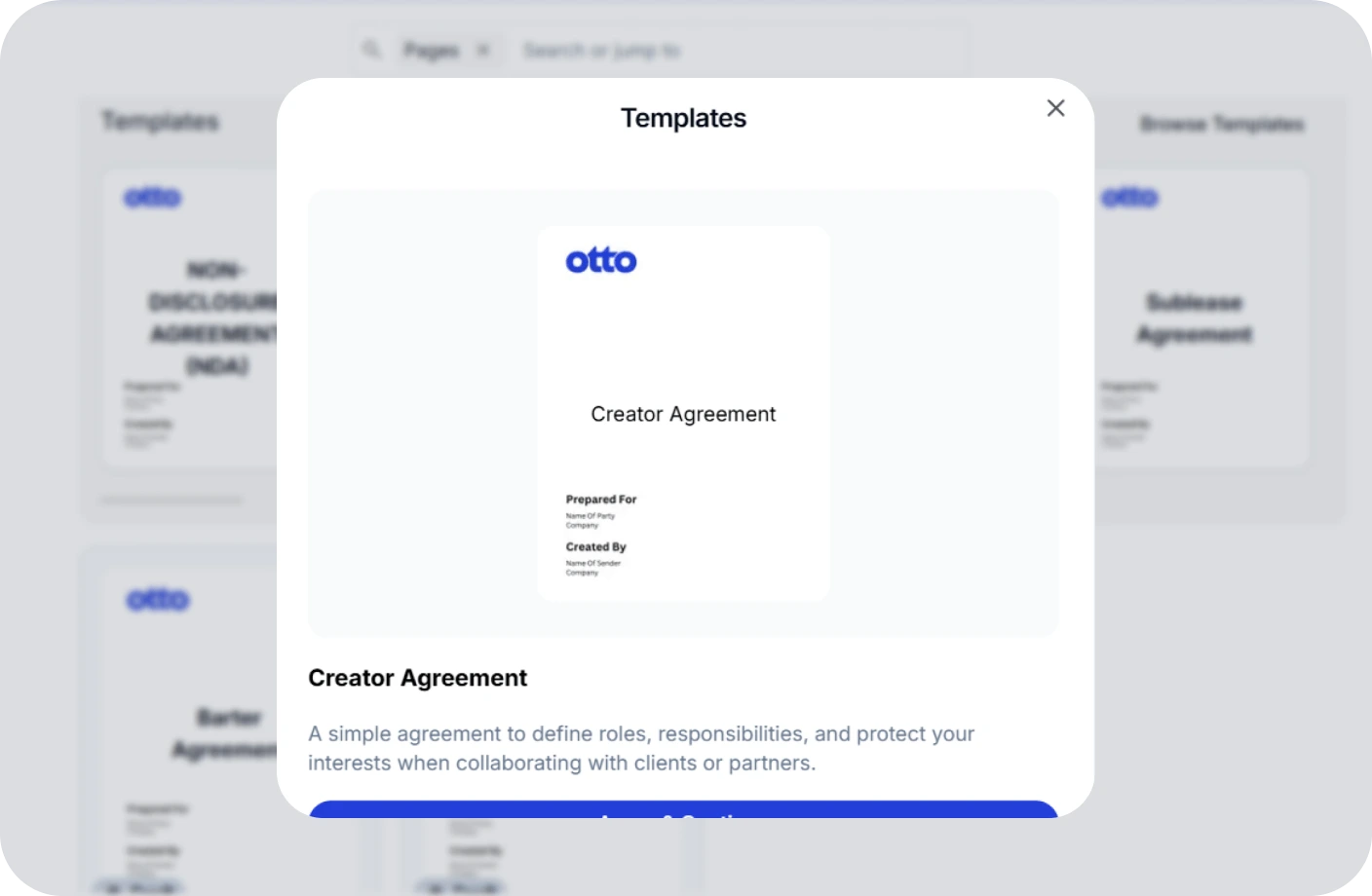
Contracts
Create, track, and e-sign contracts to ensure compliance and deadlines.
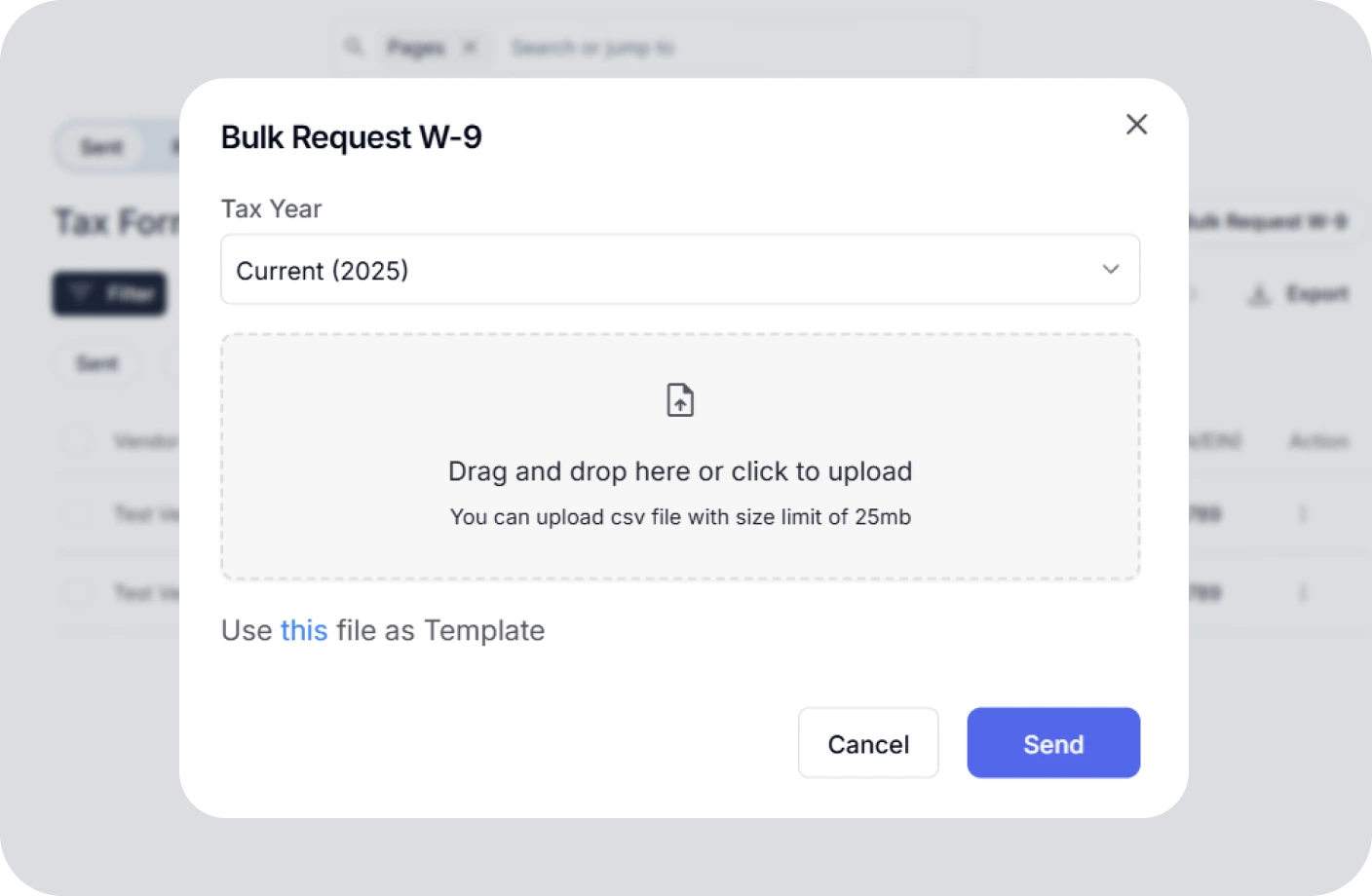
Taxes
Confidently plan taxes with expert CPAs and smart tools to track deductions.
Reports
Real time business reports show where you stand today and what to do next.
Accounting
All in one accounting software for creators to handle your books, taxes, invoices, contracts.

Creator Tools
Specialized tools and resources for every type of creator
YouTubers Tools
Optimize your YouTube channel with analytics, thumbnail generators, and growth tools.
TikTokers Tools
Create viral TikTok content with trend analysis, caption generators, and editing tools.
Content Creators Tools
Comprehensive toolkit for content creation, scheduling, and audience engagement.
Video Creators Tools
Professional video editing, compression, and optimization tools for creators.
Influencers Tools
Manage brand partnerships, track engagement, and maximize your influencer income.
Photographers Tools
Photo editing, watermarking, and portfolio management tools for photographers.
Related Accounting Resources
Essential tax forms and compliance guides for your accounting practice
What Is Cash Pooling? How It Works, Key Types, and Examples
Learn how cash pooling optimizes liquidity across multiple accounts and business entities.
What Is an Amortization Expense? Definition, Formula & Examples
Understand how to calculate and record amortization expenses for intangible assets accurately and efficiently.
Debits vs Credits in Accounting: A Beginner's Guide
Master the fundamental accounting principle of double-entry bookkeeping with clear examples.
Transfer of Risk FAQs
Quick answers to common questions about transfer of risk
What is transfer of risk in simple terms?
Transfer of risk refers to shifting the potential financial burden of a risk from one party to another, often through insurance policies, contracts, or outsourcing.
Why is transfer of risk important for businesses?
It provides financial protection, allows businesses to focus on core activities, and enables more strategic decision-making by reducing potential setbacks.
How can small businesses transfer risk?
Through insurance policies, indemnity clauses in contracts, outsourcing risky activities, and forming LLCs or corporations to separate personal from business liability.
What is the difference between risk transfer and risk avoidance?
Risk transfer shifts the financial impact to another party (like an insurer), while risk avoidance means not engaging in the risky activity at all.
Does insurance fully eliminate risk?
No, insurance transfers the financial cost of a risk but doesn’t prevent the risk from occurring. Some deductibles or exclusions may still apply.
What types of insurance help with risk transfer?
General liability insurance, professional liability insurance, property insurance, workers’ compensation, and business interruption insurance all help transfer specific risks.
Protect Your Creative Business
Otto helps you manage risk, track expenses, and protect your business so you can focus on what you do best.