Bill of Lading: Definition & Overview
Learn what a bill of lading means, its role in shipping and logistics, and how it functions as a receipt, contract, and document of title.
KEY TAKEAWAYS
-
✓
A bill of lading is a receipt for goods issued by a carrier, confirming that cargo has been received for shipment.
-
✓
It serves three critical functions: a receipt of goods, a contract of carriage, and a document of title.
-
✓
Bills of lading are essential for international trade, customs clearance, and securing payment through trade finance.
What is a Bill of Lading?
A bill of lading (BOL) is a legal document issued by a carrier to a shipper that details the type, quantity, and destination of goods being transported. It serves as a critical document in the shipping and logistics industry, providing a written record of the cargo and the terms under which it is being carried. Think of it as a combination of a shipping receipt, a transportation contract, and a certificate of ownership all in one.
The Three Main Purposes of a Bill of Lading
A bill of lading serves three primary functions that make it indispensable in freight and logistics:
-
•
Receipt of Goods: The BOL confirms that the carrier has received the cargo in the condition described. It includes details about the quantity, weight, and apparent condition of the goods at the time of loading.
-
•
Contract of Carriage: It outlines the terms and conditions between the shipper and the carrier, including the route, shipping costs, liability limits, and delivery instructions.
-
•
Document of Title: The BOL represents ownership of the goods. It can be transferred to another party (endorsed), allowing the buyer to claim the cargo at the destination or sell it while in transit.
How Does a Bill of Lading Work in Shipping?
The bill of lading process begins when a shipper (seller) prepares goods for transport. The shipper fills out the BOL with details about the cargo, including descriptions, quantities, weights, and the destination address. The carrier then reviews and signs the document to confirm receipt of the goods in good condition.
The original BOL travels with the shipment or is sent electronically to the consignee (buyer). Upon arrival at the destination, the buyer must present the original BOL to the carrier to take possession of the goods. This system ensures that only the rightful owner can claim the cargo, providing security for all parties involved in the transaction.
Many businesses use digital platforms to manage bills of lading electronically, streamlining documentation and reducing paperwork. An invoicing platform like Otto's invoicing can help you coordinate shipping documents with your billing process, ensuring that payments align with shipment milestones.
Types of Bills of Lading
There are several types of bills of lading, each suited for different modes of transport and business needs:
-
•
Ocean Bill of Lading: Used for sea freight shipments. It covers cargo transported on ocean vessels and is the most common type in international trade.
-
•
Air Waybill: A non-negotiable document used for air freight. It serves as a receipt and contract but not as a document of title.
-
•
Inland Bill of Lading: Covers goods transported over land by truck or rail, often used for domestic shipments or connecting to international ports.
-
•
Straight Bill of Lading: A non-negotiable BOL consigned directly to a specific party. The goods can only be released to the named consignee.
-
•
Negotiable Bill of Lading: A transferable BOL that can be endorsed and transferred to third parties, allowing the goods to be sold while in transit.
Importance of Bills of Lading in International Trade
Bills of lading play a vital role in international trade and commerce. They facilitate the movement of goods across borders by providing a standardized document that carriers, customs authorities, and financial institutions all recognize. Without a BOL, it would be difficult to prove ownership, arrange financing, or clear goods through customs.
In trade finance, banks often require a bill of lading before releasing payment under a letter of credit. This gives sellers confidence that they will be paid once the goods are shipped, and buyers know that payment will only be made when the carrier confirms shipment. Proper management of bills of lading is essential for smooth international transactions.
Summary
A bill of lading is a fundamental document in shipping and logistics that serves as a receipt, contract, and document of title. It tracks cargo from origin to destination, facilitates international trade, and provides security for both buyers and sellers. Understanding how bills of lading work is essential for anyone involved in importing, exporting, or freight management.
Using integrated invoicing and shipping management tools like Otto can help you streamline your documentation process and keep your billing aligned with your shipment tracking.
How Bills of Lading Apply to Your Business
When will you actually use this?
Bills of lading are not just for large shipping companies. They impact everyday logistics and trade operations. Here's when you'll use them:
International Shipping
Use bills of lading to document cargo for ocean or air freight, ensuring goods move smoothly across borders and all parties have clear shipment records.
Freight Forwarding
Coordinate multi-modal shipments by issuing the appropriate BOL for each leg of transport, from inland trucking to ocean carriage and final delivery.
Customs Clearance
Present the bill of lading to customs authorities as proof of shipment, enabling goods to clear inspection and be released for import or export.
Letter of Credit
Support documentary credit arrangements by submitting the bill of lading as required documentation for payment under letters of credit.
Inventory Management
Track incoming shipments and verify received quantities against the BOL to maintain accurate inventory records and reconcile purchase orders.
Dispute Resolution
Use the bill of lading as legal evidence in case of damaged goods, lost shipments, or delivery disputes between shipper, carrier, and receiver.
Recommended Reading
Expand your knowledge with these related invoicing topics
Deposit Invoice
Learn how deposit invoices work and when to use them for your business transactions.
Proforma Invoice
Understand proforma invoices and how they differ from standard invoices.
Payment Terms
Explore common payment terms and how to set them for advance payments and invoices.
Recurring Invoice
How recurring invoices work with advance payments for subscription-based businesses.
Payment Terms
Best practices for setting payment terms and expectations for advance payments.
Invoice Number
How to properly number invoices and track advance payment invoices in your system.
Free Invoice Templates
Professional invoice templates designed for every type of creator and freelancer.
DJ Invoice Template
Professional DJ invoice template for gigs, events, and private bookings with customizable payment terms and service breakdowns.
Event Planner Invoice Template
Streamlined invoice template for event planners covering venue coordination, vendor management, and client billing.
Photographer Invoice Template
Tailored invoice template for photographers covering session fees, print orders, usage rights, and travel expenses.
Videographer Invoice Template
Professional videographer invoice template for filming projects, editing services, and production work with clear milestone billing.
Web Developer Invoice Template
Developer-friendly invoice template for web projects, hourly billing, fixed-price contracts, maintenance retainers, and custom modules.
Content Creator Invoice Template
Versatile invoice template for content creators covering sponsorships, affiliate income, content production, and brand deals.
Real Invoicing Questions From the Community
Explore Reddit-backed Otto invoicing guides based on real conversations about payments, invoices, deposits, billing, and cash flow systems.
One Platform: From Entity Setup to Closing Reports
Comprehensive financial solutions for your business needs.
Entity Management
Easily manage legal entities, compliance, and ownership in one platform.
Invoicing
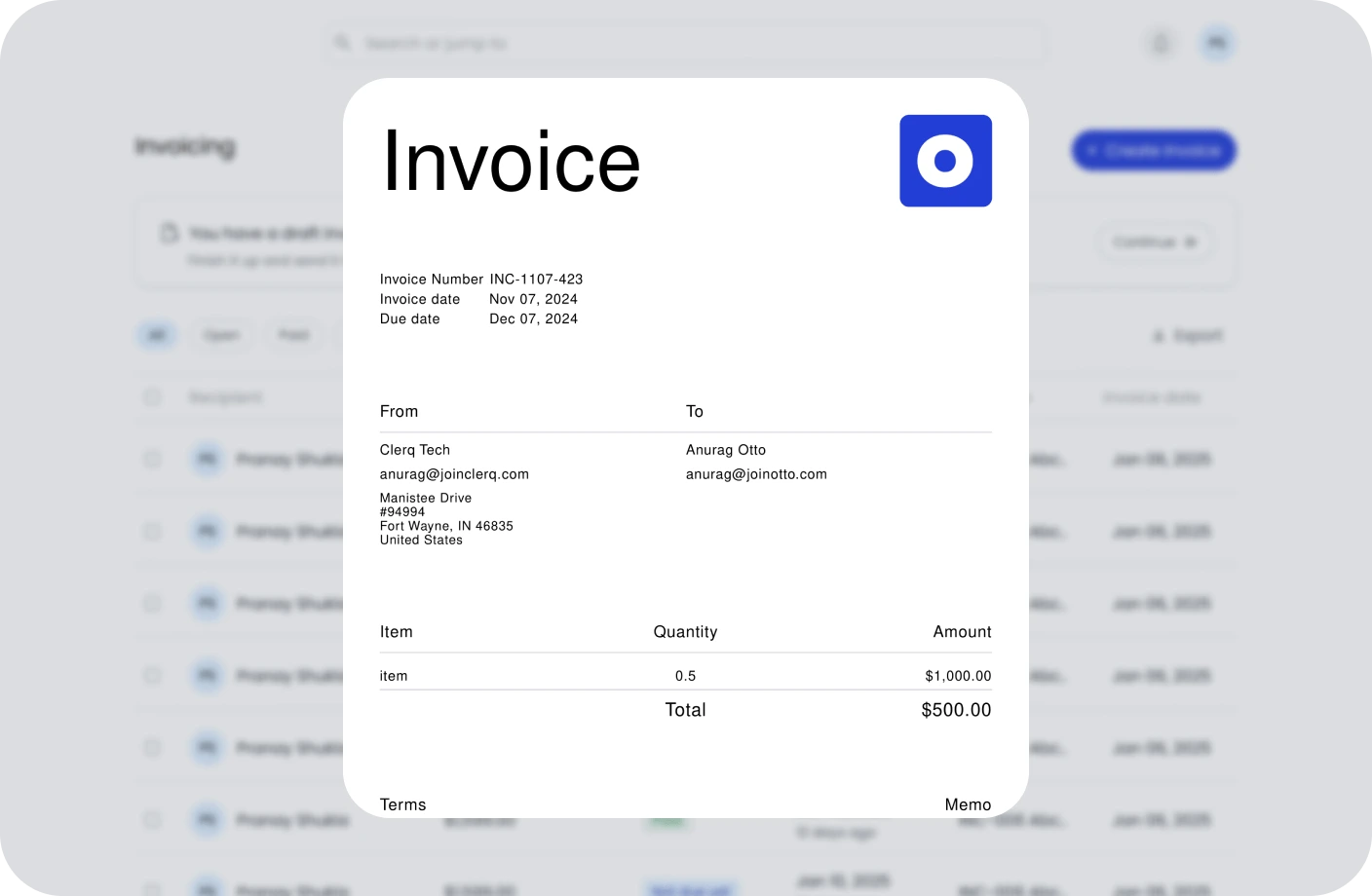
Create, send, and manage invoices. Track payments and assure timely cash flow.
Contracts
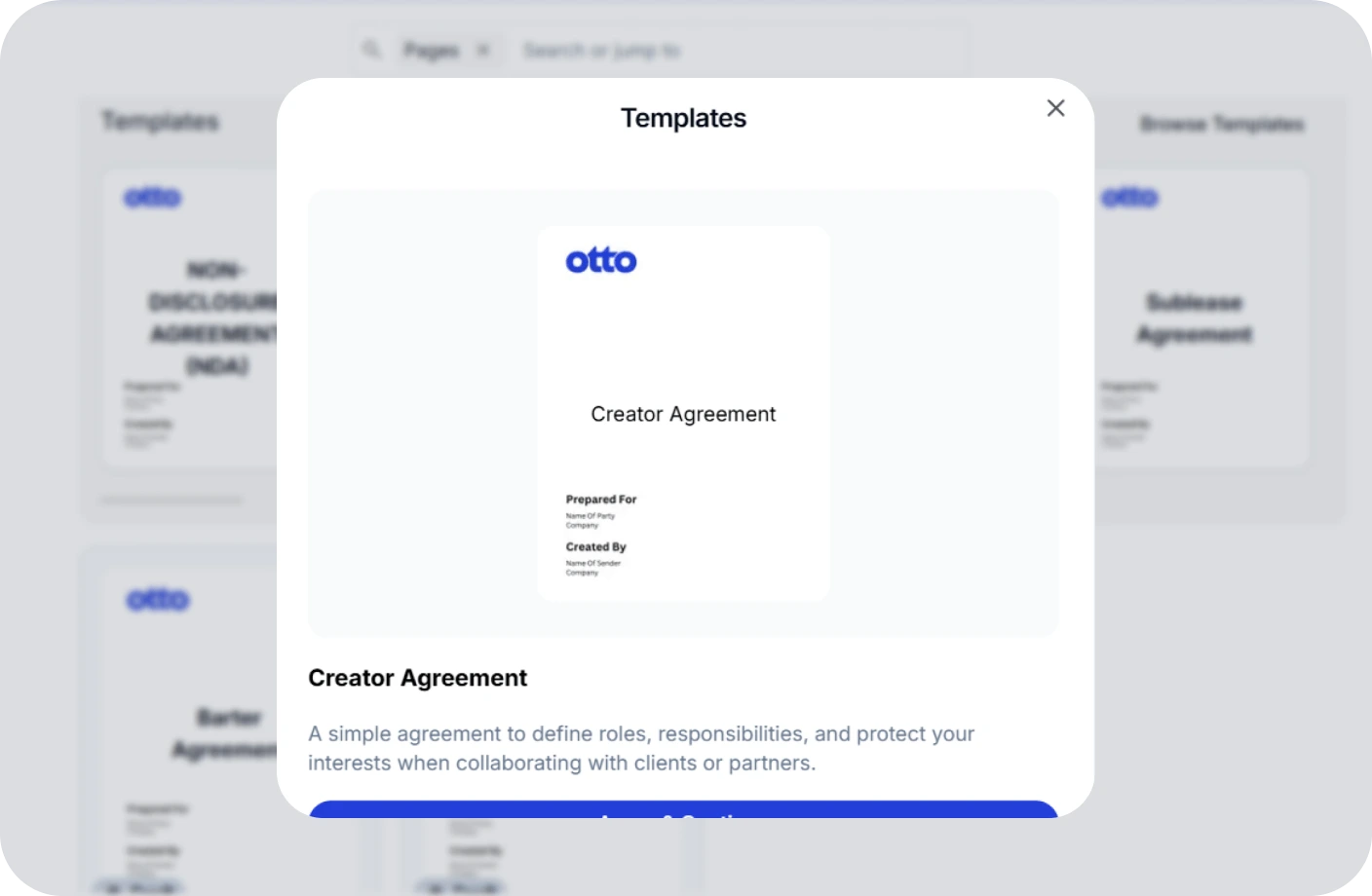
Create, track, and e-sign contracts to ensure compliance and deadlines.
Taxes
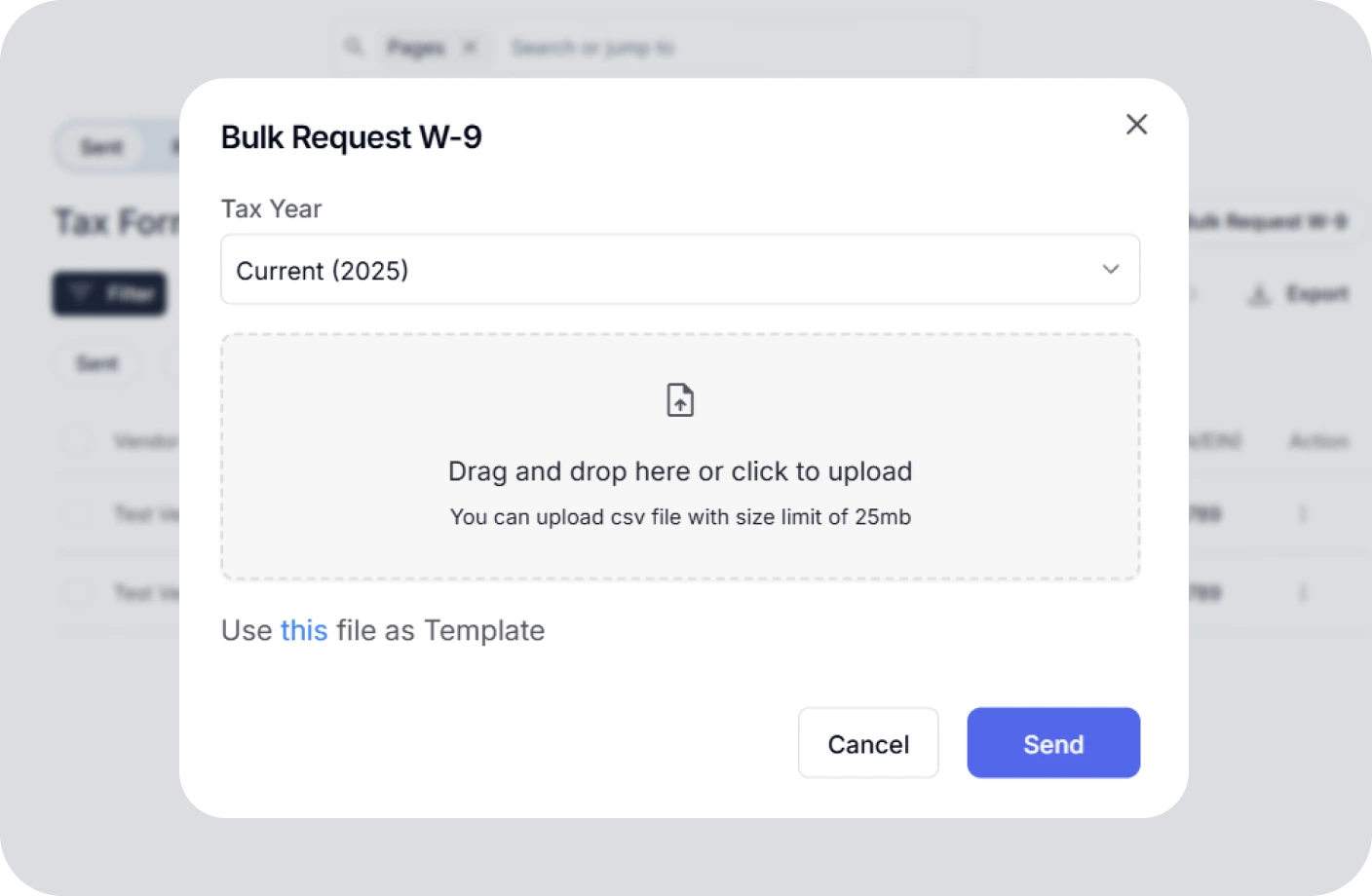
Confidently plan taxes with expert CPAs and smart tools to track deductions.
Reports
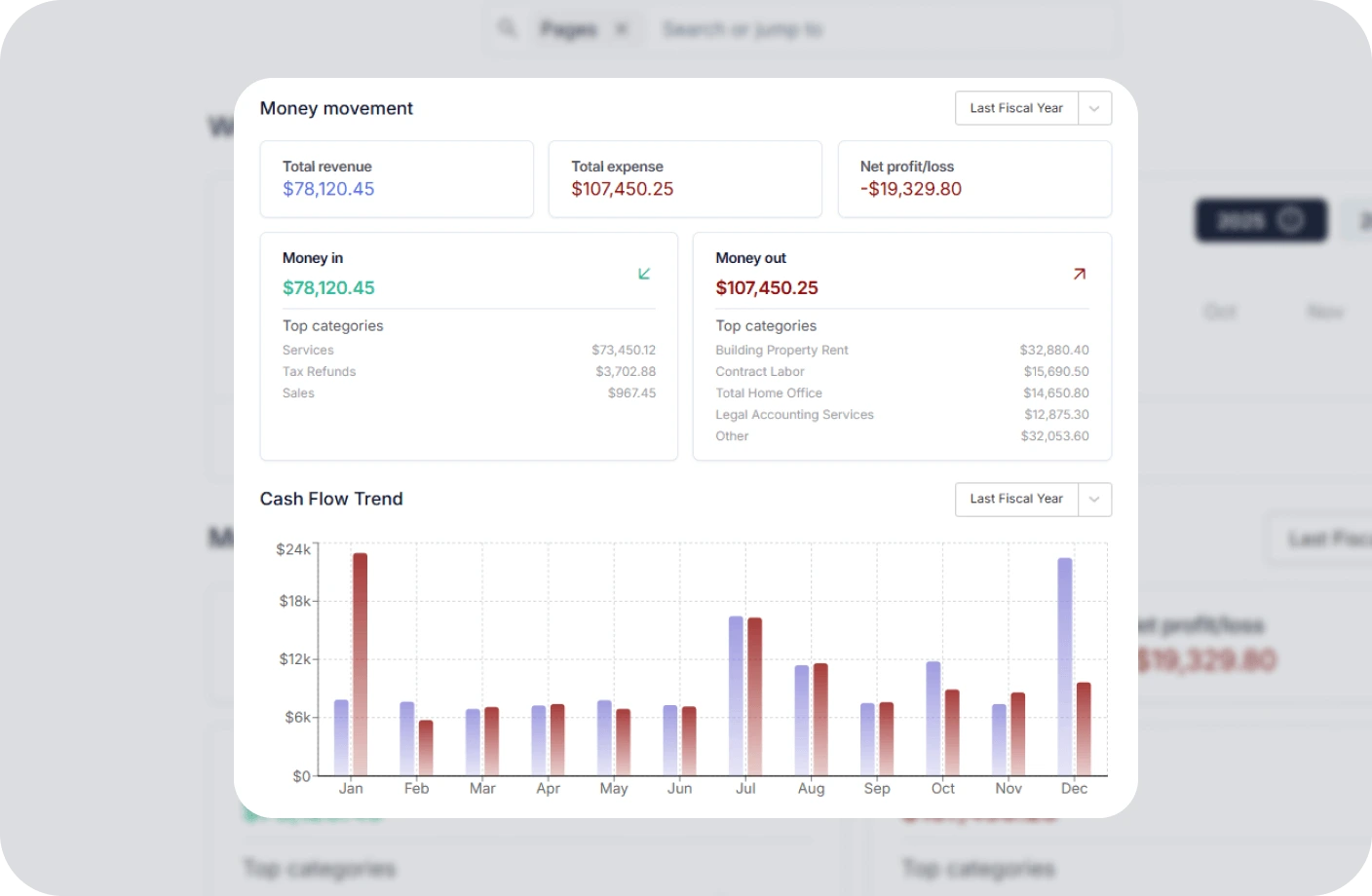
Real time business reports show where you stand today and what to do next.
Accounting
All in one accounting software for creators to handle your books, taxes, invoices, contracts.
Creator Tools
Specialized tools and resources for every type of creator
YouTubers Tools
Optimize your YouTube channel with analytics, thumbnail generators, and growth tools.
TikTokers Tools
Create viral TikTok content with trend analysis, caption generators, and editing tools.
Content Creators Tools
Comprehensive toolkit for content creation, scheduling, and audience engagement.
Video Creators Tools
Professional video editing, compression, and optimization tools for creators.
Influencers Tools
Manage brand partnerships, track engagement, and maximize your influencer income.
Photographers Tools
Photo editing, watermarking, and portfolio management tools for photographers.
Related Invoicing Resources
Essential guides to help you master invoicing and payments
What Is an Invoice? Everything You Need to Know
Learn the fundamentals of invoicing, including key components, different types of invoices, and best practices for getting paid on time.
The Ultimate Guide to Invoicing for Creatives
Discover tailored invoicing strategies for freelancers, designers, photographers, and other creative professionals to streamline billing.
How to Write an Invoice for Contract Work
A complete step-by-step guide to creating professional invoices for contract jobs, including payment terms, itemization, and follow-up tips.
Bill of Lading FAQs
Quick answers to common questions about bills of lading
What is a bill of lading in simple terms?
A bill of lading is a shipping document that serves as a receipt for goods being transported, a contract between the shipper and carrier, and a document of title that proves ownership of the cargo.
What are the three main purposes of a bill of lading?
The three main purposes are: receipt of goods confirming the carrier received the cargo, contract of carriage outlining transport terms, and document of title that can be transferred to give ownership rights.
How does a bill of lading work in shipping?
The shipper prepares the BOL with cargo details, the carrier signs it to confirm receipt, and the document travels with the shipment. The buyer presents the original BOL at the destination to claim the goods.
What are the different types of bills of lading?
Common types include ocean bill of lading for sea freight, air waybill for air freight, inland bill of lading for land transport, straight bill of lading (non-negotiable), and negotiable bill of lading (transferable).
Why is a bill of lading important in invoicing?
A bill of lading provides proof that goods have been shipped, which is often required before payment can be released. It is a key document in trade finance and payment terms for international transactions.
What is the difference between a bill of lading and an invoice?
A bill of lading is a shipping document that tracks cargo and proves ownership, while an invoice is a commercial document requesting payment. The BOL manages physical goods movement, while the invoice handles the financial transaction.
Manage Your Invoicing Without the Confusion
Create professional invoices, track shipments, and manage your billing effortlessly with Otto's invoicing platform.