Net Terms: Definition & Overview
Learn what net terms mean, how Net 30, Net 60, and other payment deadlines work, and how to choose the right terms for your business.
KEY TAKEAWAYS
-
✓
Net terms define payment due dates, specifying how many days after invoicing a buyer must pay.
-
✓
Common net term formats are Net 30, Net 60, Net 90, Net 15, and Net 7, each offering different payment windows.
-
✓
Choosing the right net terms affects your cash flow, client relationships, and overall business operations.
What are Net Terms?
Net terms are payment conditions that specify when a buyer must pay an invoice. The most common format is "Net 30," which means the full payment is due within 30 days of the invoice date. These terms are a standard part of business-to-business transactions and help define the credit relationship between sellers and buyers.
For example, if you send an invoice on June 1st with Net 30 terms, your client must pay by July 1st. This gives the buyer time to process the payment while setting a clear deadline. Net terms are widely used across industries because they balance the seller's need for timely payment with the buyer's need for processing time.
Common Types of Net Terms
Businesses use various net term durations depending on their industry, cash flow needs, and client relationships:
-
•
Net 7: Payment due within 7 days. Used for quick-turnaround projects or when working with new clients.
-
•
Net 15: Payment due within 15 days. A common choice for freelancers and small businesses that need faster payment cycles.
-
•
Net 30: Payment due within 30 days. The most widely used net term, standard across many B2B industries and service contracts.
-
•
Net 60: Payment due within 60 days. Common for larger corporate contracts where clients need extended approval processes.
-
•
Net 90: Payment due within 90 days. Typically reserved for large enterprises, government contracts, or high-value transactions.
How to Choose the Right Net Terms
Selecting the right net terms depends on several factors unique to your business. Consider your cash flow requirements, industry standards, and the nature of your client relationships. A service provider with steady cash flow may offer longer terms to attract clients, while a startup may need shorter terms to maintain liquidity.
It is also important to assess each client individually. New customers may benefit from shorter terms like Net 15 until trust is established, while long-term clients with a strong payment history may qualify for extended Net 60 or Net 90 terms. Many businesses use a hybrid approach, offering different terms based on the client and project scope.
Impact of Net Terms on Cash Flow
Net terms directly affect your cash flow. Longer terms like Net 60 or Net 90 mean you wait longer to receive payment, which can create gaps in your operating cash flow. This is especially challenging for small businesses that need consistent income to cover expenses like payroll, rent, and supplies.
To manage cash flow effectively, consider offering early payment discounts (such as 2/10 Net 30, where the buyer gets a 2% discount if they pay within 10 days). You can also use invoicing software like Otto's invoicing platform to automate payment reminders and track outstanding invoices.
Negotiating Net Terms with Clients
Net terms are often negotiable, and finding mutually agreeable payment schedules can strengthen client relationships. When discussing terms, be transparent about why certain timeframes work best for your business. Many clients appreciate the flexibility and are willing to accommodate reasonable requests.
If a client requests longer terms than you prefer, consider offering a compromise. For example, you could agree to Net 60 terms but request a 25% upfront deposit. Alternatively, you might accept Net 45 terms as a middle ground between Net 30 and Net 60. The key is to find a balance that works for both parties while protecting your cash flow.
Best Practices for Net Terms
Implementing net terms effectively requires clear communication and consistent follow-through. Always state your payment terms prominently on every invoice, including the due date and any late payment penalties. Include net terms in your contracts and discuss them before starting work so there are no surprises.
Send payment reminders a few days before the due date and follow up promptly if payment is late. Many businesses use automated invoicing systems to handle this process. Using reliable invoicing software can help you track payment deadlines and manage multiple clients with different net terms.
Summary
Net terms are a fundamental part of business invoicing that define when payments are due. Whether you use Net 30, Net 60, or another variation, understanding how these terms work helps you manage cash flow, maintain healthy client relationships, and run your business more effectively. The right net terms balance your need for timely payment with your clients' need for processing time.
Using invoicing software like Otto makes it easy to set up net terms, track payment deadlines, and automate reminders, ensuring you get paid on time while offering flexibility to your clients.
How Net Terms Apply to Your Business
When will you actually use this?
Net terms aren't just for large corporations. They impact everyday business transactions and can help you manage cash flow and build client trust. Here's when you'll use them:
B2B Clients
Offer Net 30 or Net 60 terms to corporate clients who require standard payment cycles for processing.
Freelance Projects
Set Net 15 or Net 30 terms for freelance work to balance client convenience with your cash flow needs.
Subscription Services
Use Net 30 terms for recurring subscription billing with automatic payment collection.
Large Contracts
Negotiate Net 60 or Net 90 terms for large projects where clients need more time to approve payments.
New Customers
Start with Net 15 or upfront payment terms for new clients until a payment history is established.
International Sales
Consider shorter net terms for international clients to account for currency conversion and transfer delays.
Recommended Reading
Expand your knowledge with these related invoicing topics
Deposit Invoice
Learn how deposit invoices work and when to use them for your business transactions.
Proforma Invoice
Understand proforma invoices and how they differ from standard invoices.
Payment Terms
Explore common payment terms and how to set them for advance payments and invoices.
Recurring Invoice
How recurring invoices work with advance payments for subscription-based businesses.
Payment Terms
Best practices for setting payment terms and expectations for advance payments.
Invoice Number
How to properly number invoices and track advance payment invoices in your system.
Free Invoice Templates
Professional invoice templates designed for every type of creator and freelancer.
DJ Invoice Template
Professional DJ invoice template for gigs, events, and private bookings with customizable payment terms and service breakdowns.
Event Planner Invoice Template
Streamlined invoice template for event planners covering venue coordination, vendor management, and client billing.
Photographer Invoice Template
Tailored invoice template for photographers covering session fees, print orders, usage rights, and travel expenses.
Videographer Invoice Template
Professional videographer invoice template for filming projects, editing services, and production work with clear milestone billing.
Web Developer Invoice Template
Developer-friendly invoice template for web projects, hourly billing, fixed-price contracts, maintenance retainers, and custom modules.
Content Creator Invoice Template
Versatile invoice template for content creators covering sponsorships, affiliate income, content production, and brand deals.
Real Invoicing Questions From the Community
Explore Reddit-backed Otto invoicing guides based on real conversations about payments, invoices, deposits, billing, and cash flow systems.
One Platform: From Entity Setup to Closing Reports
Comprehensive financial solutions for your business needs.
Entity Management
Easily manage legal entities, compliance, and ownership in one platform.
Invoicing
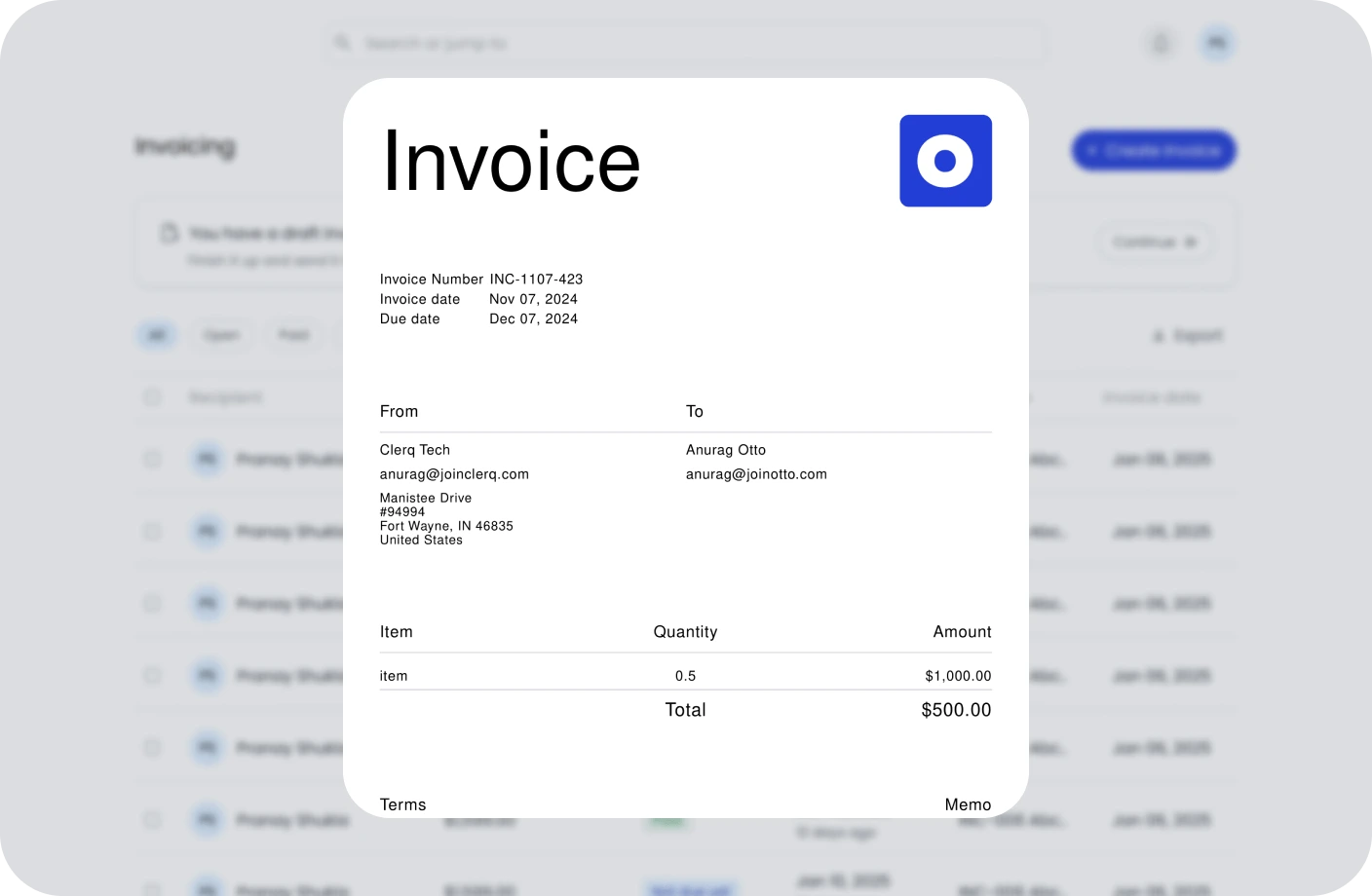
Create, send, and manage invoices. Track payments and assure timely cash flow.
Contracts
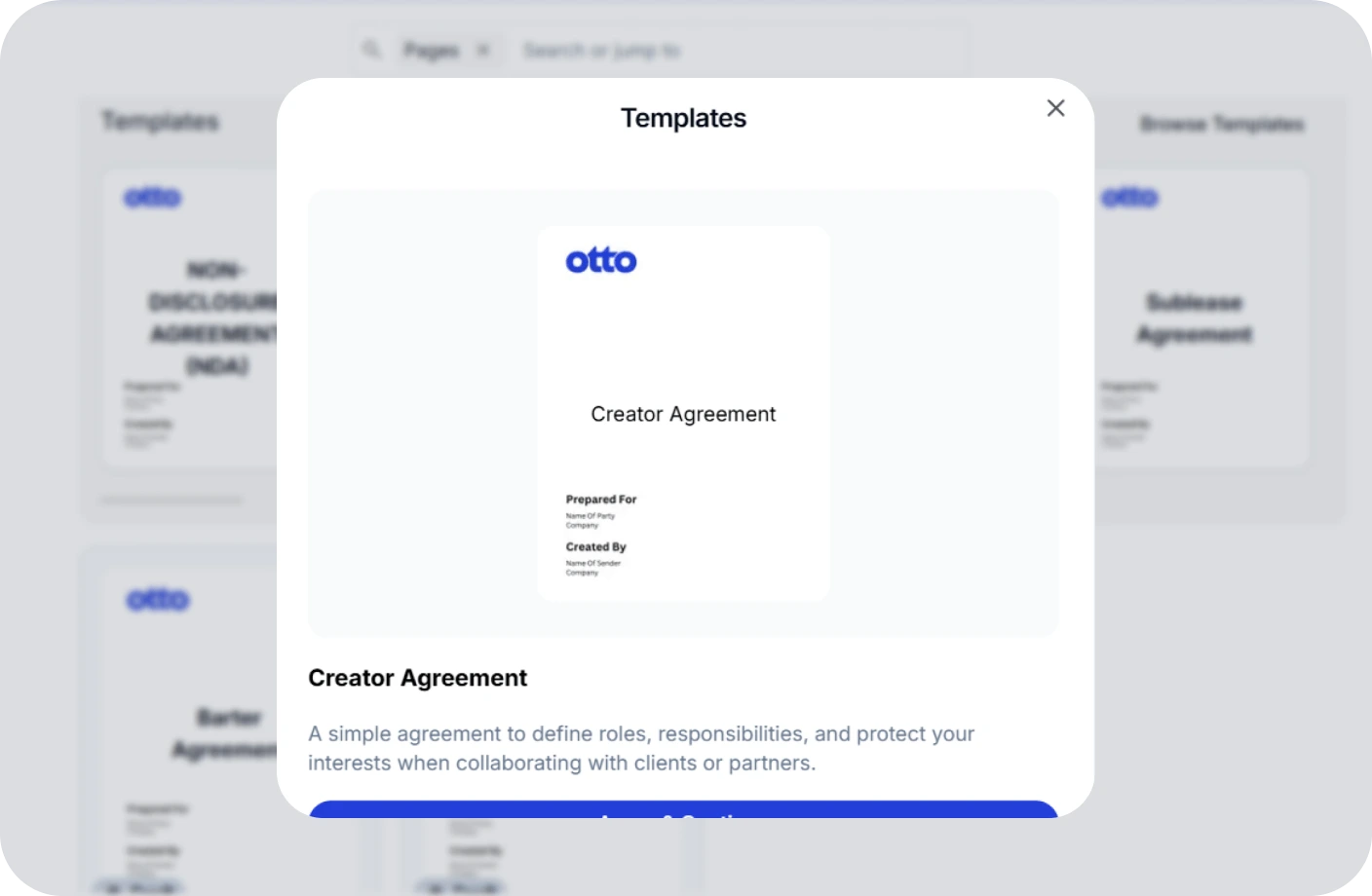
Create, track, and e-sign contracts to ensure compliance and deadlines.
Taxes
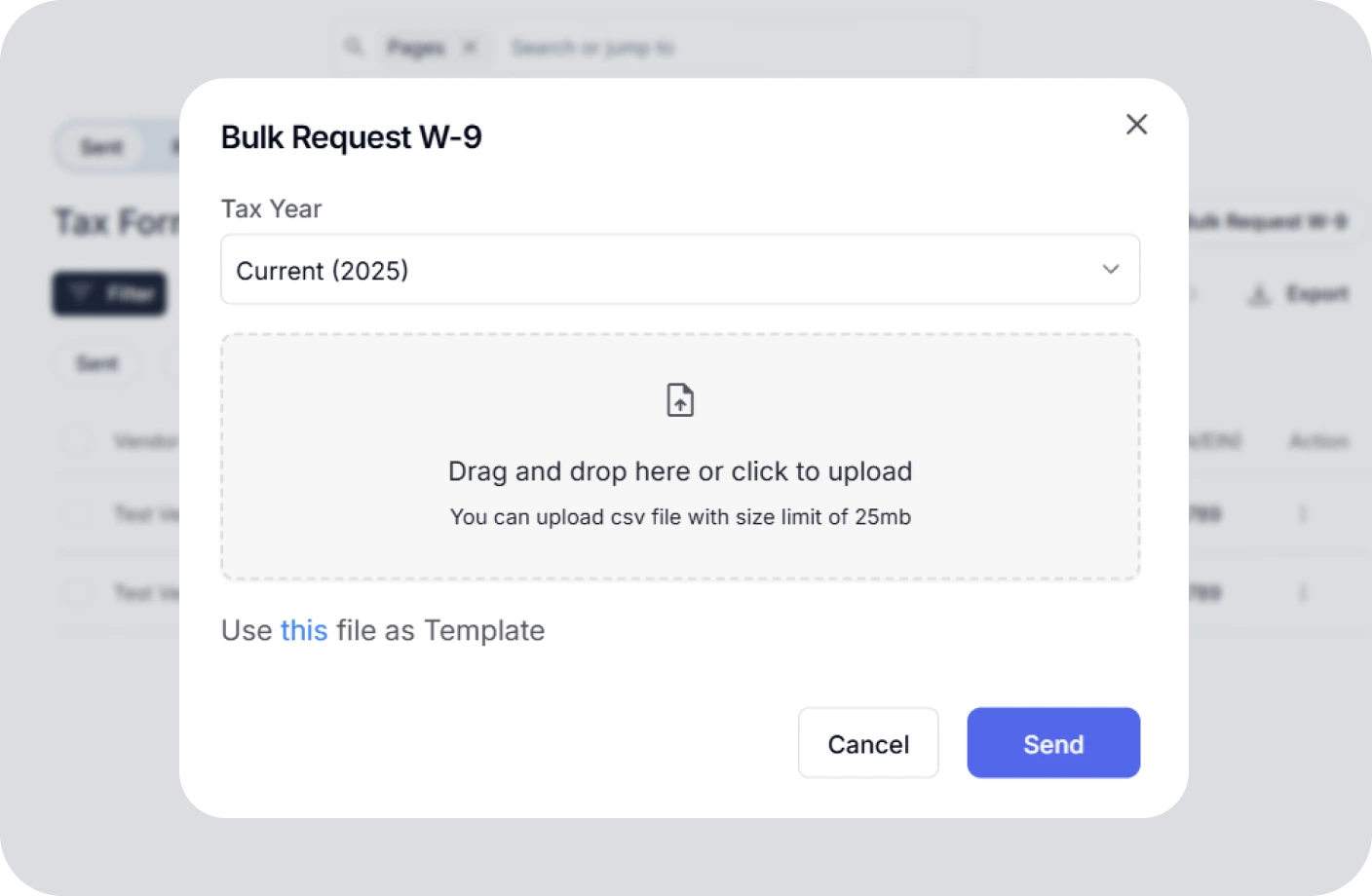
Confidently plan taxes with expert CPAs and smart tools to track deductions.
Reports
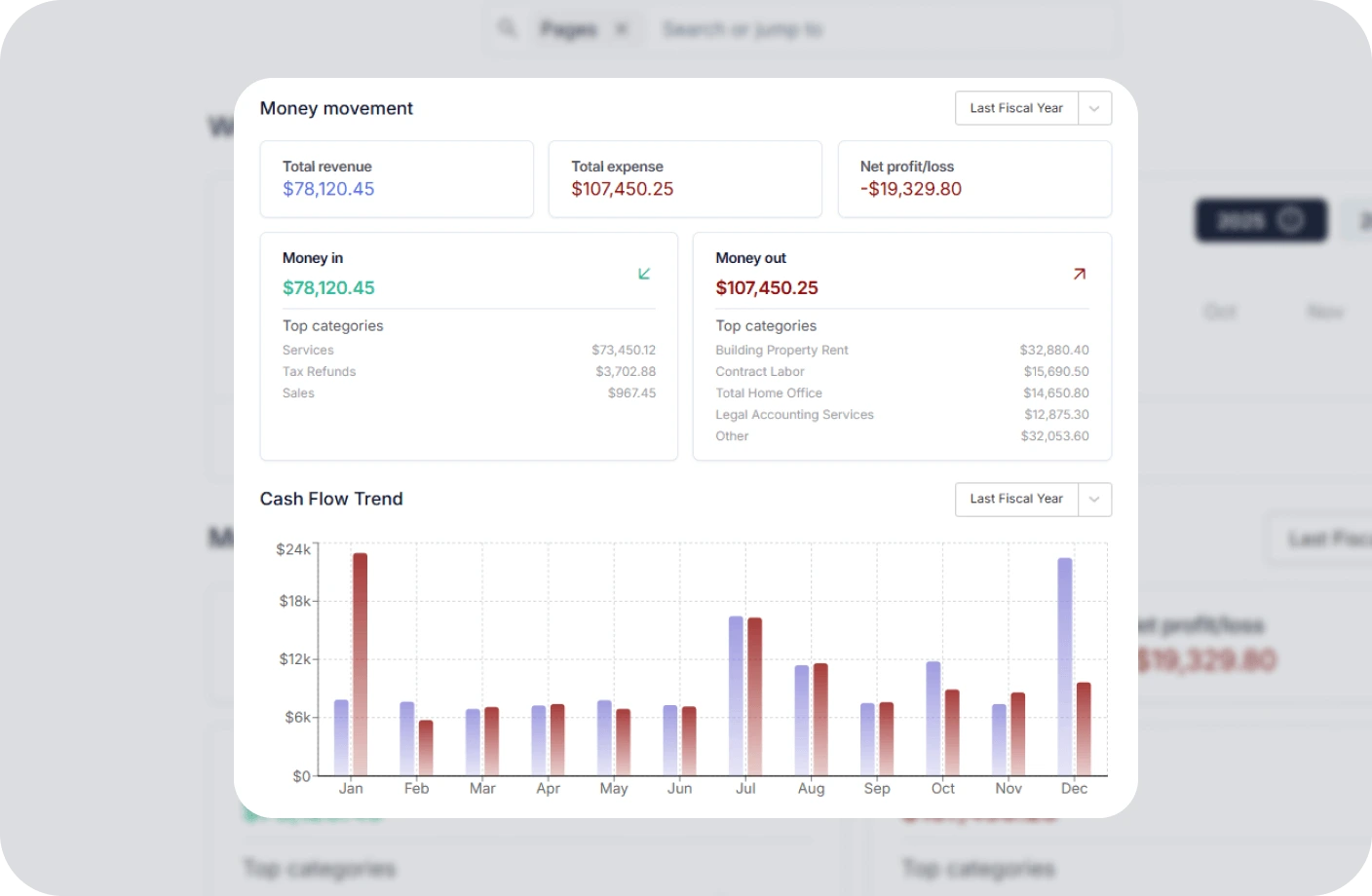
Real time business reports show where you stand today and what to do next.
Accounting
All in one accounting software for creators to handle your books, taxes, invoices, contracts.
Creator Tools
Specialized tools and resources for every type of creator
YouTubers Tools
Optimize your YouTube channel with analytics, thumbnail generators, and growth tools.
TikTokers Tools
Create viral TikTok content with trend analysis, caption generators, and editing tools.
Content Creators Tools
Comprehensive toolkit for content creation, scheduling, and audience engagement.
Video Creators Tools
Professional video editing, compression, and optimization tools for creators.
Influencers Tools
Manage brand partnerships, track engagement, and maximize your influencer income.
Photographers Tools
Photo editing, watermarking, and portfolio management tools for photographers.
Related Invoicing Resources
Essential guides to help you master invoicing and payments
What Is an Invoice? Everything You Need to Know
Learn the fundamentals of invoicing, including key components, different types of invoices, and best practices for getting paid on time.
The Ultimate Guide to Invoicing for Creatives
Discover tailored invoicing strategies for freelancers, designers, photographers, and other creative professionals to streamline billing.
How to Write an Invoice for Contract Work
A complete step-by-step guide to creating professional invoices for contract jobs, including payment terms, itemization, and follow-up tips.
Net Terms FAQs
Quick answers to common questions about net terms
What are net terms in invoicing?
Net terms are payment conditions that specify when an invoice must be paid. For example, Net 30 means payment is due within 30 days of the invoice date. These terms define the credit period a seller offers to a buyer.
What is the difference between Net 30 and Net 60?
Net 30 requires payment within 30 days of the invoice date, while Net 60 allows 60 days. Net 60 offers buyers a longer payment window, often used for larger transactions where clients need more time for approval and processing.
How do I choose the right net terms for my business?
Consider your cash flow needs, industry standards, client relationships, and the size of each transaction. Net 15 or Net 30 work well for most small businesses, while Net 60 or Net 90 may suit larger contracts with established corporate clients.
What happens if a client pays late on net terms?
If a client pays late, you can charge late fees as specified in your payment terms, send payment reminders, pause further work, or escalate to collections. Clearly outline late payment consequences in your initial agreement.
Can I negotiate net terms with clients?
Yes, net terms are often negotiable. You can offer shorter terms for new clients and extend longer terms for established relationships. Consider offering early payment discounts to incentivize faster payment.
How should I communicate net terms to my customers?
Clearly state net terms on every invoice, include them in your contracts or service agreements, discuss them before starting work, and send reminders as the payment due date approaches. Transparency helps avoid confusion.
Manage Your Invoicing Without the Confusion
Create professional invoices, set net terms, and manage your payment deadlines effortlessly with Otto's invoicing platform.