Tax Invoice: Definition & Overview
Learn what a tax invoice is, the information it must contain, and how to ensure your invoices are tax-compliant.
KEY TAKEAWAYS
-
✓
A tax invoice includes specific tax details like the seller's tax ID, tax rate, and tax amount to comply with tax laws.
-
✓
Tax invoices are legally required for most business transactions and must contain mandatory information to be valid.
-
✓
Unlike a regular invoice, a tax invoice clearly shows the tax rate and amount separately, enabling customers to claim input tax credits.
What is a Tax Invoice?
A tax invoice is a formal document issued by a seller to a buyer that details a transaction and shows the tax charged separately. Unlike a regular receipt or simple invoice, a tax invoice includes specific tax-related information such as the seller's tax identification number, the applicable tax rate, and the exact amount of tax charged. Tax invoices serve as legal records for tax authorities and enable buyers to claim input tax credits where applicable. They are a cornerstone of VAT, GST, and sales tax systems worldwide.
Mandatory Requirements for a Valid Tax Invoice
For a tax invoice to be legally valid, it must contain certain mandatory information. While requirements vary by jurisdiction, most tax authorities require the following:
-
•
Seller's full legal name, address, and tax identification number (VAT, GST, or sales tax registration number).
-
•
Buyer's name and address (and tax ID for B2B transactions in many jurisdictions).
-
•
A unique invoice number and the date of issue.
-
•
Description of goods or services supplied, including quantity and unit price.
-
•
The applicable tax rate, the total tax amount charged, and a breakdown of taxable vs non-taxable items.
-
•
The total amount due, including tax, displayed clearly.
Tax Invoice vs Regular Invoice
The main difference between a tax invoice and a regular invoice is the level of tax detail provided. A regular invoice simply requests payment for goods or services and may not include any tax breakdown. A tax invoice, on the other hand, must clearly state the tax rate and the amount of tax charged on each line item. This distinction is crucial because only a valid tax invoice allows the buyer to claim input tax credits or VAT refunds. In many jurisdictions, businesses are required by law to issue tax invoices rather than regular invoices for taxable transactions.
Another key difference is that tax invoices must follow strict formatting requirements set by tax authorities. They often need to include sequential numbering, the seller's tax registration number, and a clear separation of taxable and non-taxable amounts. Regular invoices have fewer legal requirements and are typically used for non-taxable transactions or sales to end consumers where tax details are not required.
When is a Tax Invoice Required?
Tax invoices are generally required in the following situations:
-
•
Business-to-business (B2B) transactions where the buyer needs to claim input tax credits.
-
•
Sales that exceed a certain monetary threshold, which varies by country and tax regime.
-
•
Supplies of goods or services that are subject to VAT, GST, or sales tax.
-
•
Cross-border transactions where goods or services are supplied between different tax jurisdictions.
VAT Invoices vs Sales Tax Invoices
The structure of a tax invoice differs depending on whether the transaction falls under a VAT (Value Added Tax) system or a sales tax system. In VAT regimes, common in Europe, Australia, and many other countries, the invoice must show the VAT charged at each stage of the supply chain. VAT invoices typically include the VAT rate, the net amount, the VAT amount, and the gross amount. They also require the seller's VAT registration number.
In sales tax systems, such as those in most US states, the tax invoice shows the sales tax applied at the point of final sale. Sales tax invoices typically include the sales tax rate, the taxable amount, and the total sales tax due. Unlike VAT invoices, sales tax invoices are primarily relevant for retail sales to end consumers, and businesses may not need to issue them for wholesale transactions.
Digital Tax Invoices
Many countries now mandate or encourage electronic invoicing (e-invoicing) for tax compliance. Digital tax invoices are electronically created, transmitted, and stored invoices that contain all the mandatory tax information. They offer several advantages over paper invoices, including faster processing, reduced errors, and easier integration with accounting systems. E-invoicing systems often include real-time validation by tax authorities, which helps reduce fraud and improve tax collection.
When issuing digital tax invoices, businesses must ensure they comply with local e-invoicing standards, which may include specific data formats, digital signatures, and transmission protocols. Using reliable invoicing software can help automate compliance with these requirements.
Summary
Tax invoices are essential documents for businesses operating in any tax regime. They serve as legal proof of transactions, enable input tax credit claims, and ensure compliance with tax laws. Whether you are dealing with VAT, GST, or sales tax, understanding the mandatory requirements for a valid tax invoice is crucial for your business operations.
Using modern invoicing software like Otto helps you generate tax-compliant invoices automatically, stay updated with changing tax regulations, and maintain proper records for audits. By issuing correct tax invoices, you protect your business from penalties and build trust with your customers.
How Tax Invoices Apply to Your Business
When will you actually use this?
Tax invoices are relevant for almost every business that sells taxable goods or services. Here's when you'll use them:
VAT Compliance
Issue tax invoices that meet EU VAT requirements for goods and services sold in Europe.
Sales Tax Collection
Generate tax invoices showing applicable sales tax rates for US-based transactions.
GST Invoicing
Create GST-compliant invoices for businesses operating in countries with GST regimes.
Input Tax Credit
Provide valid tax invoices so your customers can claim input tax credits on their purchases.
Cross-Border Sales
Issue tax invoices that comply with both domestic and international tax regulations.
Audit Preparation
Maintain proper tax invoices to substantiate your tax filings during audits.
Recommended Reading
Expand your knowledge with these related invoicing topics
Deposit Invoice
Learn how deposit invoices work and when to use them for your business transactions.
Proforma Invoice
Understand proforma invoices and how they differ from standard invoices.
Payment Terms
Explore common payment terms and how to set them for advance payments and invoices.
Recurring Invoice
How recurring invoices work with advance payments for subscription-based businesses.
Payment Terms
Best practices for setting payment terms and expectations for advance payments.
Invoice Number
How to properly number invoices and track advance payment invoices in your system.
Free Invoice Templates
Professional invoice templates designed for every type of creator and freelancer.
DJ Invoice Template
Professional DJ invoice template for gigs, events, and private bookings with customizable payment terms and service breakdowns.
Event Planner Invoice Template
Streamlined invoice template for event planners covering venue coordination, vendor management, and client billing.
Photographer Invoice Template
Tailored invoice template for photographers covering session fees, print orders, usage rights, and travel expenses.
Videographer Invoice Template
Professional videographer invoice template for filming projects, editing services, and production work with clear milestone billing.
Web Developer Invoice Template
Developer-friendly invoice template for web projects, hourly billing, fixed-price contracts, maintenance retainers, and custom modules.
Content Creator Invoice Template
Versatile invoice template for content creators covering sponsorships, affiliate income, content production, and brand deals.
Real Invoicing Questions From the Community
Explore Reddit-backed Otto invoicing guides based on real conversations about payments, invoices, deposits, billing, and cash flow systems.
One Platform: From Entity Setup to Closing Reports
Comprehensive financial solutions for your business needs.
Entity Management
Easily manage legal entities, compliance, and ownership in one platform.
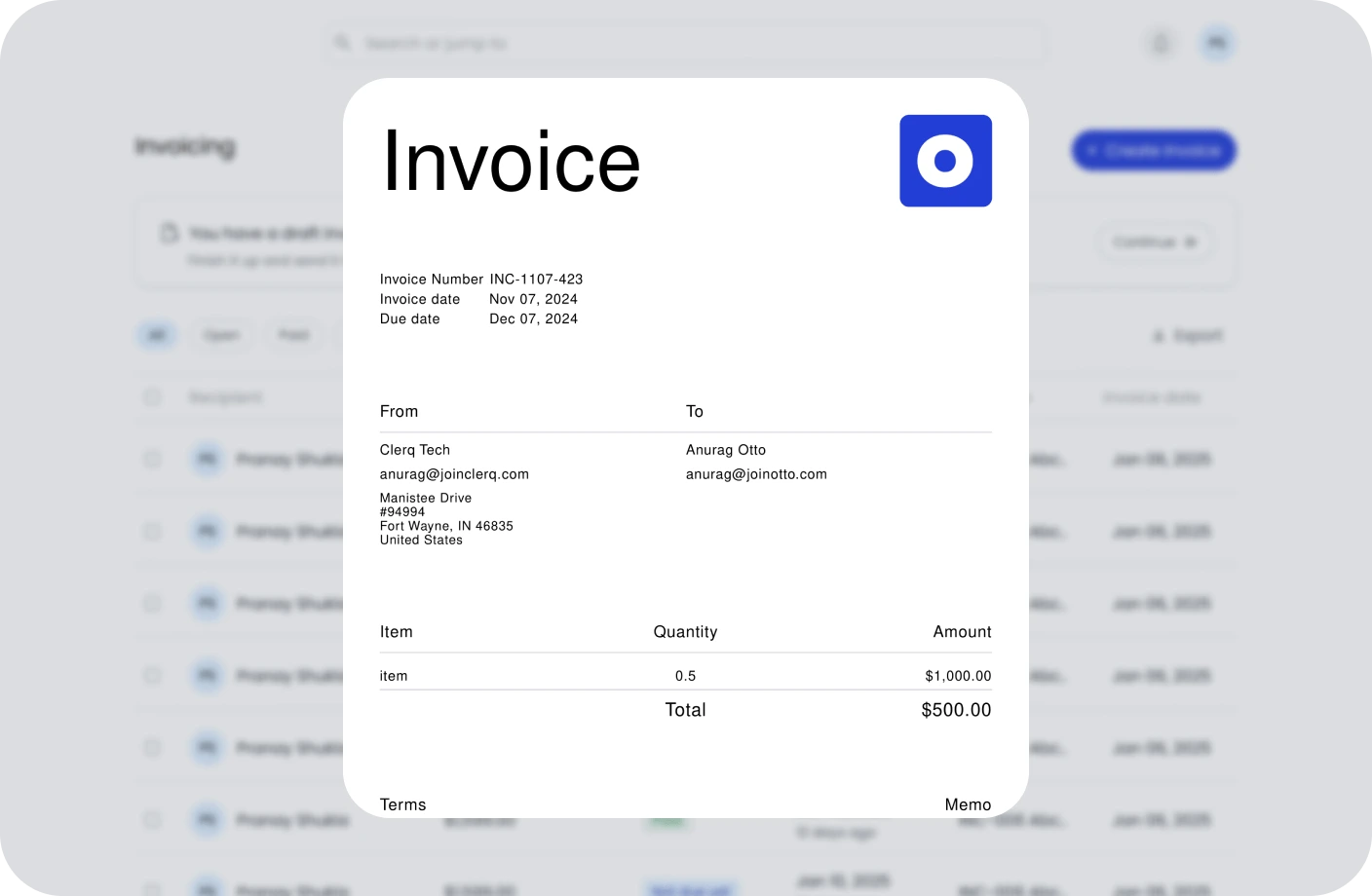
Invoicing
Create, send, and manage invoices. Track payments and assure timely cash flow.
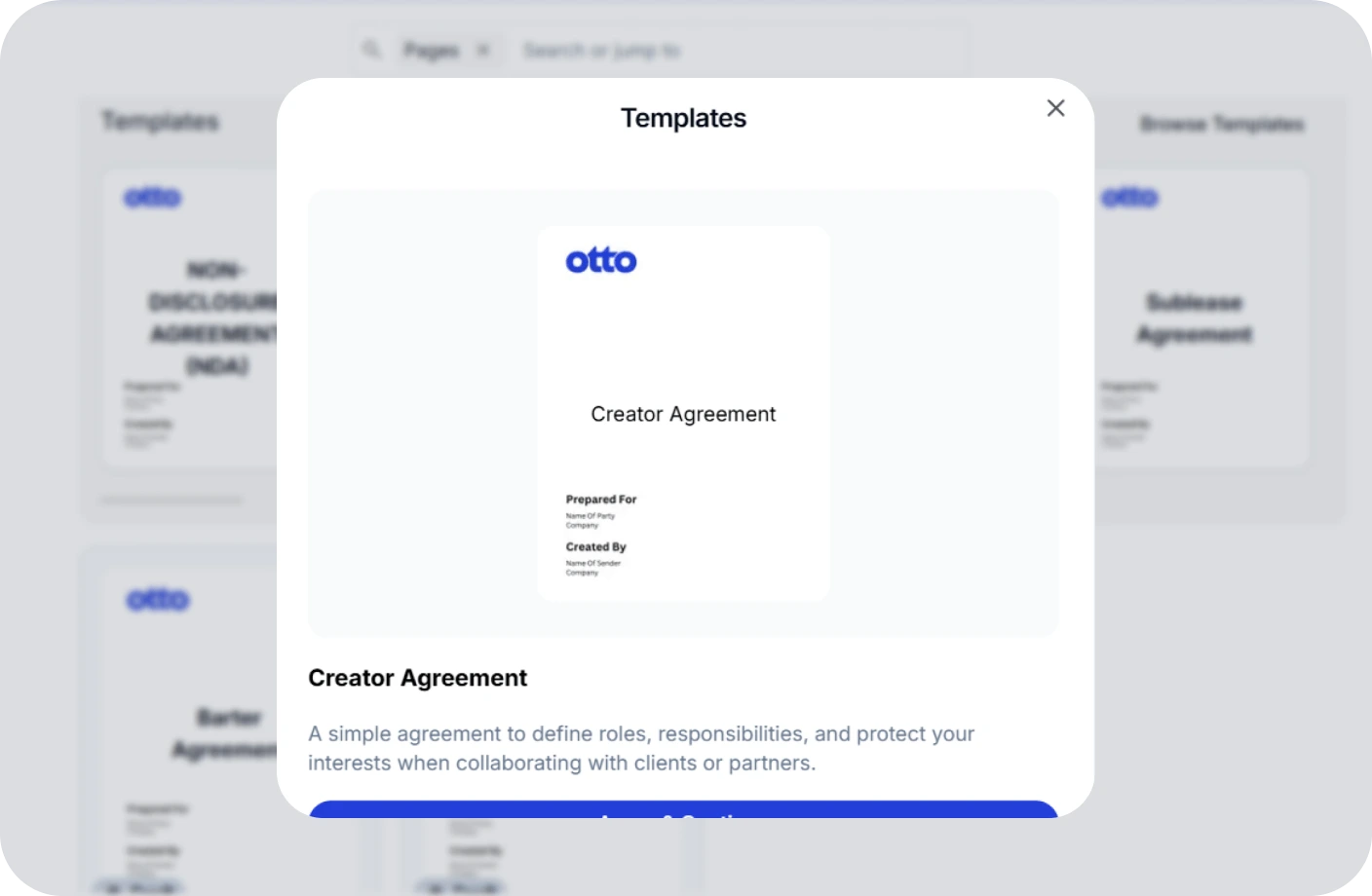
Contracts
Create, track, and e-sign contracts to ensure compliance and deadlines.
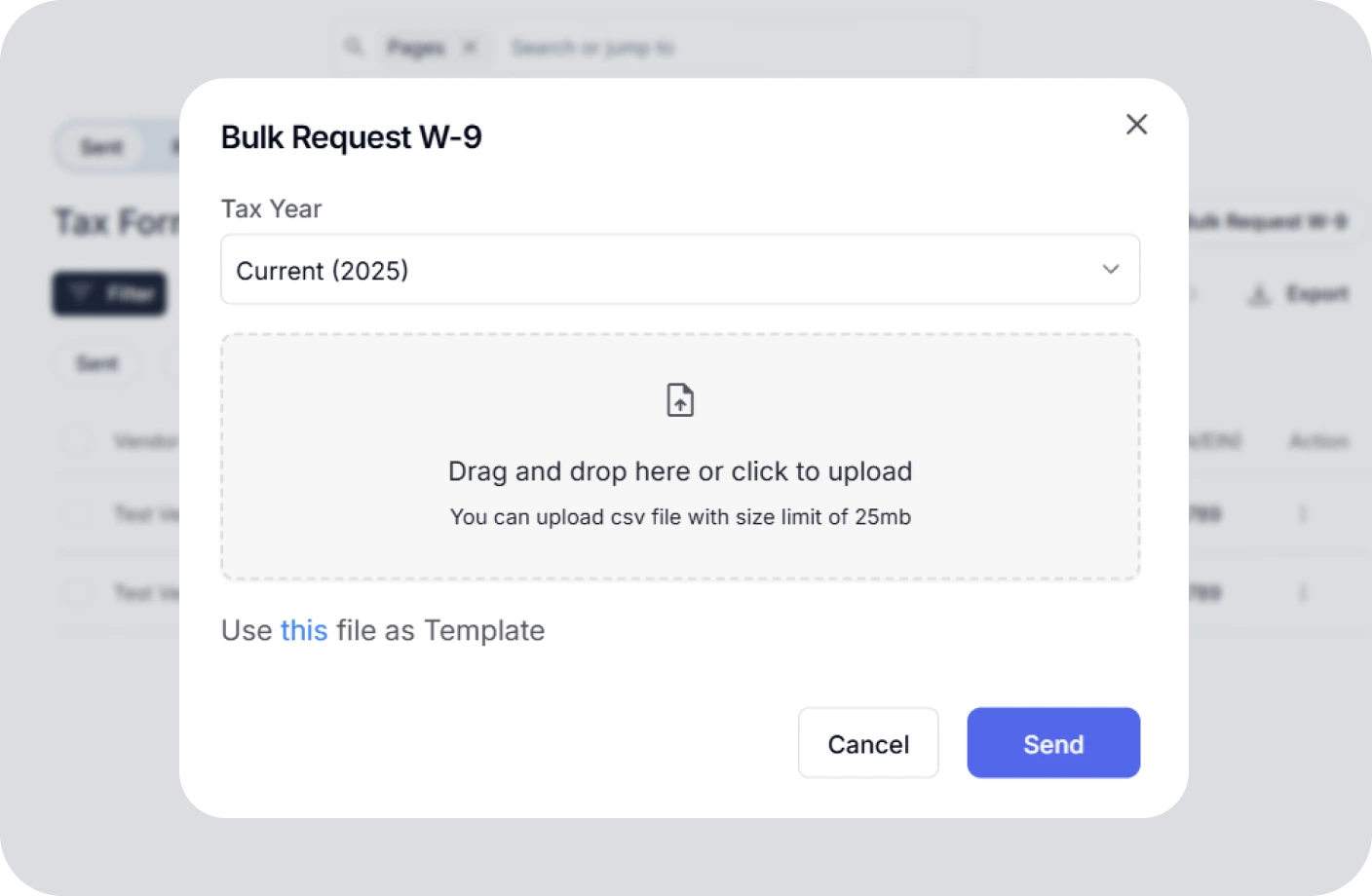
Taxes
Confidently plan taxes with expert CPAs and smart tools to track deductions.
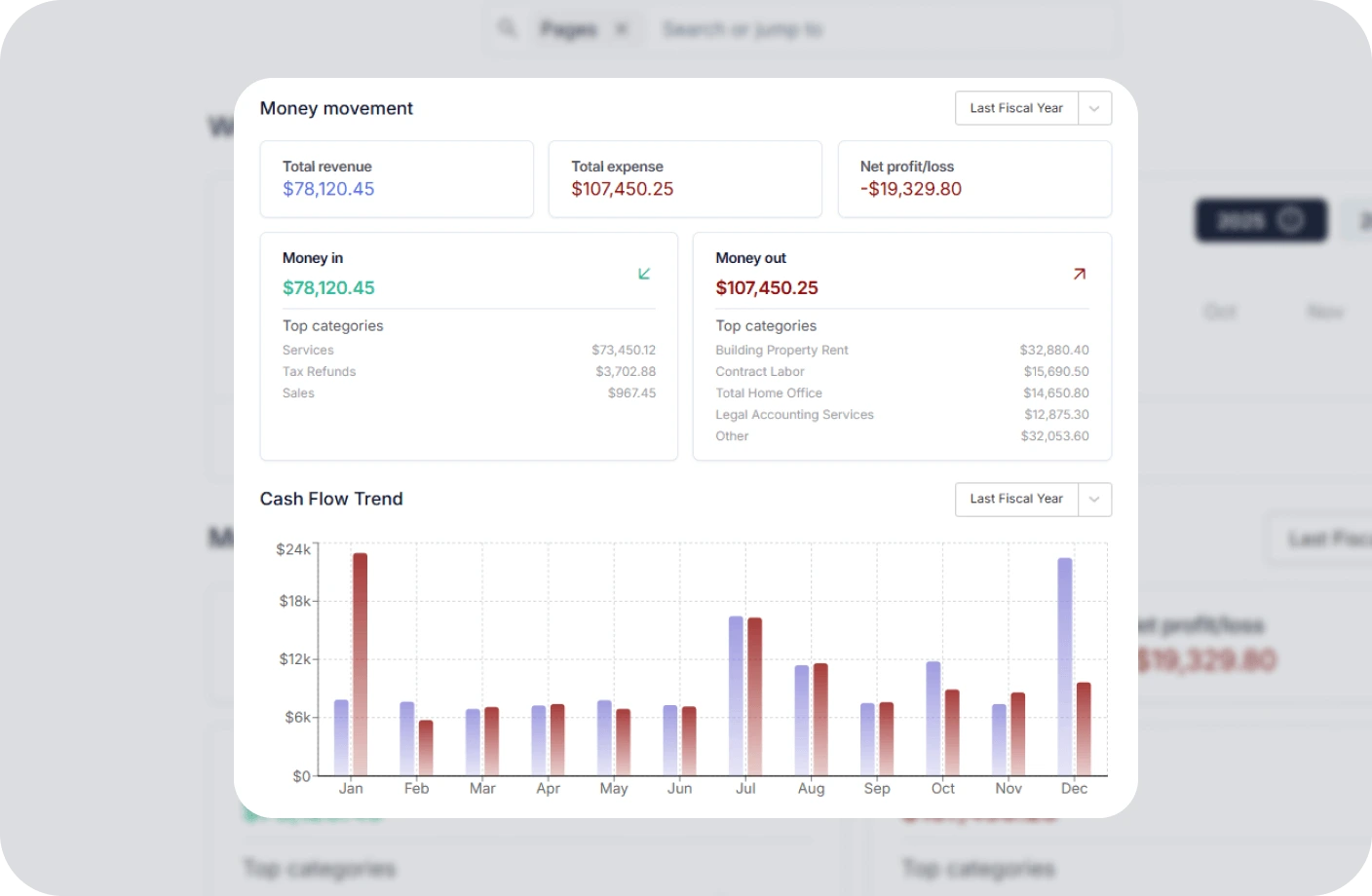
Reports
Real time business reports show where you stand today and what to do next.
Accounting
All in one accounting software for creators to handle your books, taxes, invoices, contracts.
Creator Tools
Specialized tools and resources for every type of creator
YouTubers Tools
Optimize your YouTube channel with analytics, thumbnail generators, and growth tools.
TikTokers Tools
Create viral TikTok content with trend analysis, caption generators, and editing tools.
Content Creators Tools
Comprehensive toolkit for content creation, scheduling, and audience engagement.
Video Creators Tools
Professional video editing, compression, and optimization tools for creators.
Influencers Tools
Manage brand partnerships, track engagement, and maximize your influencer income.
Photographers Tools
Photo editing, watermarking, and portfolio management tools for photographers.
Related Invoicing Resources
Essential guides to help you master invoicing and payments
What Is an Invoice? Everything You Need to Know
Learn the fundamentals of invoicing, including key components, different types of invoices, and best practices for getting paid on time.
The Ultimate Guide to Invoicing for Creatives
Discover tailored invoicing strategies for freelancers, designers, photographers, and other creative professionals to streamline billing.
How to Write an Invoice for Contract Work
A complete step-by-step guide to creating professional invoices for contract jobs, including payment terms, itemization, and follow-up tips.
Tax Invoice FAQs
Quick answers to common questions about tax invoices
What is a tax invoice in simple terms?
A tax invoice is a document a seller gives to a buyer that lists the goods or services sold and shows the tax charged separately. It includes tax details like the seller's tax ID, tax rate, and total tax amount, making it a legal record for tax purposes.
What information must a tax invoice contain?
A valid tax invoice must include the seller's name, address, and tax identification number, the buyer's name and address, a unique invoice number, invoice date, description of goods or services, quantity and price, tax rate, total tax amount, the total amount due, and a breakdown of taxable vs non-taxable items.
What is the difference between a tax invoice and a regular invoice?
A regular invoice simply requests payment for goods or services, while a tax invoice includes detailed tax information such as the seller's tax ID, applicable tax rate, and the tax amount charged separately.
When is a tax invoice required?
A tax invoice is required for most business-to-business (B2B) transactions and for sales that exceed a certain threshold in many jurisdictions. VAT-registered businesses must issue tax invoices for taxable supplies.
Can I issue a digital tax invoice?
Yes, digital tax invoices are legally valid in most jurisdictions as long as they contain all the mandatory information. Many countries now mandate electronic invoicing for certain transactions to improve tax compliance.
What is the difference between a VAT invoice and a sales tax invoice?
A VAT invoice is used in countries with a Value Added Tax system and shows the VAT charged at each stage of the supply chain. A sales tax invoice is used in jurisdictions with retail sales tax and shows the tax applied at the point of final sale.
Manage Your Invoicing Without the Confusion
Create professional tax invoices, stay compliant with tax regulations, and manage your billing effortlessly with Otto's invoicing platform.