Invoice Number: Definition & Overview
Learn what an invoice number is, why every invoice needs one, and how to create an effective numbering system for your business.
KEY TAKEAWAYS
-
✓
An invoice number is a unique identifier assigned to each invoice for tracking and reference.
-
✓
Invoice numbers are essential for tracking payments, managing cash flow, and record keeping.
-
✓
Proper invoice numbering helps with tax preparation and financial audits.
What is an Invoice Number?
An invoice number is a unique identifier assigned to each invoice a business sends to its clients. It serves as a reference code that helps both the issuer and the recipient track payments, organize financial records, and quickly locate specific transactions. Think of it like a license plate for your invoice — no two invoices should ever share the same number.
Every professional invoice includes an invoice number as one of its essential elements, alongside the invoice date, due date, and itemized list of products or services. Without an invoice number, businesses would struggle to keep track of which bills have been paid and which are still outstanding.
Why is an Invoice Number Important?
Invoice numbers play a critical role in running a smooth and organized business:
-
•
Payment Tracking: Invoice numbers make it easy to check which invoices have been paid and which are overdue, helping you manage cash flow and follow up on late payments.
-
•
Record Keeping: Organized invoice numbers simplify financial record keeping and make it easier to prepare accurate reports for your business.
-
•
Tax Preparation: During tax season, organized invoice numbers help you and your accountant quickly locate specific transactions and verify income records.
-
•
Dispute Resolution: If a client questions a charge, referencing the invoice number allows both parties to quickly pull up the exact transaction and resolve the issue.
-
•
Professionalism: Numbered invoices present a professional image to clients and show that your business is organized and reliable.
Common Invoice Number Formats
There is no single right way to format invoice numbers, but most businesses choose one of these common approaches:
-
•
Sequential numbering: The simplest format where each invoice gets the next number in sequence, such as INV-001, INV-002, INV-003. This is the most widely used approach.
-
•
Date-based numbering: Incorporates the date into the number, such as 2025-04-001 (year-month-sequential). This makes it easy to see when an invoice was issued.
-
•
Customer-based numbering: Includes a customer or project code, such as CLIENT-001 or PROJ-001. Useful when billing multiple clients or managing multiple projects.
Best Practices for Invoice Numbering
Follow these best practices to create a reliable invoice numbering system:
-
•
Be consistent: Stick with one numbering format and avoid switching between styles. This makes your system predictable and easy to audit.
-
•
Avoid gaps: Try to use sequential numbers without skipping. If you cancel an invoice, keep the number in your system with a note rather than reusing it.
-
•
Keep it unique: Never reuse an invoice number. Duplicate numbers can create confusion in accounting and tax records.
-
•
Use invoicing software: Modern invoicing platforms like Otto automatically generate invoice numbers, preventing duplicates and human errors.
What to Do About Duplicate Invoice Numbers
Duplicate invoice numbers can happen, especially when multiple people are creating invoices manually. If you discover a duplicate, the best approach is to add a suffix to one of the invoices, such as INV-001-REV or INV-001-A. In your accounting software, make a note explaining the revision so your records remain clear during tax time or audits.
Most invoicing tools automatically prevent duplicates by generating unique numbers for each invoice. If you are using a spreadsheet to manage invoices, consider switching to dedicated invoicing software to eliminate this risk entirely.
Summary
An invoice number is one of the most important elements of any invoice. It provides a unique reference for each transaction, helping businesses track payments, organize financial records, prepare for taxes, and resolve disputes with clients. By choosing a consistent numbering format and following best practices, you can build a reliable system that scales with your business.
Using invoicing software like Otto automates the entire process, generating unique invoice numbers for every bill you send and keeping your financial records organized in one place.
How Invoice Numbers Apply to Your Business
When will you actually use this?
Invoice numbers touch nearly every part of your business operations. Here's how they apply in real-world scenarios:
Payment Tracking
Use invoice numbers to quickly identify paid and unpaid invoices in your accounting system.
Tax Preparation
Organize invoices by number for easy reference during tax season and financial audits.
Dispute Resolution
Reference invoice numbers when resolving billing disputes with clients or vendors.
Client Communication
Include invoice numbers in all correspondence so clients can easily reference specific bills.
Inventory Management
Link invoice numbers to product sales for accurate inventory tracking and order fulfillment.
Financial Reporting
Group invoice numbers by period to generate accurate revenue reports and financial statements.
Recommended Reading
Expand your knowledge with these related invoicing topics
Deposit Invoice
Learn how deposit invoices work and when to use them for your business transactions.
Proforma Invoice
Understand proforma invoices and how they differ from standard invoices.
Payment Terms
Explore common payment terms and how to set them for advance payments and invoices.
Recurring Invoice
How recurring invoices work with advance payments for subscription-based businesses.
Payment Terms
Best practices for setting payment terms and expectations for advance payments.
Invoice Number
How to properly number invoices and track advance payment invoices in your system.
Free Invoice Templates
Professional invoice templates designed for every type of creator and freelancer.
DJ Invoice Template
Professional DJ invoice template for gigs, events, and private bookings with customizable payment terms and service breakdowns.
Event Planner Invoice Template
Streamlined invoice template for event planners covering venue coordination, vendor management, and client billing.
Photographer Invoice Template
Tailored invoice template for photographers covering session fees, print orders, usage rights, and travel expenses.
Videographer Invoice Template
Professional videographer invoice template for filming projects, editing services, and production work with clear milestone billing.
Web Developer Invoice Template
Developer-friendly invoice template for web projects, hourly billing, fixed-price contracts, maintenance retainers, and custom modules.
Content Creator Invoice Template
Versatile invoice template for content creators covering sponsorships, affiliate income, content production, and brand deals.
Real Invoicing Questions From the Community
Explore Reddit-backed Otto invoicing guides based on real conversations about payments, invoices, deposits, billing, and cash flow systems.
One Platform: From Entity Setup to Closing Reports
Comprehensive financial solutions for your business needs.
Entity Management
Easily manage legal entities, compliance, and ownership in one platform.
Invoicing
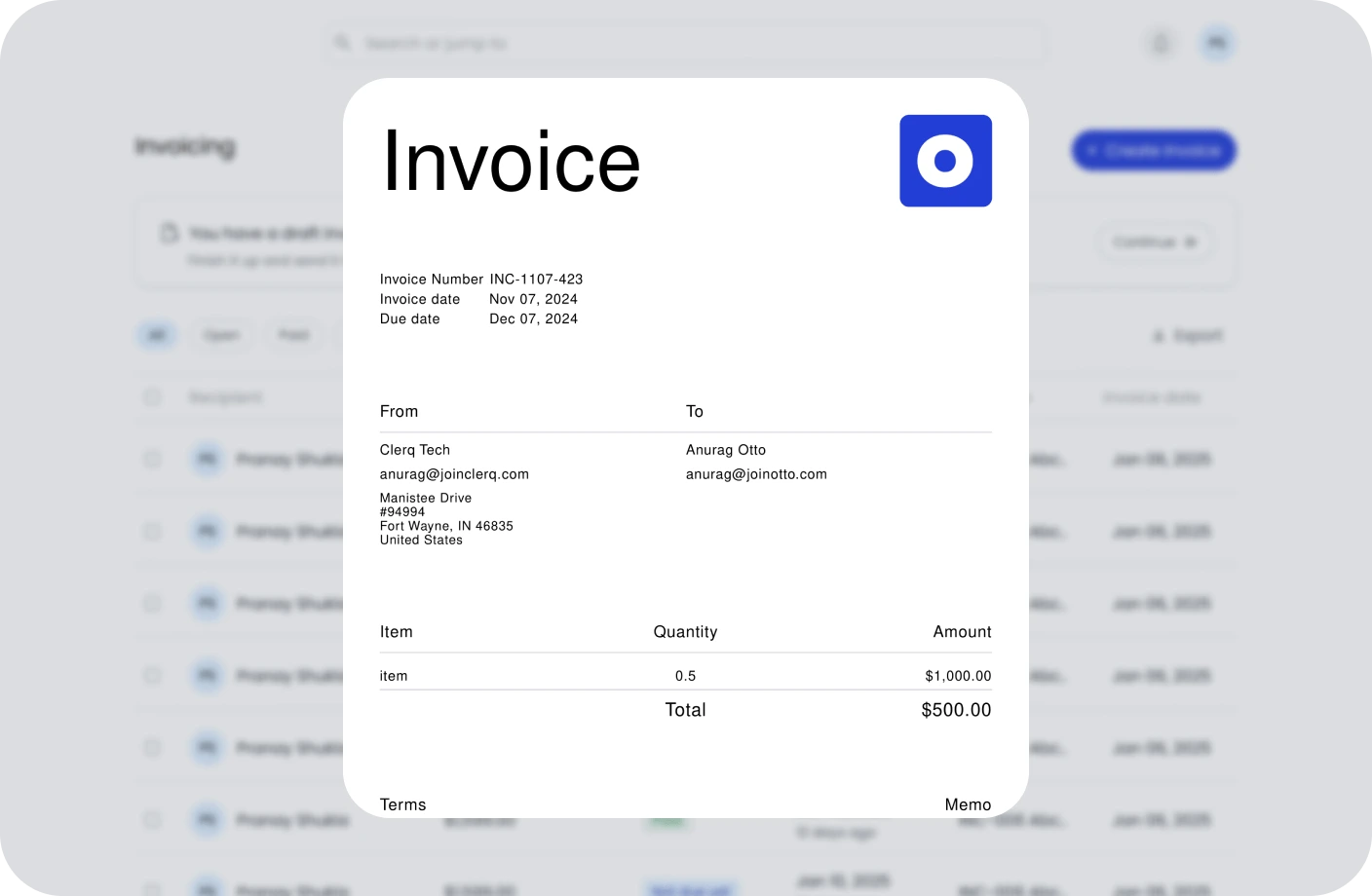
Create, send, and manage invoices. Track payments and assure timely cash flow.
Contracts
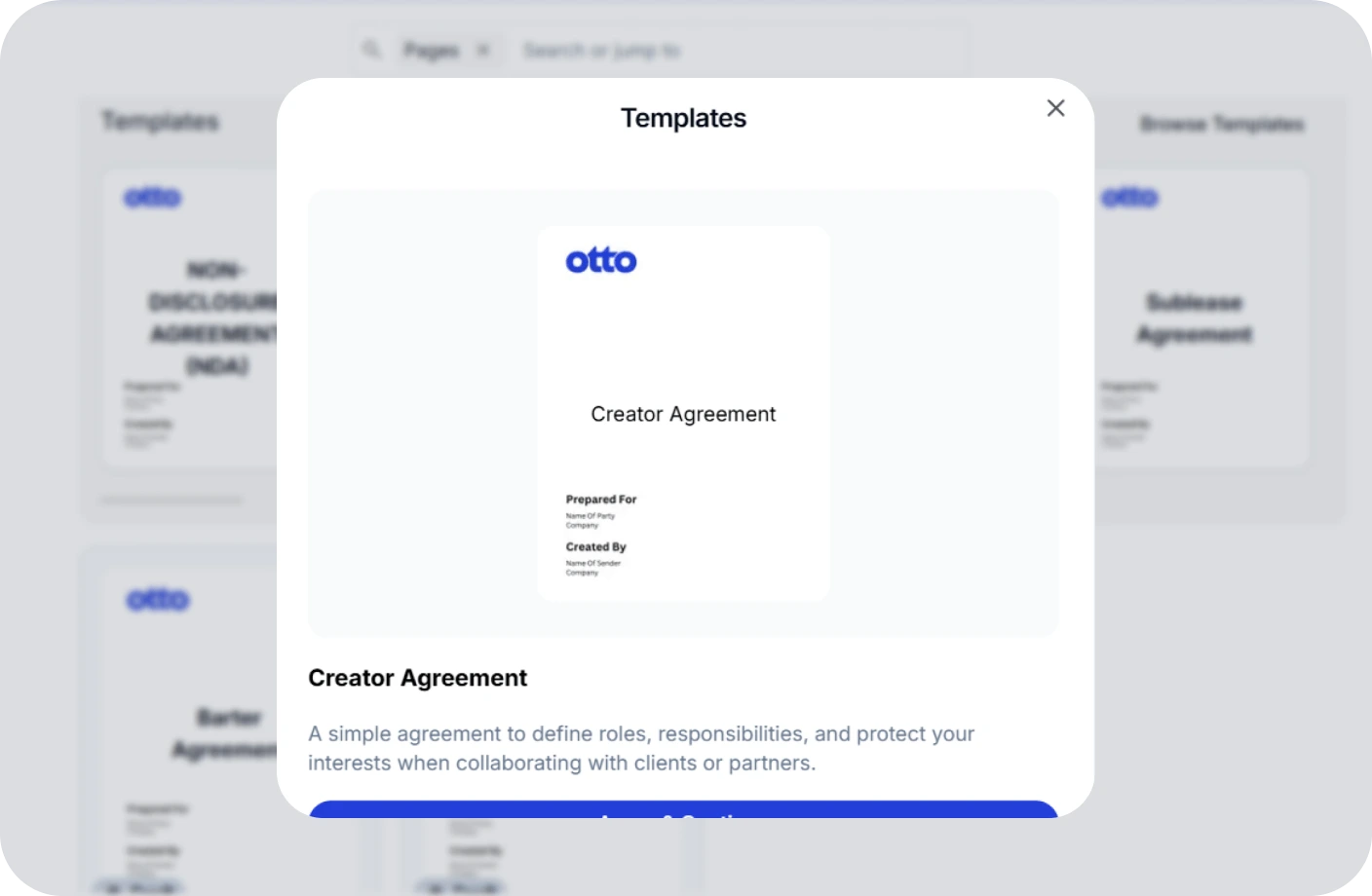
Create, track, and e-sign contracts to ensure compliance and deadlines.
Taxes
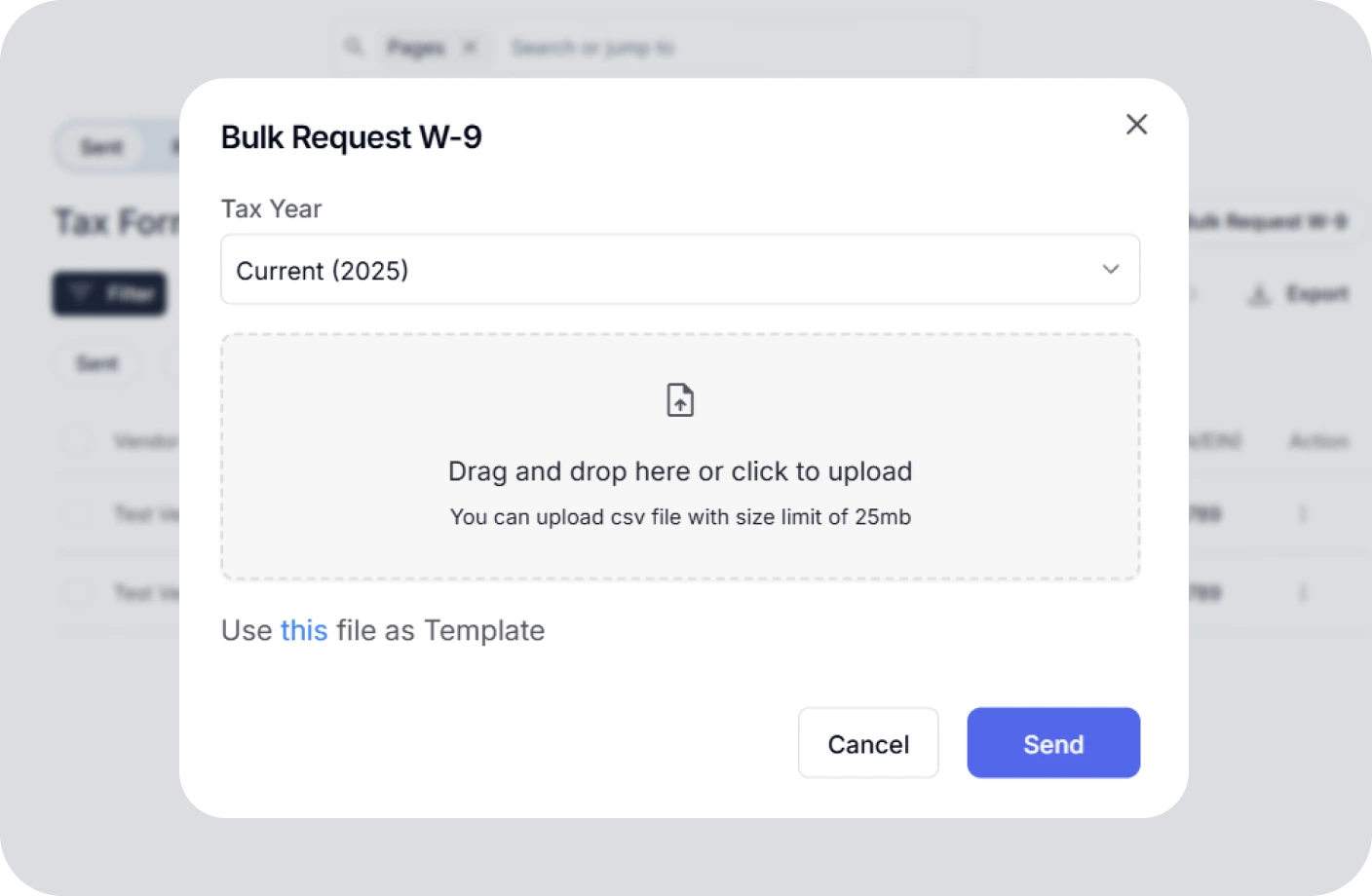
Confidently plan taxes with expert CPAs and smart tools to track deductions.
Reports
Real time business reports show where you stand today and what to do next.
Accounting
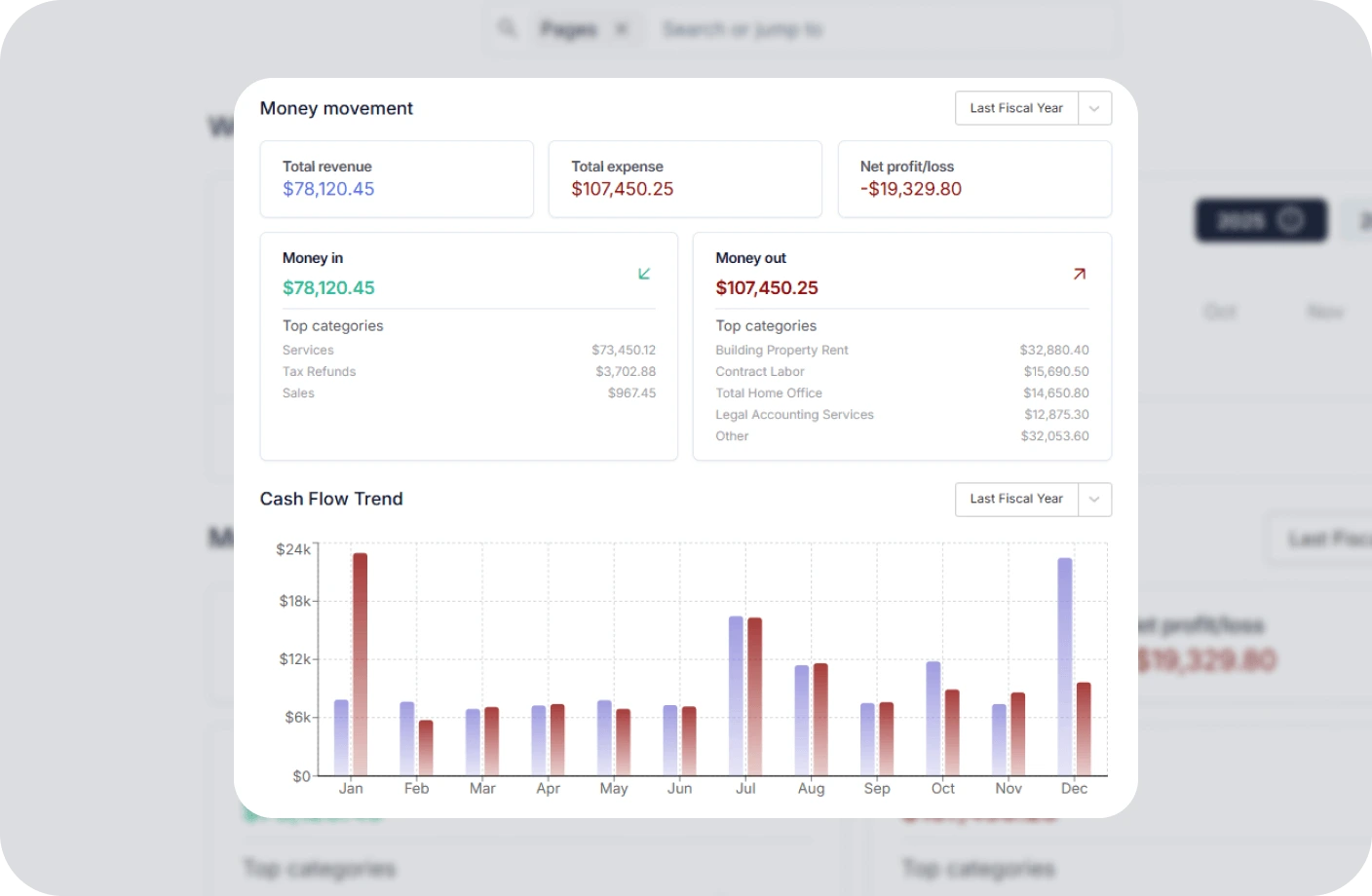
All in one accounting software for creators to handle your books, taxes, invoices, contracts.
Creator Tools
Specialized tools and resources for every type of creator
YouTubers Tools
Optimize your YouTube channel with analytics, thumbnail generators, and growth tools.
TikTokers Tools
Create viral TikTok content with trend analysis, caption generators, and editing tools.
Content Creators Tools
Comprehensive toolkit for content creation, scheduling, and audience engagement.
Video Creators Tools
Professional video editing, compression, and optimization tools for creators.
Influencers Tools
Manage brand partnerships, track engagement, and maximize your influencer income.
Photographers Tools
Photo editing, watermarking, and portfolio management tools for photographers.
Related Invoicing Resources
Essential guides to help you master invoicing and payments
What Is an Invoice? Everything You Need to Know
Learn the fundamentals of invoicing, including key components, different types of invoices, and best practices for getting paid on time.
The Ultimate Guide to Invoicing for Creatives
Discover tailored invoicing strategies for freelancers, designers, photographers, and other creative professionals to streamline billing.
How to Write an Invoice for Contract Work
A complete step-by-step guide to creating professional invoices for contract jobs, including payment terms, itemization, and follow-up tips.
Invoice Number FAQs
Quick answers to common questions about invoice numbers
What is an invoice number?
An invoice number is a unique identifier assigned to each invoice a business sends. It helps both the business and the client track payments, reference specific transactions, and maintain organized financial records.
Why is an invoice number important?
Invoice numbers are essential for tracking payments, managing cash flow, organizing financial records for tax purposes, and providing a reference point for client communications and dispute resolution.
How should I format my invoice numbers?
Common invoice number formats include sequential numbers (INV-001, INV-002), date-based formats (2025-04-001), and customer-based formats (CLIENT-001). Choose a format that is consistent and easy for your business to manage.
Should I use sequential or custom invoice numbers?
Sequential invoice numbers are the most common and recommended approach as they are simple, automatic, and easy to audit. Custom numbering can be useful for businesses that want to incorporate date, client, or project identifiers, but requires more careful management.
What happens if I accidentally use a duplicate invoice number?
Duplicate invoice numbers can cause confusion in payment tracking, accounting, and tax reporting. If it happens, add a suffix or prefix to one of the invoices, or note the duplicate in your accounting system with a unique revision identifier.
What are best practices for invoice numbering?
Best practices include using sequential numbering without gaps, keeping the format simple and consistent, never reusing numbers, ensuring numbers are unique, and using invoicing software to automate the process and prevent errors.
Manage Your Invoicing Without the Confusion
Create professional invoices, track payments by number, and manage your billing effortlessly with Otto's invoicing platform.