Payment Terms: Definition & Overview
Learn what payment terms are, common examples like Net 30 and 2/10 Net 30, and how to set terms that work for your business.
KEY TAKEAWAYS
-
✓
Payment terms define when and how payment is expected between a buyer and seller.
-
✓
Common terms include Net 30, Net 60, Due Upon Receipt, and 2/10 Net 30 with early payment discounts.
-
✓
Clear payment terms improve cash flow, reduce disputes, and strengthen client relationships.
What Are Payment Terms?
Payment terms are the conditions that specify when and how a buyer must pay a seller for goods or services. They establish the timeline for payment, any discounts for early payment, penalties for late payment, and the accepted methods of payment. Clear payment terms are essential for maintaining healthy cash flow and avoiding misunderstandings between businesses and their clients.
Common Types of Payment Terms
Businesses use a variety of payment terms depending on their industry, client relationships, and cash flow needs:
-
•
Net 30: Payment is due 30 days after the invoice date. This is the most common payment term for B2B transactions.
-
•
Net 60 and Net 90: Payment is due 60 or 90 days after the invoice date. Often used for large corporate projects or clients with longer approval cycles.
-
•
Due Upon Receipt: Payment is required immediately upon receiving the invoice. Common for one-time services, new clients, or small transactions.
-
•
2/10 Net 30: A discount term offering 2% off the invoice amount if paid within 10 days, with the full amount due in 30 days. This incentivizes early payment.
Early Payment Discounts
Early payment discounts, such as 2/10 Net 30, encourage buyers to pay their invoices early. For the seller, this improves cash flow and reduces the time spent chasing payments. For the buyer, it provides a cost-saving opportunity. These discounts are typically expressed as a percentage off the total invoice amount if payment is made within a specified number of days.
Late Payment Penalties
Late payment penalties are charges applied when a buyer fails to pay by the due date. These penalties can be a flat fee, a percentage of the invoice amount, or monthly interest on the overdue balance. Clearly stating late payment terms on your invoice helps deter late payments and compensates you for the delay. Common late fee structures include 1.5% monthly interest or a flat $25 late fee after a grace period.
How to Choose the Right Payment Terms
Selecting the right payment terms depends on several factors:
-
•
Industry standards: Research what payment terms are common in your industry to remain competitive.
-
•
Client relationship: New clients may warrant shorter terms or upfront payment, while trusted long-term clients can be offered Net 30 or Net 60.
-
•
Cash flow needs: If you need faster payments, consider shorter terms or early payment discounts to incentivize prompt payment.
-
•
Project size: Larger projects may justify longer payment terms, while smaller transactions can use Due Upon Receipt.
How to Communicate Payment Terms
Clear communication of payment terms prevents confusion and disputes. Always include payment terms on every invoice, preferably in a dedicated section near the total amount due. Beyond the invoice, include payment terms in your contracts, proposals, and client onboarding materials. Use straightforward language and avoid ambiguous phrasing. Consider adding a brief explanation of early payment discounts and late payment penalties so clients fully understand the incentives and consequences.
Best Practices for Payment Terms
Follow these best practices to make your payment terms work effectively:
-
•
Be specific about due dates instead of using vague terms like "upon completion."
-
•
Send payment reminders a few days before the due date to reduce late payments.
-
•
Use invoicing software to automate payment tracking, reminders, and follow-ups.
-
•
Review and update payment terms periodically based on your cash flow needs and client feedback.
-
•
Be flexible but consistent. Offer different terms for different client segments while maintaining clear policies.
Summary
Payment terms are a fundamental part of business transactions. They define when payment is due, what discounts are available for early payment, and what penalties apply for late payment. By choosing the right payment terms and communicating them clearly, you can improve cash flow, reduce late payments, and build stronger client relationships.
Using invoicing software like Otto makes it easy to set consistent payment terms, automate payment reminders, and track which clients have paid and which are overdue.
How Payment Terms Apply to Your Business
When will you actually use this?
Payment terms aren't just a formality. They impact your cash flow, client relationships, and bottom line. Here's how you'll use them:
Net 30 Terms
Offer standard Net 30 payment terms for most B2B clients with a 30-day payment window.
Early Payment Discounts
Use 2/10 Net 30 to incentivize early payment and improve cash flow.
Due Upon Receipt
Require immediate payment for new clients, small transactions, or one-time services.
Net 60 for Large Projects
Extend Net 60 terms for corporate clients and large projects that require longer approval cycles.
Late Payment Penalties
Include late fee terms to discourage overdue payments and compensate for delays.
Custom Terms Per Client
Tailor payment terms based on client history, project size, and relationship strength.
Recommended Reading
Expand your knowledge with these related invoicing topics
Deposit Invoice
Learn how deposit invoices work and when to use them for your business transactions.
Proforma Invoice
Understand proforma invoices and how they differ from standard invoices.
Payment Terms
Explore common payment terms and how to set them for advance payments and invoices.
Recurring Invoice
How recurring invoices work with advance payments for subscription-based businesses.
Payment Terms
Best practices for setting payment terms and expectations for advance payments.
Invoice Number
How to properly number invoices and track advance payment invoices in your system.
Free Invoice Templates
Professional invoice templates designed for every type of creator and freelancer.
DJ Invoice Template
Professional DJ invoice template for gigs, events, and private bookings with customizable payment terms and service breakdowns.
Event Planner Invoice Template
Streamlined invoice template for event planners covering venue coordination, vendor management, and client billing.
Photographer Invoice Template
Tailored invoice template for photographers covering session fees, print orders, usage rights, and travel expenses.
Videographer Invoice Template
Professional videographer invoice template for filming projects, editing services, and production work with clear milestone billing.
Web Developer Invoice Template
Developer-friendly invoice template for web projects, hourly billing, fixed-price contracts, maintenance retainers, and custom modules.
Content Creator Invoice Template
Versatile invoice template for content creators covering sponsorships, affiliate income, content production, and brand deals.
Real Invoicing Questions From the Community
Explore Reddit-backed Otto invoicing guides based on real conversations about payments, invoices, deposits, billing, and cash flow systems.
One Platform: From Entity Setup to Closing Reports
Comprehensive financial solutions for your business needs.
Entity Management
Easily manage legal entities, compliance, and ownership in one platform.
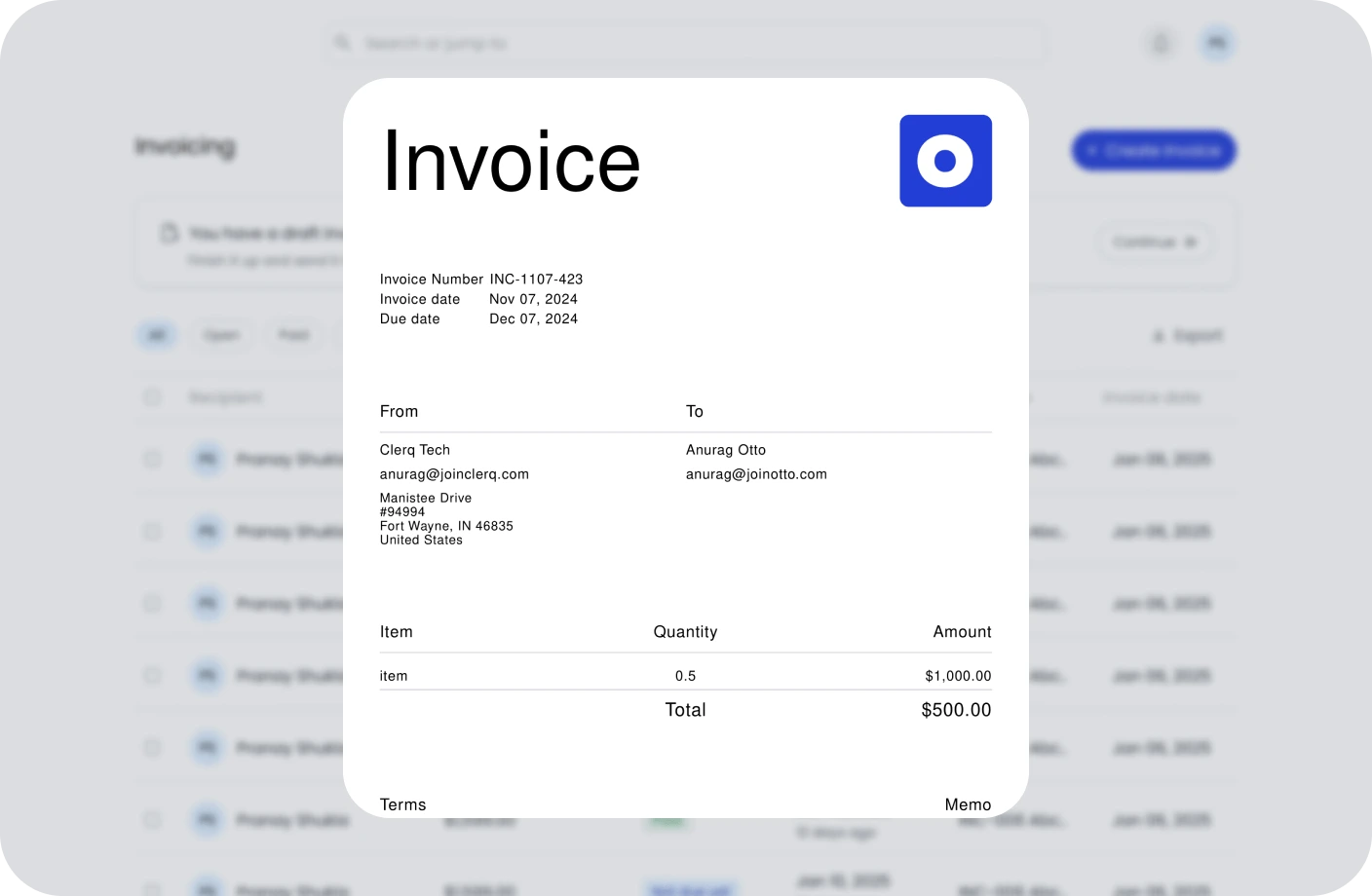
Invoicing
Create, send, and manage invoices. Track payments and assure timely cash flow.
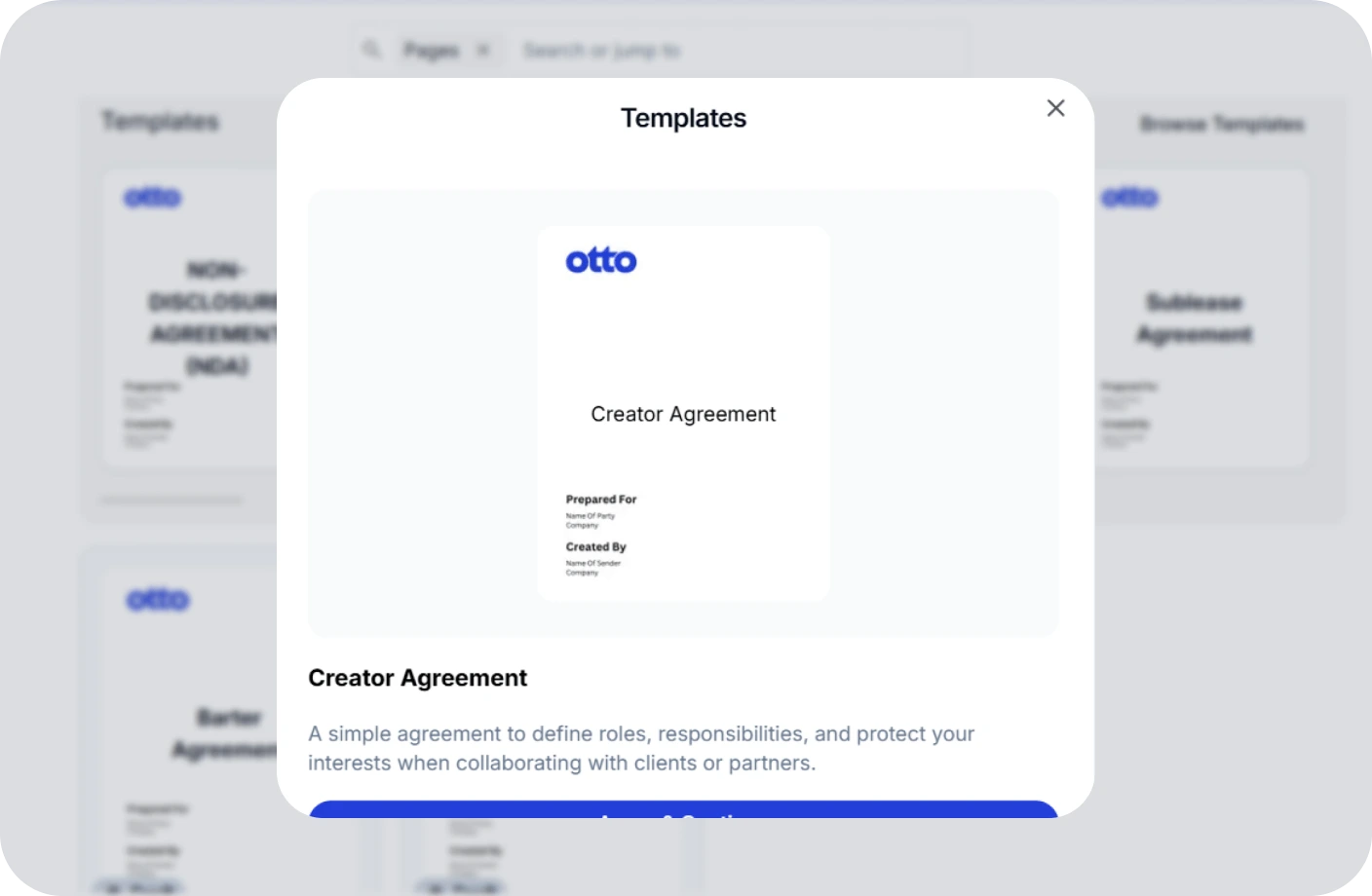
Contracts
Create, track, and e-sign contracts to ensure compliance and deadlines.
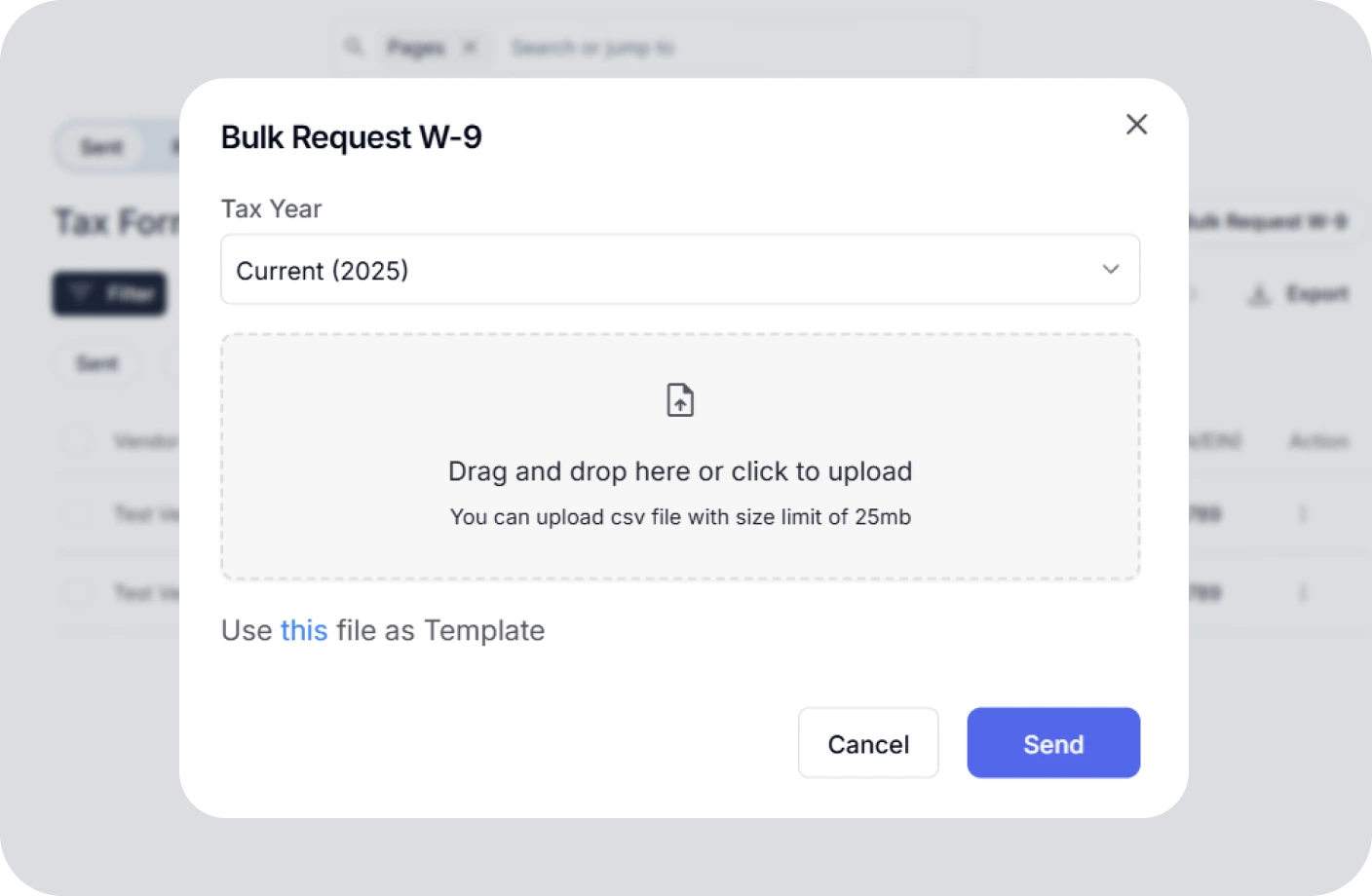
Taxes
Confidently plan taxes with expert CPAs and smart tools to track deductions.
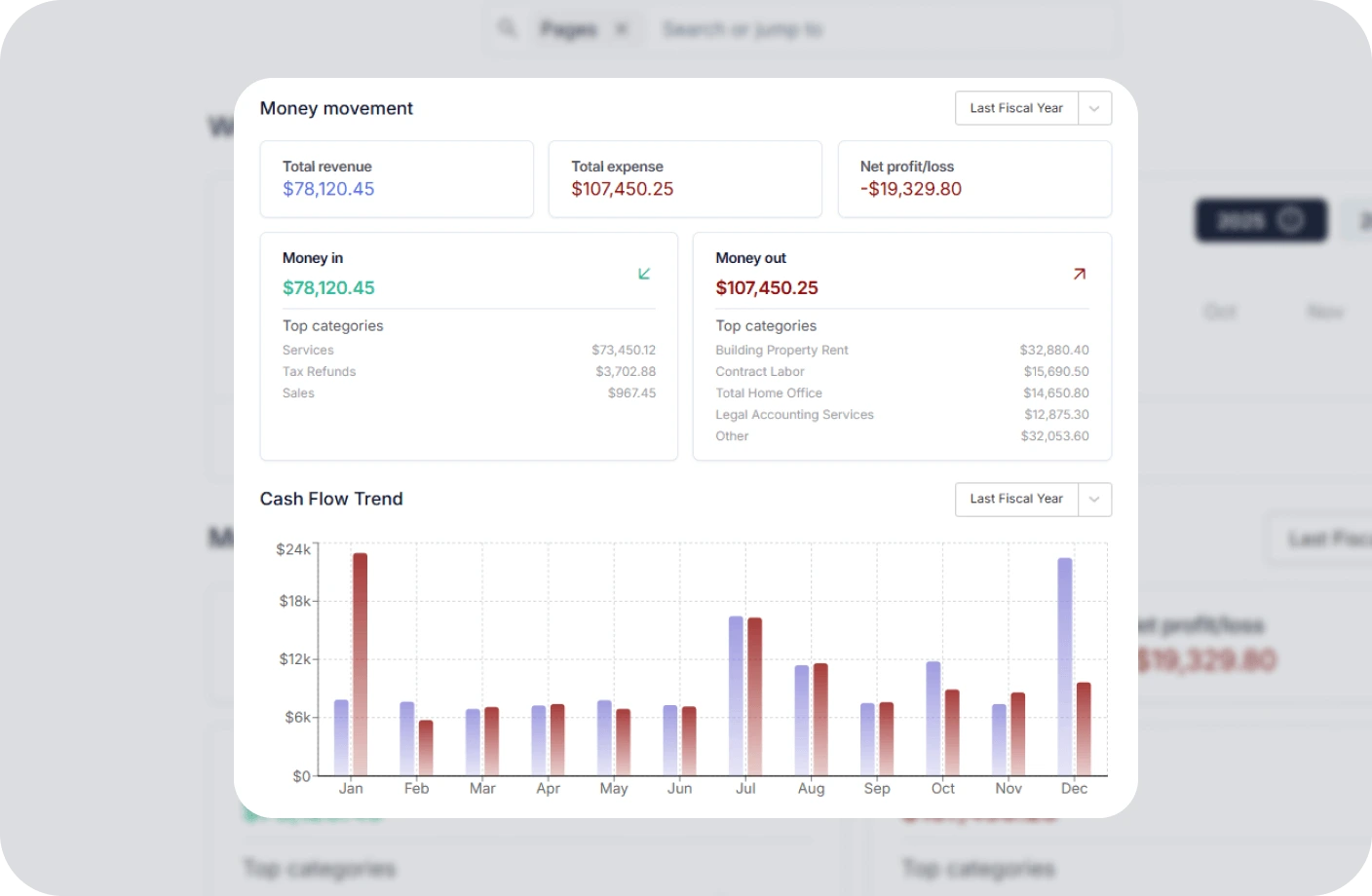
Reports
Real time business reports show where you stand today and what to do next.
Accounting
All in one accounting software for creators to handle your books, taxes, invoices, contracts.
Creator Tools
Specialized tools and resources for every type of creator
YouTubers Tools
Optimize your YouTube channel with analytics, thumbnail generators, and growth tools.
TikTokers Tools
Create viral TikTok content with trend analysis, caption generators, and editing tools.
Content Creators Tools
Comprehensive toolkit for content creation, scheduling, and audience engagement.
Video Creators Tools
Professional video editing, compression, and optimization tools for creators.
Influencers Tools
Manage brand partnerships, track engagement, and maximize your influencer income.
Photographers Tools
Photo editing, watermarking, and portfolio management tools for photographers.
Related Invoicing Resources
Essential guides to help you master invoicing and payments
What Is an Invoice? Everything You Need to Know
Learn the fundamentals of invoicing, including key components, different types of invoices, and best practices for getting paid on time.
The Ultimate Guide to Invoicing for Creatives
Discover tailored invoicing strategies for freelancers, designers, photographers, and other creative professionals to streamline billing.
How to Write an Invoice for Contract Work
A complete step-by-step guide to creating professional invoices for contract jobs, including payment terms, itemization, and follow-up tips.
Payment Terms FAQs
Quick answers to common questions about payment terms
What are payment terms?
Payment terms are the conditions that specify when and how a buyer must pay a seller for goods or services. They include the payment due date, any early payment discounts, late payment penalties, and accepted payment methods.
What are common types of payment terms?
Common payment terms include Net 30 (payment due in 30 days), Net 60 (payment due in 60 days), Net 90 (payment due in 90 days), Due Upon Receipt (immediate payment), and 2/10 Net 30 (2% discount if paid within 10 days, otherwise full amount due in 30 days).
What is 2/10 Net 30 and how does it work?
2/10 Net 30 is a payment term that offers a 2% discount if the buyer pays within 10 days of the invoice date. If the discount is not taken, the full invoice amount is due within 30 days. It incentivizes early payment and improves the seller's cash flow.
Can I charge late payment penalties on overdue invoices?
Yes, businesses can charge late payment penalties on overdue invoices, provided the terms are clearly stated in the invoice or contract. Common penalties include a monthly interest charge (e.g., 1.5% per month) or a flat late fee. Check local regulations for any legal limits.
How do I choose the right payment terms for my business?
Choosing the right payment terms depends on your industry, cash flow needs, and client relationships. For new clients, consider shorter terms like Due Upon Receipt or Net 15. For established B2B clients, Net 30 or Net 60 are common. Offering early payment discounts can also incentivize faster payment.
How should I communicate payment terms to clients?
Payment terms should be clearly stated on every invoice, ideally in a dedicated section near the total amount. Include them in your contracts, proposals, and onboarding materials. Use plain language to avoid confusion, and consider sending a payment reminder before the due date.
Manage Your Payment Terms Without the Confusion
Create professional invoices, set clear payment terms, and manage your billing effortlessly with Otto's invoicing platform.