Withholding Tax: Definition & Overview
Learn what withholding tax is, how it affects your invoices, and best practices for handling tax withholding correctly.
KEY TAKEAWAYS
-
✓
Withholding tax is deducted at source from payments such as salaries, dividends, interest, and royalties, and is remitted directly to the tax authority.
-
✓
Withholding tax affects certain types of income including contractor payments, dividends, interest, royalties, and cross-border service fees.
-
✓
Proper documentation on invoices is essential for withholding tax compliance, including tax identification numbers and clear gross versus net amounts.
What is Withholding Tax?
Withholding tax is a government-mandated deduction taken from certain types of payments before the recipient receives them. The payer — whether an employer, business, or financial institution — is responsible for deducting the tax and remitting it directly to the tax authority. This system ensures that tax is collected at the source of income rather than waiting until the recipient files an annual tax return.
Common types of payments subject to withholding tax include employee wages, dividends paid to shareholders, interest paid to lenders, royalties paid to intellectual property owners, and fees paid to non-resident contractors. The rules and rates vary significantly by jurisdiction and the nature of the payment.
How Does Withholding Tax Work?
Withholding tax operates through a straightforward three-stage process:
-
1
Deduction: The payer calculates the withholding tax based on the applicable rate and deducts it from the gross payment amount before releasing funds to the recipient.
-
2
Remittance: The deducted tax is paid to the relevant tax authority within specified deadlines. Late remittance can result in penalties and interest charges for the payer.
-
3
Reporting: Both the payer and recipient report the withheld amounts on prescribed tax forms. The recipient receives a tax certificate showing the amount of tax withheld, which they can use to claim credit against their annual tax liability.
Common Withholding Tax Rates
Withholding tax rates differ by country, payment type, and the residency status of the recipient. Typical rates include:
-
•
Dividends: Typically 10% to 30% depending on jurisdiction and recipient type.
-
•
Interest: Rates range from 10% to 35% for interest payments to lenders and bondholders.
-
•
Royalties: Usually 10% to 30% for payments made for intellectual property usage rights.
-
•
Services: Rates for non-resident service providers vary widely, often between 10% and 20%.
These rates can be significantly reduced or eliminated under applicable double tax treaties between countries. Businesses making cross-border payments should always verify treaty eligibility before applying the standard rate.
Who Deducts Withholding Tax?
Withholding tax obligations apply to a wide range of entities:
-
•
Employers: Deduct payroll withholding tax (income tax and social contributions) from employee wages and salaries.
-
•
Businesses: Withhold tax when paying contractors, freelancers, and service providers, especially non-residents.
-
•
Financial Institutions: Deduct withholding tax on interest and dividend payments made to account holders and investors.
-
•
Companies: Withhold tax on dividend distributions to shareholders and royalty payments to licensors.
Impact of Withholding Tax on Invoicing
Withholding tax has a direct impact on how invoices are structured and processed. Invoices must clearly distinguish between the gross amount and the net amount after tax deduction. Proper invoicing for withholding tax includes:
-
•
Showing the gross amount before tax and the net amount after withholding.
-
•
Including tax identification numbers for both payer and recipient.
-
•
Specifying the applicable withholding tax rate and the amount deducted.
-
•
Issuing tax certificates to recipients at year-end confirming the total tax withheld.
Double Tax Treaties
Double tax treaties are agreements between two countries that prevent the same income from being taxed twice. These treaties often reduce or eliminate withholding tax rates on cross-border payments such as dividends, interest, and royalties. To claim treaty benefits, the recipient typically needs to provide a certificate of residency and submit a treaty relief declaration to the payer. Businesses engaged in international transactions should review applicable treaties to optimize their tax position and ensure compliance.
How to Reclaim Withholding Tax
If more tax was withheld than necessary — for example, due to a treaty reduction that was not applied at source — the recipient can reclaim the excess. The reclaim process generally involves:
-
•
Filing a tax return with the local tax authority and claiming a credit for the tax withheld.
-
•
Non-residents can submit a specific reclaim application under the applicable double tax treaty.
-
•
Providing proof of residency, tax certificates from the payer, and supporting documentation to the tax authority.
Reclaim deadlines vary by jurisdiction, so it is important to act promptly. Many tax authorities impose strict time limits for filing reclaim applications.
Summary
Withholding tax is a critical component of tax systems worldwide, ensuring that tax is collected at the source of income. Whether you are an employer processing payroll, a business paying international contractors, or a company distributing dividends to shareholders, understanding your withholding tax obligations is essential for compliance and accurate financial management.
Proper invoicing practices — including clear separation of gross and net amounts, accurate tax identification, and timely issuance of tax certificates — help businesses stay compliant and avoid penalties. For cross-border transactions, double tax treaties offer opportunities to reduce withholding tax burdens, and reclaim procedures provide a path to recover excess tax withheld.
How Withholding Tax Applies to Your Business
When will you actually need to handle withholding tax?
Withholding tax affects various types of payments your business may make or receive. Understanding these scenarios helps you stay compliant and avoid penalties. Here's when you'll encounter it:
Contractor Payments
Withhold tax when paying independent contractors and issue tax certificates at year-end for their records.
International Payments
Apply withholding tax on payments to foreign contractors based on tax treaty rates or domestic law.
Dividend Payments
Withhold tax on dividend distributions made to shareholders at the applicable rate.
Interest Payments
Deduct withholding tax on interest payments made to lenders and financial institutions.
Royalty Payments
Withhold tax on royalty payments made for intellectual property usage rights.
Service Fees
Apply withholding tax on service fees paid to non-resident service providers.
Recommended Reading
Expand your knowledge with these related invoicing topics
Deposit Invoice
Learn how deposit invoices work and when to use them for your business transactions.
Proforma Invoice
Understand proforma invoices and how they differ from standard invoices.
Payment Terms
Explore common payment terms and how to set them for advance payments and invoices.
Recurring Invoice
How recurring invoices work with advance payments for subscription-based businesses.
Payment Terms
Best practices for setting payment terms and expectations for advance payments.
Invoice Number
How to properly number invoices and track advance payment invoices in your system.
Free Invoice Templates
Professional invoice templates designed for every type of creator and freelancer.
DJ Invoice Template
Professional DJ invoice template for gigs, events, and private bookings with customizable payment terms and service breakdowns.
Event Planner Invoice Template
Streamlined invoice template for event planners covering venue coordination, vendor management, and client billing.
Photographer Invoice Template
Tailored invoice template for photographers covering session fees, print orders, usage rights, and travel expenses.
Videographer Invoice Template
Professional videographer invoice template for filming projects, editing services, and production work with clear milestone billing.
Web Developer Invoice Template
Developer-friendly invoice template for web projects, hourly billing, fixed-price contracts, maintenance retainers, and custom modules.
Content Creator Invoice Template
Versatile invoice template for content creators covering sponsorships, affiliate income, content production, and brand deals.
Real Invoicing Questions From the Community
Explore Reddit-backed Otto invoicing guides based on real conversations about payments, invoices, deposits, billing, and cash flow systems.
One Platform: From Entity Setup to Closing Reports
Comprehensive financial solutions for your business needs.
Entity Management
Easily manage legal entities, compliance, and ownership in one platform.
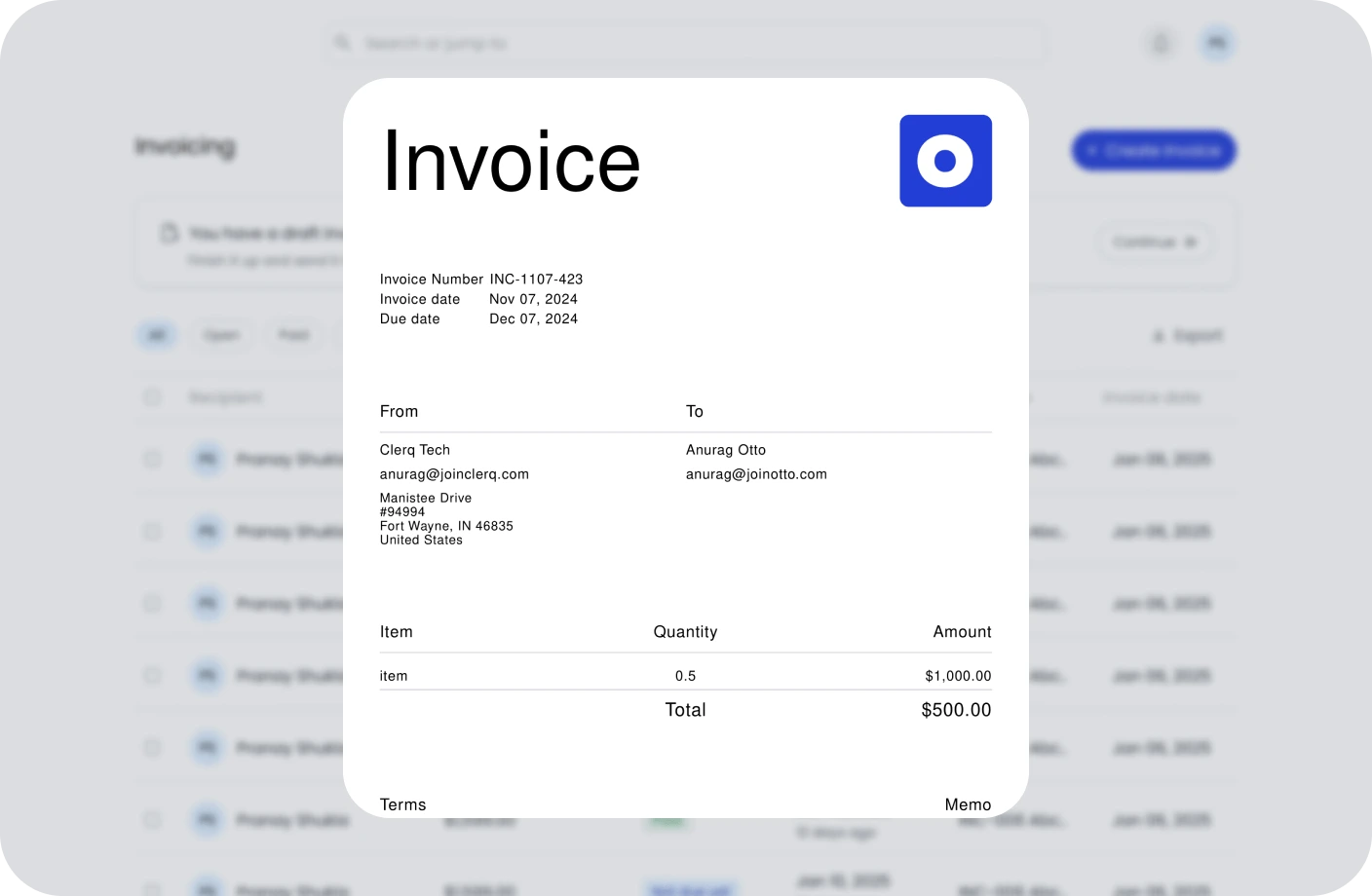
Invoicing
Create, send, and manage invoices. Track payments and assure timely cash flow.
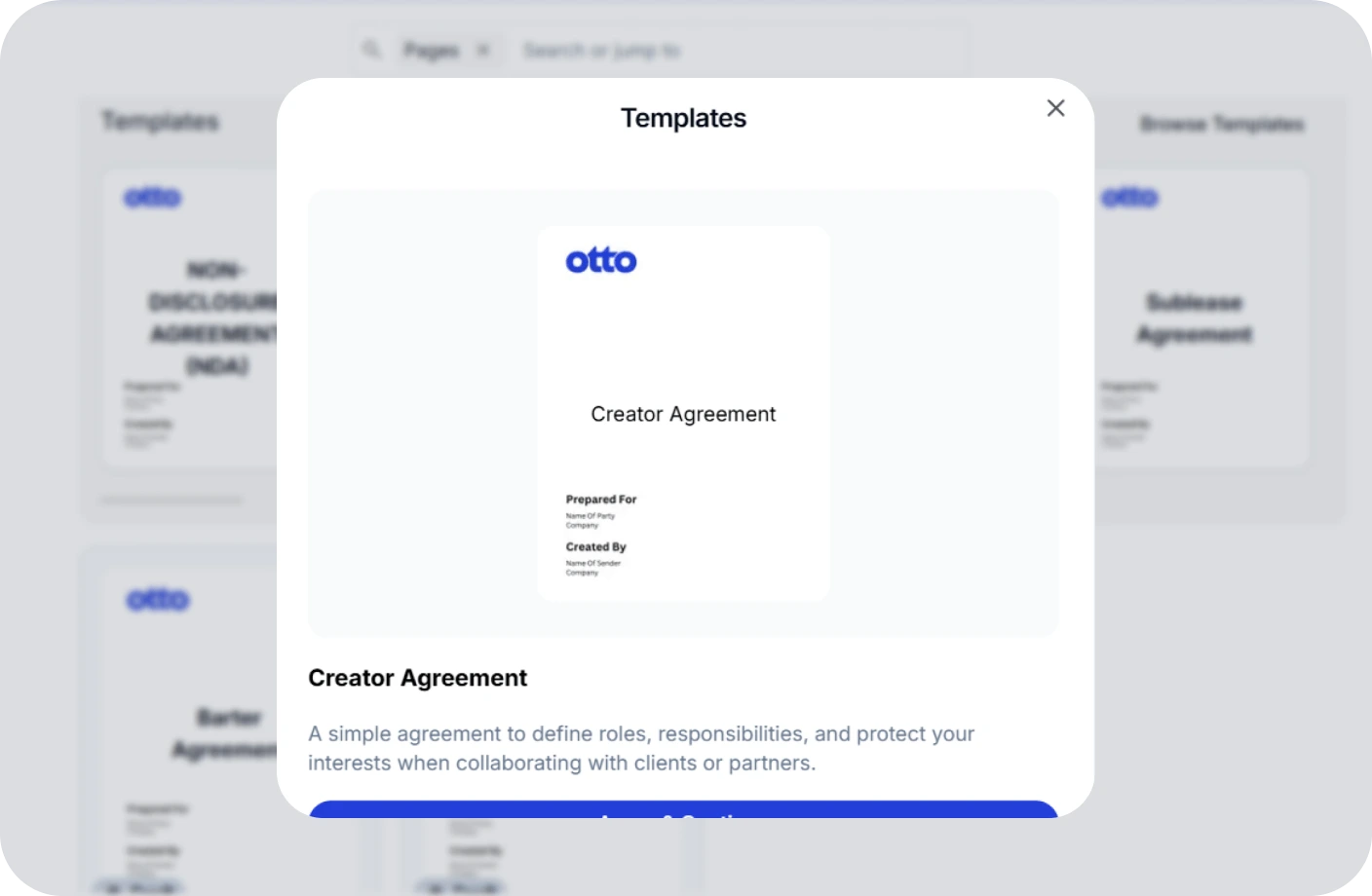
Contracts
Create, track, and e-sign contracts to ensure compliance and deadlines.
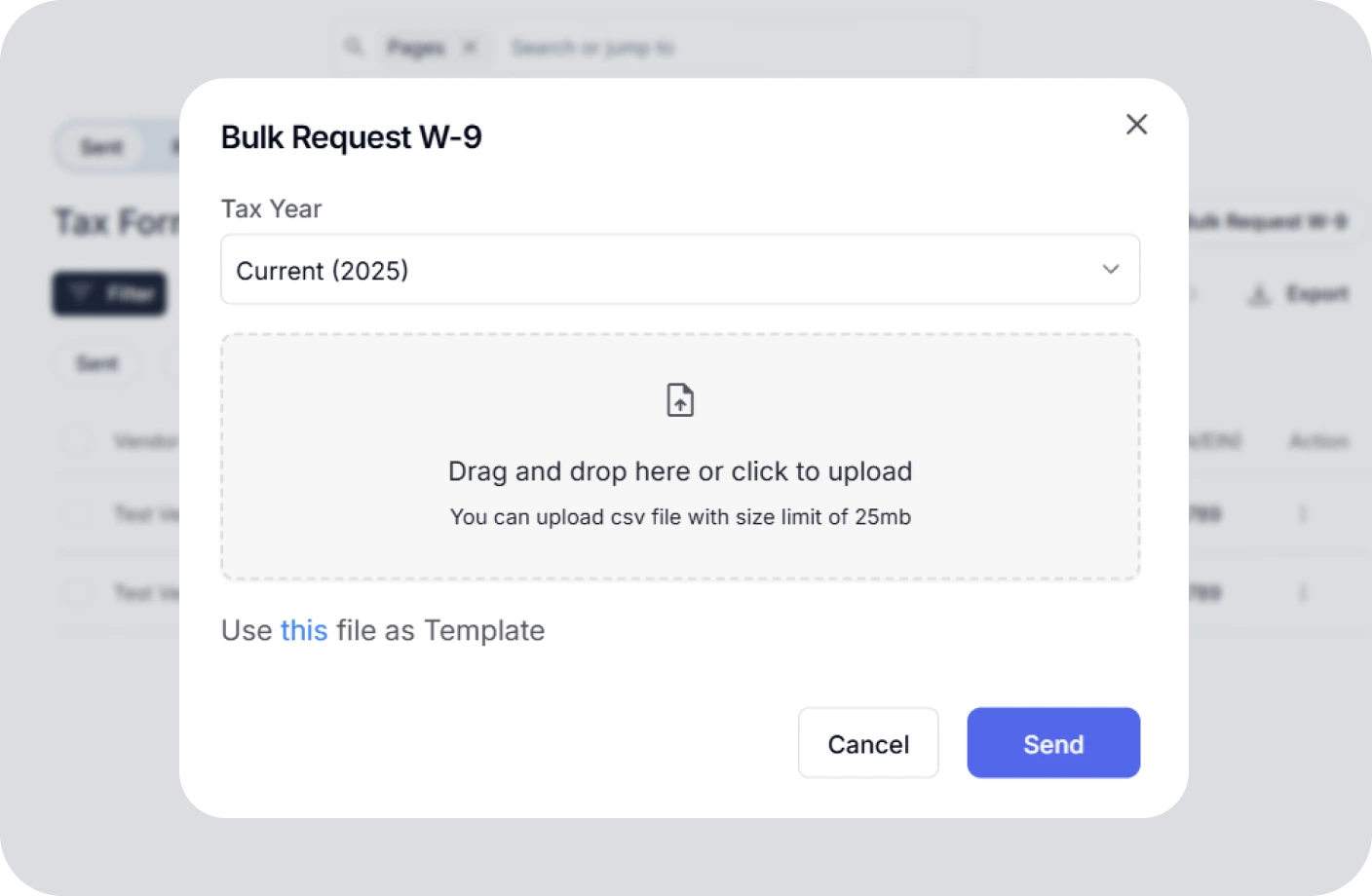
Taxes
Confidently plan taxes with expert CPAs and smart tools to track deductions.
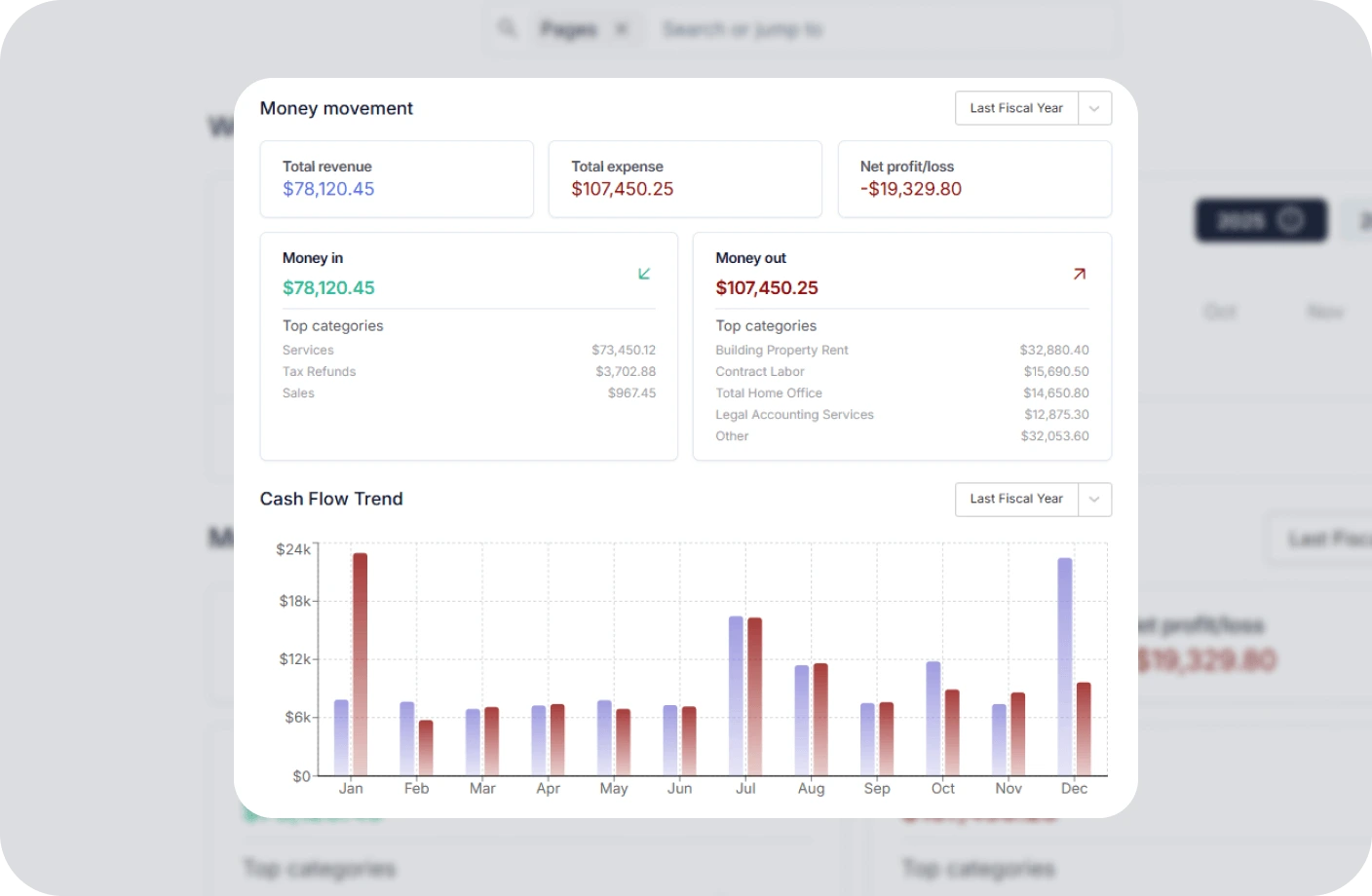
Reports
Real time business reports show where you stand today and what to do next.
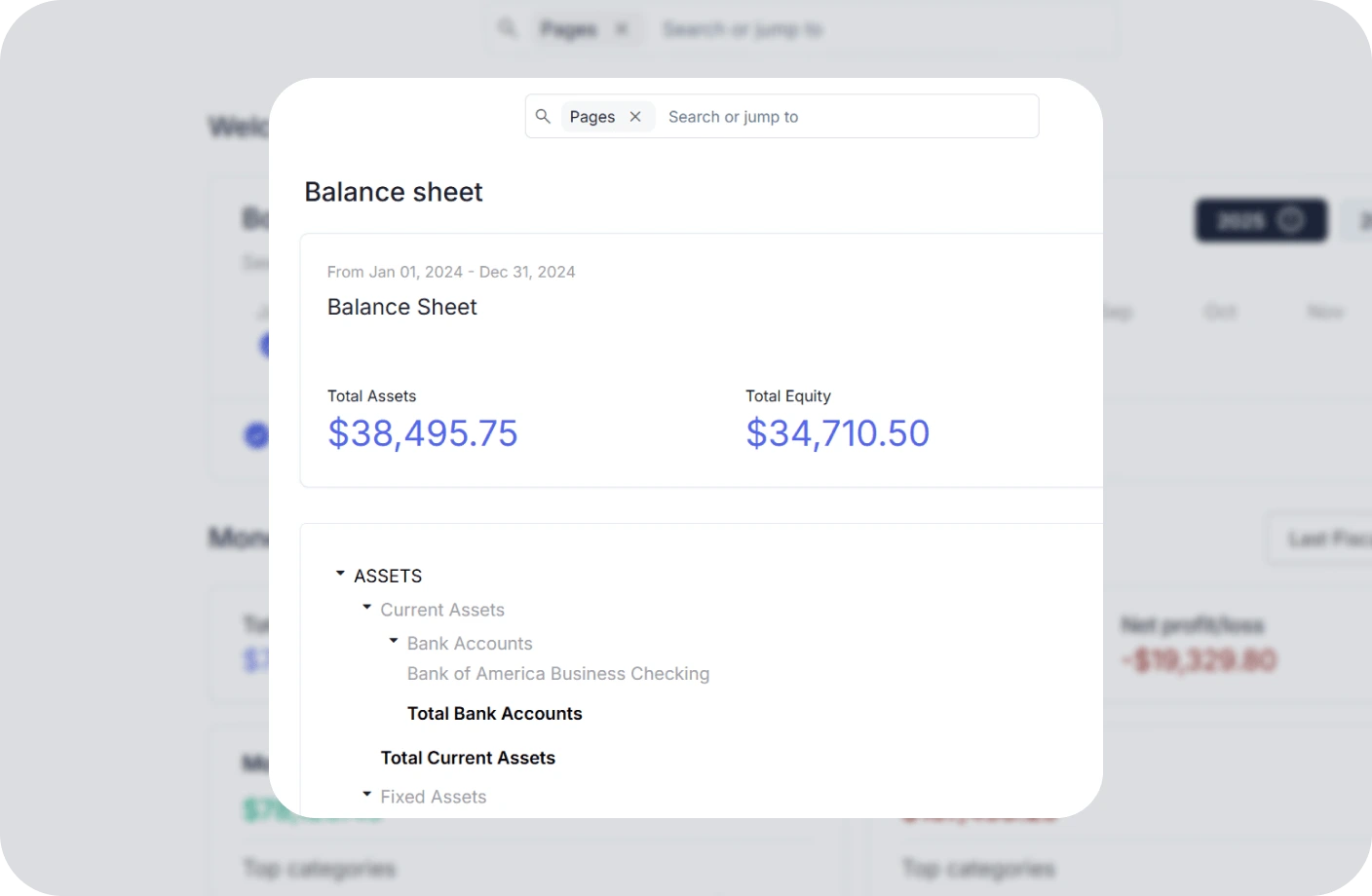
Accounting
All in one accounting software for creators to handle your books, taxes, invoices, contracts.
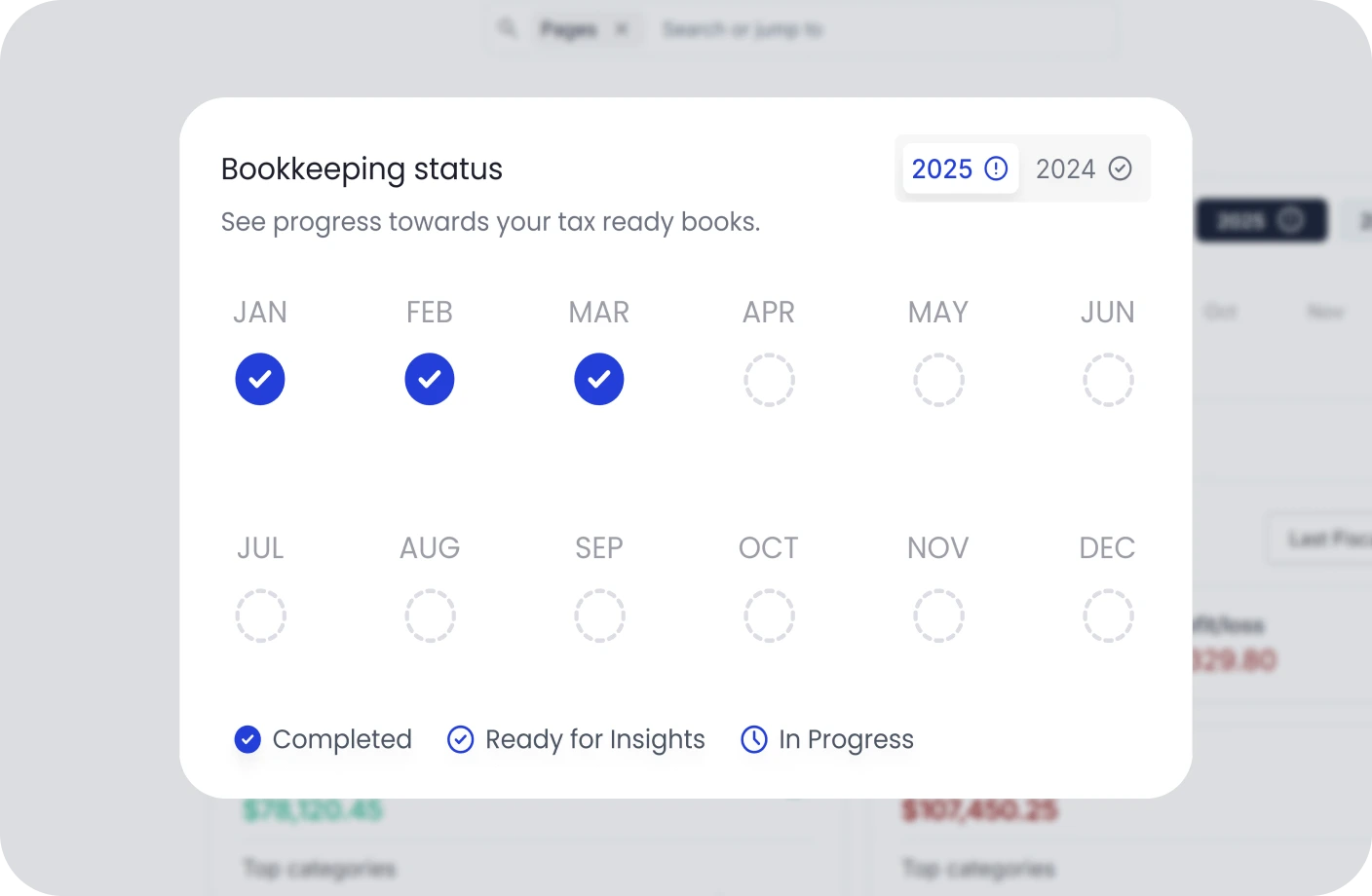
Creator Tools
Specialized tools and resources for every type of creator
YouTubers Tools
Optimize your YouTube channel with analytics, thumbnail generators, and growth tools.
TikTokers Tools
Create viral TikTok content with trend analysis, caption generators, and editing tools.
Content Creators Tools
Comprehensive toolkit for content creation, scheduling, and audience engagement.
Video Creators Tools
Professional video editing, compression, and optimization tools for creators.
Influencers Tools
Manage brand partnerships, track engagement, and maximize your influencer income.
Photographers Tools
Photo editing, watermarking, and portfolio management tools for photographers.
Related Invoicing Resources
Essential guides to help you master invoicing and payments
What Is an Invoice? Everything You Need to Know
Learn the fundamentals of invoicing, including key components, different types of invoices, and best practices for getting paid on time.
The Ultimate Guide to Invoicing for Creatives
Discover tailored invoicing strategies for freelancers, designers, photographers, and other creative professionals to streamline billing.
How to Write an Invoice for Contract Work
A complete step-by-step guide to creating professional invoices for contract jobs, including payment terms, itemization, and follow-up tips.
Withholding Tax FAQs
Quick answers to common questions about withholding tax
What is withholding tax?
Withholding tax is a tax deducted at source from payments such as salaries, dividends, interest, royalties, and service fees. The payer deducts the tax before making the payment and remits it directly to the tax authority on behalf of the recipient.
How does withholding tax work?
Withholding tax works through a three-step process: deduction, remittance, and reporting. The payer calculates the tax based on the applicable rate, deducts it from the gross amount, remits it to the tax authority, and reports the transaction on prescribed forms.
What are common withholding tax rates?
Common rates vary by country and payment type. Dividend withholding typically ranges from 10% to 30%, interest from 10% to 35%, and royalties from 10% to 30%. Rates may be reduced under applicable double tax treaties.
Who is required to deduct withholding tax?
Businesses, employers, and entities making certain payments must deduct withholding tax. This includes employers deducting payroll taxes, companies paying dividends, and businesses paying non-resident contractors or service providers.
How does withholding tax impact invoicing?
Invoices must show the gross amount, tax deducted, and net amount payable. Proper documentation including tax identification numbers is required, and businesses must issue tax certificates to recipients at year-end.
How can I reclaim withholding tax?
You can reclaim withholding tax by filing a tax return or a specific reclaim application with the tax authority. Non-residents may claim refunds under double tax treaties by submitting proof of residency and supporting documentation.
Manage Your Invoicing Without the Confusion
Create professional invoices, track withholding tax, and manage your billing effortlessly with Otto's invoicing platform.