Settlement: Definition & Overview
Discover the intricacies of payment settlement, explore how funds are transferred from clients to your account, and learn top strategies for efficient management.
KEY INSIGHTS
-
✓
Settlement marks the crucial last step in the payment process, ensuring funds are securely transferred from your client’s bank to your business account.
-
✓
The settlement phase entails the actual movement of money from the client’s bank to your business bank, finalizing the transaction.
-
✓
Settlement timelines differ based on methods: ACH can take 1-2 days, credit cards 1-3 days, and international payments may extend up to 7 days.
What is Payment Settlement?
Payment settlement is the definitive step in a transaction, involving the actual transfer of funds from the client’s account to your business account. Payments don’t reach instantly even after client approval; the settlement period bridges this gap. Settlement facilitates the movement of money between banks, ensuring it lands in your business account.
How the Settlement Process Works
Settlement usually unfolds in three distinct stages:
-
•
Authorization: When a customer makes a payment, the transaction is first authorized. This confirms that the customer has sufficient funds and places a temporary hold on the amount. However, no money actually moves at this stage.
-
•
Clearing: After authorization, the transaction details are submitted for clearing. During clearing, the payment information is exchanged between the customer's bank (issuing bank) and your bank (acquiring bank). This step verifies the transaction and prepares it for settlement.
-
•
Settlement: Finally, the funds are transferred from the issuing bank to the acquiring bank, which then deposits the money into your business account. This is when the payment is officially complete and you can access the funds.
Comparing Settlement and Authorization
Understanding the distinction between authorization and settlement is vital. Authorization is essentially a payment promise—it verifies funds and holds them, without transferring. Settlement signifies the actual fund transfer. Transactions might be authorized yet unfulfilled if canceled or due to processing errors. Businesses gain access to funds once the settlement finishes.
Understanding Settlement Dates and Timing
The settlement date marks when funds are deposited into your business account. Settlement timing hinges on the payment method used:
-
•
Credit card payments typically settle within 1 to 3 business days after the transaction is processed.
-
•
ACH bank transfers generally settle within 1 to 2 business days for domestic payments.
-
•
International wire transfers and cross-border payments can take 3 to 7 business days depending on currencies and intermediary banks.
-
•
Digital wallets like PayPal or Stripe may offer faster settlement times, sometimes within 24 hours or even same-day.
Reasons for Settlement Failures
Settlement disruptions may occur due to various factors:
-
•
Insufficient funds: The customer's account does not have enough money when the settlement is attempted.
-
•
Expired or invalid payment credentials: The card or bank account used for payment is no longer valid.
-
•
Fraud detection: The transaction is flagged by fraud prevention systems at the bank or payment processor.
-
•
Technical errors: Banking system outages, network issues, or incorrect routing information can prevent settlement.
Strategies to Accelerate Settlement
Some delays in settlement are inevitable, but steps exist to expedite:
-
•
Choose a payment processor that offers fast settlement times, such as next-day or same-day settlement options.
-
•
Submit transactions for settlement promptly rather than batching them at the end of the day or week.
-
•
Ensure accurate transaction data including correct routing numbers, account numbers, and payment amounts to avoid processing errors.
-
•
Maintain a good processing history with your payment provider to qualify for faster settlement terms.
Settlement Process Summary
Settlement represents the vital last step in the payment journey, transferring funds from the client’s bank to yours. Authorization affirms the payment feasibility, but settlement is the stage that ensures you receive money. Grasping settlement intricacies like timing and failure causes aids in superior cash flow management.
Leveraging dependable invoicing and processing tools lets you track settlements, project fund arrival, and detect payment delays.
The Impact of Settlement on Your Business
When does settlement matter for your business?
Settlement touches every enterprise engaging in payment acceptance. Comprehending settlement mechanics across payment modes boosts cash flow management and financial planning. You’ll encounter settlement in these scenarios:
Credit Card Transactions
Credit card funds typically settle in 1-3 business days based on processor agreements and banking ties.
ACH Payment Processing
ACH transactions often settle in 1-2 days, offering reliability for repeat billing.
Cross-Border Payment Settlements
International settlements might extend 3-7 days, contingent on currency factors and regulatory frameworks.
Quick Settlement Options
Certain digital wallets deliver rapid settlement, occasionally within hours of payment.
Batch Settlement Systems
Batch settlements generally wrap up daily, merging transactions into single deposits.
Managing Failed Settlements
Develop protocols for failed settlements and re-attempt collections to smooth cash flow processes.
Further Reading Suggestions
Deepen your understanding with these invoicing insights
Understanding Deposit Invoices
Master deposit invoices and learn optimal deployment in business dealings.
Exploring Proforma Invoices
Dive into proforma invoices and distinguish them from regular formats.
Setting Effective Payment Terms
Investigate typical payment terms and establish them for advance and invoiced payments.
Managing Recurring Invoices
Recurring invoices and advance payments explained for subscription enterprises.
Setting Effective Payment Terms
Optimize setting payment expectations and terms for advance dealings.
Tracking Invoice Numbers
Efficient techniques for numbering and tracking invoices and advance payments.
Download Invoice Templates for Creators
Access professional invoice templates crafted for creators and freelancers.
DJ Invoice Template
Professional templates for DJs, covering gigs to private functions with customizable terms.
Event Planner Invoice Template
Streamlined templates for event coordinators encompassing all aspects from vendors to client charging.
Photographer Invoice Template
Specific templates for photographers, accounting for every expense from sessions to prints.
Videographer Invoice Template
Professional templates for videographers, designed for project clarity and milestone billing.
Web Developer Invoice Template
Developer-centric templates for web projects, including hourly to fixed contracts and maintenance.
Content Creator Invoice Template
Comprehensive templates for content creators, covering everything from sponsorships to brand collaborations.
Community-Inspired Comprehensive Invoicing Guides Insights
Delve into community-driven guides backed by Reddit on payments, billing, and cash flow management.
One Platform: From Entity Setup to Closing Insightful Business Reporting
End-to-end financial solutions tailored to meet your business demands.
Efficient Entity Management
Simplify managing entities, compliance, and ownership all in one place.
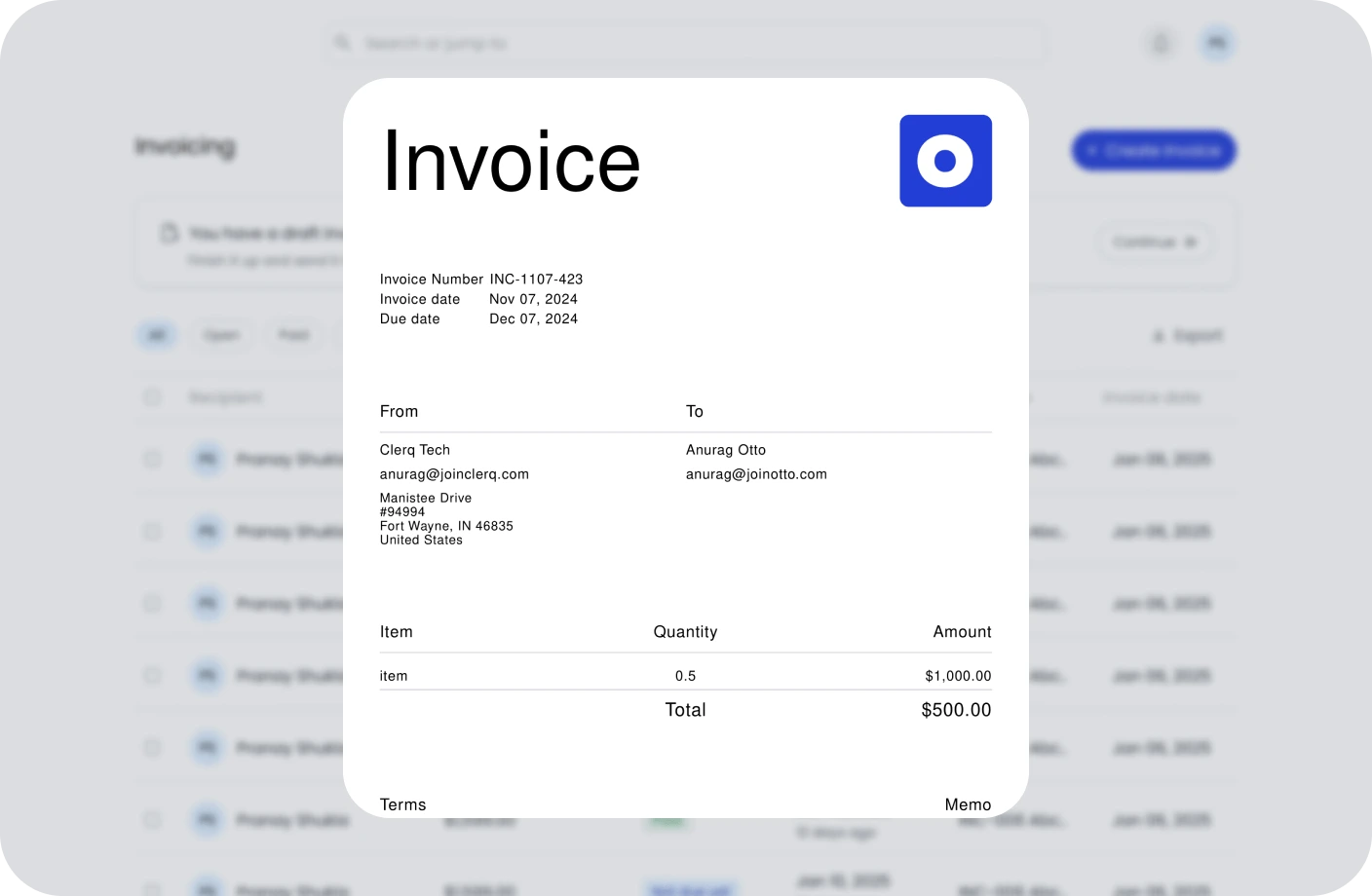
Comprehensive Invoicing Guides
Generate, dispatch, and oversee invoices while monitoring payments for smooth cash flow.
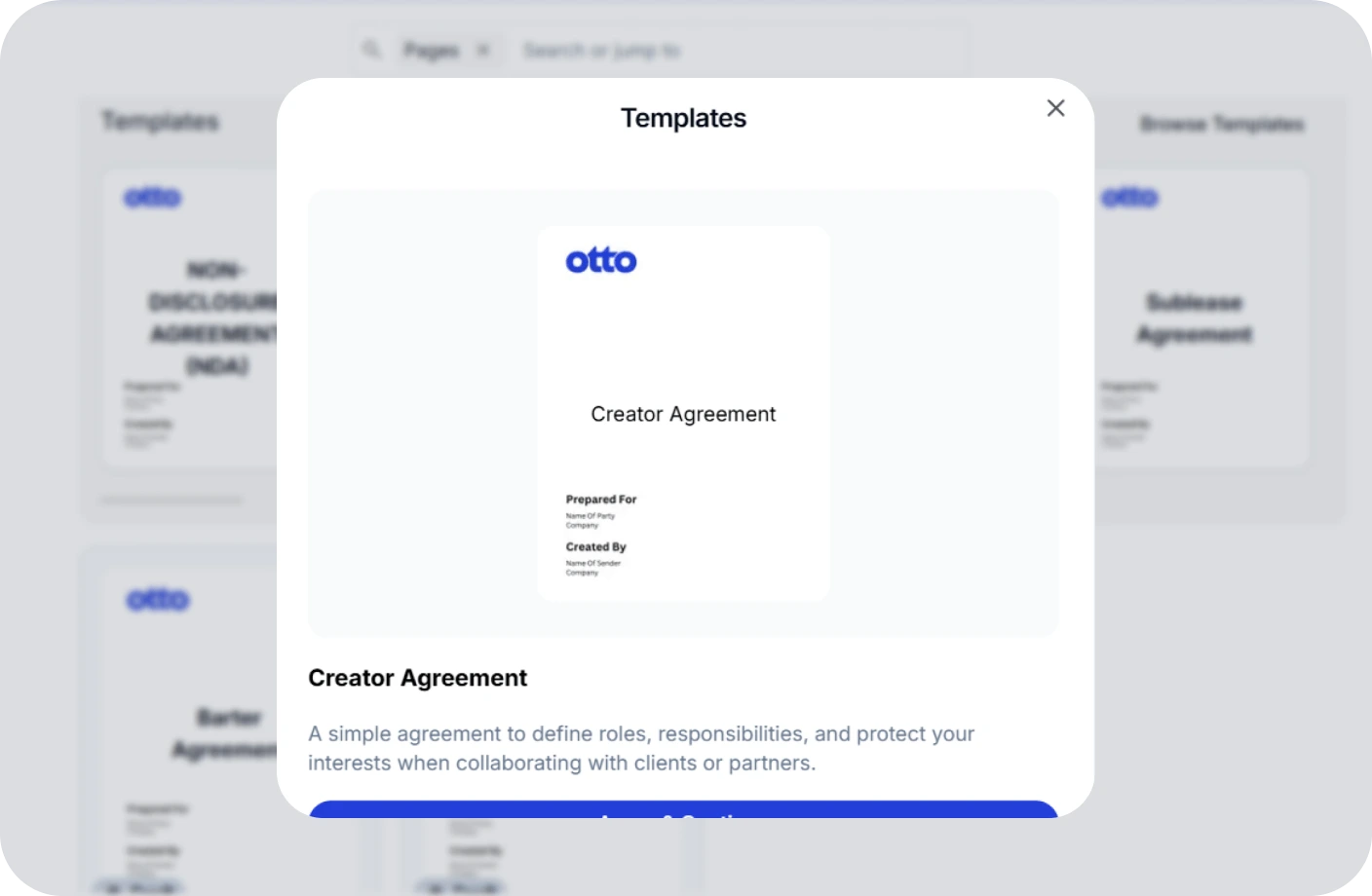
Optimized Contract Management
Craft, monitor, and digitally sign contracts to guarantee compliance and timeline adherence.
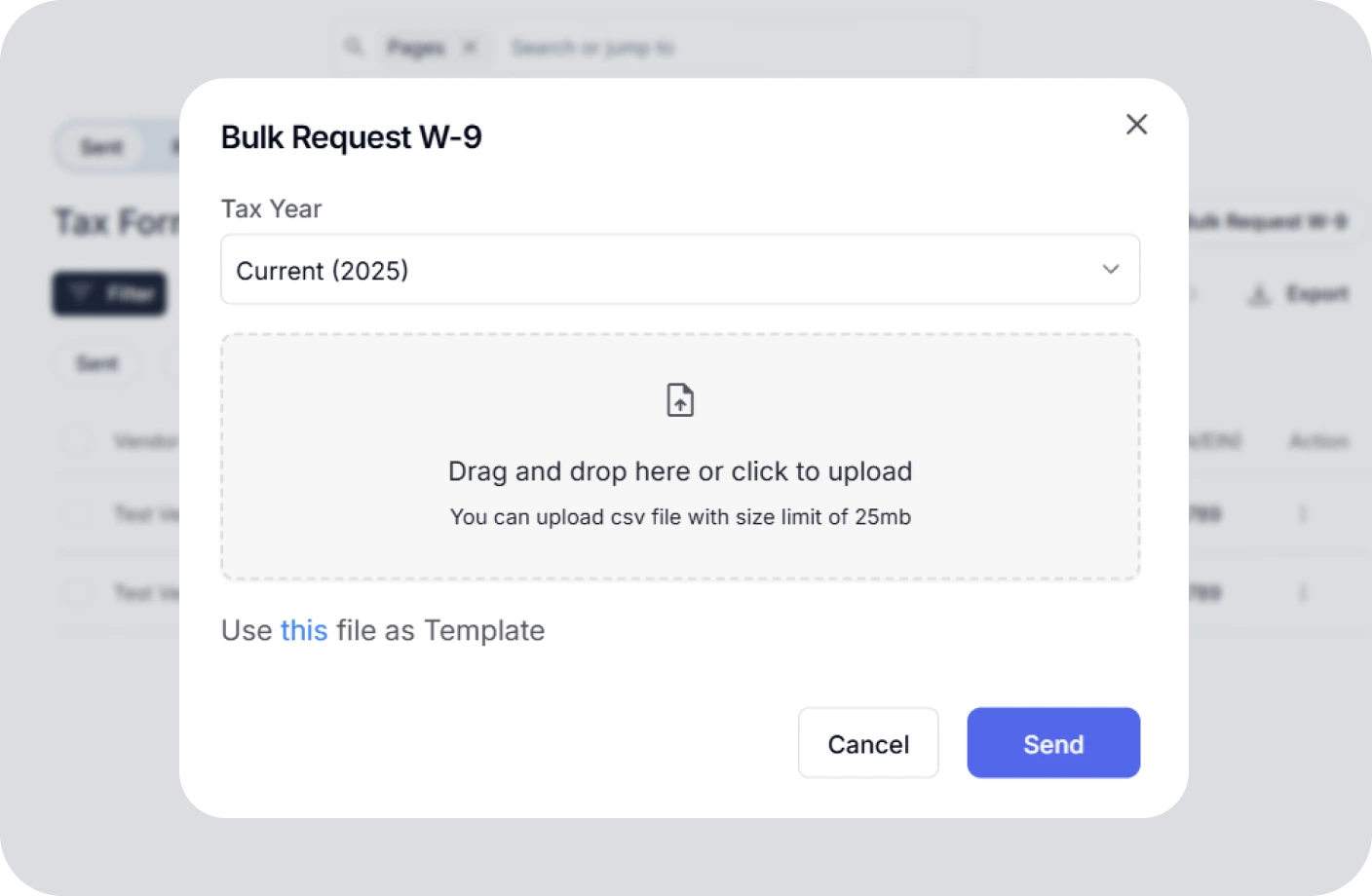
Smart Tax Planning
Use savvy tools and CPA expertise for strategic tax planning and deduction tracking.
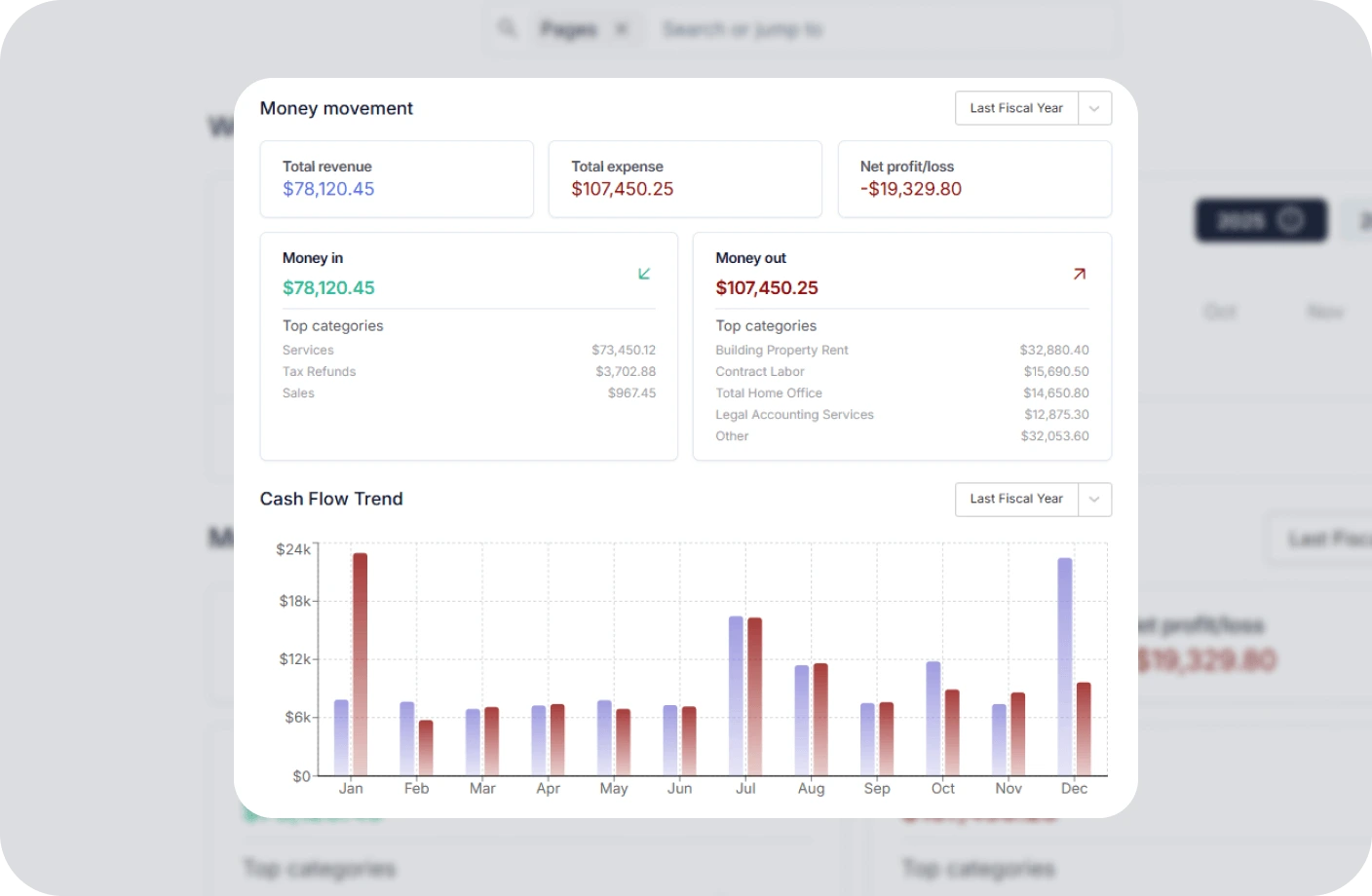
Insightful Business Reporting
Timely business reports offering insights and actionable steps for your current status.
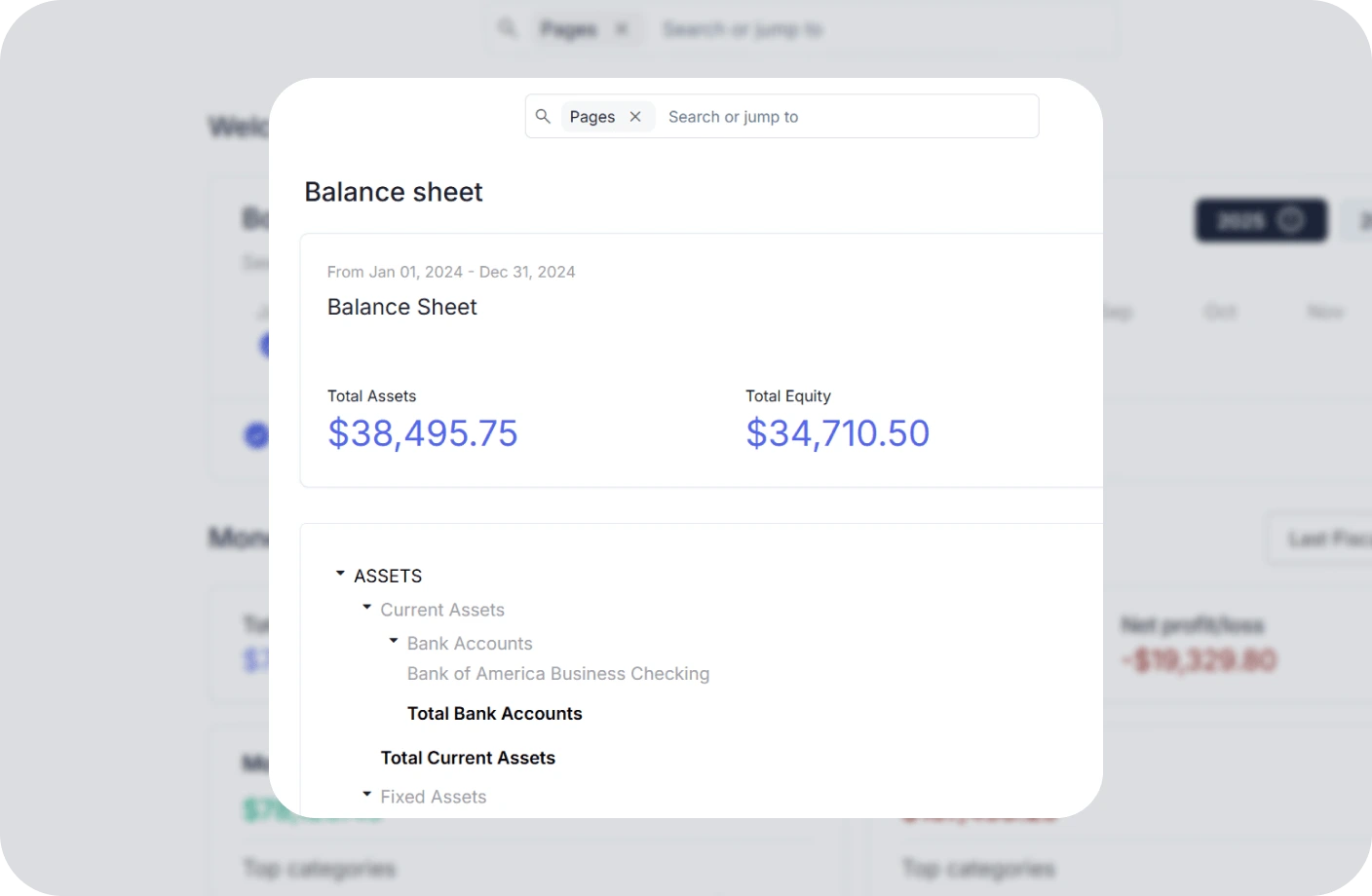
All-in-One Accounting Software
Comprehensive accounting solution covering books, taxes, and invoicing for creators.
Essential Creator Tools
Customized tools and vital resources tailored for all creators
Tools for YouTubers
Enhance your YouTube presence using advanced analytics and targeted growth tools.
TikTok Creator Tools
Craft standout TikTok content using the latest analysis tools and editing software.
Comprehensive Content Tools
Equip yourself with tools for content scheduling and audience connection.
Professional Video Tools
Access high-grade tools for video editing and optimization tailored for creators.
Influencer Growth Tools
Effectively manage partnerships and engagement to amplify your influence.
Advanced Photography Tools
Utilize cutting-edge tools for editing and showcasing your photography.
Related Comprehensive Invoicing Guides Resources
Must-read guides to excel in invoicing and payment management
Demystifying Invoicing: Key Concepts and Practices
Gain foundational knowledge of invoicing, covering types, essential features, and timely payment strategies.
The Ultimate Guide to Comprehensive Invoicing Guides for Creatives
Explore custom invoicing approaches designed for creatives like freelancers and designers to ensure smooth billing.
Crafting Invoices for Contractual Work
Step-by-step process for crafting precise invoices for contract gigs—covering terms and itemization.
Common Settlement Questions
Concise responses to frequent inquiries on payment settlement
What role does settlement play in payments?
Settlement finalizes the payment by directing funds from client to merchant post-authorization and clearing phases.
What are the steps in settling a payment?
Settlement involves three steps: Authorization, where funds are held; Clearing, exchanging details; and Settlement, final fund transfer.
How do authorization and settlement differ?
Authorization state guarantees fund availability, merely holding funds. Settlement initiates actual money movement, completing transactions.
What defines a settlement date?
Settlement dates denote when transfers conclude; varying with method—1-3 days for cards, ACH spans 1-2, international up to 7.
What causes settlement failures?
Causes include fund deficiency, outdated credentials, flagged fraud risks, incorrect data, or technical complications.
How can you ensure faster settlements?
Opt for speedier processors, embrace instant methods, submit prompt transactions, ensure data accuracy, and maintain favorable history experience.
Manage Your Comprehensive Invoicing Guides Without the Confusion
Create professional invoices, track settlements, and manage your payment processing effortlessly with Otto's invoicing platform.