Commercial Invoice: Definition & Overview
Learn what a commercial invoice means, why it matters for international trade and customs clearance, and what details it must include.
KEY TAKEAWAYS
-
✓
A commercial invoice is required by customs authorities to clear goods for international shipments.
-
✓
It contains seller and buyer details, item descriptions, quantities, prices, and country of origin.
-
✓
Commercial invoices are used specifically for international trade, unlike standard invoices used domestically.
What is a Commercial Invoice?
A commercial invoice is a legal document issued by a seller to a buyer that serves as a customs declaration, bill for goods, and proof of sale in international trade transactions. Unlike a standard invoice used for domestic sales, a commercial invoice includes additional information required by customs authorities to assess duties and taxes. It is one of the most important documents in export documentation and must accompany every international shipment.
What Information is Included on a Commercial Invoice?
A commercial invoice must include specific details to meet customs requirements:
-
•
Seller and buyer names, addresses, and contact information.
-
•
Description of goods, including quantity, weight, and Harmonized System (HS) codes.
-
•
Unit price, total value, and currency of the transaction.
-
•
Country of origin and terms of sale (Incoterms).
-
•
Invoice number, invoice date, and payment terms.
How Does a Commercial Invoice Work in International Trade?
When goods are shipped across international borders, the commercial invoice accompanies the shipment and is presented to customs authorities in both the exporting and importing countries. The exporter prepares the commercial invoice as part of the shipping documentation package, which may also include a packing list and bill of lading. The importer uses the commercial invoice to verify the shipment and clear it through customs.
Many businesses use invoicing software to generate commercial invoices that include all the required fields for international shipping. A platform like Otto's invoicing can help you create compliant commercial invoices, track international payments, and manage your export documentation efficiently.
Why is a Commercial Invoice Important for Customs Clearance?
Customs authorities rely on the commercial invoice to assess duties and taxes, verify that the goods match the declared description, and ensure compliance with trade regulations. An inaccurate or incomplete commercial invoice can result in shipment delays, fines, or even seizure of goods. The commercial invoice is also used to determine the country of origin, which affects tariff rates and trade agreement eligibility. Accurate documentation is essential for smooth shipping and customs clearance.
Commercial Invoice vs. Proforma Invoice
A proforma invoice is a preliminary document sent to a buyer before a transaction is finalized. It provides an estimated cost but is not a legally binding document. A commercial invoice, on the other hand, is the final document used for customs clearance and payment. The key difference is that a proforma invoice is a quote, while a commercial invoice is a binding record of sale used for international trade and customs purposes.
Summary
A commercial invoice is an essential document for international trade that serves as a customs declaration, bill of sale, and proof of transaction. It contains detailed information about the seller, buyer, goods, and terms of sale that customs authorities require for clearance. Understanding how to prepare accurate commercial invoices is critical for any business involved in exporting or importing goods.
Using invoicing software like Otto makes it easy to create compliant commercial invoices, manage export documentation, and streamline your international billing process from one place.
How Commercial Invoices Apply to Your Business
When will you actually use this?
Commercial invoices aren't just for large corporations. They are essential for any business engaged in cross-border trade. Here's when you'll use them:
International Shipping
Generate commercial invoices for every international shipment to ensure smooth transit through customs and proper duty assessment.
Customs Clearance
Provide accurate commercial invoices to customs brokers and authorities to avoid delays, fines, or seizure of goods at the border.
Export Documentation
Prepare commercial invoices as part of your complete export documentation package alongside packing lists and bills of lading.
Banking & Letters of Credit
Submit commercial invoices to banks as part of letter of credit documentation for international payment processing and trade finance.
Tax & Duty Calculations
Use commercial invoice values to accurately calculate import duties, VAT, sales tax, and other cross-border taxes and fees.
Insurance Claims
Provide commercial invoices as proof of value when filing insurance claims for damaged, lost, or delayed goods during international transit.
Recommended Reading
Expand your knowledge with these related invoicing topics
Deposit Invoice
Learn how deposit invoices work and when to use them for your business transactions.
Proforma Invoice
Understand proforma invoices and how they differ from standard invoices.
Payment Terms
Explore common payment terms and how to set them for advance payments and invoices.
Recurring Invoice
How recurring invoices work with advance payments for subscription-based businesses.
Payment Terms
Best practices for setting payment terms and expectations for advance payments.
Invoice Number
How to properly number invoices and track advance payment invoices in your system.
Free Invoice Templates
Professional invoice templates designed for every type of creator and freelancer.
DJ Invoice Template
Professional DJ invoice template for gigs, events, and private bookings with customizable payment terms and service breakdowns.
Event Planner Invoice Template
Streamlined invoice template for event planners covering venue coordination, vendor management, and client billing.
Photographer Invoice Template
Tailored invoice template for photographers covering session fees, print orders, usage rights, and travel expenses.
Videographer Invoice Template
Professional videographer invoice template for filming projects, editing services, and production work with clear milestone billing.
Web Developer Invoice Template
Developer-friendly invoice template for web projects, hourly billing, fixed-price contracts, maintenance retainers, and custom modules.
Content Creator Invoice Template
Versatile invoice template for content creators covering sponsorships, affiliate income, content production, and brand deals.
Real Invoicing Questions From the Community
Explore Reddit-backed Otto invoicing guides based on real conversations about payments, invoices, deposits, billing, and cash flow systems.
One Platform: From Entity Setup to Closing Reports
Comprehensive financial solutions for your business needs.
Entity Management
Easily manage legal entities, compliance, and ownership in one platform.
Invoicing
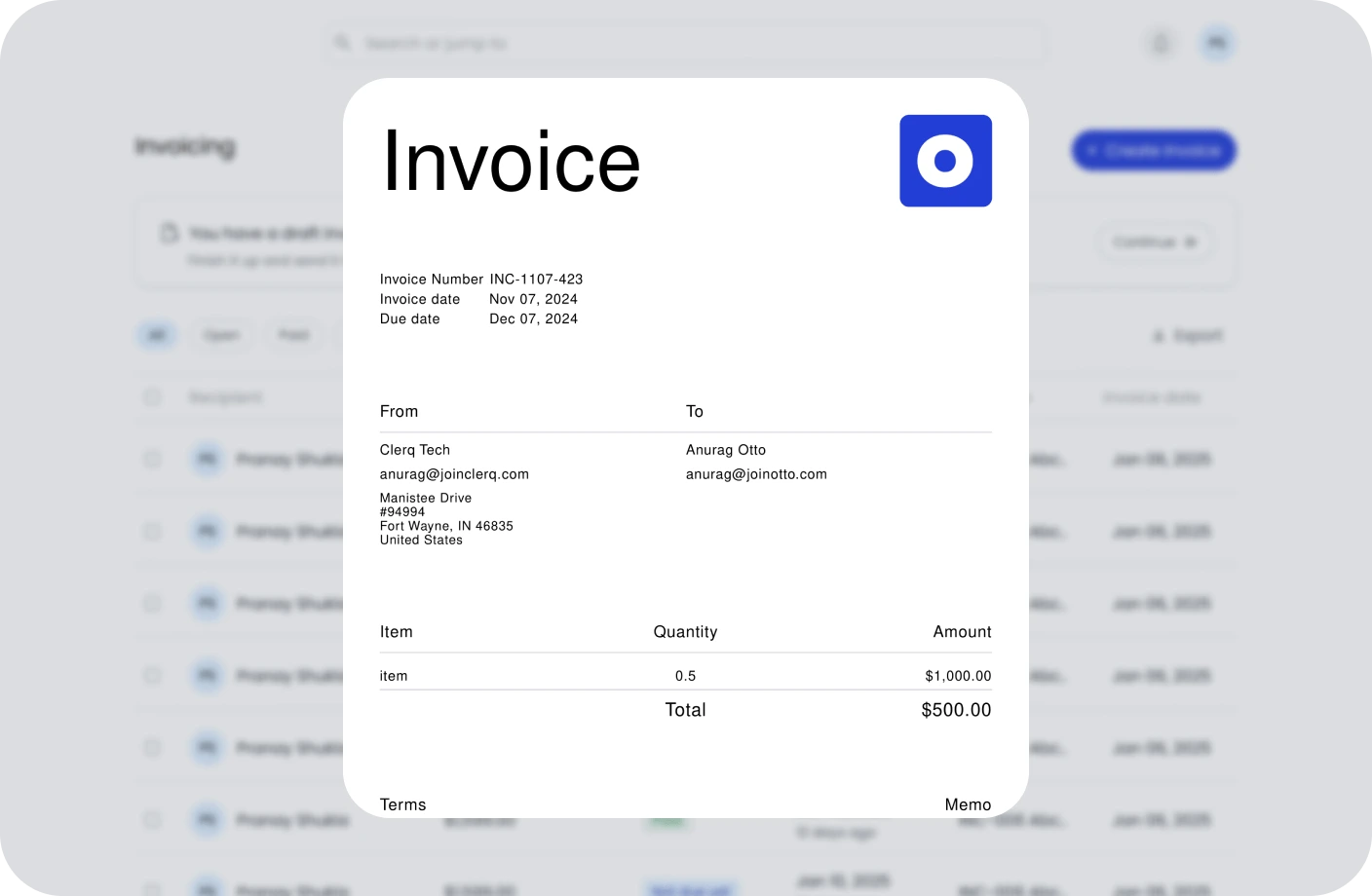
Create, send, and manage invoices. Track payments and assure timely cash flow.
Contracts
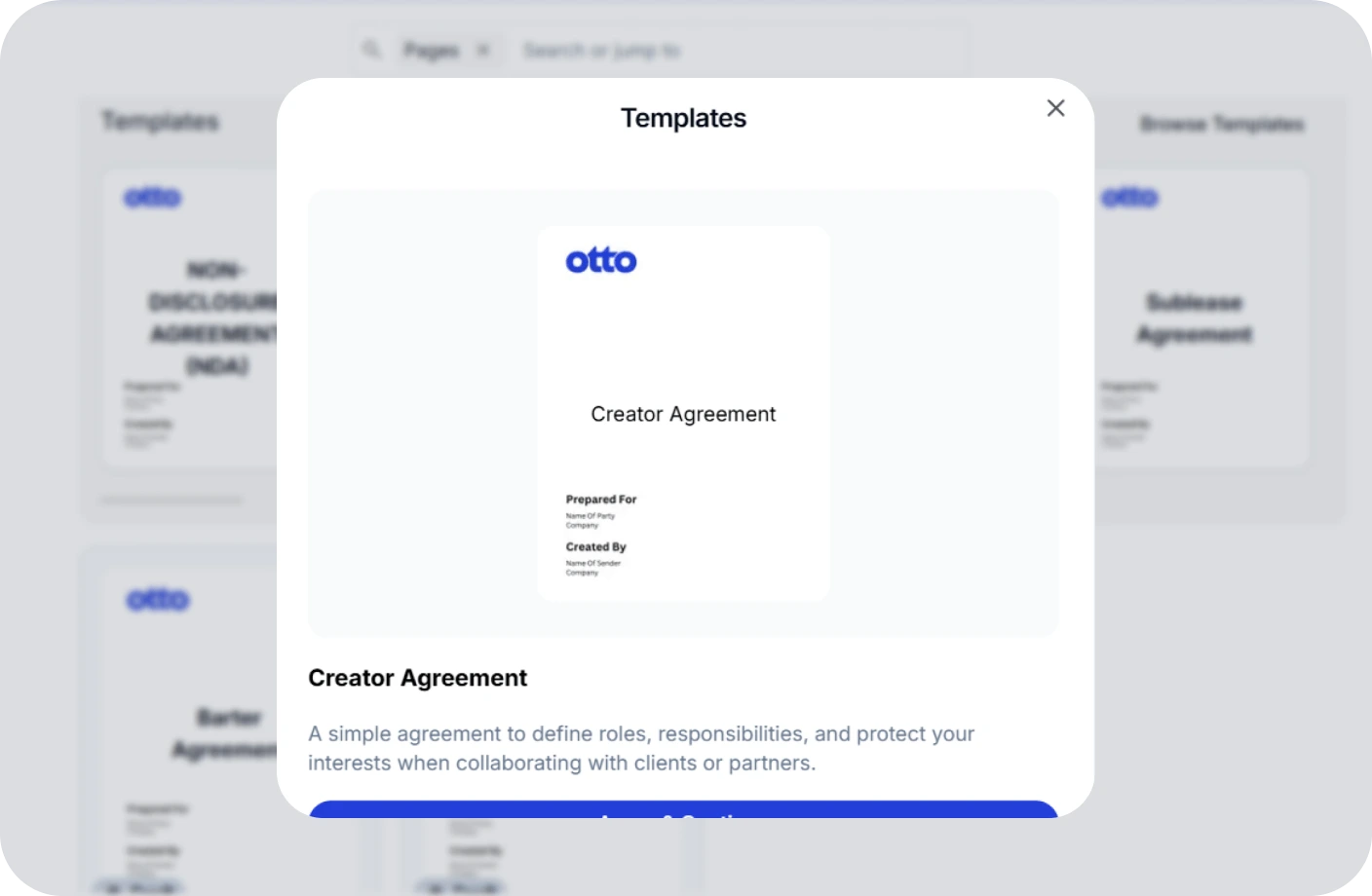
Create, track, and e-sign contracts to ensure compliance and deadlines.
Taxes
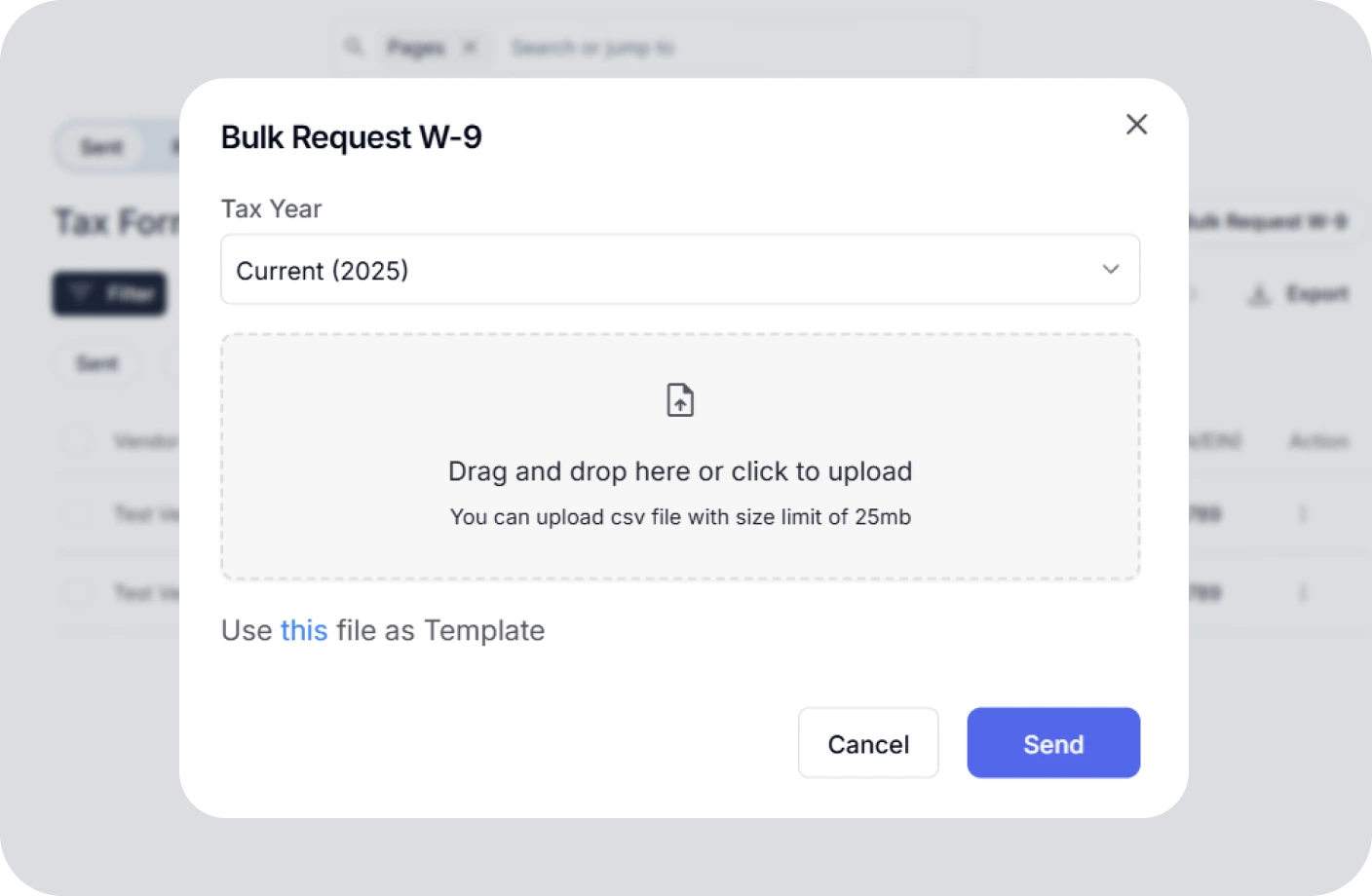
Confidently plan taxes with expert CPAs and smart tools to track deductions.
Reports
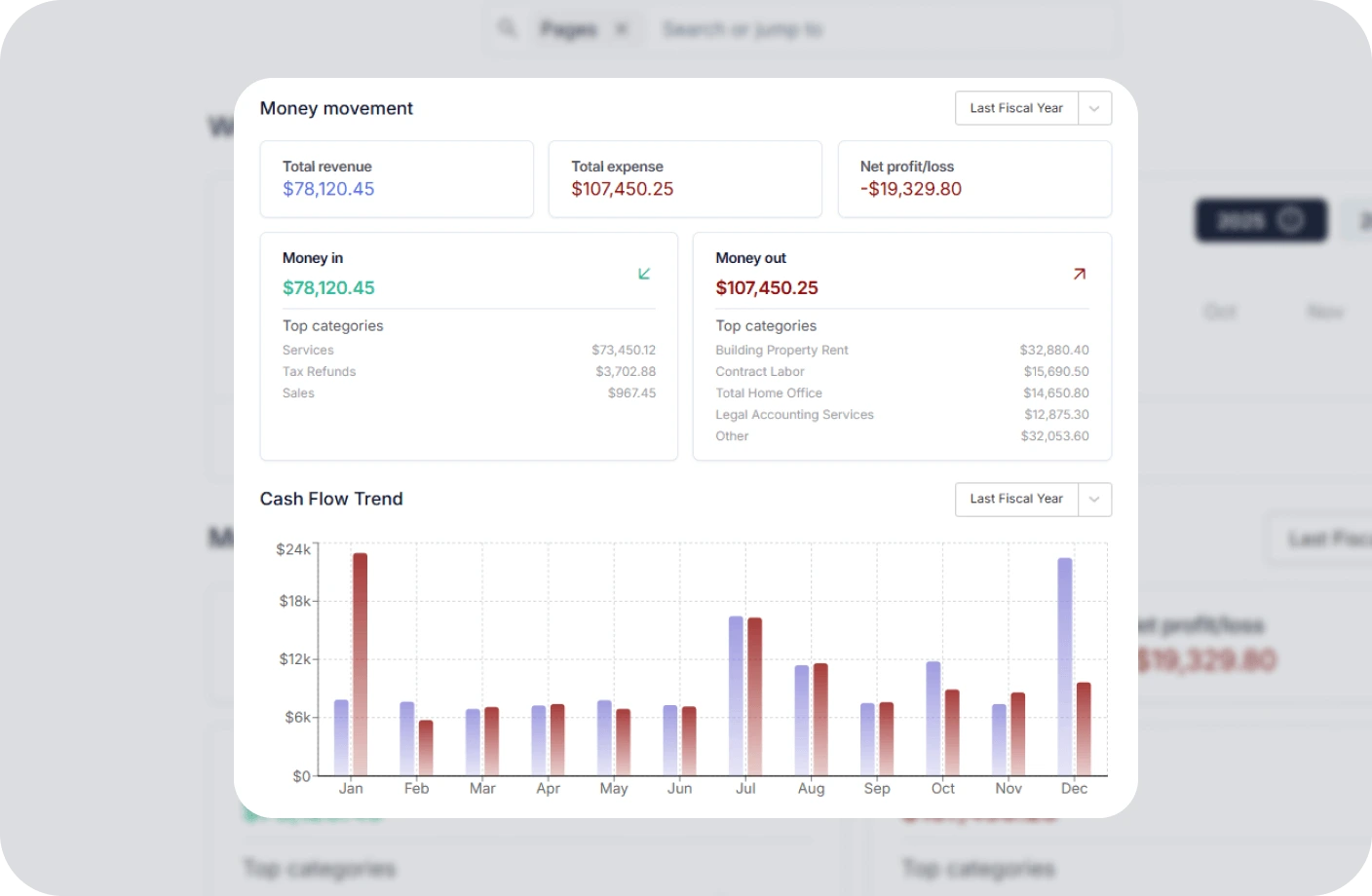
Real time business reports show where you stand today and what to do next.
Accounting
All in one accounting software for creators to handle your books, taxes, invoices, contracts.
Creator Tools
Specialized tools and resources for every type of creator
YouTubers Tools
Optimize your YouTube channel with analytics, thumbnail generators, and growth tools.
TikTokers Tools
Create viral TikTok content with trend analysis, caption generators, and editing tools.
Content Creators Tools
Comprehensive toolkit for content creation, scheduling, and audience engagement.
Video Creators Tools
Professional video editing, compression, and optimization tools for creators.
Influencers Tools
Manage brand partnerships, track engagement, and maximize your influencer income.
Photographers Tools
Photo editing, watermarking, and portfolio management tools for photographers.
Related Invoicing Resources
Essential guides to help you master invoicing and payments
What Is an Invoice? Everything You Need to Know
Learn the fundamentals of invoicing, including key components, different types of invoices, and best practices for getting paid on time.
The Ultimate Guide to Invoicing for Creatives
Discover tailored invoicing strategies for freelancers, designers, photographers, and other creative professionals to streamline billing.
How to Write an Invoice for Contract Work
A complete step-by-step guide to creating professional invoices for contract jobs, including payment terms, itemization, and follow-up tips.
Commercial Invoice FAQs
Quick answers to common questions about commercial invoices
What is a commercial invoice in simple terms?
A commercial invoice is a document used in international trade that lists the goods being sold, their value, and the parties involved. It is required by customs authorities to assess duties and taxes.
What information must be included on a commercial invoice?
A commercial invoice must include seller and buyer details, a description of goods, quantity and value, country of origin, Harmonized System (HS) codes, terms of sale (Incoterms), currency, invoice date and number, and the total amount due.
What is the difference between a commercial invoice and a proforma invoice?
A proforma invoice is a preliminary quote sent before a transaction, while a commercial invoice is the final legal document used for customs clearance and payment after the sale is confirmed.
Why is a commercial invoice important for customs clearance?
Customs authorities use the commercial invoice to verify the shipment, assess duties and taxes, ensure compliance with trade regulations, and prevent illegal or misdeclared goods from crossing borders.
Is a commercial invoice required for international shipping?
Yes, a commercial invoice is required for most international shipments. It serves as the primary customs document and must accompany the goods being exported or imported.
Who issues the commercial invoice in a trade transaction?
The seller or exporter issues the commercial invoice to the buyer or importer. It must be accurate and complete to avoid delays or penalties during customs clearance.
Manage Your Invoicing Without the Confusion
Create professional invoices, track international shipments, and manage your billing effortlessly with Otto's invoicing platform.