Invoice Financing: Definition & Overview
Learn what invoice financing means, how it unlocks cash from unpaid invoices, and whether it's the right funding option for your business.
KEY TAKEAWAYS
-
✓
Businesses can borrow against unpaid invoices to access working capital without waiting for payment terms.
-
✓
Lenders typically advance 70-90% of the invoice value upfront, with the remainder paid when the customer settles the invoice.
-
✓
Fees are based on the time it takes for customers to pay, typically ranging from 1% to 5% of the invoice value.
What is Invoice Financing?
Invoice financing is a funding method that allows businesses to borrow money against their unpaid invoices. When you issue an invoice to a customer, you typically have to wait 30, 60, or even 90 days to receive payment. Instead of waiting, you can use that invoice as collateral to get cash quickly from a lender. This helps bridge the gap between delivering goods or services and getting paid, keeping your business running smoothly without cash flow interruptions.
How does Invoice Financing work?
The process is straightforward. First, your business issues an invoice to a customer for goods or services delivered. Instead of waiting for payment, you submit that invoice to a financing company. The lender evaluates the invoice and your customer's creditworthiness, then advances a percentage of the invoice value typically between 70% and 90% directly to your business.
Once your customer pays the invoice in full, the financing company releases the remaining balance to you, minus their fees. The entire process can take as little as 24 to 48 hours from application to funding, making it one of the fastest ways for businesses to access working capital.
Types of Invoice Financing
There are two main types of invoice financing:
-
•
Invoice Factoring: You sell your invoices to a factoring company. They take over collection and your customers pay them directly. This is often easier to qualify for but means your customers know you are using financing.
-
•
Invoice Discounting: You borrow against your invoices but retain control of your sales ledger and customer relationships. Your customers pay you directly, and the arrangement stays confidential. This typically requires stronger creditworthiness.
Costs and Fees
Invoice financing costs vary depending on the lender, the volume of invoices, and how quickly your customers pay. The primary cost is a discount fee or factor fee, typically ranging from 1% to 5% of the invoice value per month. Some lenders also charge setup fees, service fees, or early repayment fees if your customers pay sooner than expected.
It is important to calculate the effective annual rate when comparing invoice financing to other funding options. While fees may seem reasonable on a per-invoice basis, they can add up if your customers take a long time to pay.
Eligibility Requirements
Most invoice financing lenders require your business to be B2B (business-to-business), have a minimum monthly invoice volume (often around $10,000 to $20,000), operate on credit terms like Net 30 or Net 60, and have customers with good payment histories. Unlike traditional bank loans, approval is based more on the quality of your invoices and your customers' credit than on your personal credit score or business history.
Pros and Cons of Invoice Financing
Like any financial product, invoice financing has advantages and disadvantages:
Pros:
-
+
Quick access to cash, often within 24-48 hours
-
+
Easier to qualify for than traditional bank loans
-
+
No collateral required beyond your invoices
-
+
Funding grows with your sales volume
Cons:
-
−
Fees can be expensive compared to traditional loans
-
−
Factoring may affect customer relationships if they know you are using financing
-
−
Risk of dependency on financing for day-to-day operations
-
−
Not all invoices qualify as lenders assess customer credit risk
Summary
Invoice financing is a powerful tool for businesses that need to improve cash flow without waiting for customers to pay. By using unpaid invoices as collateral, companies can access working capital quickly, invest in growth, and manage their finances more effectively. Whether you choose factoring or discounting, it is important to understand the costs and choose a lender that fits your business model.
Using invoicing software like Otto can help you manage invoices, track payments, and maintain a healthy cash flow so you can reduce the need for external financing over time.
How Invoice Financing Applies to Your Business
When will you actually use this?
Invoice financing can help businesses of all sizes bridge cash flow gaps and unlock growth. Here are the most common scenarios where it makes sense:
Cash Flow Gaps
Bridge the gap between issuing invoices and receiving payments to cover operating expenses.
Business Growth
Access working capital to invest in inventory, equipment, or new hires without waiting for payments.
Seasonal Businesses
Manage cash flow during slow seasons by financing invoices from peak periods.
Startup Funding
Use invoice financing as an alternative to traditional bank loans when credit history is limited.
Large Client Projects
Finance large invoices from corporate clients with extended payment terms like Net 60 or Net 90.
Emergency Expenses
Access quick cash from unpaid invoices to handle unexpected business expenses or opportunities.
Recommended Reading
Expand your knowledge with these related invoicing topics
Deposit Invoice
Learn how deposit invoices work and when to use them for your business transactions.
Proforma Invoice
Understand proforma invoices and how they differ from standard invoices.
Payment Terms
Explore common payment terms and how to set them for advance payments and invoices.
Recurring Invoice
How recurring invoices work with advance payments for subscription-based businesses.
Payment Terms
Best practices for setting payment terms and expectations for advance payments.
Invoice Number
How to properly number invoices and track advance payment invoices in your system.
Free Invoice Templates
Professional invoice templates designed for every type of creator and freelancer.
DJ Invoice Template
Professional DJ invoice template for gigs, events, and private bookings with customizable payment terms and service breakdowns.
Event Planner Invoice Template
Streamlined invoice template for event planners covering venue coordination, vendor management, and client billing.
Photographer Invoice Template
Tailored invoice template for photographers covering session fees, print orders, usage rights, and travel expenses.
Videographer Invoice Template
Professional videographer invoice template for filming projects, editing services, and production work with clear milestone billing.
Web Developer Invoice Template
Developer-friendly invoice template for web projects, hourly billing, fixed-price contracts, maintenance retainers, and custom modules.
Content Creator Invoice Template
Versatile invoice template for content creators covering sponsorships, affiliate income, content production, and brand deals.
Real Invoicing Questions From the Community
Explore Reddit-backed Otto invoicing guides based on real conversations about payments, invoices, deposits, billing, and cash flow systems.
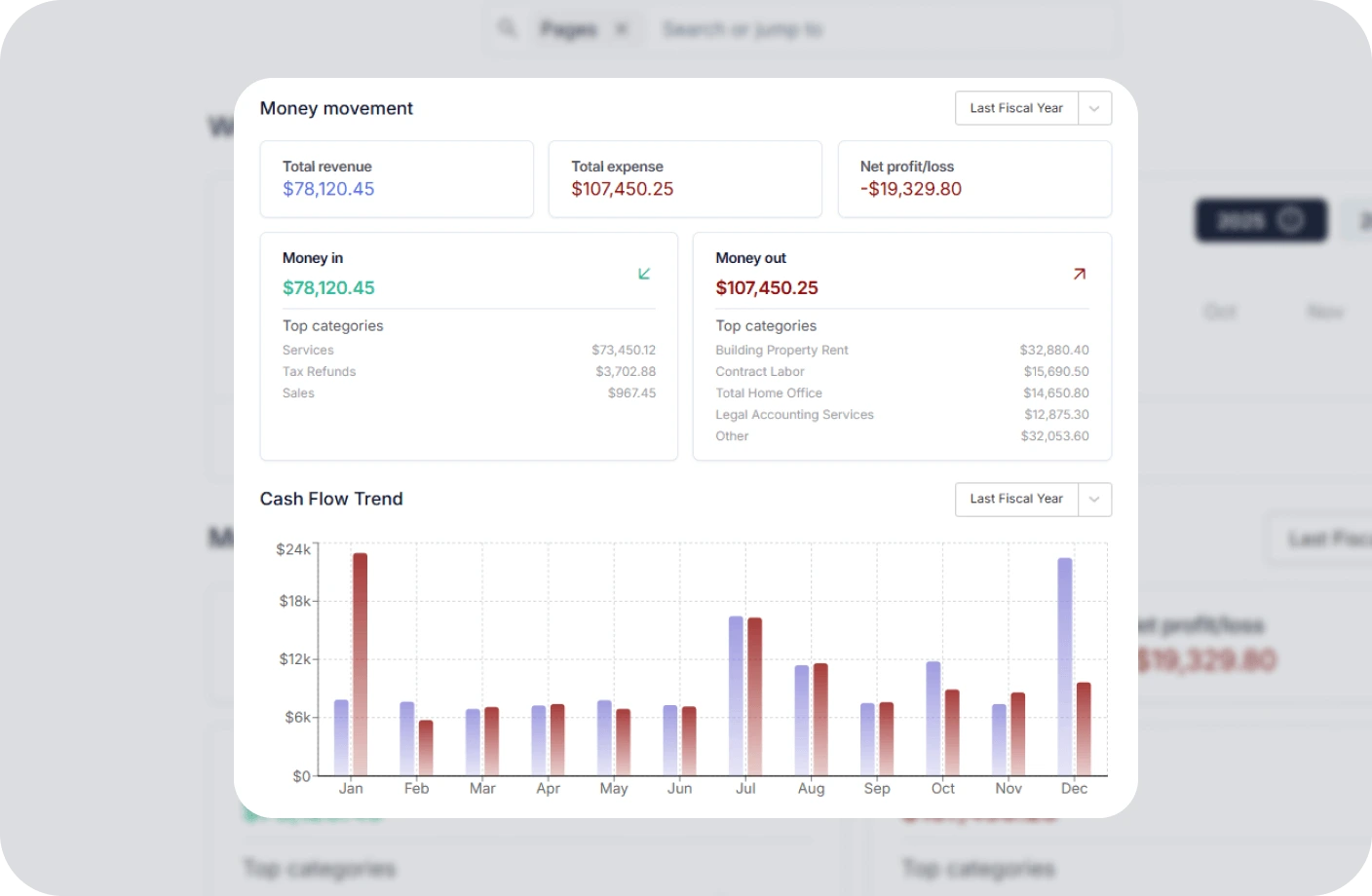
One Platform: From Entity Setup to Closing Reports
Comprehensive financial solutions for your business needs.
Entity Management
Easily manage legal entities, compliance, and ownership in one platform.
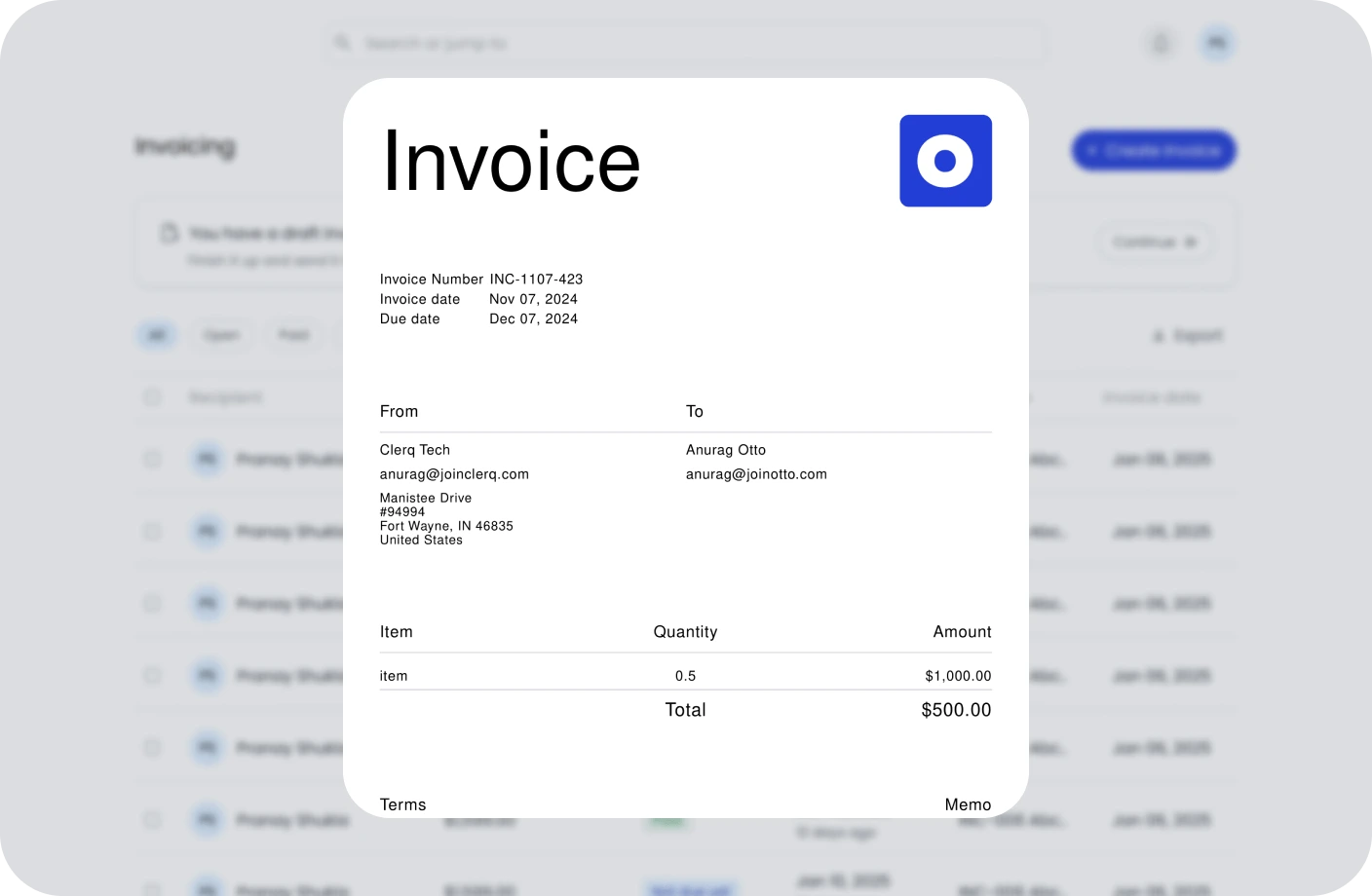
Invoicing
Create, send, and manage invoices. Track payments and assure timely cash flow.
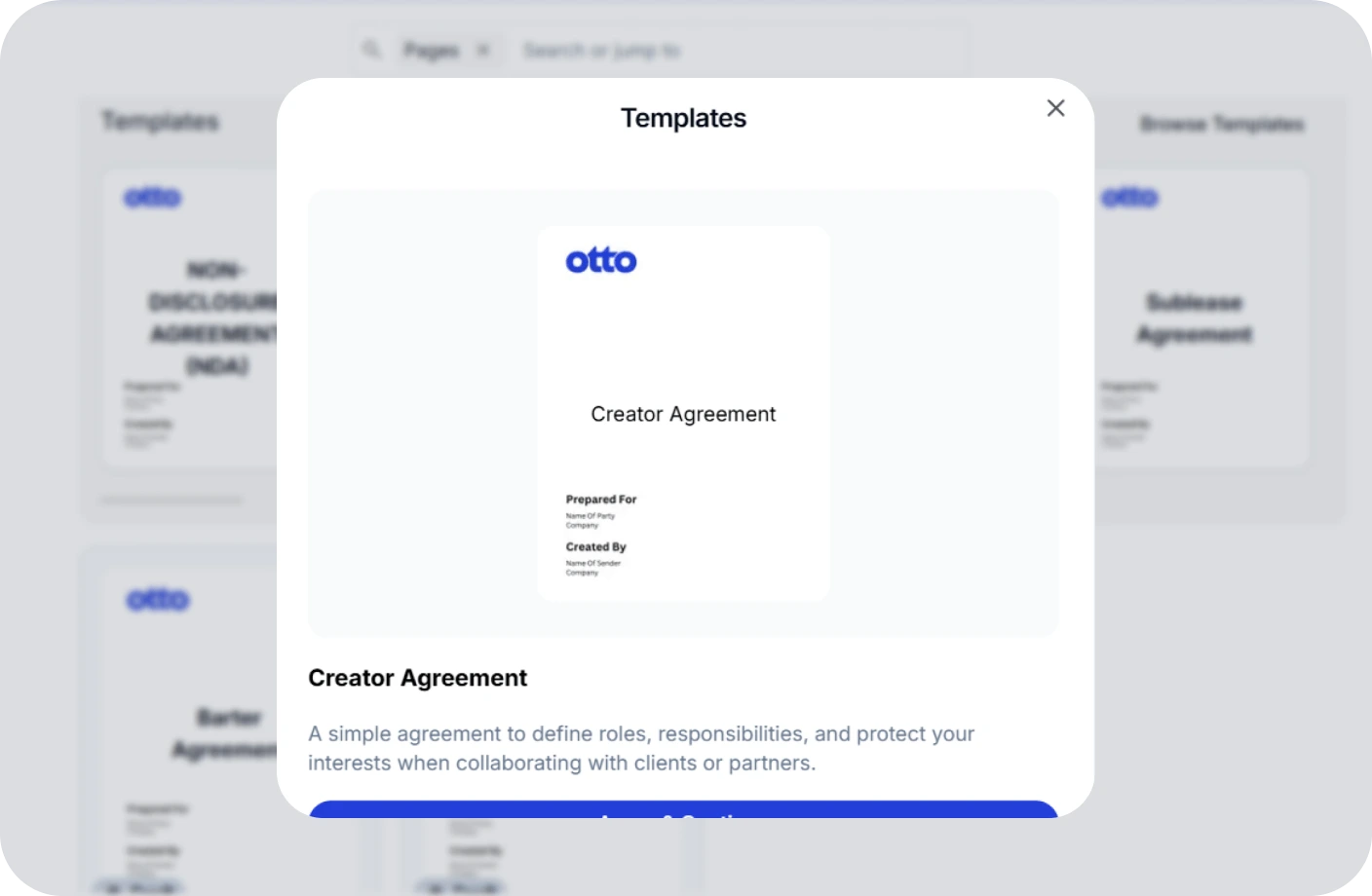
Contracts
Create, track, and e-sign contracts to ensure compliance and deadlines.
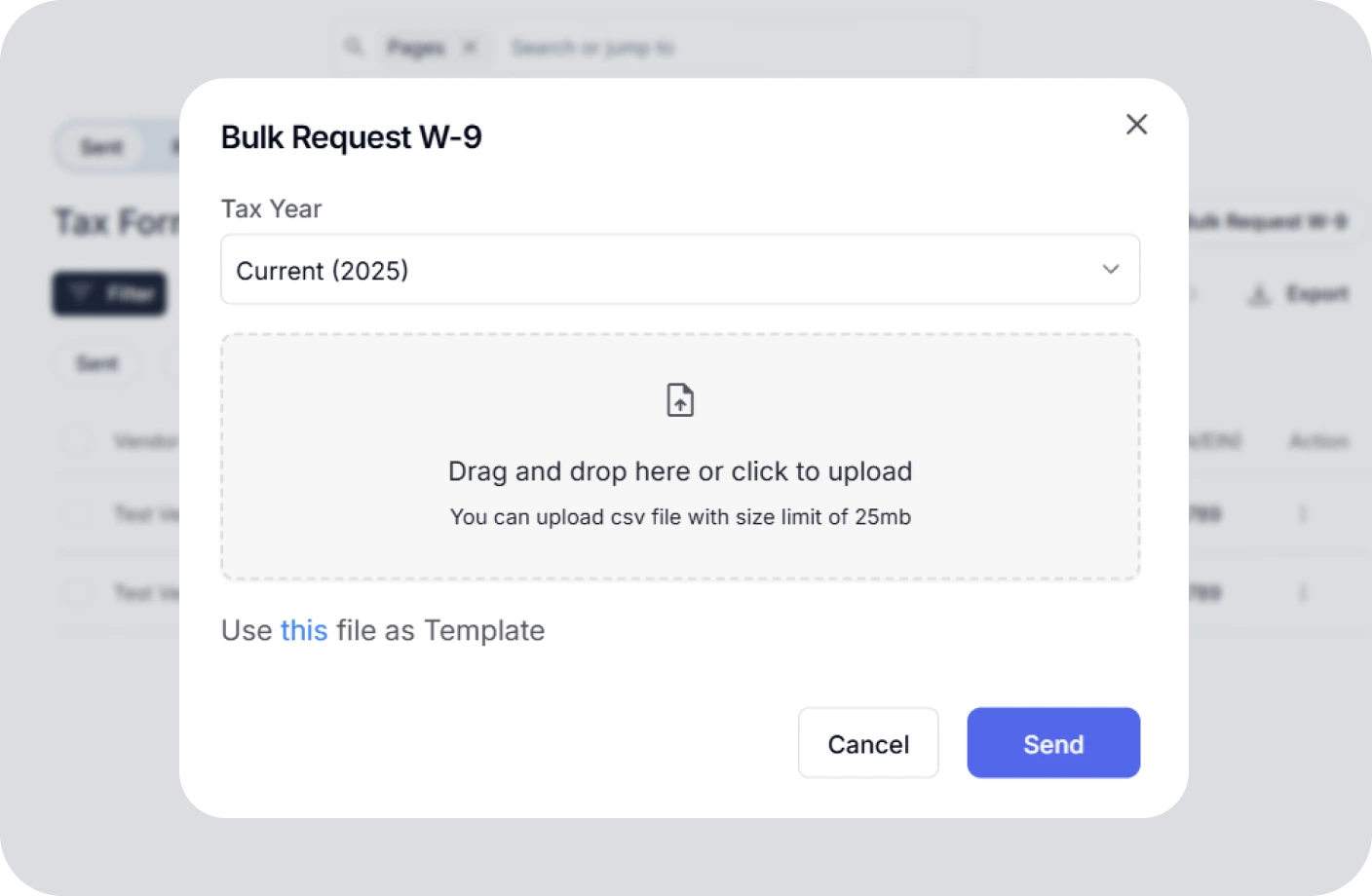
Taxes
Confidently plan taxes with expert CPAs and smart tools to track deductions.
Reports
Real time business reports show where you stand today and what to do next.
Accounting
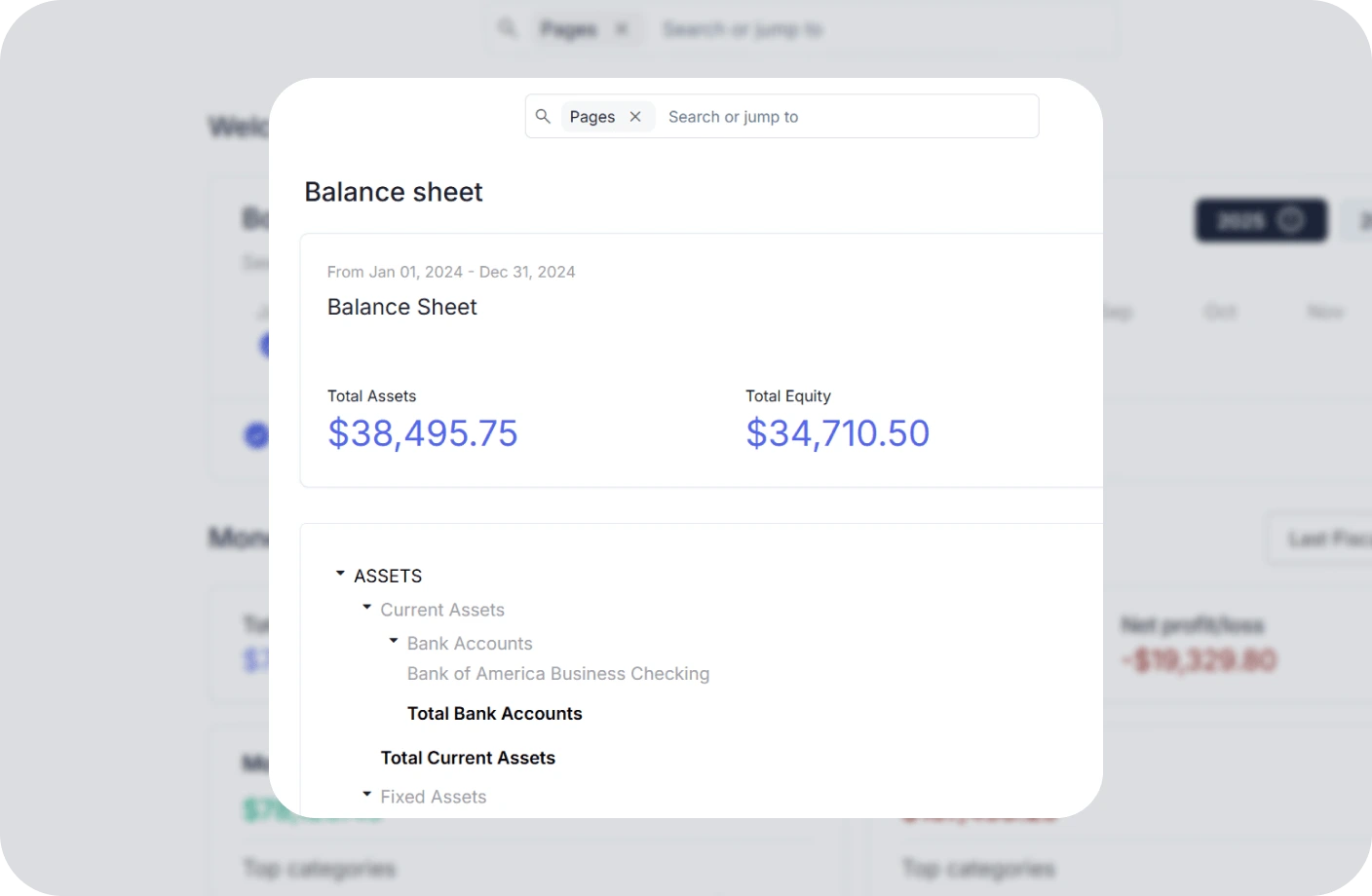
All in one accounting software for creators to handle your books, taxes, invoices, contracts.
Creator Tools
Specialized tools and resources for every type of creator
YouTubers Tools
Optimize your YouTube channel with analytics, thumbnail generators, and growth tools.
TikTokers Tools
Create viral TikTok content with trend analysis, caption generators, and editing tools.
Content Creators Tools
Comprehensive toolkit for content creation, scheduling, and audience engagement.
Video Creators Tools
Professional video editing, compression, and optimization tools for creators.
Influencers Tools
Manage brand partnerships, track engagement, and maximize your influencer income.
Photographers Tools
Photo editing, watermarking, and portfolio management tools for photographers.
Related Invoicing Resources
Essential guides to help you master invoicing and payments
What Is an Invoice? Everything You Need to Know
Learn the fundamentals of invoicing, including key components, different types of invoices, and best practices for getting paid on time.
The Ultimate Guide to Invoicing for Creatives
Discover tailored invoicing strategies for freelancers, designers, photographers, and other creative professionals to streamline billing.
How to Write an Invoice for Contract Work
A complete step-by-step guide to creating professional invoices for contract jobs, including payment terms, itemization, and follow-up tips.
Invoice Financing FAQs
Quick answers to common questions about invoice financing
What is invoice financing in simple terms?
Invoice financing is a way for businesses to borrow money against their unpaid invoices. Instead of waiting 30, 60, or 90 days for customers to pay, a lender advances a percentage of the invoice amount upfront, giving the business quick access to working capital.
How does invoice financing work?
A business issues an invoice to a customer, then sells or borrows against that invoice through a financing company. The lender advances 70-90% of the invoice value upfront. When the customer pays the invoice, the lender releases the remaining balance minus fees.
What is the difference between invoice factoring and invoice discounting?
With invoice factoring, you sell your invoices to a third party who collects payments directly from your customers. With invoice discounting, you borrow against your invoices but retain control of your sales ledger and customer relationships, keeping the arrangement confidential.
What are the costs of invoice financing?
Invoice financing costs typically include a discount fee or factor fee ranging from 1% to 5% of the invoice value per month. There may also be setup fees, service charges, and early repayment fees. The total cost depends on how long it takes your customers to pay.
What are the eligibility requirements for invoice financing?
Most lenders require your business to be B2B, have a minimum monthly invoice volume, operate on credit terms (Net 30 or longer), and have customers with good credit. Startups and businesses with poor personal credit may still qualify since approval is based on invoice quality.
What are the pros and cons of invoice financing?
Pros include quick access to cash, improved cash flow, easier qualification than bank loans, and no need for collateral beyond invoices. Cons include costs and fees, potential impact on customer relationships with factoring, and the risk of becoming dependent on financing for day-to-day operations.
Manage Your Invoicing Without the Confusion
Create professional invoices, track payments, and manage your billing effortlessly with Otto's invoicing platform.