Credit Note: Definition & Overview
Learn what a credit note means, when and why to issue one, and how it works in invoicing, accounting, and customer refunds.
KEY TAKEAWAYS
-
✓
A credit note is issued by a seller to reduce the amount a buyer owes, typically for returned goods or billing corrections.
-
✓
Issuing credit notes reduces the amount owed by the buyer and helps maintain accurate financial records.
-
✓
Credit notes are used to correct billing errors, process returns and refunds, and apply post-sale discounts.
What is a Credit Note?
A credit note (also called a credit memo or credit memorandum) is a document issued by a seller to a buyer that reduces the amount the buyer owes on a previous invoice. Think of it as a negative invoice. If you run a small online store and a customer returns a damaged item, you would issue a credit note to cancel the charge for that item and adjust your records accordingly. Credit notes are an essential part of accurate billing and customer service.
When to Issue a Credit Note
There are several common situations where you would issue a credit note:
-
•
Customer returns: When a customer returns goods due to defects, dissatisfaction, or change of mind, a credit note adjusts the original invoice.
-
•
Overbilling: If you accidentally charged a customer more than the agreed amount, a credit note corrects the overcharge and adjusts the balance.
-
•
Post-sale discounts: When you offer a discount or promotional credit after the original invoice has been sent, a credit note applies the adjustment.
How Credit Notes Work in Accounting
In accounting, issuing a credit note reduces your accounts receivable and your sales revenue. If the original invoice included sales tax, the credit note also reduces the tax liability. The credit note is recorded as a debit to sales returns and allowances (or a direct reduction of sales revenue) and a credit to accounts receivable. This ensures your financial statements accurately reflect the reduction in income.
Using reliable accounting software can help you track credit notes and their impact on your revenue, taxes, and customer balances automatically.
Credit Note vs. Debit Note
A credit note and a debit note serve opposite purposes. A credit note is issued by the seller to reduce the amount the buyer owes. A debit note is issued by the buyer to request a correction or to indicate an increase in the amount owed. In simple terms, credit notes adjust downward while debit notes adjust upward. Understanding the difference is important for accurate bookkeeping and dispute resolution.
Importance of Credit Notes for Financial Records
Credit notes are crucial for maintaining accurate financial records. They provide a formal paper trail for returns, refunds, and adjustments, which is essential for tax compliance, auditing, and customer dispute resolution. Without proper credit notes, your revenue figures would be overstated and your tax filings could be incorrect. Issuing credit notes promptly also helps maintain good customer relationships by showing transparency and fairness in billing.
Summary
Credit notes are an essential tool for businesses that handle returns, refunds, overbilling, or post-sale adjustments. They reduce the amount a buyer owes, correct billing errors, and ensure your financial records stay accurate. Whether you run a retail store, a service business, or an online subscription platform, understanding credit notes helps you manage customer transactions professionally.
Using invoicing software like Otto makes it easy to create credit notes, link them to original invoices, and keep your books balanced throughout the adjustment process.
How Credit Notes Apply to Your Business
When will you actually use this?
Credit notes are a practical tool that every business owner encounters. They help you handle customer issues professionally while keeping your books accurate. Here's when you'll use them:
Customer Returns
Issue a credit note when a customer returns a product due to damage, defect, or dissatisfaction to adjust the original invoice.
Billing Corrections
Use credit notes to correct overcharges, duplicate billings, or incorrect amounts on previously issued invoices.
Discount Adjustments
Apply post-sale discounts, promotional credits, or goodwill adjustments by issuing a credit note to reduce the customer's balance.
Warranty Claims
Process warranty or guarantee claims by issuing credit notes for defective products, service failures, or items that did not meet specifications.
Volume Rebates
Provide credit notes to customers who earned volume-based discounts, loyalty rebates, or annual purchase bonuses after the original sale.
Account Adjustments
Correct minor billing discrepancies or apply goodwill credits without requiring a full invoice cancellation or reissuance.
Recommended Reading
Expand your knowledge with these related invoicing topics
Deposit Invoice
Learn how deposit invoices work and when to use them for your business transactions.
Proforma Invoice
Understand proforma invoices and how they differ from standard invoices.
Payment Terms
Explore common payment terms and how to set them for advance payments and invoices.
Recurring Invoice
How recurring invoices work with advance payments for subscription-based businesses.
Payment Terms
Best practices for setting payment terms and expectations for advance payments.
Invoice Number
How to properly number invoices and track advance payment invoices in your system.
Free Invoice Templates
Professional invoice templates designed for every type of creator and freelancer.
DJ Invoice Template
Professional DJ invoice template for gigs, events, and private bookings with customizable payment terms and service breakdowns.
Event Planner Invoice Template
Streamlined invoice template for event planners covering venue coordination, vendor management, and client billing.
Photographer Invoice Template
Tailored invoice template for photographers covering session fees, print orders, usage rights, and travel expenses.
Videographer Invoice Template
Professional videographer invoice template for filming projects, editing services, and production work with clear milestone billing.
Web Developer Invoice Template
Developer-friendly invoice template for web projects, hourly billing, fixed-price contracts, maintenance retainers, and custom modules.
Content Creator Invoice Template
Versatile invoice template for content creators covering sponsorships, affiliate income, content production, and brand deals.
Real Invoicing Questions From the Community
Explore Reddit-backed Otto invoicing guides based on real conversations about payments, invoices, deposits, billing, and cash flow systems.
One Platform: From Entity Setup to Closing Reports
Comprehensive financial solutions for your business needs.
Entity Management
Easily manage legal entities, compliance, and ownership in one platform.
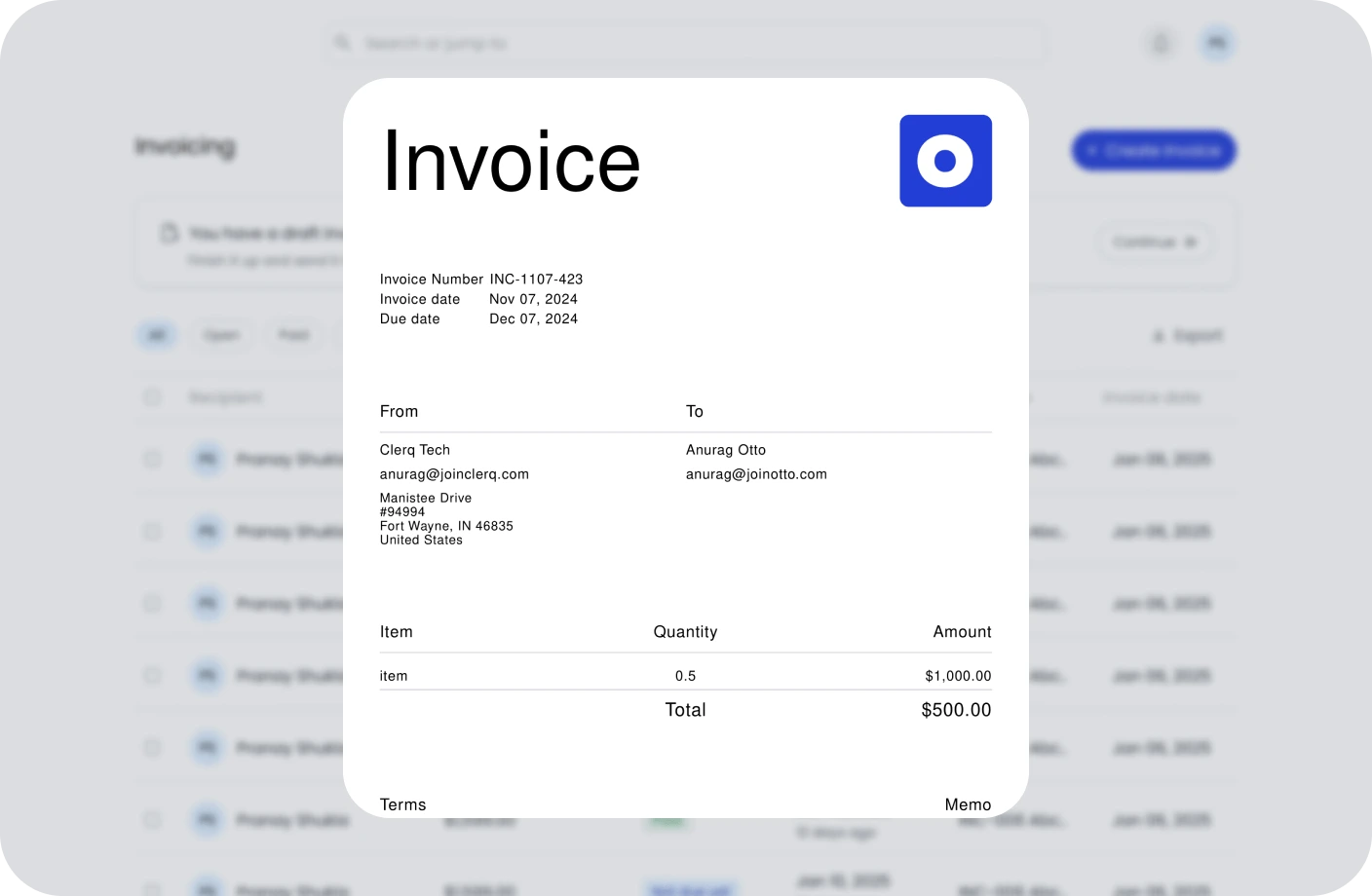
Invoicing
Create, send, and manage invoices. Track payments and assure timely cash flow.
Contracts
Create, track, and e-sign contracts to ensure compliance and deadlines.

Taxes
Confidently plan taxes with expert CPAs and smart tools to track deductions.
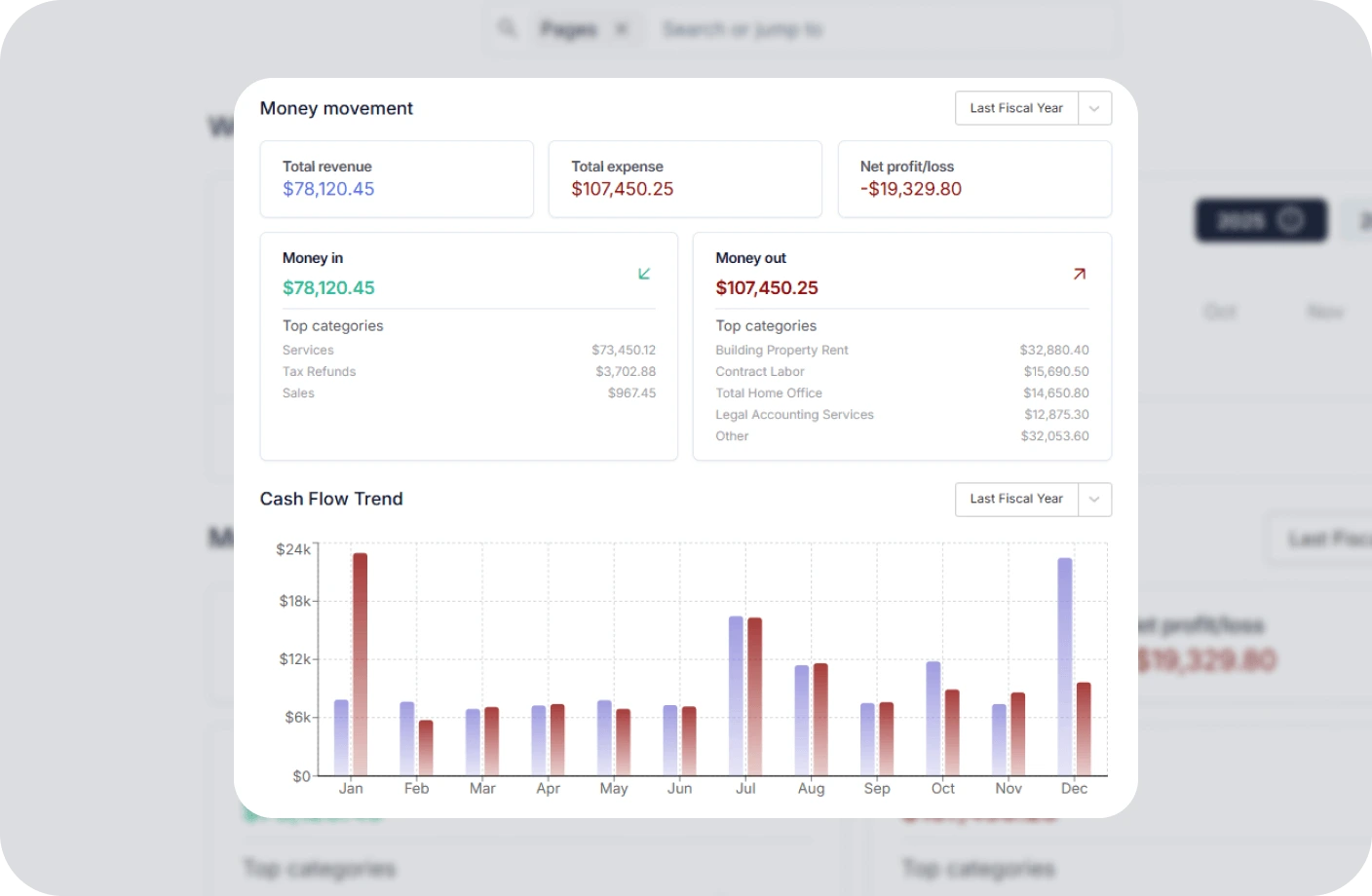
Reports
Real time business reports show where you stand today and what to do next.
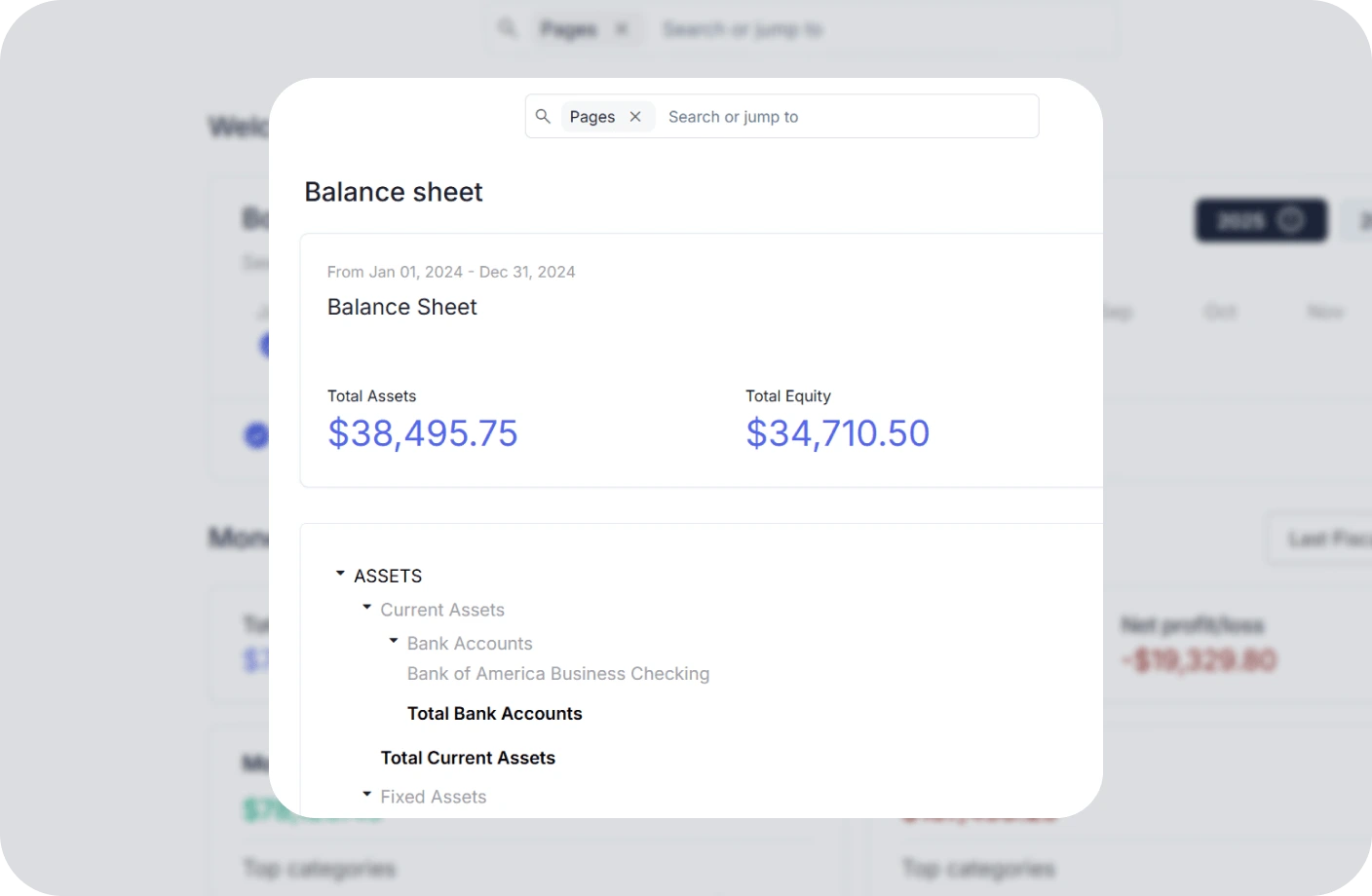
Accounting
All in one accounting software for creators to handle your books, taxes, invoices, contracts.

Creator Tools
Specialized tools and resources for every type of creator
YouTubers Tools
Optimize your YouTube channel with analytics, thumbnail generators, and growth tools.
TikTokers Tools
Create viral TikTok content with trend analysis, caption generators, and editing tools.
Content Creators Tools
Comprehensive toolkit for content creation, scheduling, and audience engagement.
Video Creators Tools
Professional video editing, compression, and optimization tools for creators.
Influencers Tools
Manage brand partnerships, track engagement, and maximize your influencer income.
Photographers Tools
Photo editing, watermarking, and portfolio management tools for photographers.
Related Invoicing Resources
Essential guides to help you master invoicing and payments
What Is an Invoice? Everything You Need to Know
Learn the fundamentals of invoicing, including key components, different types of invoices, and best practices for getting paid on time.
The Ultimate Guide to Invoicing for Creatives
Discover tailored invoicing strategies for freelancers, designers, photographers, and other creative professionals to streamline billing.
How to Write an Invoice for Contract Work
A complete step-by-step guide to creating professional invoices for contract jobs, including payment terms, itemization, and follow-up tips.
Credit Note FAQs
Quick answers to common questions about credit notes
What is a credit note in simple terms?
A credit note is a document issued by a seller to a buyer that reduces the amount the buyer owes. It is commonly used when goods are returned, there is an overcharge, or a discount is applied after the original invoice was sent.
When should I issue a credit note?
You should issue a credit note when a customer returns goods, when you have overbilled a customer, when offering a post-sale discount or promotion, or when correcting an error on an original invoice.
What is the difference between a credit note and a debit note?
A credit note reduces the amount a buyer owes (issued by the seller), while a debit note increases the amount owed or serves as a request for payment (issued by the buyer). Credit notes adjust downward, debit notes adjust upward.
How is a credit note recorded in accounting?
In accounting, a credit note reduces accounts receivable and sales revenue (or increases sales returns and allowances). It also reduces the amount of tax owed if the original invoice included sales tax.
Does a credit note mean a refund?
Not always. A credit note indicates that the buyer's account has been credited, which can be applied to future purchases. A refund is an actual repayment of money. Some businesses offer refunds instead of credit notes, depending on their policy.
How do I create a credit note for my business?
You can create a credit note using invoicing software like Otto. Include the original invoice reference, the reason for the credit, the amount being credited, and ensure it clearly shows the reduction in the amount owed.
Manage Your Invoicing Without the Confusion
Create professional invoices, issue credit notes, and manage your billing effortlessly with Otto's invoicing platform.