Invoice Email: Definition & Overview
Learn what an invoice email is, why it's critical for getting paid, and how to craft effective billing emails that get results.
KEY TAKEAWAYS
-
✓
Invoice email is the primary method for delivering invoices and requesting payment from clients.
-
✓
The quality and clarity of your invoice email directly affects how fast you get paid.
-
✓
Professional, well-structured invoice emails build trust and improve your brand image with clients.
What is an Invoice Email?
An invoice email is a digital message sent to a client or customer to request payment for goods or services provided. Unlike a paper invoice mailed through the post, an invoice email is delivered instantly to the recipient's inbox, making it the fastest and most common method of billing in modern business. A typical invoice email includes key details such as the invoice number, the invoice date, the total amount due, payment terms, and a link or attachment for the customer to view and pay the invoice.
Invoice emails serve as both a payment request and a formal record of the transaction. They are an essential part of the billing workflow for freelancers, small businesses, and large enterprises alike.
Why Invoice Emails Matter
Invoice emails are more than just a way to send a bill. They play a critical role in the payment process:
-
•
Speed: Invoice emails are delivered instantly, reducing the time between completing a job and sending the bill. The faster you send the invoice, the faster you can expect payment.
-
•
Tracking: Email allows you to know when a client has opened your invoice, providing visibility into whether your message has been seen.
-
•
Professionalism: A well-designed invoice email reinforces your brand and shows clients that you run a professional, organized business.
What to Include in an Invoice Email
A complete invoice email should contain the following elements:
-
•
Clear subject line: Include the word Invoice, your business name, and the invoice number so the recipient knows exactly what the email is about.
-
•
Invoice attachment or embedded summary: Provide the invoice as a PDF attachment or include a summary of charges directly in the email body.
-
•
Payment link: Include a clickable link that takes the recipient directly to a payment page, making it as easy as possible to pay.
-
•
Clear payment details: State the total amount due, the due date, accepted payment methods, and any late payment policies.
How to Write an Effective Invoice Email Subject Line
The subject line is the first thing your client sees. A good invoice email subject line should be clear, professional, and include essential information. Here are some effective examples:
-
•
"Invoice #1024 from Your Business Name — $500.00 Due by June 15"
-
•
"New Invoice: Website Design Project — Payment Due in 14 Days"
-
•
"Invoice for March Services — $1,200.00 Due by April 10"
Avoid vague subject lines like "Invoice" or "Payment Request." Including the invoice number and amount helps your client quickly identify and prioritize the email.
Best Practices for Sending Invoice Emails
To maximize your chances of getting paid on time, follow these best practices when sending invoice emails:
-
•
Personalize each email: Address the client by name and reference the specific project or service to show attention to detail.
-
•
Use a professional template: Maintain consistent branding with your logo, colors, and font choices across all invoice emails.
-
•
Make it mobile-friendly: Many clients check email on their phones. Ensure your invoice email renders well on mobile devices.
-
•
Include a clear CTA: Use a prominent "Pay Now" button that links directly to the payment portal, reducing friction in the payment process.
-
•
Send timely reminders: Schedule automatic reminders a few days before the due date and follow up promptly after the due date passes.
Summary
Invoice emails are the backbone of modern billing. They provide a fast, trackable, and professional way to request payment from clients. By including all necessary details, writing clear subject lines, and following best practices for email design and timing, you can significantly improve your payment collection process.
Using invoicing software like Otto helps you automate invoice email delivery, track when clients open your emails, and send automatic payment reminders so you can focus on your work instead of chasing payments.
How Invoice Emails Apply to Your Business
When will you actually use this?
Invoice emails are a universal business tool. No matter what type of work you do, sending professional billing emails is essential for getting paid. Here's when you'll use them:
Freelance Services
Send professional invoice emails for project-based work with clear payment terms and due dates.
Product Sales
Email invoices for physical or digital product purchases with order details and tracking information.
Subscription Billing
Automate recurring invoice emails for subscription services and membership plans.
Service Contracts
Send detailed invoice emails for ongoing service agreements with hour logs and expense breakdowns.
Event Bookings
Use invoice emails to confirm event reservations and provide booking details to clients.
Retainer Agreements
Send monthly invoice emails for retainer-based work with completed task summaries.
Recommended Reading
Expand your knowledge with these related invoicing topics
Deposit Invoice
Learn how deposit invoices work and when to use them for your business transactions.
Proforma Invoice
Understand proforma invoices and how they differ from standard invoices.
Payment Terms
Explore common payment terms and how to set them for advance payments and invoices.
Recurring Invoice
How recurring invoices work with advance payments for subscription-based businesses.
Payment Terms
Best practices for setting payment terms and expectations for advance payments.
Invoice Number
How to properly number invoices and track advance payment invoices in your system.
Free Invoice Templates
Professional invoice templates designed for every type of creator and freelancer.
DJ Invoice Template
Professional DJ invoice template for gigs, events, and private bookings with customizable payment terms and service breakdowns.
Event Planner Invoice Template
Streamlined invoice template for event planners covering venue coordination, vendor management, and client billing.
Photographer Invoice Template
Tailored invoice template for photographers covering session fees, print orders, usage rights, and travel expenses.
Videographer Invoice Template
Professional videographer invoice template for filming projects, editing services, and production work with clear milestone billing.
Web Developer Invoice Template
Developer-friendly invoice template for web projects, hourly billing, fixed-price contracts, maintenance retainers, and custom modules.
Content Creator Invoice Template
Versatile invoice template for content creators covering sponsorships, affiliate income, content production, and brand deals.
Real Invoicing Questions From the Community
Explore Reddit-backed Otto invoicing guides based on real conversations about payments, invoices, deposits, billing, and cash flow systems.
One Platform: From Entity Setup to Closing Reports
Comprehensive financial solutions for your business needs.
Entity Management
Easily manage legal entities, compliance, and ownership in one platform.
Invoicing
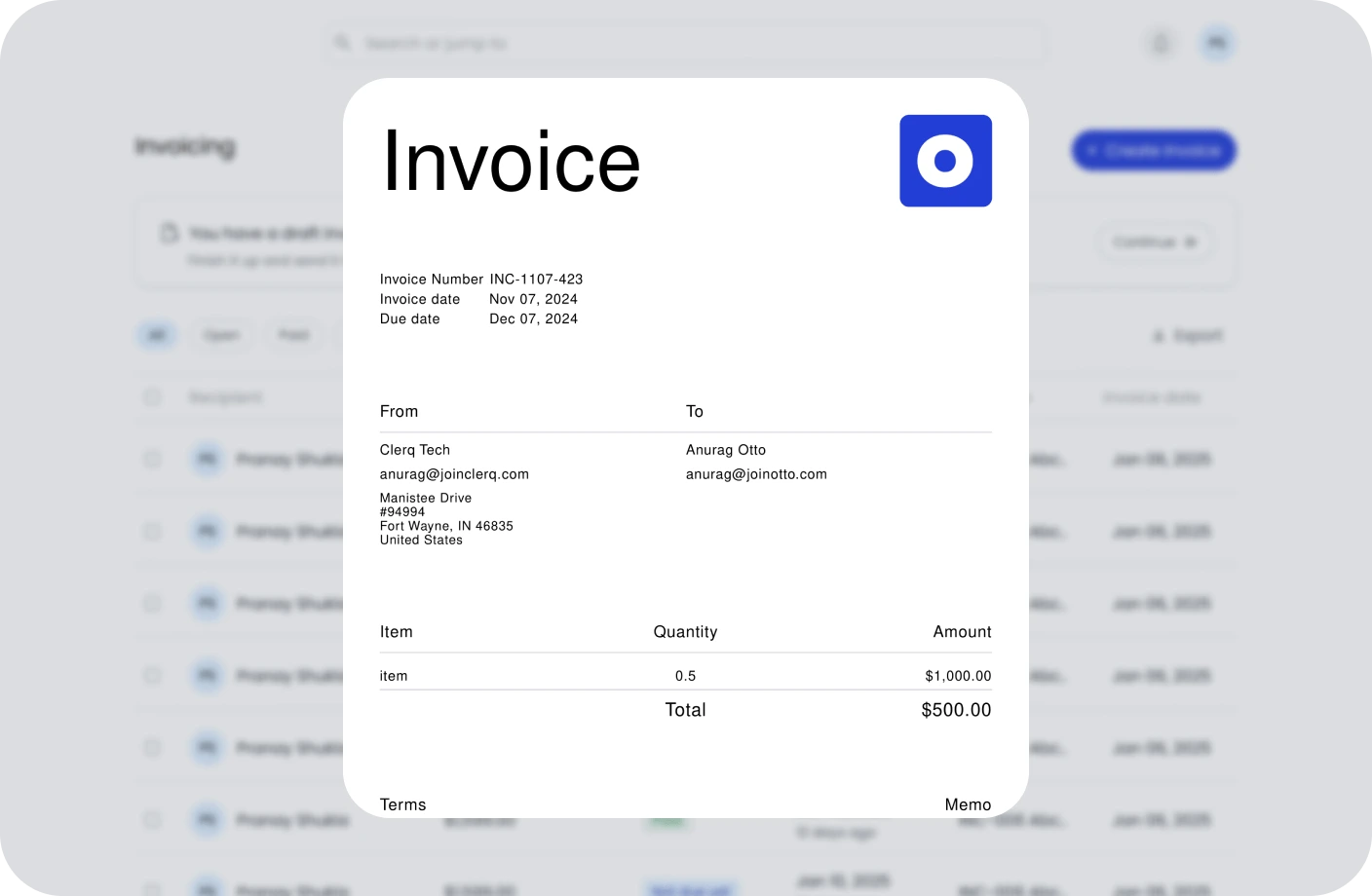
Create, send, and manage invoices. Track payments and assure timely cash flow.
Contracts
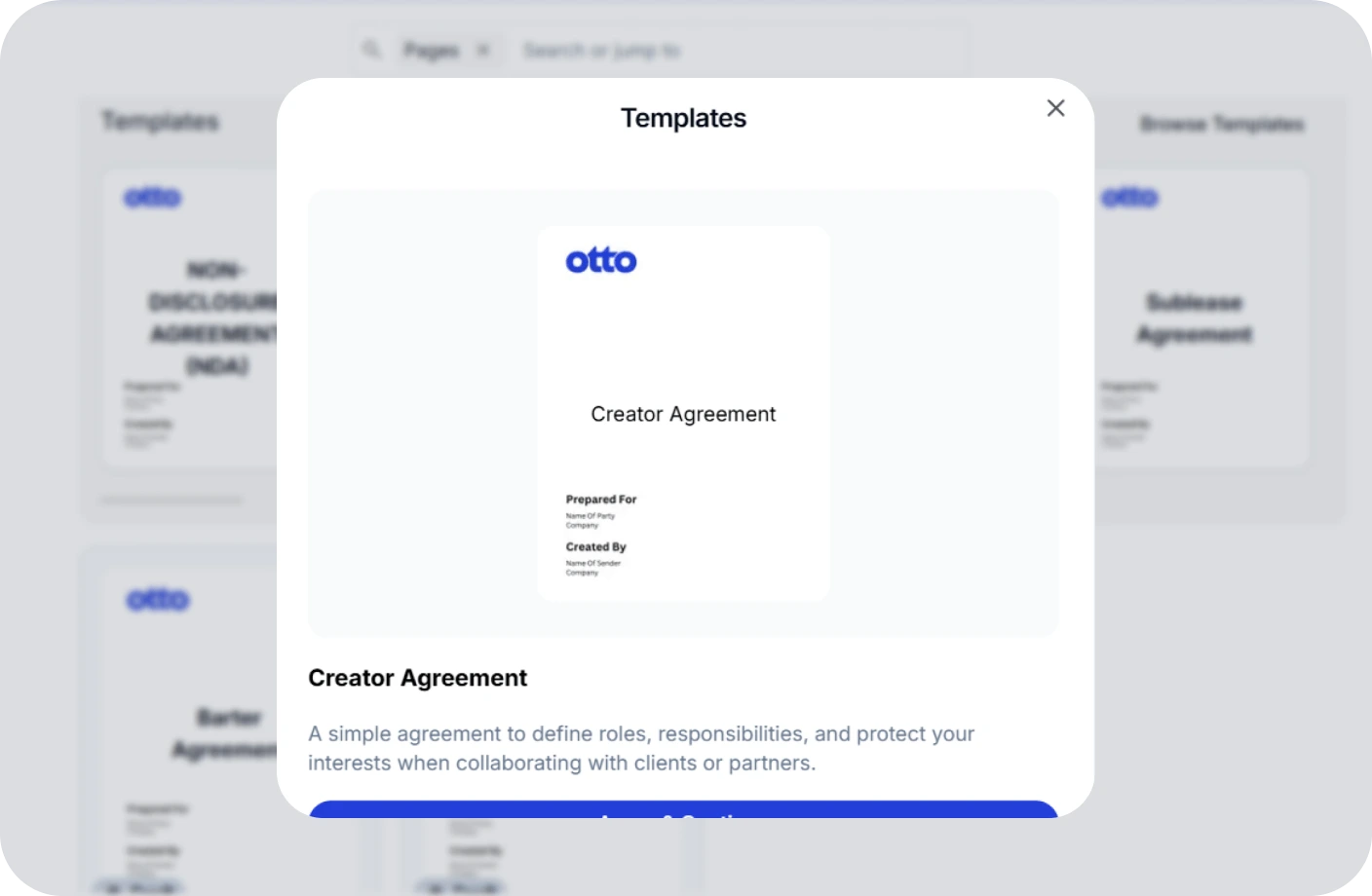
Create, track, and e-sign contracts to ensure compliance and deadlines.
Taxes
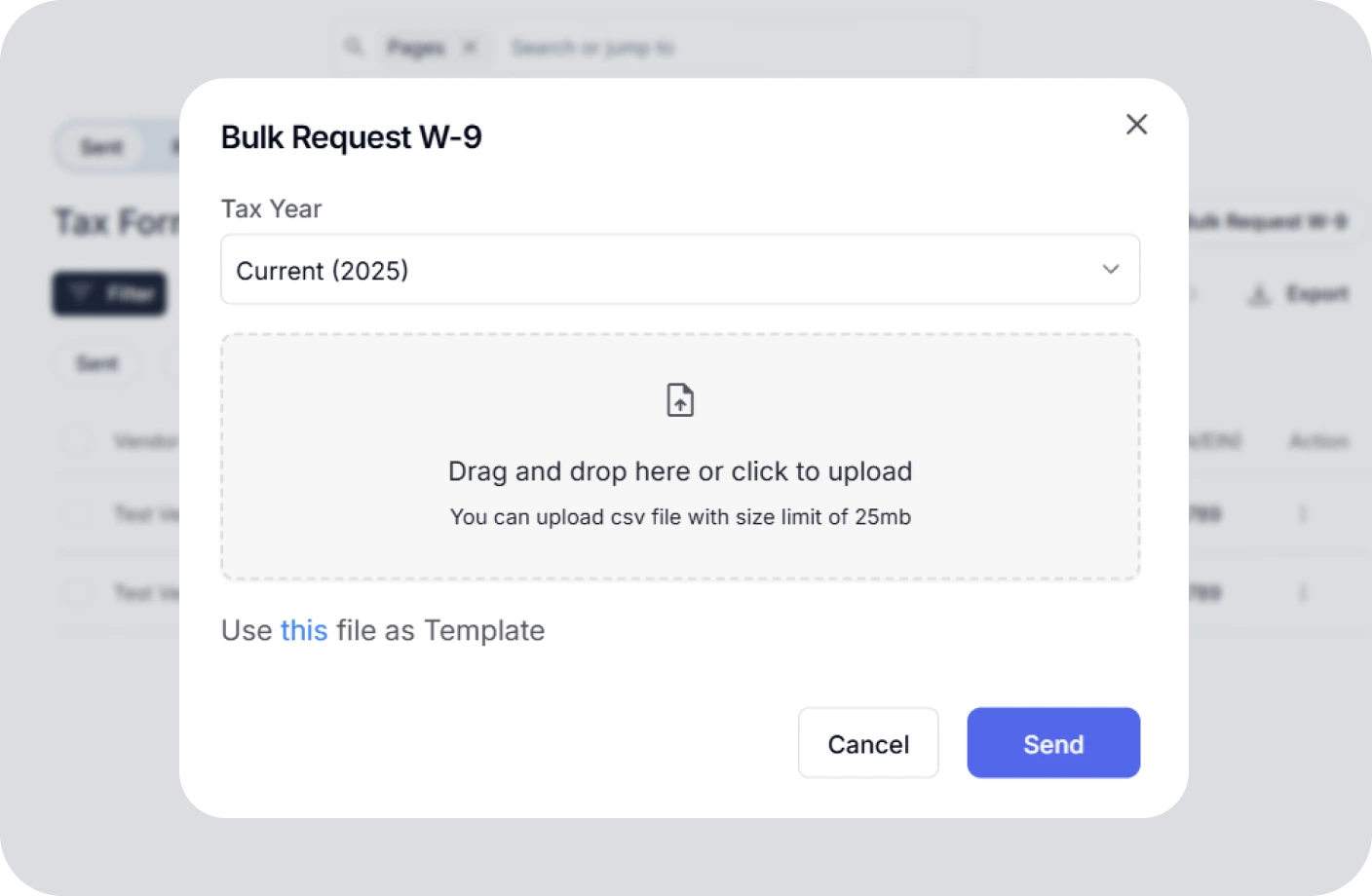
Confidently plan taxes with expert CPAs and smart tools to track deductions.
Reports
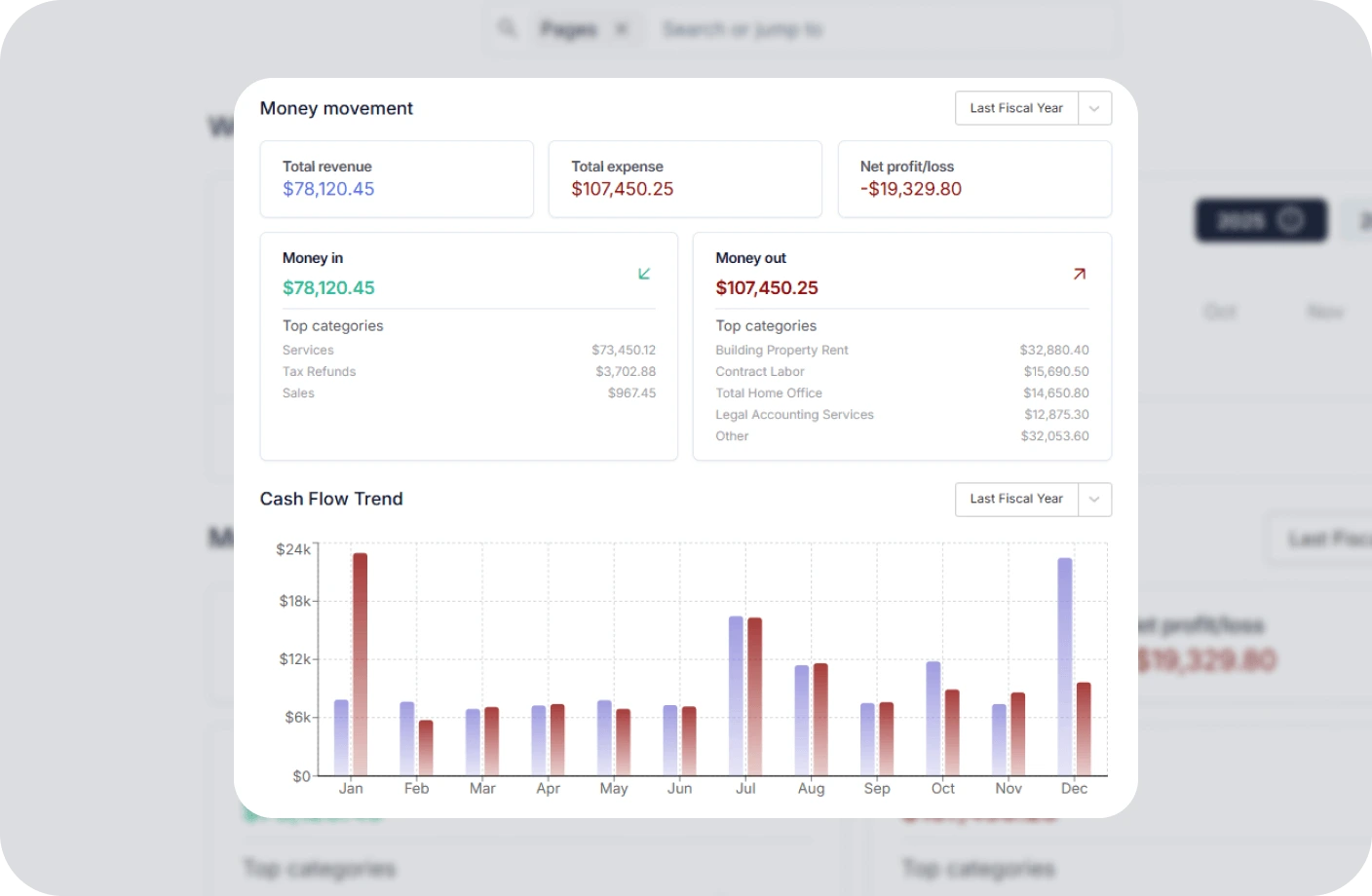
Real time business reports show where you stand today and what to do next.
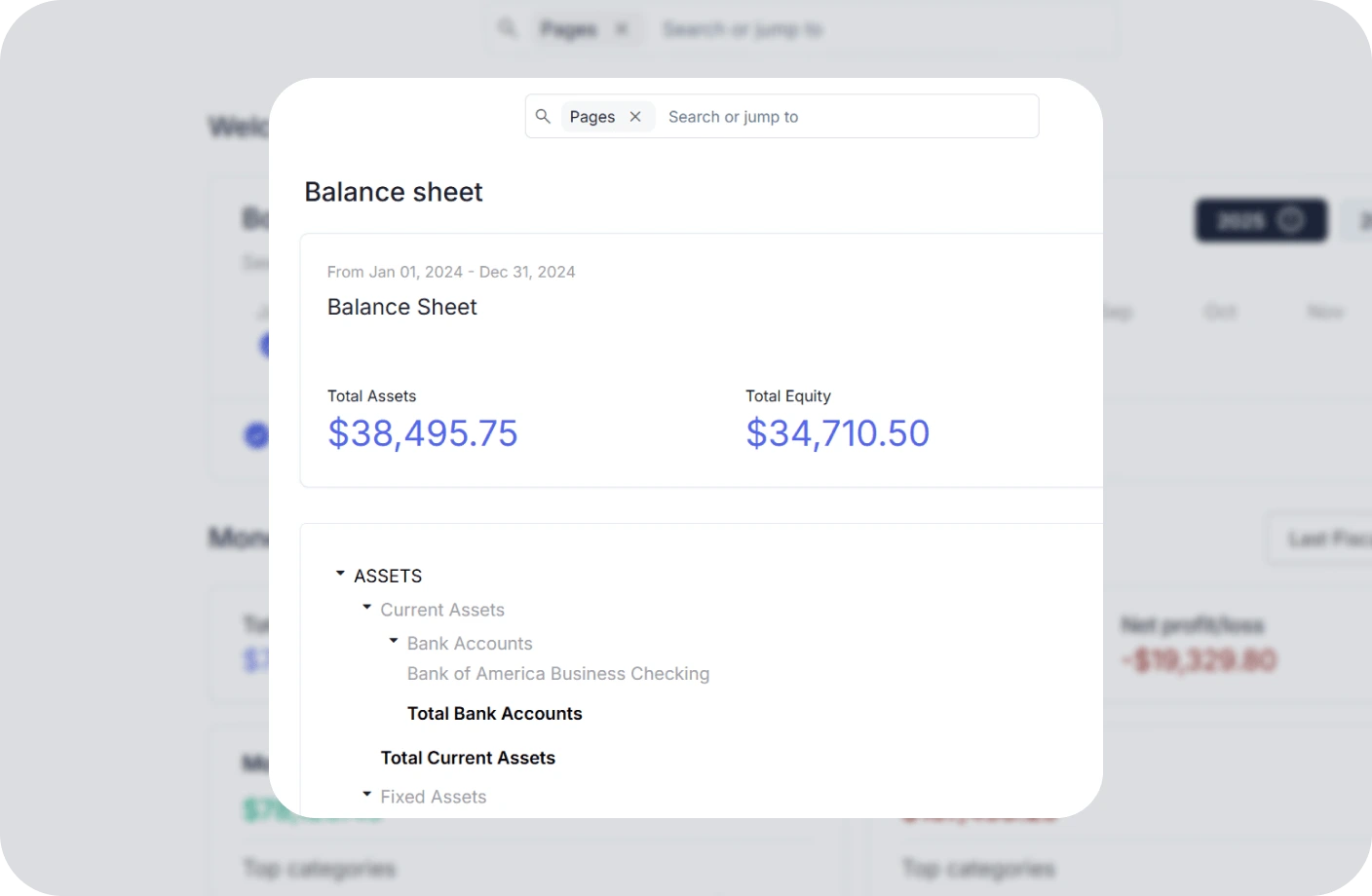
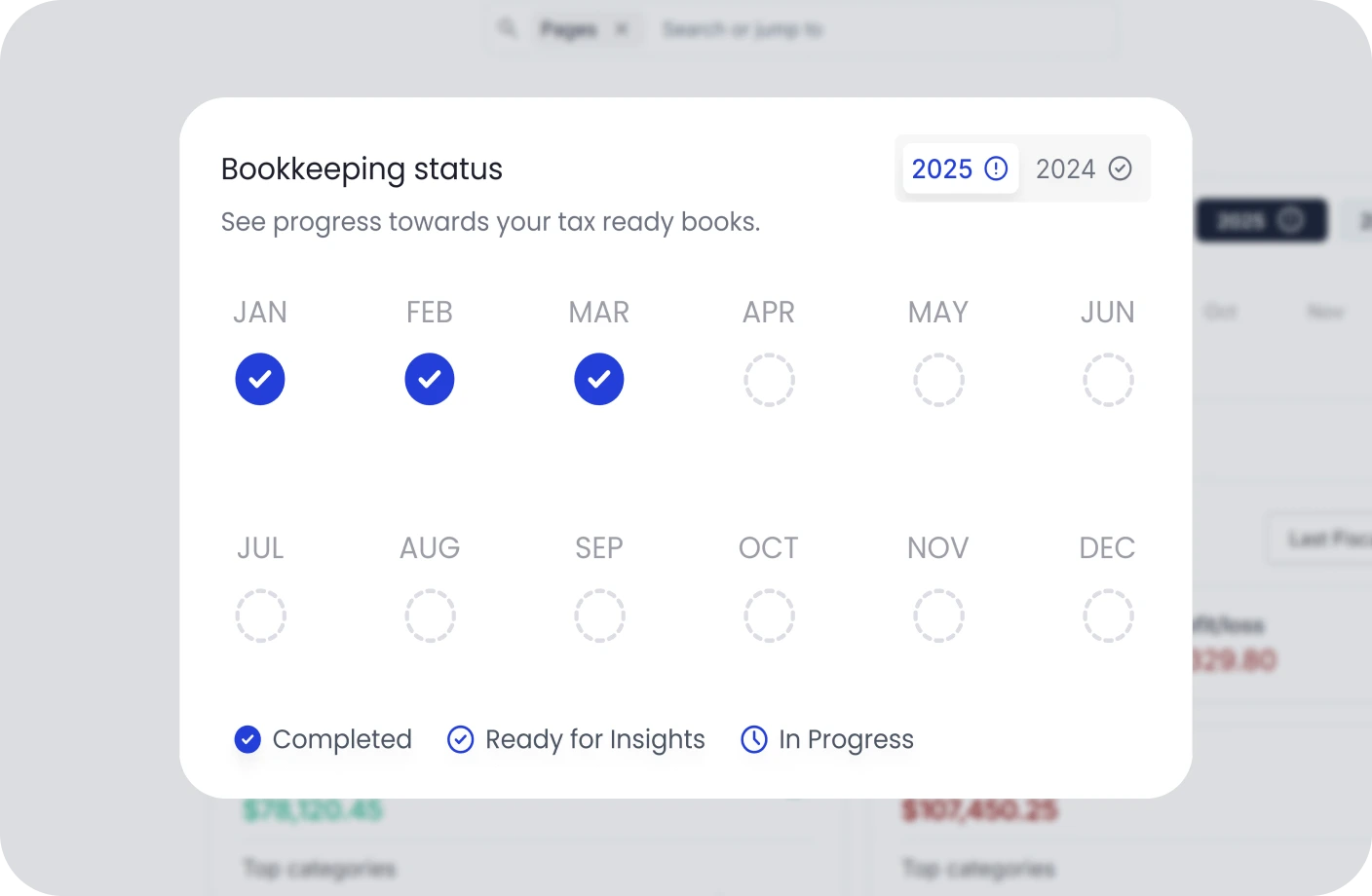
Accounting
All in one accounting software for creators to handle your books, taxes, invoices, contracts.
Creator Tools
Specialized tools and resources for every type of creator
YouTubers Tools
Optimize your YouTube channel with analytics, thumbnail generators, and growth tools.
TikTokers Tools
Create viral TikTok content with trend analysis, caption generators, and editing tools.
Content Creators Tools
Comprehensive toolkit for content creation, scheduling, and audience engagement.
Video Creators Tools
Professional video editing, compression, and optimization tools for creators.
Influencers Tools
Manage brand partnerships, track engagement, and maximize your influencer income.
Photographers Tools
Photo editing, watermarking, and portfolio management tools for photographers.
Related Invoicing Resources
Essential guides to help you master invoicing and payments
What Is an Invoice? Everything You Need to Know
Learn the fundamentals of invoicing, including key components, different types of invoices, and best practices for getting paid on time.
The Ultimate Guide to Invoicing for Creatives
Discover tailored invoicing strategies for freelancers, designers, photographers, and other creative professionals to streamline billing.
How to Write an Invoice for Contract Work
A complete step-by-step guide to creating professional invoices for contract jobs, including payment terms, itemization, and follow-up tips.
Invoice Email FAQs
Quick answers to common questions about invoice emails
What is an invoice email?
An invoice email is a digital message sent to a client requesting payment for goods or services. It includes the invoice details such as the amount due, payment terms, and a link to pay online. It is the standard way businesses send invoices today.
Why are invoice emails important for getting paid?
Invoice emails are delivered instantly, provide a clear record of what is owed, and make it easy for clients to pay with a single click. They help businesses get paid faster than paper invoices or in-person billing.
What should I include in an invoice email?
Include a clear subject line, the invoice as an attachment or embedded summary, the total amount due, payment terms and due date, payment instructions or a payment link, and your contact information.
How do I write a good invoice email subject line?
Include the word Invoice, your business name, invoice number, and the amount due. Example: "Invoice #1024 from Your Business — $500 Due by June 15." This helps the email stand out and avoids confusion.
What are the best practices for sending invoice emails?
Send invoices promptly, use a professional template, personalize each message, make emails mobile-friendly, include a clear Pay Now button, and send reminders before and after the due date.
How should I follow up on an unpaid invoice email?
Send a friendly reminder a few days before the due date, a follow-up on the due date, and polite reminders every 3-5 days after. Always be professional and offer assistance if the client has questions.
Manage Your Invoicing Without the Confusion
Send professional invoice emails, track payments, and manage your entire billing workflow effortlessly with Otto's invoicing platform.