Modified Accrual Accounting : Definition & Overview
Discover how modified accrual accounting combines cash and accrual methods to give you a clear financial picture for both short-term and long-term planning.
KEY TAKEAWAYS
-
✓
Accounting theory guides financial reporting and accounting processes.
-
✓
It involves methodologies, frameworks, and assumptions that get used in financial reporting.
-
✓
Accounting theory evolves and adapts to environmental changes and new trends.
Have you ever wondered which accounting method works best when you have a mix of short-term payments and long-term contracts? Modified accrual accounting might be the answer you are looking for. This hybrid approach blends the simplicity of cash basis accounting with the accuracy of full accrual accounting.
Whether you are a filmmaker managing a one-time production grant, a photographer financing equipment over several months, or a freelancer juggling milestone-based payments, modified accrual accounting helps you track what matters most without overcomplicating your books.
This guide walks you through what modified accrual accounting is, how it works for both short-term and long-term transactions, and how creators and small business owners can apply it to gain better financial clarity.
What Is Modified Accrual Accounting?
Modified accrual accounting is a hybrid accounting method that combines elements of cash basis accounting and accrual basis accounting. Revenue is recorded when it is both available and measurable, while expenditures are recorded when the obligation occurs.
This method is most commonly used by government entities, but it is also highly useful for creative professionals who work with a mix of immediate payments and long-term contracts. By applying the right treatment to each type of transaction, modified accrual accounting gives you a more accurate financial picture without the complexity of full accrual accounting.
In simple terms, modified accrual accounting lets you use cash basis for short-term items like daily income and expenses, while applying accrual basis for long-term obligations like multi-phase project payments or equipment financing.
Basic Rules of Modified Accrual Accounting
Modified accrual accounting follows a straightforward set of rules that determine when income and expenses are recorded:
-
•
Income is recognized when it is both measurable and reasonably assured
-
•
Expenses are recorded when the liability is incurred and due
-
•
Short-term transactions are recorded on a near-cash basis for simplicity
-
•
Long-term obligations follow the accrual framework for accuracy
For example, if a contract payment of $5,000 is due in 30 days, modified accrual accounting would record that income only when the funds become available rather than at the contract signing. This prevents overstating available resources.
Modified Accrual Accounting When Recording Short-Term Events
For short-term transactions, modified accrual accounting treats entries as near-immediate, similar to cash basis accounting. This means you record revenue and expenses when cash is actually received or paid, or when the transaction is expected to settle within a very short period.
This approach is ideal for creators who receive regular platform payouts, such as monthly YouTube ad revenue or freelance payments that arrive within days. A filmmaker, for instance, would record a deposit payment for an upcoming project as soon as the funds are available in their account, not when the contract is signed.
By treating short-term items on a cash basis, you maintain clear visibility into your current cash position without waiting for theoretical accruals to catch up.
Modified Accrual Accounting When Recording Long-Term Events
Long-term transactions in modified accrual accounting use the accrual framework. This means you record revenue when it is earned and expenses when they are incurred, regardless of when cash changes hands. The key difference is that modified accrual restricts this treatment to items that span beyond the current period.
A photographer who purchases equipment on a 12-month payment plan would record the equipment as a long-term asset and recognize the corresponding liability. As payments are made, the liability decreases and the expense is recognized gradually.
This approach ensures that long-term obligations are properly reflected in your financial statements, giving you a more complete picture of your financial health.
Governmental Modified Accrual Accounting
Governmental modified accrual accounting is the standard approach used by public sector entities. It focuses on fiscal accountability and transparency, ensuring that taxpayer funds are properly tracked and reported.
In this context, revenue is recorded when it is both measurable and available to finance current obligations. Expenditures are recorded when the liability is incurred, following the modified accrual framework.
Creators who work with government grants or contracts can apply the same principles. When you receive a grant that must be used for a specific project, the modified accrual approach helps you track the availability of those funds and ensures you only record revenue when it is actually accessible for your use.
How Does Modified Accrual Work?
Modified accrual accounting works by dividing your transactions into two categories: short-term and long-term. Short-term items follow cash basis treatment, while long-term items follow accrual basis treatment.
Consider a designer working on a multi-stage project worth $15,000. The contract spans six months with three payment phases of $5,000 each. Under modified accrual accounting, the designer records each payment phase as income only when that phase becomes accessible and measurable. This avoids recording the full $15,000 upfront, which would distort cash flow visibility.
The same logic applies to expenses. A monthly software subscription is recorded immediately (cash basis), while a multi-year office lease is recorded gradually as the liability matures (accrual basis).
The Benefit of Modified Accrual Accounting
The primary benefit of modified accrual accounting is that it balances immediate cash flow tracking with accurate long-term obligation management. You get the simplicity of cash accounting for day-to-day operations while maintaining the accuracy of accrual accounting for significant long-term commitments.
For musicians, this means tracking streaming revenue on a cash basis while recording album production costs and advance payments on an accrual basis. For freelancers, it means recording client payments as they arrive while tracking long-term retainer agreements and deferred compensation.
By tailoring the accounting treatment to the nature of each transaction, modified accrual accounting provides a financial picture that is both practical and comprehensive.
How It Applies to Your Business
When will you actually use this?
Accounting theory isn't just for large corporations. It impacts everyday business decisions and can mean the difference between success and failure. Here's when you'll use these principles:
For Content Creators
Use modified accrual to track short-term platform payouts on a cash basis while recording long-term sponsorship deals on accrual.
For Small Business Owners
Apply this method to manage everyday cash flow while accurately reflecting equipment loans and long-term contracts.
For Freelancers
Record immediate client payments on cash basis while tracking long-term project milestones and retainers on accrual.
Recommended Reading
Expand your knowledge with these related topics
Current Assets
Learn about current assets and how they impact your business liquidity and short-term financial health.
PPE
Learn about Property, Plant, and Equipment assets and their accounting treatment for your business.
Debit
Understanding debits in accounting and how they affect your financial records.
Assurance
Understanding assurance services and their role in financial reporting credibility.
FF&E
Furniture, Fixtures, and Equipment accounting for business asset management and tracking.
Point of Sale (POS)
How POS systems integrate with accounting for accurate sales tracking.
Real Accounting Questions From the Community
Explore Reddit-backed Otto accounting guides based on real conversations about CPAs, accountants, invoices, reconciliation, ledgers, P&L, and cash flow systems.
One Platform: From Entity Setup to Closing Reports
Comprehensive financial solutions for your business needs.
Entity Management
Easily manage legal entities, compliance, and ownership in one platform.
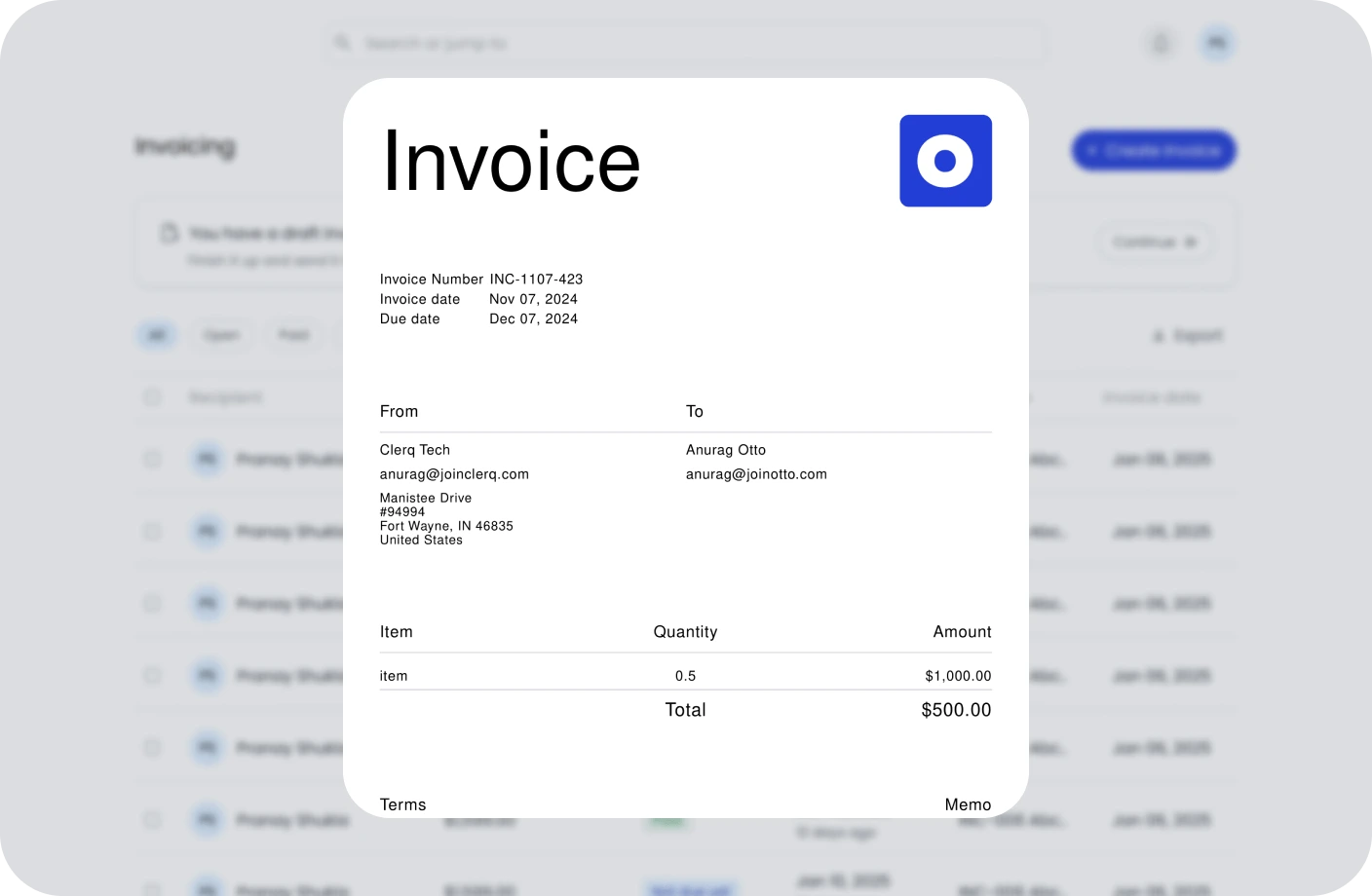
Invoicing
Create, send, and manage invoices. Track payments and assure timely cash flow.
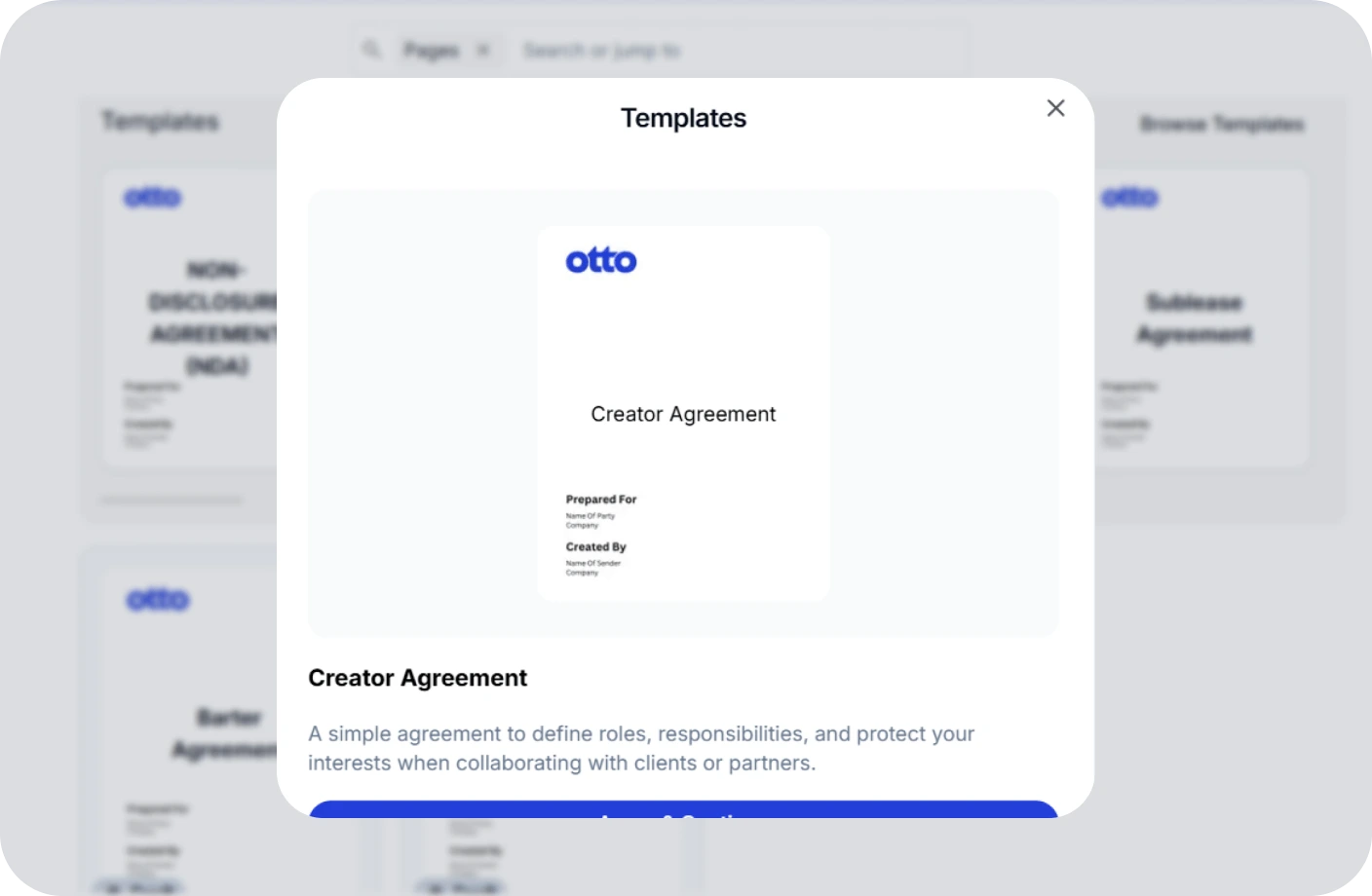
Contracts
Create, track, and e-sign contracts to ensure compliance and deadlines.
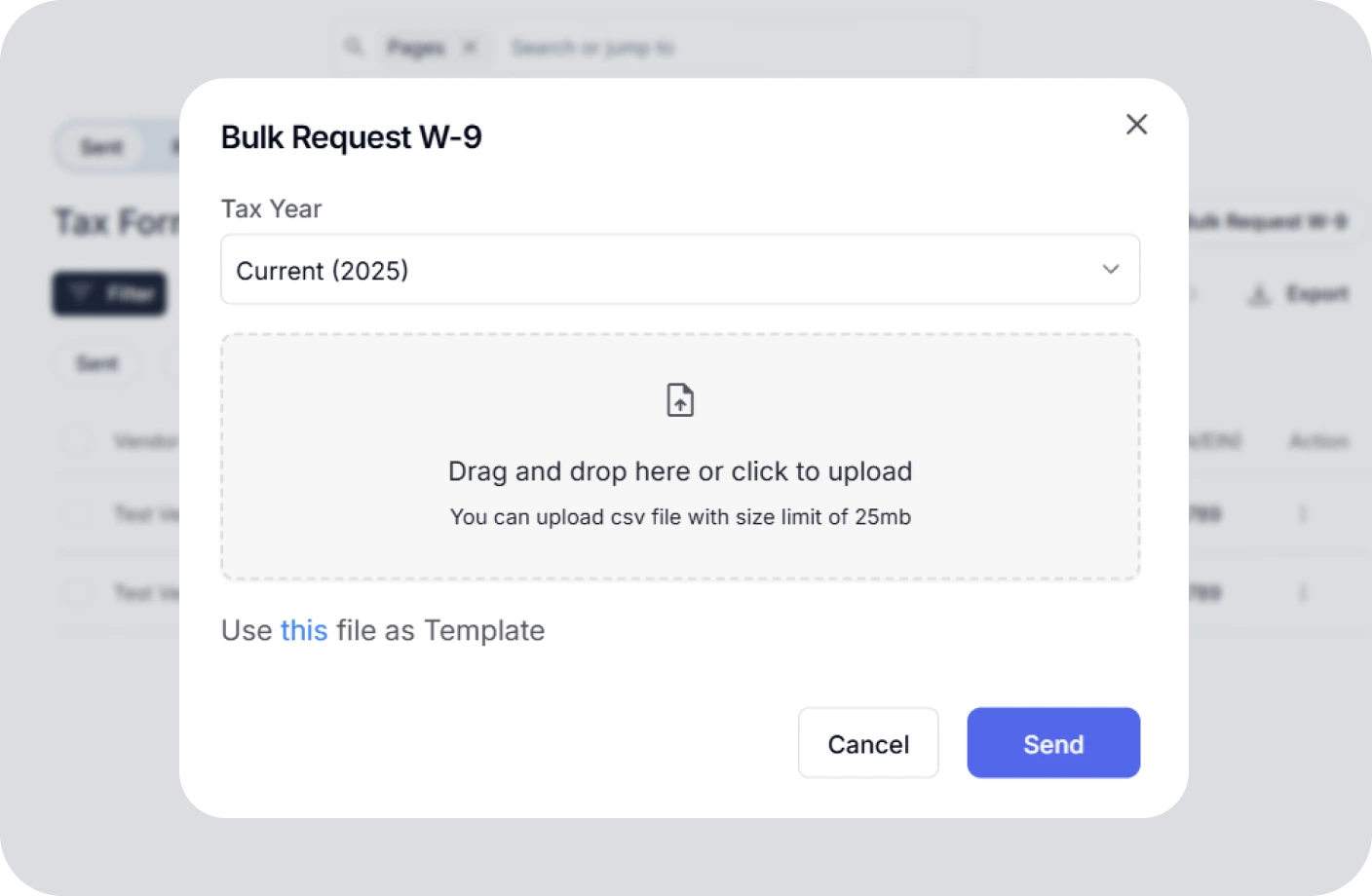
Taxes
Confidently plan taxes with expert CPAs and smart tools to track deductions.
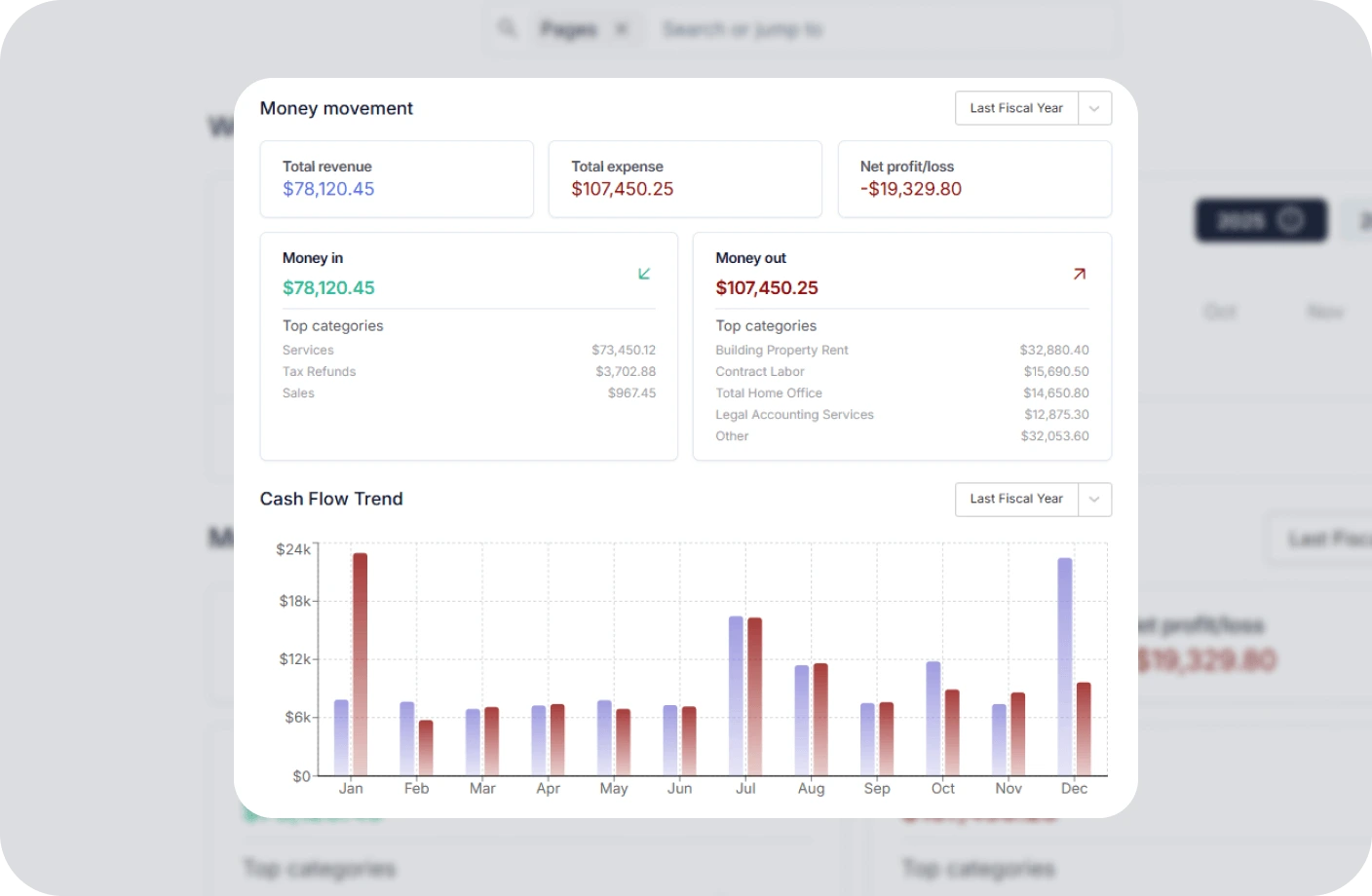
Reports
Real time business reports show where you stand today and what to do next.
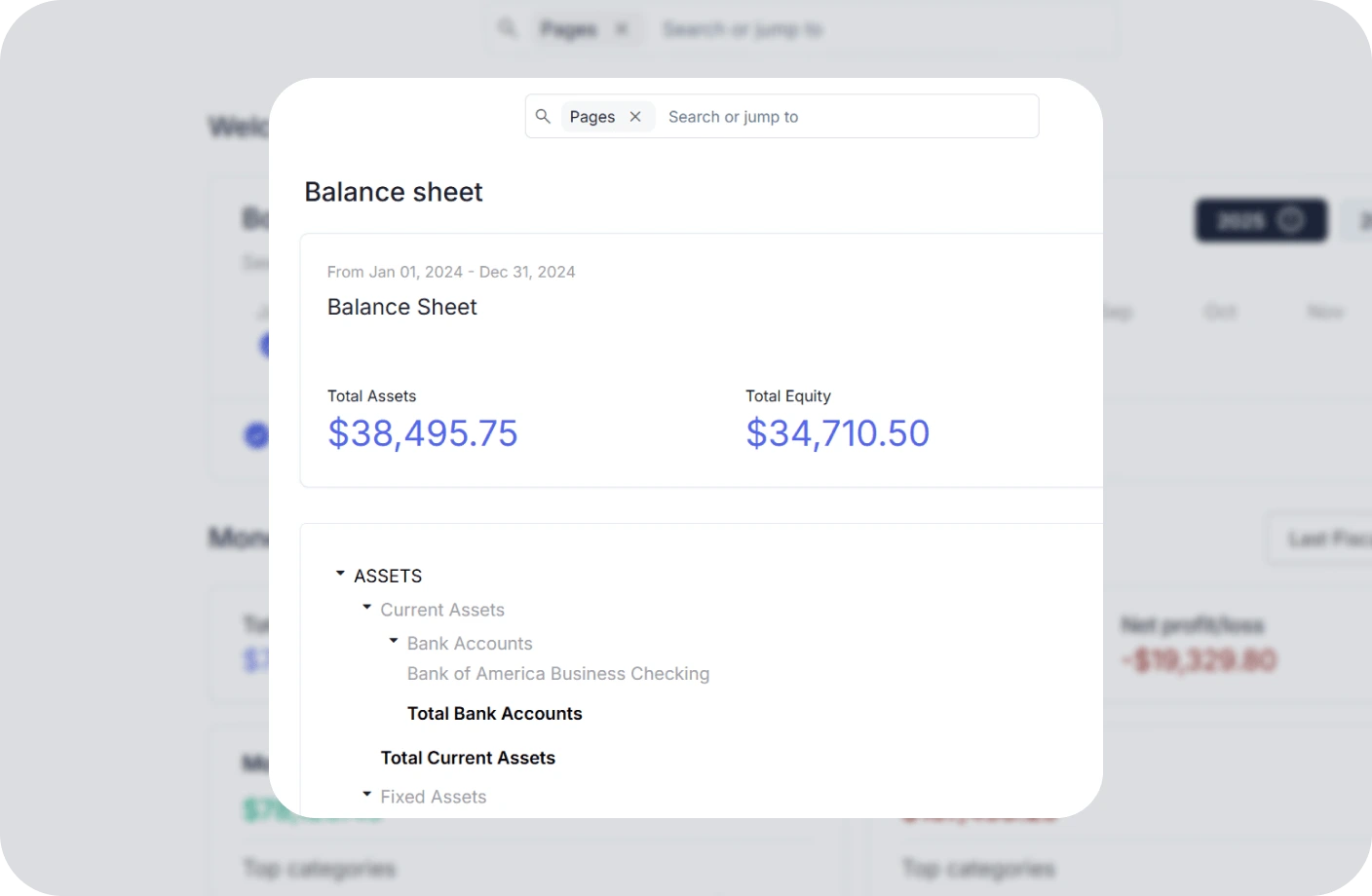
Accounting
All in one accounting software for creators to handle your books, taxes, invoices, contracts.
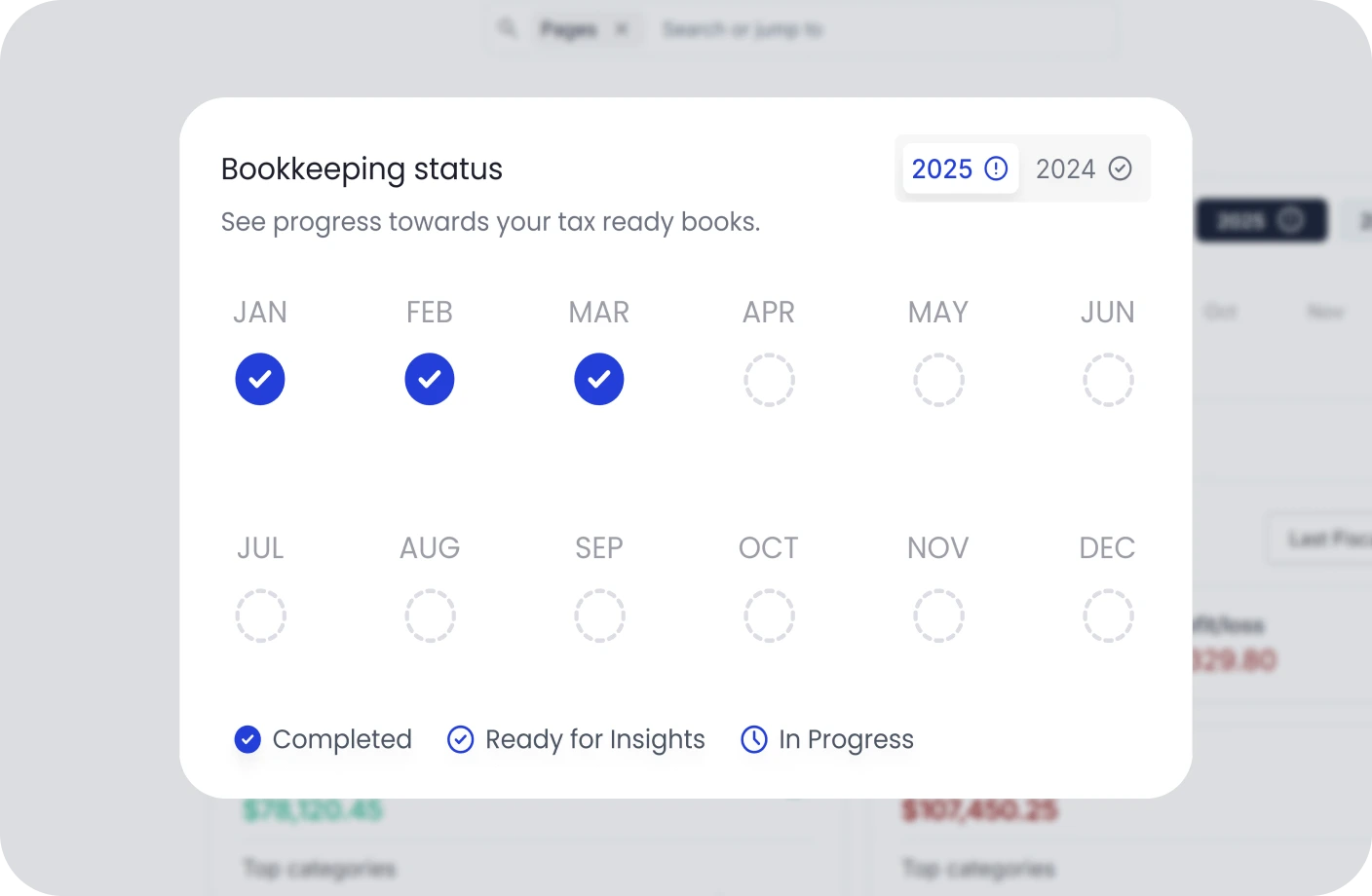
Creator Tools
Specialized tools and resources for every type of creator
YouTubers Tools
Optimize your YouTube channel with analytics, thumbnail generators, and growth tools.
TikTokers Tools
Create viral TikTok content with trend analysis, caption generators, and editing tools.
Content Creators Tools
Comprehensive toolkit for content creation, scheduling, and audience engagement.
Video Creators Tools
Professional video editing, compression, and optimization tools for creators.
Influencers Tools
Manage brand partnerships, track engagement, and maximize your influencer income.
Photographers Tools
Photo editing, watermarking, and portfolio management tools for photographers.
Related Accounting Resources
Essential tax forms and compliance guides for your accounting practice
What Is Cash Pooling? How It Works, Key Types, and Examples
Learn how cash pooling optimizes liquidity across multiple accounts and business entities.
What Is an Amortization Expense? Definition, Formula & Examples
Understand how to calculate and record amortization expenses for intangible assets accurately and efficiently.
Debits vs Credits in Accounting: A Beginner's Guide
Master the fundamental accounting principle of double-entry bookkeeping with clear examples.
Modified Accrual Accounting FAQs
Quick answers to common questions about modified accrual accounting
How is modified accrual accounting different from full accrual accounting?
Modified accrual only applies accrual to long-term transactions; full accrual applies accrual to all transactions.
What types of businesses use modified accrual accounting?
Government entities and some creators with long-term projects or government funding.
Can modified accrual accounting be used by small businesses?
Yes, especially project-based businesses or those with government contracts.
Can creators use modified accrual accounting for personal projects?
Yes, similar principles can track revenue availability and align with cash flow.
Is modified accrual accounting complex?
It is more complex than cash or full accrual, but offers a more accurate financial reflection for mixed-term transactions.
Manage Your Finances Without the Confusion
Apply modified accrual accounting effortlessly with Otto's AI-powered bookkeeping. Track expenses, generate reports, and make smarter business decisions.